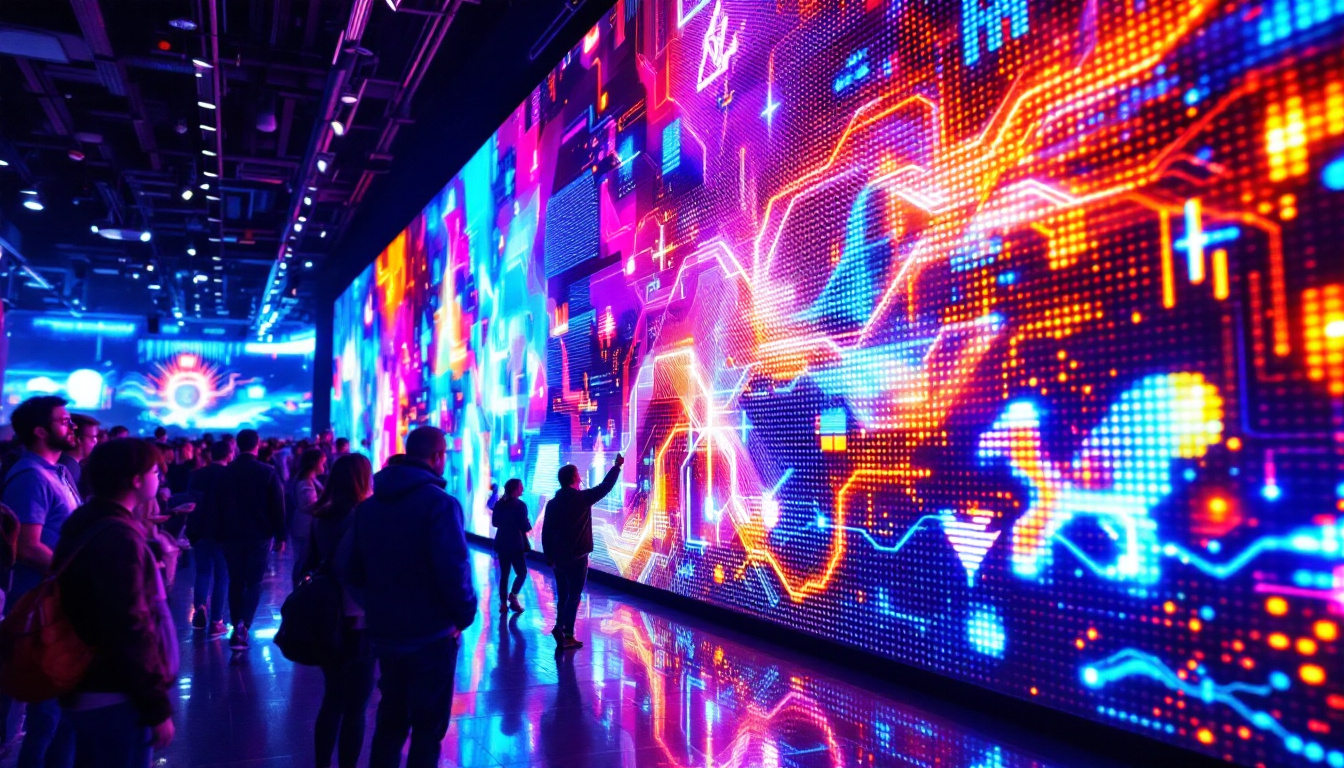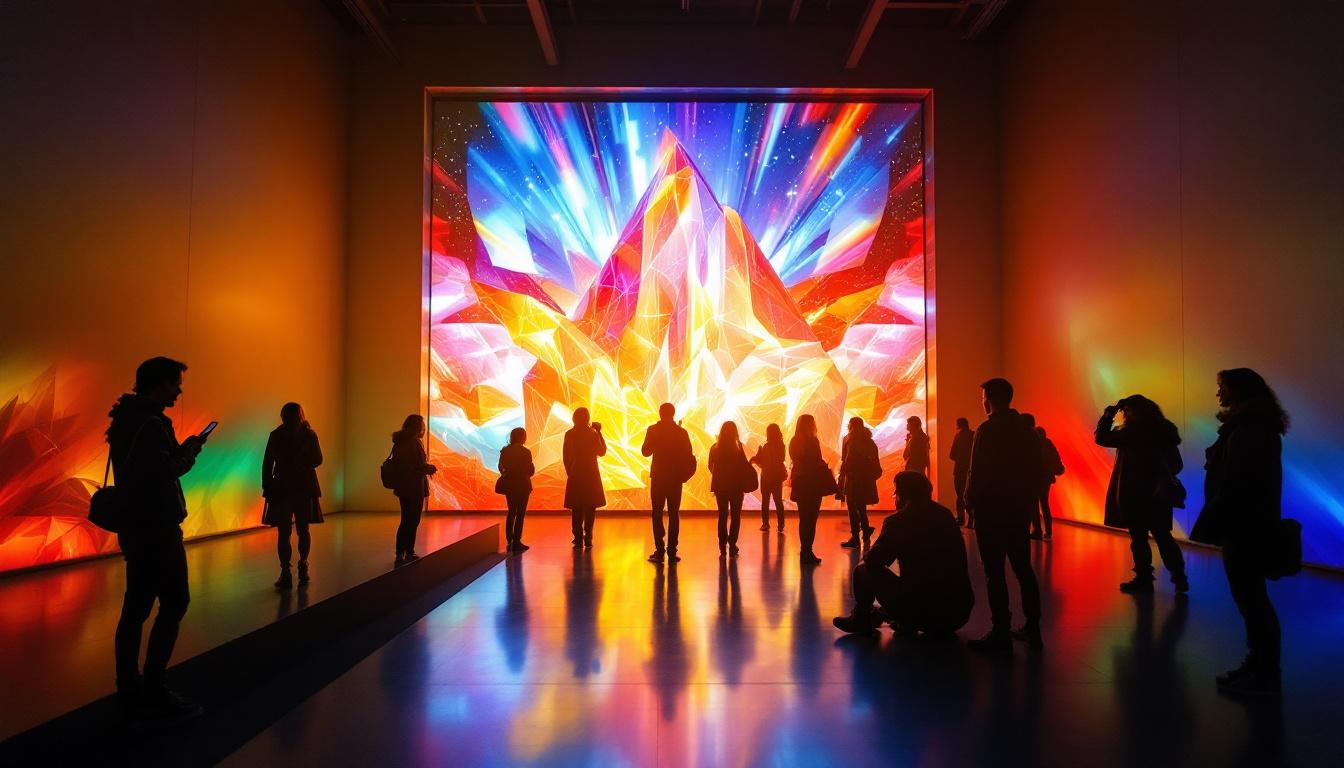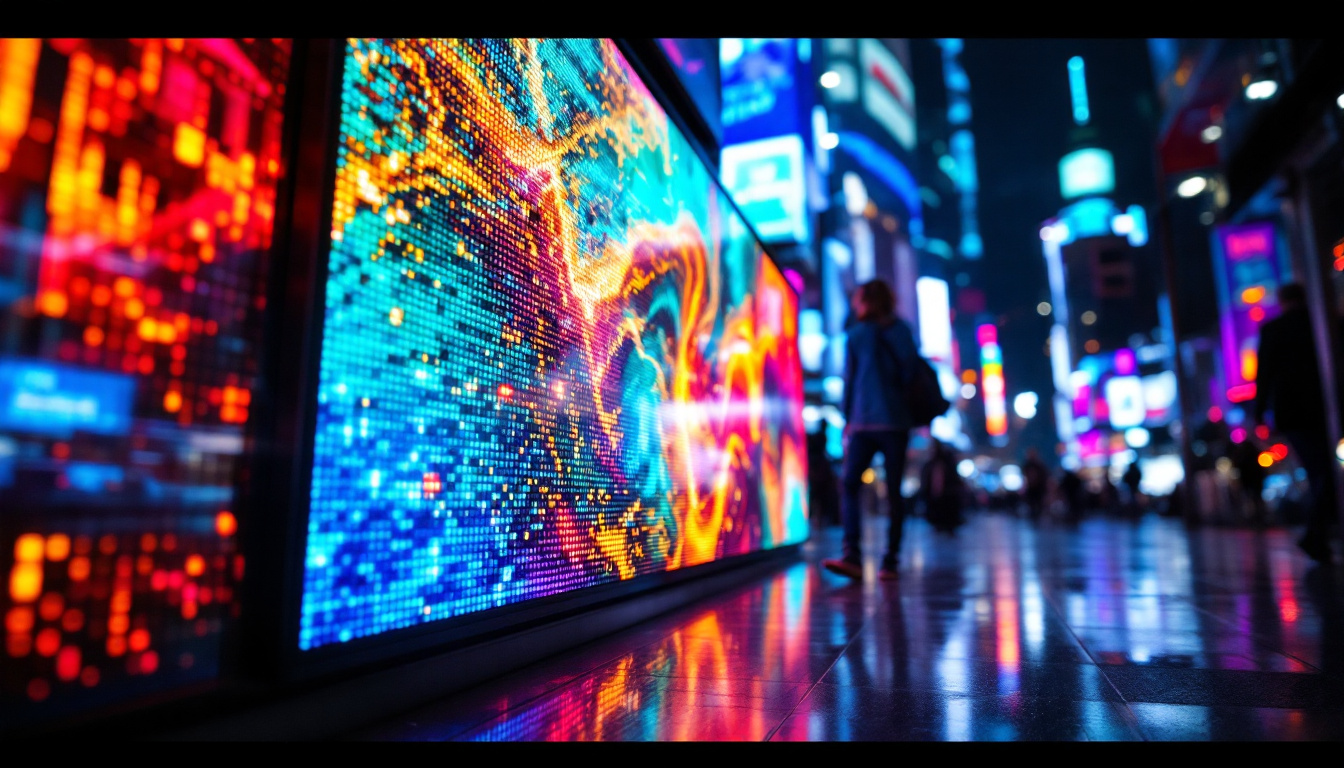
In the rapidly evolving world of digital signage and visual communication, LED displays have become a cornerstone technology. From vibrant advertising billboards to dynamic event backdrops and even innovative architectural installations, LED displays offer unmatched versatility and visual impact. This article delves into the intricacies of LED display technology, exploring how it works, its advantages, types, and practical applications, with a special focus on the innovative solutions provided by Hub47.
Understanding LED Display Technology
What is an LED Display?
LED stands for Light Emitting Diode, a semiconductor device that emits light when an electric current passes through it. An LED display is a flat panel or surface that uses an array of LEDs as pixels to create images, videos, or text. Unlike traditional LCD or plasma screens, LED displays use these tiny light sources to produce bright, vivid visuals that are visible even in direct sunlight.
The core advantage of LED technology lies in its ability to produce high brightness and contrast levels, making it ideal for both indoor and outdoor environments. The modular nature of LED panels allows for scalable screen sizes, from small indoor signage to massive outdoor billboards. Additionally, the energy efficiency of LED displays contributes to their growing popularity, as they consume significantly less power compared to older display technologies. This not only reduces operational costs but also minimizes environmental impact, making LED displays a more sustainable choice for businesses and organizations.
How Do LED Displays Work?
At the heart of an LED display is a grid of LED modules, each containing numerous individual LEDs. These LEDs are arranged in clusters called pixels, typically consisting of red, green, and blue diodes. By varying the intensity of each color diode, the display can produce a full spectrum of colors through a process known as additive color mixing.
The display is controlled by a sophisticated system that manages the timing and intensity of each LED, refreshing the image multiple times per second to create smooth motion and clear images. This system includes a controller, power supply, and often a receiving card that processes input signals from a computer or media player. Furthermore, advanced LED displays may incorporate features such as automatic brightness adjustment, which optimizes visibility based on ambient light conditions. This adaptability not only enhances the viewing experience but also prolongs the lifespan of the display by reducing unnecessary wear on the LEDs. With ongoing advancements in technology, LED displays are also becoming increasingly interactive, allowing for touch-sensitive interfaces and integration with augmented reality applications, further expanding their potential uses in various fields such as advertising, entertainment, and education.
Key Advantages of LED Displays
Brightness and Visibility
One of the most significant benefits of LED displays is their exceptional brightness. LED screens can reach brightness levels upwards of 5,000 nits, which is several times brighter than typical LCD screens. This makes them highly visible even in direct sunlight, a critical feature for outdoor advertising and public information displays.
Moreover, the high contrast ratio of LEDs ensures deep blacks and vibrant colors, enhancing the overall visual experience. This clarity and visibility make LED displays a preferred choice for environments where clear communication is essential.
Energy Efficiency and Longevity
LED technology is renowned for its energy efficiency. Compared to traditional lighting and display technologies, LEDs consume less power while delivering superior brightness. This efficiency translates into lower operating costs, which is especially important for large-scale installations that run continuously.
Additionally, LEDs have a long lifespan, often exceeding 100,000 hours of operation. This durability reduces maintenance costs and downtime, making LED displays a cost-effective investment over time.
Flexibility and Scalability
LED displays are highly adaptable. Their modular design allows for custom configurations, enabling screens of virtually any size and shape. This flexibility is ideal for creative applications such as curved displays, irregular shapes, or ultra-large video walls.
Furthermore, LED panels can be seamlessly combined to create expansive displays without visible borders, providing a continuous and immersive visual experience. This scalability is a significant advantage for venues ranging from retail stores to stadiums and concert halls.
Types of LED Displays
Indoor LED Displays
Indoor LED displays are designed for controlled environments where ambient light is lower. These screens typically have a finer pixel pitch, meaning the LEDs are packed closer together, allowing for higher resolution and sharper images at close viewing distances.
Applications include retail signage, corporate communications, conference rooms, and entertainment venues. The high resolution and color accuracy of indoor LED displays make them ideal for detailed content such as text, graphics, and video presentations.
Outdoor LED Displays
Outdoor LED displays are built to withstand harsh environmental conditions, including rain, wind, and extreme temperatures. They feature higher brightness levels to remain visible in daylight and are often equipped with weatherproof enclosures and cooling systems.
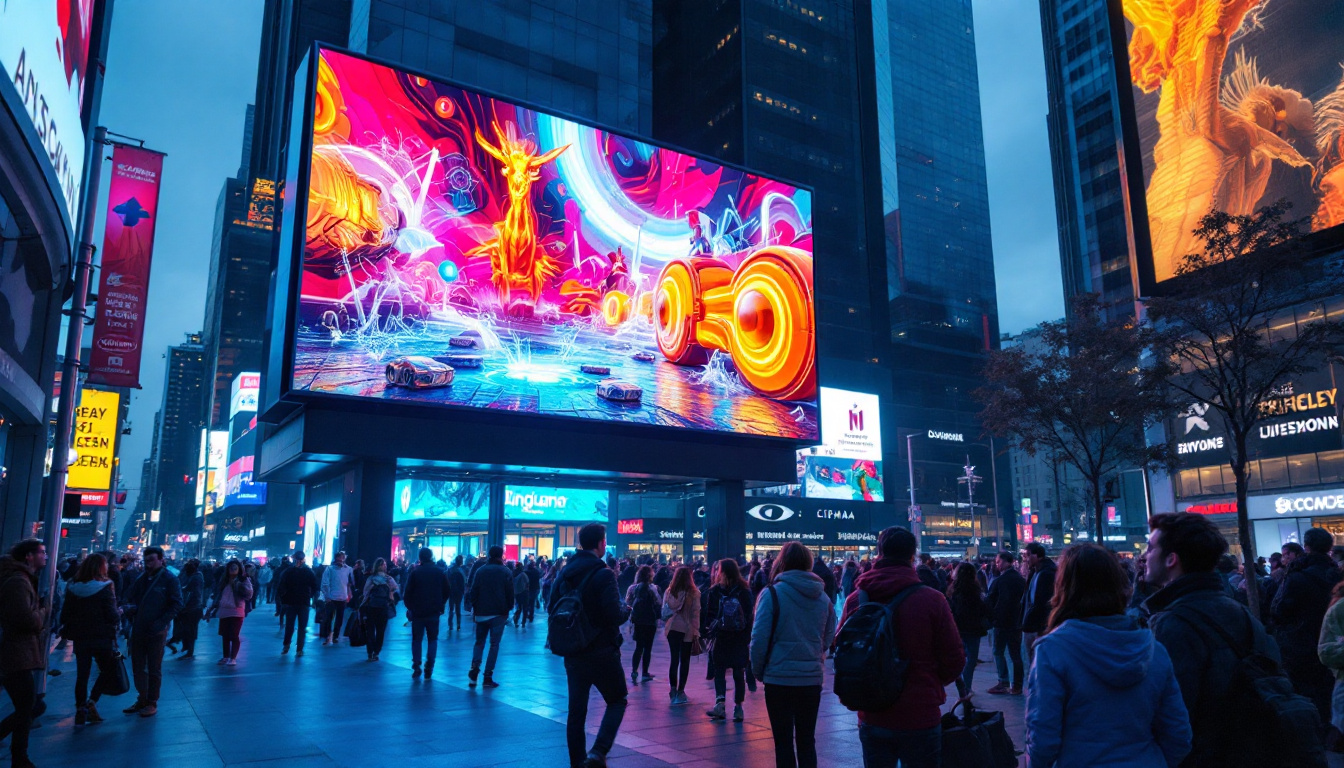
These displays are commonly used for billboards, sports arenas, transportation hubs, and public information systems. Their robustness and visibility make them indispensable for outdoor advertising and large-scale event displays.
Transparent and Flexible LED Displays
Innovations in LED technology have led to the development of transparent and flexible LED displays. Transparent LED screens allow light to pass through, enabling their integration into glass facades or windows without obstructing views. This creates unique opportunities for advertising and architectural design.
Flexible LED displays, on the other hand, can bend and curve, opening new possibilities for creative installations on irregular surfaces or dynamic shapes. These advanced displays are gaining traction in sectors such as retail, exhibitions, and entertainment.
Practical Applications of LED Displays
Advertising and Marketing
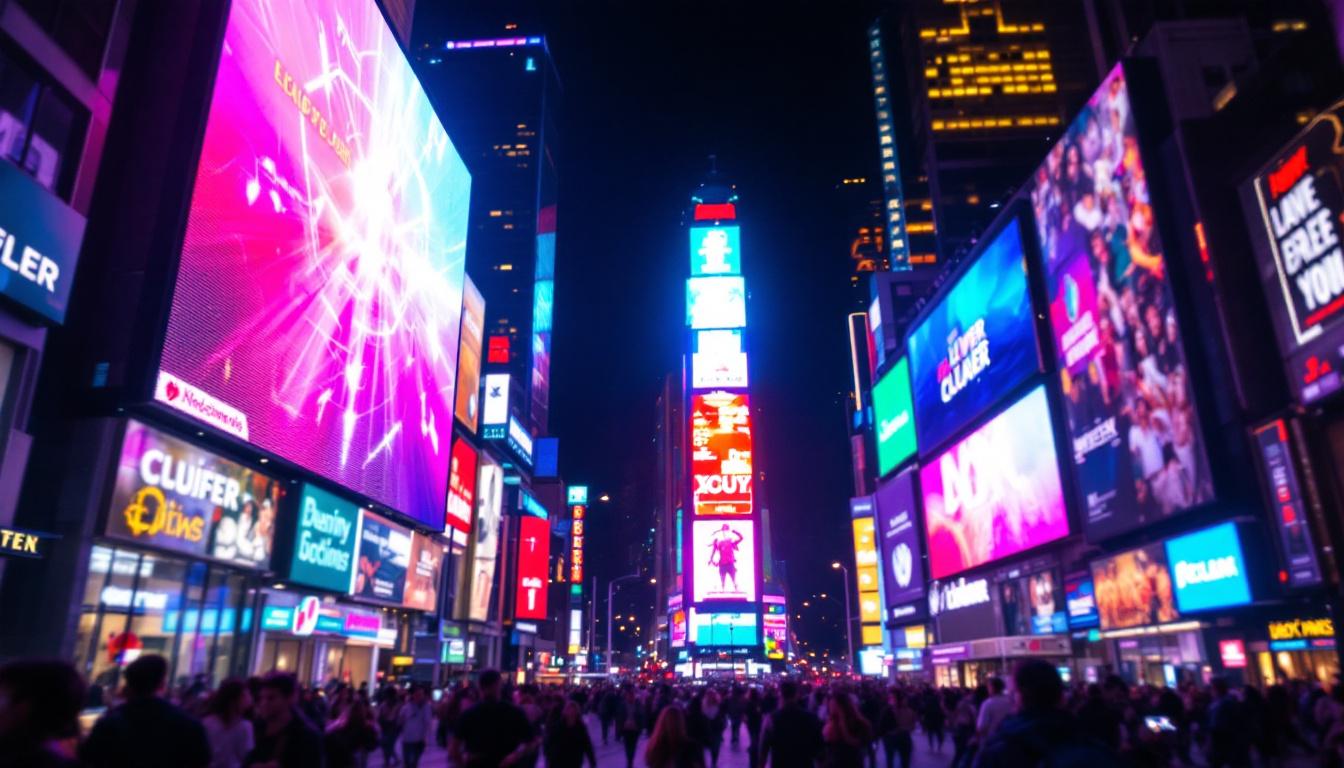
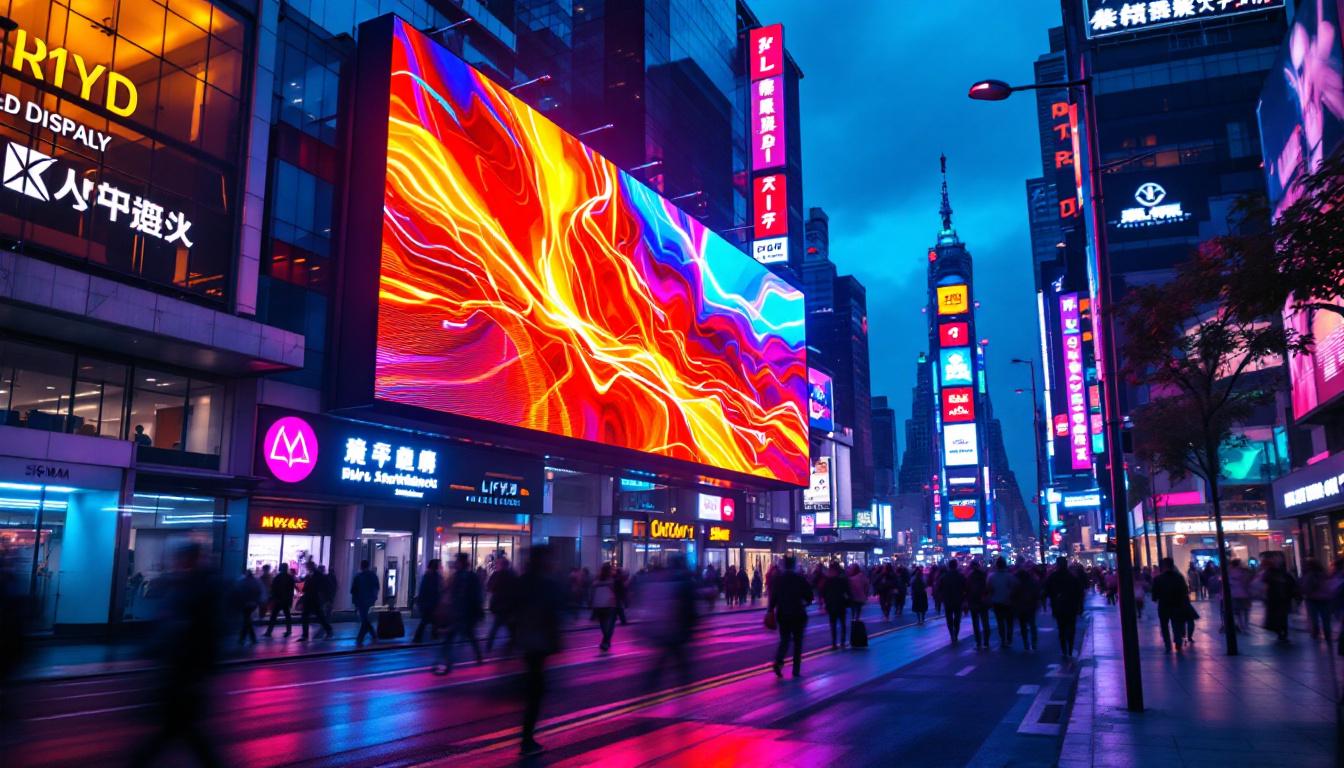
LED displays have revolutionized advertising by providing dynamic, eye-catching content that can be updated in real time. Digital billboards in urban centers attract millions of viewers daily, delivering targeted messages with high impact.
Brands leverage LED technology to create immersive experiences, from interactive storefronts to large-scale event sponsorships. The ability to display video, animations, and live feeds enhances engagement and drives consumer action.
Events and Entertainment
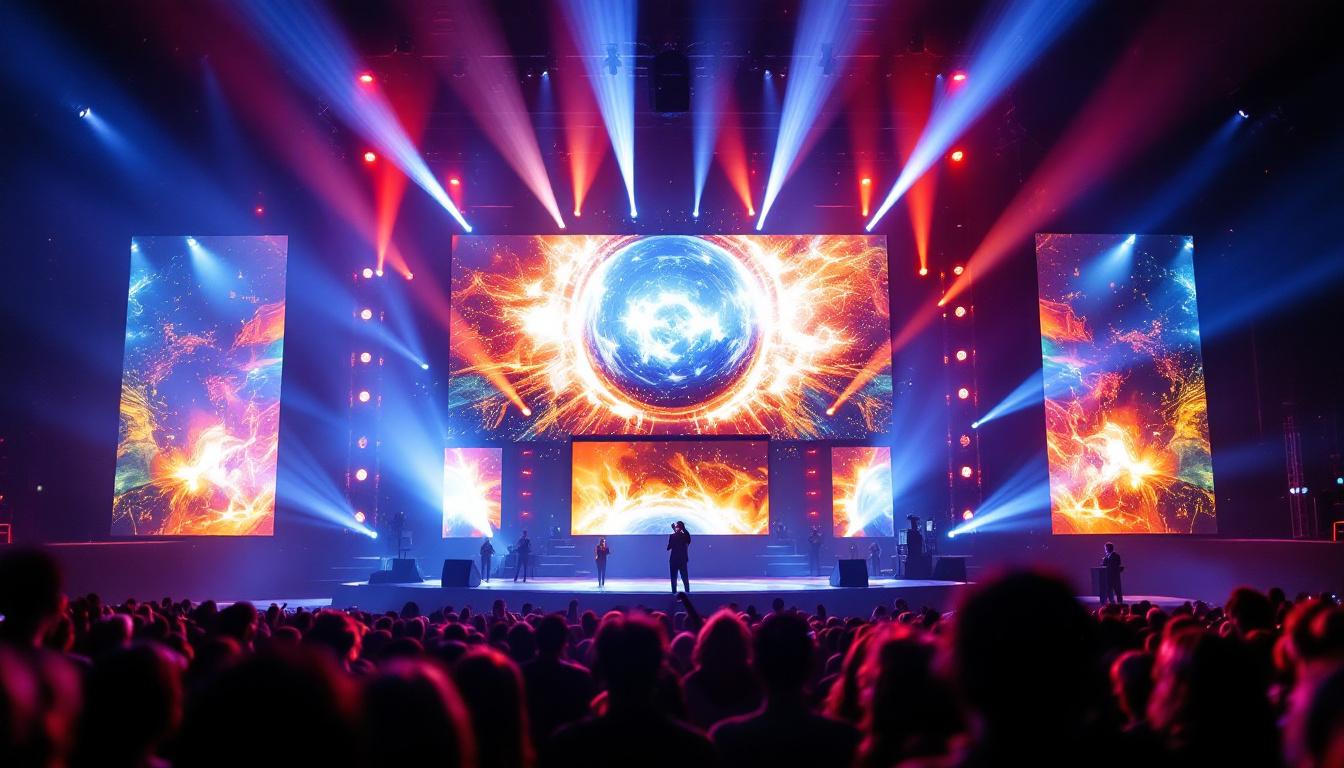
Concerts, festivals, and sporting events rely heavily on LED displays to enhance audience experience. Large video walls provide clear views of the action, while creative LED installations contribute to the overall atmosphere and branding.
Furthermore, LED technology enables real-time content switching and interactive features, allowing event organizers to tailor visuals to the moment and audience response.
Corporate and Public Spaces
In corporate environments, LED displays facilitate communication through digital signage, video conferencing backdrops, and information boards. They improve internal communication and create professional, modern atmospheres.
Public spaces such as airports, train stations, and city centers use LED displays for wayfinding, emergency alerts, and public announcements. Their reliability and visibility are crucial for effective information dissemination.
Hub47’s Approach to LED Display Solutions
Innovative Design and Customization
Hub47 specializes in delivering tailored LED display solutions that meet the unique needs of each client. By combining cutting-edge technology with creative design, Hub47 ensures that every installation maximizes visual impact and functional performance.
The company offers a wide range of options, including indoor, outdoor, transparent, and flexible LED displays, allowing clients to choose the best fit for their environment and objectives.
Quality and Reliability
Hub47 emphasizes quality in every aspect of its LED display products. From sourcing high-grade components to rigorous testing and calibration, the company guarantees displays that perform consistently under demanding conditions.
Additionally, Hub47 provides comprehensive support services, including installation, maintenance, and technical assistance, ensuring long-term reliability and customer satisfaction.
Case Studies and Success Stories
Hub47 has successfully implemented LED display projects across diverse industries. For instance, a major retail chain utilized Hub47’s indoor LED walls to create immersive shopping experiences, resulting in a 30% increase in customer engagement.
In the public sector, Hub47 installed large outdoor LED billboards for a transportation authority, enhancing real-time communication with commuters and improving overall transit efficiency.
Future Trends in LED Display Technology
Mini-LED and Micro-LED Advancements
Emerging technologies such as Mini-LED and Micro-LED promise even higher resolution, improved color accuracy, and greater energy efficiency. These advancements will enable LED displays to rival traditional displays in image quality while retaining their brightness and scalability advantages.
Hub47 is actively exploring these technologies to integrate them into future product offerings, ensuring clients benefit from the latest innovations.
Integration with Smart Technologies
The integration of LED displays with IoT (Internet of Things) and AI (Artificial Intelligence) is transforming how content is managed and delivered. Smart LED displays can adapt content based on audience demographics, environmental conditions, or real-time data inputs.
This dynamic approach enhances relevance and effectiveness, making LED displays more interactive and personalized.
Sustainability and Eco-Friendly Solutions
As sustainability becomes a priority, LED display manufacturers are focusing on reducing environmental impact. This includes using recyclable materials, improving energy efficiency, and designing for easier maintenance and longer lifespans.
Hub47 is committed to sustainable practices, offering eco-friendly LED display options that align with corporate social responsibility goals.
Conclusion
LED display technology has transformed the landscape of visual communication, offering unparalleled brightness, flexibility, and durability. Whether for advertising, entertainment, corporate communication, or public information, LED displays provide powerful tools to engage audiences and convey messages effectively.
Hub47 stands out as a leader in this field, delivering innovative, high-quality LED display solutions tailored to diverse needs. By embracing the latest technological advancements and prioritizing customer satisfaction, Hub47 helps organizations harness the full potential of LED displays to create impactful visual experiences.
As the technology continues to evolve, LED displays will remain at the forefront of digital signage, shaping the future of how we see and interact with information in both public and private spaces.
Discover LumenMatrix’s Innovative LED Solutions
Ready to elevate your visual communication with cutting-edge LED technology? Explore LumenMatrix’s comprehensive range of LED display modules, designed to captivate your audience and amplify your brand’s presence. From vibrant Indoor and Outdoor LED Wall Displays to dynamic Vehicle and Sports LED Displays, each solution is crafted to deliver maximum impact. Experience the future of digital signage with our Transparent, Custom, and All-in-One LED Displays. Visit LumenMatrix LED Display Solutions to see how we can transform your visual storytelling and help you share your message with the world.