Billboards have long been a cornerstone of outdoor advertising, capturing the attention of millions daily. With the rise of digital technology, traditional static billboards are increasingly being replaced by dynamic LED displays that offer vibrant visuals and flexible content management. However, the transition to LED billboards involves a complex array of costs that businesses and advertisers must understand before making an investment. This article explores the factors influencing the cost of creating an LED billboard, breaking down the expenses involved and offering insight into the value these digital displays bring to modern advertising.
Understanding LED Billboards: What Sets Them Apart?
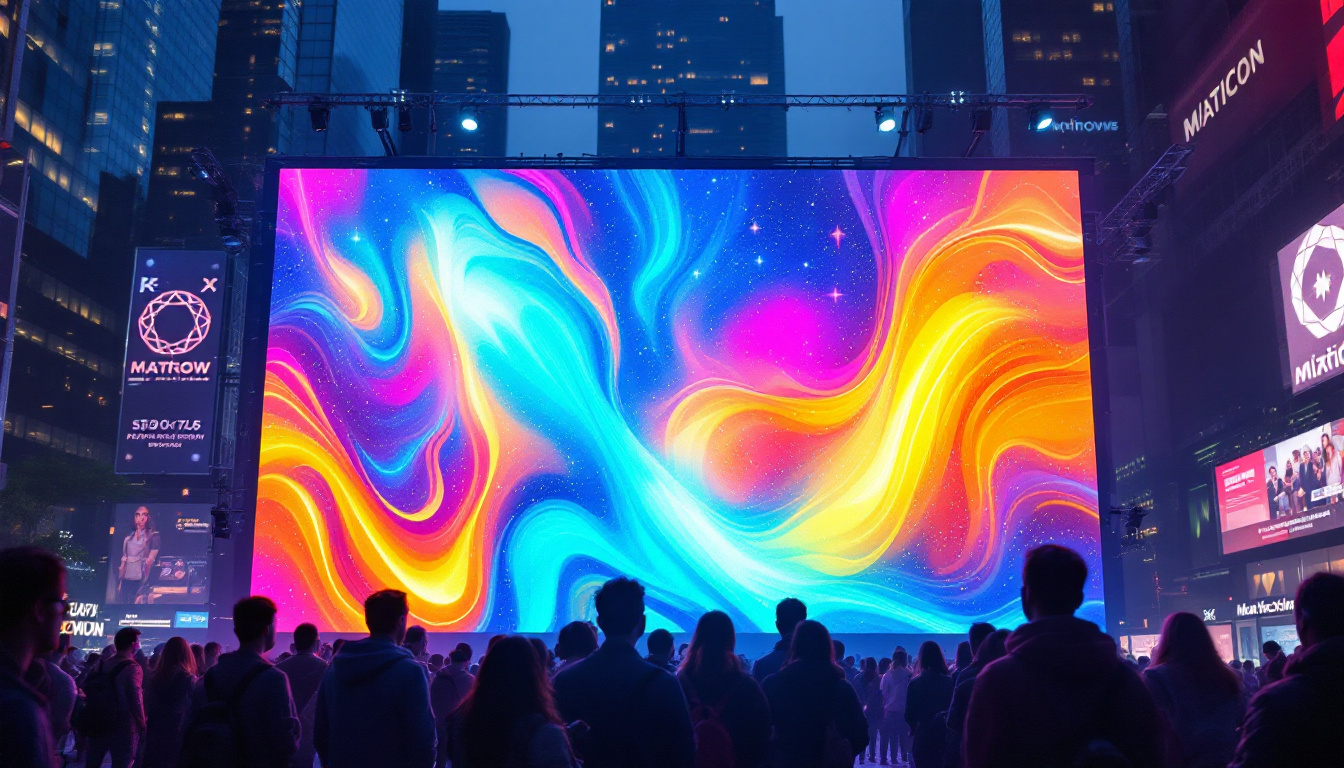
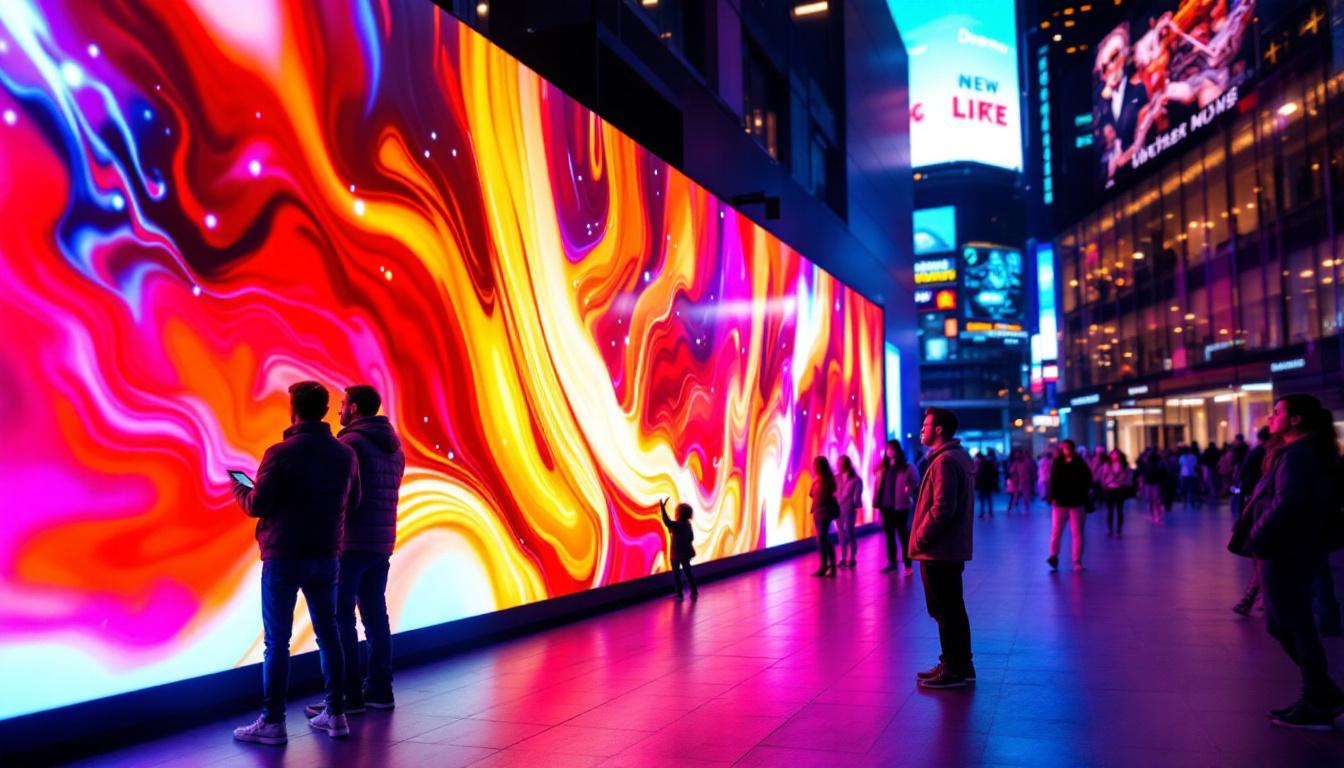
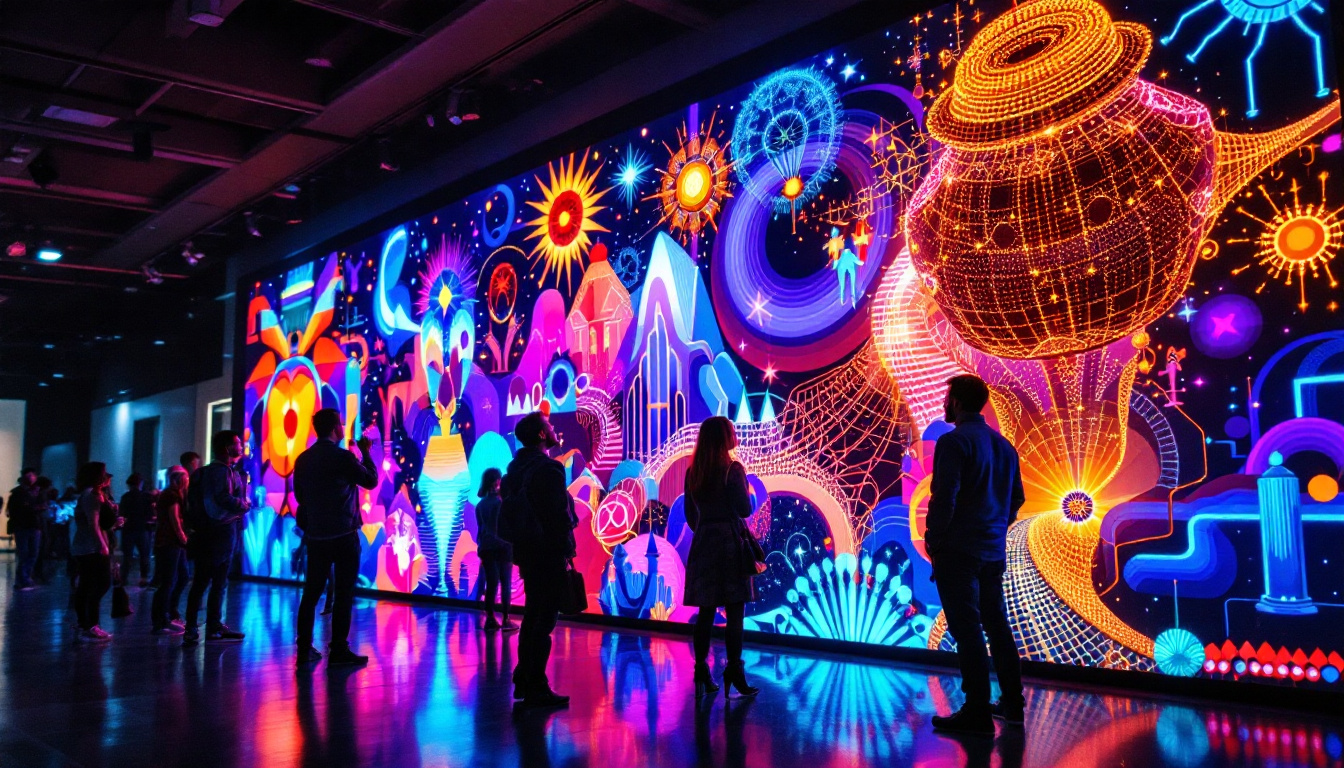
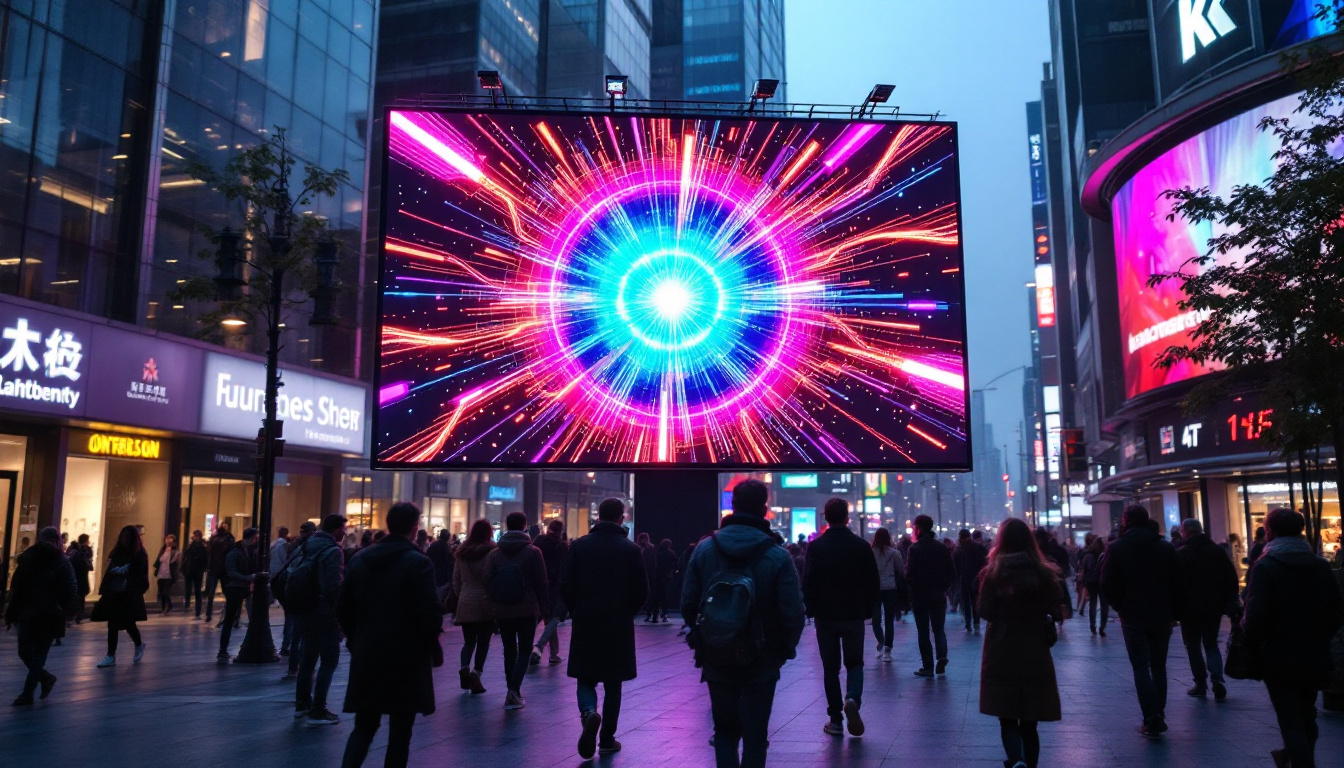
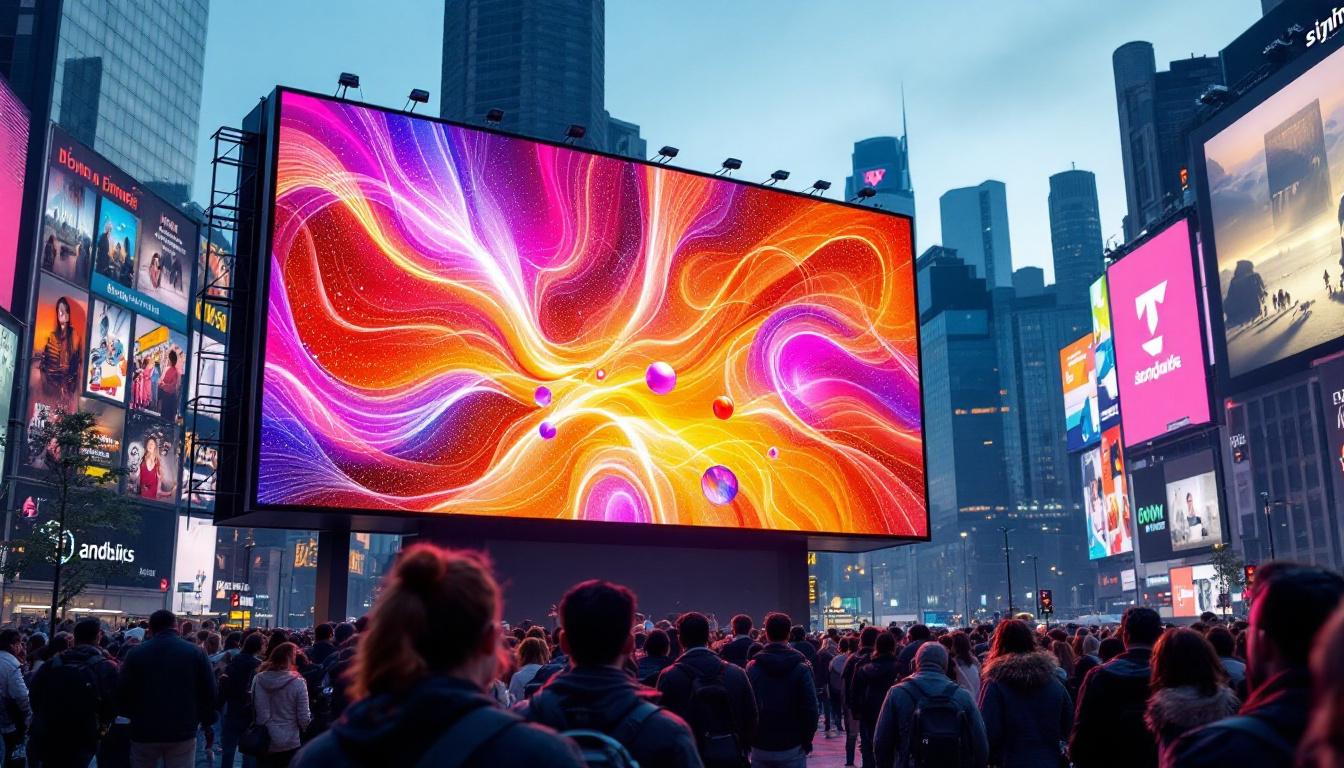
LED billboards use light-emitting diodes to create bright, colorful images that can be changed instantly. Unlike traditional printed billboards, LED displays offer the ability to showcase multiple advertisements, animations, and even real-time updates. This flexibility makes them highly attractive for advertisers seeking to maximize engagement. The dynamic nature of these displays allows brands to tailor their messages to specific audiences, times of day, or even current events, enhancing the relevance and impact of their advertising.
LED technology also ensures superior visibility in various lighting conditions, including direct sunlight and nighttime, making these billboards effective 24/7. The vibrant colors and high contrast of LED displays draw attention, even from a distance, which is crucial in busy urban environments. However, the complexity of the technology and the infrastructure required contribute to the overall cost, which can vary widely based on several factors. Factors such as location, size, and the sophistication of the display can all influence pricing, making it essential for advertisers to conduct thorough market research before making a commitment.
Key Features of LED Billboards
Before diving into costs, it’s important to understand what components make up an LED billboard:
- LED Modules: The basic building blocks, consisting of clusters of LEDs that form the display surface.
- Control System: Hardware and software that manage the content displayed, scheduling, and brightness adjustments.
- Structural Frame: The physical support system that holds the billboard in place, often customized to the installation site.
- Power Supply: Ensures the display receives consistent electricity, sometimes including backup systems.
- Installation and Maintenance: Costs associated with setting up the billboard and keeping it operational over time.
In addition to these components, LED billboards often come equipped with advanced features such as weatherproofing and energy-efficient designs. Many modern displays are built to withstand harsh environmental conditions, ensuring longevity and reducing the need for frequent repairs. Furthermore, energy-efficient LEDs consume significantly less power than traditional lighting, making them not only cost-effective in the long run but also environmentally friendly. This aspect is increasingly important as businesses seek to improve their sustainability practices while still achieving high visibility in their advertising efforts.
Another noteworthy feature is the integration of smart technology, allowing for interactive capabilities. Some LED billboards can connect with mobile apps or social media platforms, enabling real-time engagement with passersby. This interactivity can include user-generated content, live polls, or even augmented reality experiences, creating a two-way communication channel that enhances brand loyalty and consumer interest. As technology continues to evolve, the potential applications for LED billboards are expanding, paving the way for more innovative advertising strategies.
Breaking Down the Costs of Making an LED Billboard
The cost of creating an LED billboard can range from tens of thousands to several hundred thousand dollars or more. Understanding the breakdown of these expenses helps advertisers plan their budgets effectively.
1. Size and Resolution
The size of the billboard is one of the most significant cost drivers. Larger displays require more LED modules, which increases the material and manufacturing costs. For example, a 10-foot by 20-foot LED billboard will cost substantially less than a 20-foot by 60-foot display.
Resolution, measured in pixel pitch (the distance between individual LEDs), also affects cost. A smaller pixel pitch means higher resolution and better image quality but comes at a premium. High-resolution displays are ideal for locations where viewers are close to the billboard, such as urban environments, whereas lower resolution may suffice for highways where viewers are farther away.
2. LED Module Quality
Not all LED modules are created equal. The quality of LEDs impacts brightness, color accuracy, durability, and energy efficiency. Premium modules from reputable manufacturers tend to be more expensive but offer longer lifespans and better performance, reducing maintenance and replacement costs over time.
3. Structural and Installation Costs
The physical frame and installation process can be costly, especially for large or complex sites. Custom engineering may be required to ensure the billboard withstands weather conditions and complies with local regulations. Installation costs include labor, equipment rental (such as cranes), and any necessary permits.
4. Control System and Software
Modern LED billboards require sophisticated control systems to manage content. These systems can range from basic USB plug-and-play setups to advanced cloud-based platforms that allow remote content updates and scheduling. The choice of software affects both initial costs and ongoing subscription fees.
5. Power Consumption and Energy Costs
LED billboards consume electricity continuously, so energy efficiency is a critical cost factor. High-quality LEDs and smart brightness controls can reduce power consumption, but energy costs remain a significant operational expense. In some cases, solar panels or energy-saving technologies can offset these costs.
6. Maintenance and Repairs
Regular maintenance is essential to keep LED billboards functioning optimally. This includes cleaning, software updates, and replacing faulty LEDs or components. Maintenance contracts vary but should be factored into the total cost of ownership.
Typical Cost Ranges for LED Billboards
While costs vary widely, the following estimates provide a general idea of what to expect when budgeting for an LED billboard:
| Billboard Size | Approximate Cost Range (USD) | Notes |
|---|---|---|
| Small (10′ x 20′) | $30,000 – $75,000 | Lower resolution; suitable for local businesses or small campaigns |
| Medium (14′ x 48′) | $75,000 – $150,000 | Standard highway billboard size; balance of visibility and cost |
| Large (20′ x 60′ or larger) | $150,000 – $500,000+ | High resolution; prime locations with heavy traffic |
These figures include hardware, installation, and initial setup but may exclude ongoing maintenance and energy costs. Location-specific factors such as permitting fees and site preparation can also add to the total.
Additional Factors Influencing Billboard Costs
Location and Permitting
Billboard installation is subject to local zoning laws and regulations, which can significantly impact costs. Urban areas often have stricter rules and higher permit fees, while rural locations may have fewer restrictions but less foot traffic. Securing permits can take weeks or months, adding time and expense to the project.
Content Creation and Management
While not part of the physical billboard cost, content creation—such as graphic design, animation, and video production—is a crucial ongoing expense. High-quality content is essential to leverage the full potential of LED displays. Many advertisers also subscribe to content management services to update ads regularly, which adds to operational costs.
Advertising Space Rental
In many cases, the cost of the billboard itself is separate from the cost to rent advertising space on it. Landowners or billboard companies may charge monthly or annual fees for displaying ads. These fees vary based on location, visibility, and demand, and can sometimes exceed the initial build cost over time.
Why Invest in an LED Billboard?
Despite the high upfront costs, LED billboards offer several compelling advantages that can justify the investment:
- Dynamic Content: Ability to display multiple ads and update content instantly.
- Increased Engagement: Bright, colorful displays attract more attention than static signs.
- Higher ROI: Flexible advertising options can lead to better targeting and higher revenue.
- Durability: LED displays typically have a lifespan of 100,000 hours or more with proper maintenance.
- Energy Efficiency: Advances in LED technology have reduced power consumption compared to older digital displays.
For businesses and advertisers looking to make a bold impact, LED billboards represent a powerful tool that combines technology with traditional outdoor advertising’s reach.
Tips for Managing Costs When Building an LED Billboard
To optimize the investment, consider the following strategies:
Choose the Right Size and Resolution
Match the billboard specifications to the viewing distance and target audience. Avoid overspending on ultra-high resolution if it won’t be noticeable to viewers.
Invest in Quality Components
Higher-quality LEDs and control systems may have a higher upfront cost but reduce maintenance and replacement expenses over time.
Plan for Energy Efficiency
Incorporate brightness sensors and energy-saving features to minimize operational costs.
Work with Experienced Installers
Professional installation ensures safety, compliance, and longevity, preventing costly mistakes.
Consider Leasing or Financing Options
Some companies offer leasing or financing plans that spread costs over time, making LED billboards more accessible.
Conclusion
The cost to make an LED billboard is influenced by a variety of factors including size, resolution, component quality, installation complexity, and location. While the initial investment can be substantial, the benefits of dynamic content, increased visibility, and long-term durability often outweigh the costs for businesses seeking impactful outdoor advertising solutions.
Careful planning, quality component selection, and understanding ongoing operational expenses are key to maximizing the return on investment. As LED technology continues to advance and become more affordable, LED billboards are poised to remain a dominant force in the advertising landscape for years to come.
Discover Cutting-Edge LED Billboard Solutions with LumenMatrix
Ready to elevate your advertising strategy with the dynamic power of LED billboards? LumenMatrix is at the forefront of LED display innovation, offering a comprehensive range of solutions tailored to your needs. From captivating Indoor LED Wall Displays to robust Outdoor LED Wall Displays, and specialized options like Vehicle LED Displays and LED Sports Displays, we have the technology to bring your brand to life. Embrace the future of visual communication with our Custom LED Displays, All-in-One LED Displays, and LED Transparent Displays. Don’t just take our word for it; check out LumenMatrix LED Display Solutions today and see how we can help you make a lasting impression in the world of outdoor advertising.