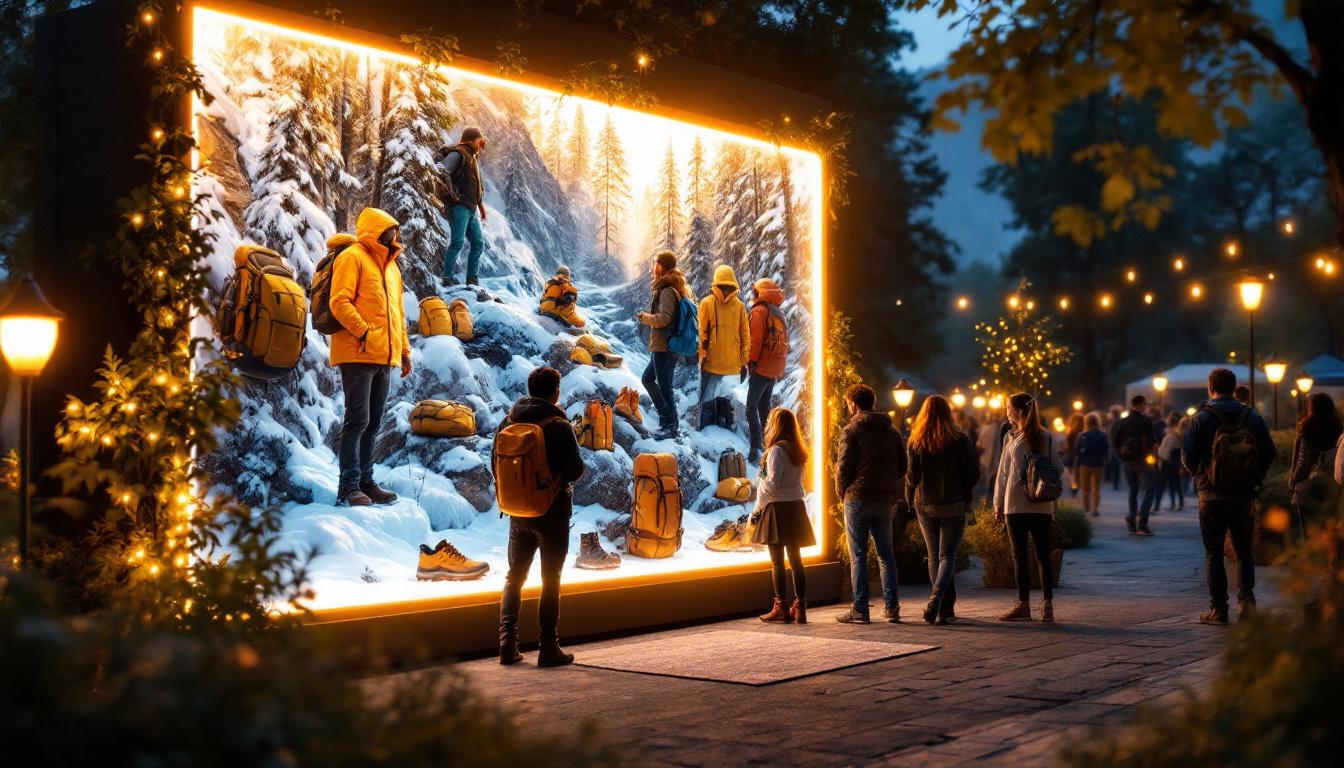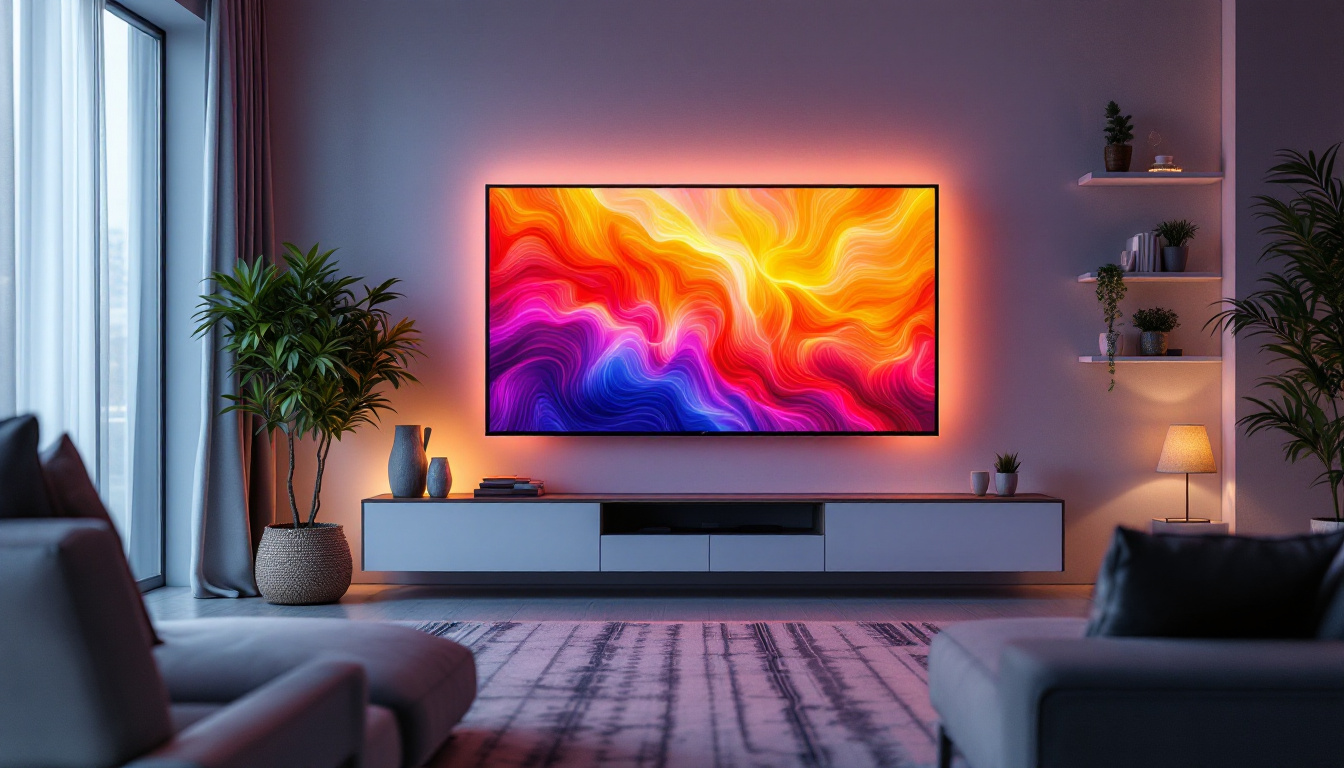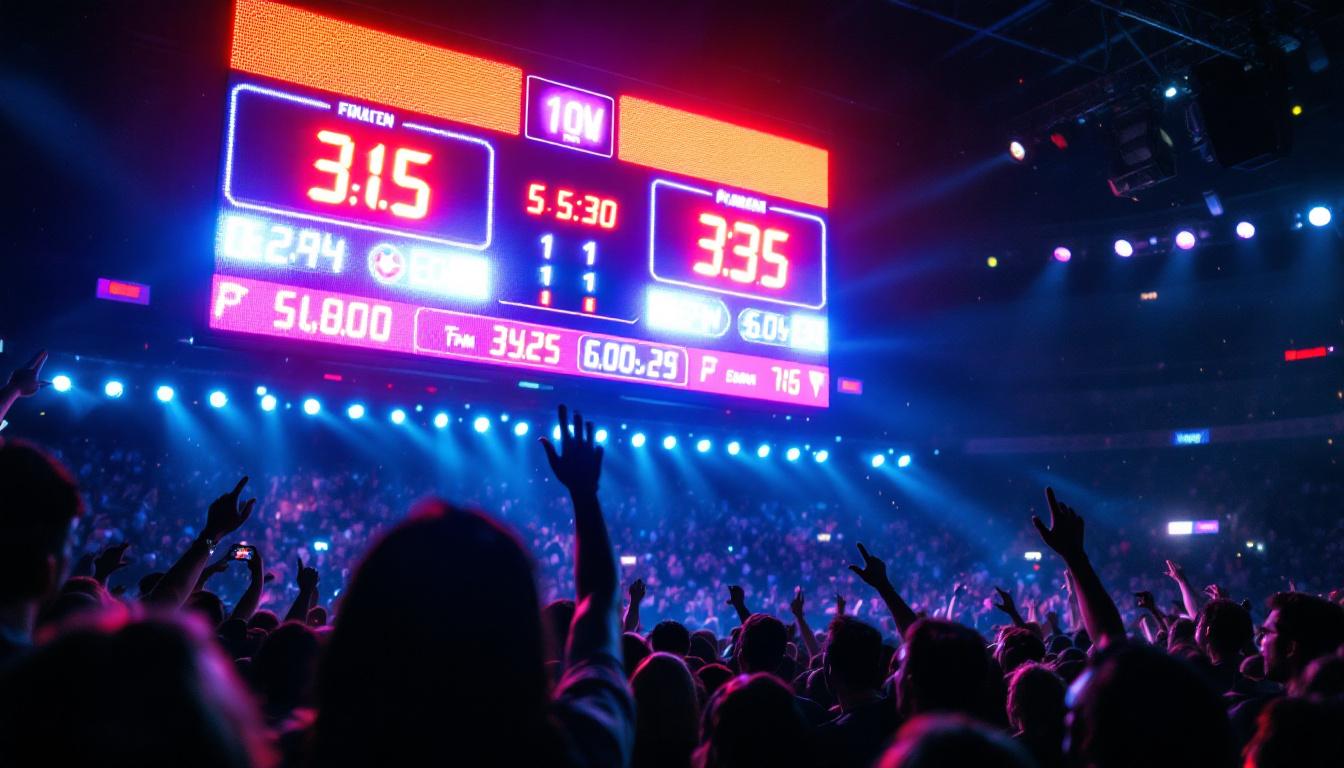
In the fast-paced world of sports, entertainment, and live events, the scoreboard is more than just a tool for displaying scores—it is a central hub of information, excitement, and engagement. Modern LED display scoreboards have revolutionized how audiences experience events, providing vibrant visuals, real-time updates, and interactive features that traditional scoreboards simply cannot match. This article delves into the technology behind LED display scoreboards, their applications, and why they have become indispensable in arenas and venues worldwide.
Understanding LED Display Technology
What is an LED Display?
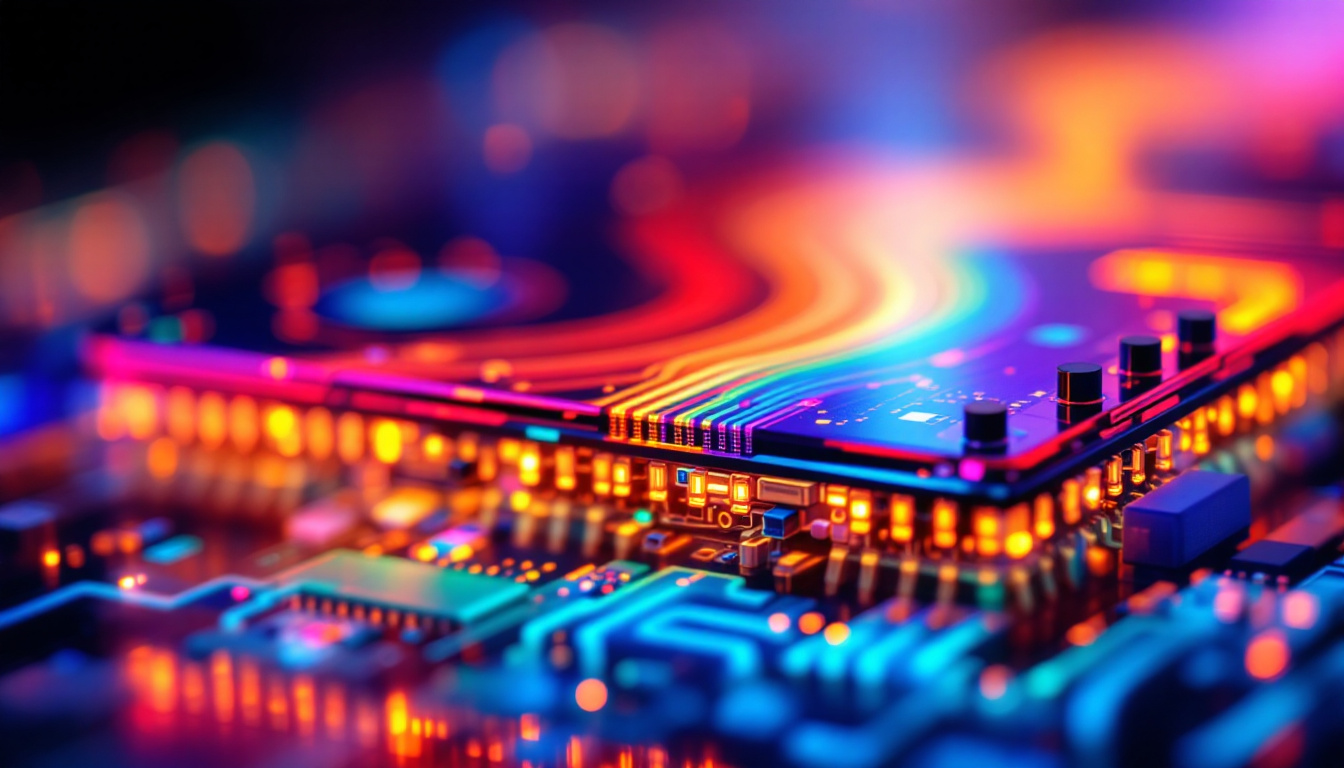
LED stands for Light Emitting Diode, a semiconductor device that emits light when an electric current passes through it. An LED display is a flat panel that uses an array of these tiny LEDs to create images and text. Unlike LCD or projection displays, LED screens produce their own light, resulting in brighter, more vivid colors and better visibility in various lighting conditions.
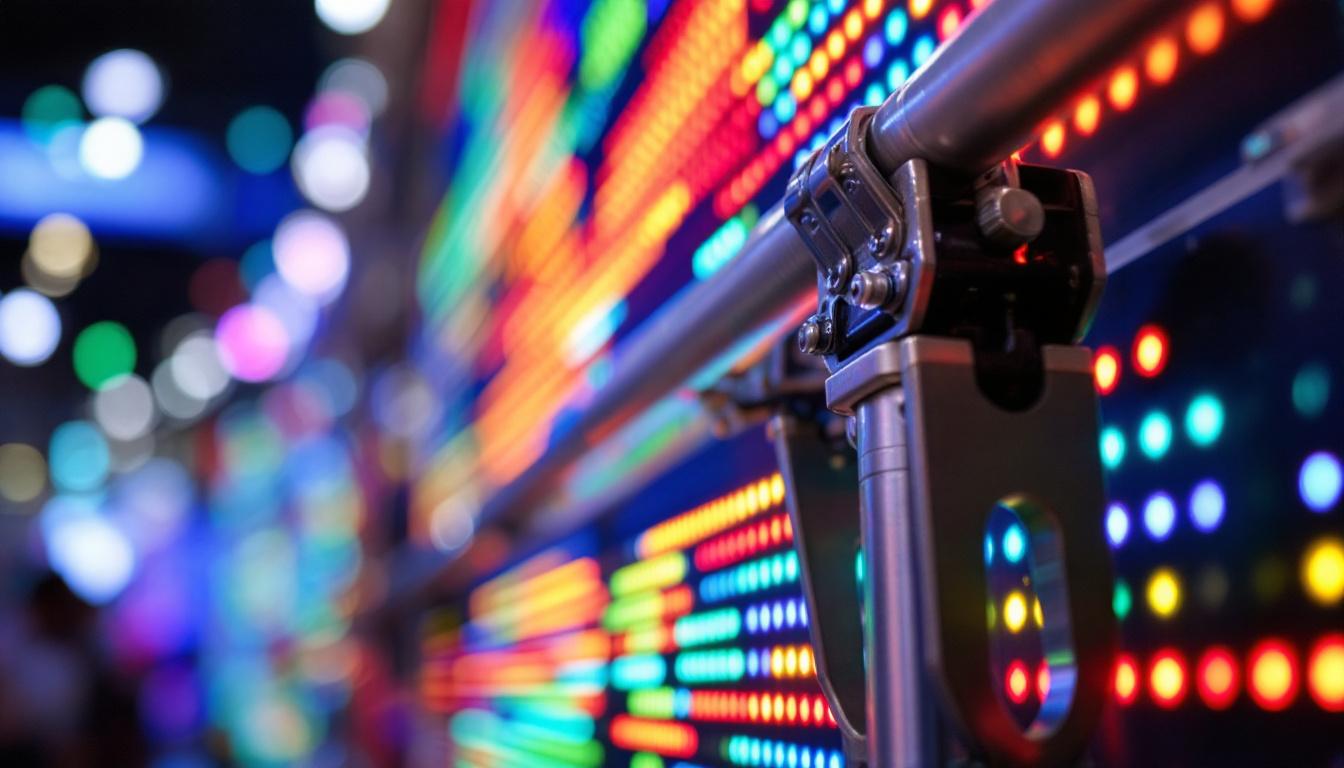
LED displays are modular, meaning they are constructed from smaller panels or “modules” that can be combined to create screens of virtually any size and shape. This flexibility makes them ideal for scoreboards, which often need to be large enough to be seen from long distances in stadiums or arenas. The modular design also allows for easy maintenance and upgrades; if a section of the display fails, it can be replaced without needing to overhaul the entire screen. This adaptability is a significant advantage for venues that host various events, as they can modify their displays to suit specific needs, whether for sports, concerts, or other entertainment forms.
Types of LED Displays Used in Scoreboards
Scoreboard LED displays come in several forms, primarily distinguished by pixel pitch—the distance between the centers of two adjacent LEDs. A smaller pixel pitch means higher resolution and sharper images but usually at a higher cost. Common pixel pitches for scoreboards range from 4mm to 20mm, depending on viewing distance and budget. For instance, a 4mm pixel pitch is ideal for close-range viewing, such as in indoor arenas, where spectators are seated relatively close to the screen, while a 20mm pitch may be more suitable for outdoor stadiums where viewers are farther away.
There are two main types of LED displays used in scoreboards:
- Single-color LED displays: Traditionally used for numeric scores and simple text, these displays use one color (usually red or green) and are cost-effective for basic scoreboard functions. They are often employed in smaller venues or for sports that do not require extensive graphics, making them a practical choice for local leagues and schools.
- Full-color LED displays: These use red, green, and blue LEDs to produce a wide spectrum of colors, enabling the display of detailed graphics, animations, and video content alongside scores. Full-color displays are increasingly popular in professional sports arenas, as they can enhance the spectator experience with dynamic content, including player highlights, advertisements, and live game feeds, creating a more immersive environment for fans.
In addition to these types, LED displays can also be categorized by their application. For example, some scoreboards are designed specifically for outdoor use, featuring weatherproof casings and enhanced brightness to combat sunlight glare. Others are tailored for indoor environments, where resolution and color accuracy can be prioritized over sheer brightness. This specialization ensures that venues can select the most appropriate technology to meet their specific requirements, optimizing both performance and viewer engagement.
Advantages of LED Scoreboards Over Traditional Displays
Brightness and Visibility
One of the most significant advantages of LED scoreboards is their exceptional brightness. LEDs can achieve brightness levels of up to 10,000 nits or more, making them easily visible even in direct sunlight. This is crucial for outdoor stadiums where ambient light can wash out less bright displays.
Moreover, LED displays have wide viewing angles—typically up to 160 degrees horizontally and vertically—ensuring that spectators seated anywhere in the venue have a clear view of the scoreboard.
Durability and Longevity
LED scoreboards are designed to withstand harsh environmental conditions, including rain, wind, and extreme temperatures. The LEDs themselves have long lifespans, often exceeding 100,000 hours of operation, which translates to over a decade of continuous use under normal circumstances.
Unlike older incandescent or fluorescent displays, LEDs are less prone to failure and require less maintenance. This reliability reduces downtime and maintenance costs for venue operators.
Dynamic Content and Interactivity
Modern LED scoreboards are not limited to displaying scores and time. They can integrate with video feeds, social media streams, advertisements, and interactive content. This capability transforms the scoreboard into a powerful communication tool that enhances fan engagement and generates additional revenue streams through advertising.
For example, during halftime or breaks, LED scoreboards can show instant replays, player statistics, or crowd animations, creating a more immersive experience for attendees.
Applications of LED Scoreboards Across Different Venues
Sports Arenas and Stadiums
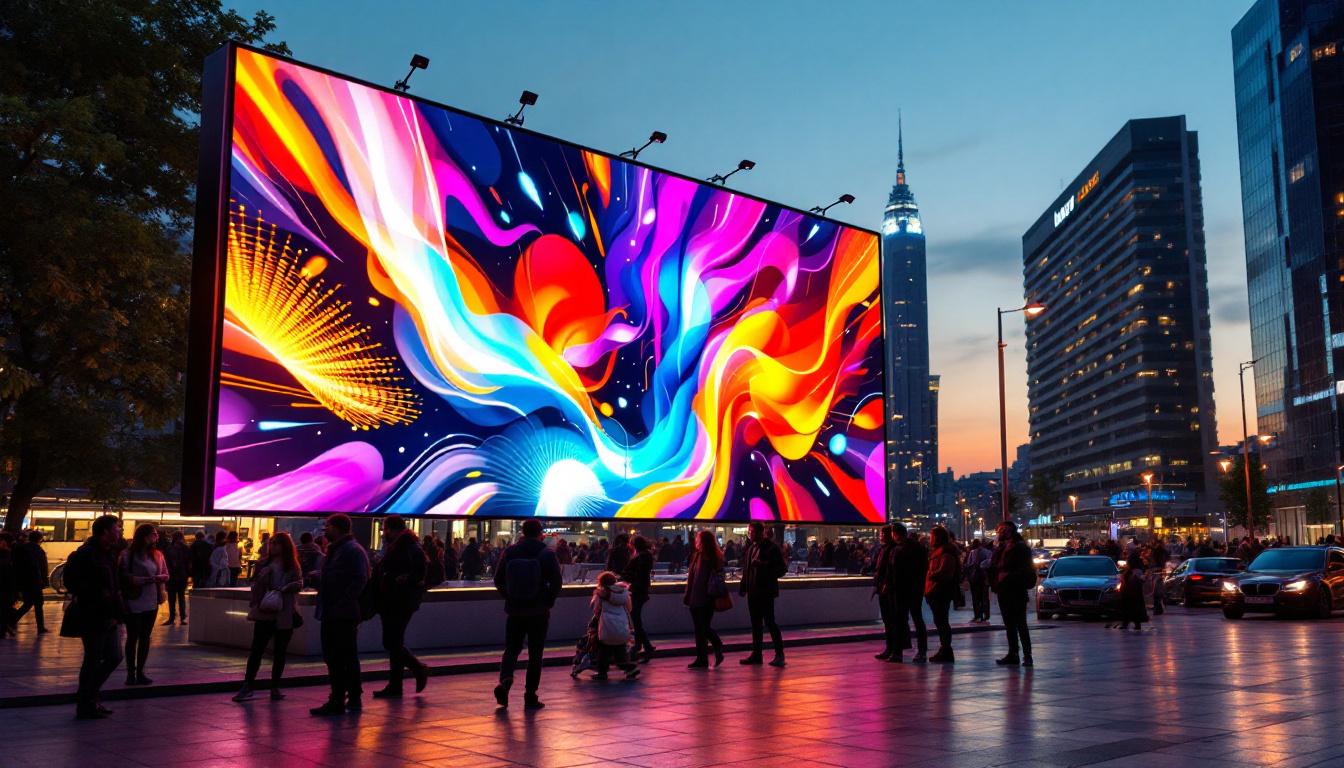
Sports venues are the most common users of LED scoreboards. From professional football stadiums to local basketball courts, LED displays provide clear and timely information to fans and players alike. Large-scale stadiums often use massive LED video boards that serve multiple functions: scorekeeping, live video, advertising, and event announcements.
For example, the AT&T Stadium in Arlington, Texas, boasts one of the largest center-hung LED video boards in the world, measuring approximately 160 feet wide and 72 feet tall. This massive display enhances the fan experience by delivering crystal-clear visuals and instant replays.
Entertainment and Concert Venues
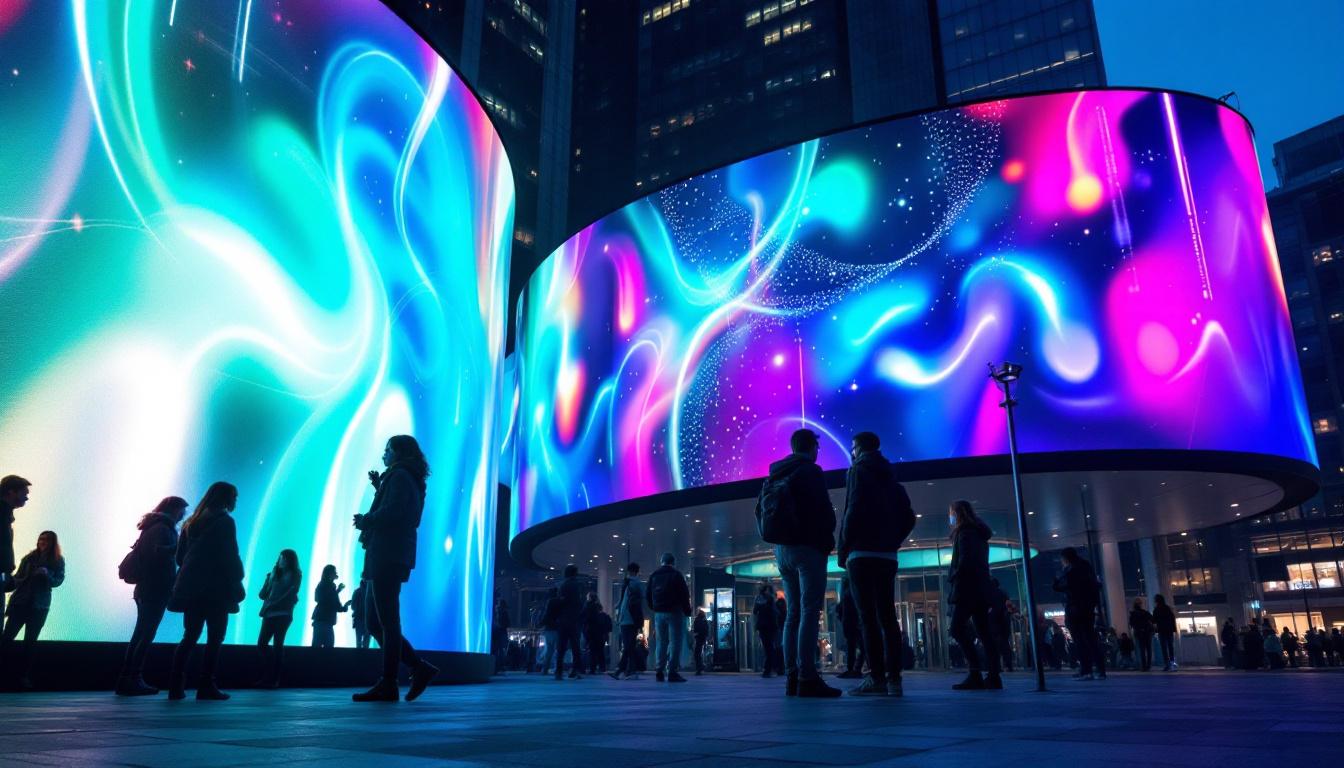
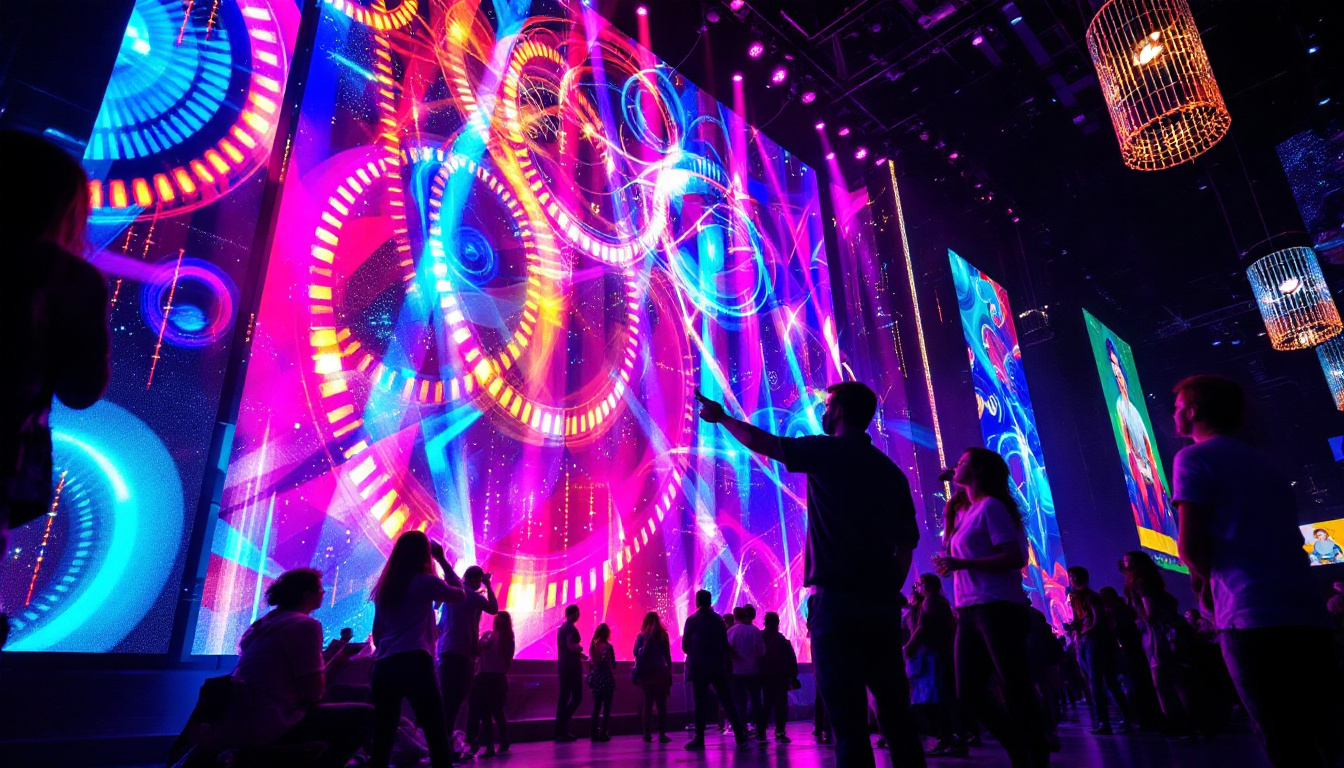
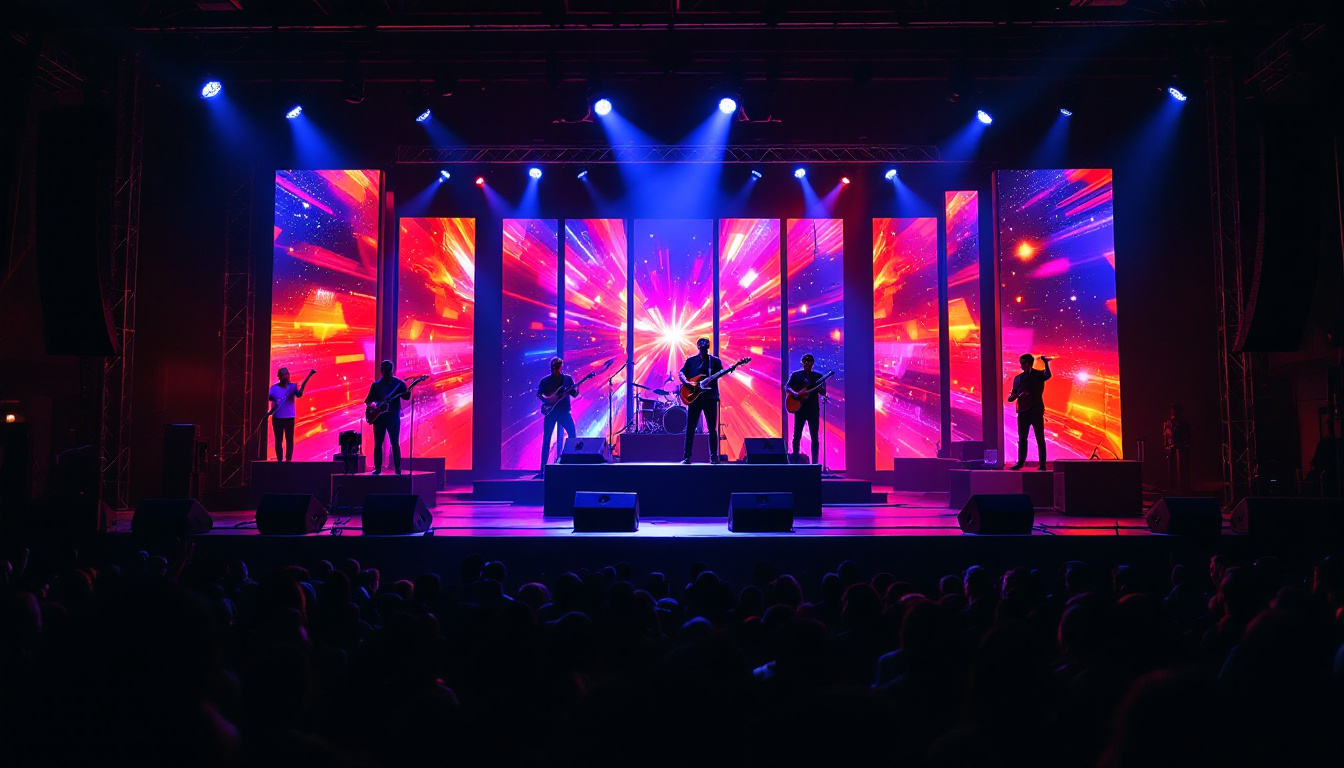
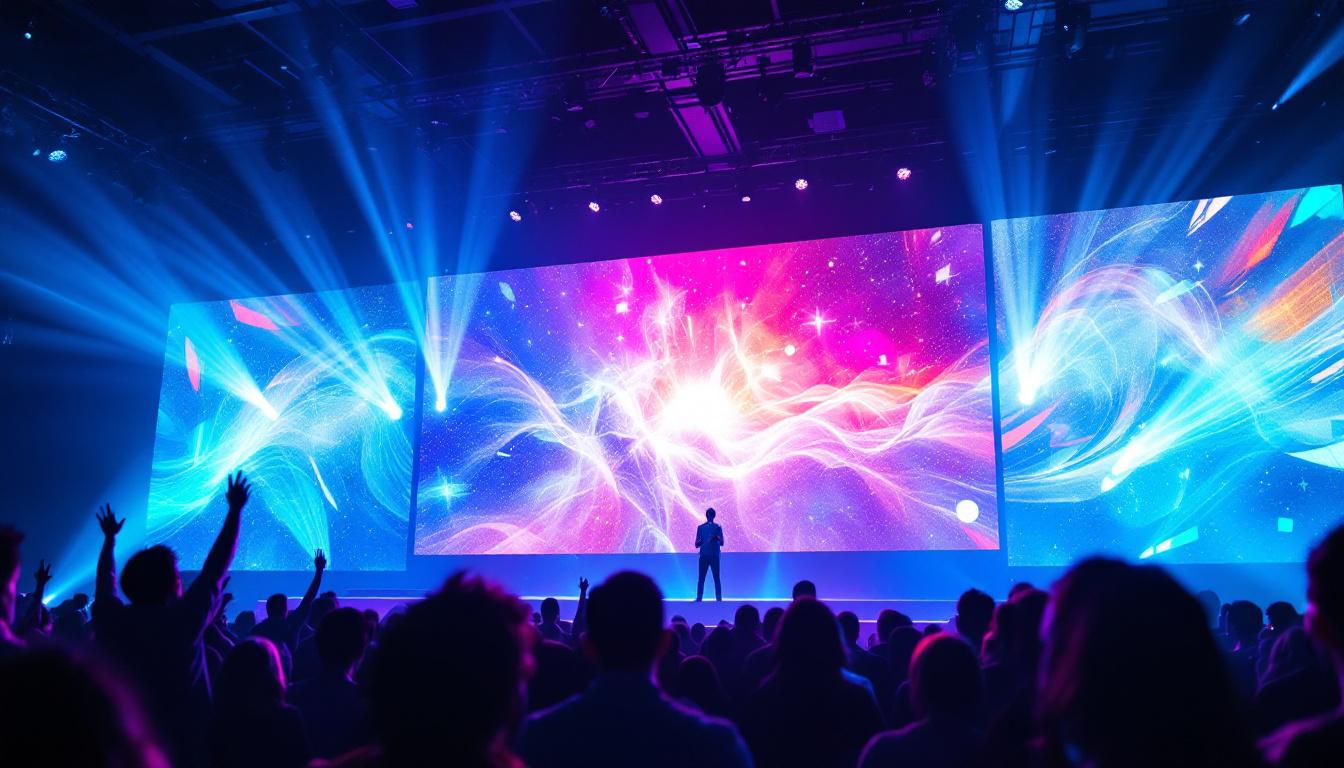
Beyond sports, LED scoreboards and displays are widely used in concert halls, theaters, and festivals. These displays can show event schedules, performer information, and sponsor messages, helping organizers manage large crowds and keep attendees informed.
In music festivals, LED screens often serve as dynamic backdrops, synchronized with lighting and stage effects to create visually stunning performances.
Educational Institutions and Community Centers
Schools, colleges, and community centers increasingly adopt LED scoreboards for their gymnasiums and sports fields. These displays provide a professional look and feel, enhancing school spirit and community engagement. Additionally, LED scoreboards in educational settings often feature customizable content options, allowing schools to display motivational messages, announcements, and event promotions.
Key Features to Consider When Choosing an LED Scoreboard
Resolution and Pixel Pitch
The resolution of an LED scoreboard determines the clarity and detail of the images and text displayed. For venues with close-up viewing, such as indoor gyms, a smaller pixel pitch (e.g., 4mm to 6mm) is preferable to ensure sharp visuals. For large outdoor stadiums where viewers are farther away, a larger pixel pitch (e.g., 10mm to 20mm) is more cost-effective and still provides adequate clarity.
Size and Placement
The physical size of the scoreboard must be appropriate for the venue’s dimensions and viewing distances. A scoreboard that is too small will be difficult to read, while an excessively large one may overwhelm the space or exceed budget constraints. Placement also matters; scoreboards should be positioned where they are visible to the majority of spectators without obstructing sightlines.
Control Systems and Software
Modern LED scoreboards come with sophisticated control systems that allow operators to update scores, change content, and manage multimedia presentations seamlessly. User-friendly software interfaces are essential for quick and error-free operation during live events. Some systems also support remote control and integration with other venue technologies like sound systems and lighting.
Connectivity and Integration
Integration with existing venue infrastructure is critical. Many LED scoreboards support multiple input sources, including HDMI, SDI, and network connections, enabling them to display live video feeds, statistics from official scoring systems, and social media content. Wireless connectivity options can further simplify installation and operation.
Installation and Maintenance Considerations
Installation Challenges and Solutions
Installing an LED scoreboard involves careful planning to ensure structural support, electrical supply, and proper ventilation. Weight and wind load must be considered, especially for outdoor installations. Professional installation teams use cranes, scaffolding, and safety equipment to mount large LED panels securely.
Additionally, modular design facilitates easier installation by allowing panels to be assembled on-site. This modularity also simplifies future upgrades or repairs.
Maintenance Best Practices
While LED scoreboards require less maintenance than older technologies, routine checks are essential to ensure optimal performance. Regular cleaning prevents dust and debris from affecting brightness and color accuracy. Inspection of power supplies, control systems, and cabling helps identify potential issues before they cause failures.
Many manufacturers offer maintenance contracts and remote monitoring services, enabling quick response to any technical problems.
The Future of LED Scoreboards
Advancements in LED Technology
Ongoing innovations in LED technology promise even brighter, more energy-efficient, and higher-resolution displays. MicroLED technology, which uses microscopic LEDs, is emerging as a game-changer, offering superior color accuracy, contrast, and durability compared to traditional LEDs.
Flexible and transparent LED panels are also in development, allowing for more creative scoreboard designs that can wrap around structures or blend into architectural elements.
Integration with Augmented Reality and AI
Future LED scoreboards may incorporate augmented reality (AR) features, overlaying digital information onto live video feeds to provide enhanced statistics, player tracking, and immersive fan experiences. Artificial intelligence (AI) can optimize content delivery based on audience demographics and real-time event dynamics.
Such technologies will transform scoreboards from simple information displays into interactive entertainment hubs that deepen fan engagement and open new revenue opportunities.
Conclusion
LED display scoreboards have become an essential component of modern sports and entertainment venues. Their superior brightness, durability, and versatility make them ideal for delivering real-time information and captivating visuals to large audiences. By understanding the technology, advantages, and key considerations involved in selecting and maintaining LED scoreboards, venue operators can enhance the spectator experience and maximize the value of their investment.
As LED technology continues to evolve, scoreboards will become even more dynamic and integrated, shaping the future of live event presentation and fan engagement.
Enhance Your Venue with LumenMatrix LED Displays
Ready to elevate the fan experience and bring your venue’s presentation into the future? Discover the innovative world of LumenMatrix LED display solutions. From vibrant Indoor and Outdoor LED Wall Displays to engaging LED Sports Displays and beyond, LumenMatrix offers a comprehensive range of products designed to captivate your audience and amplify your message. Embrace the power of advanced visual communication with our cutting-edge technology. Check out LumenMatrix LED Display Solutions today and transform your space into a dynamic hub of entertainment and engagement.