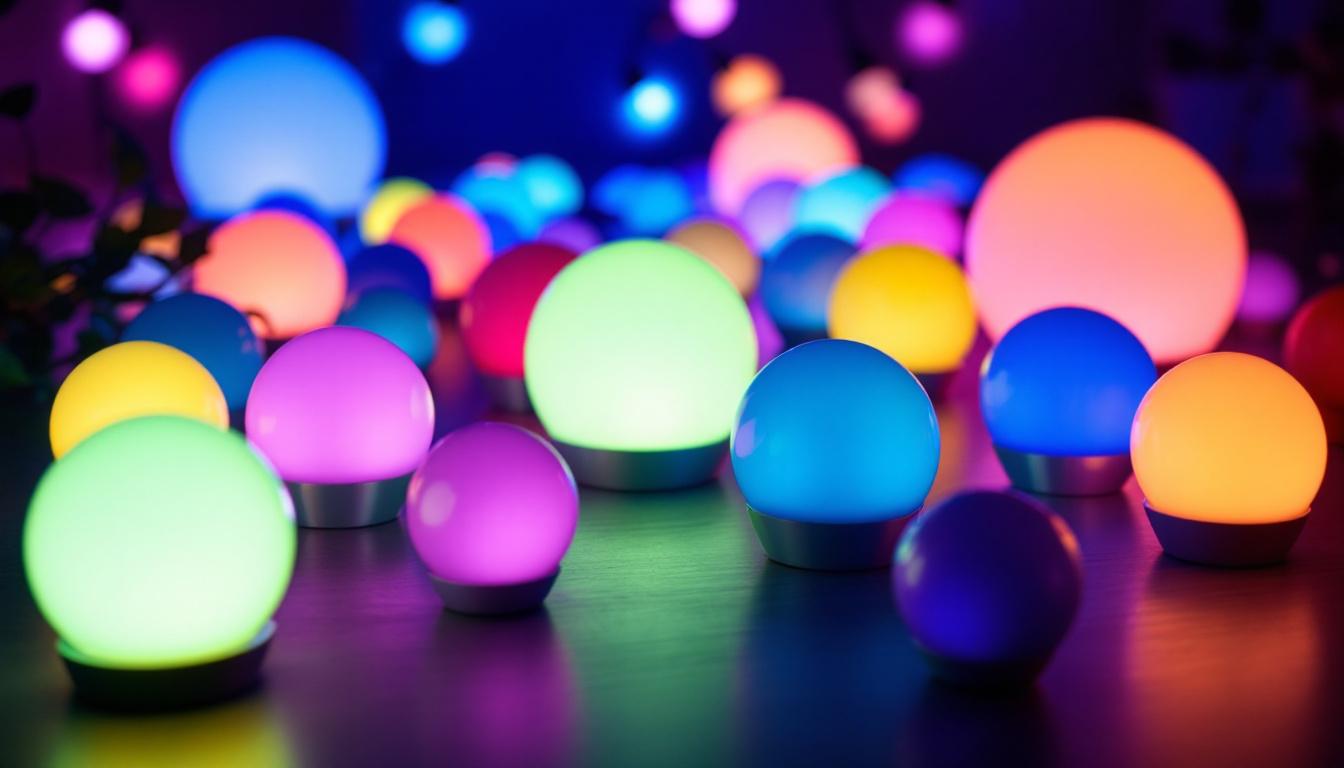
In recent years, LED technology has revolutionized the way we think about lighting and displays. Among the most captivating innovations is the spherical LED light—a three-dimensional LED display that combines cutting-edge technology with artistic design. These spherical LED lights are transforming advertising, entertainment, and architectural lighting, offering dynamic visual experiences that were once impossible with traditional flat screens.
This article explores the technology behind spherical LED lights, their applications, advantages, and future potential. Whether you’re a business owner considering an eye-catching advertising medium or a technology enthusiast curious about the latest in display innovation, understanding spherical LED lights will provide valuable insights into this rapidly evolving field.
Understanding Spherical LED Lights: Technology and Design
What Are Spherical LED Lights?
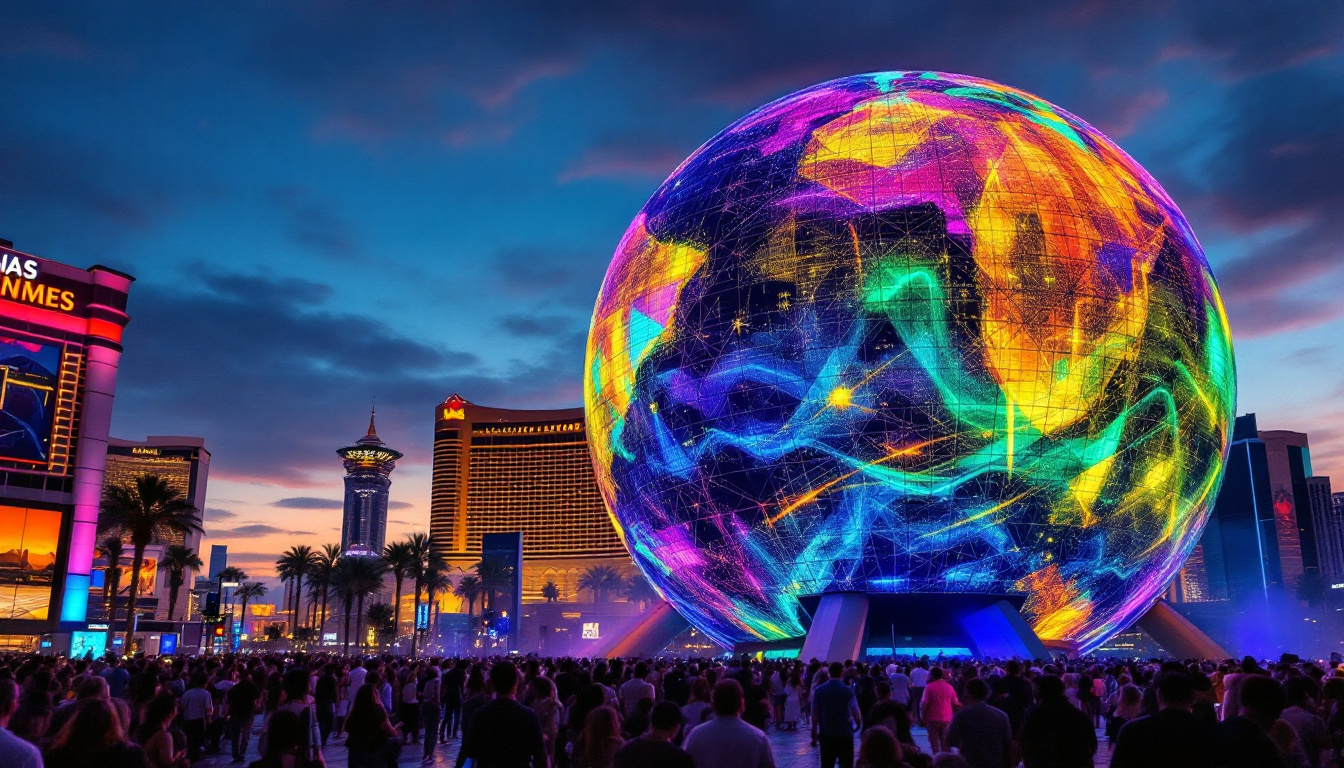
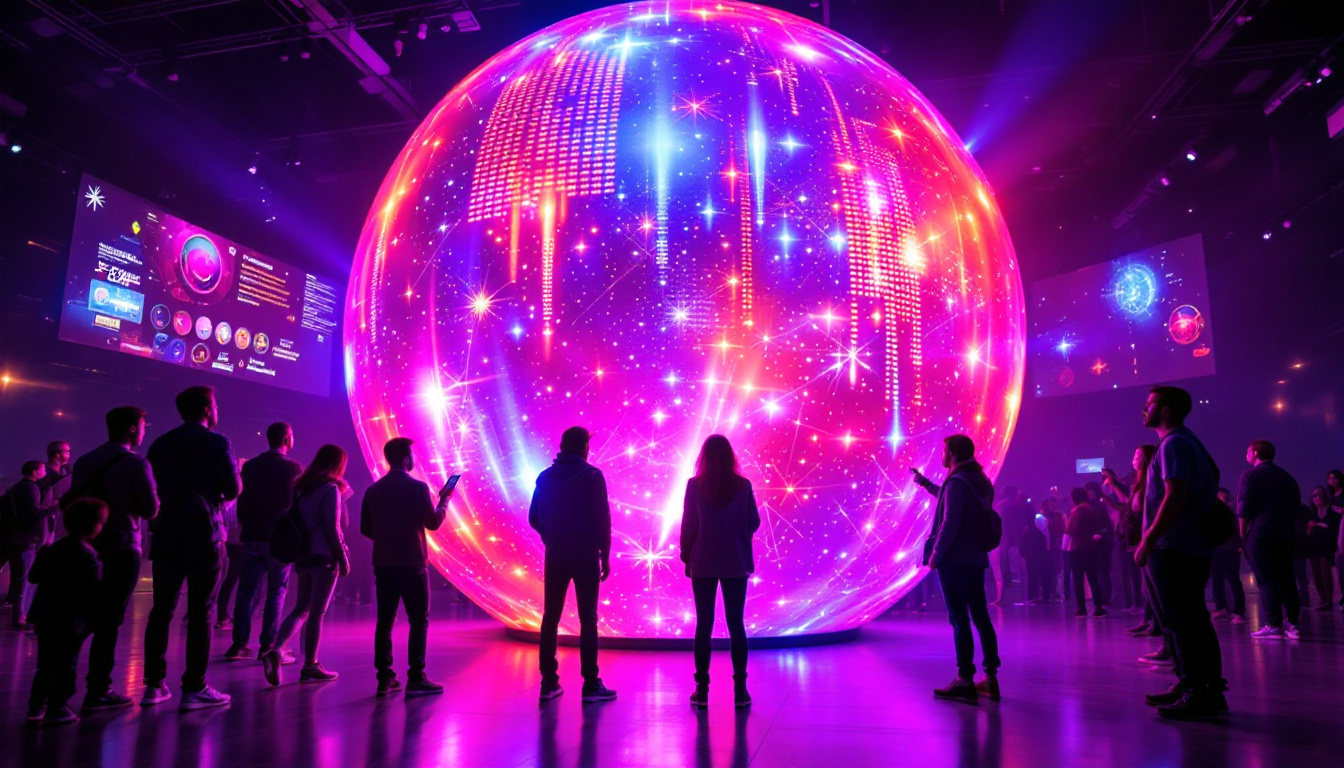
Spherical LED lights are three-dimensional displays composed of numerous LED modules arranged in a spherical shape. Unlike conventional flat LED screens, these displays wrap around a globe-like structure, allowing visuals to be viewed from multiple angles simultaneously. This unique form factor creates a 360-degree viewing experience, making it ideal for immersive advertising, art installations, and interactive exhibits.
The sphere can vary in size—from small desktop models used for educational or decorative purposes to massive outdoor spheres towering several meters high. The technology behind these displays is complex, involving precise LED placement, synchronization, and control systems to ensure seamless image and video playback across the curved surface.
How Do Spherical LED Displays Work?
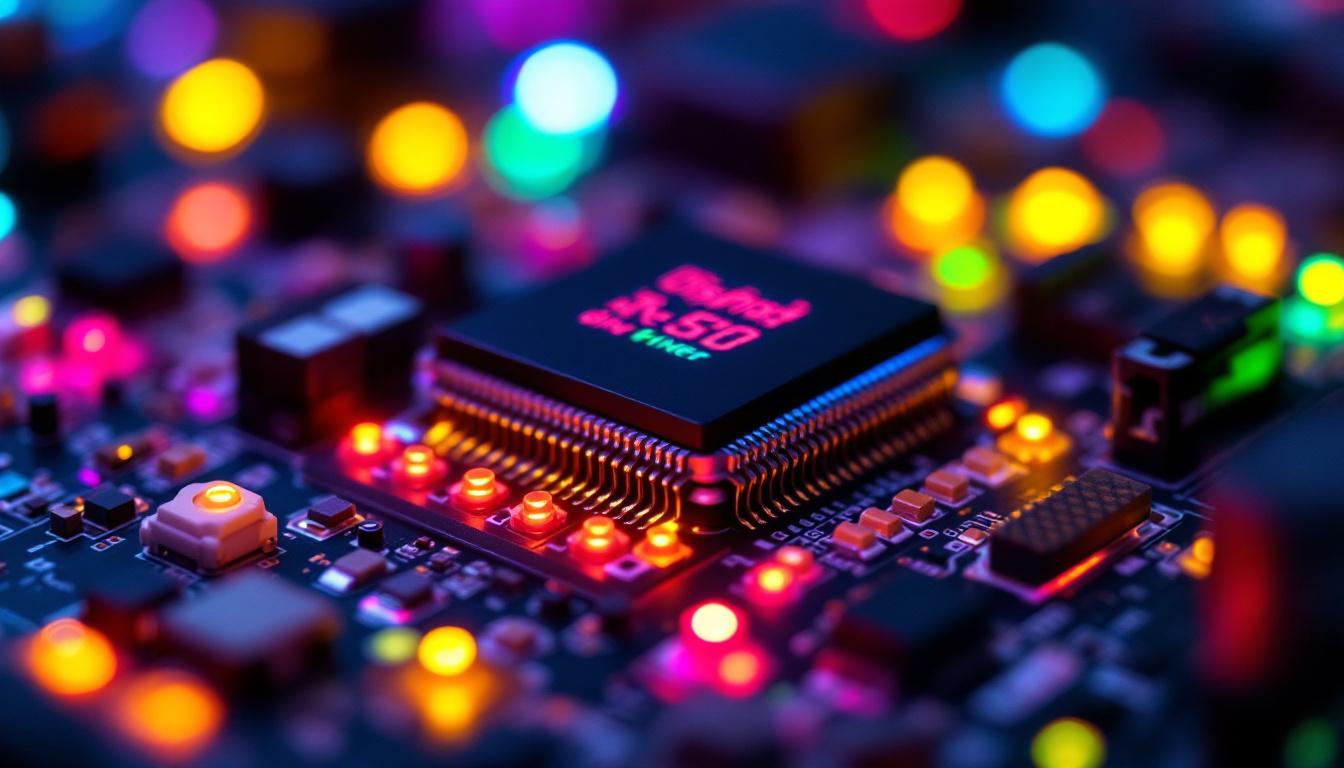
At the core of spherical LED displays is a network of light-emitting diodes (LEDs) arranged on a spherical frame. Each LED acts as a pixel, capable of emitting red, green, and blue light to create a full spectrum of colors. The LEDs are controlled by a centralized processing unit that manages the content displayed, adjusting brightness, color, and timing to produce smooth animations and videos.
One of the primary challenges in spherical LED technology is mapping two-dimensional content onto a three-dimensional surface without distortion. This requires advanced software algorithms that convert flat images or videos into a format suitable for spherical projection. The software compensates for curvature and ensures that the visuals appear natural and continuous from all viewing angles.
Key Components of Spherical LED Displays
Several components are integral to the functionality of spherical LED lights:
- LED Modules: These are the individual panels or strips containing LEDs arranged to fit the spherical frame.
- Control System: A processor or media player that manages the input content and synchronizes the LEDs.
- Power Supply: Provides the necessary electrical power to the LEDs and control systems.
- Structural Frame: The physical spherical skeleton that holds the LED modules in place, often made from lightweight but sturdy materials such as aluminum or fiberglass.
- Software: Specialized mapping and content management software that converts and displays visuals correctly on the spherical surface.
Applications of Spherical LED Lights
Advertising and Marketing
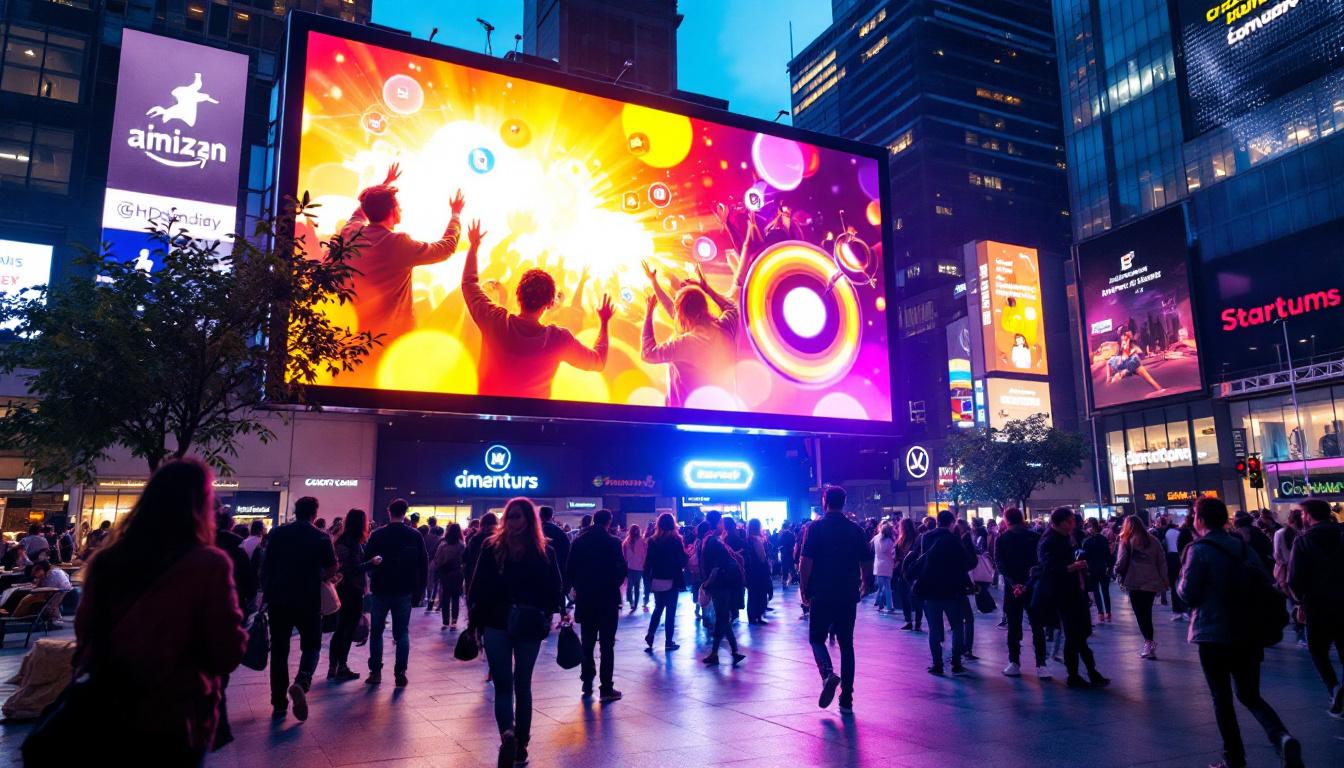
Spherical LED displays have become a powerful tool in advertising due to their ability to capture attention from all directions. Brands use these displays in high-traffic areas such as shopping malls, airports, and public squares to create memorable experiences. The 360-degree visibility ensures that the message reaches a broad audience without the need for multiple screens.
For example, a global beverage company installed a 3-meter diameter spherical LED display in a major city center, showcasing dynamic product visuals and interactive content. The installation resulted in a 40% increase in brand engagement compared to traditional billboard advertising, demonstrating the effectiveness of spherical LED technology in marketing campaigns.
Entertainment and Events
In the entertainment industry, spherical LED lights are used to create immersive environments. Concerts, festivals, and exhibitions incorporate these displays to enhance visual storytelling and audience engagement. The spherical shape allows for creative content that surrounds the viewer, adding depth and dimension to performances.
Notably, some music festivals have integrated spherical LED installations as central stage elements, projecting synchronized visuals that complement live performances. These installations not only amplify the sensory experience but also serve as iconic photo opportunities, boosting social media exposure.
Architectural and Interior Design
Architects and interior designers are increasingly integrating spherical LED lights into their projects to add futuristic and dynamic elements to spaces. These displays can serve as focal points in lobbies, atriums, or public areas, combining functional lighting with artistic expression.
For instance, a luxury hotel incorporated a spherical LED chandelier in its main lobby, displaying calming animations that change throughout the day. This installation enhances the ambiance while demonstrating how spherical LED technology can blend aesthetics with practicality.
Education and Science
Educational institutions and science museums utilize spherical LED displays to present complex information in an engaging way. Globes displaying real-time weather patterns, astronomical data, or geographic information provide interactive learning experiences that captivate audiences of all ages.
One notable example is a planetarium that uses a spherical LED display to simulate celestial movements and cosmic phenomena, offering visitors an immersive understanding of space science. This approach makes abstract concepts more tangible and accessible.
Advantages of Spherical LED Displays
360-Degree Visibility and Engagement
The most obvious advantage of spherical LED lights is their ability to deliver content in all directions. This 360-degree visibility maximizes audience reach and engagement, making them ideal for public spaces where viewers can approach from any angle.
Unlike traditional flat screens that require viewers to be positioned directly in front, spherical displays ensure the message is visible and impactful regardless of where the viewer stands. This feature is especially valuable in crowded environments such as trade shows or city centers.
High Brightness and Energy Efficiency
LED technology is renowned for its brightness and energy efficiency. Spherical LED displays maintain high luminosity, ensuring visibility even in brightly lit outdoor environments. At the same time, LEDs consume significantly less power compared to incandescent or fluorescent lighting, reducing operational costs and environmental impact.
Modern spherical LED installations often incorporate energy-saving features such as automatic brightness adjustment based on ambient light conditions, further enhancing efficiency.
Durability and Longevity
LEDs have a long operational lifespan, often exceeding 50,000 hours of use. This durability makes spherical LED displays a cost-effective investment over time, as they require less frequent maintenance and replacement than traditional lighting or display technologies.
Additionally, spherical LED units are designed to withstand various environmental conditions, including rain, wind, and temperature fluctuations, making them suitable for both indoor and outdoor applications.
Customizability and Flexibility
Spherical LED displays offer remarkable flexibility in terms of size, resolution, and content. They can be custom-built to fit specific spatial requirements and programmed to display a wide range of multimedia content, from static images to complex animations and interactive visuals.
This adaptability allows businesses and creators to tailor their messaging and artistic expression precisely to their audience and environment, enhancing the overall impact.
Challenges and Considerations in Spherical LED Technology
Cost and Installation Complexity
While spherical LED displays offer numerous benefits, they come with higher initial costs compared to traditional flat LED screens. The complexity of design, manufacturing, and installation contributes to this expense. Specialized mounting structures and precise calibration are necessary to ensure optimal performance.
Businesses considering spherical LED installations should account for these factors in their budgeting and project planning. However, the long-term benefits in engagement and durability often justify the investment.
Content Creation and Mapping
Creating content for spherical LED displays requires specialized skills and software. Designers must understand how to adapt two-dimensional visuals to a three-dimensional surface without distortion. This process, known as spherical mapping, can be technically challenging and time-consuming.
Moreover, content must be designed with the spherical format in mind to maximize visual impact and viewer engagement. Collaborating with experienced content creators and utilizing advanced software tools is essential for successful implementation.
Maintenance and Technical Support
Maintaining spherical LED displays involves regular inspection and servicing to ensure all LEDs function correctly and the control systems operate smoothly. Given the complexity of the spherical arrangement, repairs can be more intricate than with flat screens.
Establishing a maintenance plan and working with reliable technical support providers is crucial to minimize downtime and extend the lifespan of the installation.
The Future of Spherical LED Displays
Emerging Trends and Innovations
As LED technology continues to advance, spherical LED displays are poised to become even more versatile and affordable. Innovations such as flexible LED panels, higher resolution modules, and improved software algorithms will enhance image quality and ease of installation.
Integration with augmented reality (AR) and artificial intelligence (AI) is another exciting frontier. Future spherical LED installations may offer interactive experiences where viewers can influence the displayed content through gestures or mobile devices, creating personalized and immersive environments.
Expanding Applications
The range of applications for spherical LED lights is expected to grow beyond advertising and entertainment. Smart cities may use spherical LED globes to display real-time environmental data, traffic updates, or emergency alerts in public spaces.
In healthcare, spherical LED displays could assist in medical visualization and training, providing 3D representations of anatomical structures or surgical procedures. The educational potential is vast, with interactive globes becoming standard tools in classrooms worldwide.
Sustainability and Environmental Impact
With increasing emphasis on sustainability, spherical LED technology aligns well with global efforts to reduce energy consumption and carbon footprints. The energy efficiency and longevity of LEDs contribute to greener lighting solutions.
Manufacturers are also exploring recyclable materials and eco-friendly production methods to make spherical LED displays more sustainable throughout their lifecycle.
Conclusion
Spherical LED lights represent a remarkable fusion of technology, design, and functionality. Their ability to deliver vibrant, immersive visuals in a 360-degree format opens new possibilities across advertising, entertainment, education, and beyond. While challenges such as cost and content creation exist, ongoing innovations are making spherical LED displays more accessible and impactful.
For businesses and creators seeking to captivate audiences with dynamic and memorable experiences, spherical LED lights offer a compelling solution that stands out in today’s competitive visual landscape. As the technology evolves, these glowing orbs are set to illuminate the future of display technology in exciting and unexpected ways.
Illuminate Your Space with LumenMatrix
Ready to elevate your visual impact with the latest in LED display technology? Discover LumenMatrix’s comprehensive range of LED display solutions, from Indoor and Outdoor LED Wall Displays to innovative Custom and All-in-One LED Displays. Each product is crafted to transform your space and captivate your audience with unparalleled brightness and clarity. Embrace the future of visual communication with LumenMatrix and create experiences that resonate. Check out LumenMatrix LED Display Solutions today and light up your world with creativity and brilliance.