Light Emitting Diodes (LEDs) have revolutionized the way we illuminate spaces and display information. From the vibrant screens of smartphones to massive outdoor billboards, LED technology is at the heart of modern displays. But how exactly are LEDs made, and what goes into creating an LED display? This article delves into the science, manufacturing process, and practical aspects of LED displays, providing a comprehensive understanding for enthusiasts, students, and professionals alike.
Understanding LEDs: The Building Blocks of LED Displays
What is an LED?
An LED, or Light Emitting Diode, is a semiconductor device that emits light when an electric current passes through it. Unlike traditional incandescent bulbs, LEDs are highly energy-efficient, have a longer lifespan, and produce less heat. The light emission occurs due to electroluminescence, where electrons recombine with holes in the semiconductor material, releasing energy in the form of photons.
LEDs come in various colors depending on the semiconductor materials used. Common colors include red, green, blue, and white, with white LEDs often created by coating blue LEDs with phosphor materials. This versatility makes LEDs ideal for creating displays capable of rendering millions of colors.
How LEDs Work: Basic Physics
At the core of an LED is a p-n junction, where p-type (positive) and n-type (negative) semiconductors meet. When forward biased, electrons from the n-side and holes from the p-side move toward the junction and recombine, releasing energy as light. The wavelength (and thus color) of the emitted light depends on the bandgap energy of the semiconductor materials.
This fundamental principle allows engineers to design LEDs with precise color outputs. For example, gallium arsenide (GaAs) produces infrared light, while gallium nitride (GaN) is used for blue and green LEDs. Understanding these materials is essential for manufacturing LEDs tailored to specific display applications.
The Manufacturing Process of LEDs
Step 1: Substrate Preparation
The manufacturing of LEDs begins with selecting a suitable substrate, typically sapphire, silicon carbide, or silicon. The substrate acts as the base upon which semiconductor layers are grown. Sapphire is popular due to its excellent insulating properties and transparency, which is crucial for light emission.
Preparing the substrate involves cleaning and polishing to create a smooth surface, free from contaminants. This step is vital because imperfections can affect the quality and efficiency of the LED.
Step 2: Epitaxial Growth
Following substrate preparation, epitaxial growth is performed using techniques such as Metal-Organic Chemical Vapor Deposition (MOCVD). This process deposits thin layers of semiconductor materials onto the substrate with atomic precision. The layers include the active region where light is generated, along with n-type and p-type layers to form the p-n junction.
The quality of epitaxial layers directly impacts LED performance. Advanced equipment monitors temperature, pressure, and gas flow to ensure uniformity and minimize defects. This stage is often the most complex and costly part of LED manufacturing.
Step 3: Chip Fabrication and Dicing
Once the epitaxial layers are grown, the wafer undergoes photolithography to pattern the LED chips. This involves applying photoresist, exposing it to ultraviolet light through a mask, and etching away unwanted material. The result is a precise layout of individual LED structures on the wafer.
The wafer is then diced into tiny chips, each representing a single LED. These chips are typically less than a millimeter square. The dicing process requires high-precision saws to avoid damaging the delicate semiconductor layers.
Step 4: Mounting and Wire Bonding
After dicing, the LED chips are mounted onto lead frames or substrates that provide mechanical support and electrical connections. This is usually done using conductive adhesives or soldering. Wire bonding connects the LED chip’s electrodes to the package leads using ultra-fine gold or aluminum wires.
This packaging step protects the chip and facilitates integration into larger circuits or display modules. The choice of packaging materials also affects heat dissipation and light extraction efficiency.
Step 5: Encapsulation and Phosphor Coating
To protect the LED chip and enhance light output, encapsulation with a transparent resin or silicone is performed. For white LEDs, a phosphor layer is applied over the encapsulant to convert blue or ultraviolet light into broad-spectrum white light. The thickness and composition of the phosphor layer determine the color temperature and quality of the emitted light.
Encapsulation also improves the mechanical durability of the LED, making it resistant to environmental factors such as moisture and dust.
From LEDs to LED Displays: Assembly and Functionality
What is an LED Display?
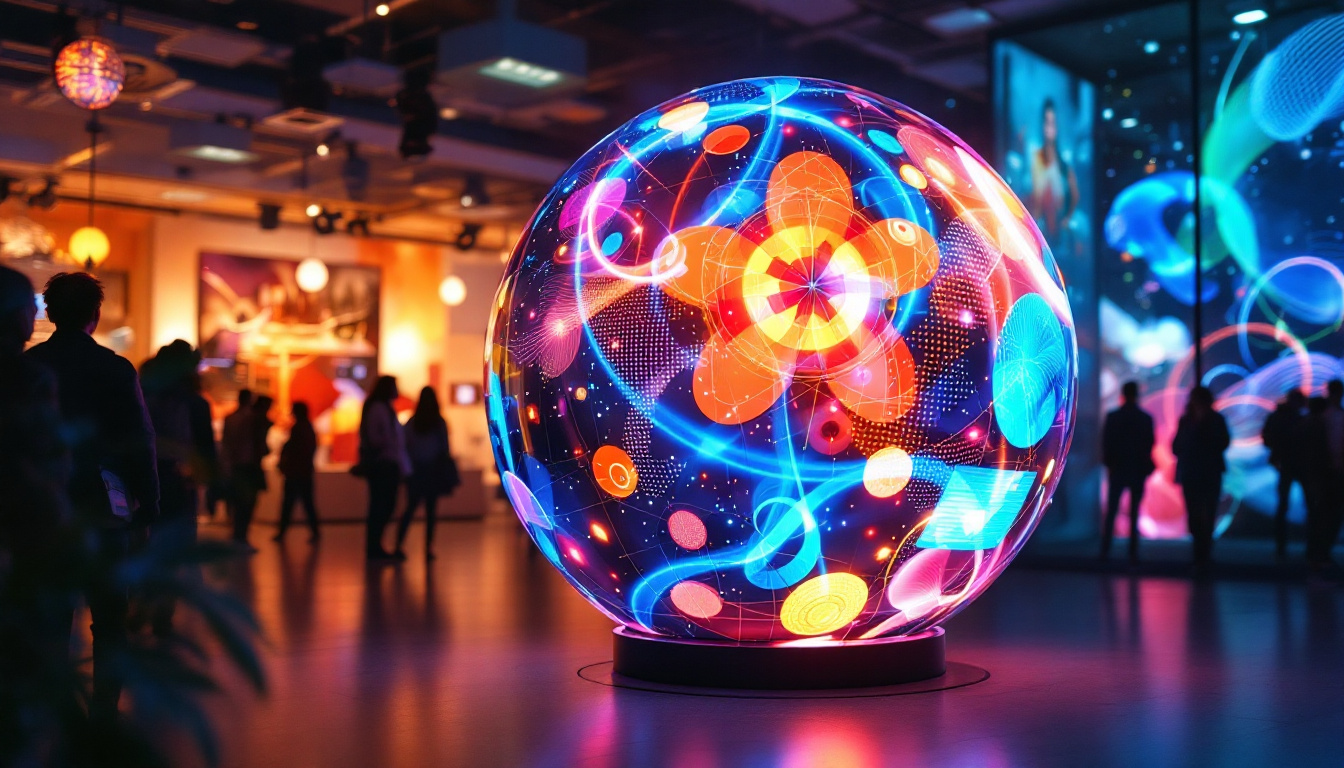
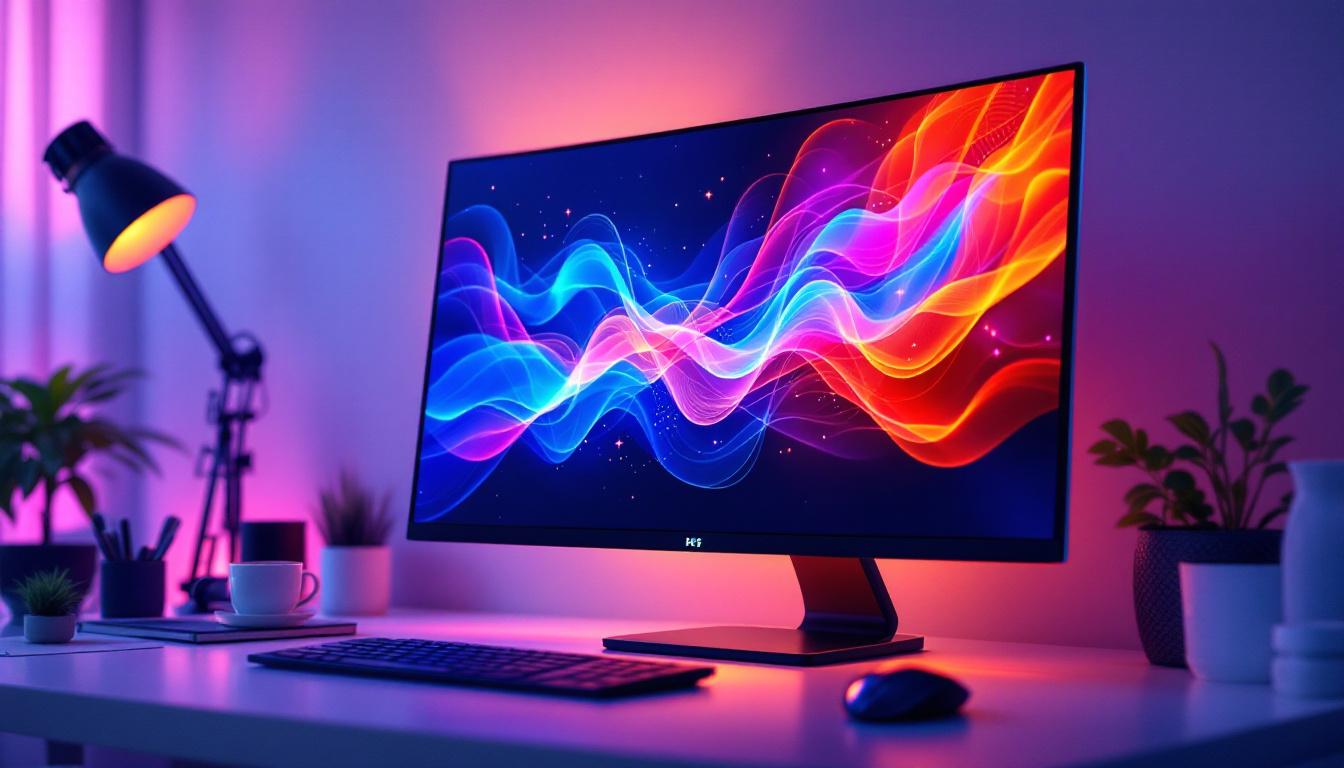
An LED display is a flat panel that uses an array of LEDs as pixels to display images, videos, or text. These displays are widely used in televisions, computer monitors, digital billboards, and signage. The key advantage of LED displays is their brightness, energy efficiency, and ability to produce vibrant colors with high contrast ratios.
LED displays can be categorized into two main types: direct-view LED displays and LED-backlit LCDs. This article focuses on direct-view LED displays, where each pixel is an individual LED or a cluster of LEDs.
Pixel Structure and Color Mixing
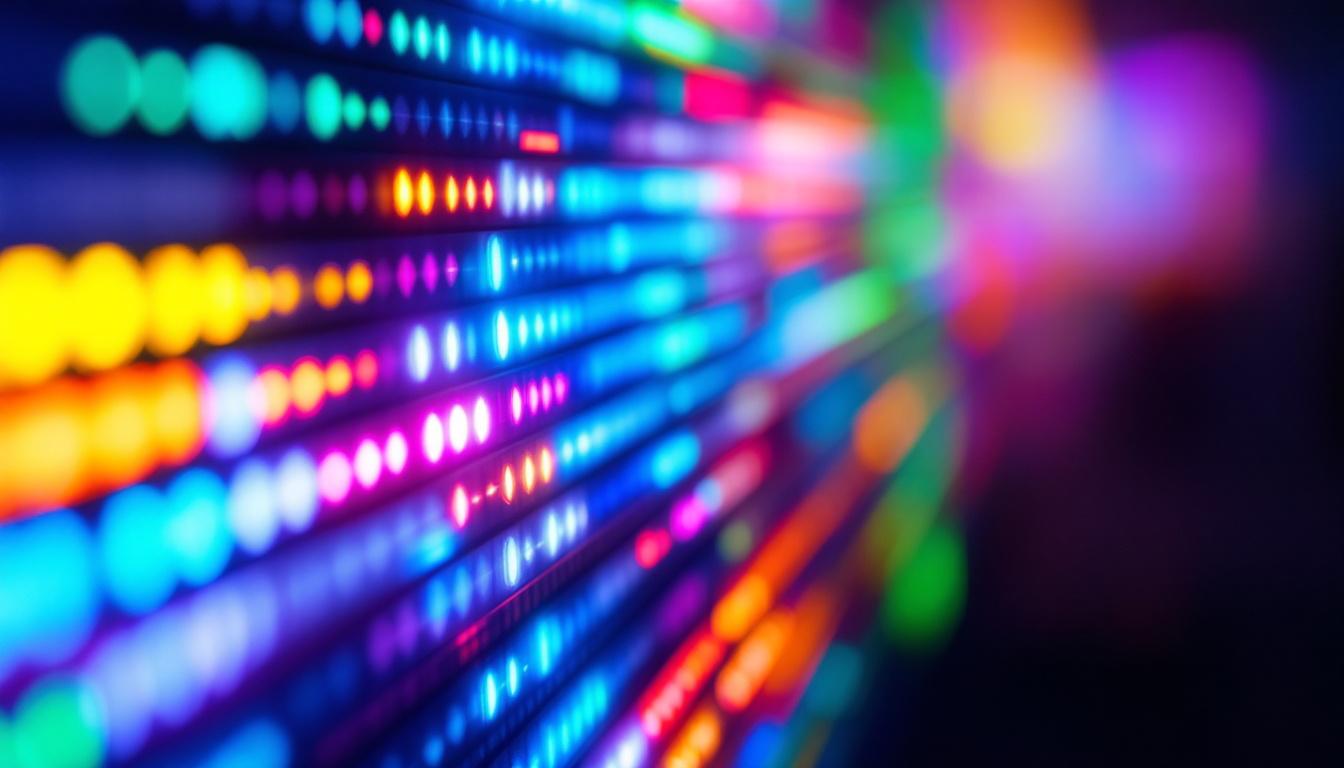
Each pixel in an LED display typically consists of three sub-pixels: red, green, and blue (RGB). By varying the intensity of each sub-pixel, a wide range of colors can be produced through additive color mixing. Some advanced displays also include a white sub-pixel (RGBW) to enhance brightness and energy efficiency.
The arrangement and density of these pixels determine the display’s resolution and image quality. High-resolution displays require millions of tiny LEDs packed closely together, which presents manufacturing and engineering challenges.
Driving the LEDs: Control Electronics
LED displays require sophisticated control electronics to manage the brightness and color of each pixel. This is achieved through driver ICs (integrated circuits) that regulate current flow to individual LEDs. The display controller receives image data and converts it into signals that adjust each LED’s output in real-time.
Pulse Width Modulation (PWM) is a common technique used to control LED brightness by rapidly switching the LEDs on and off at varying intervals. This method provides smooth dimming and color blending without compromising LED lifespan.
Modular Design and Scalability
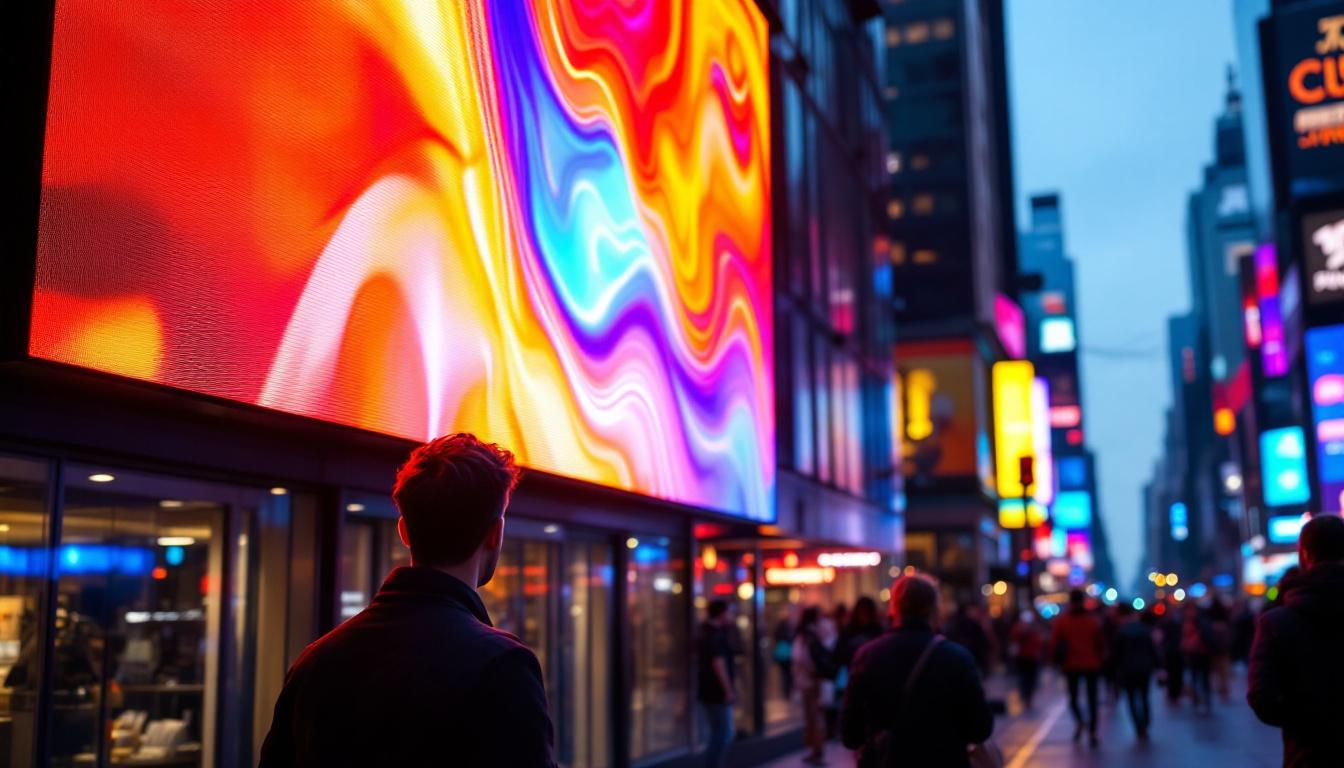
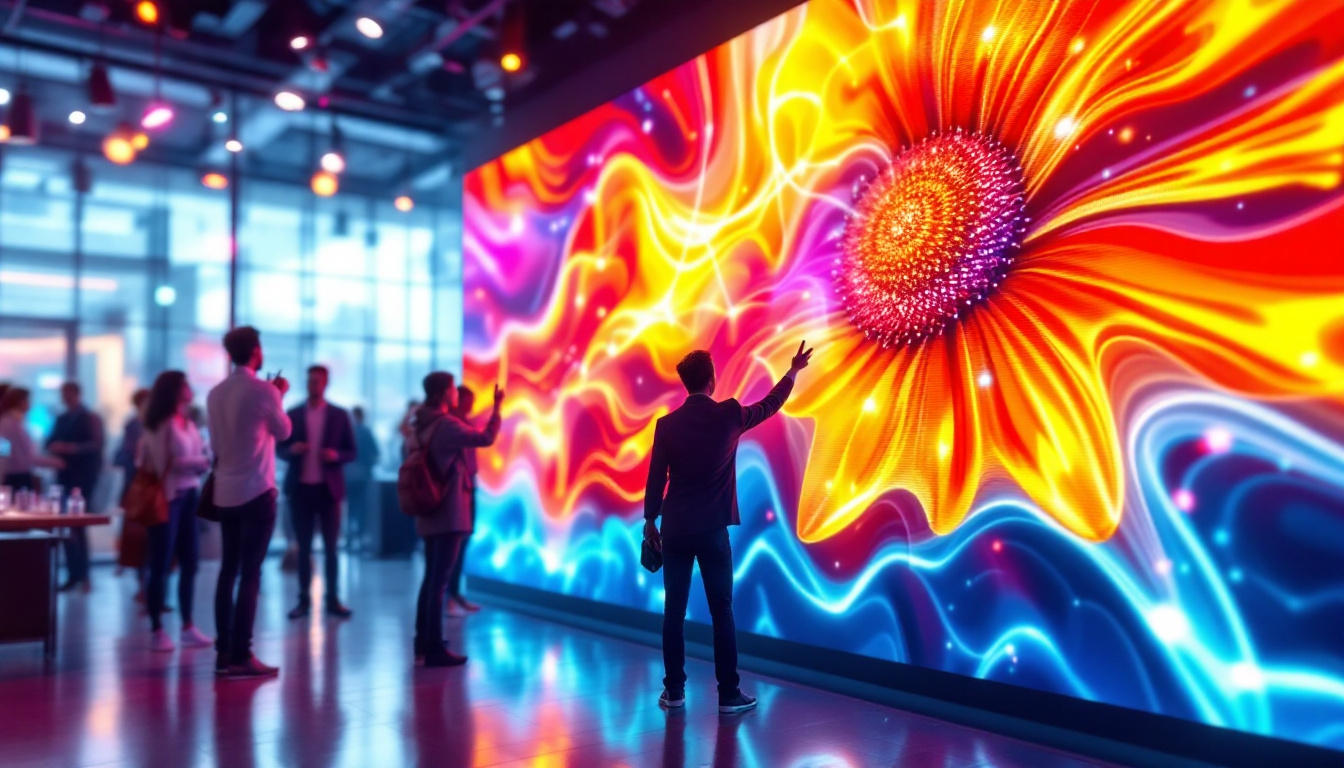
Large LED displays are often constructed from modular panels, each containing thousands of LEDs. These panels can be seamlessly connected to create displays of various sizes and shapes, from small indoor screens to massive outdoor billboards spanning hundreds of square meters.
Modular design simplifies maintenance and upgrades, as individual panels can be replaced without dismantling the entire display. It also allows for flexible installation in diverse environments, including curved or irregular surfaces.
Applications and Advantages of LED Displays
Wide Range of Applications
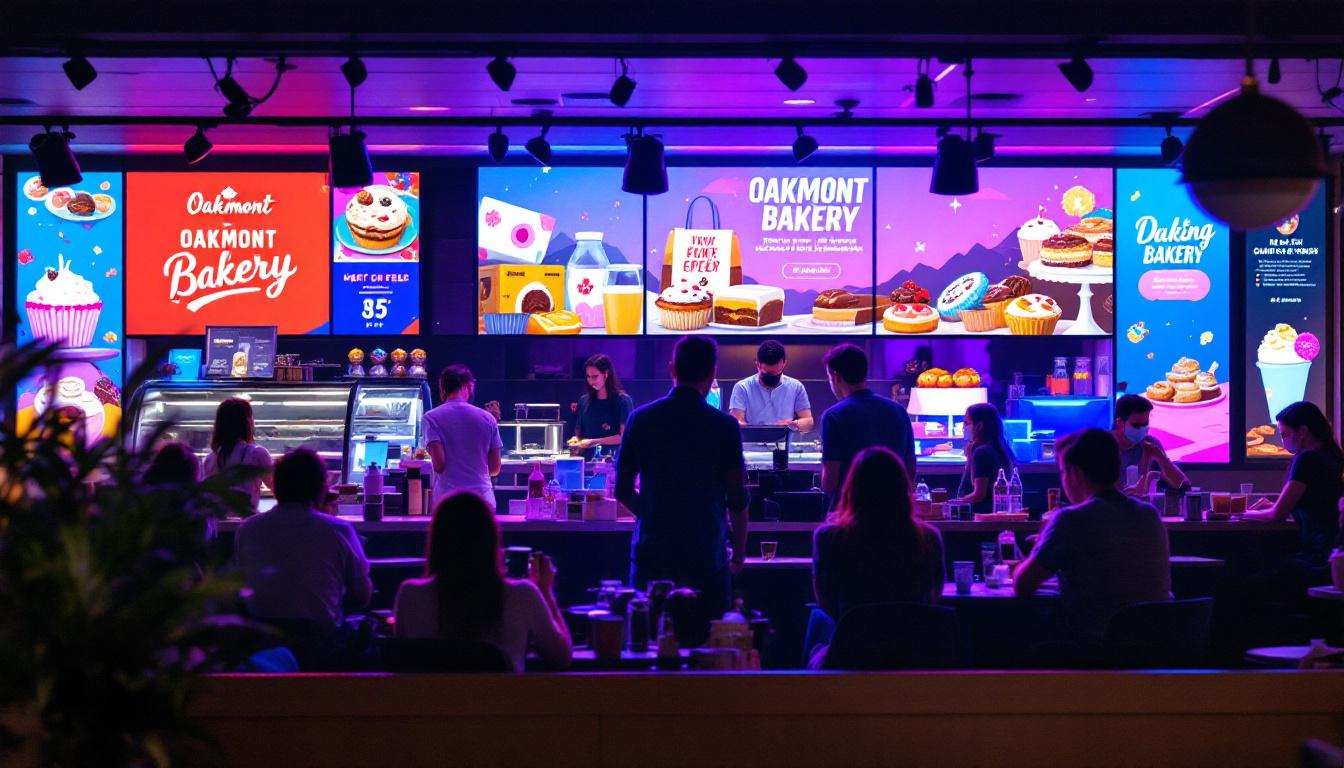
LED displays have become ubiquitous across many industries. In retail, they attract customers with dynamic advertising. In sports arenas, they provide real-time scores and replays. Transportation hubs use LED displays for schedules and announcements, while entertainment venues rely on them for immersive visual effects.
Emerging applications include smart cities, where LED displays integrate with IoT (Internet of Things) systems to provide interactive public information and environmental monitoring.
Energy Efficiency and Environmental Impact
Compared to traditional display technologies like LCD or plasma, LED displays consume significantly less power. According to the U.S. Department of Energy, LED lighting uses at least 75% less energy than incandescent lighting, and LED displays inherit much of this efficiency. This translates into lower operational costs and reduced carbon footprint.
Moreover, LEDs contain no hazardous materials such as mercury, making them safer for disposal and recycling. Their long lifespan, often exceeding 50,000 hours, reduces waste and the frequency of replacements.
Durability and Performance
LED displays are known for their robustness. They perform well under various environmental conditions, including extreme temperatures, humidity, and direct sunlight. This durability makes them ideal for outdoor installations where reliability is critical.
Additionally, LEDs offer excellent color stability and fast response times, enabling high-quality video playback and smooth animations. Their ability to operate at low voltages also enhances safety and integration flexibility.
Building Your Own LED Display: Key Considerations
Choosing the Right LEDs
When creating an LED display, selecting the appropriate LEDs is crucial. Factors to consider include pixel pitch (distance between LEDs), brightness, color accuracy, and viewing angle. For indoor displays, smaller pixel pitches (e.g., 1-2 mm) provide higher resolution, while outdoor displays prioritize brightness and weather resistance.
LED binning, a process where LEDs are sorted based on color and brightness, ensures uniformity across the display. Using LEDs from the same bin reduces color inconsistencies and improves overall image quality.
Designing the Circuit and Control System
Designing the driving circuitry involves choosing suitable driver ICs, microcontrollers, or FPGA boards capable of handling the desired resolution and refresh rate. Power management is also critical, as LED displays can draw significant current, especially at high brightness levels.
Software development for image processing and control adds another layer of complexity. Open-source platforms and development kits can accelerate prototyping, but commercial projects often require custom firmware for optimal performance.
Assembly and Testing
Assembling an LED display demands precision and patience. Proper soldering techniques, secure mechanical mounting, and effective thermal management are essential to ensure reliability. Testing each module for dead pixels, color accuracy, and electrical integrity prevents costly failures after deployment.
Environmental testing, including exposure to temperature cycles and moisture, helps verify the display’s durability. Calibration tools can adjust color balance and brightness uniformity across the entire panel.
The Future of LED Displays
Advancements in LED Technology
Research continues to push the boundaries of LED performance. Innovations such as microLEDs, which are microscopic LEDs integrated directly onto display substrates, promise even higher resolution, brightness, and energy efficiency. MicroLED displays could surpass OLEDs in image quality and longevity, opening new possibilities for smartphones, TVs, and augmented reality devices.
Quantum dot LEDs (QLEDs) and organic LEDs (OLEDs) also complement traditional LEDs, offering improved color gamut and flexibility. Hybrid displays combining these technologies are emerging in the market.
Integration with Smart Technologies
LED displays are increasingly integrated with smart sensors, AI-driven content management, and interactive features. Smart city initiatives leverage LED displays for real-time data visualization, emergency alerts, and personalized advertising. In retail, AI-powered analytics optimize content based on customer demographics and behavior.
As 5G networks expand, LED displays will become more connected, enabling seamless updates and remote management, enhancing user engagement and operational efficiency.
Conclusion
Understanding how LEDs are made and how LED displays function provides valuable insight into one of the most impactful technologies of our time. From the microscopic semiconductor layers to vast outdoor screens, the journey of an LED involves precision engineering, advanced materials science, and innovative design.
Whether you are a hobbyist interested in building your own LED display or a professional seeking to deepen your knowledge, grasping these fundamentals is essential. As LED technology continues to evolve, it promises to illuminate our world in ever more vibrant and intelligent ways.
Illuminate Your Space with LumenMatrix
Now that you’ve gained an understanding of the intricate process behind LED displays, why not bring this cutting-edge technology into your own space? LumenMatrix, a pioneer in LED display innovation, offers a wide array of solutions tailored to meet your needs. From Indoor and Outdoor LED Wall Displays to specialized options like Vehicle, Sports, and Floor LED Displays, our products are designed to captivate and engage. Experience the transformative power of LED displays with LumenMatrix and let us help you communicate your message with unparalleled clarity and impact. Check out LumenMatrix LED Display Solutions and take the first step towards revolutionizing your visual displays.