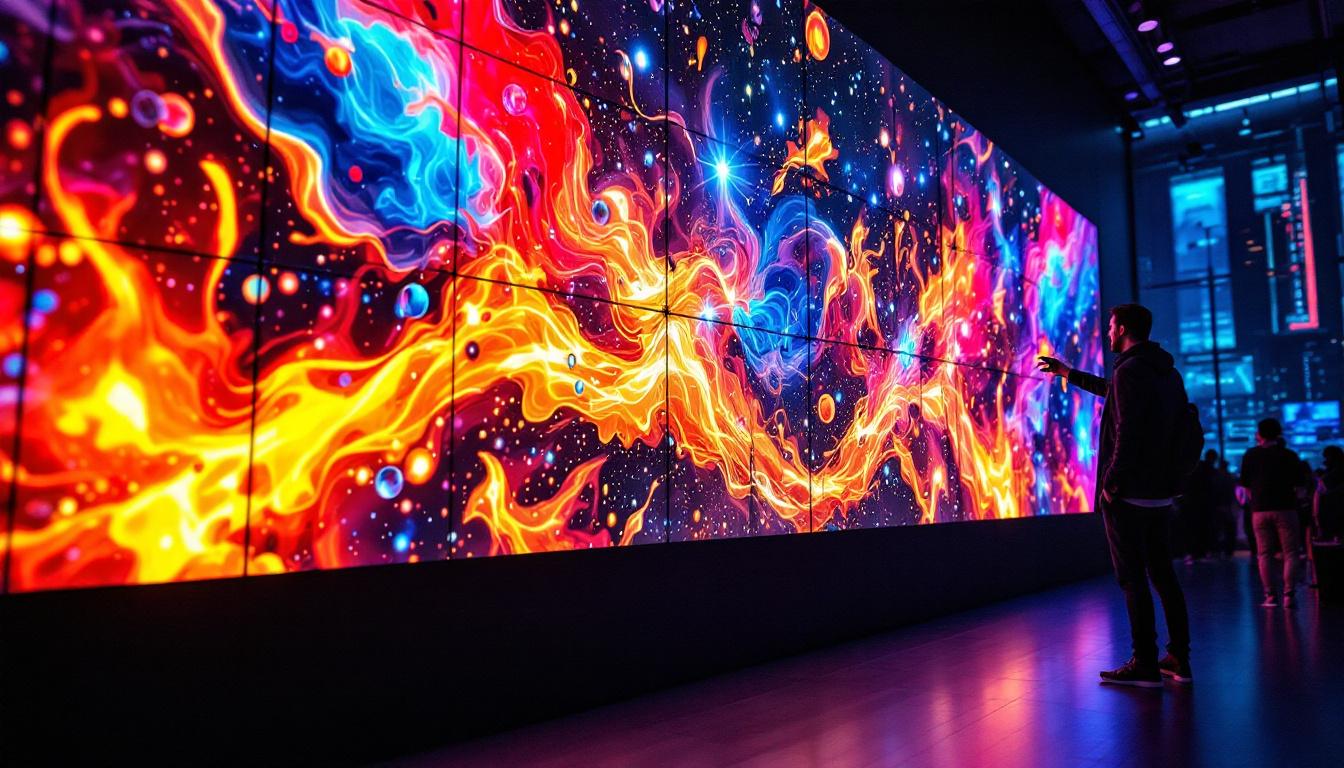
In the rapidly evolving world of display technology, Micro LED video walls have emerged as a groundbreaking solution for delivering stunning visuals with unparalleled brightness, contrast, and durability. As businesses, event organizers, and digital signage professionals explore options for large-scale displays, understanding the pricing dynamics and technical advantages of Micro LED video walls becomes essential. This article delves into the intricacies of Micro LED technology, factors influencing video wall prices, and how it compares to other LED display types.
Understanding Micro LED Technology
Micro LED is a display technology that uses microscopic light-emitting diodes to create images. Unlike traditional LED displays, which rely on larger LEDs or LCD panels with backlighting, Micro LEDs are incredibly small—often less than 100 micrometers in size—allowing for higher pixel density and superior image quality.
Each Micro LED functions as an individual pixel that emits its own light, eliminating the need for backlighting and enabling true blacks and exceptional contrast ratios. This self-emissive property also contributes to higher energy efficiency and longer lifespan compared to conventional LED and OLED displays.
Key Advantages of Micro LED Displays
Micro LED technology offers several compelling benefits:
- Brightness and Contrast: Micro LEDs can achieve brightness levels exceeding 1,000 nits, making them ideal for both indoor and outdoor environments. Their ability to turn off individual pixels results in perfect blacks and infinite contrast ratios.
- Color Accuracy: With precise control over each LED, Micro LED displays deliver vibrant, accurate colors that remain consistent over time.
- Durability: Unlike OLEDs, Micro LEDs are inorganic and less susceptible to burn-in or degradation, making them suitable for high-use applications.
- Scalability: Micro LED modules can be tiled seamlessly to create massive video walls without visible bezels, offering flexibility in size and aspect ratio.
In addition to these advantages, Micro LED technology is paving the way for innovative applications across various industries. For instance, in the realm of augmented reality (AR) and virtual reality (VR), Micro LEDs can provide the high-resolution displays necessary for immersive experiences. Their lightweight and compact nature allows for integration into wearable devices, enhancing user experience with vivid imagery and responsiveness. Furthermore, the potential for transparent Micro LED displays opens up exciting possibilities for architecture and advertising, where digital content can blend seamlessly with the physical environment.
Moreover, the manufacturing process for Micro LEDs is evolving rapidly. Researchers are exploring new techniques to improve yield rates and reduce production costs, which could lead to wider adoption in consumer electronics. As companies invest in this technology, we may soon see Micro LED displays in everything from smartphones to large-scale public displays, revolutionizing how we interact with visual content. The future of Micro LED technology is bright, with ongoing advancements promising to unlock even more capabilities and applications that could redefine our viewing experiences.
Factors Influencing Micro LED Video Wall Price
While Micro LED displays offer impressive performance, their pricing remains a critical consideration for potential buyers. Several factors contribute to the overall cost of a Micro LED video wall:
1. Manufacturing Complexity
One of the primary reasons Micro LED displays are expensive is the complexity involved in manufacturing. The process requires precise placement of millions of tiny LEDs onto a substrate, often using advanced pick-and-place machines and transfer technologies. This intricate assembly leads to higher production costs compared to traditional LED or LCD panels. Additionally, the quality control measures necessary to ensure each LED functions correctly add another layer of expense, as any defects can lead to significant losses in both materials and time. The advanced technology and skilled labor required for this manufacturing process further contribute to the overall cost, making it a significant investment for manufacturers.
2. Panel Size and Resolution
The size of the video wall and its resolution directly impact the price. Larger walls with higher pixel densities require more Micro LED modules and finer pitch LEDs, increasing material and labor costs. For example, a 4K resolution Micro LED wall measuring 100 inches will cost significantly more than a lower-resolution, smaller display. Moreover, the demand for ultra-high-definition displays is rising, pushing manufacturers to innovate and produce larger panels with even greater resolutions, which can further escalate prices. As consumers and businesses alike seek out larger and more immersive viewing experiences, the cost of these advanced technologies continues to reflect that market trend.
3. Pixel Pitch
Pixel pitch refers to the distance between the centers of two adjacent LEDs. Smaller pixel pitches (e.g., 0.5mm to 1mm) provide sharper images and are suitable for close viewing distances, but they also drive up the cost due to the increased number of LEDs and manufacturing precision required. This precision not only demands higher-quality materials but also necessitates advanced production techniques, which can be costly. As a result, businesses must weigh the benefits of high pixel density against their budget, as investing in smaller pixel pitches can lead to a more visually stunning display but at a significantly higher price point.
4. Customization and Integration
Custom-designed video walls tailored to specific environments or applications can add to the cost. Integration with control systems, mounting hardware, and protective enclosures also influences pricing. Additionally, features such as curved or flexible panels may increase expenses. Customization often requires additional engineering and design work, which can significantly impact the overall budget. Furthermore, the need for specialized software to manage and control these unique setups can add another layer of complexity and cost, as businesses may need to invest in training staff to operate these systems effectively.
5. Brand and Supplier
Reputable manufacturers with proven quality and service often price their Micro LED solutions at a premium. Buyers should consider warranty terms, after-sales support, and the supplier’s track record when evaluating costs. Investing in a well-known brand can provide peace of mind, as these suppliers typically offer better reliability and customer service. However, it’s essential to balance brand reputation with budget constraints, as lesser-known suppliers might offer competitive pricing but may lack the same level of support or quality assurance. Ultimately, the decision often comes down to the specific needs of the buyer and the long-term value they expect from their investment in Micro LED technology.
Typical Price Ranges for Micro LED Video Walls
Given the factors above, pricing for Micro LED video walls can vary widely. As of 2024, industry estimates suggest the following ballpark figures:
- Entry-Level Micro LED Panels: Approximately $2,500 to $5,000 per square meter. These are typically lower-resolution panels with larger pixel pitches, suitable for less demanding applications.
- Mid-Range Displays: Between $5,000 and $12,000 per square meter. These offer improved resolution, smaller pixel pitch, and better brightness, ideal for corporate lobbies, retail, and control rooms.
- High-End Premium Walls: $12,000 to $30,000+ per square meter. These feature ultra-fine pixel pitches (below 1mm), 4K or higher resolutions, and advanced customization options for museums, luxury venues, and broadcast studios.
For context, a 100-inch diagonal Micro LED video wall with a 0.9mm pixel pitch might cost between $50,000 and $150,000 depending on configuration and supplier. While this is a significant investment, the long-term benefits in image quality, reliability, and energy savings often justify the expense.
How Micro LED Compares to Other LED Display Technologies
Understanding where Micro LED stands relative to other display technologies helps clarify its value proposition and pricing rationale.
Micro LED vs. Traditional LED Video Walls
Traditional LED video walls typically use larger LEDs with pixel pitches ranging from 1.5mm to 10mm or more. These displays are cost-effective for outdoor advertising and large venues but lack the fine resolution and seamless appearance of Micro LED walls.
Micro LED offers:
- Finer pixel pitch for closer viewing distances
- Higher brightness and contrast
- Better energy efficiency
- Longer lifespan and reduced maintenance
However, traditional LED walls remain more affordable and are suitable for applications where ultra-high resolution is not critical.
Micro LED vs. OLED Displays
OLED displays are known for excellent color accuracy and contrast, with self-emissive pixels similar to Micro LED. However, OLED panels can suffer from burn-in and have shorter lifespans, especially in high-brightness environments.
Micro LED technology overcomes these limitations by using inorganic materials that resist degradation and can achieve higher brightness levels, making it more suitable for commercial video walls and outdoor use.
Micro LED vs. LCD Video Walls
LCD video walls rely on backlighting and suffer from lower contrast ratios and limited viewing angles compared to Micro LED. While LCDs are generally less expensive upfront, they consume more power and require more maintenance over time.
Micro LED displays provide superior image quality, wider viewing angles, and better durability, albeit at a higher initial cost.
Applications Driving Demand for Micro LED Video Walls
Several industries are fueling the adoption of Micro LED video walls due to their unique advantages:
Corporate and Retail Environments
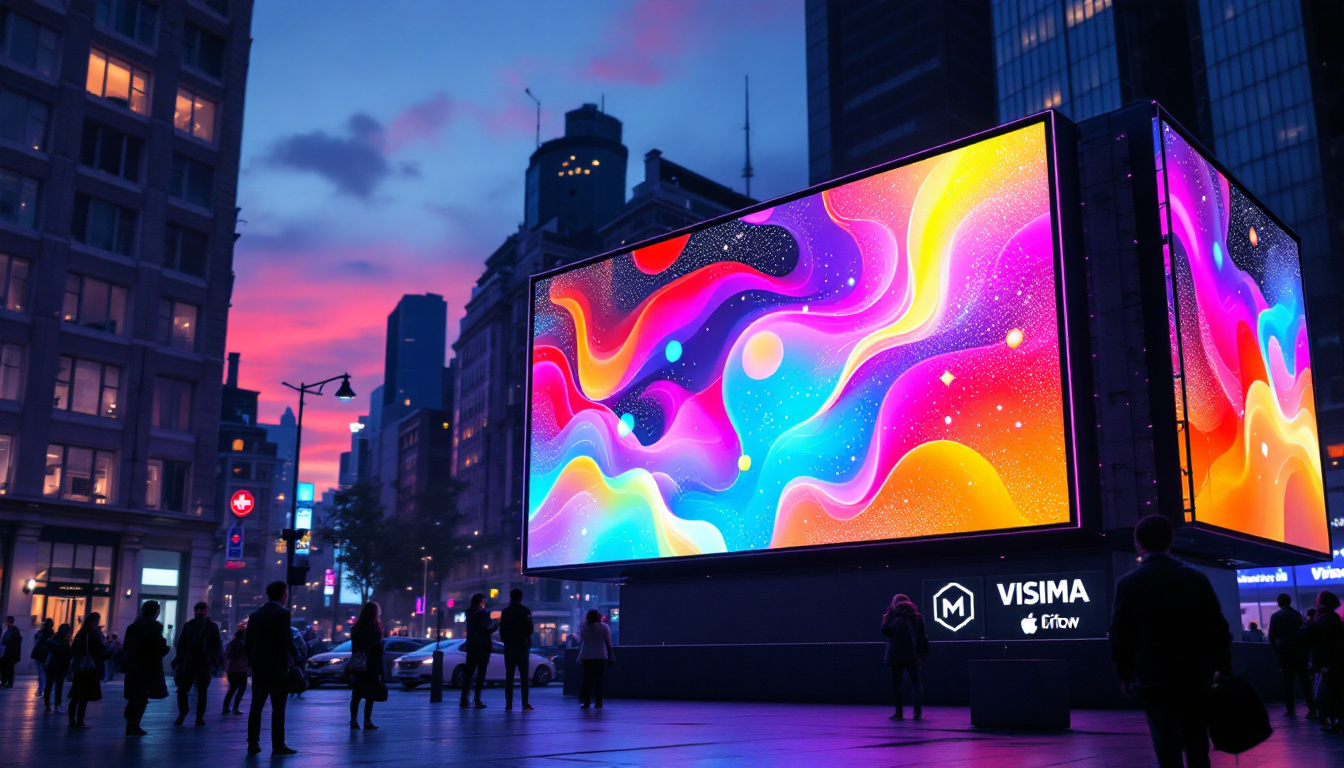
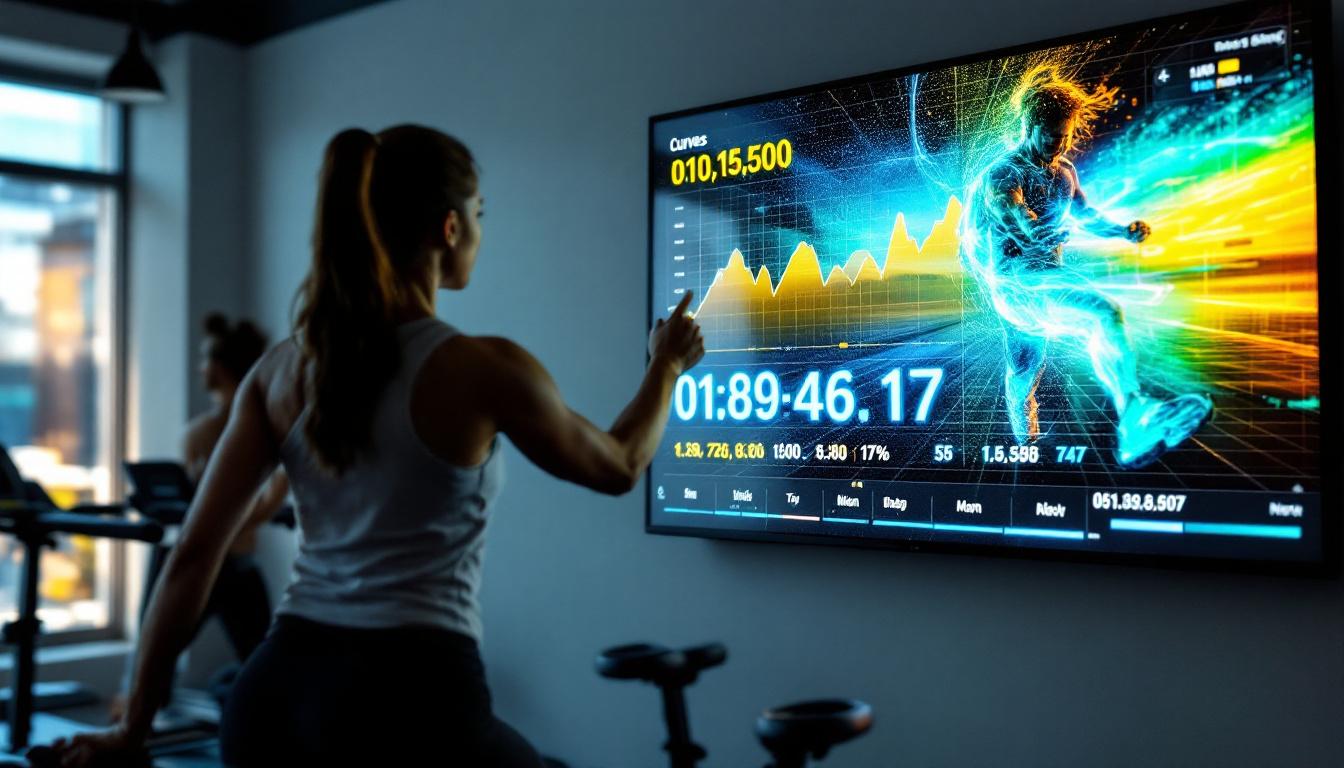
Businesses use Micro LED walls for impactful branding, immersive customer experiences, and dynamic information displays. The ability to create large, seamless displays with vivid colors enhances visual communication and engagement.
Broadcast and Entertainment
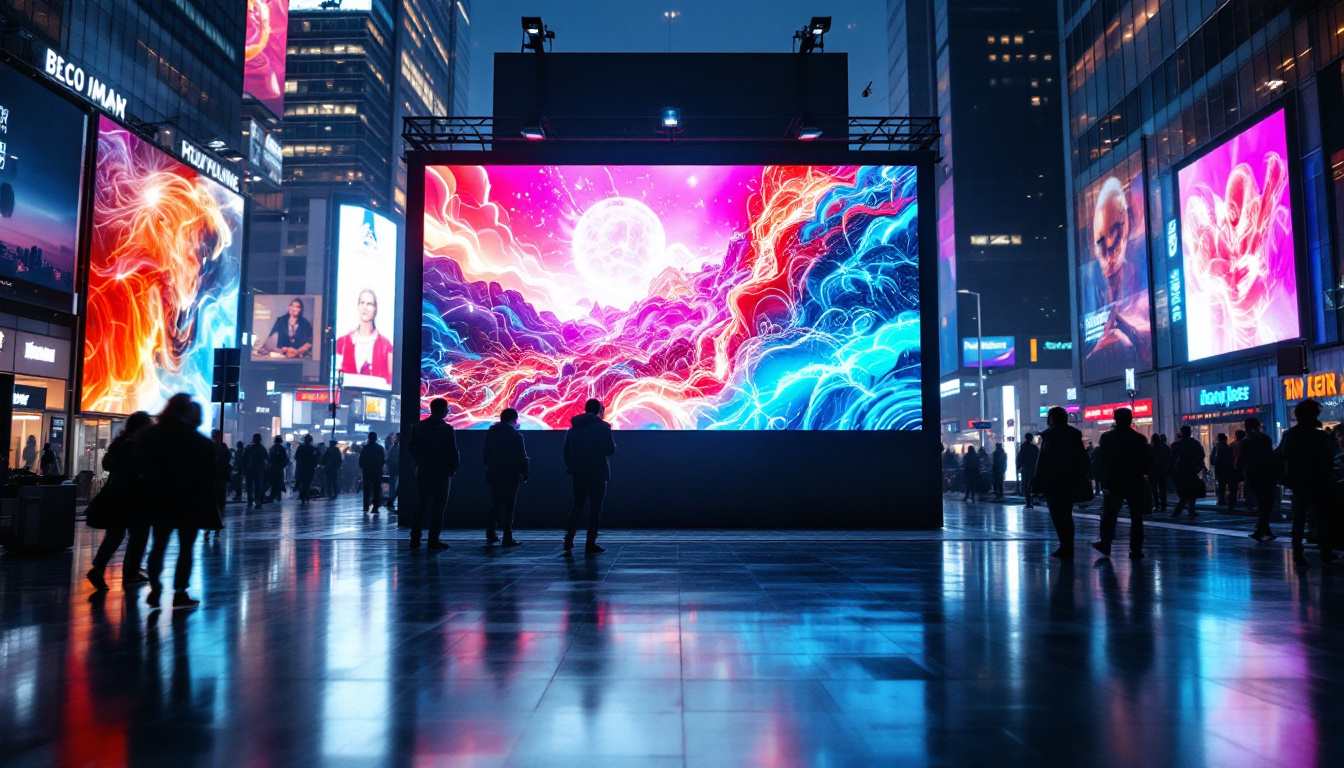
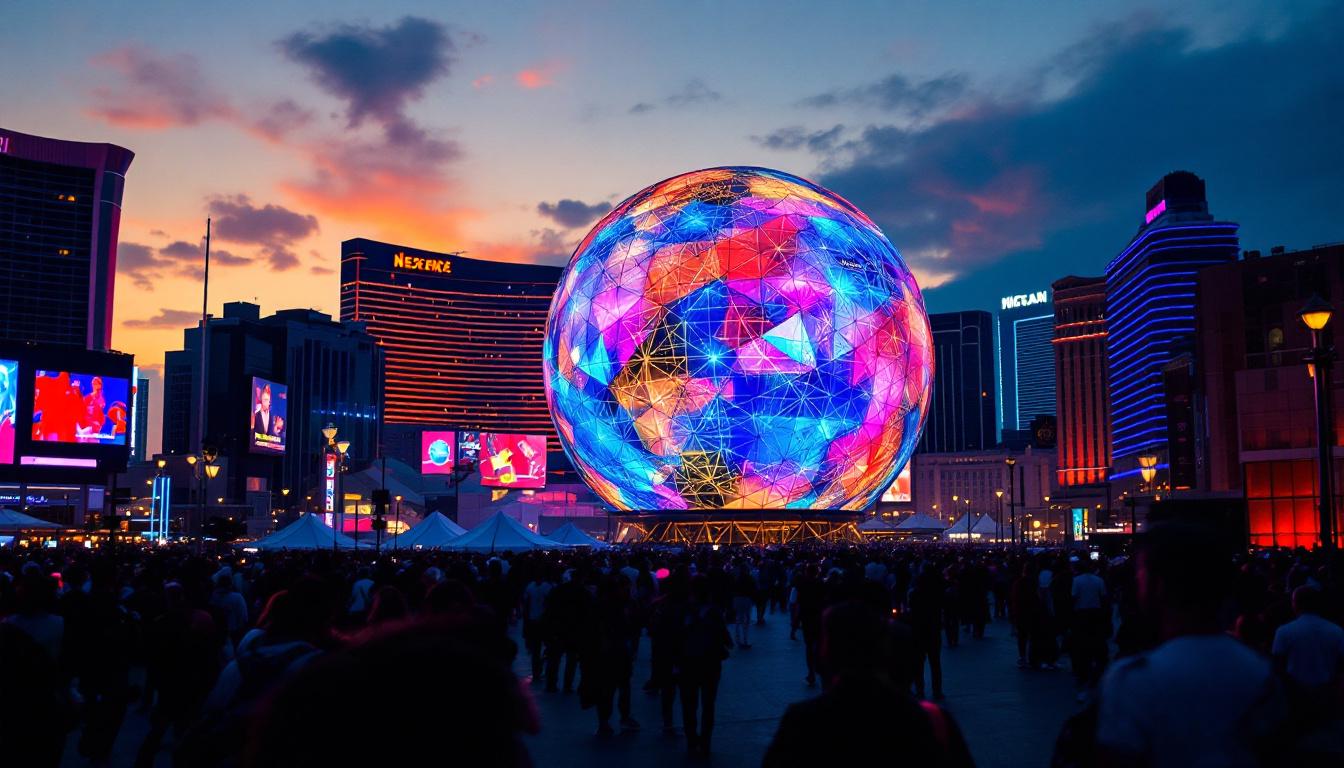
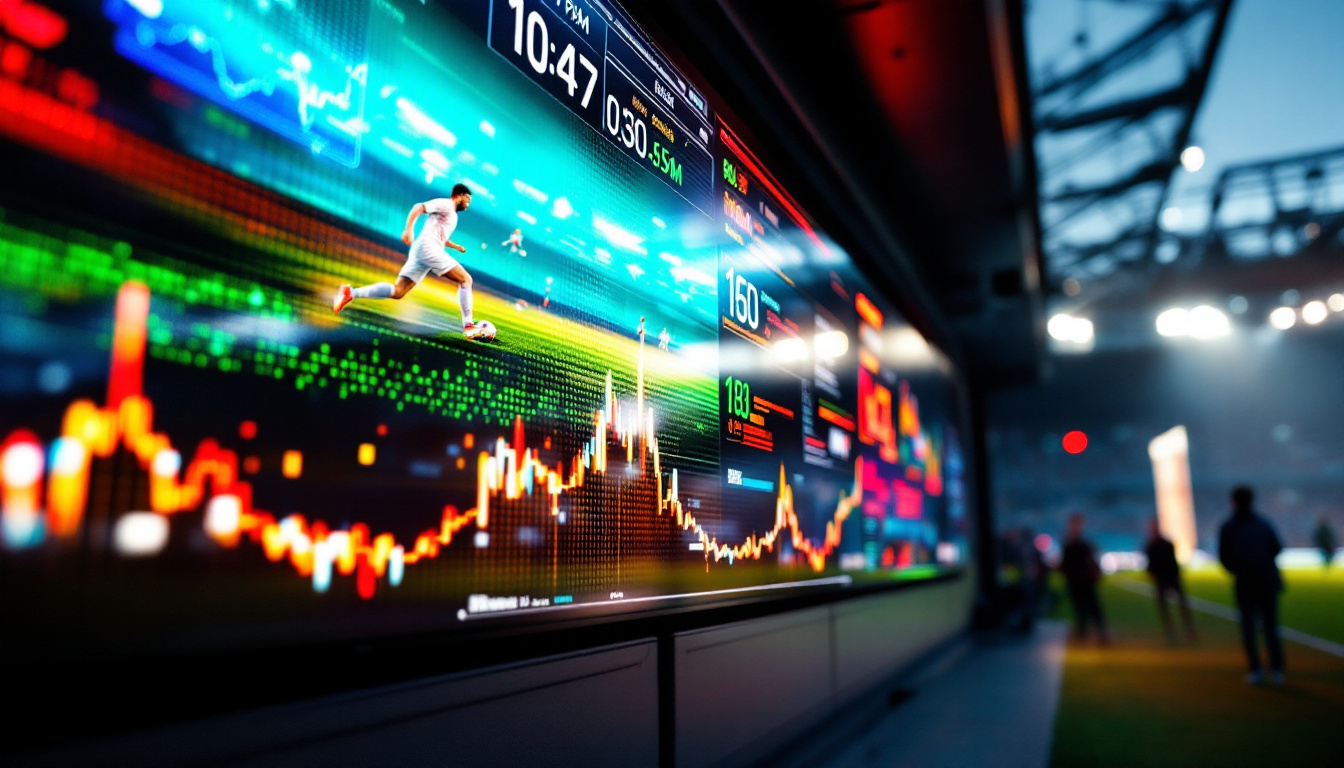
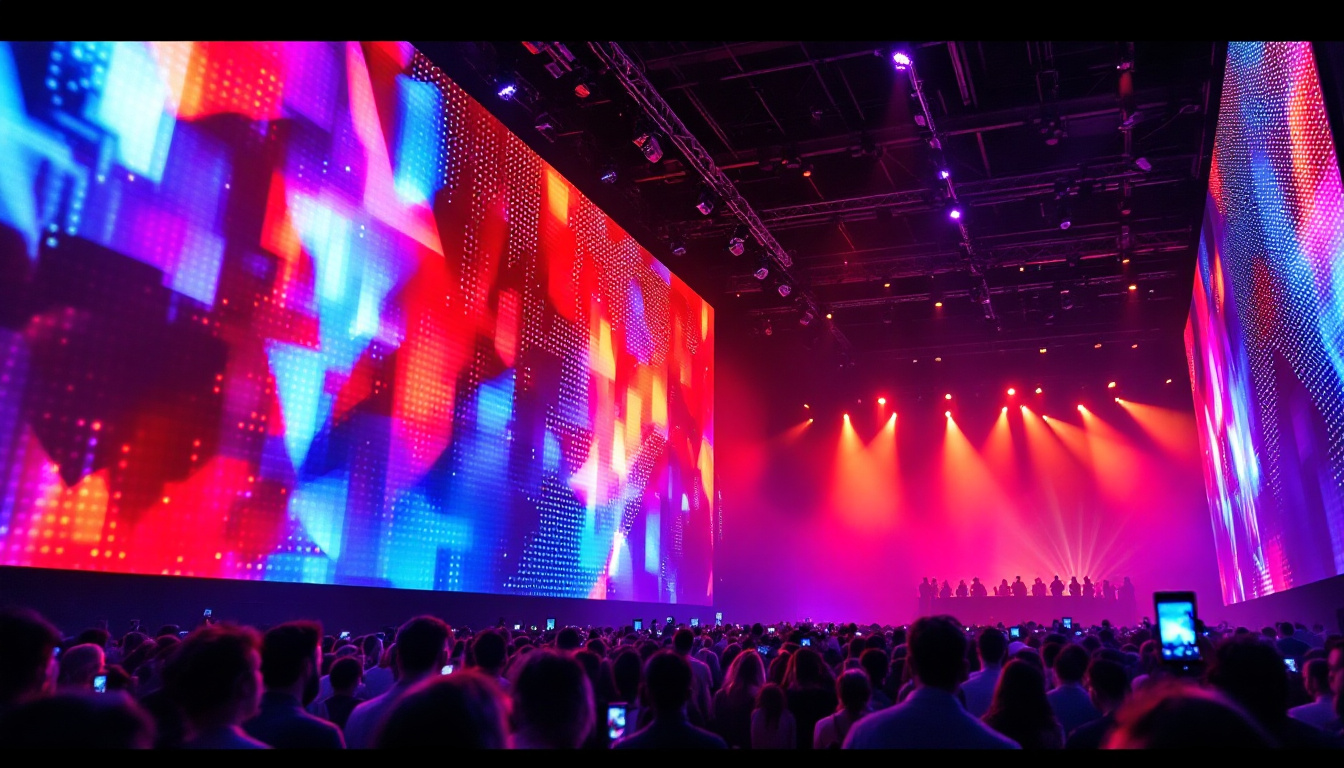
Studios and event venues benefit from Micro LED’s high brightness and contrast, delivering stunning visuals for live broadcasts, concerts, and exhibitions. The technology’s scalability allows for creative set designs and immersive backdrops.
Control Rooms and Command Centers
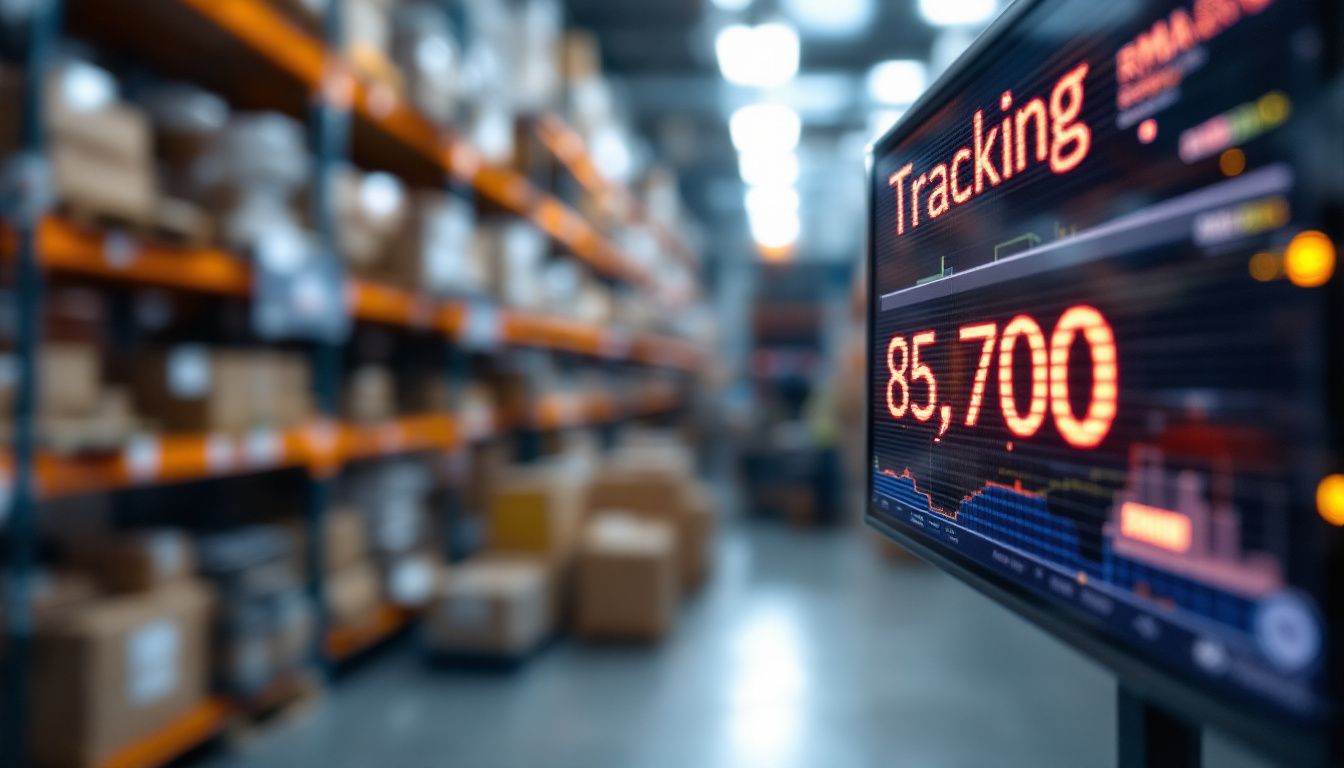
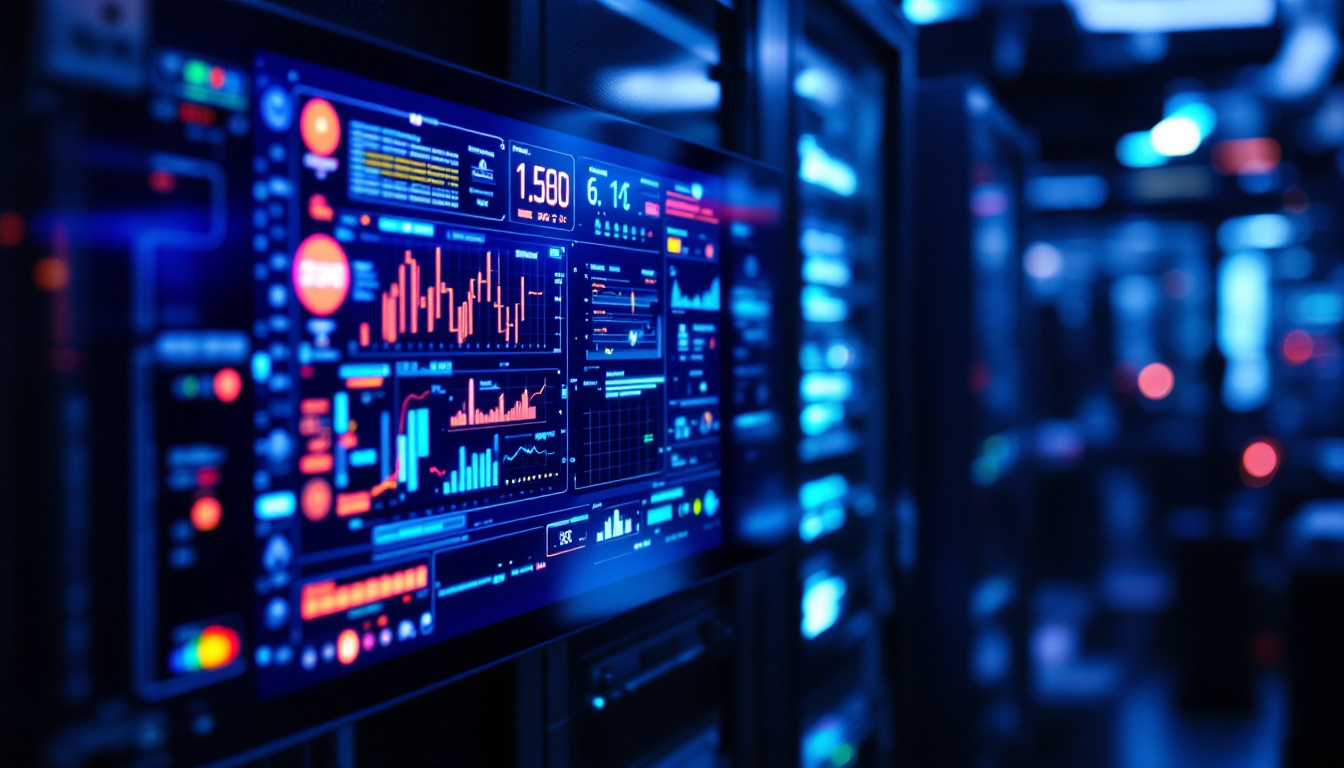
High-resolution Micro LED walls provide critical clarity for monitoring and decision-making in security, transportation, and utilities sectors. The durability and energy efficiency also reduce operational costs.
Public Spaces and Museums
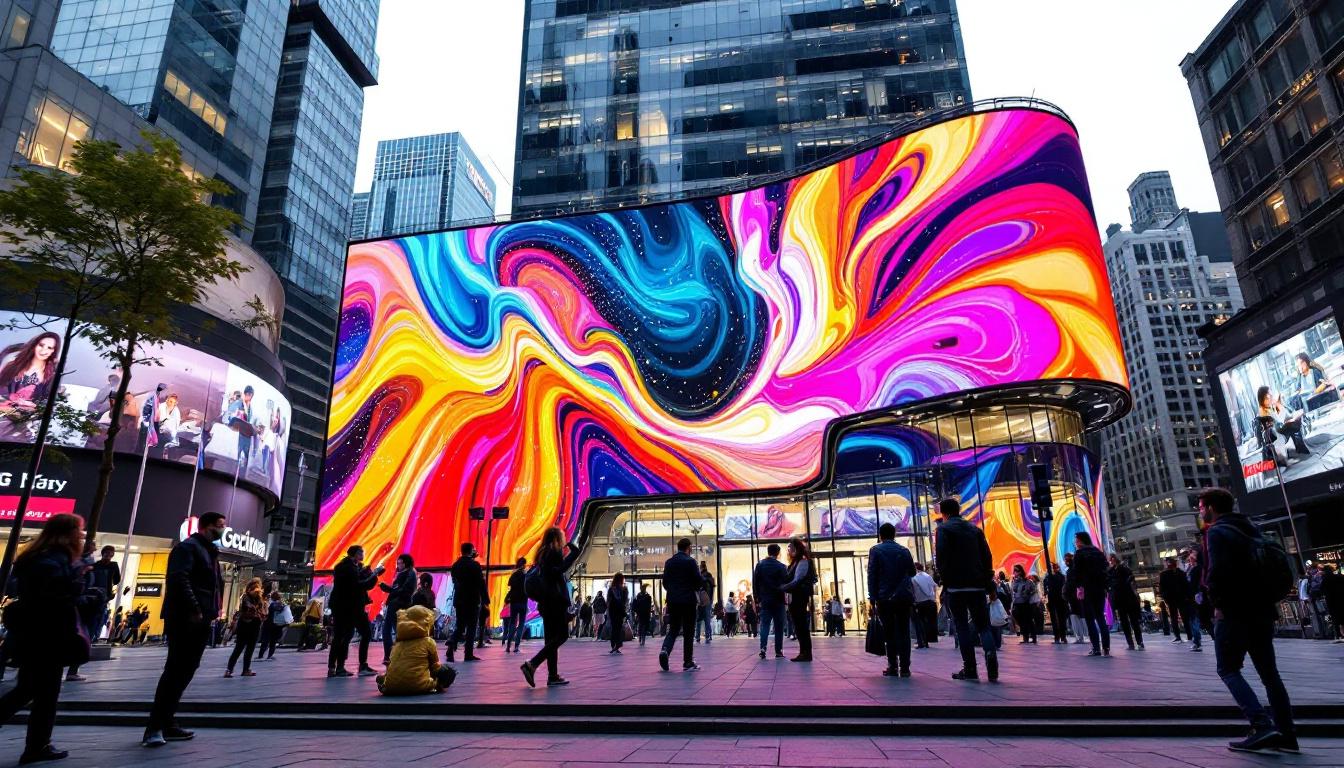
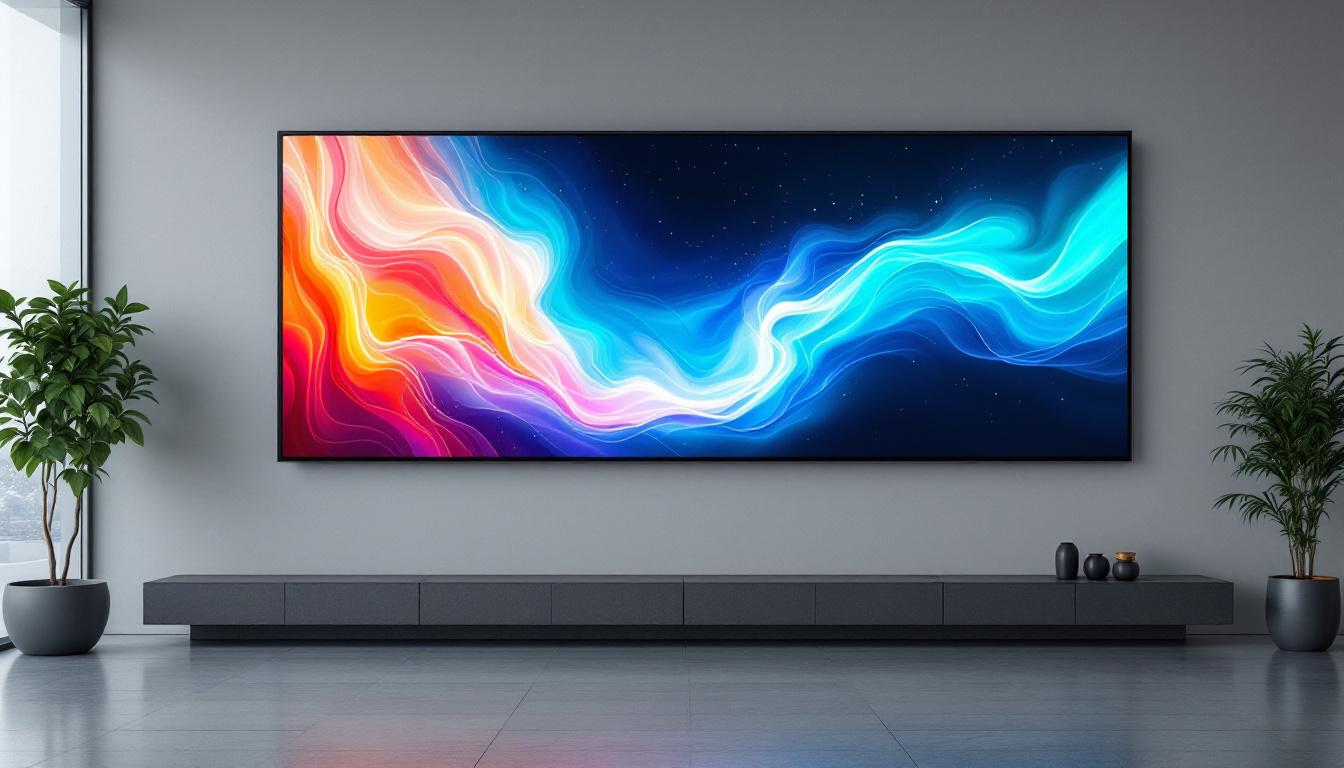
Micro LED video walls enable captivating digital art installations and interactive exhibits with lifelike image quality and reliability, enhancing visitor experiences.
Future Trends and Price Outlook
As manufacturing processes mature and economies of scale improve, the price of Micro LED video walls is expected to decline gradually. Innovations in transfer technology and automation are reducing production complexity, making Micro LED more accessible to a broader market.
Industry analysts predict that by 2028, Micro LED prices could drop by 30-50%, narrowing the gap with traditional LED and OLED displays. This trend will likely accelerate adoption across mid-tier applications, including education, hospitality, and transportation hubs.
Moreover, emerging hybrid technologies combining Micro LED with quantum dots or mini-LED backlighting may offer cost-effective alternatives while preserving many of Micro LED’s benefits.
Conclusion
Micro LED video walls represent a significant leap forward in display technology, offering unmatched image quality, durability, and flexibility. Although the current price point remains high compared to traditional LED and LCD solutions, the long-term advantages and expanding applications justify the investment for many organizations.
Understanding the factors that influence Micro LED video wall pricing—from manufacturing complexity to pixel pitch and customization—enables buyers to make informed decisions aligned with their visual communication goals and budget constraints.
As the technology advances and prices become more competitive, Micro LED is poised to become a dominant force in the large-format display market, transforming how audiences experience digital content across industries worldwide.
Discover LumenMatrix’s Advanced LED Solutions
Ready to elevate your visual display capabilities? LumenMatrix is at the forefront of LED technology innovation, offering a diverse range of LED display solutions tailored to your unique needs. From immersive Indoor and Outdoor LED Wall Displays to dynamic Vehicle and Sports LED Displays, and even customizable options like Floor and Transparent LED Displays, we have the cutting-edge technology to transform your space. Experience the future of visual communication with LumenMatrix and let your message shine with unparalleled clarity and impact. Check out LumenMatrix LED Display Solutions today and see the difference for yourself.