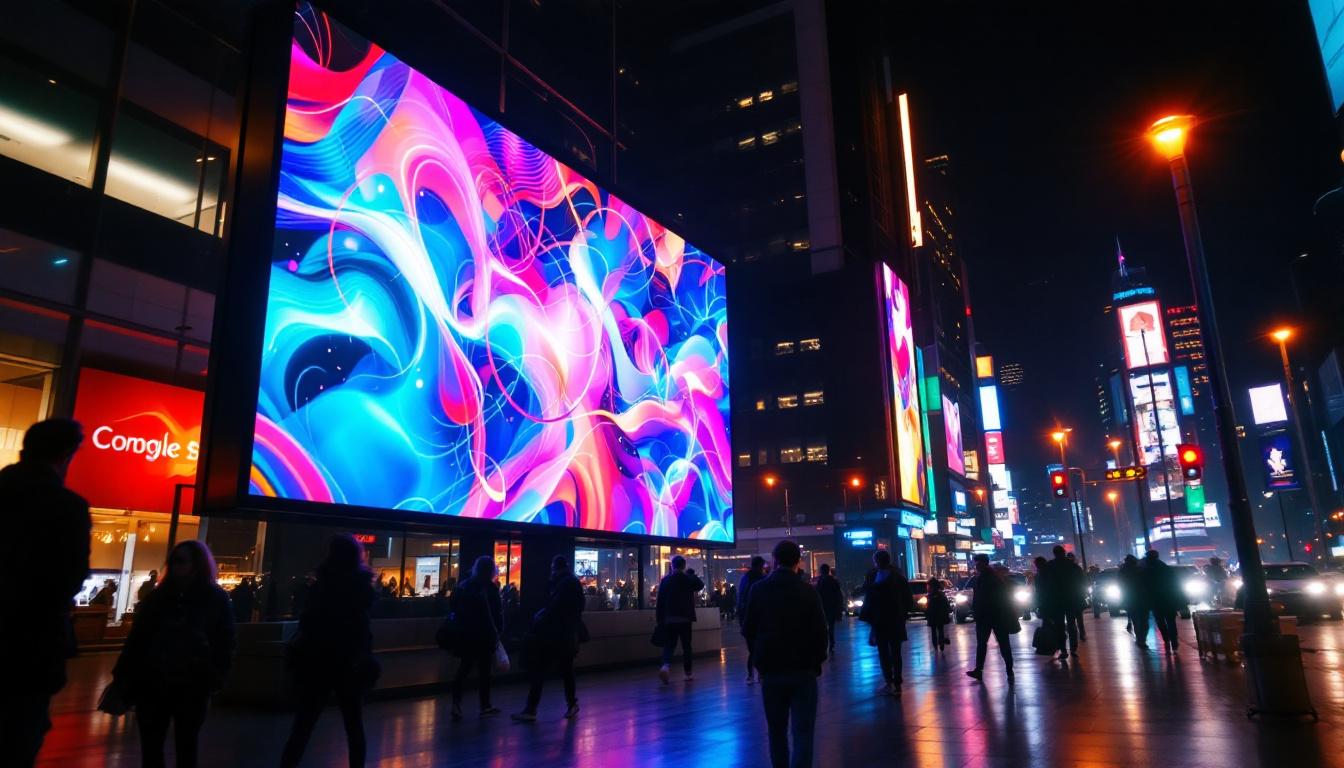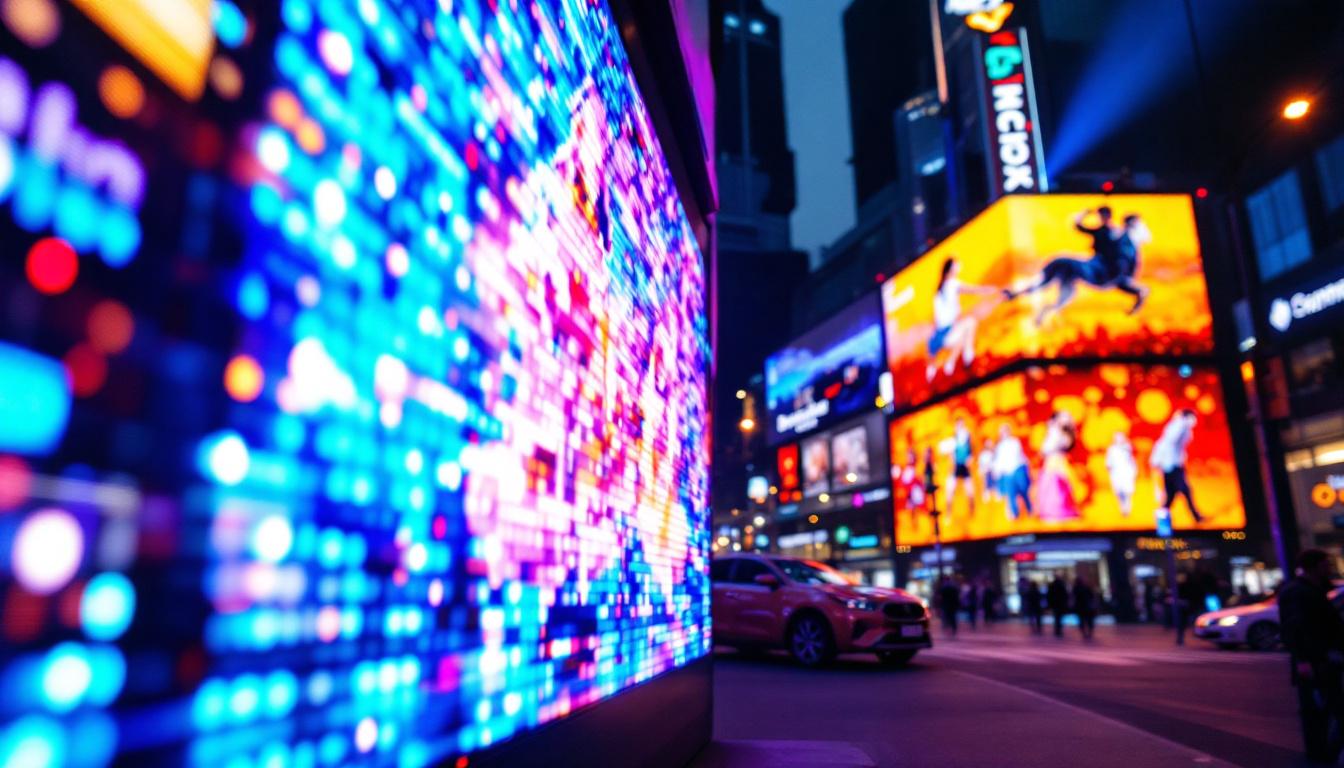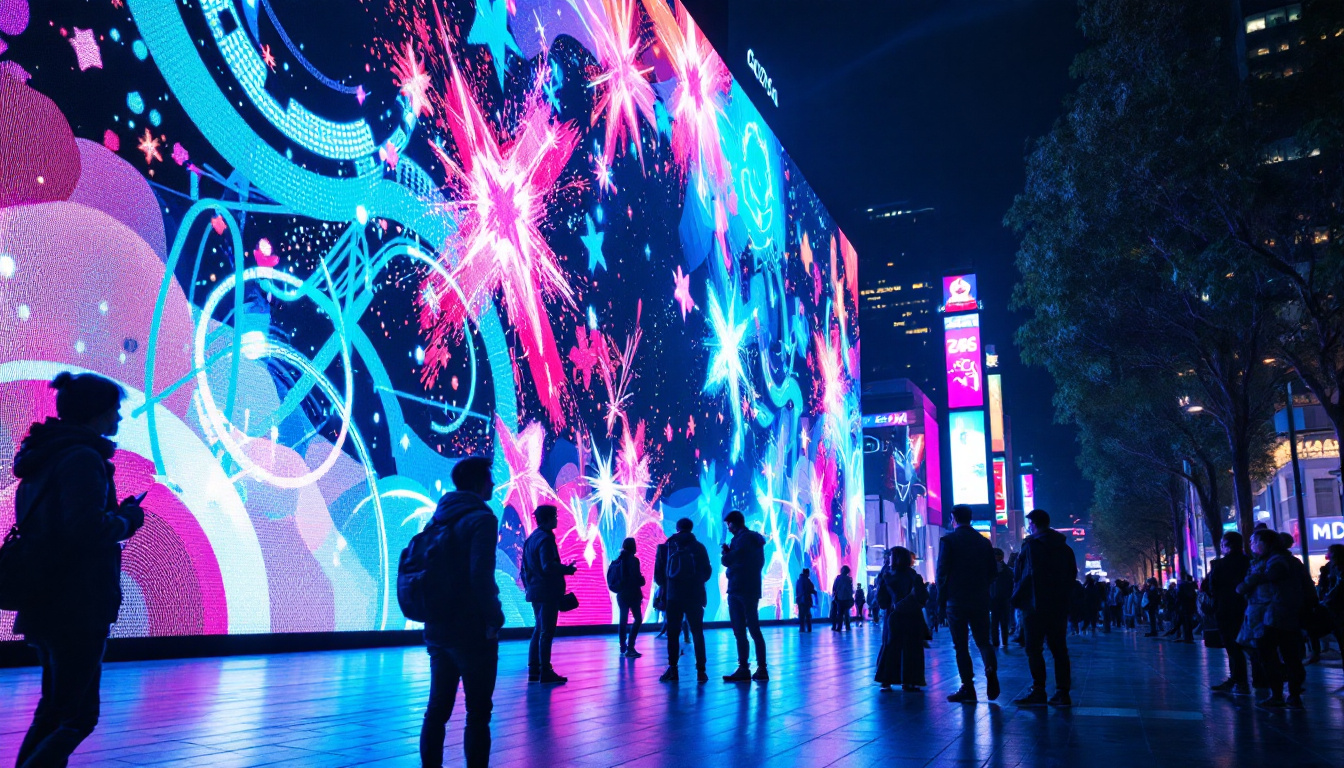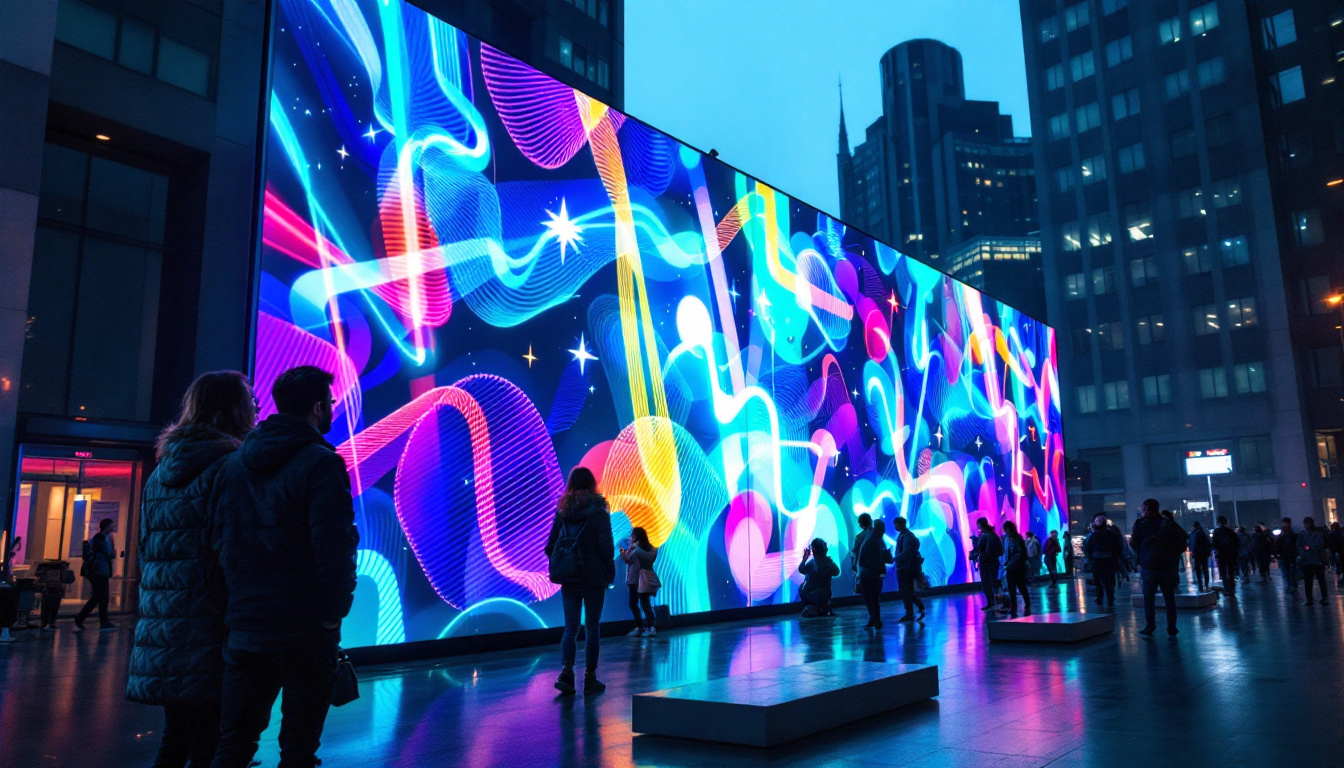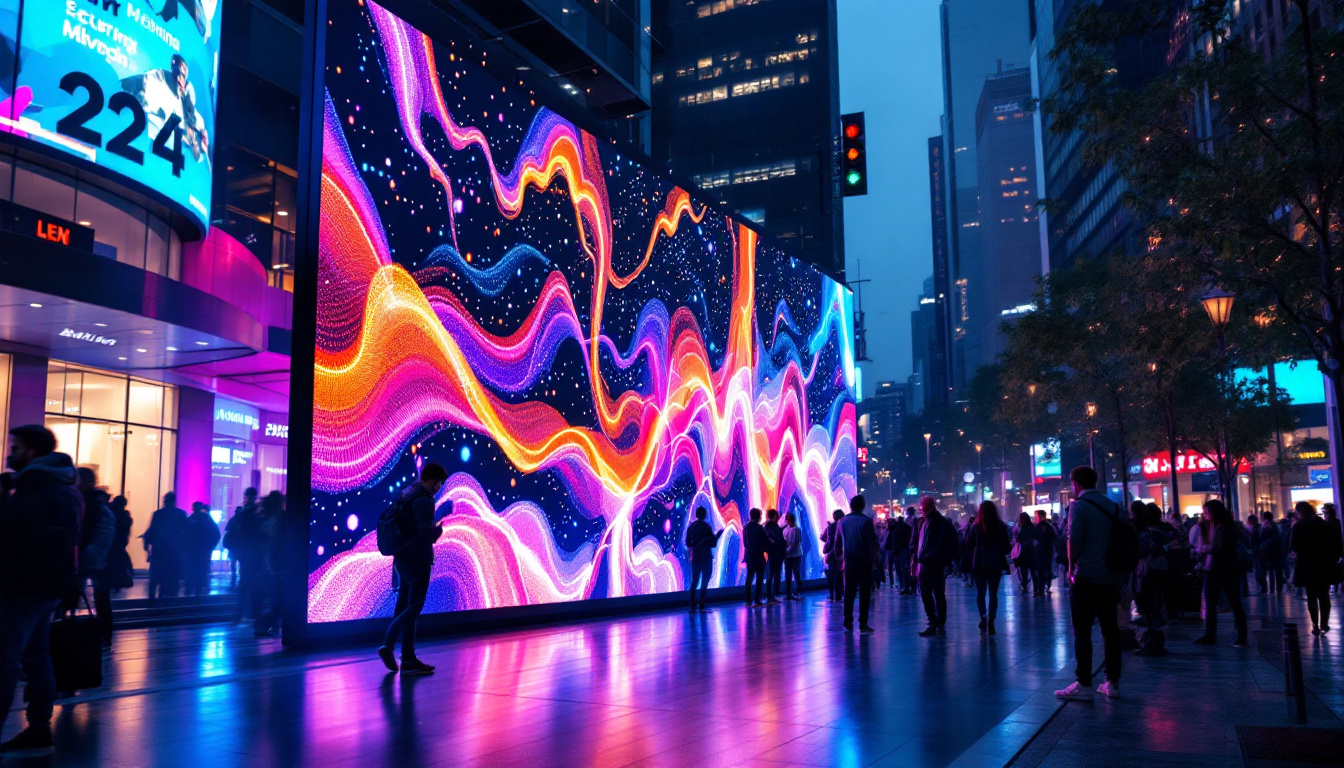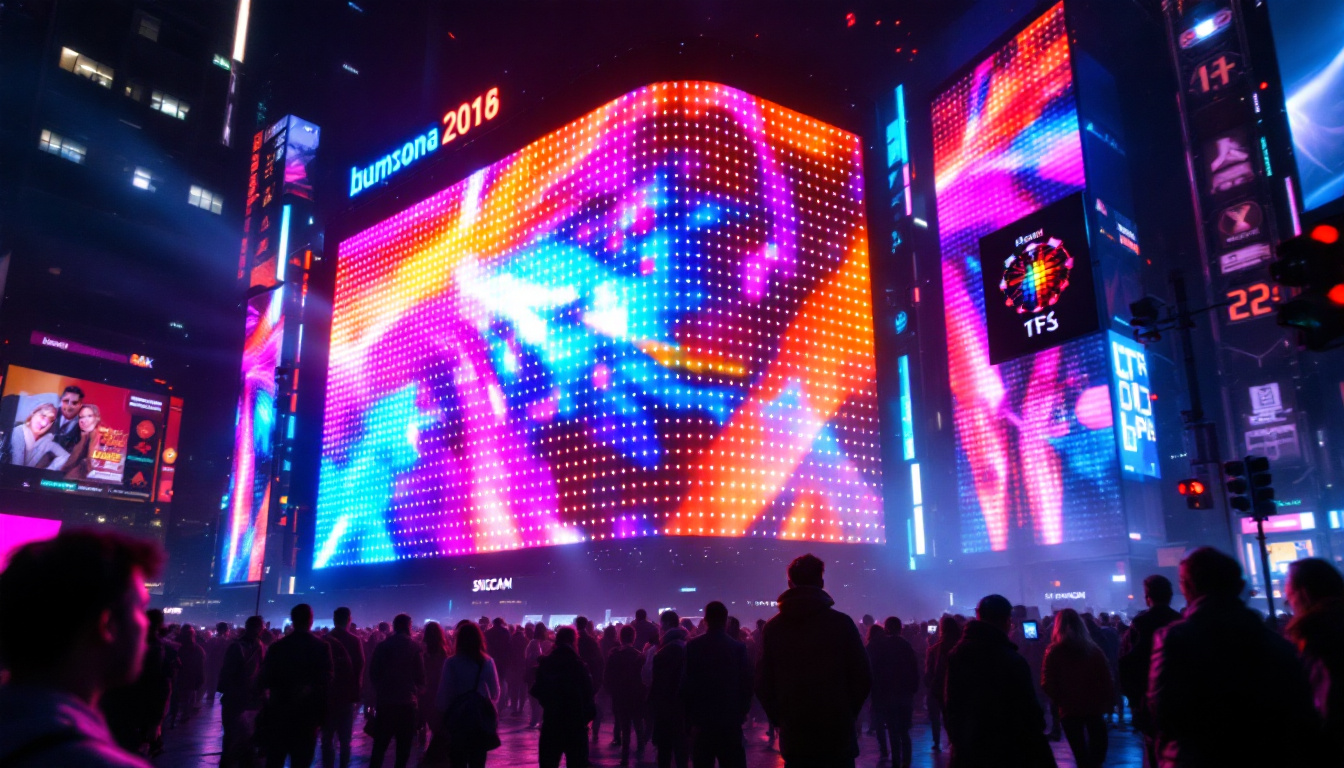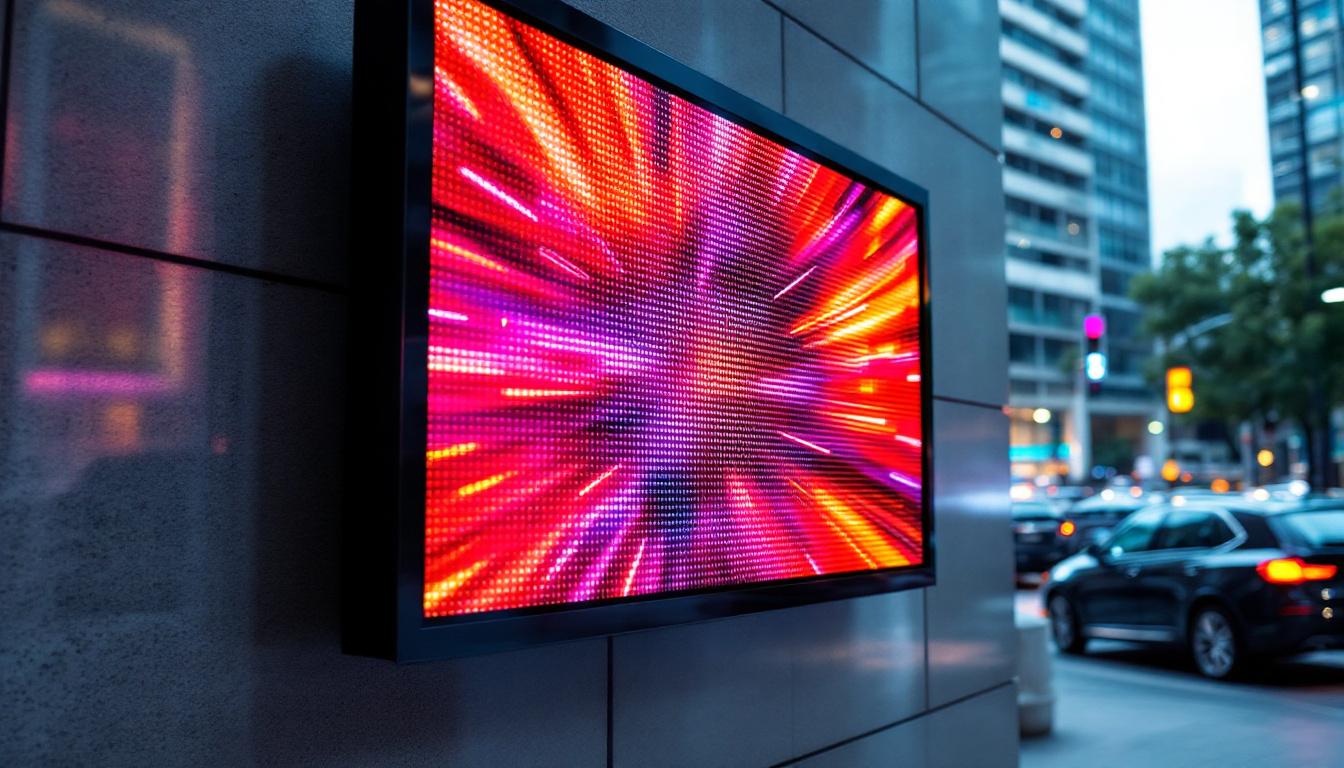
In today’s digital era, LED technology has revolutionized the way we communicate visually. From massive outdoor billboards to indoor advertising, concerts, and corporate events, LED displays have become a staple in delivering vibrant, dynamic content. Among the latest innovations in this field is LED screen film, a flexible and versatile solution that is reshaping the landscape of digital signage and display technology.
What is LED Screen Film?
LED screen film is a thin, transparent, and flexible display technology that integrates light-emitting diodes (LEDs) into a film-like substrate. Unlike traditional rigid LED panels, this film can be applied directly onto glass surfaces, windows, or other transparent materials, allowing for a seamless and visually striking display that does not obstruct the view.
This technology combines the benefits of LED displays with the convenience of a lightweight, adaptable medium. The film’s transparency ranges from 40% to 80%, depending on the design and application, enabling it to maintain natural light flow while delivering bright and colorful visuals. This unique characteristic makes it particularly appealing for retail environments, where brands can engage customers with dynamic content without sacrificing the aesthetics of their storefronts.
Moreover, the versatility of LED screen film extends beyond commercial use; it has found applications in various sectors, including transportation, hospitality, and even art installations. For instance, airports utilize this technology to display flight information and advertisements, enhancing the travel experience while providing essential information in a visually appealing manner. Similarly, hotels and restaurants can use LED screen film to create immersive environments, showcasing menus or events in a captivating way that draws in patrons.
How Does LED Screen Film Work?
LED screen film consists of a matrix of micro-LEDs embedded onto a flexible, transparent film. These LEDs are controlled by a driver system that manages the display content, brightness, and color. Because the film is thin and pliable, it can conform to curved or irregular surfaces, making it ideal for architectural applications where traditional LED panels would be impractical.
The film connects to a control box that receives input signals from media players or computers, allowing users to display video, images, or text. The LEDs emit light directly through the transparent substrate, creating a floating image effect that is both eye-catching and unobtrusive. This technology also supports various content formats, enabling users to create interactive displays that can respond to viewer engagement, such as touch or motion. As a result, LED screen film not only serves as a medium for visual communication but also enhances the overall user experience by making it more engaging and interactive.
Additionally, the installation process of LED screen film is relatively straightforward, requiring minimal structural modifications compared to traditional displays. This ease of installation makes it a cost-effective solution for businesses looking to upgrade their visual marketing strategies. With advancements in adhesive technology, the film can be easily removed and repositioned, allowing for flexible updates to content and design as trends evolve. This adaptability ensures that businesses can keep their displays fresh and relevant, ultimately attracting more attention and driving customer engagement.
Key Advantages of LED Screen Film
LED screen film offers several distinct advantages over conventional LED displays and other digital signage solutions. These benefits have contributed to its growing popularity in various industries.
1. Transparency and Aesthetic Appeal
One of the most compelling features of LED screen film is its high transparency. This allows natural light to pass through the display, preserving the architectural integrity of glass facades or windows. Businesses can maintain visibility both inside and outside, which is particularly important for retail storefronts and office buildings.
The sleek, almost invisible nature of the film means it can be integrated without detracting from the design of a space. This subtlety is ideal for environments where aesthetics are paramount, such as luxury retail, museums, and high-end corporate offices.
2. Lightweight and Flexible Installation
Traditional LED panels are bulky and heavy, often requiring structural support and significant installation time. LED screen film, by contrast, is lightweight and flexible, making it easier and faster to install. It can be applied directly onto existing glass surfaces without the need for additional frames or mounts.
This flexibility also opens up creative possibilities, such as wrapping displays around curved surfaces or irregular shapes. This adaptability is a game-changer for architects and designers looking to incorporate digital content into innovative spaces.
3. Energy Efficiency and Brightness
Despite its thin profile, LED screen film delivers impressive brightness levels that are visible even in direct sunlight. This makes it suitable for both indoor and outdoor applications. Additionally, LED technology is inherently energy-efficient compared to other display types like LCD or projection systems.
Many LED screen films are designed with energy-saving features such as adjustable brightness and automatic dimming, which help reduce power consumption without compromising visual quality.
4. Durability and Weather Resistance
Modern LED screen films are engineered to withstand environmental factors such as moisture, dust, and temperature fluctuations. This durability makes them suitable for outdoor use on storefront windows, building facades, and event venues.
Moreover, the film’s resistance to UV rays ensures that colors remain vibrant over time, preventing fading and degradation that can occur with other display types.
Applications of LED Screen Film
The versatility of LED screen film has led to its adoption across a wide range of sectors. Its unique combination of transparency, flexibility, and brightness enables innovative use cases that traditional displays cannot easily fulfill.
Retail and Advertising
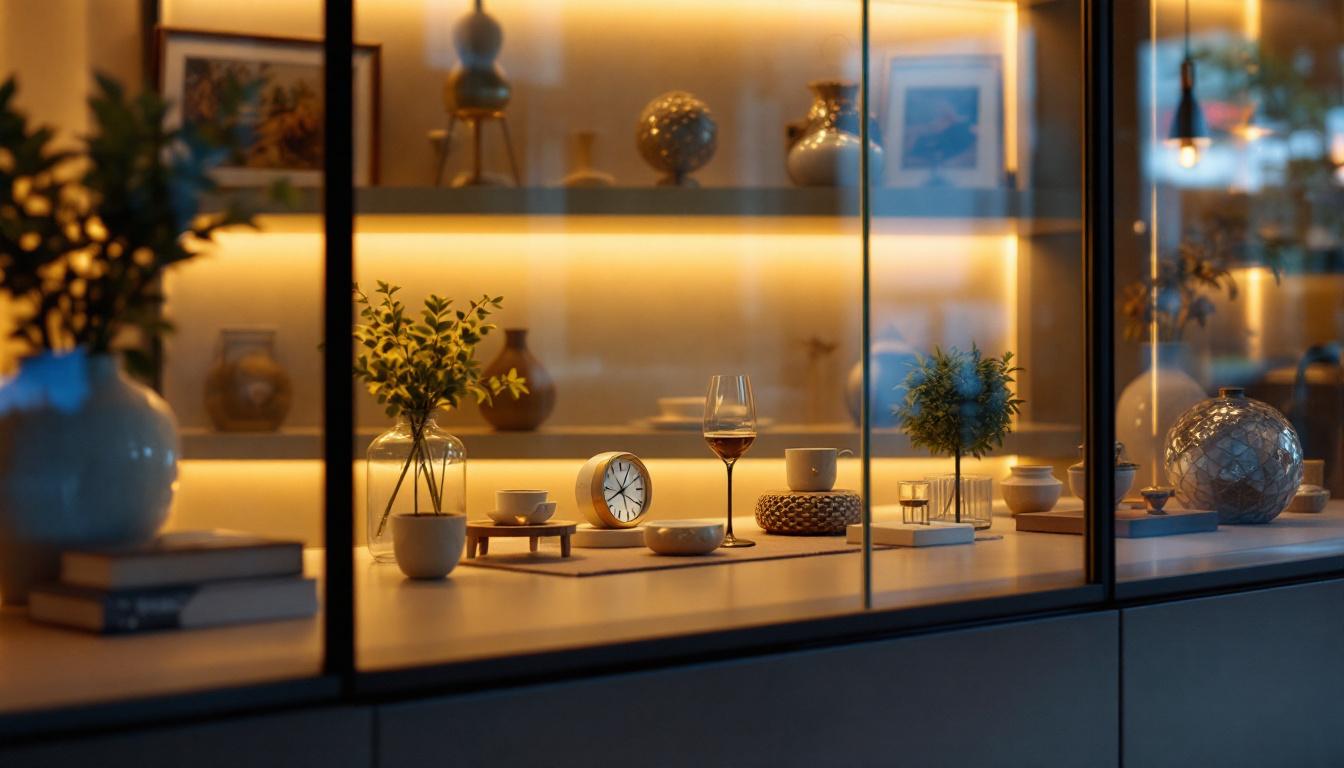
Retailers have embraced LED screen film as a dynamic way to attract customers and enhance brand visibility. Applied to storefront windows, the film can display promotional videos, product launches, or seasonal campaigns without blocking the view into the store.
According to industry reports, digital signage in retail environments can increase sales by up to 30%, and LED screen film’s eye-catching qualities make it a powerful tool for customer engagement.
Corporate and Office Environments
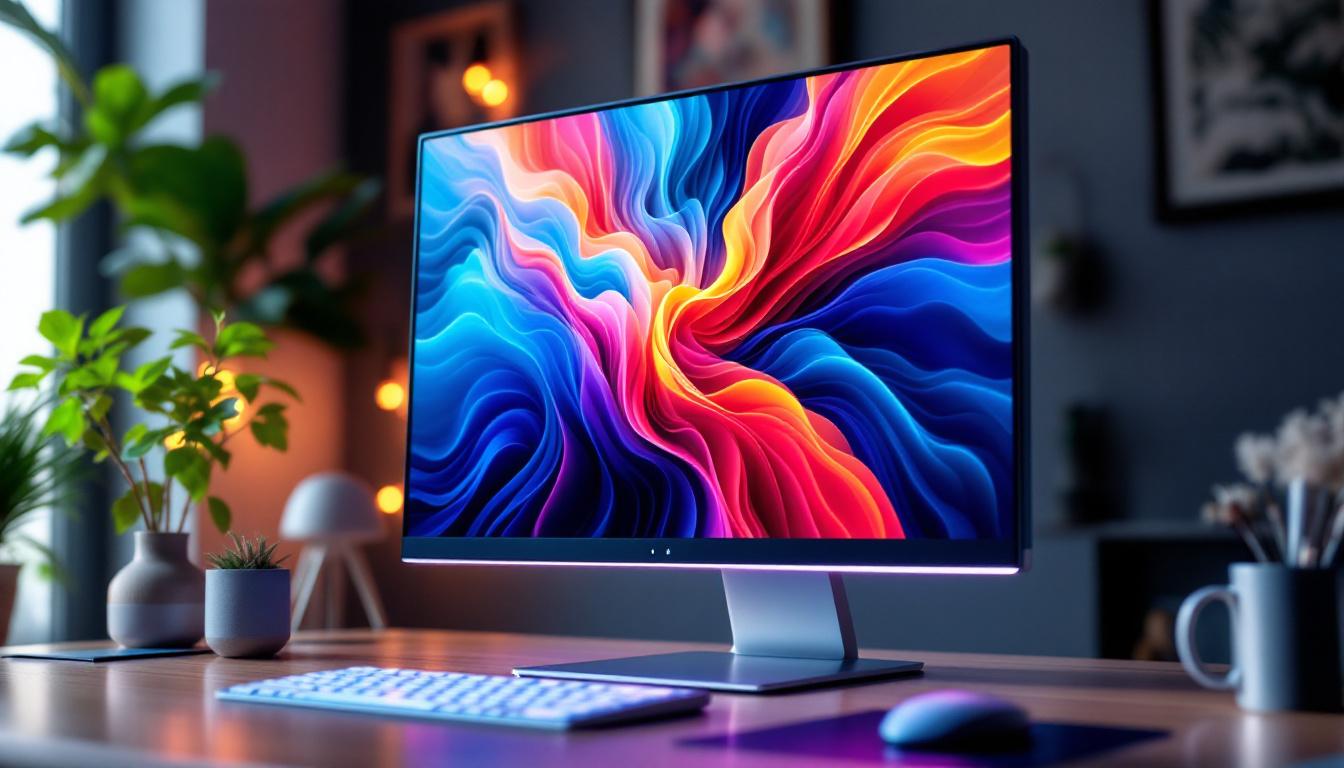
In corporate settings, LED screen film is used for branding, information display, and interactive presentations. It can transform glass walls and conference room partitions into digital canvases, fostering a modern and tech-savvy atmosphere.
Its ability to maintain transparency ensures that office spaces remain open and light-filled, which is important for employee wellbeing and productivity.
Events and Entertainment
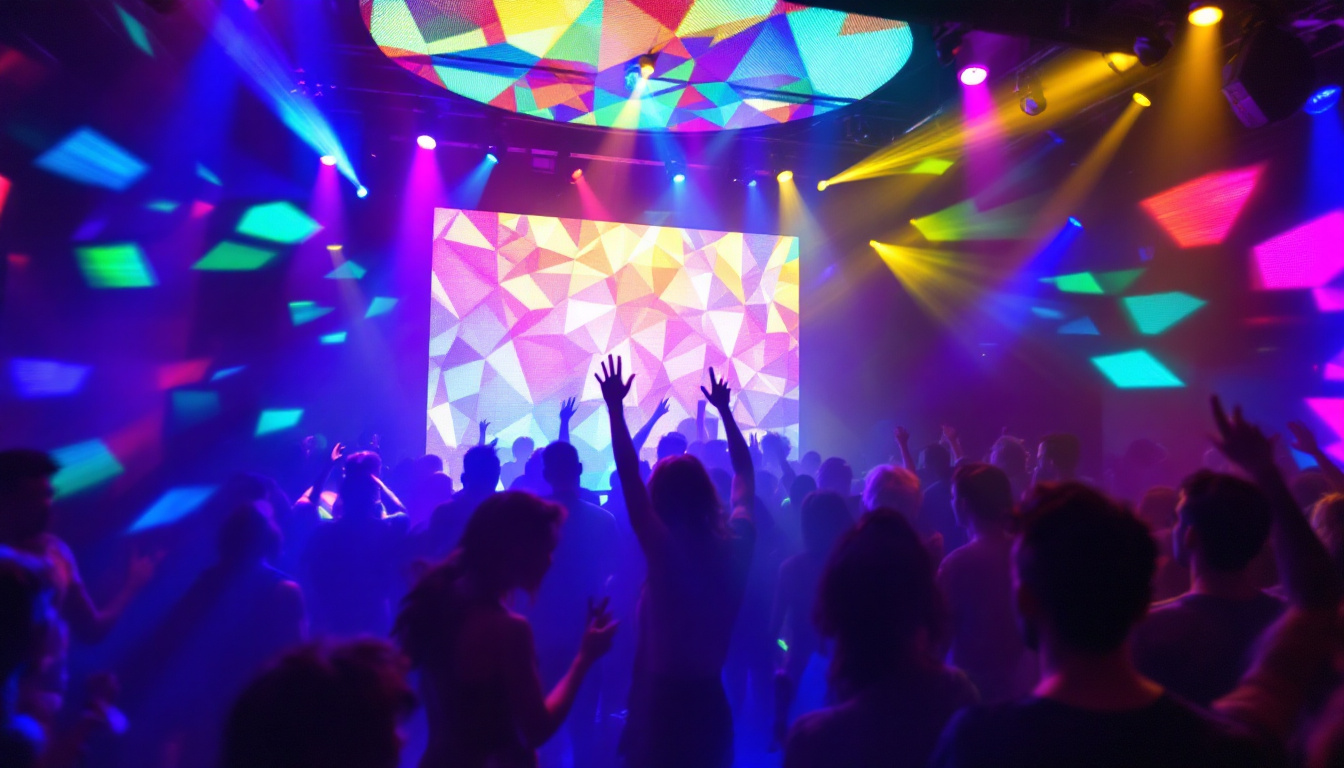
Event organizers and production companies leverage LED screen film for concerts, exhibitions, and trade shows. The lightweight nature of the film allows for quick setup and teardown, while its flexibility enables creative stage designs and immersive environments.
For example, LED screen film can be wrapped around columns or suspended in mid-air to create visually stunning effects that captivate audiences.
Architecture and Interior Design
Architects and interior designers use LED screen film to integrate digital art and information displays into building facades and interiors without compromising structural or aesthetic elements. This technology supports the trend toward smart buildings and interactive environments.
By embedding digital content into transparent surfaces, designers can create spaces that are both functional and visually engaging.
Technical Considerations and Installation
While LED screen film offers many benefits, successful deployment requires careful planning and understanding of technical factors.
Resolution and Pixel Pitch
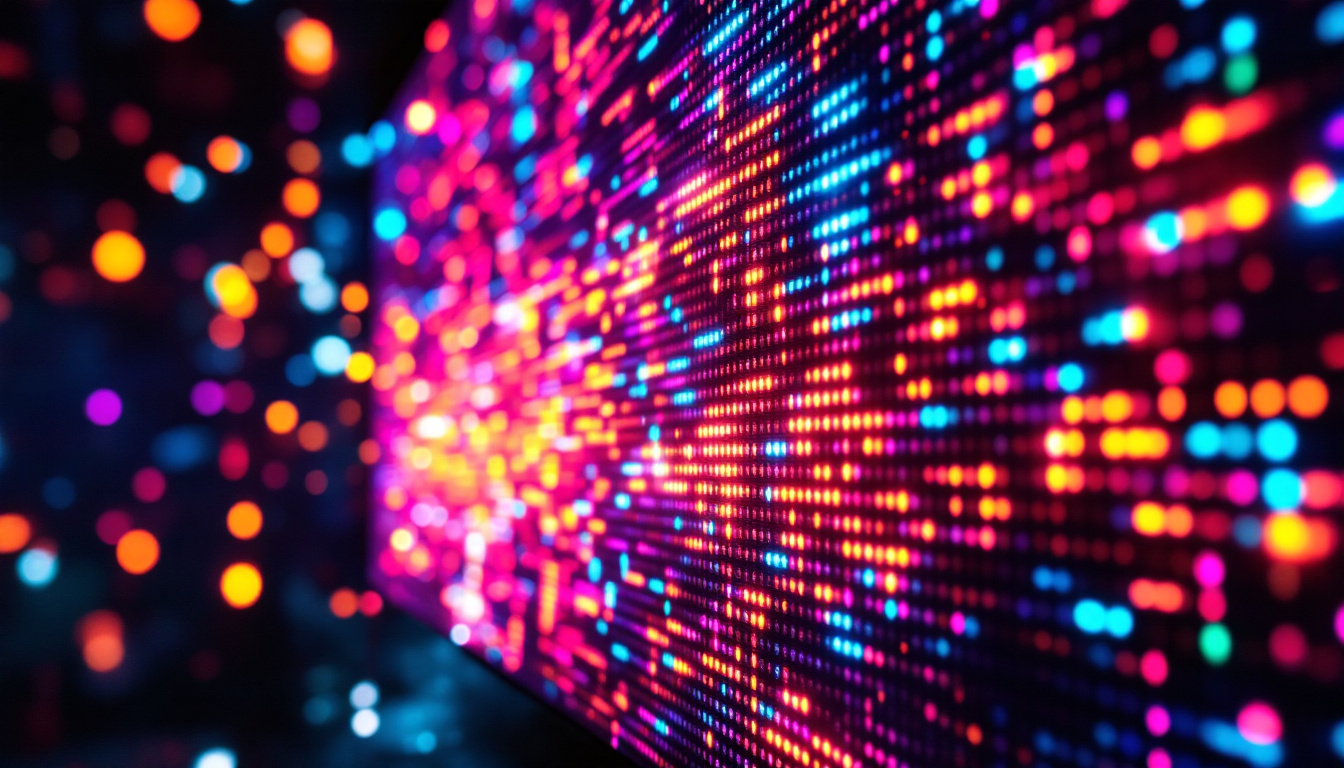
Pixel pitch—the distance between individual LEDs—affects the resolution and viewing distance of the display. LED screen films typically have a pixel pitch ranging from 2.5mm to 10mm. Smaller pixel pitches provide higher resolution but may increase cost and power consumption.
Choosing the right pixel pitch depends on the intended viewing distance and content type. For example, retail window displays viewed from the street may require a larger pixel pitch than close-up indoor applications.
Power and Connectivity
LED screen film requires a power source and data input, typically delivered through discreet cables connected to a control unit. Ensuring proper power supply and signal integrity is essential for consistent performance and longevity.
Many modern systems support wireless control and content management, allowing operators to update displays remotely and in real time.
Installation Challenges
Applying LED screen film to glass surfaces requires precision and expertise. The substrate must be clean and free of imperfections to avoid visual distortions. Additionally, installers must consider environmental factors such as temperature and humidity during application.
Professional installation ensures that the film adheres properly and that electrical connections are secure, minimizing maintenance needs and maximizing display lifespan.
Future Trends in LED Screen Film Technology
The LED screen film market is evolving rapidly, driven by advancements in materials science, LED miniaturization, and smart technologies.
Higher Transparency and Resolution
Research is ongoing to develop films with even higher transparency levels—up to 90%—without sacrificing brightness or resolution. This will further enhance the ability to blend digital content seamlessly into architectural glass.
Interactive and Touch-Enabled Films
Integrating touch sensitivity into LED screen film is an emerging trend. This innovation would allow users to interact directly with the display, opening new possibilities for retail, education, and corporate environments.
Integration with IoT and Smart Building Systems
Future LED screen films are expected to connect more deeply with Internet of Things (IoT) platforms, enabling automated content changes based on environmental data, audience demographics, or time of day.
This integration will make digital signage more intelligent and responsive, improving user engagement and operational efficiency.
Conclusion
LED screen film represents a significant advancement in LED display technology, offering a unique combination of transparency, flexibility, and high brightness. Its ability to transform glass surfaces into dynamic digital displays opens up exciting opportunities across retail, corporate, entertainment, and architectural sectors.
As the technology continues to mature, LED screen film is poised to become an essential tool for businesses and designers seeking innovative ways to communicate and captivate audiences without compromising aesthetics or functionality.
For anyone considering digital signage solutions, understanding the capabilities and advantages of LED screen film is crucial to making informed decisions that align with both creative vision and practical requirements.
Discover LumenMatrix’s Innovative LED Display Solutions
Ready to elevate your visual communication with the latest in LED display technology? LumenMatrix is at the forefront of creating immersive visual experiences that captivate and engage. From vibrant Indoor and Outdoor LED Wall Displays to versatile Vehicle and Sports LED Displays, our solutions are designed to revolutionize your space. Whether you’re looking for a Custom LED Display, an All-in-One solution, or the sleek aesthetics of LED Transparent Displays, LumenMatrix has the cutting-edge technology to bring your vision to life. Check out LumenMatrix LED Display Solutions today and transform your business with unparalleled clarity and impact.