In the evolving landscape of urban infrastructure, smart light poles equipped with LED displays are becoming a cornerstone of modern city planning. These innovative devices blend lighting, communication, and information dissemination into a single, multifunctional unit. This article explores the technology behind smart light poles with LED displays, their applications, benefits, and the future potential they hold for smart cities worldwide.
Understanding Smart Light Poles and LED Displays
What Are Smart Light Poles?
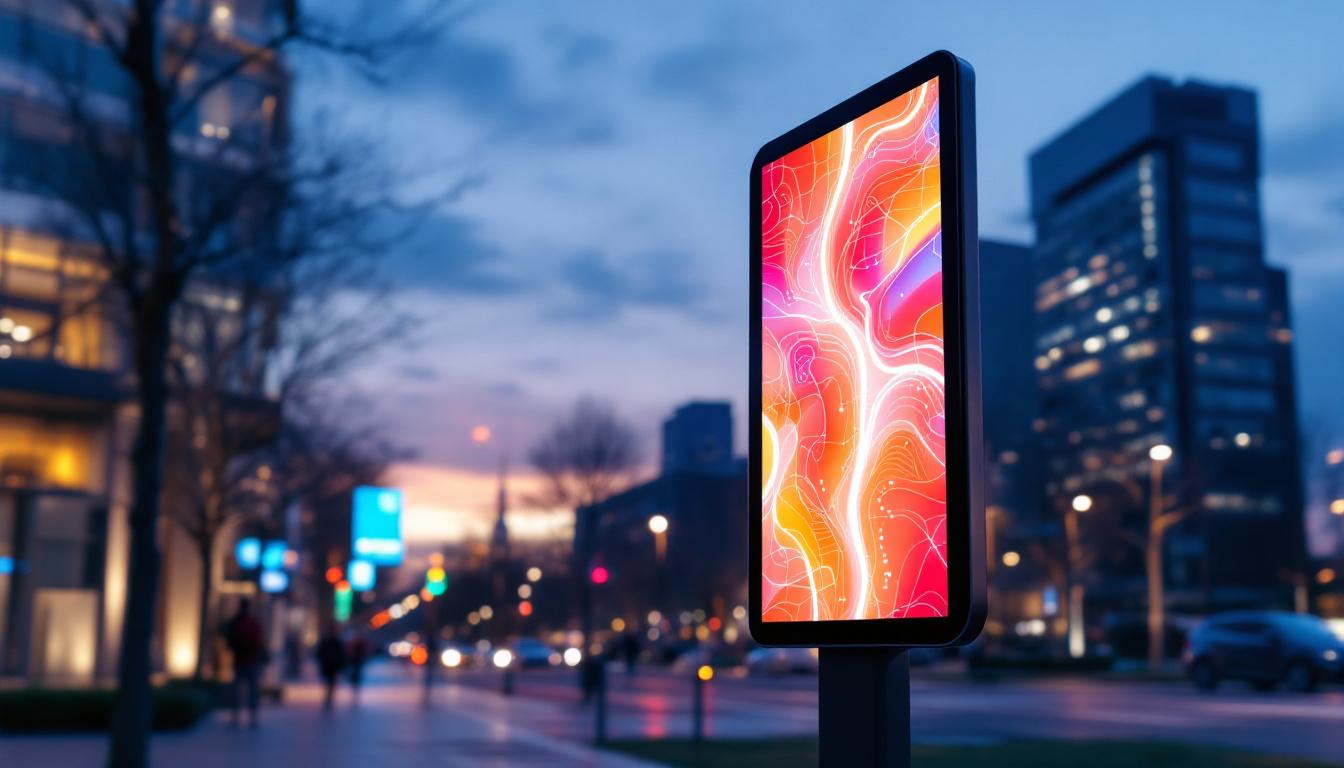
Smart light poles are advanced street lighting systems that integrate LED lighting with digital technologies such as sensors, cameras, wireless communication modules, and LED display panels. Unlike traditional streetlights, they offer more than illumination—they serve as platforms for data collection, public communication, and urban management.
These poles are typically connected to the Internet of Things (IoT) networks, allowing centralized control and real-time monitoring. This connectivity enables cities to optimize energy use, enhance public safety, and provide citizens with timely information. Additionally, smart light poles can be equipped with environmental sensors that monitor air quality, temperature, and noise levels, contributing to a more sustainable urban environment. By gathering and analyzing this data, municipalities can make informed decisions about urban planning and resource allocation, ultimately improving the quality of life for residents.
The Role of LED Displays in Smart Poles
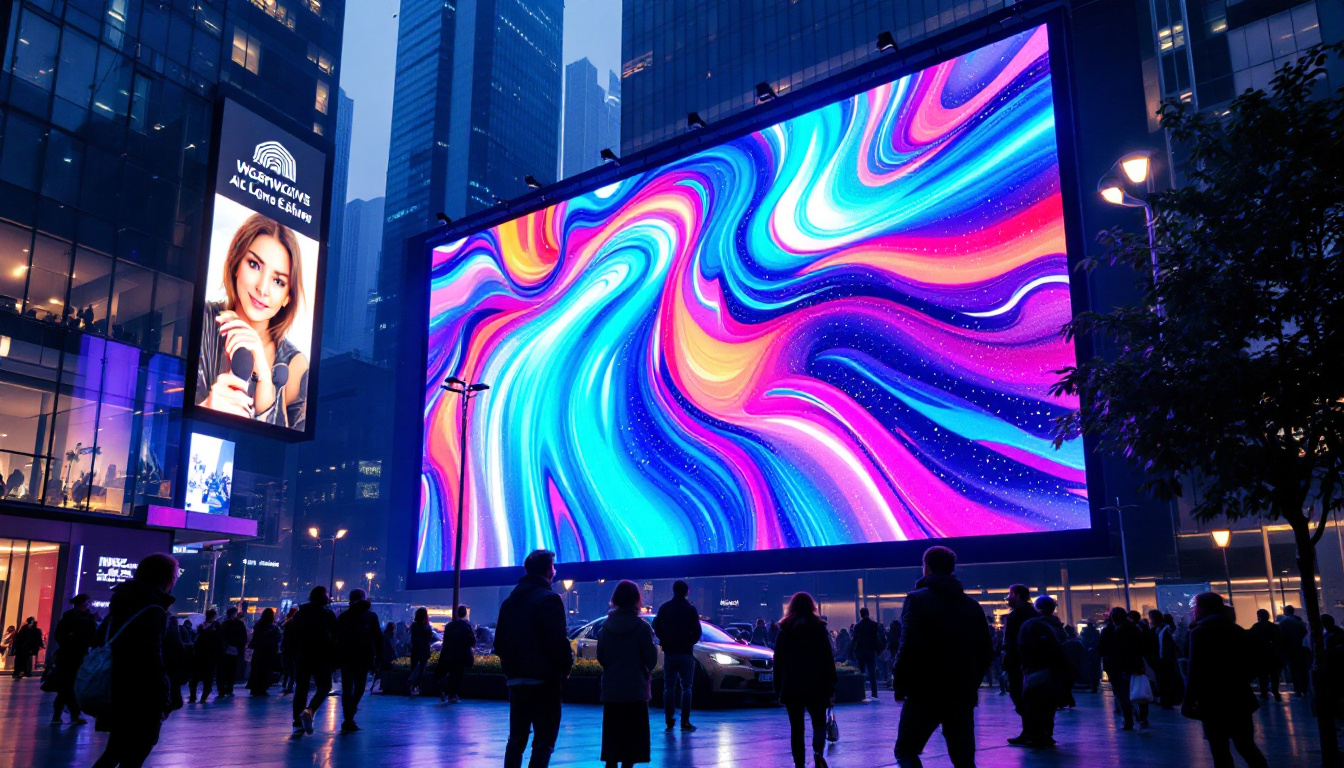
LED displays embedded in smart light poles act as dynamic communication tools. They can show a variety of content, including public announcements, traffic updates, weather alerts, advertisements, and emergency messages. The use of LED technology ensures high visibility even under direct sunlight, with low power consumption and long operational life.
Modern LED displays in smart poles often feature high resolution and brightness, making them suitable for both daytime and nighttime visibility. Their programmability allows for content to be updated remotely, enabling cities to respond quickly to changing conditions or events. Furthermore, these displays can be integrated with social media feeds or local news, fostering community engagement and keeping citizens informed about local happenings. The versatility of LED displays also extends to artistic applications, where they can showcase digital art or community messages, transforming public spaces into vibrant, interactive environments that reflect the culture and spirit of the city.
Key Technologies Behind Smart Light Poles with LED Displays
LED Lighting Technology
At the core of smart light poles is LED lighting, which has revolutionized street illumination due to its energy efficiency and durability. LEDs consume up to 75% less energy than traditional incandescent bulbs and last 25 times longer, significantly reducing maintenance costs and environmental impact.
Additionally, LED lights can be dimmed or brightened dynamically based on ambient light or pedestrian presence, further optimizing energy use. This adaptability is crucial for smart city initiatives aiming to reduce carbon footprints. The ability to adjust lighting levels not only enhances safety during nighttime hours but also contributes to a more pleasant urban atmosphere, as overly bright lights can create glare and discomfort for residents.
Furthermore, the longevity of LED lights means fewer replacements, which translates to less waste in landfills and a lower demand for manufacturing resources. As cities increasingly prioritize sustainability, the adoption of LED technology in public lighting is becoming a standard practice, paving the way for greener urban environments.
Integrated Sensors and IoT Connectivity
Smart poles are equipped with a variety of sensors, such as motion detectors, environmental sensors (measuring air quality, temperature, humidity), and cameras for surveillance. These sensors feed data into centralized management systems, enabling real-time analytics and decision-making.
The integration with IoT networks allows these poles to communicate with other smart city infrastructure, such as traffic lights, public transportation systems, and emergency services. This interconnectedness enhances urban efficiency and responsiveness. For instance, data collected from environmental sensors can inform city planners about pollution hotspots, leading to targeted interventions that improve air quality.
Moreover, the deployment of these sensors can facilitate a more responsive urban environment. For example, if a motion detector identifies an increase in foot traffic, the smart pole can automatically brighten its lights to enhance safety, while also notifying nearby businesses of potential customer influx. This level of responsiveness not only improves the quality of life for residents but also supports local economies by driving foot traffic to shops and services.
LED Display Panels and Control Systems
The LED display panels are controlled via embedded microcontrollers or connected cloud-based platforms. These systems manage the content displayed, scheduling, brightness adjustments, and diagnostics. Advanced control software supports remote updates and monitoring, reducing the need for on-site maintenance.
Some smart poles feature interactive LED displays with touchscreens or QR codes, enabling direct engagement with citizens for services like wayfinding, event information, or public feedback. These interactive features can transform a simple light pole into a community hub, providing residents with timely information about local events, public safety alerts, or even emergency notifications.
Additionally, the ability to customize content on these displays allows municipalities to promote local businesses, cultural events, or public health campaigns, fostering a sense of community and encouraging civic engagement. As cities continue to evolve, the role of smart light poles equipped with LED displays will likely expand, serving as vital nodes in the broader smart city ecosystem, enhancing connectivity and community interaction in urban spaces.
Applications and Benefits of Smart Light Poles with LED Displays
Enhancing Public Safety and Security
One of the primary applications of smart light poles is improving public safety. Integrated cameras and motion sensors can detect unusual activities, triggering alerts to law enforcement or security personnel. LED displays can broadcast emergency messages or evacuation instructions during crises such as natural disasters or public health emergencies.
Moreover, adaptive lighting can increase illumination in areas with detected pedestrian or vehicular movement, reducing accidents and crime rates. Studies have shown that well-lit urban areas can decrease crime by up to 20%, underscoring the importance of smart lighting solutions.
Traffic Management and Information Dissemination
Smart poles with LED displays contribute significantly to traffic management. They can present real-time traffic updates, road closures, parking availability, and public transport schedules. This dynamic information helps reduce congestion and improves commuter experience.
For instance, during peak hours or special events, LED displays can guide drivers to alternative routes or inform them about delays, enhancing overall traffic flow. Cities like Singapore and Amsterdam have successfully implemented such systems, reporting improved traffic efficiency and reduced emissions.
Advertising and Revenue Generation
LED displays on smart poles offer a platform for digital advertising, creating new revenue streams for municipalities. Unlike static billboards, these displays allow for targeted, time-sensitive ads that can be tailored to specific locations or demographics.
This capability not only supports local businesses but also helps offset the costs of installing and maintaining smart infrastructure. Ethical considerations and content regulation are important to ensure that advertising remains appropriate and non-intrusive.
Environmental Monitoring and Sustainability
Equipped with environmental sensors, smart light poles can monitor air quality, noise levels, and weather conditions. This data is invaluable for urban planners and environmental agencies aiming to improve city sustainability and residents’ quality of life.
For example, real-time pollution data can trigger alerts on LED displays, advising citizens to take precautionary measures. Over time, aggregated data helps inform policies to reduce emissions and manage urban green spaces more effectively.
Challenges and Considerations in Implementing Smart Light Poles
Cost and Infrastructure Requirements
While smart light poles offer numerous benefits, their initial installation can be costly. The integration of LED displays, sensors, and communication modules requires significant investment in hardware and network infrastructure.
However, the long-term savings from energy efficiency, reduced maintenance, and potential advertising revenue often justify these upfront costs. Careful planning and phased deployment can help cities manage budgets effectively.
Data Privacy and Security
The extensive data collection capabilities of smart poles raise important privacy and security concerns. Cameras and sensors must be managed to protect citizens’ personal information and prevent unauthorized surveillance.
Implementing robust cybersecurity measures and transparent data policies is essential to maintain public trust. Additionally, compliance with local regulations such as GDPR or CCPA must be ensured when handling data.
Maintenance and Technical Support
Maintaining smart light poles with LED displays requires specialized technical expertise. Software updates, hardware repairs, and sensor calibrations must be performed regularly to ensure optimal performance.
Remote monitoring and diagnostics can reduce downtime, but cities need to establish partnerships with technology providers for ongoing support. Training municipal staff is also critical for effective system management.
The Future of Smart Light Poles with LED Displays
Integration with 5G and Edge Computing
The rollout of 5G networks will significantly enhance the capabilities of smart light poles. Higher bandwidth and lower latency will enable faster data transmission and support more complex applications such as real-time video analytics and augmented reality displays.
Edge computing, where data processing occurs near the source rather than centralized servers, will reduce response times and improve reliability. This will allow smart poles to operate more autonomously and efficiently, even during network disruptions.
Expanding Functionalities and Citizen Engagement
Future smart light poles may incorporate additional features like electric vehicle charging stations, Wi-Fi hotspots, and environmental remediation technologies. Enhanced interactivity through touchscreens, voice recognition, or mobile app integration will foster greater citizen engagement.
By serving as multifunctional urban hubs, smart poles will contribute to more connected, responsive, and sustainable cities.
Global Adoption and Case Studies
Smart light poles with LED displays are gaining traction worldwide. Cities such as Los Angeles, Barcelona, and Seoul have launched large-scale deployments, demonstrating measurable improvements in energy savings, public safety, and citizen satisfaction.
These case studies provide valuable insights into best practices and highlight the importance of tailoring solutions to local needs and contexts.
Conclusion
Smart light poles equipped with LED displays represent a transformative advancement in urban infrastructure. By combining efficient lighting, real-time communication, environmental monitoring, and data analytics, they support smarter, safer, and more sustainable cities.
As technology continues to evolve, these multifunctional poles will play an increasingly vital role in shaping the urban environments of the future, delivering tangible benefits to municipalities and citizens alike.
Illuminate Your City’s Potential with LumenMatrix
As we embrace the future of urban development, the integration of smart light poles with LED displays stands as a beacon of innovation. LumenMatrix is at the forefront of this technological revolution, offering an array of LED display solutions that bring vibrancy and interactivity to any urban landscape. From enhancing public safety to enriching community engagement, our cutting-edge LED display modules are designed to meet the diverse needs of modern cities. Discover how LumenMatrix can transform your city’s communication and engagement strategies. Check out LumenMatrix LED Display Solutions and take the first step towards a brighter, smarter urban environment.