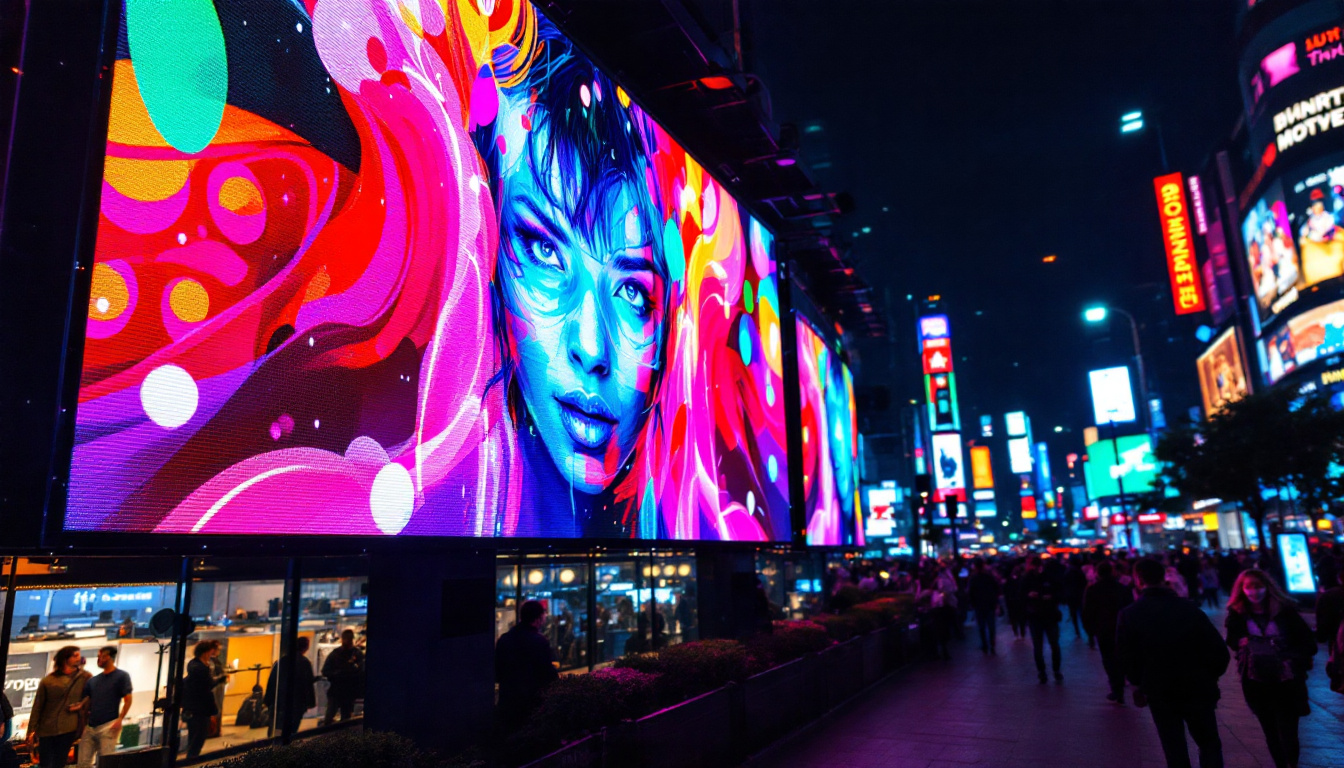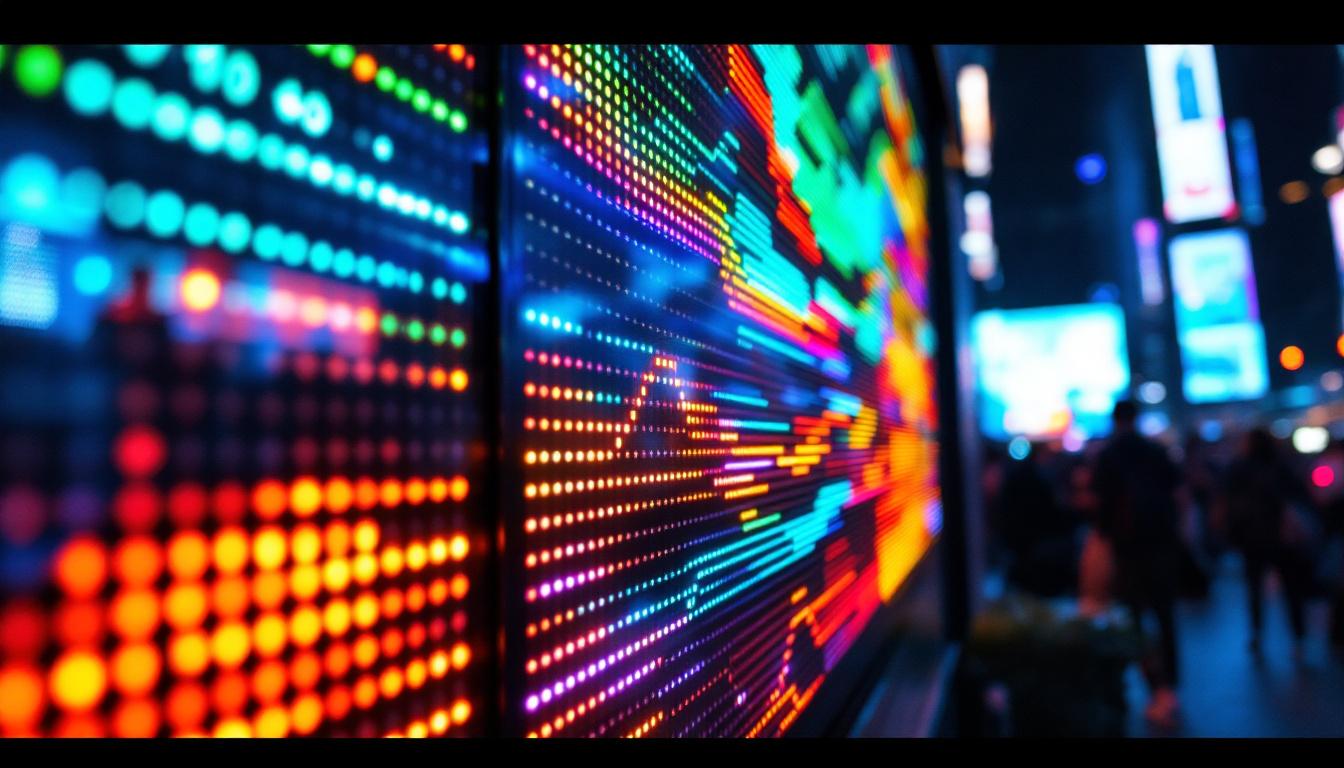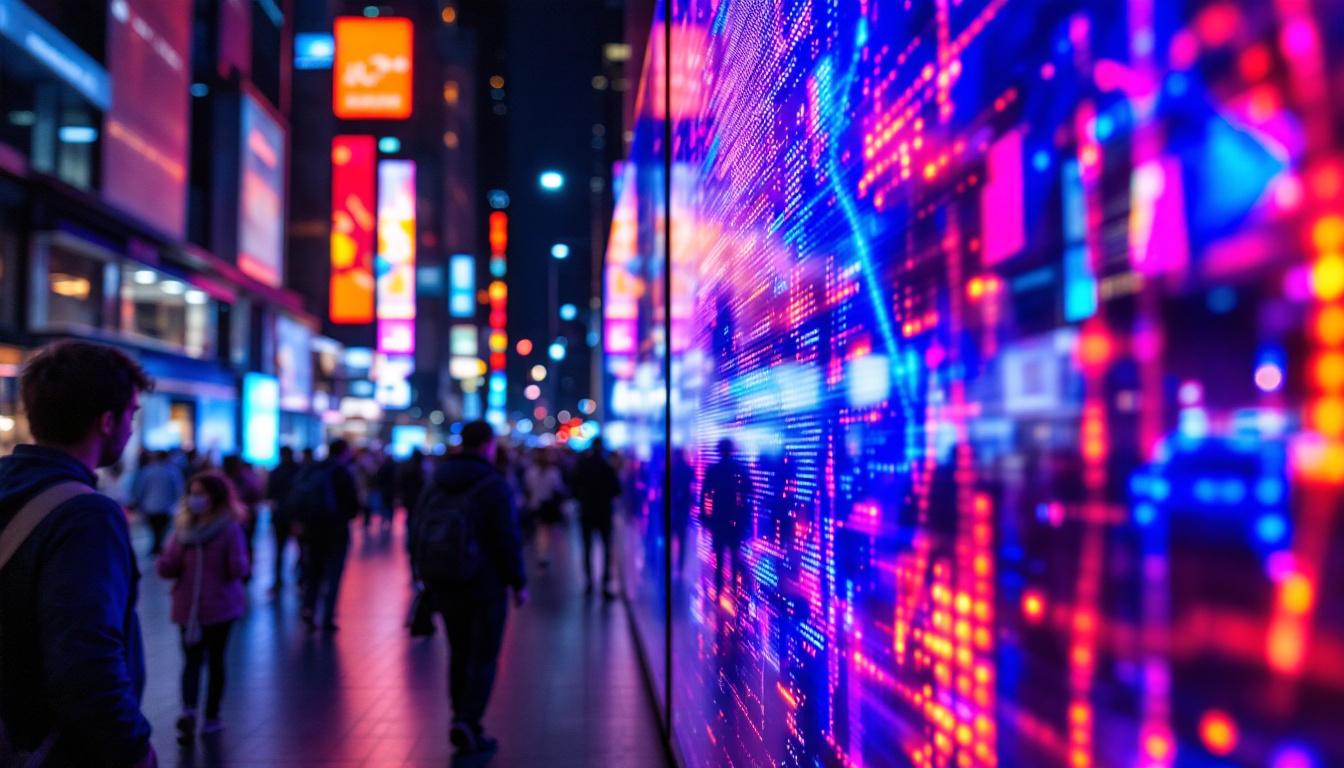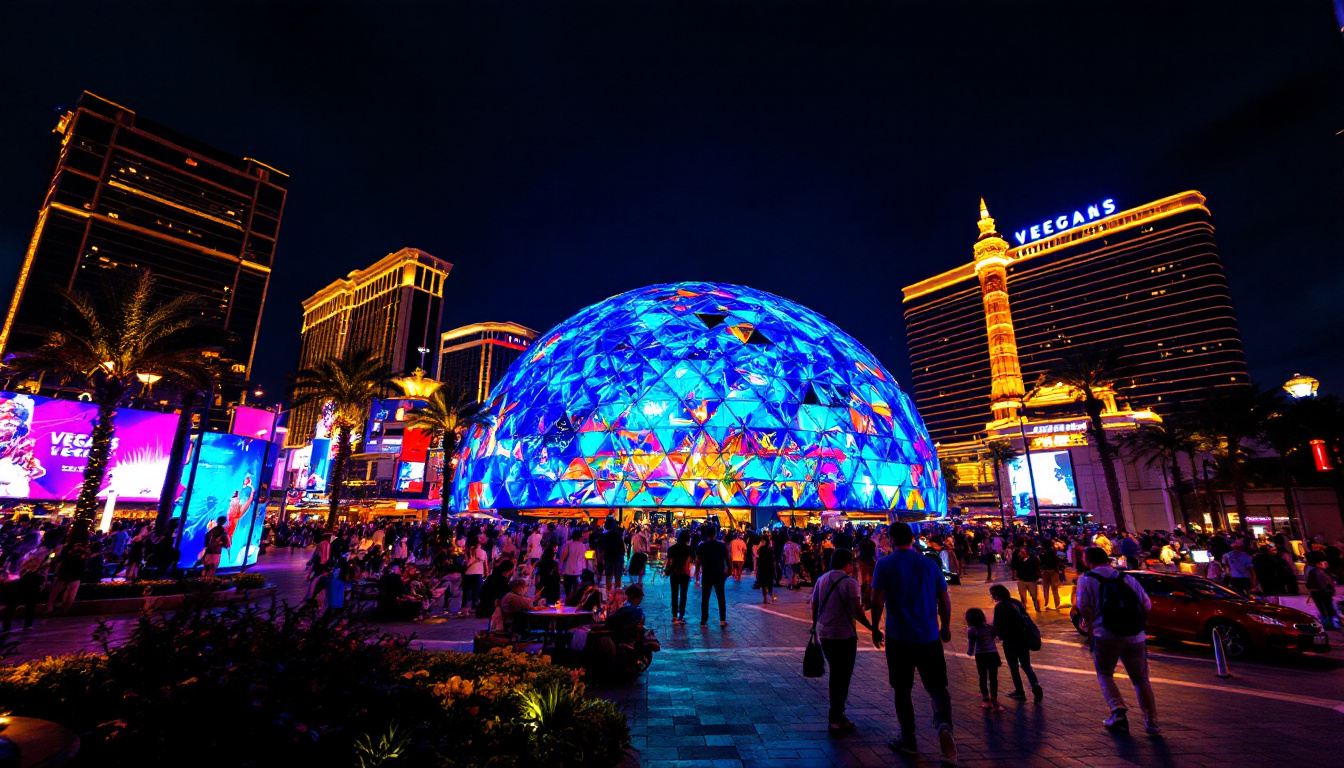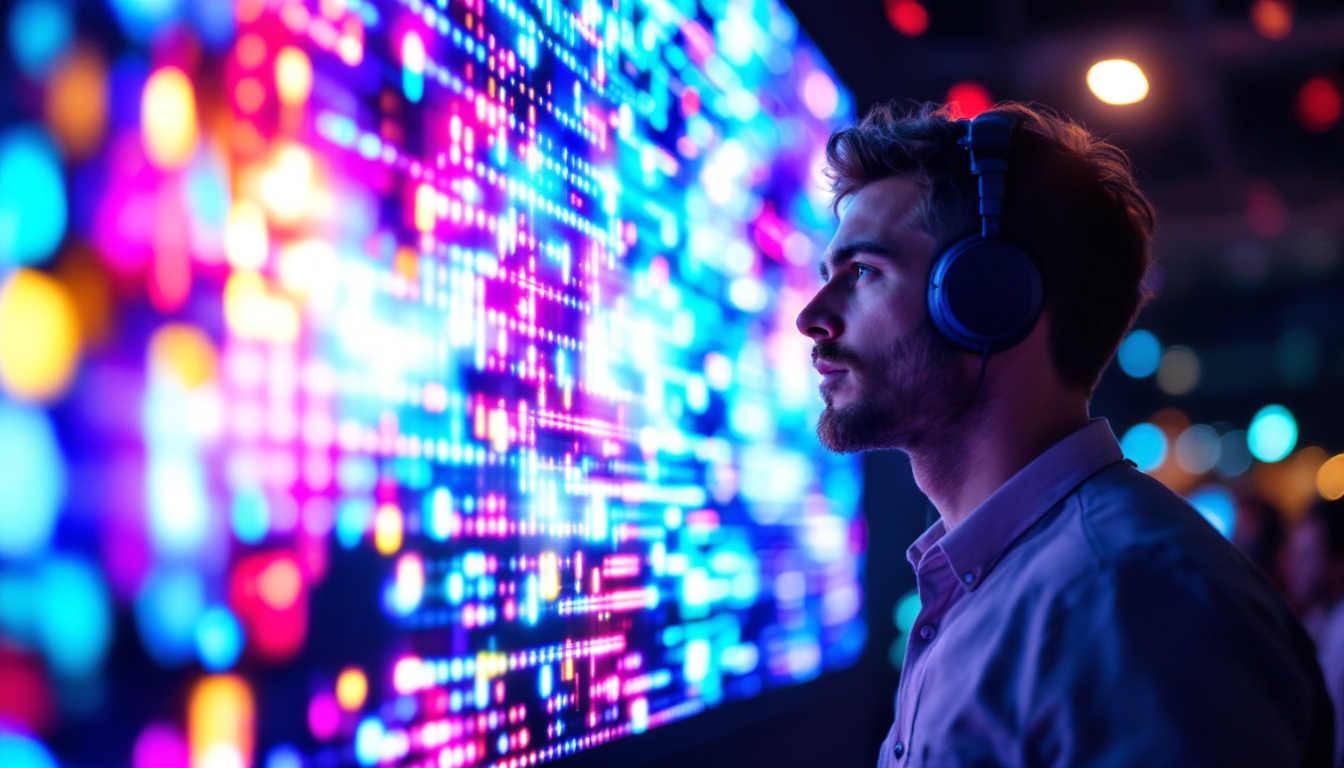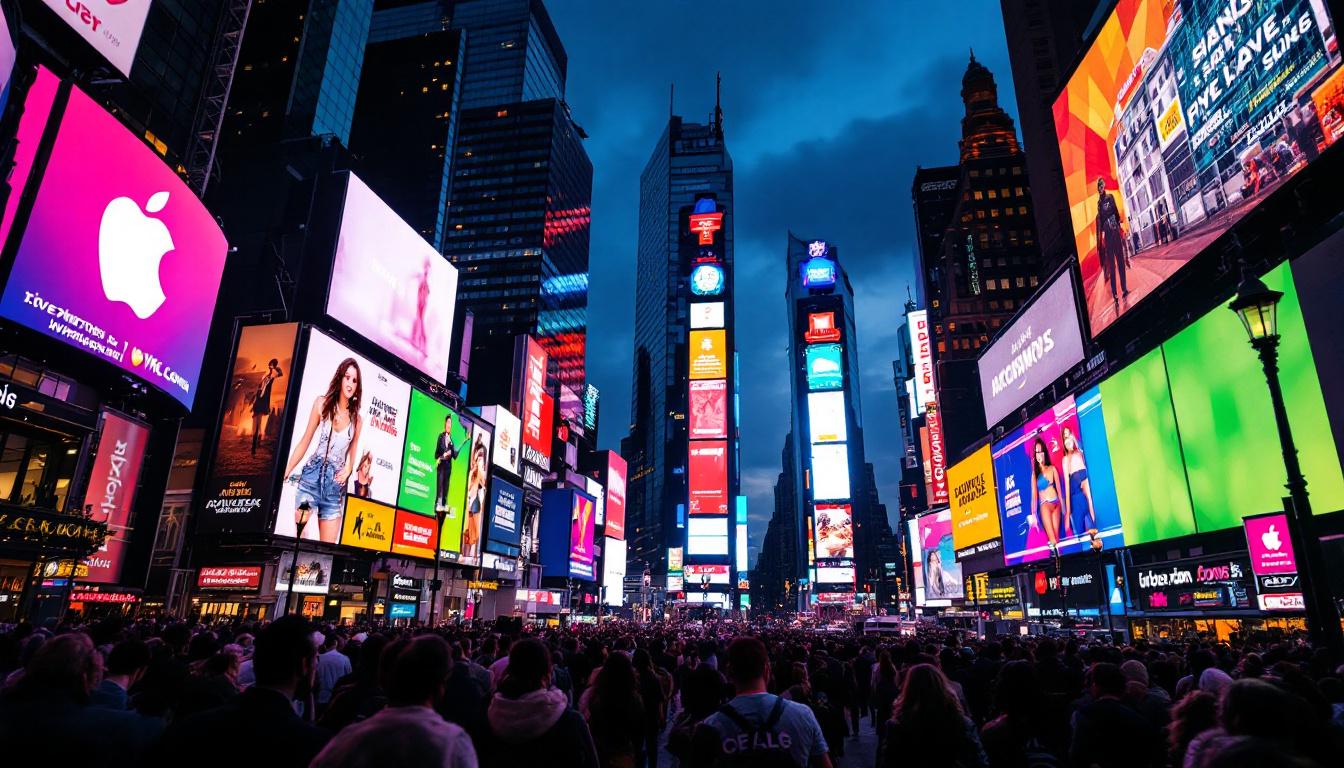
Times Square in New York City is one of the most iconic advertising hubs in the world. Known for its dazzling, larger-than-life LED displays, it serves as a global stage for brands aiming to capture the attention of millions of visitors and passersby every day. But what makes these LED displays so effective? How do they work, and why have they become the preferred medium for advertising in such a high-profile location? This article dives deep into the technology, design, and impact of LED displays in Times Square advertising.
The Evolution of Times Square Advertising
Times Square has long been synonymous with vibrant advertising. From the early days of painted billboards and neon signs to today’s cutting-edge digital displays, the evolution reflects broader trends in technology and consumer engagement.
In the early 20th century, Times Square was dominated by static advertisements and neon lighting, which were revolutionary at the time. However, these forms had limitations in terms of brightness, color range, and flexibility. The introduction of LED technology in the late 20th century marked a turning point, allowing advertisers to create dynamic, colorful, and highly visible content that could be updated instantly.
Today, LED displays dominate the Times Square landscape, offering unparalleled brightness and versatility. This transformation has not only enhanced the visual appeal of the area but also revolutionized how brands communicate with their audiences. The ability to showcase high-definition video content has led to a new era of storytelling in advertising, where brands can engage viewers with immersive narratives that capture attention in mere seconds. This shift has encouraged advertisers to think creatively, using innovative techniques such as augmented reality and interactive elements that invite passersby to participate in the experience.
Moreover, the integration of data analytics into advertising strategies has allowed brands to tailor their messages to specific demographics in real-time. By analyzing foot traffic patterns and audience engagement, advertisers can optimize their campaigns to resonate with the diverse crowd that frequents Times Square. This level of personalization not only enhances the effectiveness of the advertisements but also fosters a deeper connection between brands and consumers, making Times Square a living laboratory for marketing innovation. As technology continues to evolve, it will be fascinating to see how the iconic advertising landscape adapts, pushing the boundaries of creativity and interactivity even further.
Understanding LED Display Technology
What Is an LED Display?
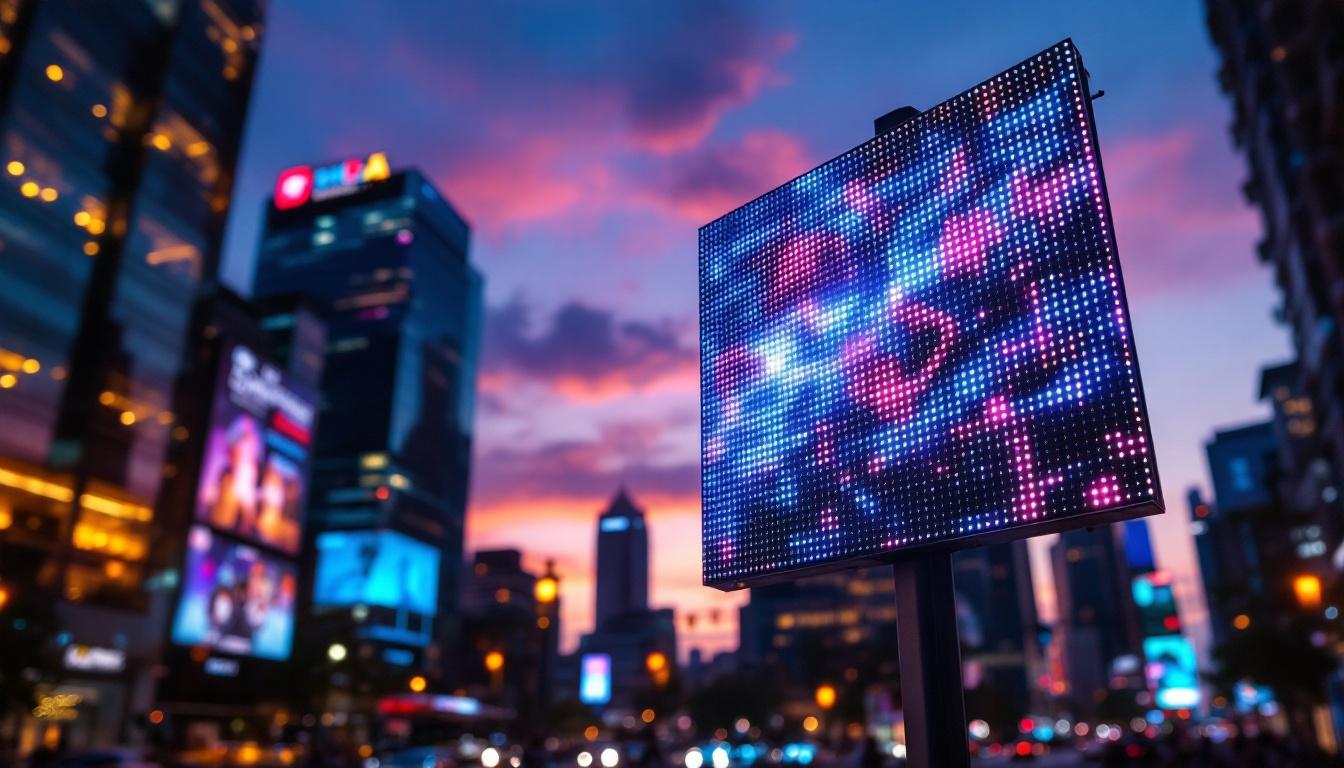
LED stands for Light Emitting Diode. An LED display is a flat panel that uses an array of LEDs as pixels to create images, videos, and animations. Unlike traditional screens that rely on backlighting, each LED in the display emits its own light, resulting in brighter and more vibrant visuals.
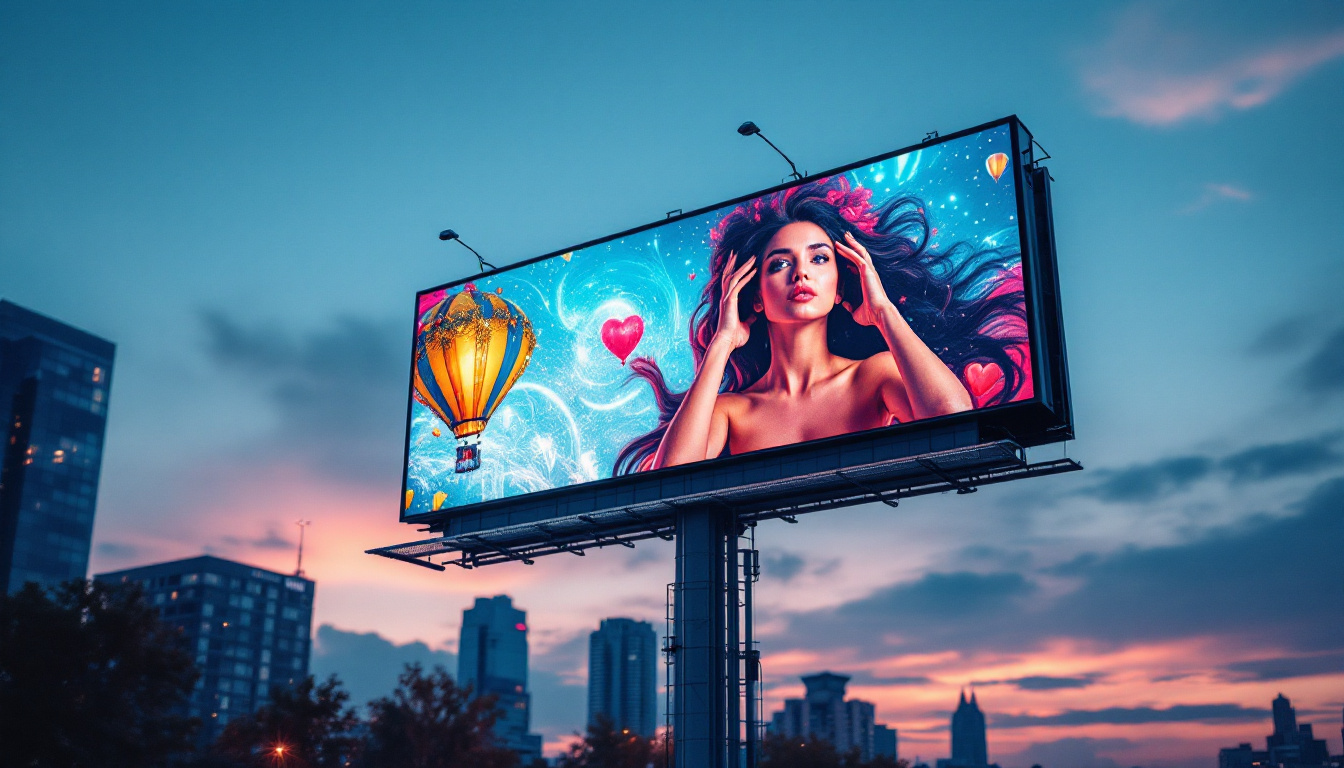
LED displays come in various configurations, including indoor and outdoor models. Outdoor LED displays, like those in Times Square, are designed to withstand harsh weather conditions while maintaining high brightness levels to compete with ambient daylight and city lights.
Key Components of Times Square LED Displays
Times Square LED displays are complex assemblies made up of several critical components:
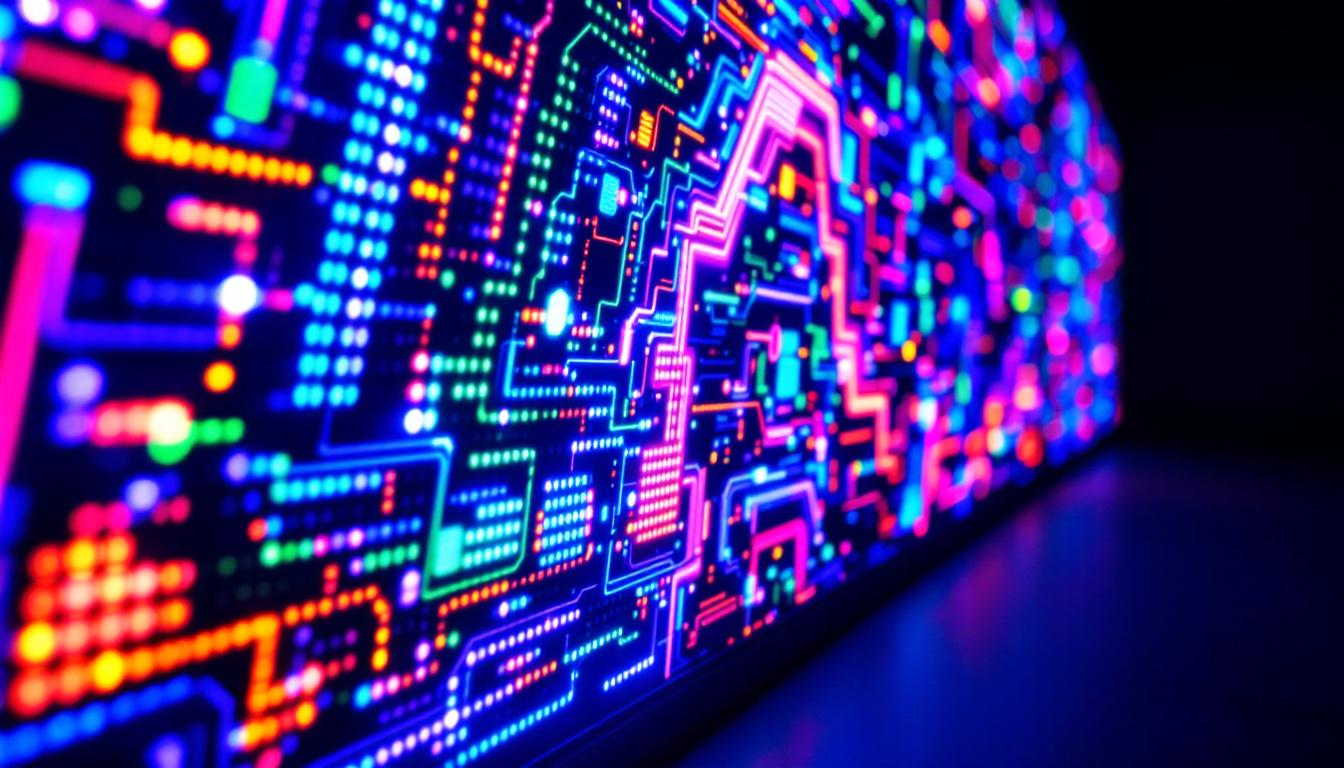
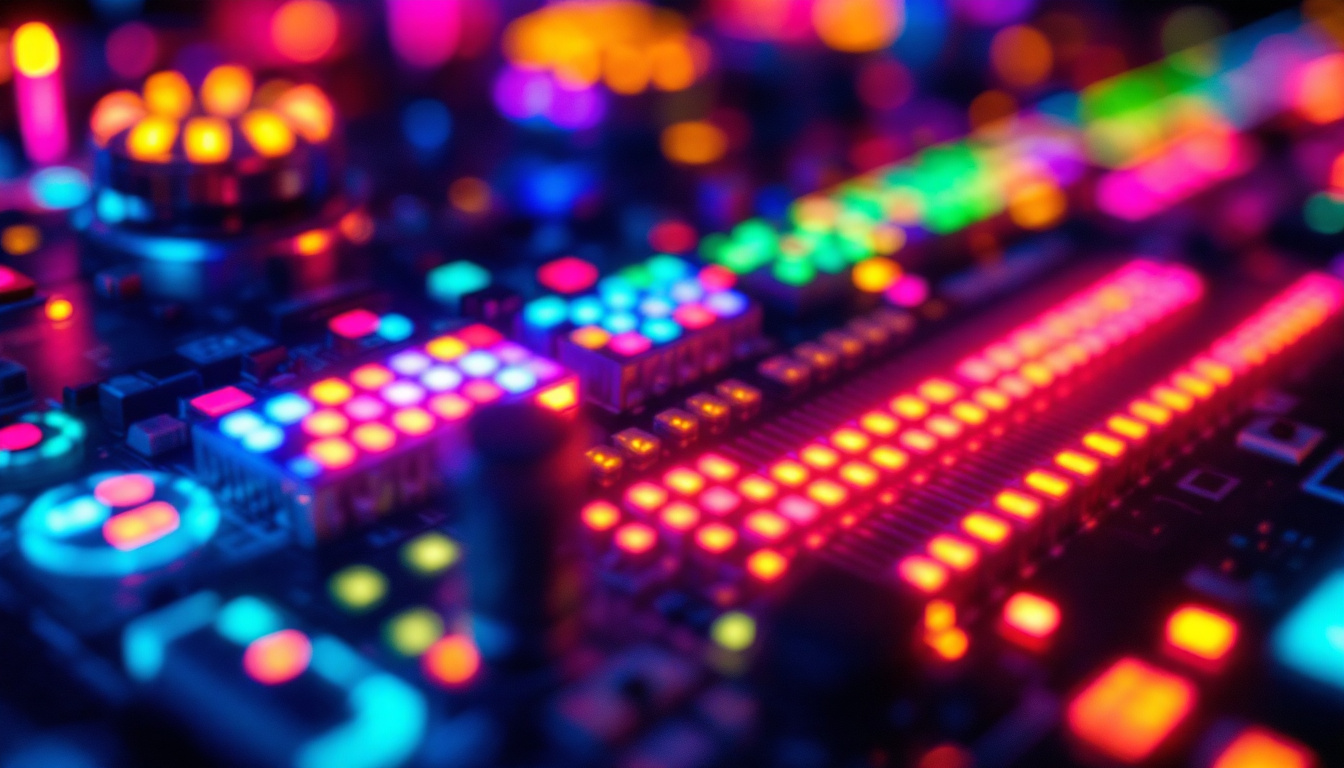
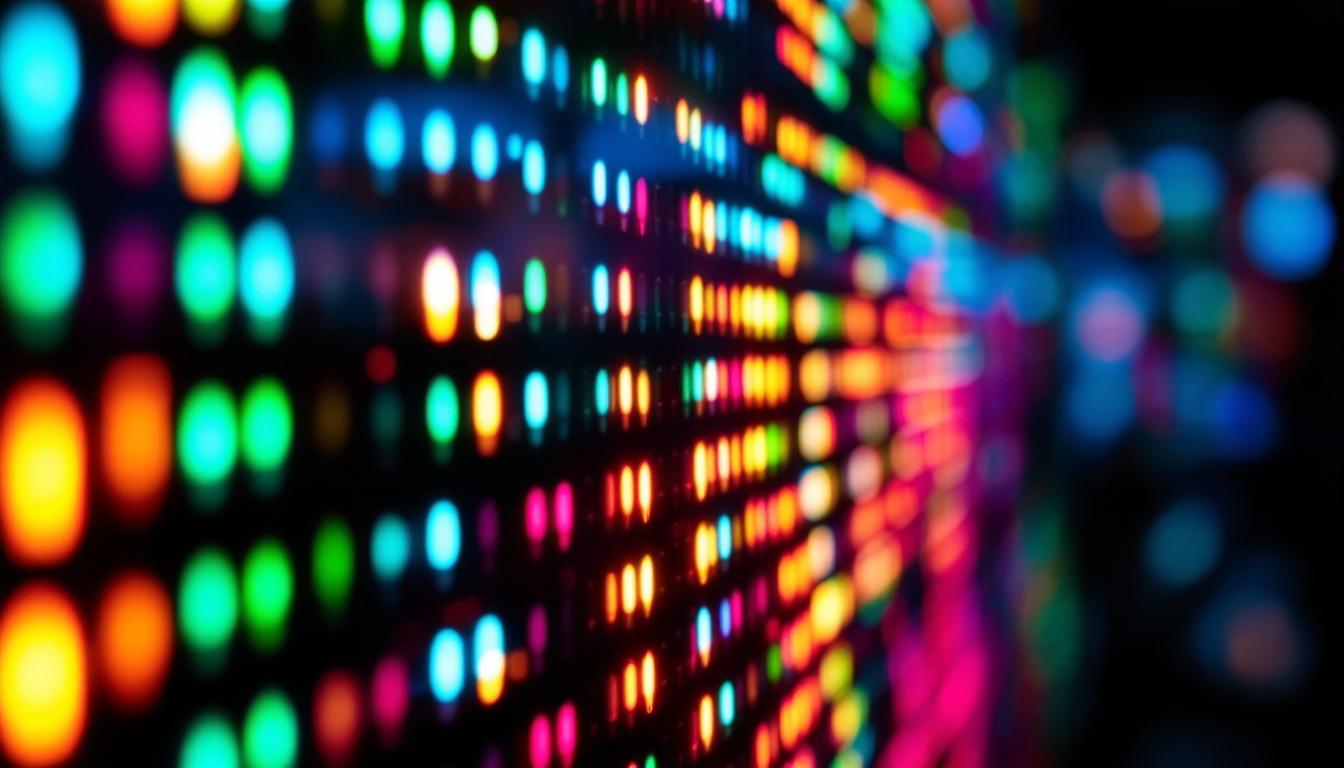
- LED Modules: These are the basic building blocks, consisting of clusters of LEDs arranged in a grid. The density of these LEDs, known as pixel pitch, determines the display’s resolution and clarity.
- Control Systems: Sophisticated hardware and software manage the content shown on the display, allowing real-time updates and scheduling.
- Protective Enclosures: Given the outdoor environment, LED displays are encased in weatherproof and durable materials to protect against rain, wind, dust, and temperature extremes.
- Power Supply Units: These ensure consistent and efficient power delivery to the LEDs, critical for maintaining brightness and longevity.
Pixel Pitch and Resolution
Pixel pitch refers to the distance between the centers of two adjacent LEDs. A smaller pixel pitch means more LEDs per square meter, resulting in higher resolution and sharper images. In Times Square, where viewers can be both close and far from the displays, advertisers choose pixel pitches that balance clarity with cost and size.
For example, a display with a 10mm pixel pitch will have a resolution suitable for viewing from a moderate distance, while a 4mm or 5mm pitch is used for displays that will be viewed up close. This flexibility allows advertisers to tailor their content for maximum impact.
Why LED Displays Are Ideal for Times Square Advertising
Unmatched Brightness and Visibility
One of the key advantages of LED displays is their exceptional brightness. Times Square is a bustling urban environment with intense ambient light from street lamps, vehicle headlights, and other signage. LED technology can deliver brightness levels exceeding 5,000 nits, ensuring that advertisements remain vivid and eye-catching even in direct sunlight or at night.
This high brightness level is crucial for grabbing attention in a location where viewers are bombarded with visual stimuli. The ability to stand out amid the visual noise is what makes LED displays so effective in Times Square.
Dynamic and Flexible Content
Unlike traditional static billboards, LED displays allow for dynamic content that can be changed instantly. Advertisers can run multiple campaigns on the same screen, schedule content by time of day, or even display interactive elements.
This flexibility enables brands to be more creative and responsive. For example, a company might display a promotional offer during the day, switch to a brand awareness message in the evening, and showcase live event coverage at night. This adaptability enhances engagement and maximizes the value of the advertising space.
Energy Efficiency and Sustainability
LED technology is significantly more energy-efficient compared to older lighting technologies like neon or incandescent bulbs. This efficiency translates to lower operating costs and a smaller environmental footprint, which is increasingly important for companies and city planners alike.
Newer LED displays also incorporate smart dimming features that adjust brightness based on ambient light conditions, further reducing energy consumption without compromising visibility.
Design Considerations for Times Square LED Advertising
Size and Scale
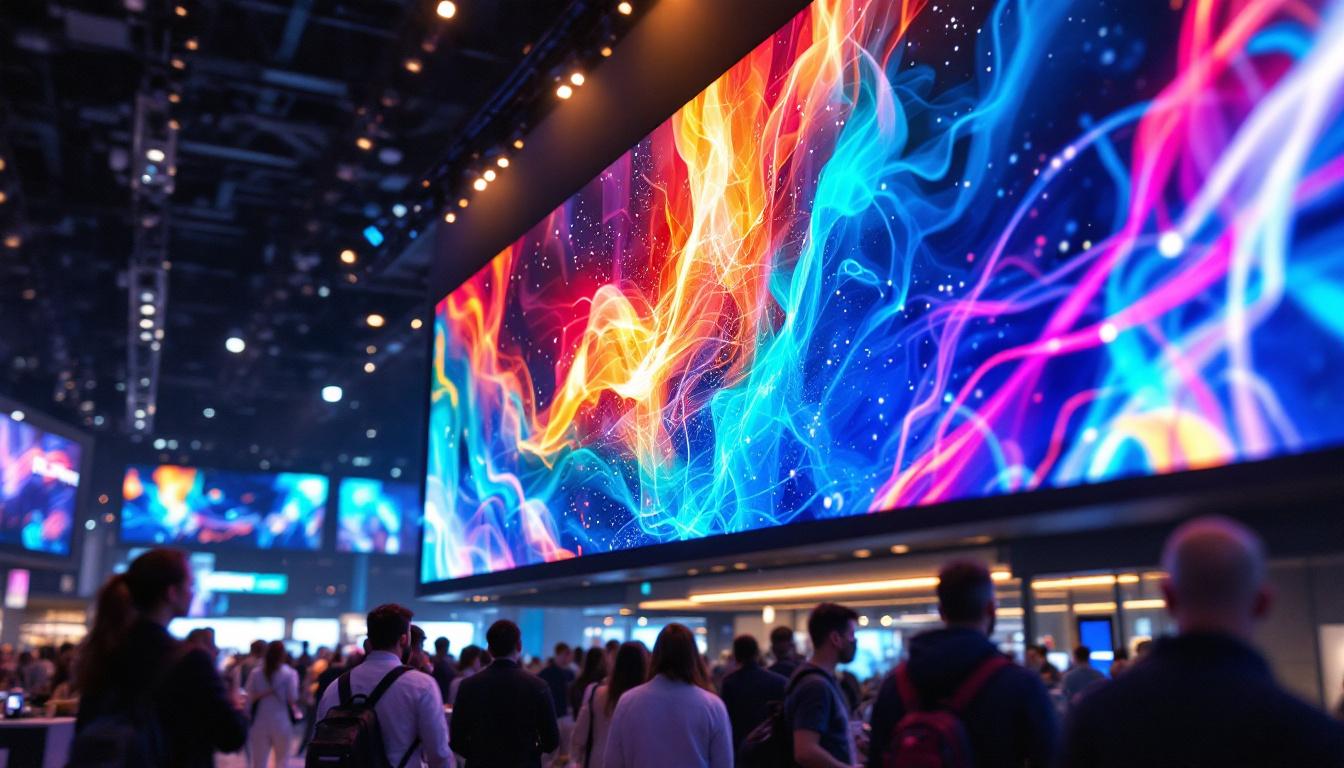
Times Square is home to some of the largest LED displays in the world. The sheer scale of these installations contributes to their impact, but size must be carefully balanced with resolution and viewing distance to ensure the content is clear and engaging.
For instance, the massive Nasdaq MarketSite tower features a cylindrical LED display wrapping around the building, creating a 360-degree advertising canvas. Such innovative use of space pushes the boundaries of traditional billboard design.
Content Strategy and Visual Storytelling
Effective Times Square advertising goes beyond just bright lights and big screens. Content must be crafted to capture attention quickly and communicate messages clearly in a matter of seconds.
Visual storytelling techniques such as bold typography, high-contrast colors, and simple, memorable imagery are essential. Motion graphics and video content add an extra layer of engagement, making the advertisements more immersive and memorable.
Regulatory and Technical Constraints
Advertising in Times Square is subject to strict city regulations regarding brightness, content, and safety. LED displays must comply with these rules to avoid penalties and ensure public safety.
Additionally, technical challenges such as heat dissipation, structural support, and maintenance access must be addressed during the design and installation phases. Given the high foot traffic and urban environment, displays must be robust and easy to service.
Impact and Effectiveness of Times Square LED Advertising
Audience Reach and Demographics
Times Square attracts over 330,000 pedestrians daily, including tourists, commuters, and locals. This diverse and dense audience offers advertisers unparalleled exposure to a wide demographic.
Moreover, the global media coverage of Times Square events, such as New Year’s Eve celebrations, amplifies the reach of LED advertising well beyond the physical location.
Brand Awareness and Engagement
Studies have shown that digital billboards, especially LED displays, generate higher recall rates compared to static billboards. The dynamic nature of LED content captures attention more effectively, leading to better brand recognition and engagement.
For example, campaigns that incorporate interactive elements or real-time data feeds (such as weather updates or social media integration) can create memorable experiences that resonate with audiences.
Return on Investment (ROI)
While the cost of advertising on Times Square LED displays can be substantial, the potential ROI is significant due to the high visibility and engagement levels. Brands that leverage this medium effectively often see increased sales, improved brand sentiment, and expanded market reach.
Advertisers also benefit from the ability to measure campaign performance in real-time, allowing for data-driven adjustments that optimize results.
The Future of LED Advertising in Times Square
Emerging Technologies
The future of Times Square advertising is poised to be shaped by innovations such as 3D LED displays, augmented reality (AR), and artificial intelligence (AI)-driven content personalization.
3D LED technology can create the illusion of depth and movement beyond traditional flat screens, offering even more immersive experiences. AR integration could allow passersby to interact with displays via their smartphones, blending the physical and digital worlds.
Sustainability and Smart Cities
As cities worldwide focus on sustainability, LED displays will continue to evolve with energy-saving technologies and eco-friendly materials. Smart city initiatives may integrate LED advertising with urban infrastructure, using data analytics to optimize content based on traffic patterns and environmental conditions.
Continued Cultural and Economic Significance
Times Square will remain a cultural and economic landmark, with LED advertising playing a central role in its identity. As technology advances, the displays will become even more sophisticated, maintaining their status as a premier platform for global brands.
Conclusion
LED displays have revolutionized advertising in Times Square, transforming it into a dynamic, vibrant, and highly effective marketing environment. The technology’s brightness, flexibility, and energy efficiency make it ideal for capturing the attention of millions in one of the world’s busiest urban centers.
Understanding the technology behind these displays, the strategic design considerations, and their impact on brand engagement is essential for advertisers looking to make the most of this iconic platform. As LED technology continues to advance, Times Square’s advertising landscape will evolve, offering exciting new possibilities for brands and audiences alike.
Illuminate Your Brand with LumenMatrix
Ready to elevate your advertising to new heights in the heart of Times Square? LumenMatrix is at the forefront of LED display innovation, offering a diverse range of solutions tailored to bring your brand’s message to life. From the bustling streets to the grand scale of sports arenas, our Indoor and Outdoor LED Wall Displays, Vehicle LED Displays, and more, are designed to captivate and engage audiences with unparalleled clarity and impact. Discover how LumenMatrix can transform your visual communication and help you create unforgettable experiences. Check out LumenMatrix LED Display Solutions today and light up the world with your brand’s story.