In the rapidly evolving world of digital signage and display technology, LED displays have become a cornerstone for businesses, advertisers, and event organizers alike. Their vibrant colors, energy efficiency, and versatility make them an ideal choice for a wide range of applications. However, to truly harness the potential of LED displays, understanding the fundamentals of LED control is essential. This article delves deep into LED displays, exploring how they work, the technology behind their control systems, and best practices for optimizing their performance.
Understanding LED Displays: The Basics
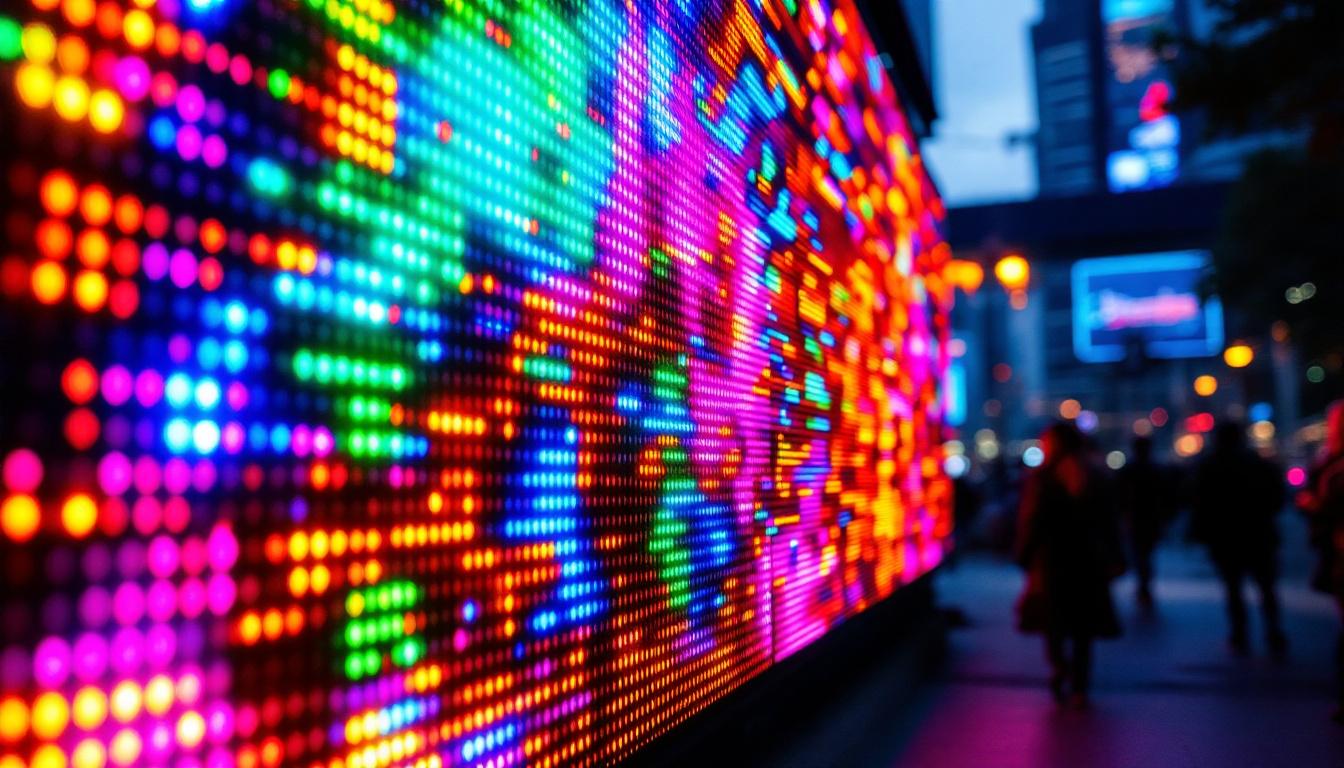
LED, or Light Emitting Diode, displays are composed of numerous tiny diodes that emit light when an electric current passes through them. These diodes are arranged in a matrix to form pixels, which collectively produce images, videos, or text. Unlike traditional LCD or plasma screens, LED displays generate their own light, resulting in brighter images and better contrast ratios. This self-illuminating capability allows for deeper blacks and more vibrant colors, making LED displays particularly appealing for applications where visual impact is crucial, such as advertising and entertainment.
LED displays come in various forms, including indoor and outdoor panels, flexible strips, and large-scale video walls. The choice of display depends on factors such as viewing distance, ambient lighting, and intended use. For example, outdoor LED billboards are designed with higher brightness levels—often exceeding 5,000 nits—to remain visible even under direct sunlight. Additionally, the durability of these displays is enhanced to withstand various weather conditions, making them a reliable choice for long-term outdoor advertising campaigns. Indoor displays, on the other hand, can focus on finer details and color accuracy, catering to environments like retail stores, conference rooms, and museums.
Types of LED Displays
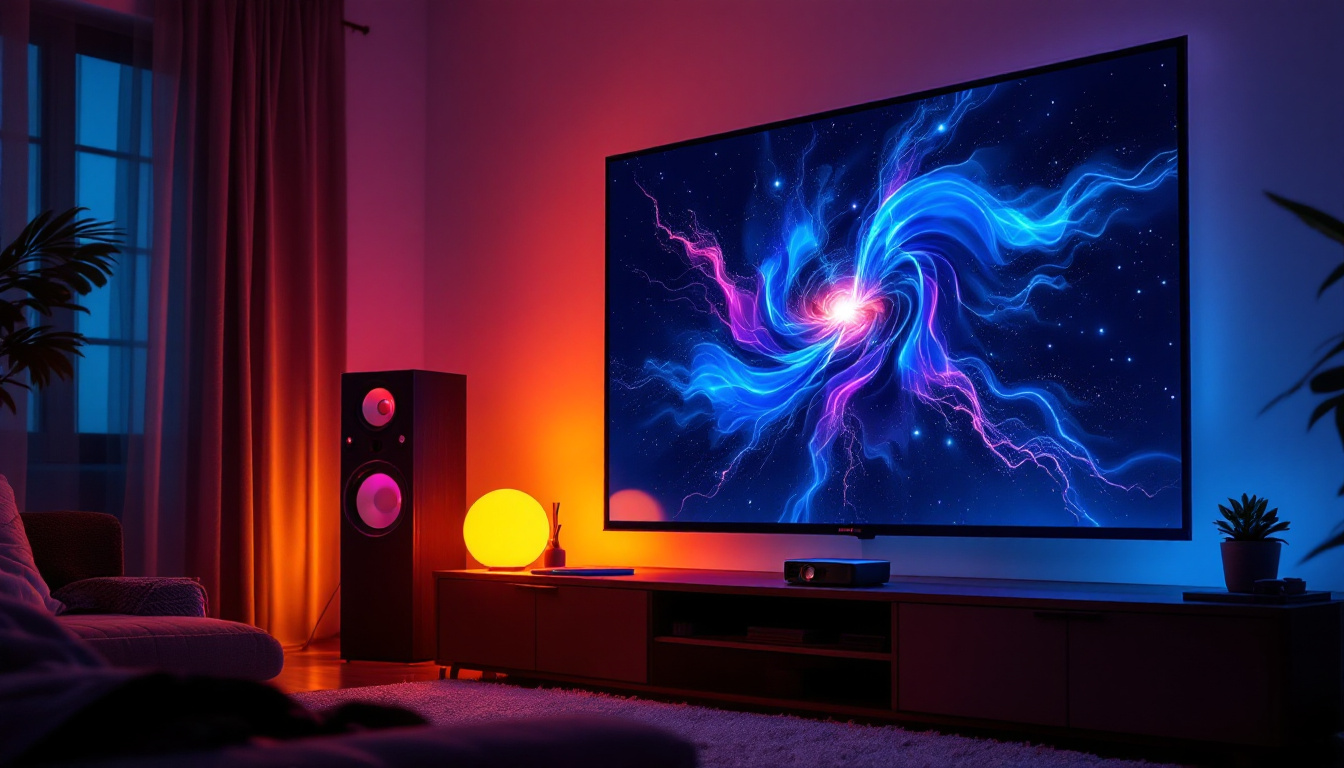
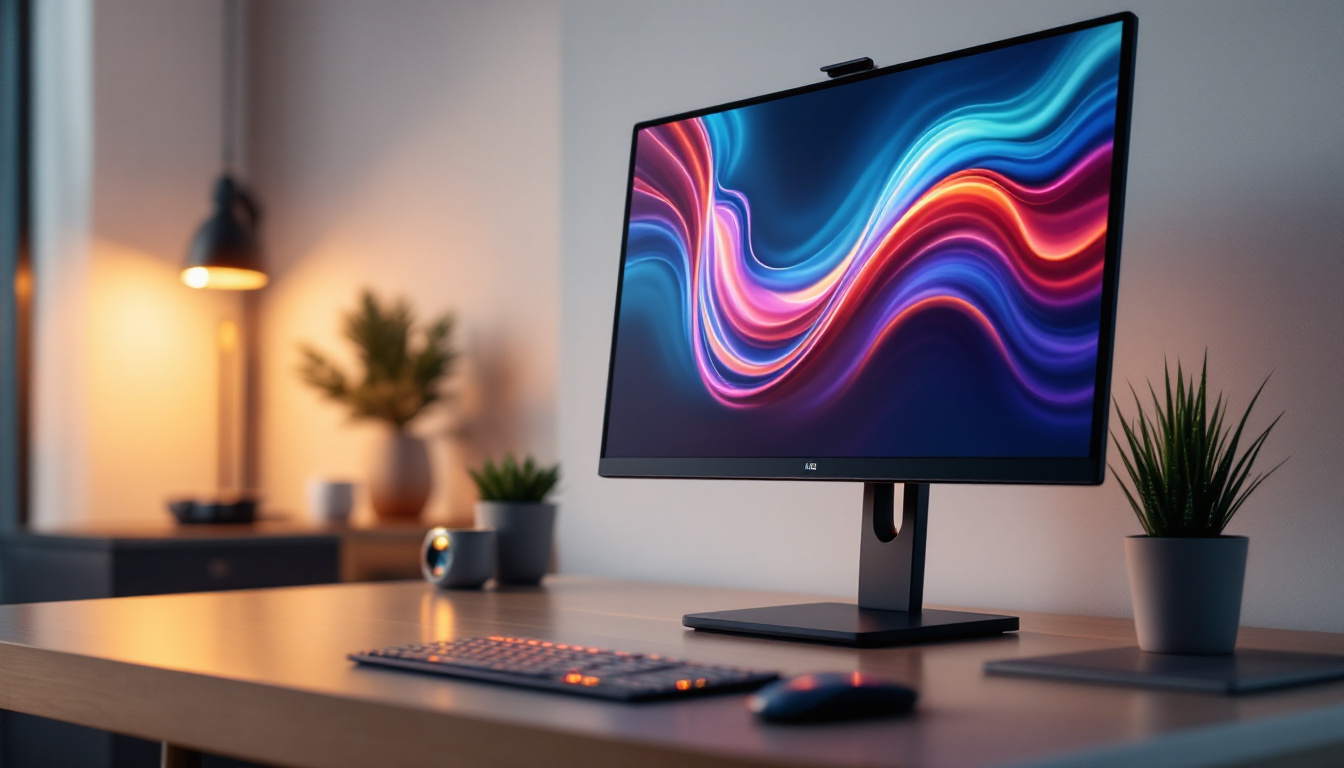
There are primarily two types of LED displays: direct-view LED and LED-backlit LCD. Direct-view LED displays use individual LEDs as pixels, offering superior brightness and color saturation. LED-backlit LCDs, on the other hand, use LEDs to illuminate an LCD panel and are commonly found in consumer electronics like televisions and monitors. The evolution of technology has also led to the development of mini and micro LED displays, which utilize even smaller diodes, allowing for higher pixel densities and enhanced image quality, particularly in compact devices.
Within direct-view LED displays, further distinctions exist based on pixel pitch—the distance between the centers of adjacent LEDs. Smaller pixel pitches (e.g., 1.2mm to 2.5mm) provide higher resolution and are suitable for close viewing distances, such as indoor retail signage. Larger pixel pitches (e.g., 10mm to 20mm) are ideal for outdoor applications where viewers are farther away. Moreover, advancements in LED technology have led to the emergence of transparent LED displays, which can blend seamlessly into architectural elements, offering a futuristic aesthetic while still delivering high-quality visuals. This innovation opens up new possibilities for creative advertising and design, allowing businesses to engage customers in unique ways without compromising on space or visibility.
The Role of LED Control Systems
At the heart of every LED display is the control system, which manages how images and videos are rendered on the screen. LED control involves sending precise electrical signals to each LED or group of LEDs to produce the desired color and brightness. This process requires sophisticated hardware and software working in tandem.
Components of an LED Control System
An LED control system typically consists of a sending card, receiving card, control software, and communication interfaces. The sending card processes the input video signal and converts it into data packets that the receiving card can interpret. The receiving card then distributes these signals to the LED modules, controlling the individual LEDs.
Modern LED control systems support various input sources, including HDMI, DVI, SDI, and even wireless connections. Advanced control software allows operators to manage multiple screens, schedule content playback, adjust brightness, and calibrate colors to ensure uniformity across large video walls. This flexibility is particularly beneficial in dynamic environments such as concerts or sports events, where content may need to be changed rapidly to match the atmosphere or audience engagement.
Signal Processing and Refresh Rates
One critical aspect of LED control is the refresh rate, which indicates how many times per second the display updates its image. High refresh rates (typically 1920Hz or higher) are essential for smooth video playback and to prevent flickering, especially when capturing the display on camera or during live broadcasts. This is particularly important in applications such as broadcasting, where any flicker can lead to a poor viewing experience and loss of audience engagement.
Signal processing also involves color calibration and gamma correction to ensure accurate color reproduction. Without proper calibration, colors may appear washed out or inconsistent, detracting from the viewer’s experience. Additionally, advanced LED control systems often incorporate features like dynamic range adjustment and real-time image processing, allowing for enhanced visual effects and improved performance in varying lighting conditions. This adaptability makes LED displays not only versatile but also a preferred choice for a wide range of applications, from advertising to artistic installations.
Applications and Benefits of LED Displays
LED displays have revolutionized how information and advertising are presented in public spaces. Their adaptability and performance make them suitable for a variety of applications, each benefiting from tailored LED control strategies.
Outdoor Advertising and Digital Billboards
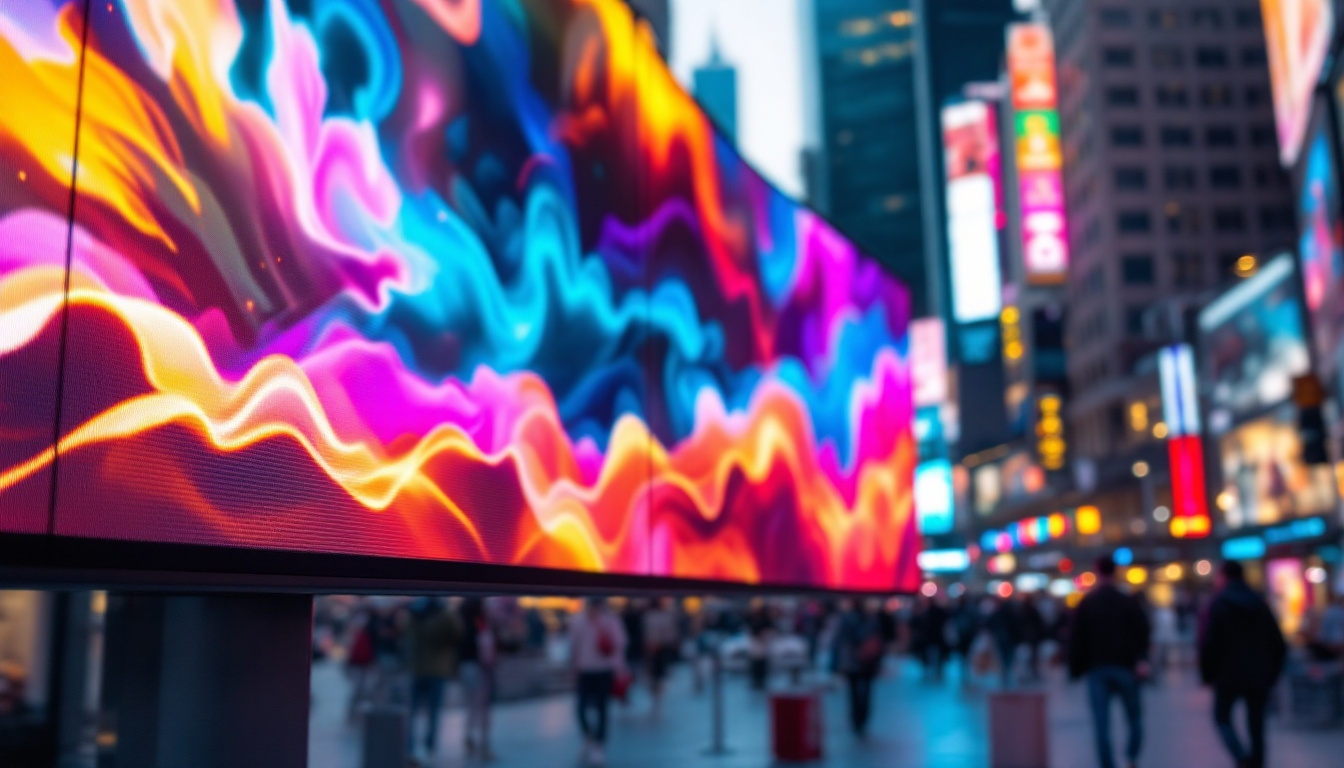
Outdoor LED billboards are among the most visible and impactful uses of LED technology. Their high brightness and weather-resistant designs allow them to operate 24/7 in diverse environments. According to recent industry reports, the global digital billboard market is expected to grow at a compound annual growth rate (CAGR) of over 10% through 2027, driven by increasing urbanization and demand for dynamic advertising.
Effective LED control in outdoor settings involves automatic brightness adjustment based on ambient light sensors, ensuring optimal visibility without excessive power consumption. Additionally, remote management capabilities allow advertisers to update content instantly, increasing campaign flexibility.
Event and Stage Displays
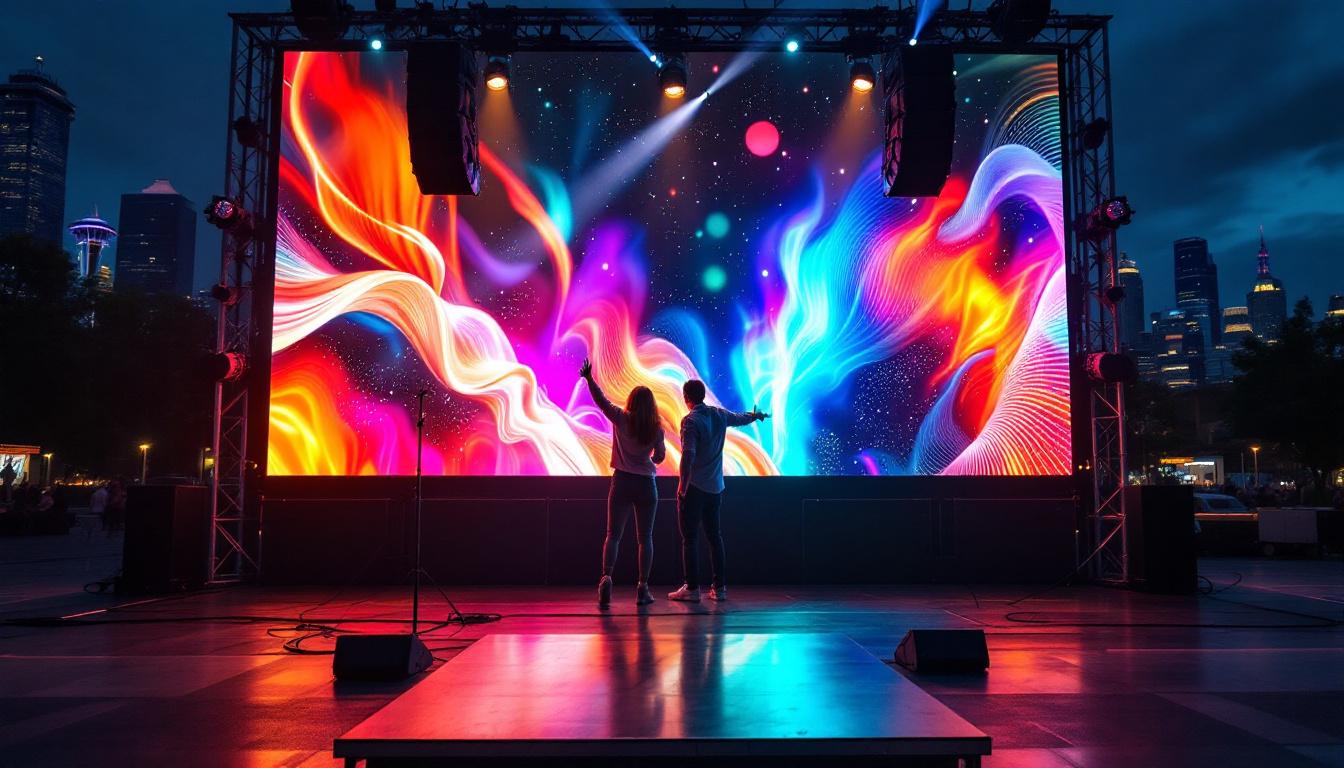
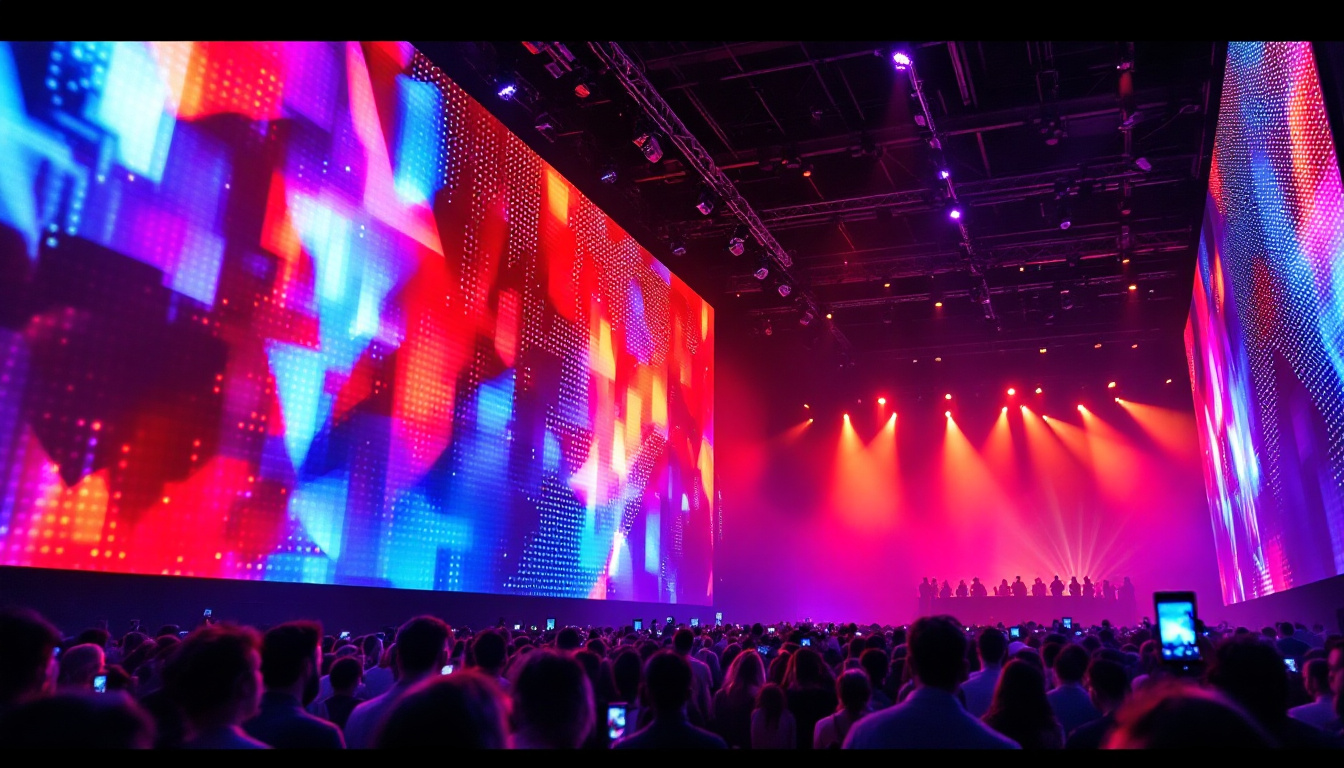
Concerts, sports events, and conferences often rely on large LED video walls to engage audiences. These displays must deliver high-resolution images with vibrant colors and minimal latency. LED control systems for events are typically portable and modular, enabling quick setup and teardown.
Advanced synchronization features allow multiple LED panels to work seamlessly together, creating immersive visual experiences. Real-time content adjustments and integration with live video feeds are also common requirements, necessitating robust and responsive control software.
Retail and Indoor Signage
In retail environments, LED displays attract customers and enhance brand messaging. Smaller pixel pitches and high resolution are crucial here to ensure crisp visuals at close range. Interactive LED displays, combined with touch sensors, are increasingly popular for engaging shoppers.
Indoor LED signage benefits from precise color calibration and dimming controls to match ambient lighting conditions and avoid eye strain. Integration with content management systems (CMS) allows retailers to schedule promotions and update content dynamically.
Optimizing LED Display Performance
To maximize the impact and longevity of LED displays, several best practices in LED control and maintenance should be followed.
Calibration and Color Uniformity
Regular calibration is essential to maintain consistent color and brightness across the entire display. Variations can occur due to LED aging, temperature fluctuations, or manufacturing inconsistencies. Using professional calibration tools and software helps correct these discrepancies, ensuring a uniform viewing experience.
Power Management and Heat Dissipation
Efficient power management not only reduces operational costs but also extends the lifespan of LED modules. LED control systems can implement dynamic power scaling based on content and ambient conditions. Additionally, proper heat dissipation through ventilation or active cooling prevents overheating, which can degrade LED performance.
Content Optimization
The quality of content displayed significantly affects the perceived performance of an LED screen. Content should be created or adapted to match the resolution and aspect ratio of the display. Avoiding overly bright or saturated colors can prevent visual fatigue, while using high-contrast designs enhances readability.
Future Trends in LED Control and Display Technology
The LED display industry continues to innovate, driven by advances in materials science, electronics, and software development. Emerging trends promise to further enhance the capabilities and applications of LED displays.
MicroLED and MiniLED Technologies
MicroLED and MiniLED are next-generation display technologies that offer higher brightness, better contrast, and improved energy efficiency compared to traditional LEDs. MicroLED displays consist of microscopic LEDs that can be individually controlled, enabling ultra-high-resolution screens with exceptional color accuracy.
These technologies are gradually making their way into consumer electronics and professional displays, with LED control systems evolving to handle the increased complexity and precision required.
AI-Driven LED Control Systems
Artificial intelligence (AI) is beginning to play a role in LED control by enabling adaptive content delivery, predictive maintenance, and automated calibration. AI algorithms can analyze environmental data and viewer behavior to optimize brightness, contrast, and content scheduling in real time.
This intelligent control improves energy efficiency and enhances user engagement, opening new possibilities for interactive and personalized digital signage.
Integration with IoT and Smart City Infrastructure
LED displays are increasingly integrated into the Internet of Things (IoT) ecosystem, allowing for centralized management and data-driven insights. In smart cities, LED signage can provide real-time information such as traffic updates, weather alerts, and emergency notifications.
Seamless integration requires robust LED control platforms capable of handling diverse data streams and ensuring secure, reliable operation.
Conclusion
LED displays have transformed the landscape of visual communication, offering unparalleled brightness, flexibility, and energy efficiency. Understanding LED control systems is crucial for maximizing the performance and longevity of these displays. From the basics of LED technology to advanced control mechanisms and future trends, the field continues to evolve rapidly.
Whether for advertising, entertainment, or information dissemination, mastering LED control enables stakeholders to create compelling, dynamic visual experiences that captivate audiences and drive engagement.
Discover LumenMatrix’s Innovative LED Solutions
Ready to elevate your visual communication with the latest in LED technology? LumenMatrix is at the forefront of creating immersive and dynamic LED displays that captivate and engage. Explore our comprehensive range of solutions, including Indoor and Outdoor LED Wall Displays, Vehicle LED Displays, LED Poster Displays, LED Sports Displays, Floor LED Displays, Custom LED Displays, All-in-One LED Displays, and LED Transparent Displays. Embrace the future of digital signage with LumenMatrix and check out our LED Display Solutions to transform your space into a vibrant canvas of possibilities.