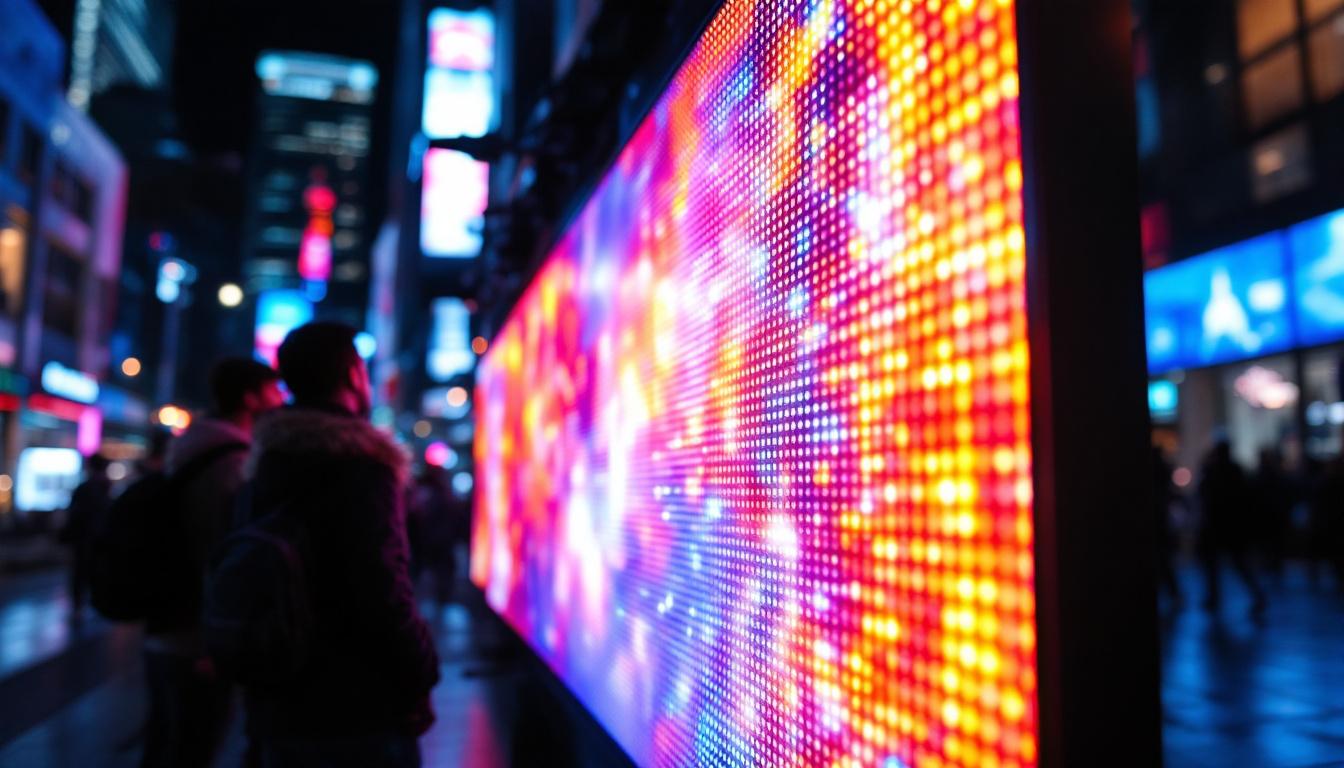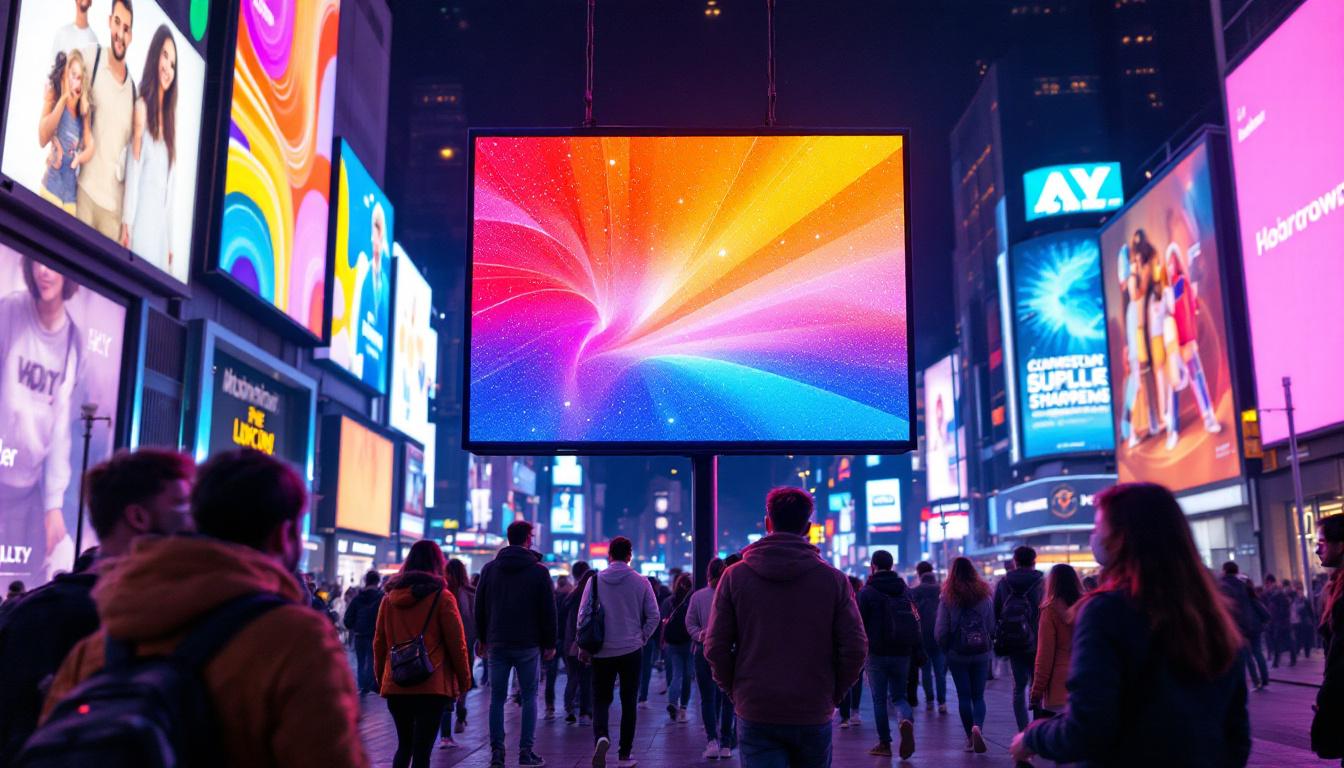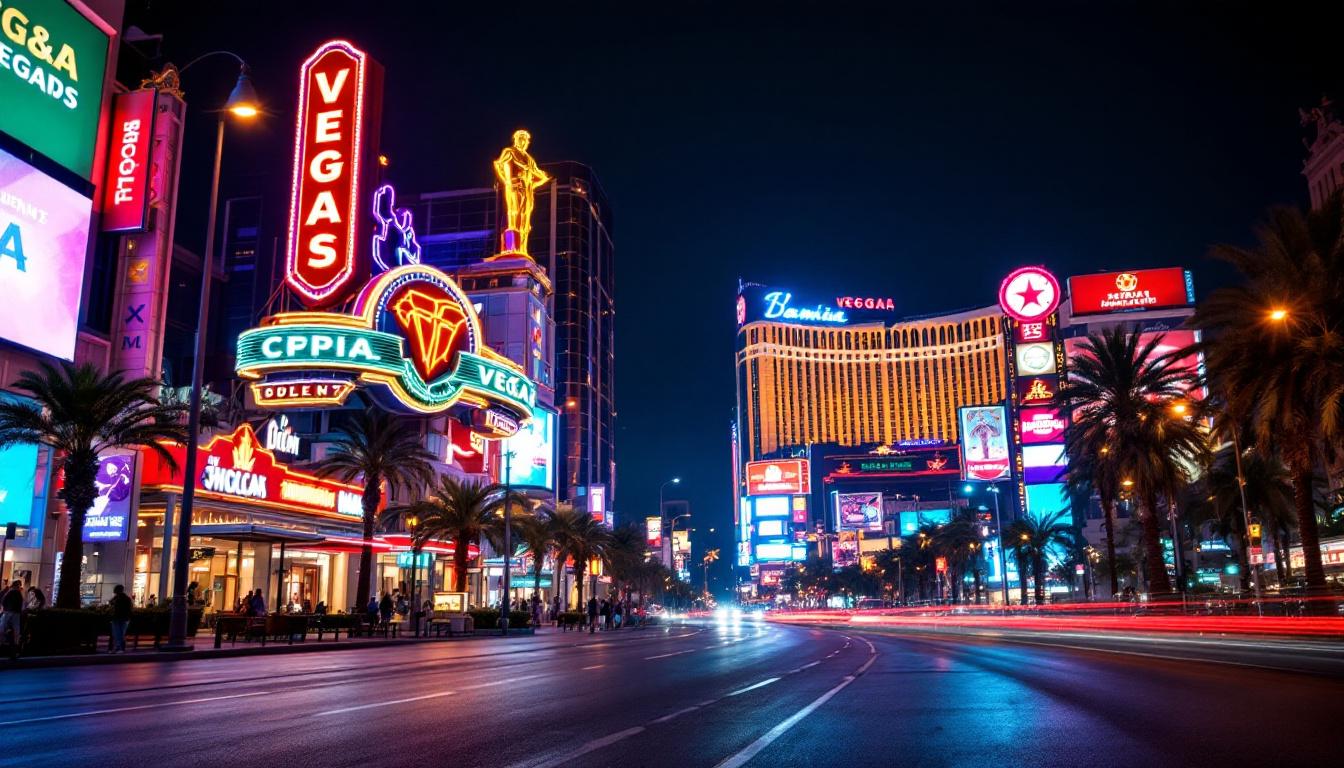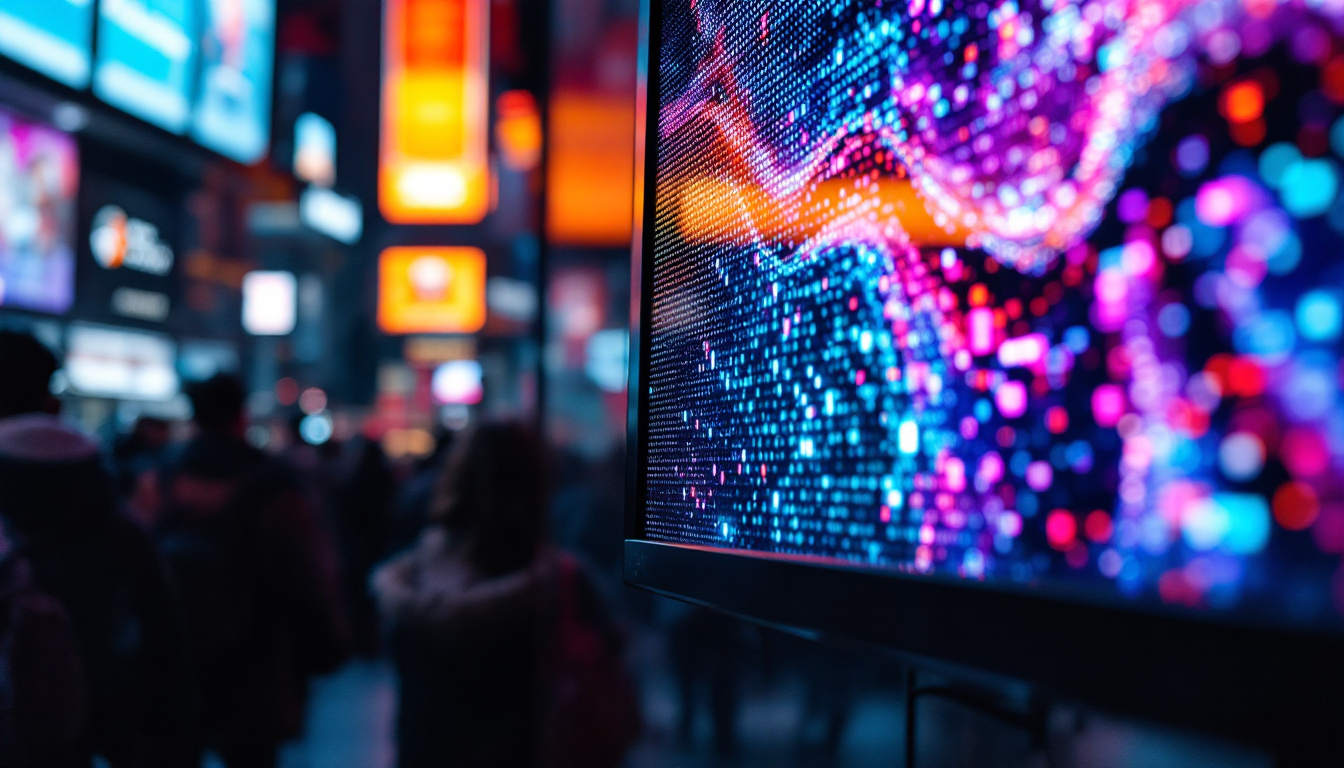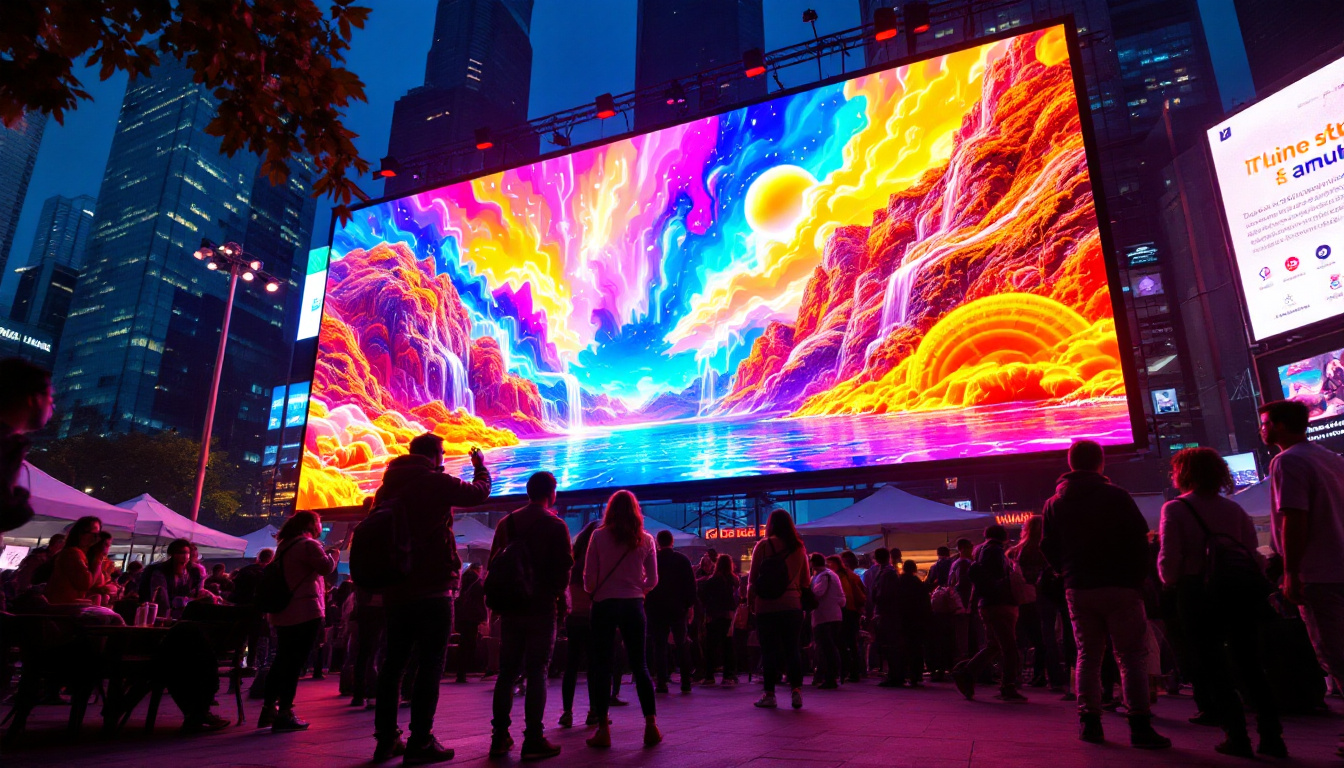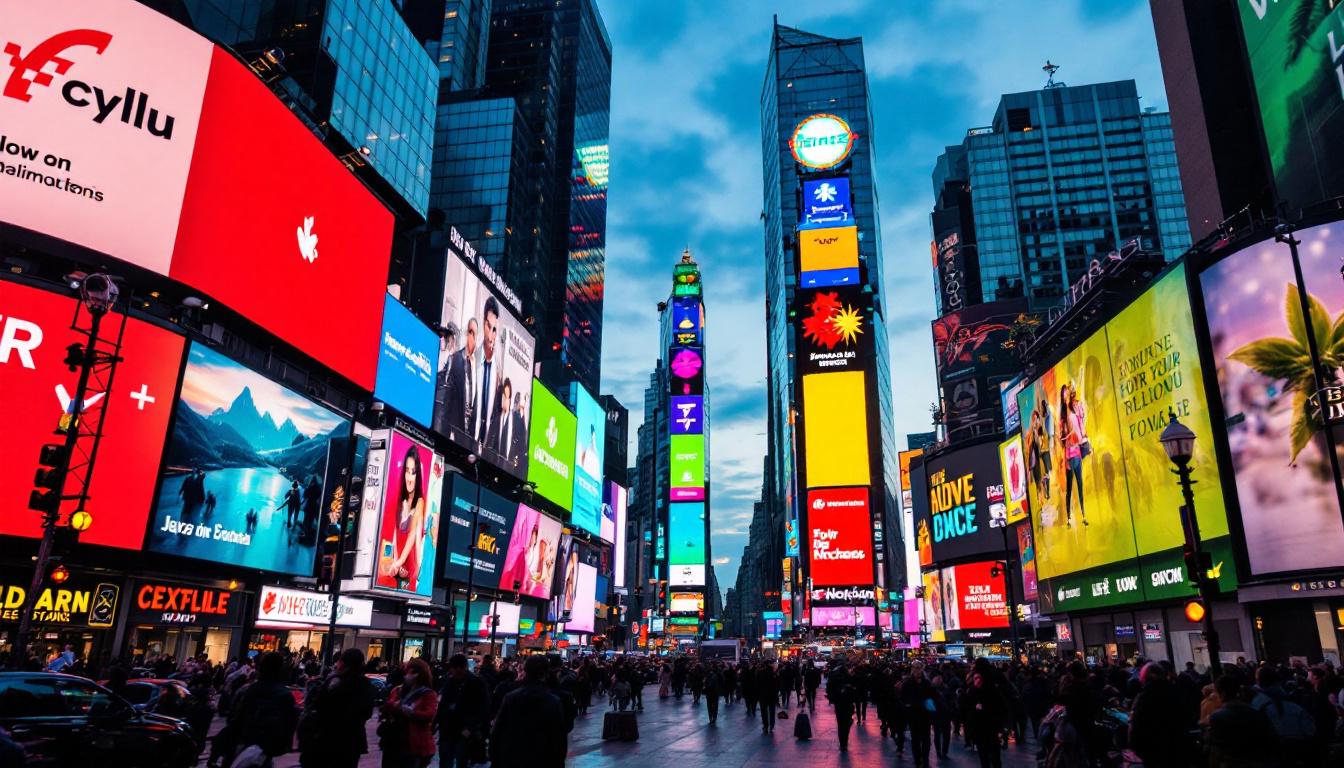
Times Square stands as one of the world’s most iconic urban landmarks, renowned for its dazzling array of LED displays that light up the heart of New York City day and night. These massive digital billboards are more than just advertising spaces; they represent cutting-edge technology, engineering marvels, and significant financial investments. Understanding the cost behind these LED displays offers insight into the complexities of modern urban advertising and the technological infrastructure that powers one of the busiest pedestrian hubs in the world.
The Evolution of Times Square’s LED Displays
Times Square’s transformation from traditional static billboards to dynamic LED displays reflects broader trends in advertising technology and urban design. Originally, Times Square was dominated by painted signs and incandescent bulbs, which, while effective for their time, lacked flexibility and visual impact.
With the advent of LED technology in the late 20th century, advertisers and city planners saw an opportunity to revolutionize the visual landscape. LEDs (Light Emitting Diodes) offered brighter colors, greater energy efficiency, and the ability to display moving images and video content. This shift not only enhanced the aesthetic appeal of Times Square but also created new revenue streams through more engaging and customizable advertisements.
Today, Times Square hosts some of the largest and most advanced LED displays globally, including the famous Nasdaq MarketSite and the Reuters sign, which are capable of delivering high-resolution, full-motion video content that can be updated in real-time. The sheer scale of these displays is staggering; for instance, the Nasdaq sign spans over 7,000 square feet and is equipped with state-of-the-art technology that allows for intricate animations and vibrant graphics, captivating millions of visitors each year.
Moreover, the integration of interactive elements into these LED displays has further transformed the advertising experience. Brands are increasingly utilizing augmented reality (AR) and social media integration, allowing passersby to engage with the content in real-time. For example, campaigns that encourage users to take selfies with a specific display or share their experiences online have become popular, creating a two-way interaction that enhances brand visibility and consumer engagement. This evolution not only reflects advancements in technology but also signifies a shift towards a more immersive and participatory urban environment, where the lines between the digital and physical worlds blur seamlessly.
Breaking Down the Cost Components of LED Displays in Times Square
The cost of installing and maintaining LED displays in Times Square can be broken down into several key components. These include the initial capital expenditure, ongoing operational costs, and ancillary expenses related to installation and maintenance.
1. Initial Capital Investment
The upfront cost of an LED display is influenced by factors such as size, resolution, pixel pitch, and brightness. Pixel pitch — the distance between individual LED clusters — is critical because it determines the display’s clarity and viewing distance. In Times Square, where displays are viewed from varying distances, pixel pitches typically range from 4mm to 10mm, balancing cost and visual quality.
For example, a 1,000 square foot LED billboard with a 6mm pixel pitch can cost between $1 million and $3 million to manufacture and install. Larger displays, such as the 25,000-square-foot Nasdaq MarketSite screen, can cost upwards of $15 million. These figures include the cost of LED modules, control systems, structural supports, and installation labor.
2. Installation and Structural Costs
Installing an LED display in a location like Times Square involves complex engineering challenges. The displays must be securely mounted on existing building facades or custom-built structures that can withstand weather, wind loads, and vibrations from the bustling city environment. Structural reinforcements and specialized mounting hardware add significantly to the total cost.
Moreover, installation requires coordination with city authorities to comply with safety regulations, obtain permits, and minimize disruption to pedestrian and vehicular traffic. The logistical complexity can extend installation timelines and increase labor costs, sometimes accounting for 20-30% of the total project budget.
3. Operational and Maintenance Expenses
Once installed, LED displays require continuous maintenance to ensure optimal performance. This includes routine cleaning, software updates, and replacing malfunctioning LED modules. Given the 24/7 operation of Times Square displays, maintenance teams often work during off-peak hours to avoid disrupting the advertising content or pedestrian flow.
Energy consumption is another significant operational cost. While LEDs are more energy-efficient than traditional lighting, large-scale displays still consume substantial electricity. Advances in LED technology and power management systems have helped reduce these costs, but energy bills can still reach tens of thousands of dollars monthly for the largest installations.
Advertising Costs: What It Takes to Advertise on Times Square LED Displays
Beyond the physical cost of the LED displays themselves, advertisers face substantial expenses to secure airtime in Times Square. The location’s unparalleled visibility and foot traffic make it one of the most coveted advertising spots worldwide, commanding premium prices.
Pricing Models for Times Square Advertising
Advertising on Times Square LED displays is typically priced based on duration, time of day, and screen size. Prime time slots during evenings and holidays, when pedestrian traffic peaks, can cost significantly more than off-peak hours.
For instance, a 10-second advertisement on a mid-sized LED screen during prime evening hours can cost anywhere from $10,000 to $50,000 per day. Larger, high-profile displays can command prices exceeding $100,000 per day for premium time slots. Monthly campaigns on marquee screens can easily reach into the millions of dollars.
Case Study: Major Brand Campaigns
Global brands such as Coca-Cola, Samsung, and Apple have historically invested heavily in Times Square advertising. Coca-Cola’s iconic LED billboard, which spans over 68 feet in height and 42 feet in width, reportedly cost over $10 million to install and regularly features multi-million dollar advertising campaigns.
Samsung’s 2017 launch of the Galaxy S8 featured a Times Square LED display campaign that reportedly cost $5 million for a two-week run, highlighting the premium nature of this advertising venue. These campaigns leverage the dynamic capabilities of LED technology to create immersive, eye-catching content that stands out in a crowded media environment.
Technological Innovations Driving Times Square LED Displays
The LED displays in Times Square are at the forefront of technological innovation, continually evolving to enhance visual impact and operational efficiency.
High-Resolution and Curved Displays
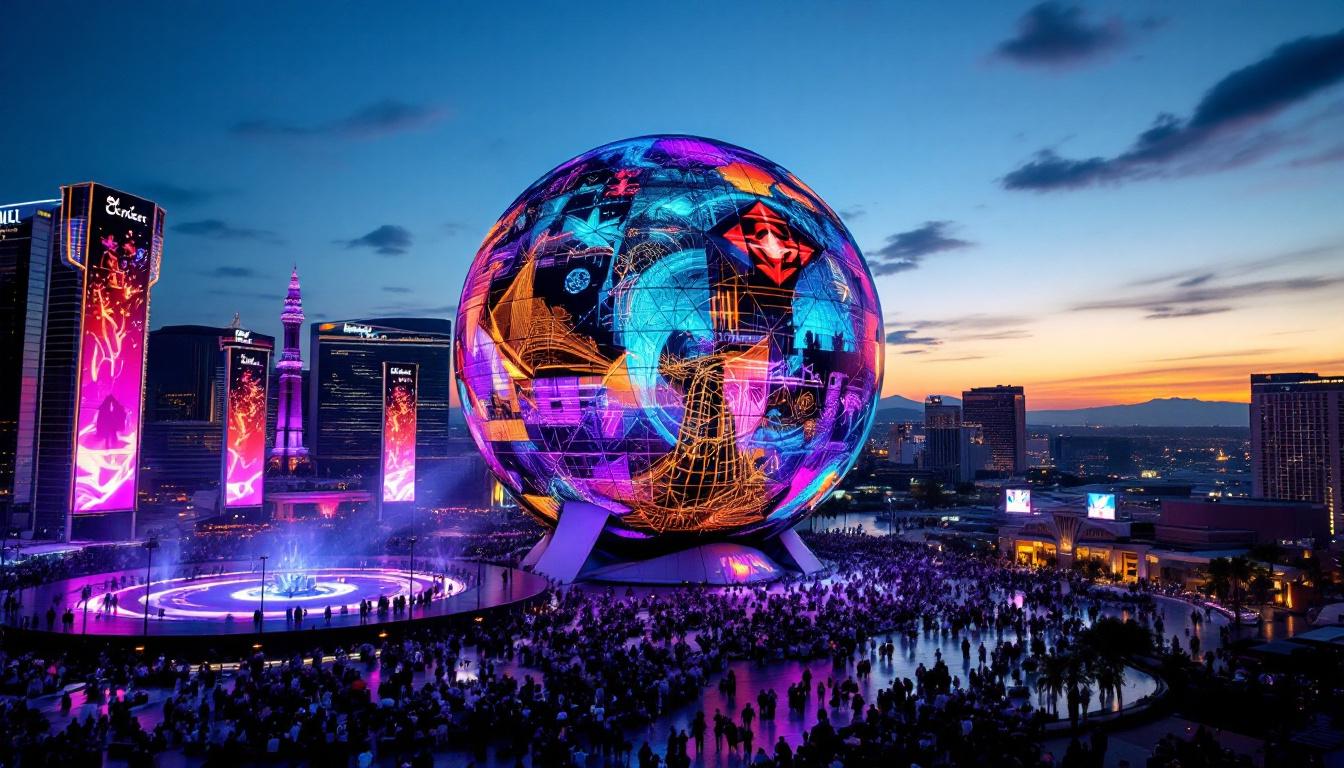
Recent advancements have enabled the creation of curved and irregularly shaped LED displays that conform to building architecture, adding a new dimension to urban advertising. High-resolution panels with pixel pitches as low as 2mm are now feasible, offering near-retina display quality visible even up close.
These innovations allow advertisers to craft unique visual narratives that integrate seamlessly with the surrounding environment, creating memorable experiences for viewers.
Energy Efficiency and Sustainability
Given the environmental concerns associated with large-scale digital signage, many Times Square displays incorporate energy-saving technologies such as adaptive brightness controls and LED modules with improved luminous efficacy. Some displays also integrate solar power and other renewable energy sources to offset electricity consumption.
These efforts not only reduce operational costs but also align with broader sustainability goals embraced by New York City and corporate advertisers alike.
Interactive and Real-Time Content
Modern LED displays in Times Square support interactive content that can respond to real-time data inputs, social media feeds, and audience engagement metrics. This capability transforms static advertising into dynamic storytelling platforms, enhancing consumer engagement and brand recall.
For example, some displays incorporate facial recognition or motion sensors to tailor content based on viewer demographics or behavior, pushing the boundaries of personalized advertising in public spaces.
Regulatory and Logistical Considerations
Operating LED displays in Times Square involves navigating a complex regulatory landscape designed to balance commercial interests with public safety and urban aesthetics.
City Regulations and Permits
New York City enforces strict signage regulations, including limits on brightness levels, flashing frequency, and display size. Advertisers and display owners must obtain permits from the Department of Buildings and the Mayor’s Office of Media and Entertainment, which review proposals for compliance with zoning laws and safety standards.
Additionally, there are restrictions on advertising content to prevent offensive or misleading messages, ensuring that Times Square remains a welcoming environment for all visitors.
Maintenance and Emergency Protocols
Due to the high visibility and public nature of these displays, operators must have robust maintenance and emergency response protocols. This includes rapid repair capabilities to minimize downtime and contingency plans for power outages or technical failures.
Coordination with local emergency services is also essential to ensure that displays do not interfere with public safety communications or emergency lighting requirements.
The Future of Times Square LED Displays
As technology continues to advance and urban environments evolve, the LED displays of Times Square will likely become even more sophisticated, immersive, and integrated into the cityscape.
Augmented Reality and Mixed Media Integration
Emerging technologies such as augmented reality (AR) and mixed reality (MR) offer exciting possibilities for Times Square advertising. Integrating LED displays with AR experiences accessible via smartphones or wearable devices could create multi-layered storytelling that blurs the line between physical and digital worlds.
This fusion could redefine how brands engage with audiences, making Times Square not just a place to see advertisements but an interactive entertainment hub.
Smart City Connectivity
Future LED displays may become nodes in a broader smart city network, communicating with traffic systems, public transportation, and environmental sensors. This connectivity could allow displays to provide real-time information about weather, transit delays, or public safety alerts, enhancing their utility beyond advertising.
Such integration would position Times Square as a model for digital urban infrastructure that serves both commercial and civic functions.
Conclusion
The LED displays of Times Square represent a remarkable intersection of technology, commerce, and urban culture. Their costs reflect not only the expense of cutting-edge hardware and installation but also the value of unparalleled visibility in one of the world’s busiest public spaces.
For advertisers, these displays offer a unique platform to reach millions of people with vibrant, dynamic content. For city planners and technologists, they present ongoing challenges and opportunities to innovate in sustainable, engaging urban design.
Understanding the multifaceted costs behind Times Square’s LED displays deepens appreciation for this vibrant landmark and highlights the sophisticated infrastructure that keeps it glowing brightly around the clock.
Illuminate Your Brand with LumenMatrix
As you marvel at the technological wonders of Times Square’s LED displays, imagine the potential for your own brand to shine in such a vibrant landscape. LumenMatrix, a pioneer in LED display technology, is at the forefront of creating displays that not only capture attention but also enchant viewers with immersive visual experiences. From Indoor and Outdoor LED Wall Displays to innovative solutions like LED Sports and Floor Displays, LumenMatrix offers a spectrum of options to elevate your brand’s presence. Embrace the future of visual communication with our Custom, All-in-One, and Transparent LED Displays. Check out LumenMatrix LED Display Solutions and let your message resonate with brilliance and clarity in the bustling heart of urban spaces.