Difference Of LCD And LED Monitor: LED Display Explained
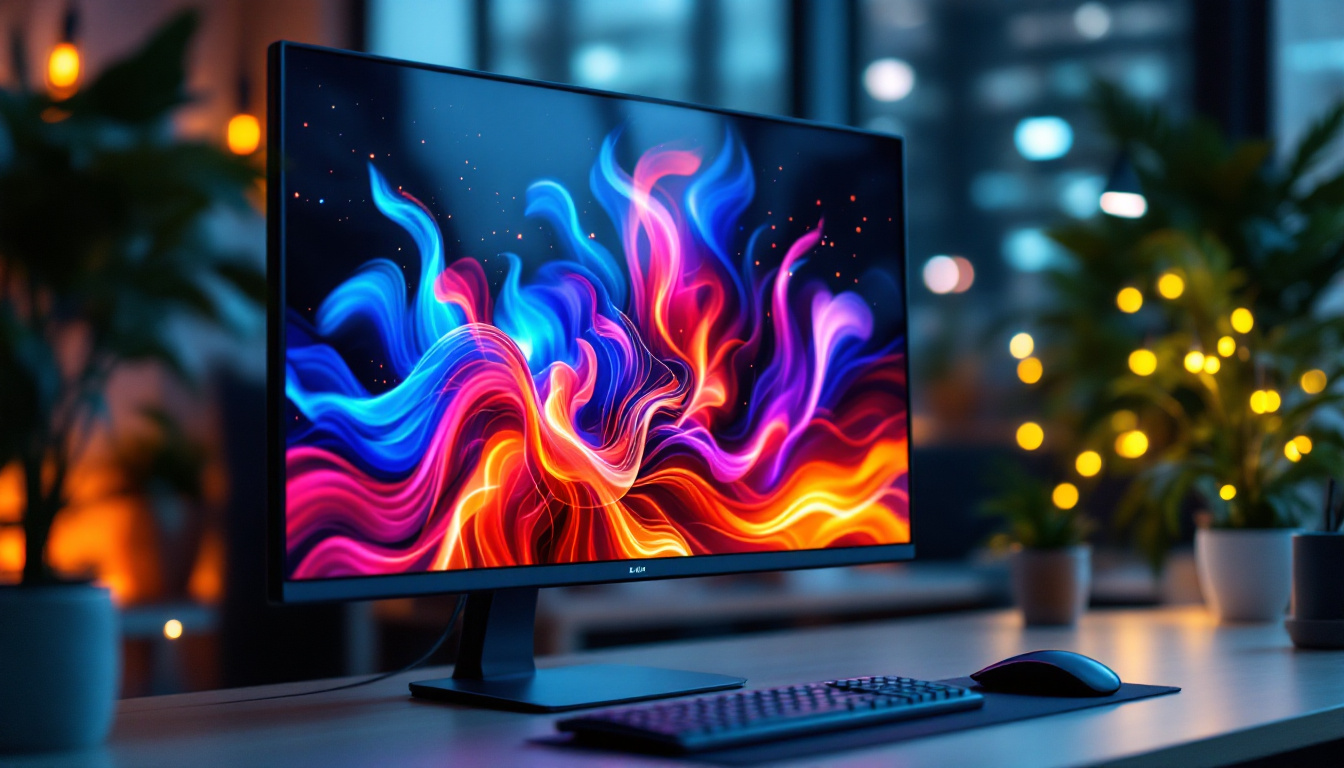
In today’s digital world, choosing the right monitor can significantly impact your computing experience, whether for work, gaming, or entertainment. Among the most common display technologies available are LCD and LED monitors. While these terms are often used interchangeably, they represent distinct technologies with unique characteristics. Understanding the difference between LCD and LED monitors is crucial for making an informed purchase that meets your specific needs.
Understanding LCD Technology
What is an LCD Monitor?
LCD stands for Liquid Crystal Display. This technology uses liquid crystals sandwiched between two layers of glass or plastic. These crystals do not emit light by themselves; instead, they manipulate light passing through them to create images. To make the display visible, an external light source known as a backlight is necessary.
Historically, LCD monitors used cold cathode fluorescent lamps (CCFLs) as backlights. These lamps provided uniform illumination but were bulkier and consumed more power compared to newer technologies. LCDs revolutionized display technology by offering thinner, lighter screens with better energy efficiency than older cathode ray tube (CRT) monitors. The transition from CRT to LCD technology marked a significant milestone in the evolution of visual displays, allowing for more versatile applications in both consumer electronics and professional environments.
In addition to their physical advantages, LCD monitors have also contributed to advancements in display resolution and color accuracy. With the introduction of high-definition (HD) and ultra-high-definition (UHD) formats, LCD technology has enabled users to enjoy sharper images and a broader spectrum of colors, enhancing the overall viewing experience. This has made LCDs the preferred choice for everything from gaming to graphic design, where precision and clarity are paramount.
How Does an LCD Monitor Work?
In an LCD monitor, the backlight shines through a polarizing filter and the liquid crystal layer. By adjusting the orientation of the liquid crystals with electric currents, the monitor controls how much light passes through each pixel. This process modulates the brightness and color of each pixel, generating the images you see on the screen.
Because LCDs rely on an external light source, their image quality depends heavily on the backlight’s performance. This relationship is a key factor that differentiates LCDs from LED monitors. LED monitors, which are essentially a type of LCD that uses light-emitting diodes for backlighting, can achieve higher brightness levels and improved contrast ratios, leading to a more vibrant display. Furthermore, advancements in LCD technology have led to the development of various types of panels, such as In-Plane Switching (IPS) and Twisted Nematic (TN), each offering unique benefits in terms of color reproduction and viewing angles, catering to different user needs and preferences.
Moreover, the versatility of LCD technology extends beyond traditional monitors. It is widely used in televisions, smartphones, and tablets, showcasing its adaptability across various devices. As technology continues to evolve, innovations such as flexible LCD screens and transparent displays are on the horizon, promising to further enhance the way we interact with visual content in our daily lives.
What is an LED Monitor?
LED as a Backlighting Technology
LED stands for Light Emitting Diode. When referring to LED monitors, it’s important to clarify that the display itself is still an LCD panel; the difference lies in the backlighting technology. Instead of using CCFLs, LED monitors employ arrays of LEDs to illuminate the screen.
This shift from fluorescent lamps to LEDs brought several advantages. LEDs are more energy-efficient, have a longer lifespan, and allow for thinner and lighter designs. Additionally, LED backlighting can be more precisely controlled, enabling better contrast and color accuracy.
Types of LED Backlighting
There are two main types of LED backlighting used in monitors:
- Edge-Lit LED: LEDs are positioned along the edges of the screen, and light is spread across the display using light guides. This design allows for ultra-thin monitors but may result in uneven brightness in some cases.
- Direct-Lit or Full-Array LED: LEDs are placed directly behind the LCD panel in a grid. This setup provides more uniform brightness and enables local dimming, where specific areas of the screen can be dimmed independently to enhance contrast.
Key Differences Between LCD and LED Monitors
Backlighting Technology
The fundamental difference lies in the backlighting. Traditional LCD monitors use CCFL backlights, while LED monitors use LED backlights. This distinction affects several performance aspects, including brightness, energy consumption, and design.
LED backlights consume up to 40% less power than CCFLs, making LED monitors more environmentally friendly and cost-effective over time. Moreover, LED backlighting supports higher brightness levels and better color reproduction, which is particularly beneficial for professional photo and video editing.
Image Quality and Contrast
LED monitors generally offer superior image quality compared to traditional LCDs. The ability to implement local dimming with full-array LED backlighting significantly enhances contrast ratios. This means deeper blacks and more vibrant colors, resulting in a more immersive viewing experience.
In contrast, CCFL-backlit LCDs tend to have lower contrast ratios and may exhibit light bleed, where the backlight leaks around the edges of the screen, reducing image uniformity.
Thickness and Design
LED backlighting enables manufacturers to produce thinner and lighter monitors. Edge-lit LED monitors can be incredibly slim, sometimes just a few millimeters thick, making them ideal for modern, minimalist setups.
Traditional LCD monitors with CCFL backlights are bulkier due to the size of the fluorescent tubes and the need for additional components to diffuse the light evenly.
Longevity and Environmental Impact
LED monitors typically have a longer lifespan than CCFL-backlit LCDs. LEDs can last up to 50,000 hours or more, whereas CCFLs generally last around 20,000 to 30,000 hours. This longevity reduces the frequency of replacements and electronic waste.
Additionally, CCFLs contain small amounts of mercury, a hazardous substance that requires careful disposal. LEDs do not contain mercury, making LED monitors a safer and more environmentally responsible choice.
Common Misconceptions About LCD and LED Monitors
LED Monitors are Not OLED
One common confusion is equating LED monitors with OLED (Organic Light Emitting Diode) displays. While both use LEDs, OLED technology is fundamentally different. OLEDs emit light directly from each pixel without the need for a backlight, allowing for even thinner displays with perfect blacks and faster response times.
LED monitors, on the other hand, still rely on an LCD panel and use LEDs solely as a backlight source. This distinction is important when considering features like contrast, color accuracy, and price.
All LCDs Are Not Equal
Not all LCD monitors are created equal. Advances in panel technology, such as IPS (In-Plane Switching) and VA (Vertical Alignment), have improved viewing angles, color reproduction, and response times. These improvements apply to both CCFL and LED-backlit LCDs.
Therefore, when choosing a monitor, it’s essential to consider the panel type alongside the backlighting technology to ensure the best performance for your needs.
Which Monitor Should You Choose?
Consider Your Use Case
Choosing between an LCD and an LED monitor depends largely on how you intend to use the display. For general office work or casual browsing, a traditional LCD monitor may suffice, especially if budget constraints are a factor.
However, for gaming, multimedia consumption, or professional creative work, an LED monitor is generally the better choice. The improved brightness, contrast, and color accuracy enhance the overall experience and can reduce eye strain during prolonged use.
Budget and Availability
LED monitors have become the industry standard, and most new monitors on the market use LED backlighting. This widespread adoption has driven prices down, making LED monitors accessible at various price points.
Conversely, CCFL-backlit LCDs are becoming increasingly rare and are mostly found in older or budget models. Investing in an LED monitor is a more future-proof option, offering better performance and energy efficiency.
Environmental and Energy Considerations
For environmentally conscious consumers, LED monitors offer clear advantages. Lower power consumption translates to reduced electricity bills and a smaller carbon footprint. Additionally, the absence of mercury in LEDs makes disposal safer and more eco-friendly.
Future Trends in Monitor Technology
Mini-LED and Micro-LED Displays
Building on LED technology, Mini-LED and Micro-LED displays are emerging as the next generation of monitors. Mini-LEDs use thousands of tiny LEDs for backlighting, enabling even more precise local dimming and higher contrast ratios. Micro-LEDs, meanwhile, are self-emissive like OLEDs but boast higher brightness and longer lifespans without burn-in issues.
These technologies promise to further blur the lines between LCD and LED monitors, offering unprecedented image quality and energy efficiency.
Integration with HDR and Higher Refresh Rates
Modern LED monitors increasingly support High Dynamic Range (HDR) content, delivering richer colors and improved brightness. Coupled with higher refresh rates (120Hz, 144Hz, or more), these features cater especially well to gamers and content creators seeking smooth, vibrant visuals.
Conclusion
While the terms LCD and LED monitors are often used interchangeably, the distinction lies primarily in the backlighting technology. Traditional LCD monitors use CCFL backlights, whereas LED monitors employ LED backlighting, resulting in better energy efficiency, thinner designs, and superior image quality.
Understanding these differences helps consumers make informed decisions aligned with their needs, budget, and environmental considerations. As display technology continues to evolve with innovations like Mini-LED and Micro-LED, the future promises even more impressive visual experiences.
For most users today, an LED-backlit LCD monitor offers the best balance of performance, efficiency, and affordability, making it the preferred choice in the vast majority of applications.
Explore the Future of Display Technology with LumenMatrix
Ready to experience the pinnacle of display innovation? LumenMatrix invites you to discover our comprehensive range of LED display solutions, crafted to bring your visual communication to life. From Indoor and Outdoor LED Walls to specialized displays for Vehicles, Sports, and even Custom configurations, our products are designed to captivate and engage your audience. Embrace the future with our All-in-One LED Displays and see-through the ordinary with our LED Transparent Displays. Check out LumenMatrix LED Display Solutions today and transform your space into a dynamic visual experience.