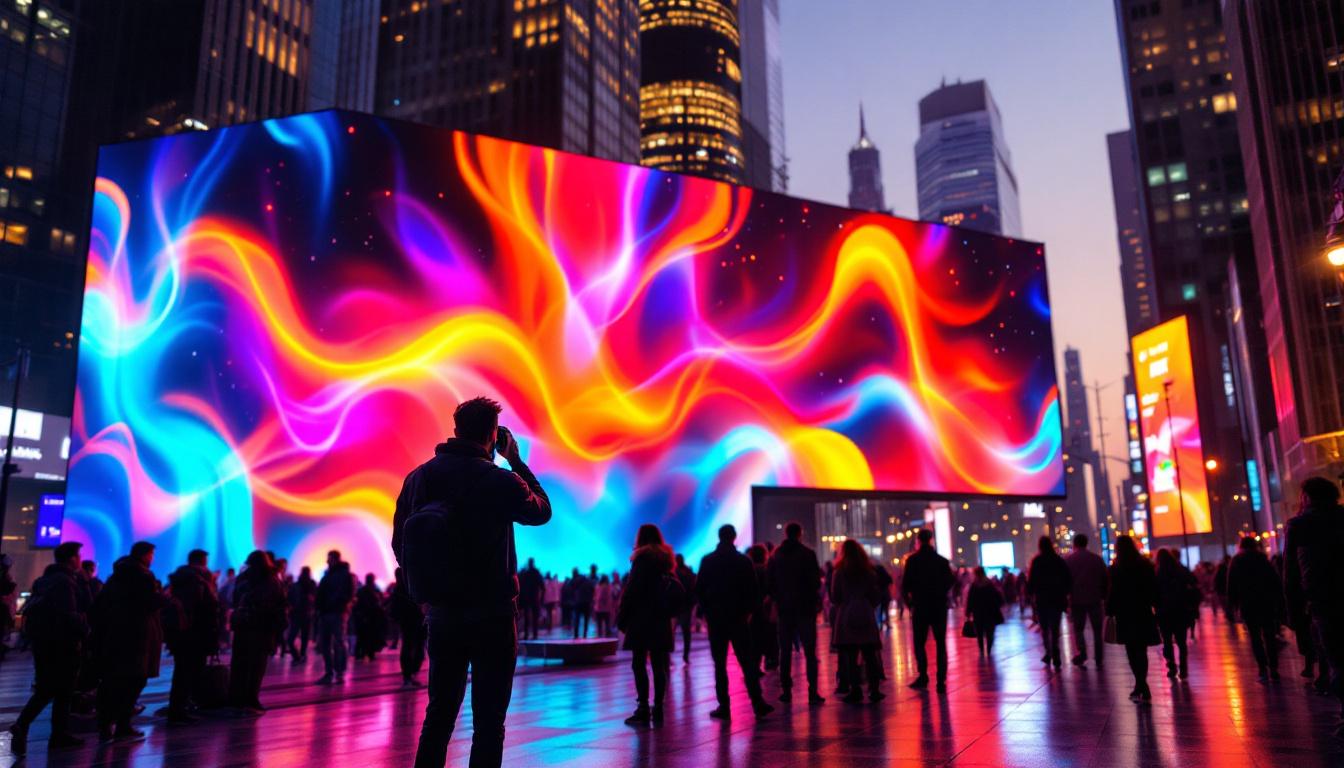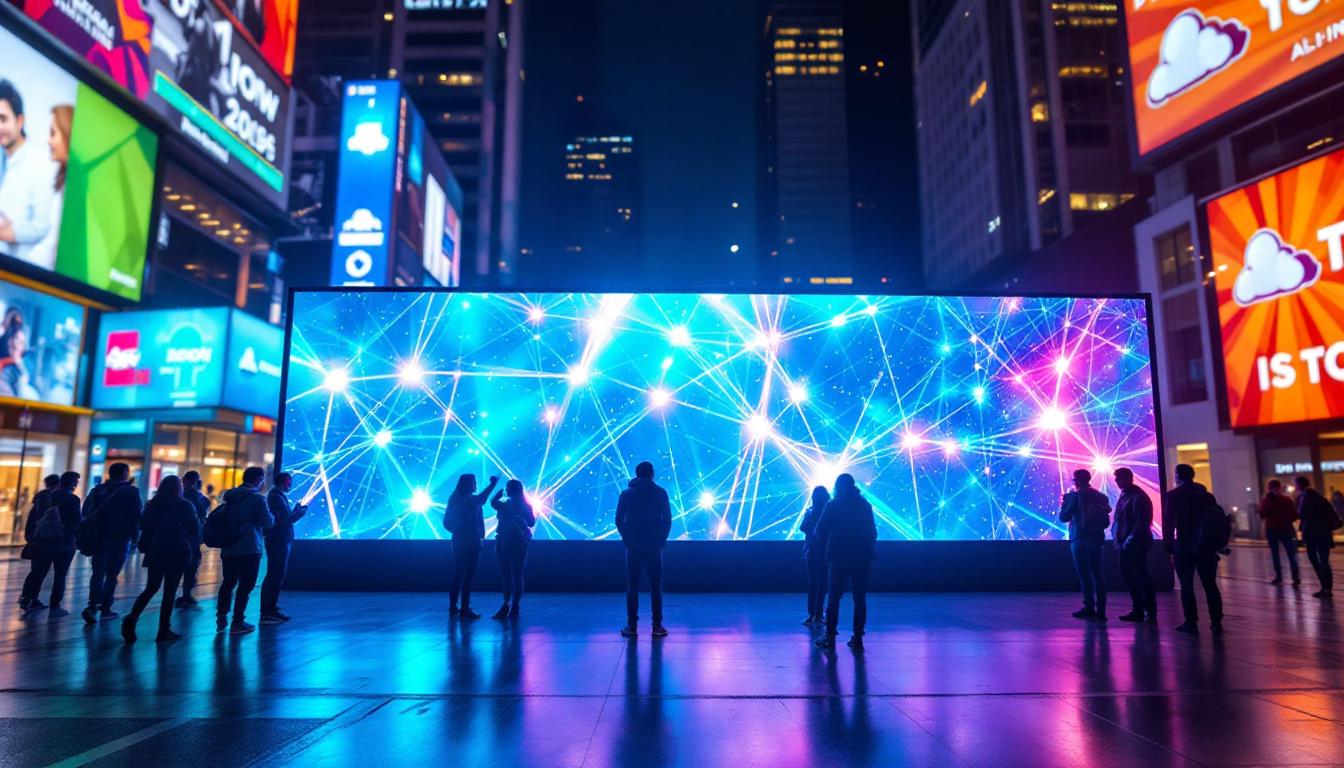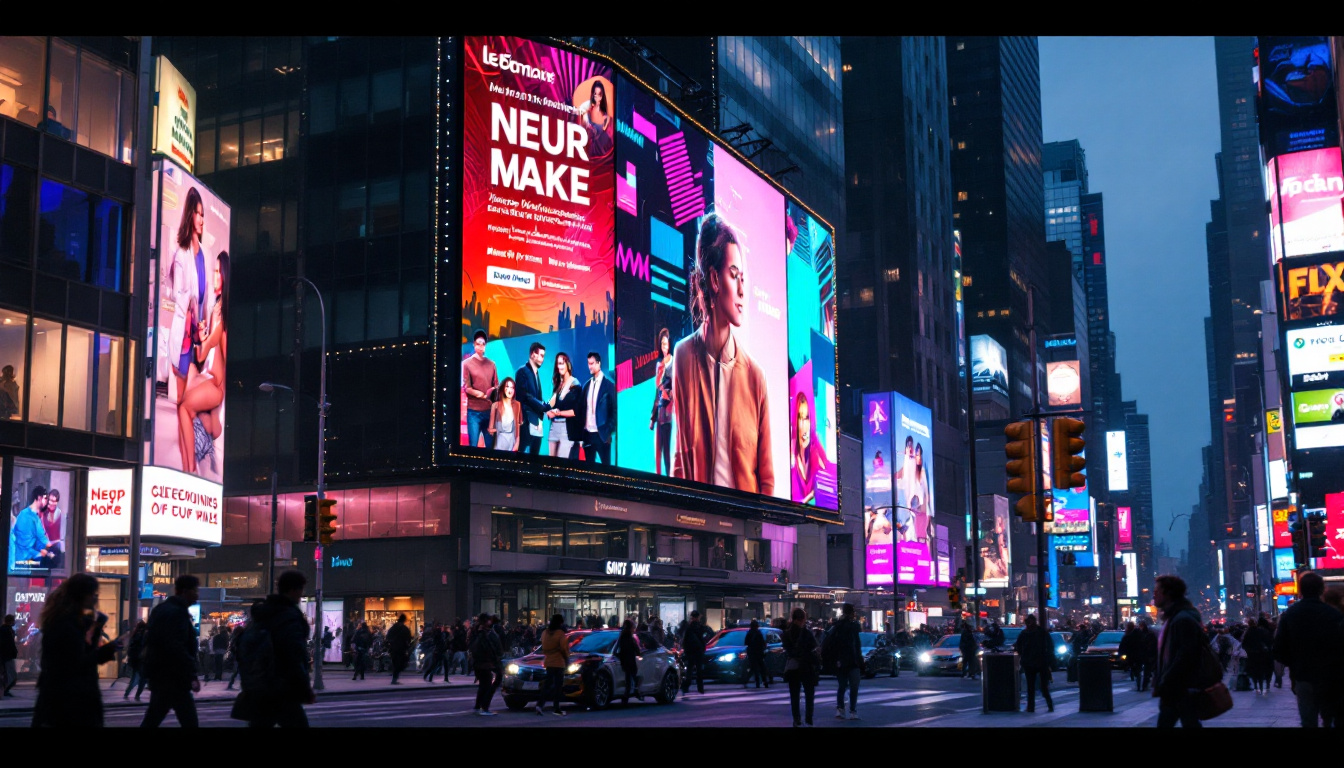
In today’s digital era, LED displays have become a cornerstone technology in advertising, entertainment, and information dissemination. From towering billboards in Times Square to the vibrant screens at sports arenas, LED displays captivate audiences with their brightness, clarity, and versatility. But what exactly goes into these luminous giants? This article dives deep into the world of LED displays, exploring their technology, types, advantages, and applications to provide a comprehensive understanding of this dynamic medium.
Understanding LED Display Technology
At its core, an LED display is a flat panel that uses light-emitting diodes (LEDs) as pixels to create images and videos. Unlike traditional LCD screens that rely on backlighting, LED displays produce light directly from each pixel, resulting in superior brightness and contrast.
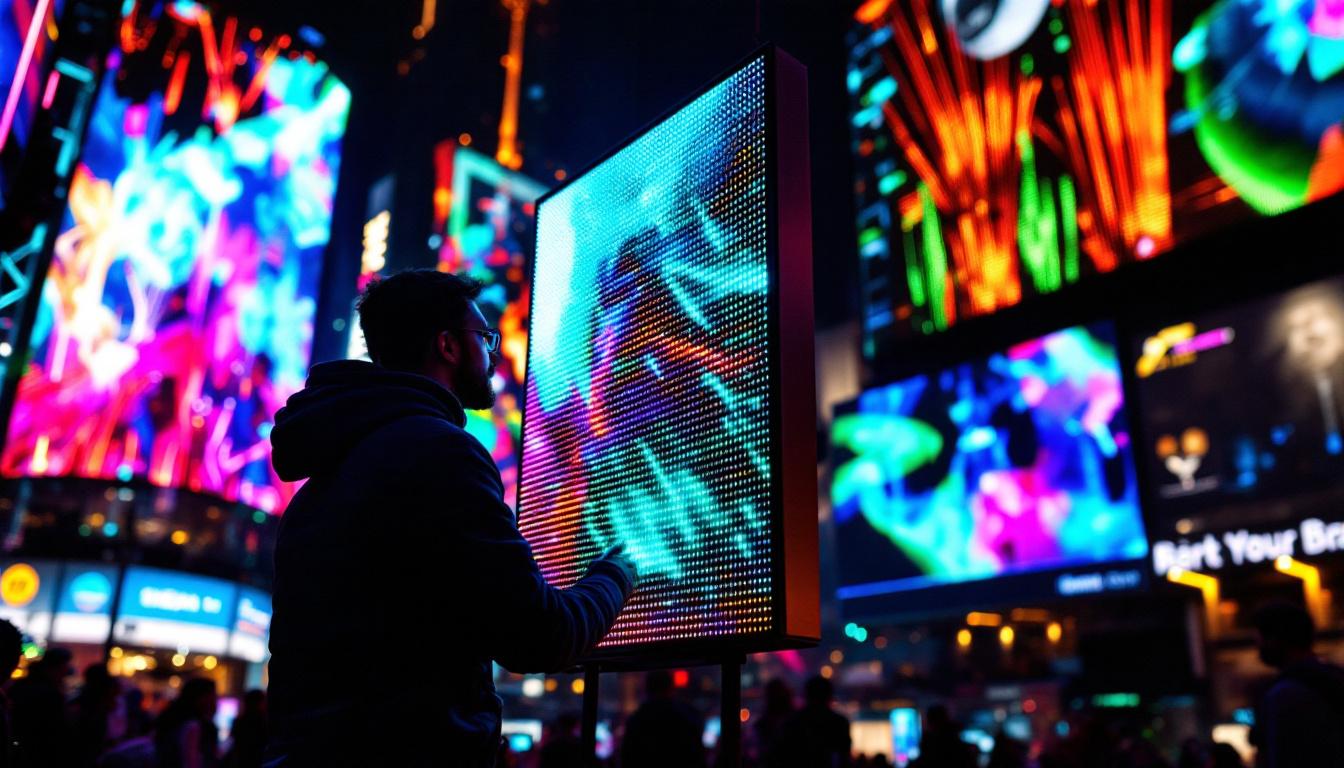
The fundamental building block of an LED display is the LED itself—a semiconductor device that emits light when an electric current passes through it. These LEDs are arranged in a grid, and by controlling the intensity of each diode, the display can render complex images and videos with vivid colors and sharp details.
Modern LED displays typically use three primary colors—red, green, and blue (RGB)—to produce a full spectrum of colors through additive color mixing. By varying the brightness of each color diode, millions of colors can be displayed, enabling lifelike visuals that engage viewers effectively.
How LEDs Differ from Other Display Technologies
Compared to LCD (liquid crystal display) and OLED (organic LED) technologies, LED displays offer unique advantages. While OLEDs also use LEDs, they are organic and typically used in smaller screens like smartphones and televisions. Large-scale LED displays, often called direct-view LED displays, use inorganic LEDs that are more durable and suitable for outdoor environments.
LCD screens rely on a backlight shining through liquid crystals, which can limit brightness and viewing angles. LED displays, by contrast, emit their own light, resulting in better visibility in bright conditions and wider viewing angles. This makes LED displays the preferred choice for outdoor advertising and large venues.
Types of LED Displays
LED displays come in various forms tailored to different applications and environments. Understanding these types helps in selecting the right display for specific needs.
Indoor LED Displays
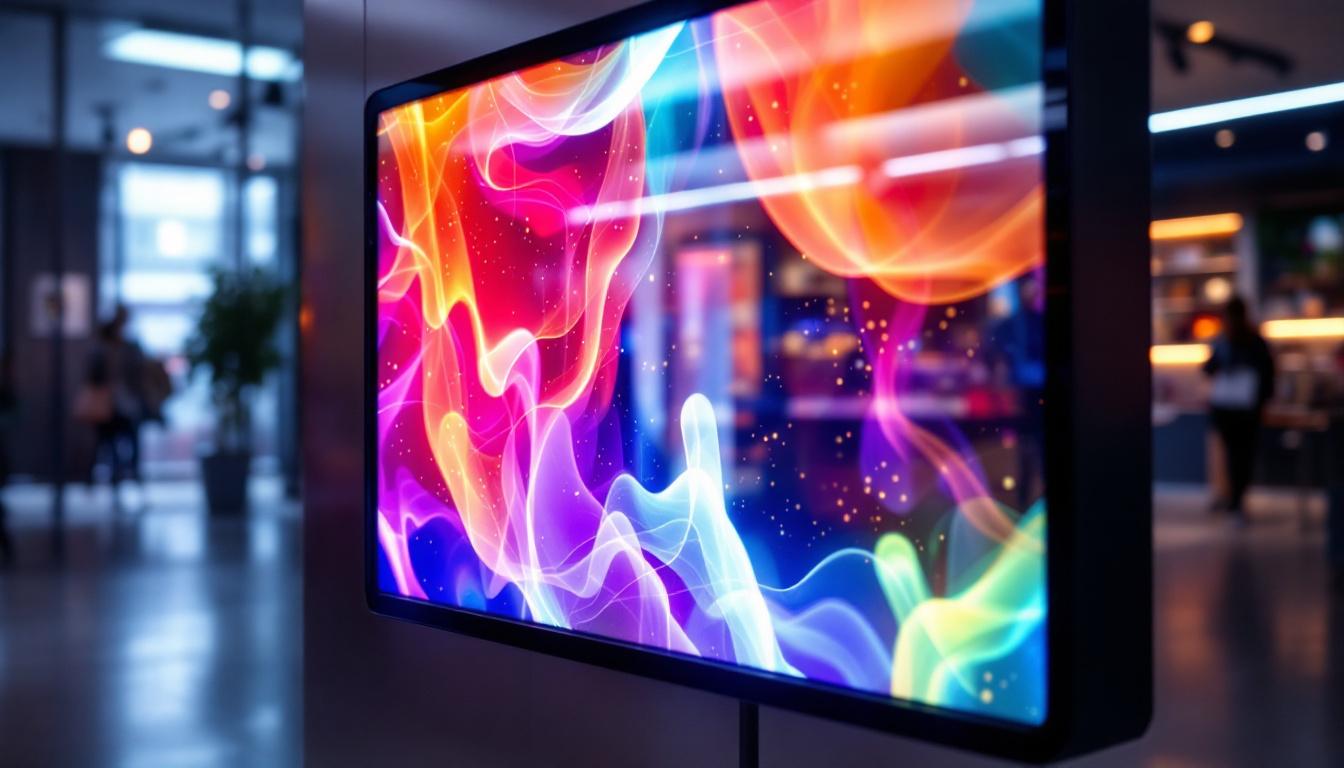
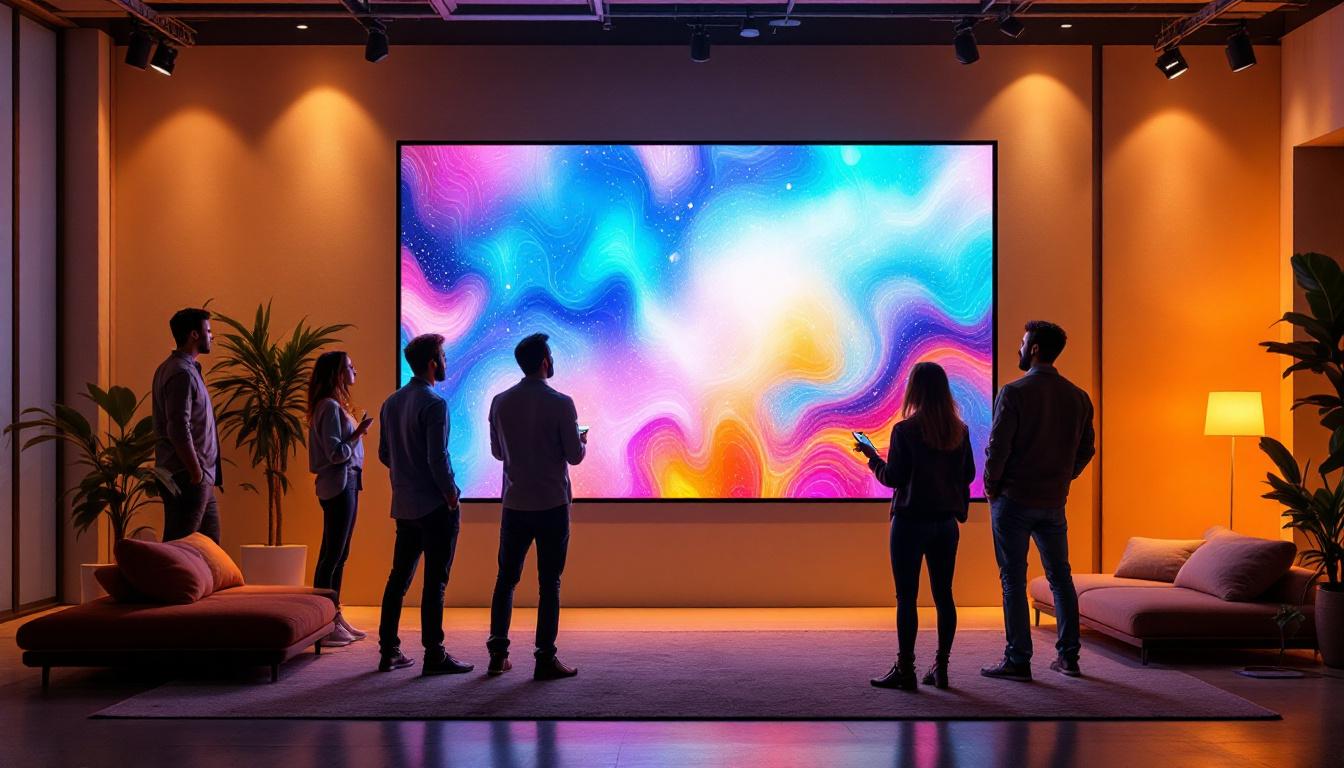
Indoor LED displays are designed for environments with controlled lighting, such as shopping malls, conference halls, and airports. These displays typically have a smaller pixel pitch—the distance between the centers of two adjacent LEDs—ranging from 1mm to 4mm. A smaller pixel pitch means higher resolution and sharper images, which is essential for close viewing distances.
Because indoor environments are less exposed to harsh weather, these displays can prioritize image quality and color accuracy. They are often used for digital signage, video walls, and interactive displays.
Outdoor LED Displays
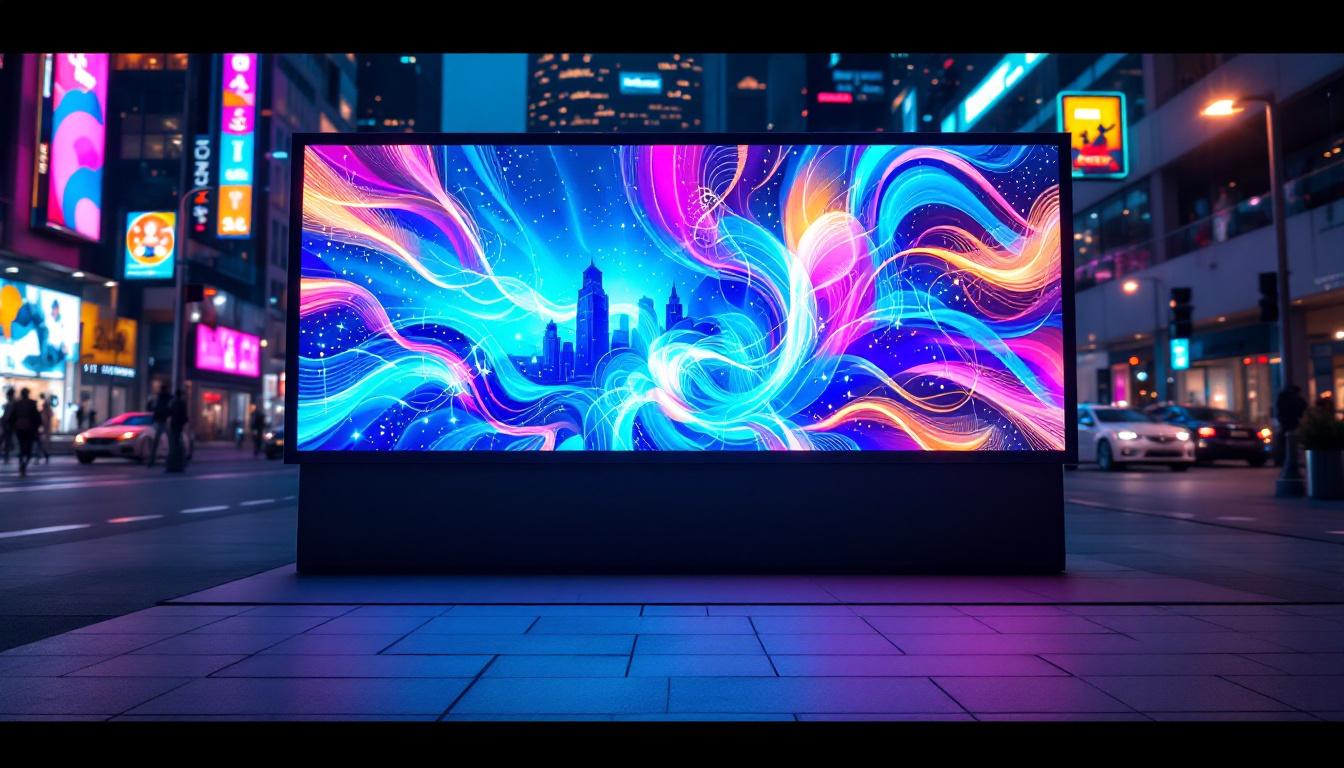
Outdoor LED displays are built to withstand weather conditions such as rain, wind, and sunlight. They feature a larger pixel pitch, usually between 4mm and 20mm, to ensure visibility from greater distances. Brightness levels are significantly higher—often exceeding 5,000 nits—to combat direct sunlight glare.
These displays are common in billboards, stadium screens, and public information boards. Their robust construction includes waterproof and dustproof enclosures, ensuring long-term durability.
Transparent LED Displays
Transparent LED displays are an innovative variant that allows light to pass through the screen, making them ideal for storefront windows and architectural installations. These displays integrate LEDs into a transparent substrate, enabling dynamic content display without obstructing the view behind the screen.
This technology is gaining traction in retail and commercial spaces where maintaining visibility while delivering advertising messages is critical.
Flexible and Curved LED Displays
Advances in LED technology have enabled the creation of flexible and curved displays that can wrap around surfaces or form unique shapes. These displays open new possibilities for creative installations in museums, exhibitions, and entertainment venues.
By combining modular LED panels with flexible materials, designers can craft immersive environments that engage audiences in novel ways.
Key Advantages of LED Displays
LED displays offer several compelling benefits that make them a preferred choice across industries. Understanding these advantages sheds light on why LED technology continues to dominate the display market.
Superior Brightness and Visibility
One of the most significant advantages of LED displays is their exceptional brightness. With luminance levels often exceeding 5,000 nits for outdoor displays, they remain visible even under direct sunlight. This brightness ensures that messages are conveyed clearly, enhancing the effectiveness of advertising and information dissemination.
Energy Efficiency
Compared to other lighting and display technologies, LEDs consume less power while delivering high brightness. This energy efficiency translates into lower operating costs and reduced environmental impact, aligning with the growing emphasis on sustainable business practices.
Durability and Longevity
LED displays are known for their robustness and long lifespan. Inorganic LEDs can operate for tens of thousands of hours without significant degradation. Their solid-state nature makes them resistant to shocks and vibrations, making them suitable for outdoor and high-traffic environments.
High Refresh Rates and Color Accuracy
Modern LED displays support high refresh rates, often exceeding 1,000 Hz, which ensures smooth video playback without flicker. This is particularly important for broadcasting live events and dynamic content. Additionally, advanced LED displays offer excellent color accuracy and uniformity, enhancing viewer experience.
Scalability and Customization
LED displays are modular, allowing for easy scaling from small screens to massive video walls. This flexibility enables businesses to customize display sizes and shapes to fit specific spaces and requirements, making LED technology highly adaptable.
Applications of LED Displays Across Industries
The versatility of LED displays has led to their widespread adoption across various sectors. Each industry leverages the unique strengths of LED technology to meet its communication and engagement goals.
Advertising and Marketing
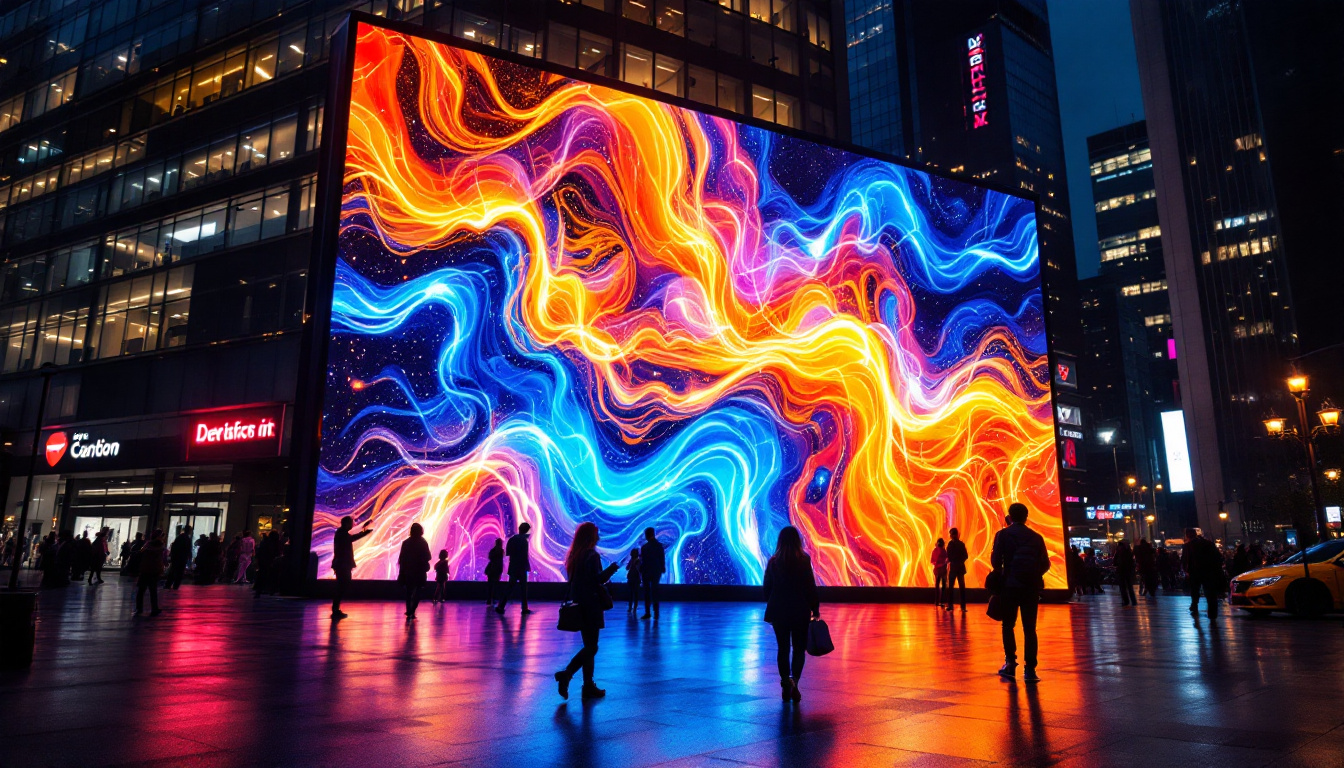
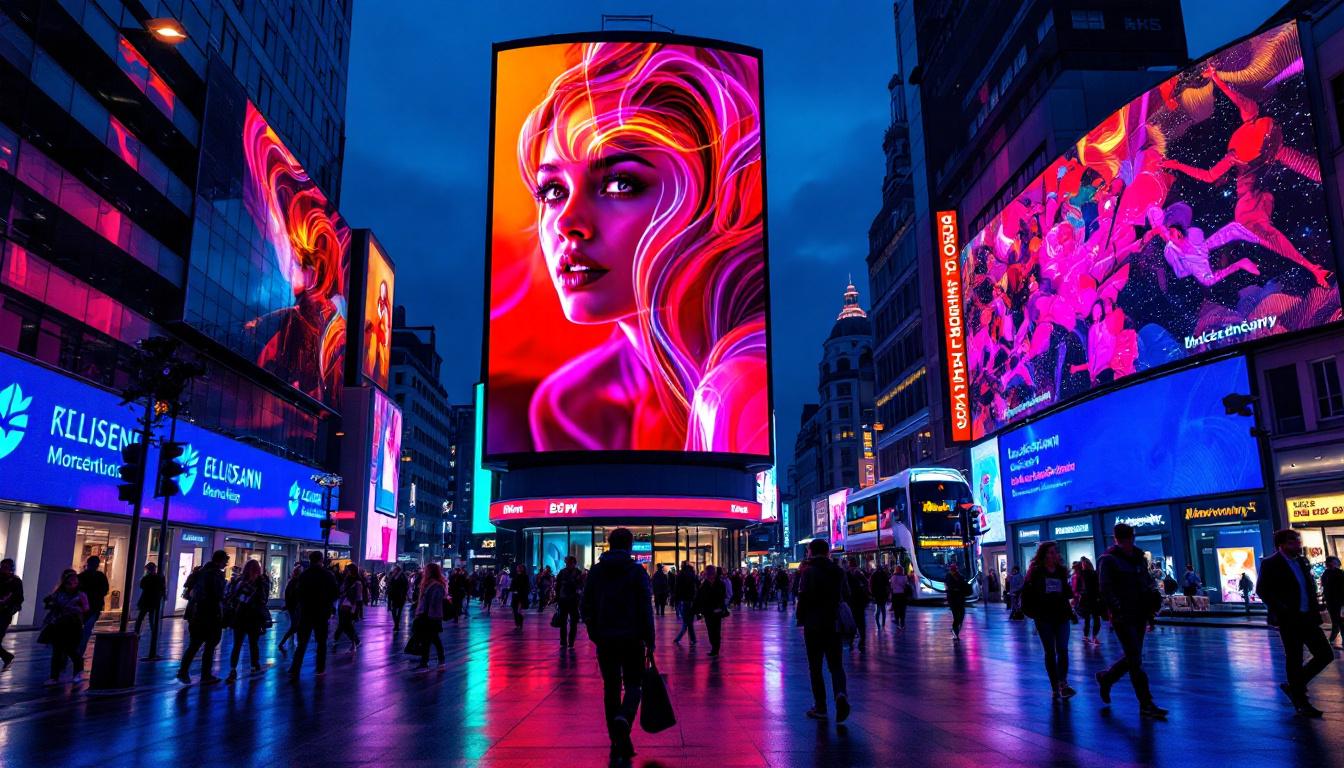
Outdoor LED billboards have revolutionized advertising by enabling dynamic, eye-catching content that can be updated in real-time. Digital signage in retail stores enhances customer engagement by promoting products and sales with vivid visuals. According to a report by Grand View Research, the global digital signage market is expected to reach $32.84 billion by 2028, driven largely by LED display adoption.
Sports and Entertainment
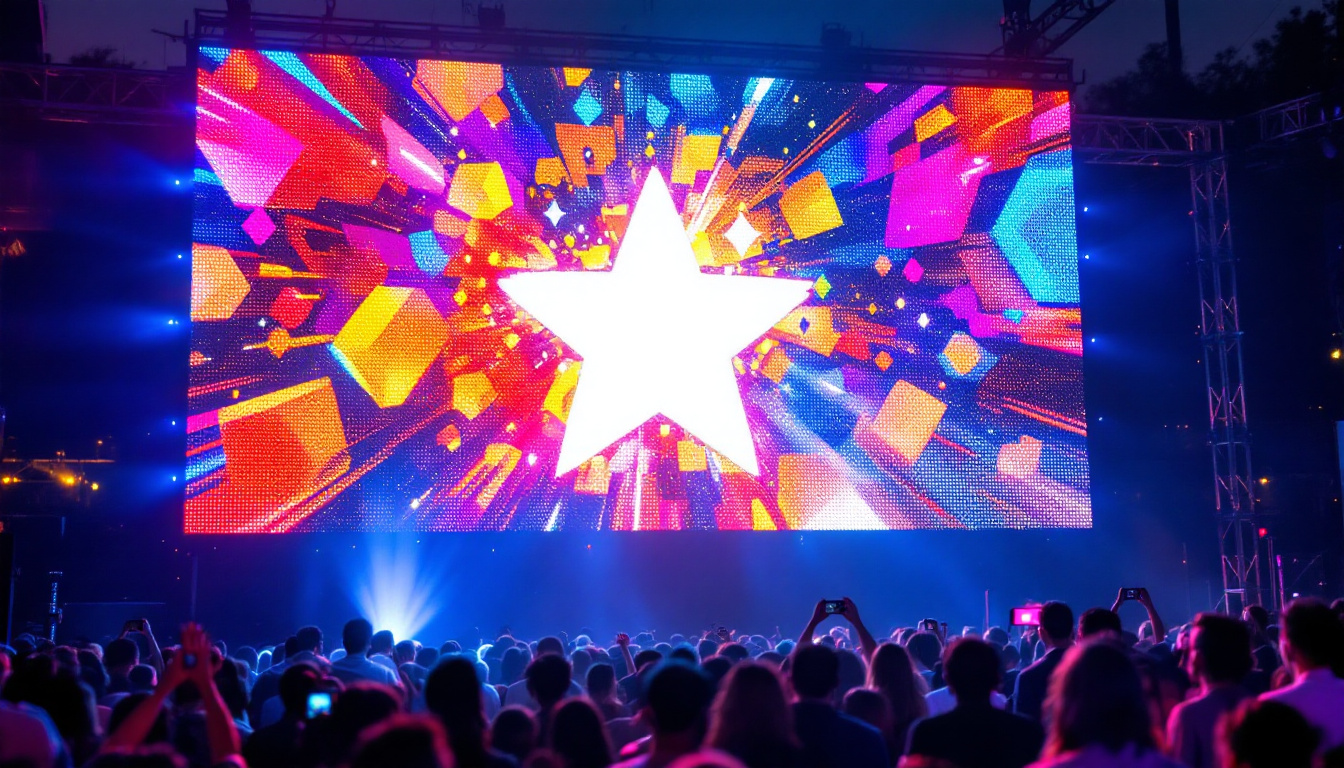
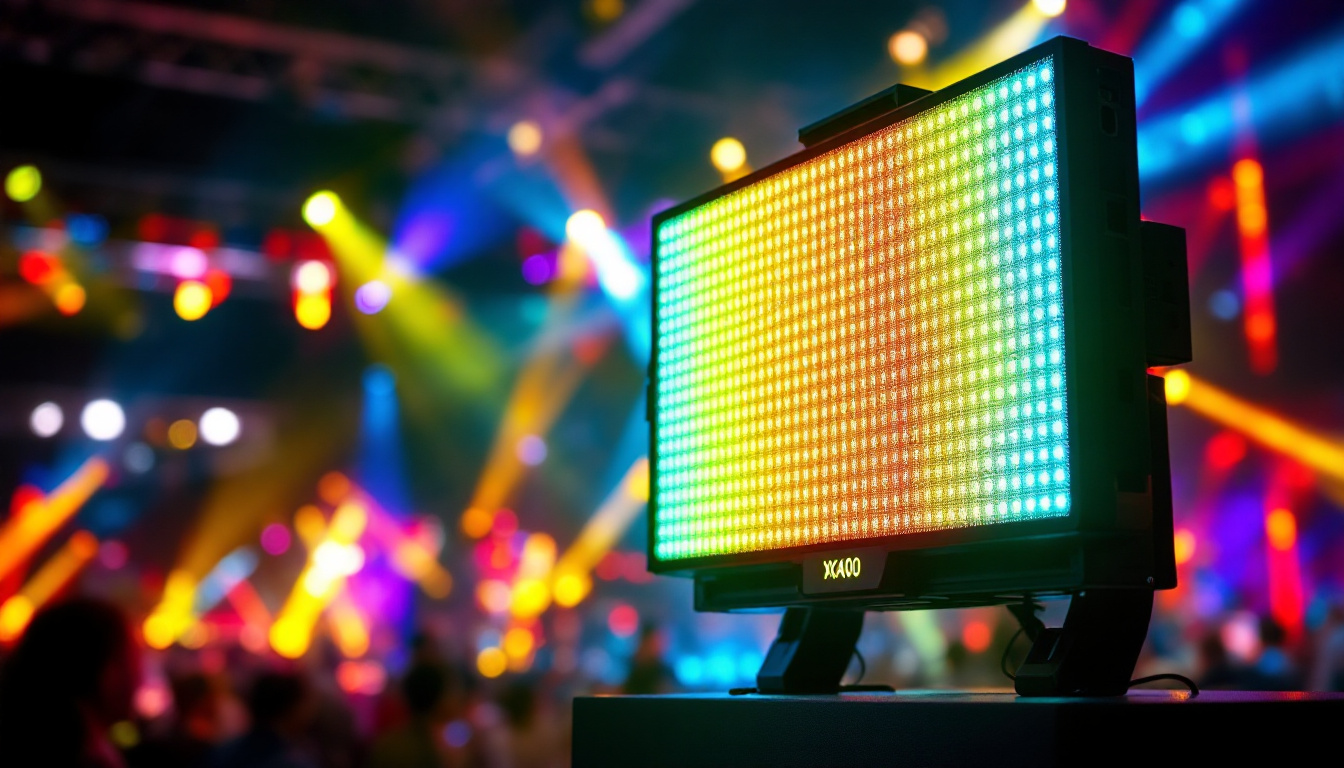
LED displays are integral to modern sports venues, providing scoreboards, instant replays, and immersive fan experiences. Concerts and events use large LED walls to create stunning visual effects that complement performances. The ability to produce large, bright, and seamless displays makes LEDs indispensable in these settings.
Transportation and Public Information
Airports, train stations, and bus terminals utilize LED displays for real-time scheduling, wayfinding, and emergency notifications. Their high visibility ensures that travelers receive critical information promptly, improving operational efficiency and safety.
Corporate and Education Environments
LED video walls are increasingly common in corporate lobbies, conference rooms, and educational institutions. They facilitate presentations, video conferencing, and digital communication, enhancing collaboration and engagement.
Healthcare
Hospitals and clinics use LED displays for patient information, wayfinding, and health education. The clarity and brightness of LED screens help ensure that important messages are accessible to all visitors.
Choosing the Right LED Display: Factors to Consider
Selecting an LED display involves careful consideration of multiple factors to ensure optimal performance and return on investment.
Pixel Pitch and Resolution
Pixel pitch determines the resolution and viewing distance of the display. Smaller pixel pitches yield higher resolution but come at a higher cost. For close viewing, such as indoor retail displays, a pixel pitch of 1-2mm is ideal. For billboards viewed from afar, a larger pitch of 10-20mm suffices.
Brightness and Contrast Ratio
Brightness should match the ambient lighting conditions. Outdoor displays require higher brightness levels to remain visible in daylight, while indoor displays can operate at lower brightness for comfort and energy savings. Contrast ratio affects image depth and clarity, critical for high-quality visuals.
Durability and Weather Resistance
For outdoor installations, displays must have IP ratings indicating protection against dust and water. An IP65 rating or higher is typically recommended for exposed environments.
Viewing Angle
Wide viewing angles ensure that content is visible from various positions. This is particularly important in public spaces where audiences move around.
Installation and Maintenance
Modular designs simplify installation and allow for easy maintenance. Consider the availability of technical support and warranty services when choosing a supplier.
The Future of LED Display Technology
LED display technology continues to evolve rapidly, driven by innovations in materials, manufacturing, and software integration.
MicroLED and MiniLED
Emerging technologies like MicroLED and MiniLED promise even higher resolution, better color accuracy, and improved energy efficiency. MicroLEDs, with their microscopic size, enable ultra-high-definition displays suitable for smartphones, TVs, and augmented reality devices.
Integration with IoT and AI
Smart LED displays integrated with Internet of Things (IoT) sensors and artificial intelligence (AI) can deliver personalized content based on audience demographics, weather, and other real-time data. This enhances engagement and advertising effectiveness.
Environmental Sustainability
Manufacturers are focusing on eco-friendly materials and recycling programs to reduce the environmental footprint of LED displays. Energy-efficient designs and longer lifespans contribute to sustainability goals.
Conclusion
LED displays have transformed the way information and entertainment are delivered across the globe. Their unparalleled brightness, versatility, and durability make them indispensable in a wide range of applications—from advertising and sports to transportation and healthcare. As technology advances, LED displays will become even more sophisticated, offering richer visuals and smarter interactions.
For businesses and organizations looking to engage audiences effectively, understanding the nuances of LED display technology is crucial. Whether selecting a display for indoor use or a massive outdoor billboard, considering factors like pixel pitch, brightness, and durability ensures the best results. The future of LED displays is bright—literally and figuratively—and promises exciting possibilities for communication and creativity.
Illuminate Your Message with LumenMatrix
Ready to elevate your visual impact? LumenMatrix is at the forefront of LED display innovation, offering a diverse range of solutions tailored to your unique needs. From vibrant Indoor LED Wall Displays to dynamic Outdoor LED Wall Displays, and from sleek LED Posters to immersive LED Sports and Floor Displays, our technology is designed to captivate and engage. Embrace the future of visual communication with our Custom, All-in-One, and Transparent LED Displays. Check out LumenMatrix LED Display Solutions today and transform how you connect with your audience.