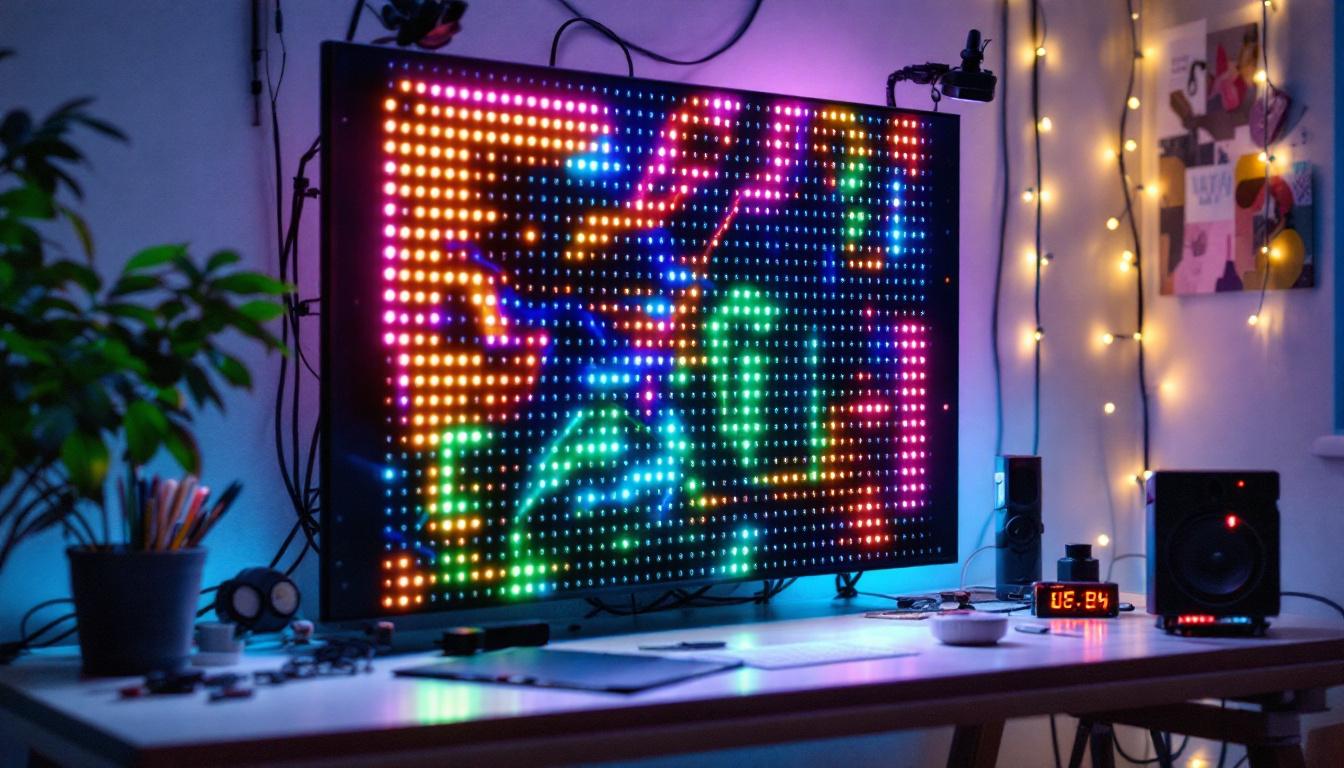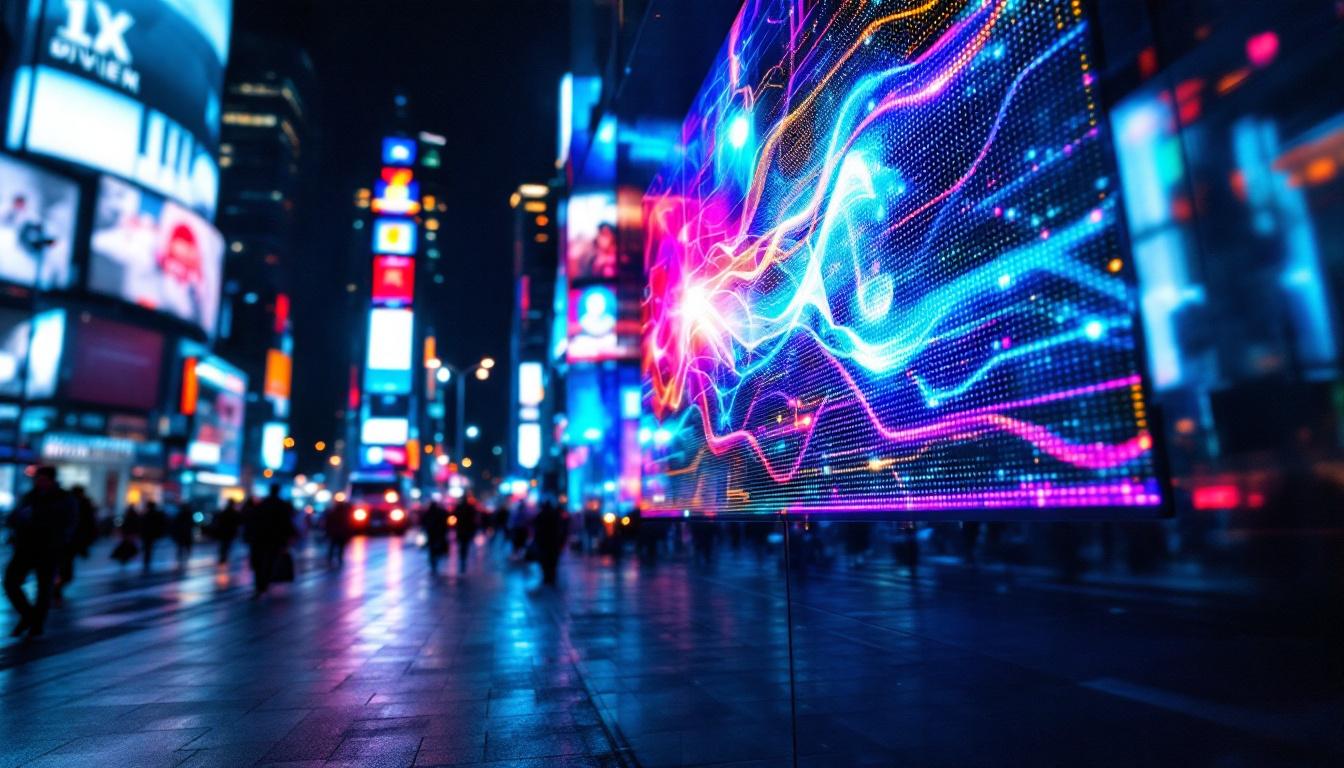
In today’s visually driven world, LED displays have become an integral part of how information and advertising are presented. From the vibrant billboards in Times Square to the massive screens at sports arenas, LED technology has revolutionized the way images and videos are displayed. This article delves into the world of LED displays, explaining their technology, applications, and why they continue to dominate the visual communication landscape.
Understanding LED Display Technology
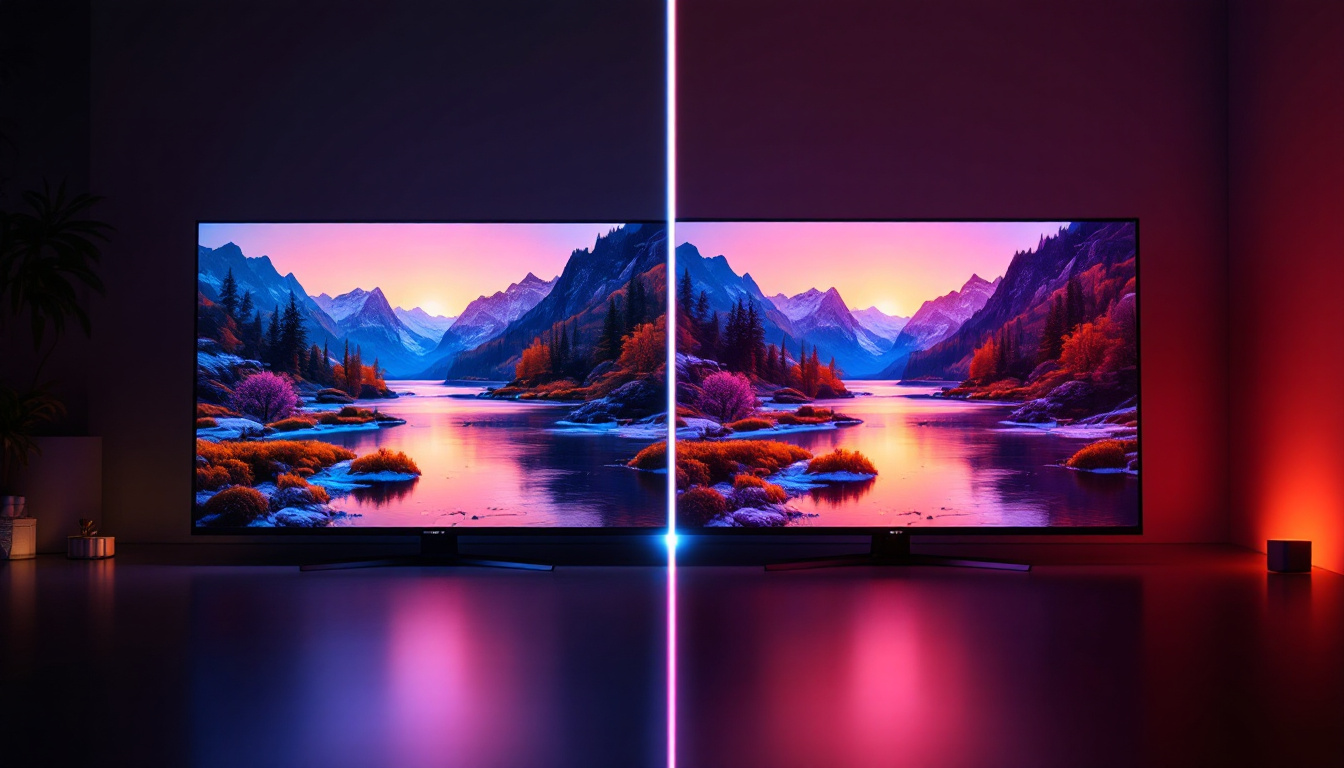
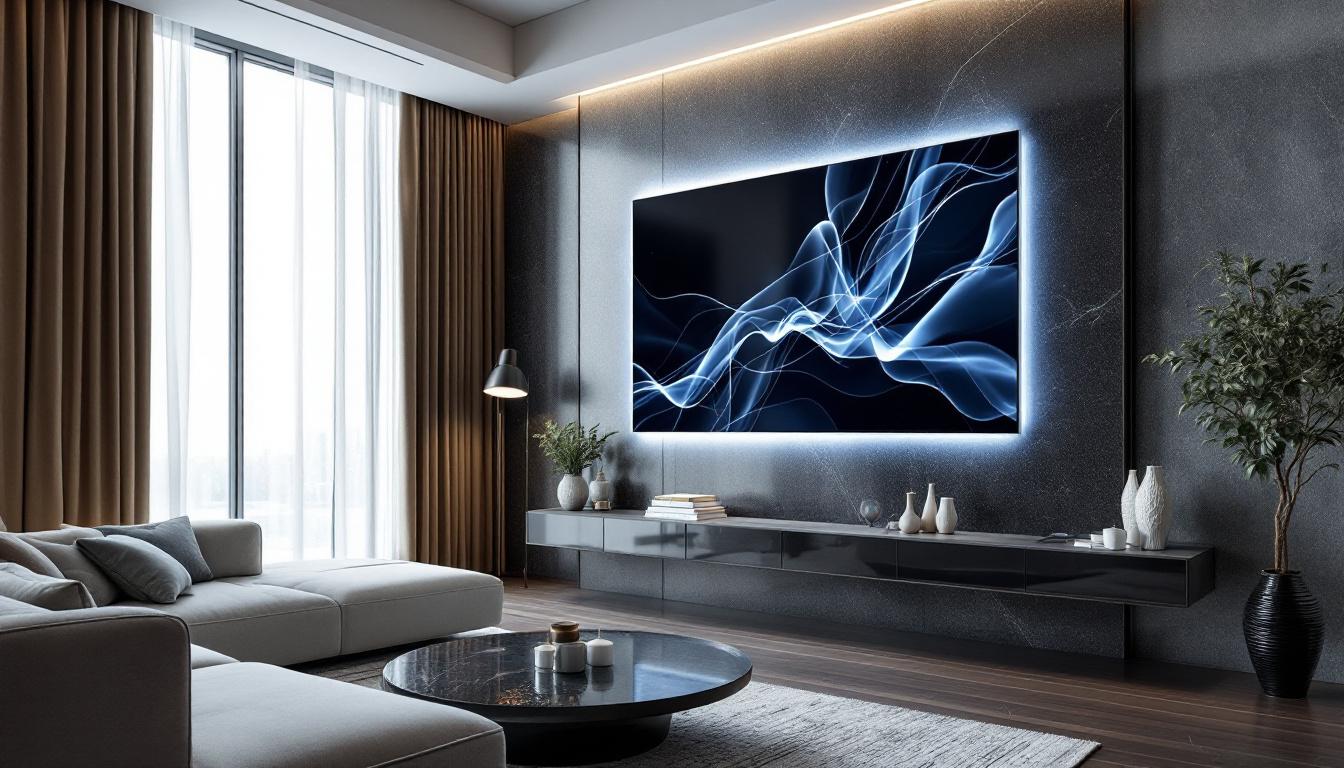
At its core, an LED display is a flat panel display that uses light-emitting diodes (LEDs) as pixels to create images. Unlike traditional LCD screens that rely on backlighting, LED displays use tiny LEDs that emit their own light, resulting in brighter and more vivid images. This self-illuminating property allows LED displays to achieve higher brightness levels, making them ideal for environments with high ambient light, such as stadiums or outdoor advertising.
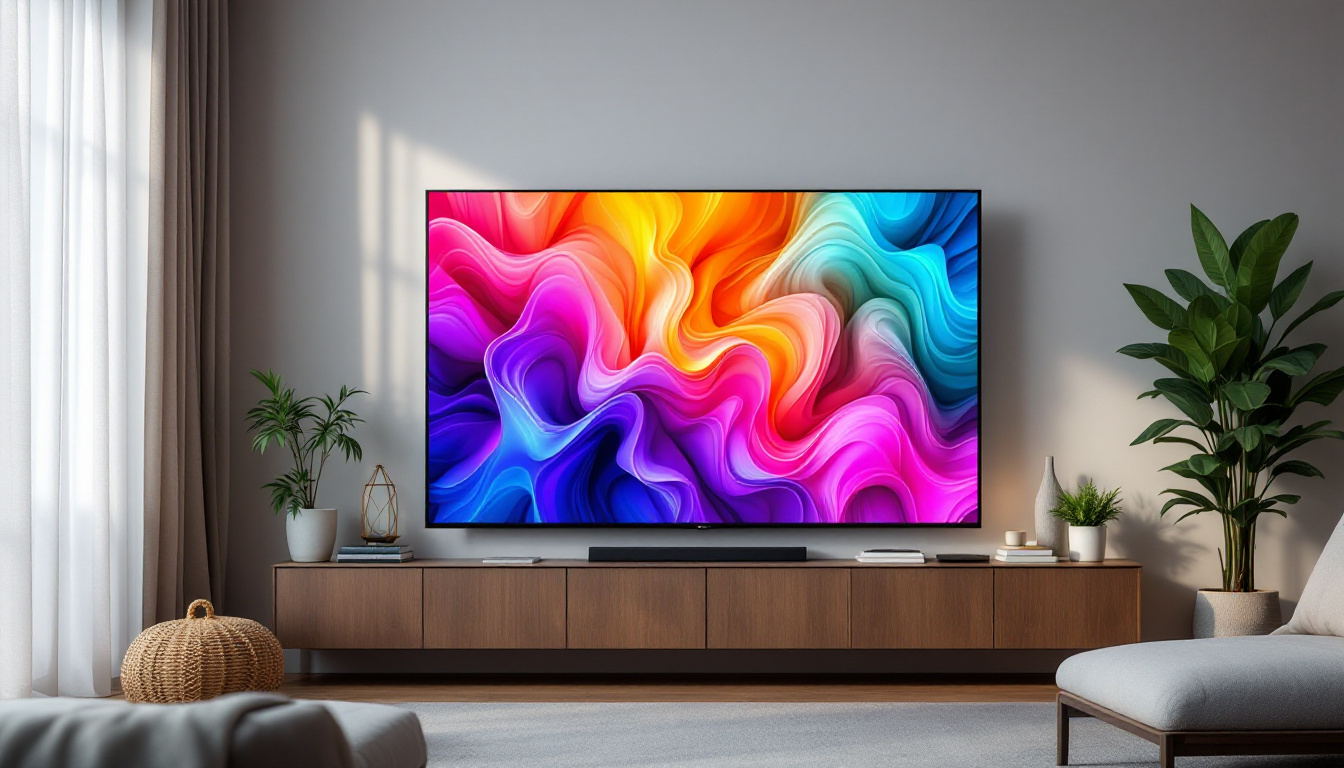
The technology behind LED displays can be broadly categorized into two types: direct-view LED and LED-backlit LCD. Direct-view LED displays consist of an array of LEDs that directly form the image, commonly seen in large outdoor screens. In contrast, LED-backlit LCDs use LEDs as a light source behind the LCD panel, enhancing brightness and contrast. This distinction is crucial for understanding the applications of each type; for instance, direct-view LEDs are often used for digital billboards and large video walls, while LED-backlit LCDs are more prevalent in consumer electronics like televisions and computer monitors.
How LEDs Work in Displays
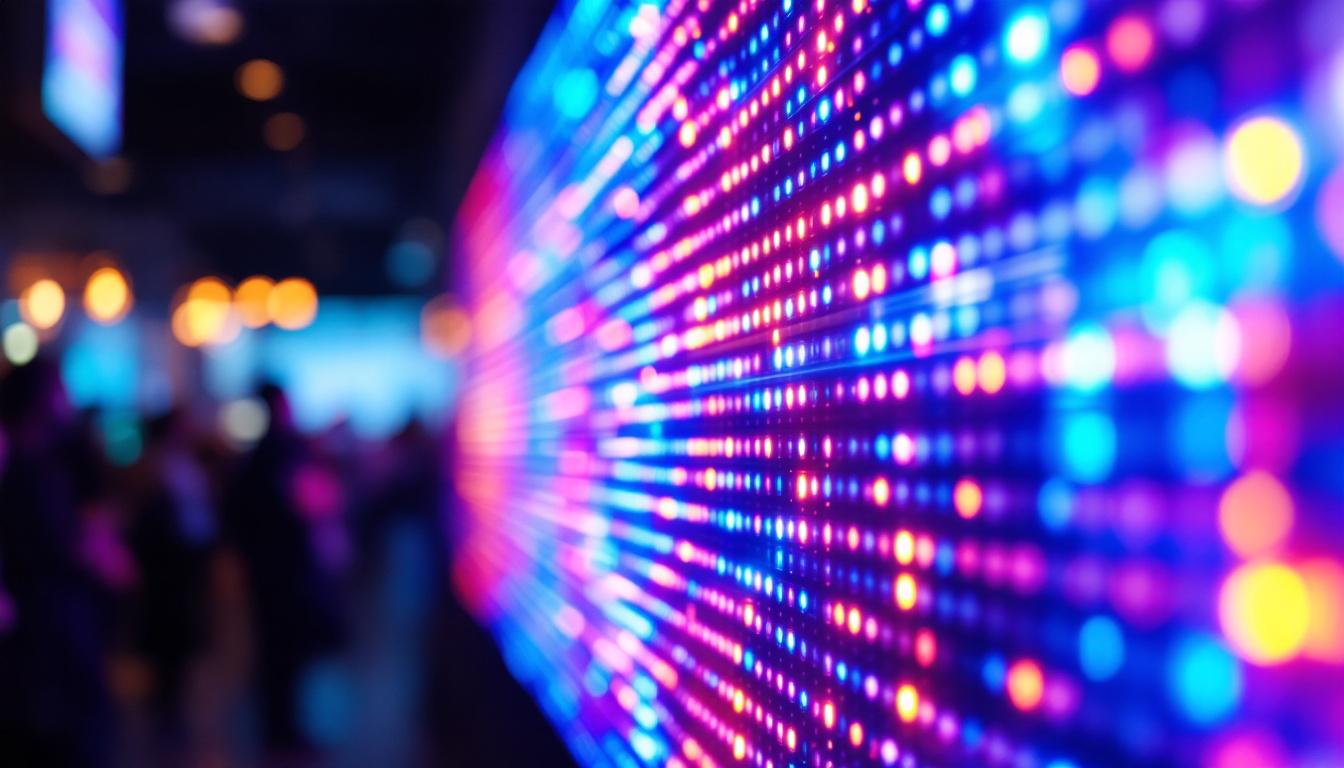
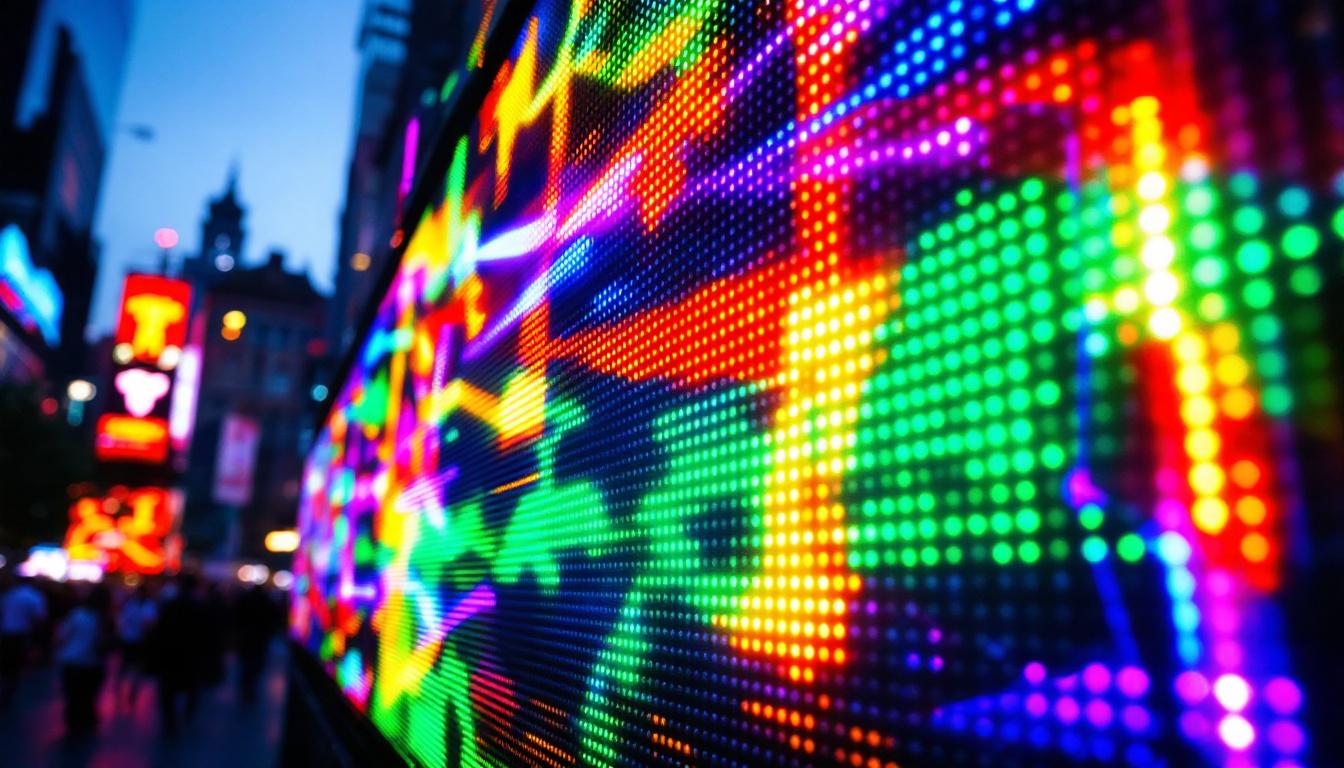
Each LED in a display is a semiconductor device that emits light when an electric current passes through it. By controlling the intensity and color of individual LEDs, the display can produce a wide range of colors and detailed images. Typically, LEDs used in displays are red, green, and blue (RGB), which combine to create millions of colors through additive color mixing. This ability to mix colors not only enhances the visual experience but also allows for dynamic content, such as videos and animations, to be displayed with remarkable accuracy and vibrancy.
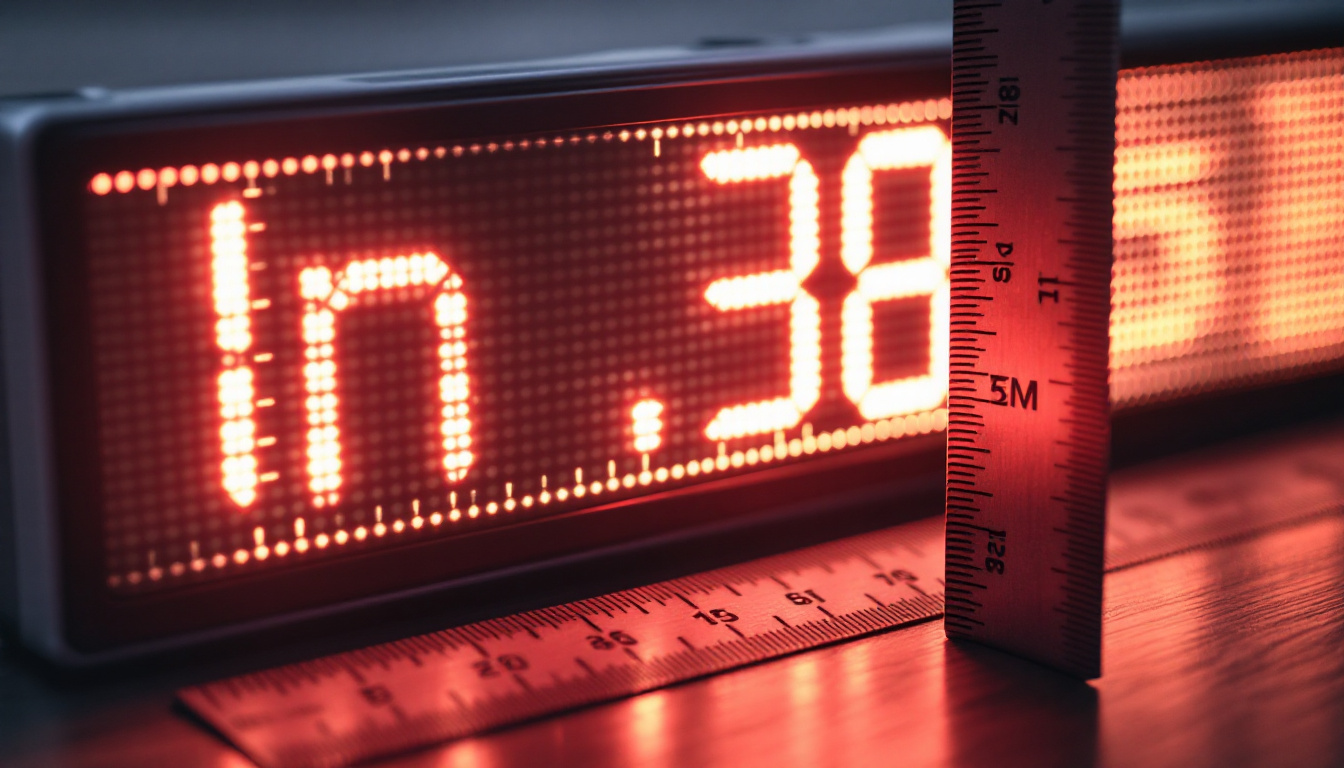
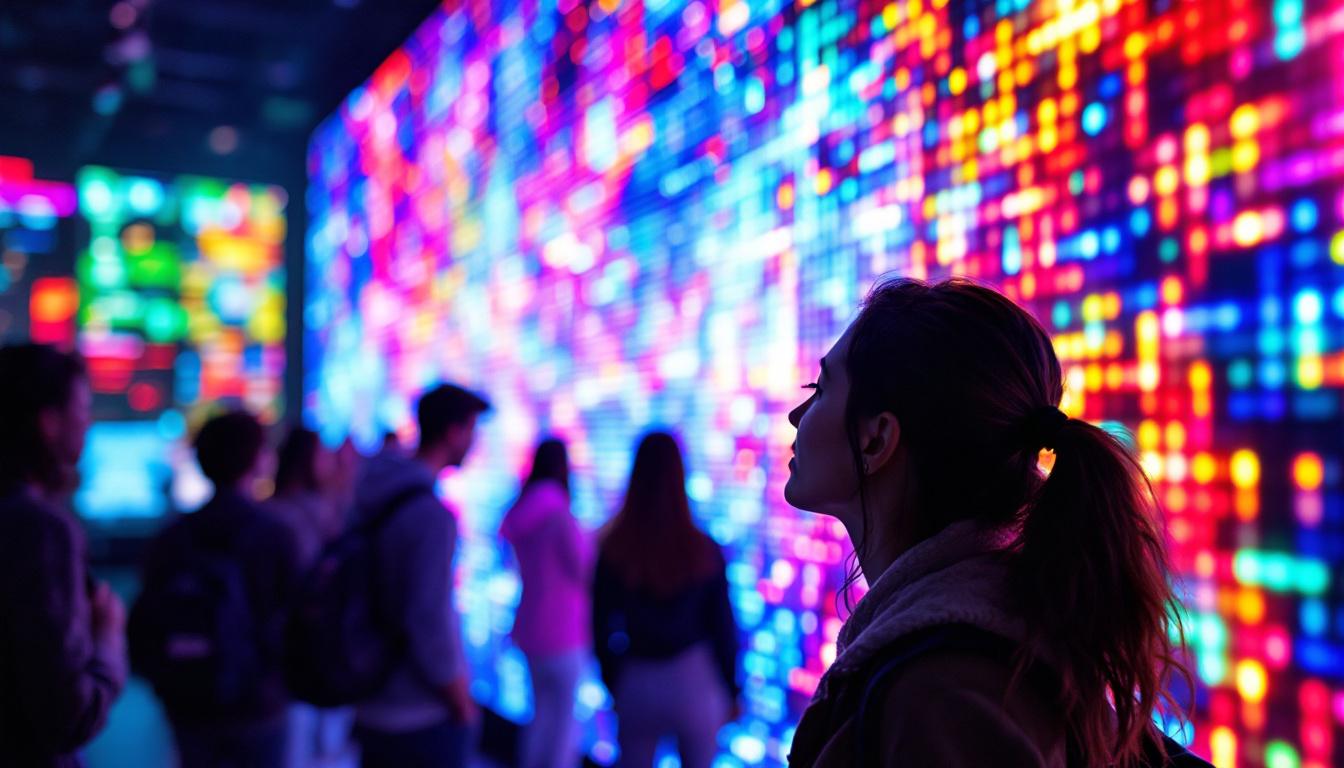
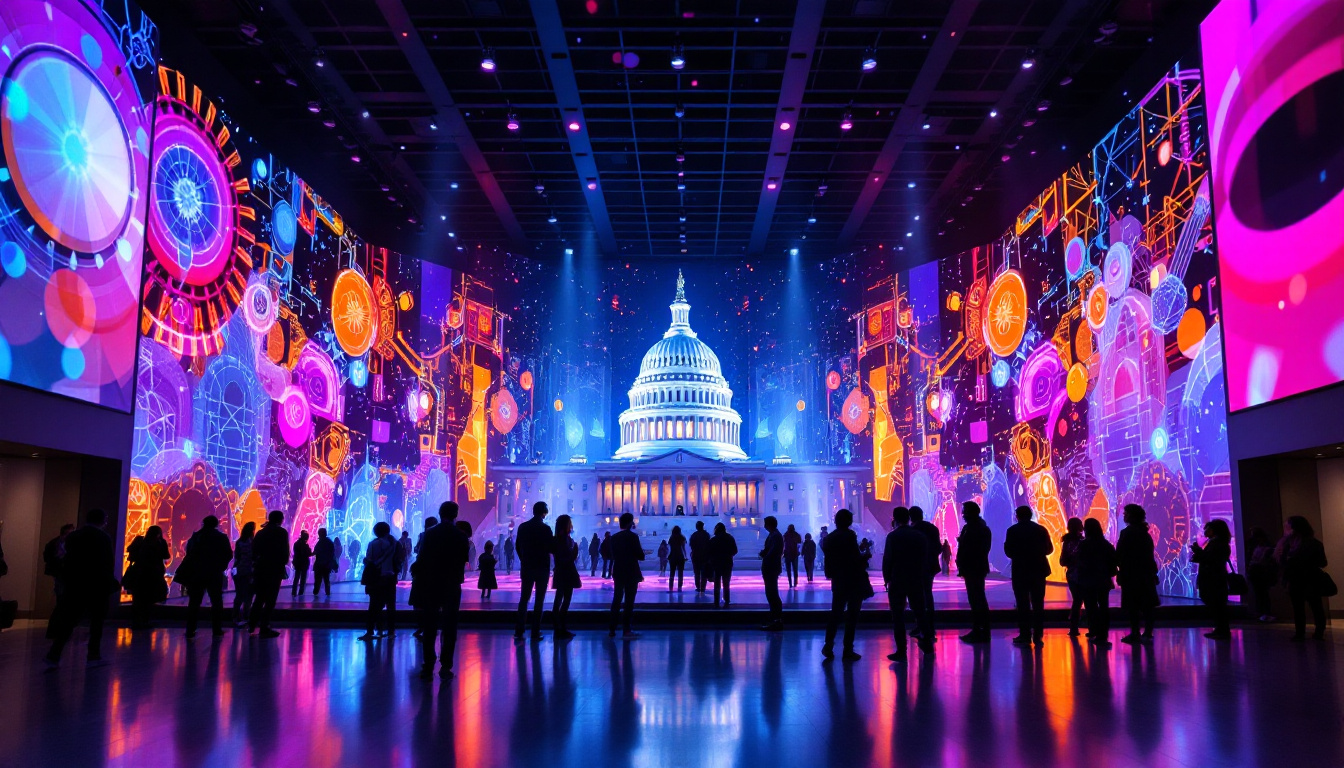
The resolution and clarity of an LED display depend on the pixel pitch—the distance between the centers of two adjacent LEDs. A smaller pixel pitch means higher resolution and sharper images, which is why indoor LED displays often have pixel pitches as low as 1mm, while outdoor displays might range from 4mm to 20mm depending on viewing distance. Additionally, advancements in technology have led to the development of fine-pitch LED displays that can be used in smaller venues, allowing for high-definition visuals even in compact spaces. This evolution has opened new avenues for creative applications, such as immersive installations in museums and interactive displays in retail environments, where the quality of the image can significantly enhance user engagement and experience.
Types of LED Displays and Their Applications
LED displays come in various forms, each suited to different environments and purposes. Understanding these types helps in selecting the right display for a specific application.
Indoor LED Displays
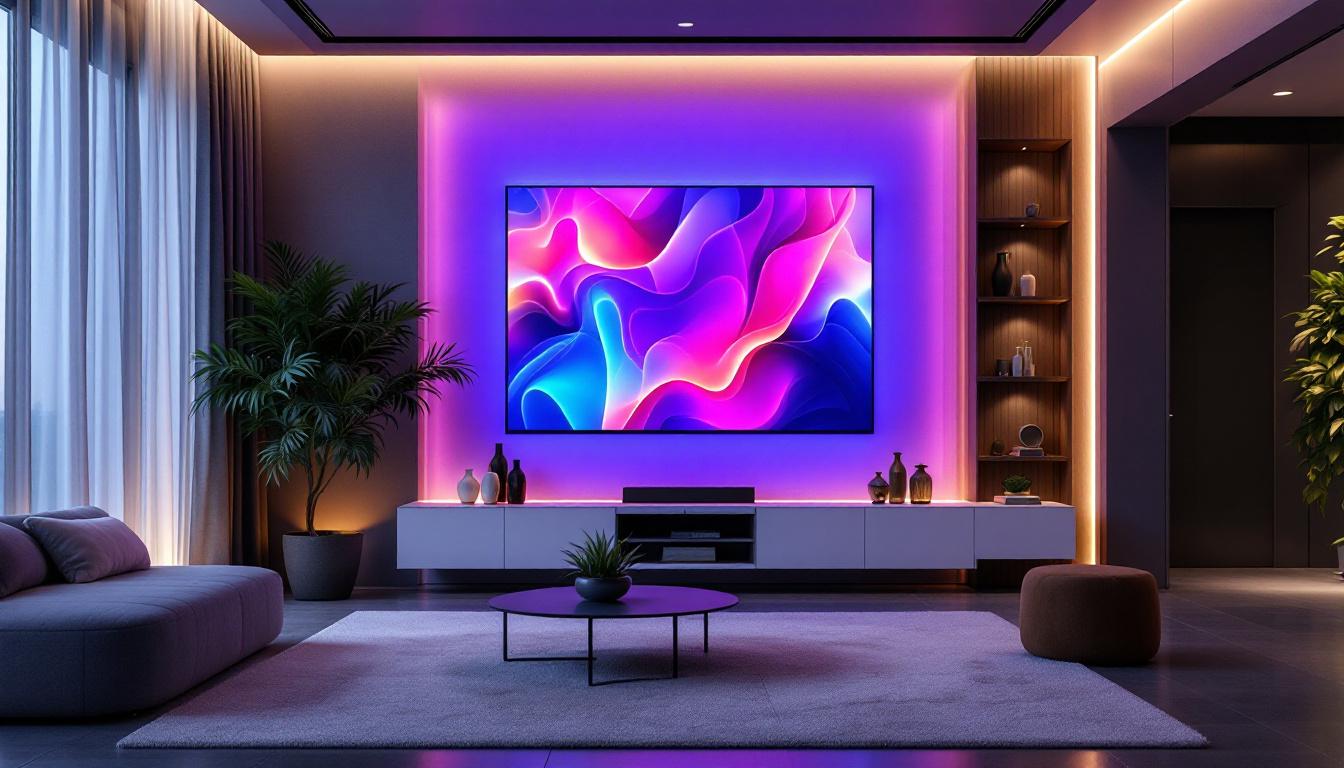
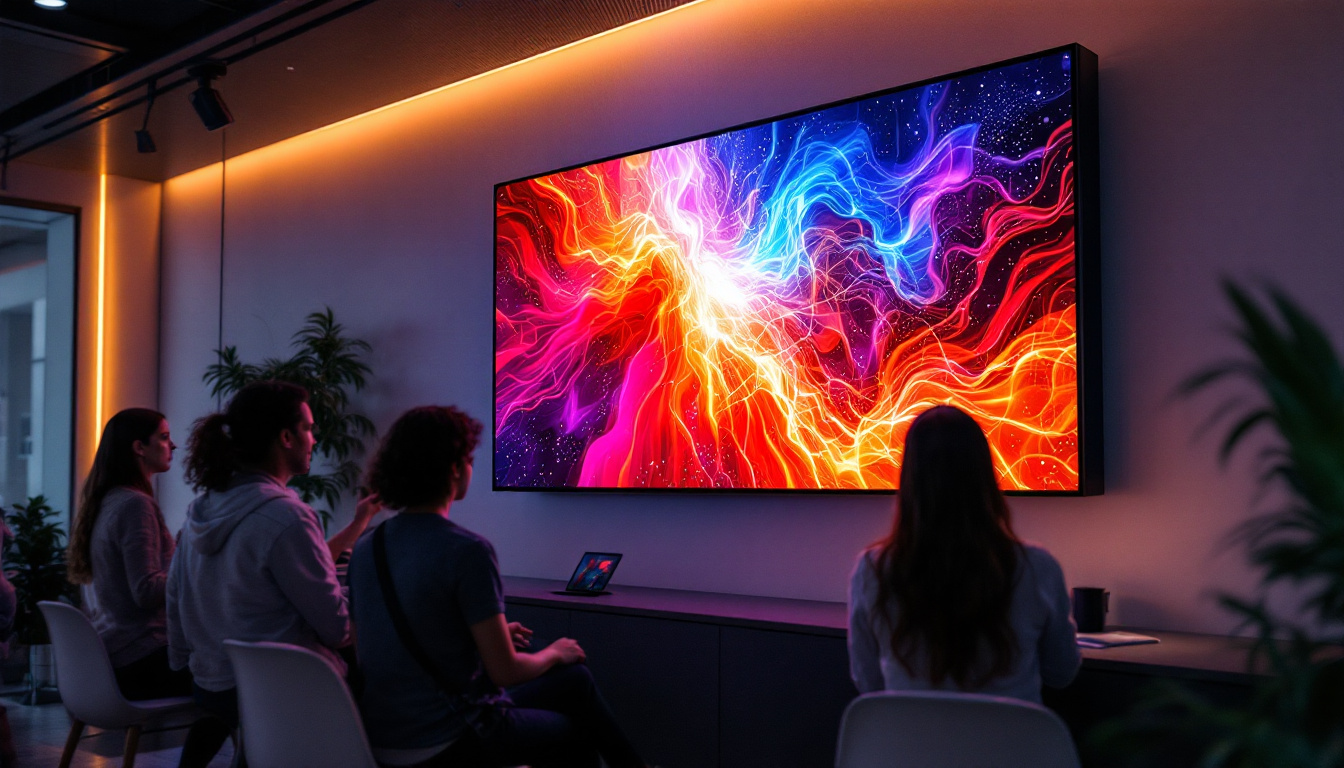
Indoor LED displays are designed for close viewing distances and typically feature high resolution with small pixel pitches. These are commonly used in retail stores, conference rooms, control centers, and entertainment venues. Their brightness levels are optimized for indoor lighting conditions, usually ranging between 800 to 1,200 nits.
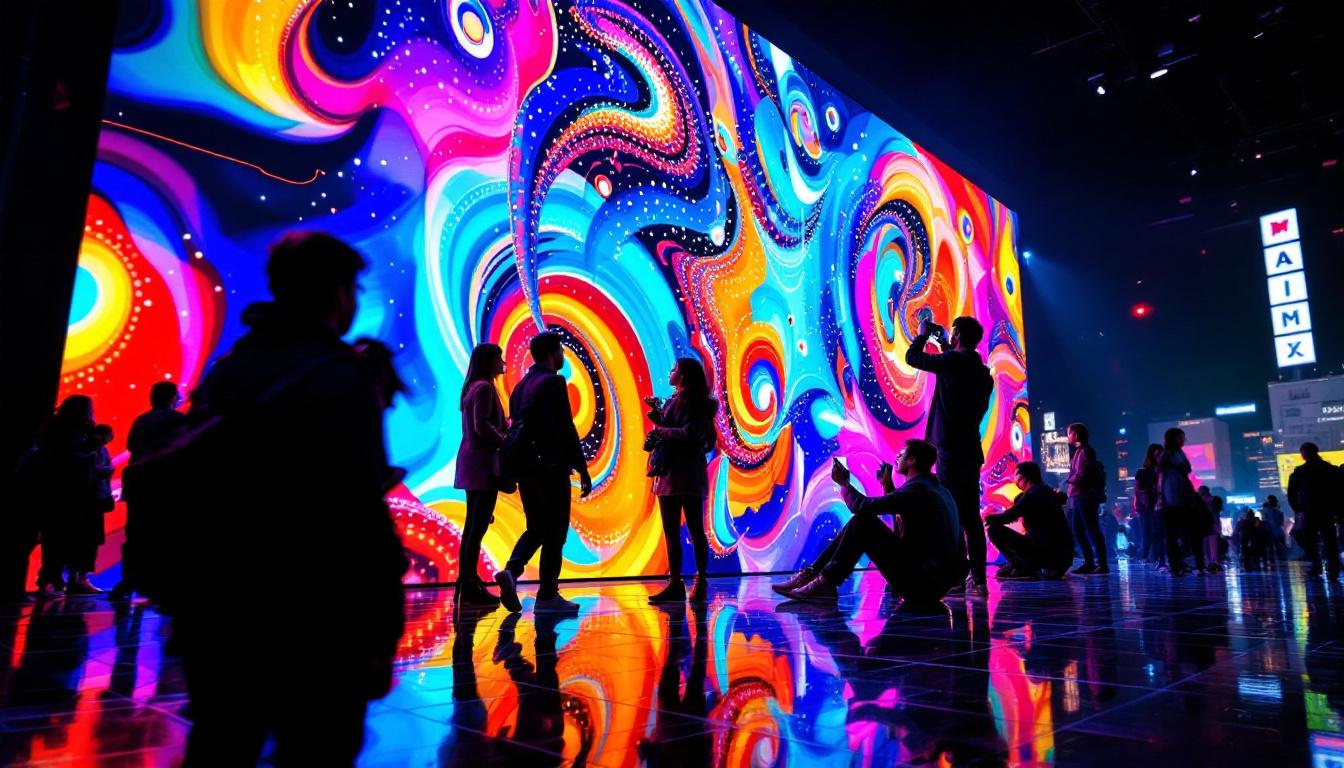
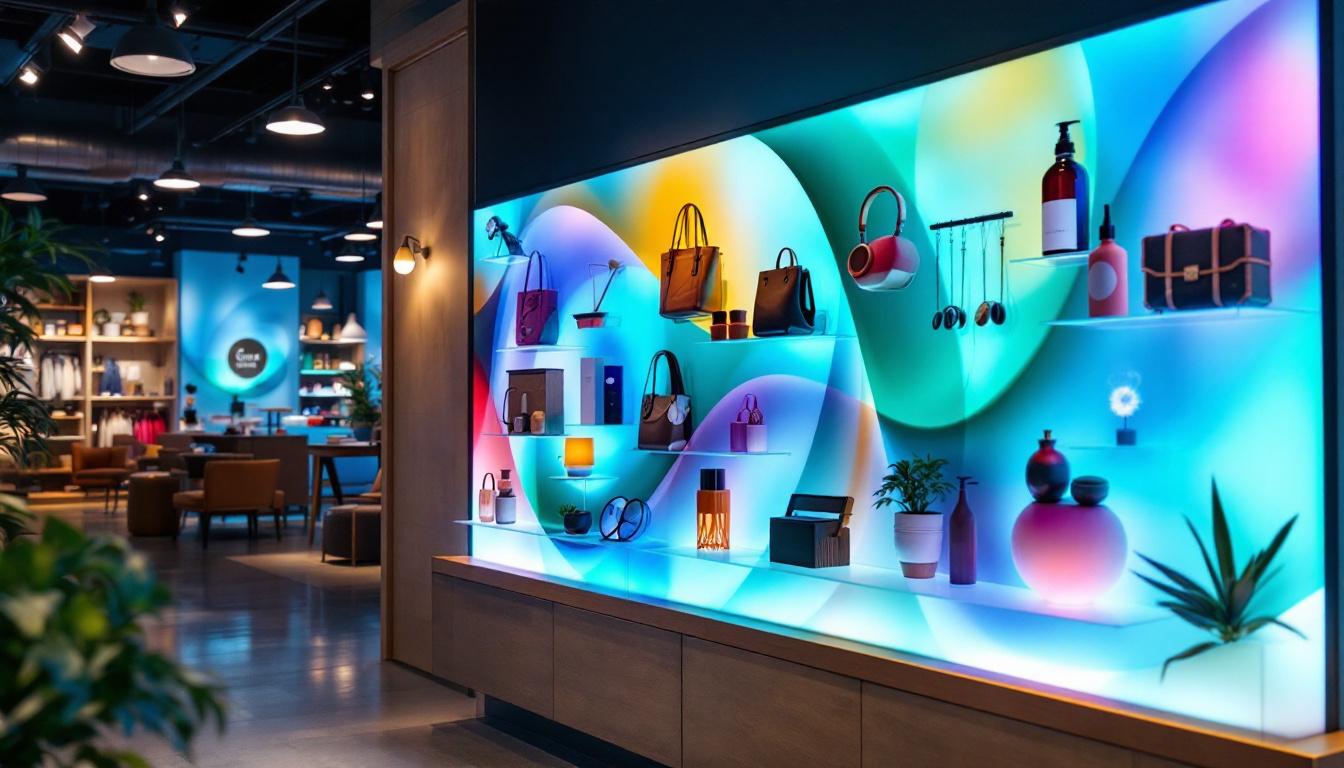
For example, retail stores use indoor LED walls to showcase promotional content dynamically, enhancing customer engagement. The ability to display high-definition images and videos makes these displays ideal for immersive experiences such as digital art installations and interactive kiosks. Moreover, the integration of touch technology with indoor LED displays allows for interactive product demonstrations, enabling customers to engage directly with the content, thereby increasing the likelihood of purchase.
Outdoor LED Displays
Outdoor LED displays are built to withstand harsh weather conditions and offer high brightness levels to remain visible in direct sunlight. Typical brightness for outdoor displays ranges from 5,000 to 10,000 nits. These displays often have larger pixel pitches due to the greater viewing distances involved.
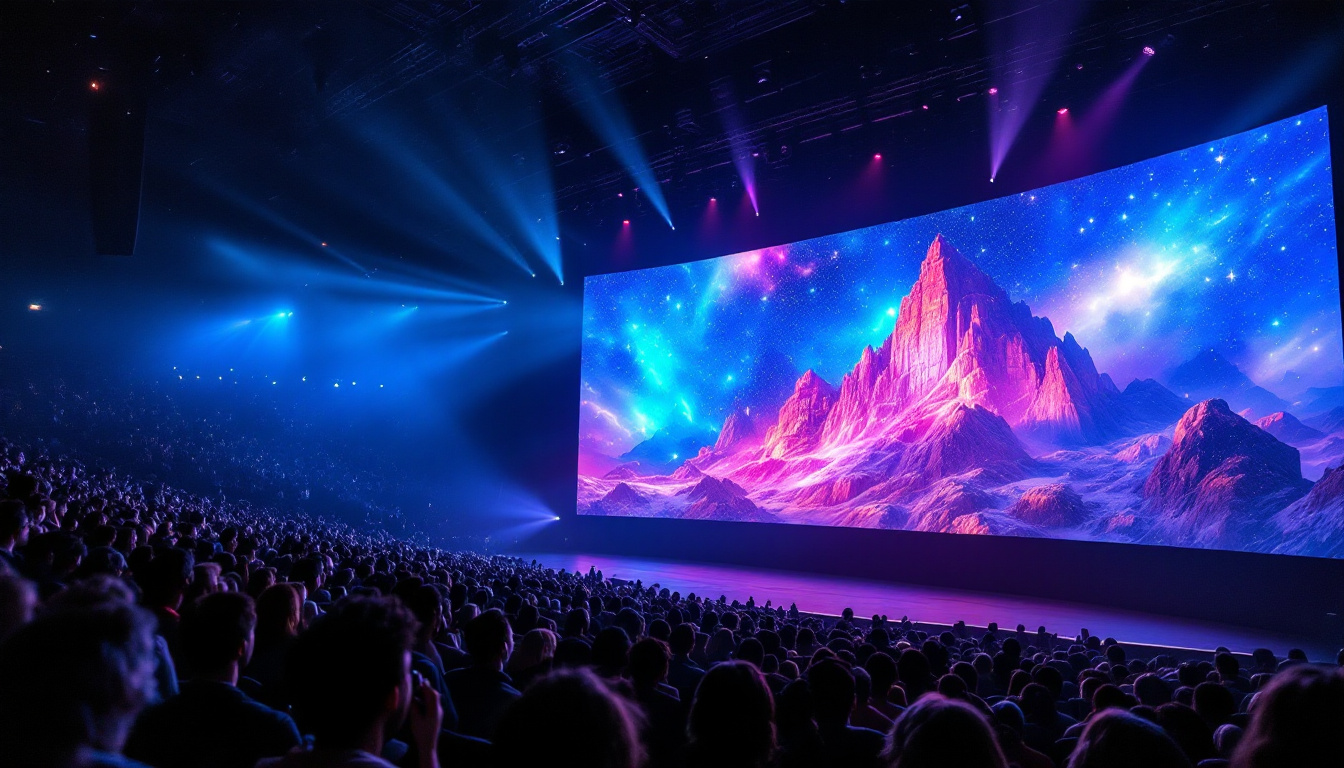
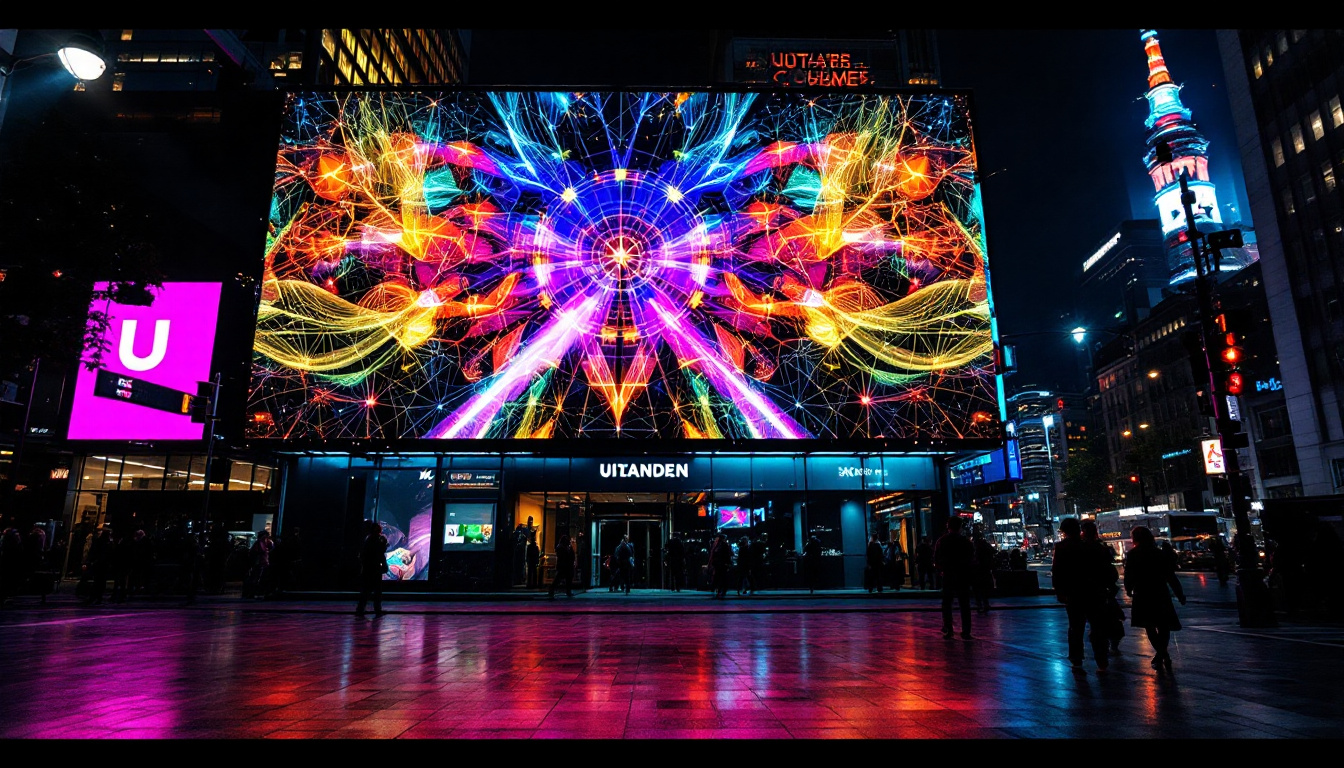
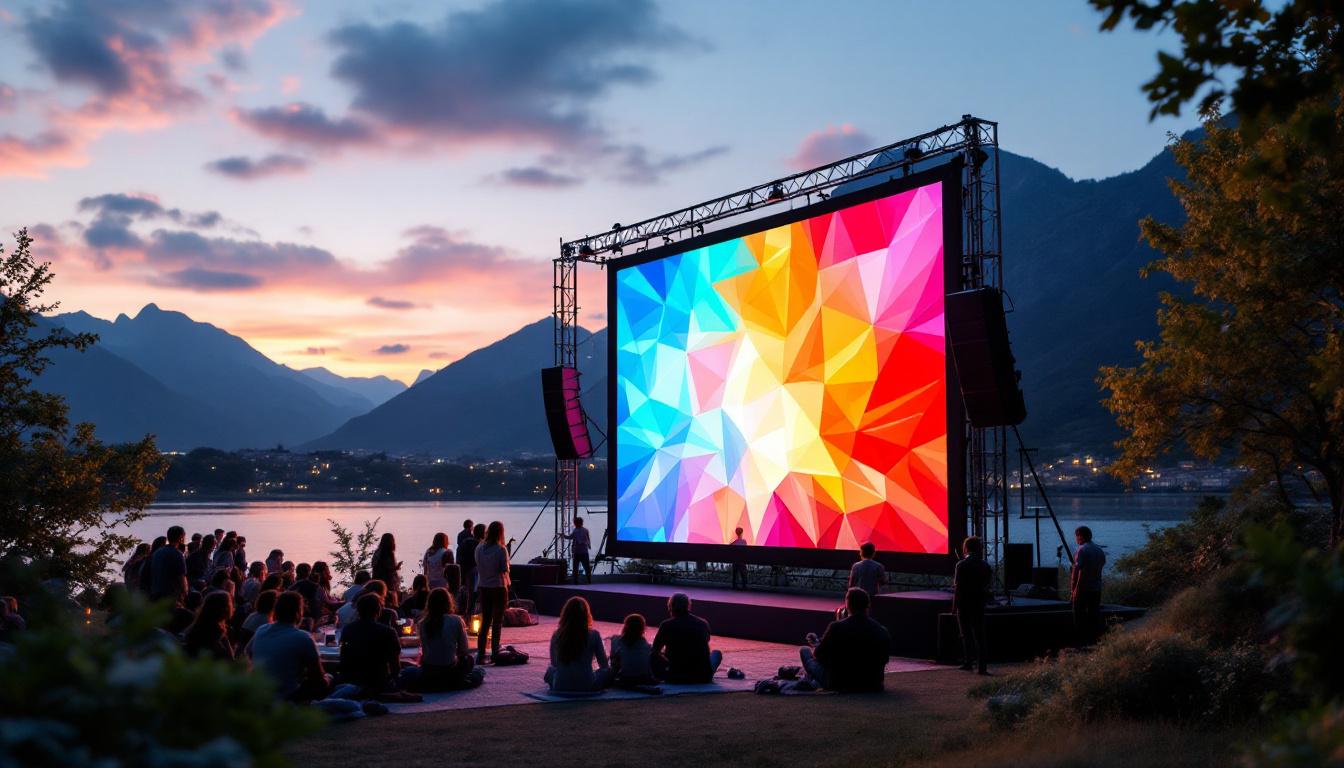
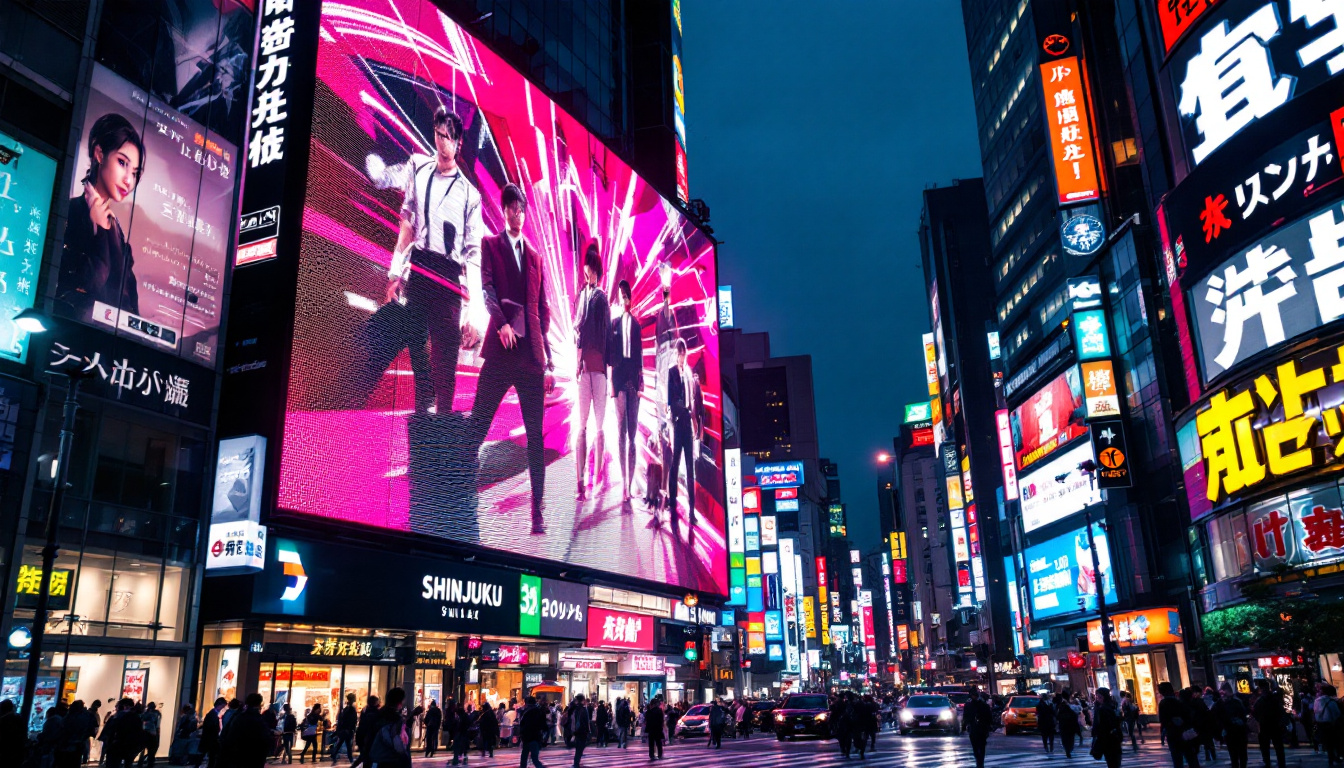
Applications include digital billboards, stadium screens, transportation signage, and public information displays. For instance, the iconic digital billboards in cities like New York and Tokyo rely on outdoor LED technology to deliver eye-catching advertisements 24/7. Furthermore, outdoor LED displays are increasingly being used for live event broadcasting, providing real-time updates and enhancing the spectator experience at concerts and sports events. Their durability and visibility make them an essential component for any large-scale outdoor gathering.
Transparent and Flexible LED Displays
Innovations in LED technology have led to the development of transparent and flexible LED displays. Transparent LED screens allow light to pass through them, making them perfect for storefront windows and architectural installations where maintaining visibility is essential.
Flexible LED displays, on the other hand, can bend and curve, opening up new possibilities for creative design in advertising, stage design, and wearable technology. These cutting-edge displays demonstrate the versatility and adaptability of LED technology in modern visual communication. Additionally, the ability to create curved screens allows for unique viewing angles, enhancing the visual experience in theaters and exhibitions. As these technologies continue to evolve, we can expect to see even more innovative applications that push the boundaries of traditional display formats, making them integral to future urban landscapes and interactive environments.
Advantages of LED Displays Over Other Technologies
LED displays offer several advantages compared to traditional display technologies such as LCD and plasma screens. These benefits have contributed to their widespread adoption across various industries.
Brightness and Visibility
One of the most significant advantages of LED displays is their superior brightness. With luminance levels reaching up to 15,000 nits in some outdoor models, LED displays remain highly visible even under direct sunlight. This makes them ideal for outdoor advertising and public information systems where visibility is critical. Moreover, the ability to adjust brightness levels dynamically allows these displays to maintain clarity in various lighting conditions, ensuring that messages are communicated effectively at all times.
Energy Efficiency
LED technology is inherently energy-efficient. LEDs consume less power than traditional lighting and display technologies, which translates into lower operating costs and reduced environmental impact. This efficiency is particularly important for large-scale installations that operate continuously. Additionally, the reduced heat output of LED displays not only contributes to energy savings but also minimizes the need for extensive cooling systems, further enhancing their cost-effectiveness and sustainability in commercial applications.
Durability and Longevity
LED displays are known for their durability and long lifespan, often exceeding 100,000 hours of operation. They are resistant to shock, vibration, and temperature fluctuations, making them suitable for both indoor and outdoor environments. This durability reduces maintenance costs and downtime. Furthermore, the robust construction of LED displays allows them to withstand harsh weather conditions, such as heavy rain or extreme heat, making them a reliable choice for outdoor installations in diverse climates.
Color Accuracy and Contrast
Because LEDs emit light directly, they offer better color accuracy and higher contrast ratios compared to LCDs that rely on backlighting. This results in more vibrant and true-to-life images, enhancing the viewer’s experience whether for advertising, entertainment, or informational purposes. The ability to produce a wider color gamut also means that LED displays can reproduce more shades and hues, making them particularly appealing for applications in art galleries, museums, and high-end retail environments where color fidelity is paramount. Additionally, advancements in LED technology, such as the introduction of quantum dot LEDs, are pushing the boundaries of color performance even further, promising even richer visual experiences in the near future.
Key Considerations When Choosing an LED Display
Selecting the right LED display involves evaluating several factors to ensure it meets the specific needs of the application.
Pixel Pitch and Resolution
The pixel pitch determines the resolution and clarity of the display. For applications requiring close viewing, such as indoor retail or conference rooms, a smaller pixel pitch is essential. Conversely, outdoor displays can have larger pixel pitches since viewers are typically farther away.
Brightness and Environmental Conditions
Understanding the ambient lighting conditions where the display will be installed is critical. Outdoor displays require higher brightness levels to combat sunlight glare, while indoor displays need to balance brightness with eye comfort.
Size and Viewing Distance
The size of the LED display should be chosen based on the intended viewing distance. Larger displays with higher pixel pitches are suitable for stadiums and billboards, while smaller, high-resolution screens work well for indoor use.
Installation and Maintenance
Consider the ease of installation and accessibility for maintenance. Modular LED panels allow for easier repairs and upgrades. Additionally, weatherproofing and protective coatings are vital for outdoor installations to ensure longevity.
The Future of LED Display Technology
LED display technology continues to evolve rapidly, driven by advancements in materials, manufacturing, and digital integration.
MicroLED and MiniLED Innovations
Emerging technologies like MicroLED and MiniLED promise even greater improvements in image quality, energy efficiency, and form factor. MicroLED displays use microscopic LEDs to achieve ultra-high resolution and brightness, rivaling OLEDs in color accuracy and contrast without their drawbacks such as burn-in.
Integration with Smart Technologies
Smart LED displays equipped with sensors and AI capabilities are becoming more common. These displays can adjust brightness automatically, interact with viewers, and deliver personalized content based on real-time data. This integration enhances user engagement and opens new avenues for dynamic advertising and information dissemination.
Sustainability and Eco-Friendly Designs
As environmental concerns grow, manufacturers are focusing on sustainable production methods and recyclable materials for LED displays. Energy-saving features and longer product lifecycles contribute to reducing the ecological footprint of digital signage.
Conclusion
LED displays have transformed the way images and information are presented across various sectors. Their superior brightness, energy efficiency, and versatility make them the preferred choice for both indoor and outdoor applications. Understanding the technology behind LED displays, their types, and key considerations for selection empowers businesses and organizations to leverage this powerful medium effectively.
As LED technology continues to advance, the future promises even more innovative and immersive visual experiences, making LED displays an essential element of modern communication and advertising strategies.
Discover the Future of Visual Communication with LumenMatrix
Ready to elevate your visual impact? Explore LumenMatrix’s innovative LED display solutions and join the revolution in digital signage. From vibrant Indoor and Outdoor LED Wall Displays to dynamic Vehicle and Sports LED Displays, our offerings are designed to captivate and engage your audience. Whether you’re looking to create immersive environments with our Floor and Custom LED Displays or seeking the sleek design of our All-in-One and LED Transparent Displays, LumenMatrix has the technology to bring your vision to life. Check out LumenMatrix LED Display Solutions today and transform the way you communicate with your audience.