In recent years, outdoor art has evolved dramatically, blending technology with creativity to transform public spaces and commercial environments. Among the most innovative mediums is the weatherproof LED display, a dynamic platform that enables vibrant, large-scale visuals to withstand the elements while captivating audiences. This article explores the technology behind weatherproof LED displays, their applications in outdoor art, and the considerations necessary to ensure durability and visual impact.
Understanding Weatherproof LED Displays
LED (Light Emitting Diode) technology has revolutionized digital signage and artistic installations due to its brightness, energy efficiency, and versatility. When adapted for outdoor use, LED displays must meet stringent weatherproofing standards to endure rain, wind, dust, and temperature fluctuations.
What Makes an LED Display Weatherproof?
Weatherproof LED displays incorporate several design elements to protect sensitive electronic components from environmental damage. These include sealed enclosures with high IP (Ingress Protection) ratings, robust casing materials, and specialized coatings.
The IP rating system, ranging from IP00 to IP69K, measures the degree of protection against solids and liquids. For outdoor art installations, ratings of IP65 or higher are common, indicating full protection against dust ingress and water jets from any direction. This ensures that the display remains operational during heavy rain or dusty conditions. Furthermore, the materials used in the construction of these displays are often corrosion-resistant, which is especially important in coastal areas where saltwater can accelerate wear and tear.
Key Components of Outdoor LED Displays
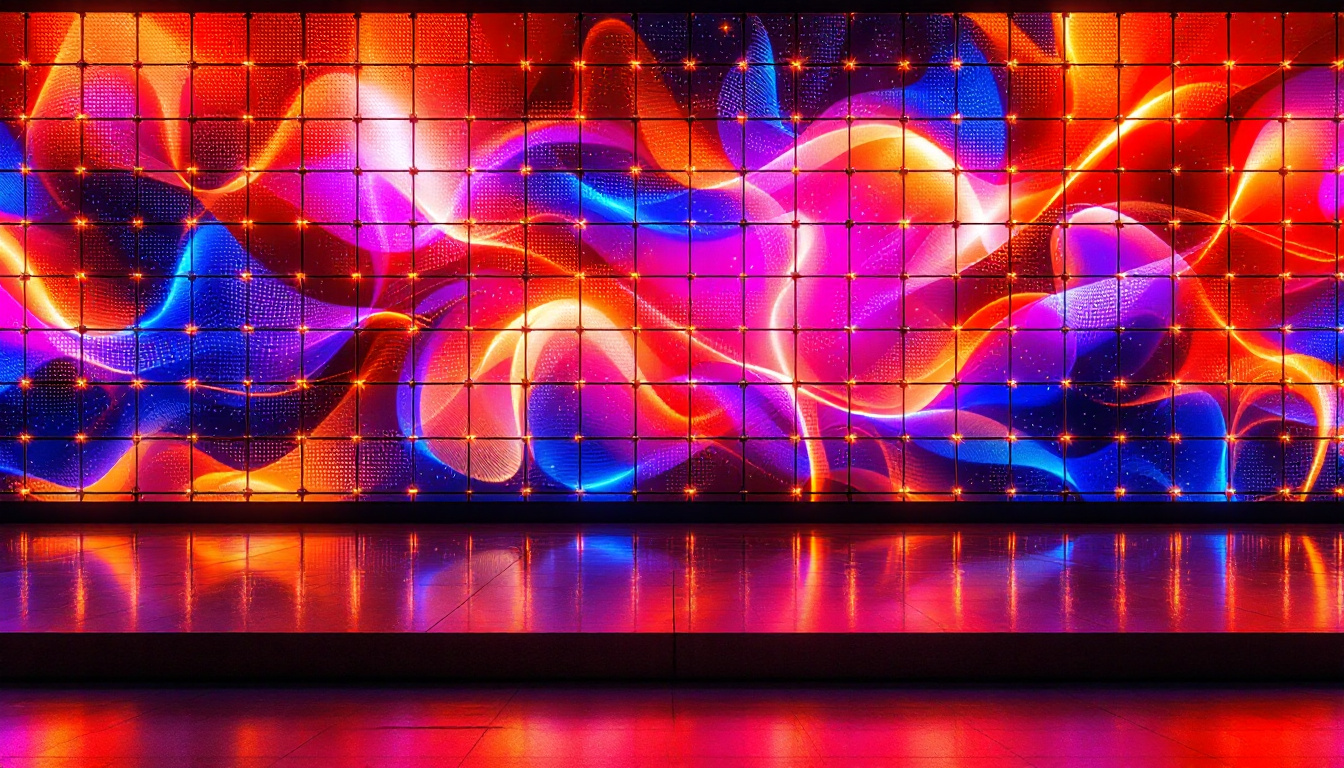
Outdoor LED displays consist of modules that house clusters of LEDs, a control system, power supplies, and a protective cabinet. The modules are designed to be waterproof and often feature anti-glare surfaces to maintain visibility under direct sunlight.
Additionally, thermal management is critical. Outdoor displays incorporate heat dissipation systems such as fans, heat sinks, or passive cooling designs to operate efficiently in extreme temperatures, which can range from sub-zero winters to scorching summer heat. These systems are not only essential for maintaining optimal performance but also play a vital role in prolonging the lifespan of the display. The integration of smart technology allows for real-time monitoring of temperature and humidity levels, enabling automatic adjustments to maintain performance and prevent overheating.
Moreover, the advancements in LED technology have led to the development of dynamic brightness adjustment features, which automatically alter the display’s brightness based on ambient light conditions. This functionality not only enhances visibility during the day but also minimizes energy consumption at night, making these displays more eco-friendly. As a result, weatherproof LED displays are not just resilient against the elements; they are also designed to be energy-efficient and adaptable, ensuring that they deliver high-quality visuals in a variety of outdoor environments.
Applications of Weatherproof LED Displays in Outdoor Art
The marriage of LED technology and weatherproofing has opened up new possibilities for artists, urban planners, and businesses seeking to enhance outdoor spaces with dynamic visuals.
Public Art and Urban Beautification
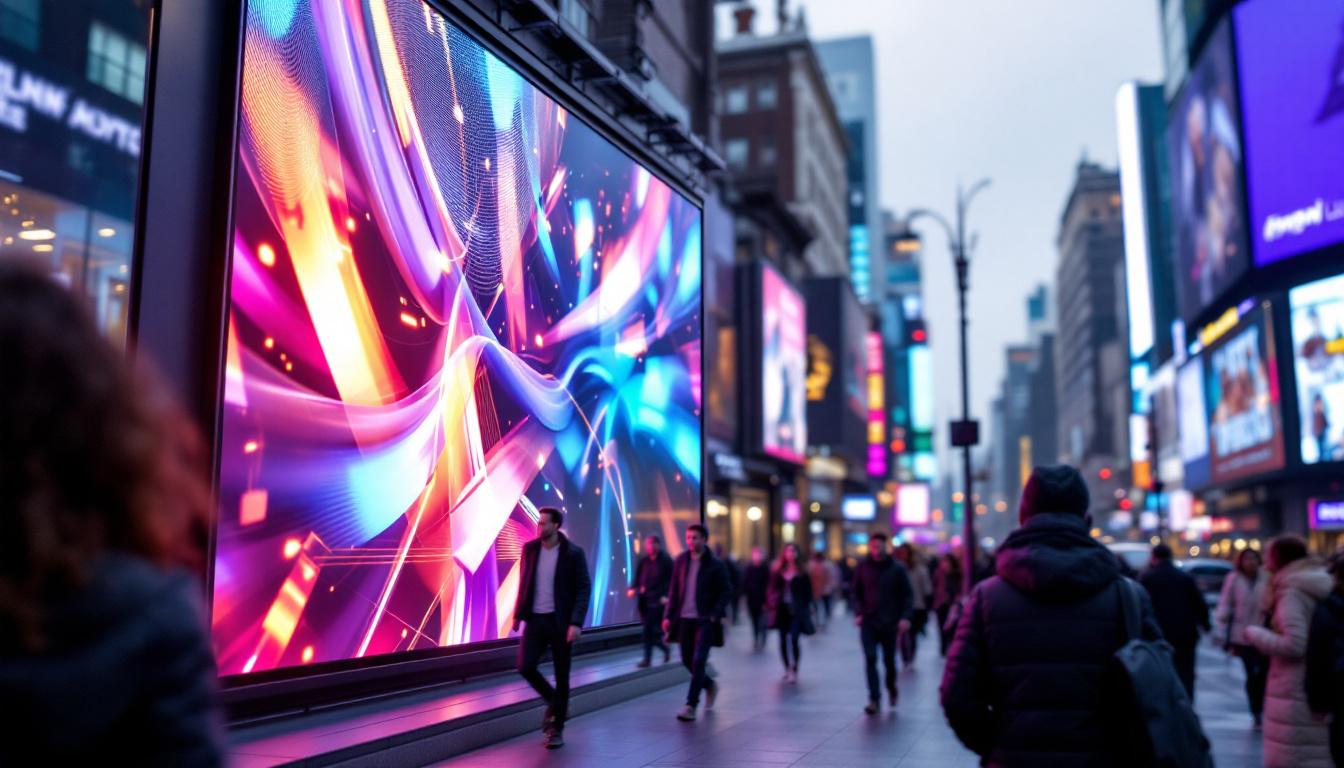
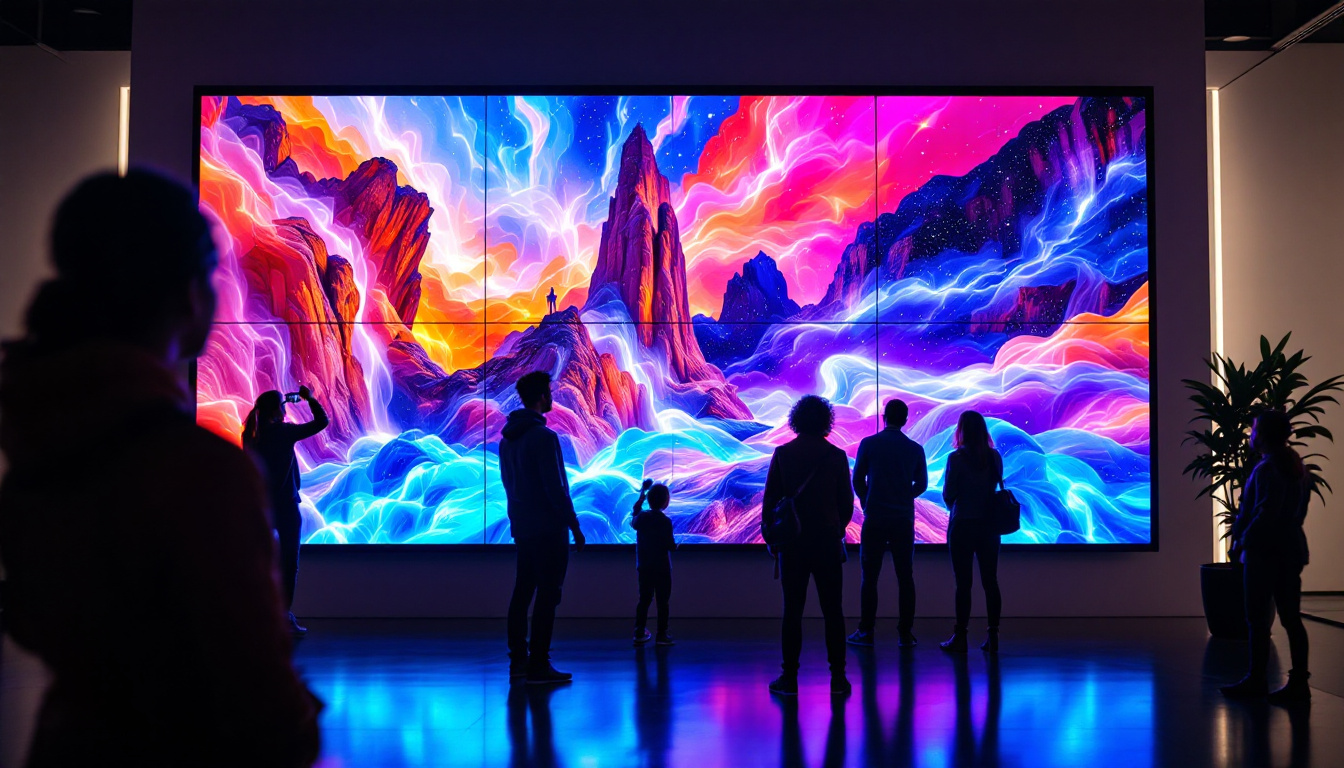
Many cities worldwide are embracing LED displays to create interactive public art installations. These installations can display changing images, animations, or community-generated content, fostering engagement and cultural expression.
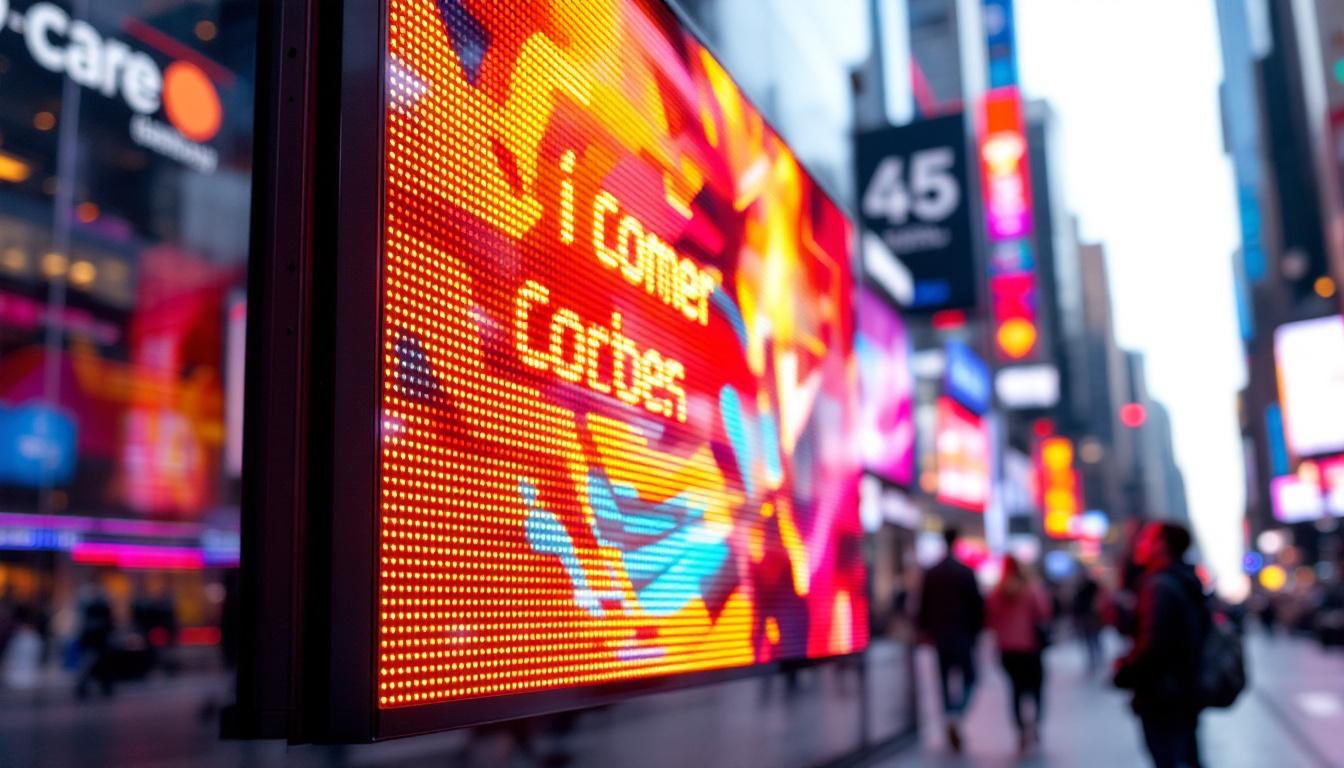
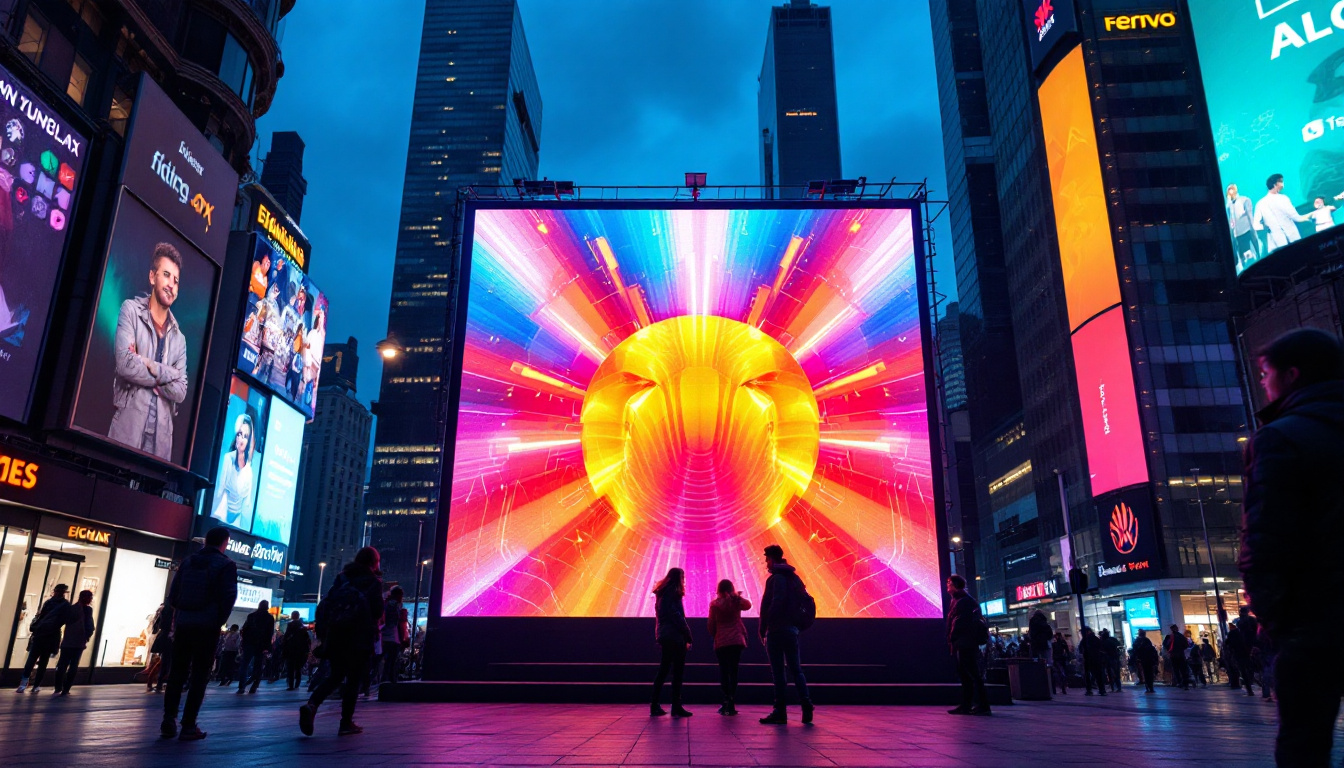
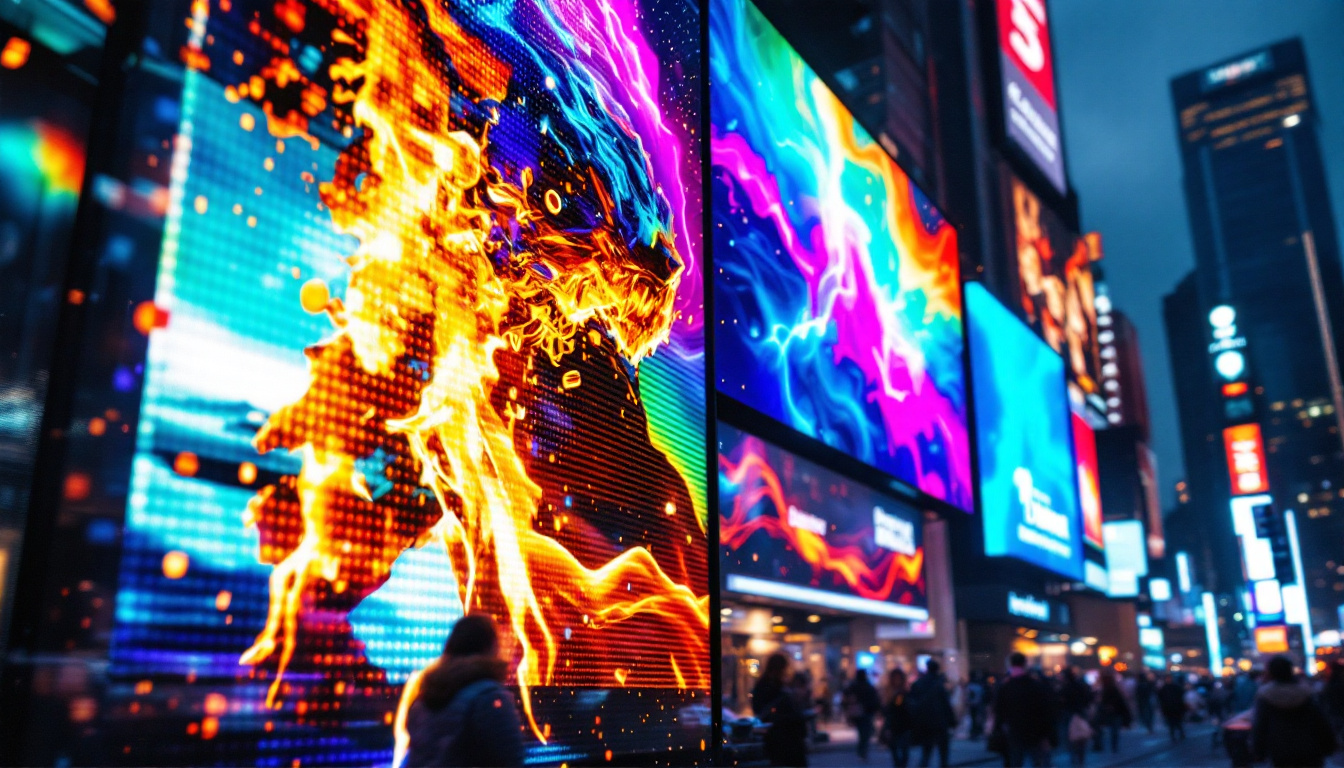
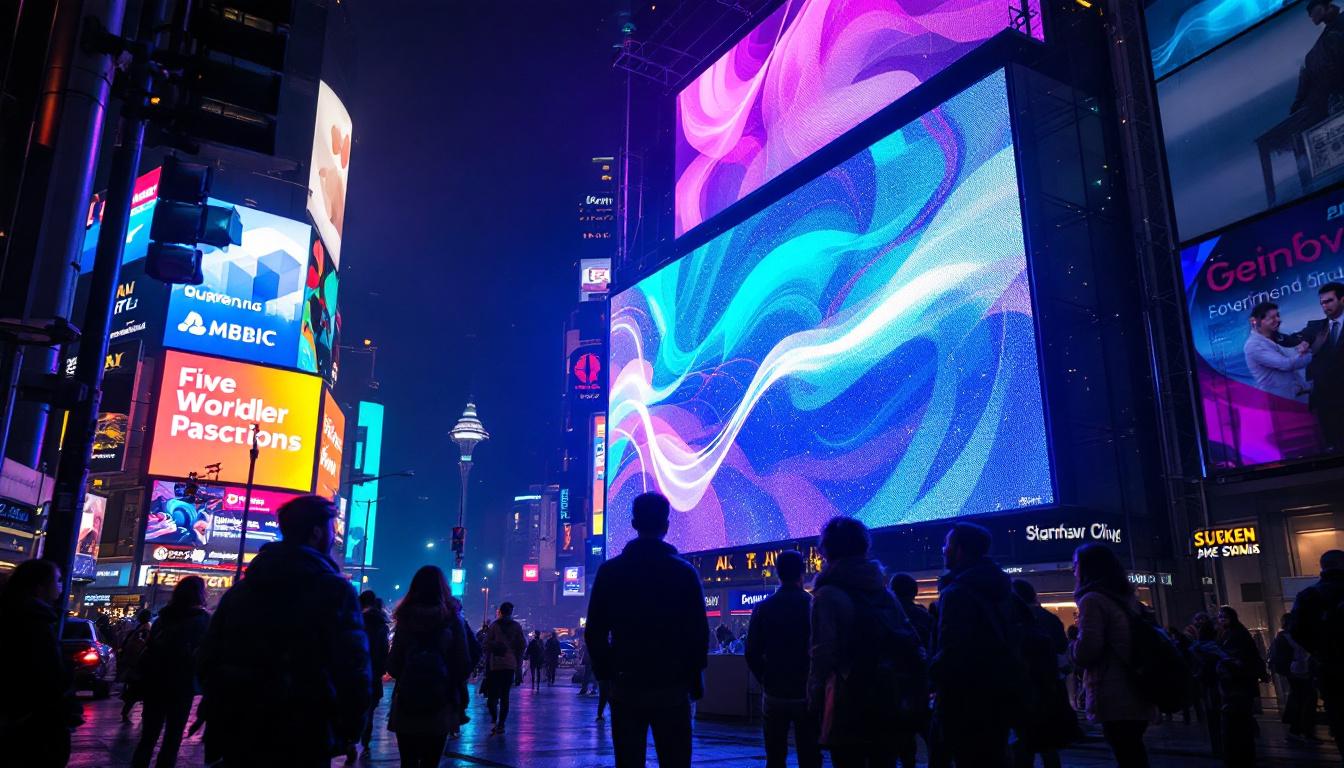
For example, the “Digital Water Pavilion” in Zaragoza, Spain, integrates LED lighting with water features to create a mesmerizing, weather-resistant display that interacts with visitors. Similarly, New York City’s Times Square features massive weatherproof LED billboards that double as public art canvases, providing both advertising and artistic expression.
In addition to these iconic installations, smaller cities are also leveraging LED technology to enhance their public spaces. For instance, in the town of Kitchener, Canada, a series of LED-lit murals have been installed in parks, illuminating local artists’ work and encouraging community involvement. These displays not only beautify the area but also serve as a platform for local storytelling, allowing residents to connect with their heritage and surroundings in a vibrant, modern way.
Commercial and Event Spaces
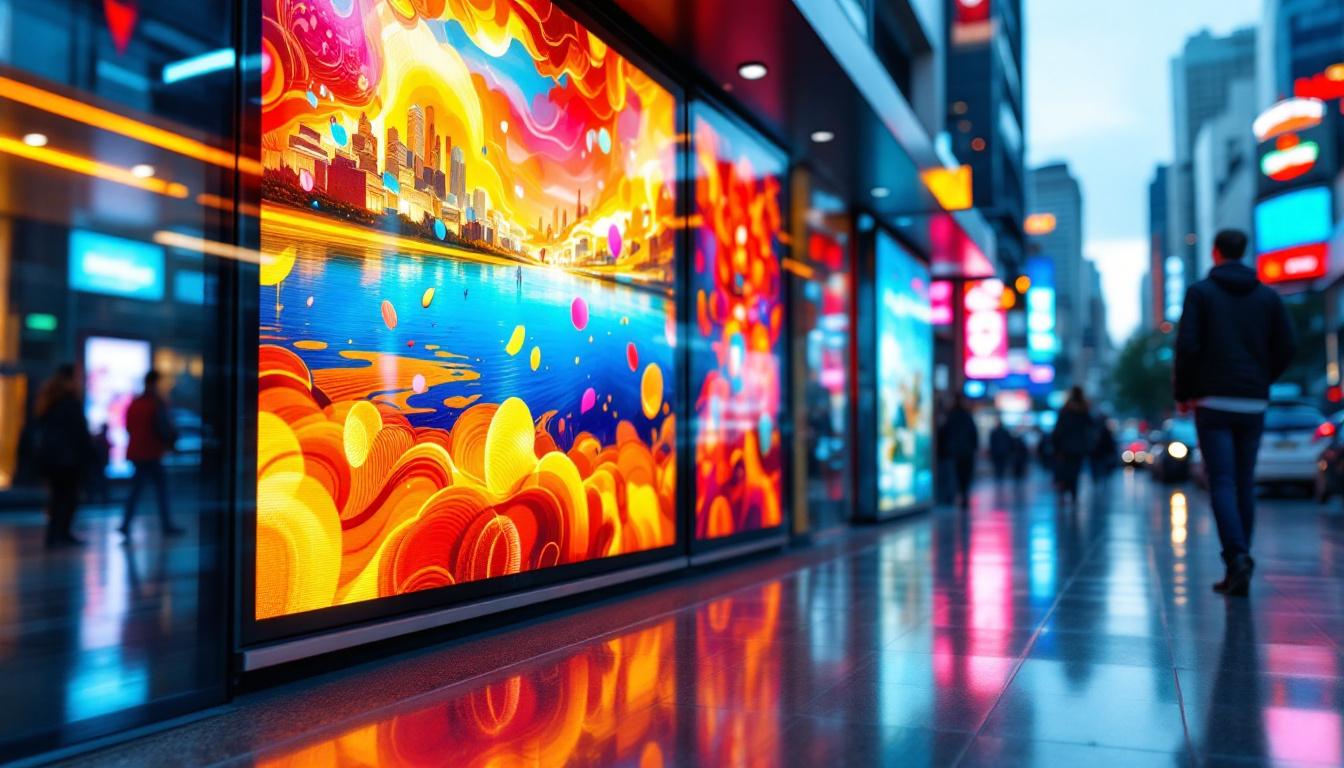
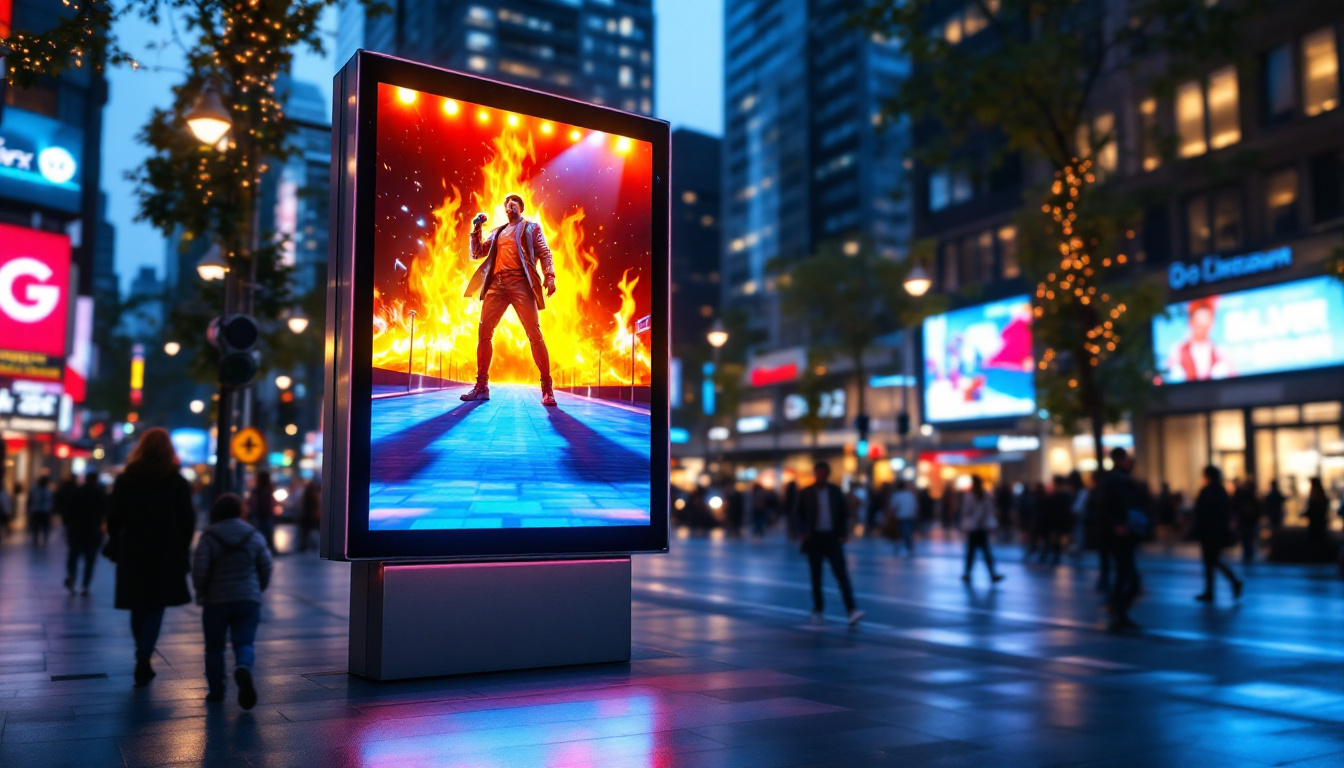
Retailers, sports arenas, and event organizers use weatherproof LED displays to attract attention and communicate messages in real-time. These displays can showcase promotional content, live event feeds, or artistic visuals that enhance the ambiance.
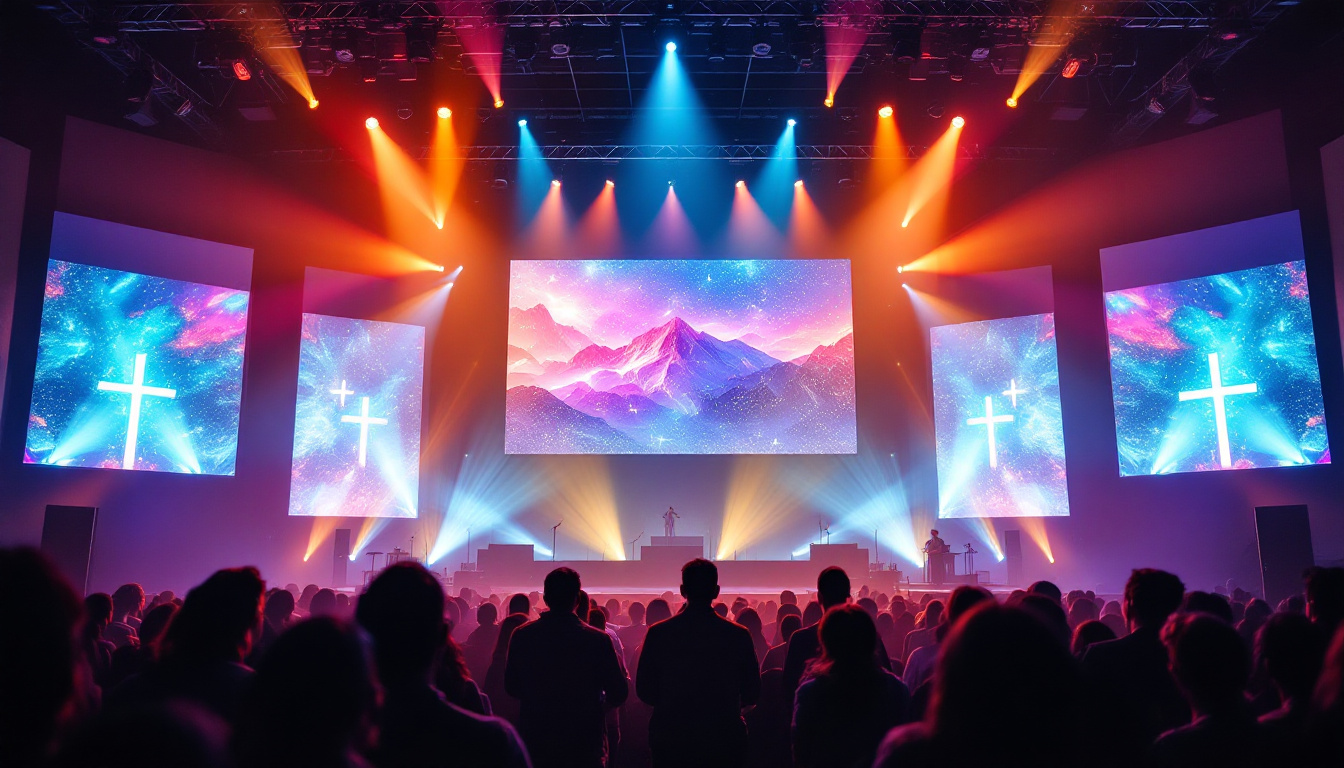
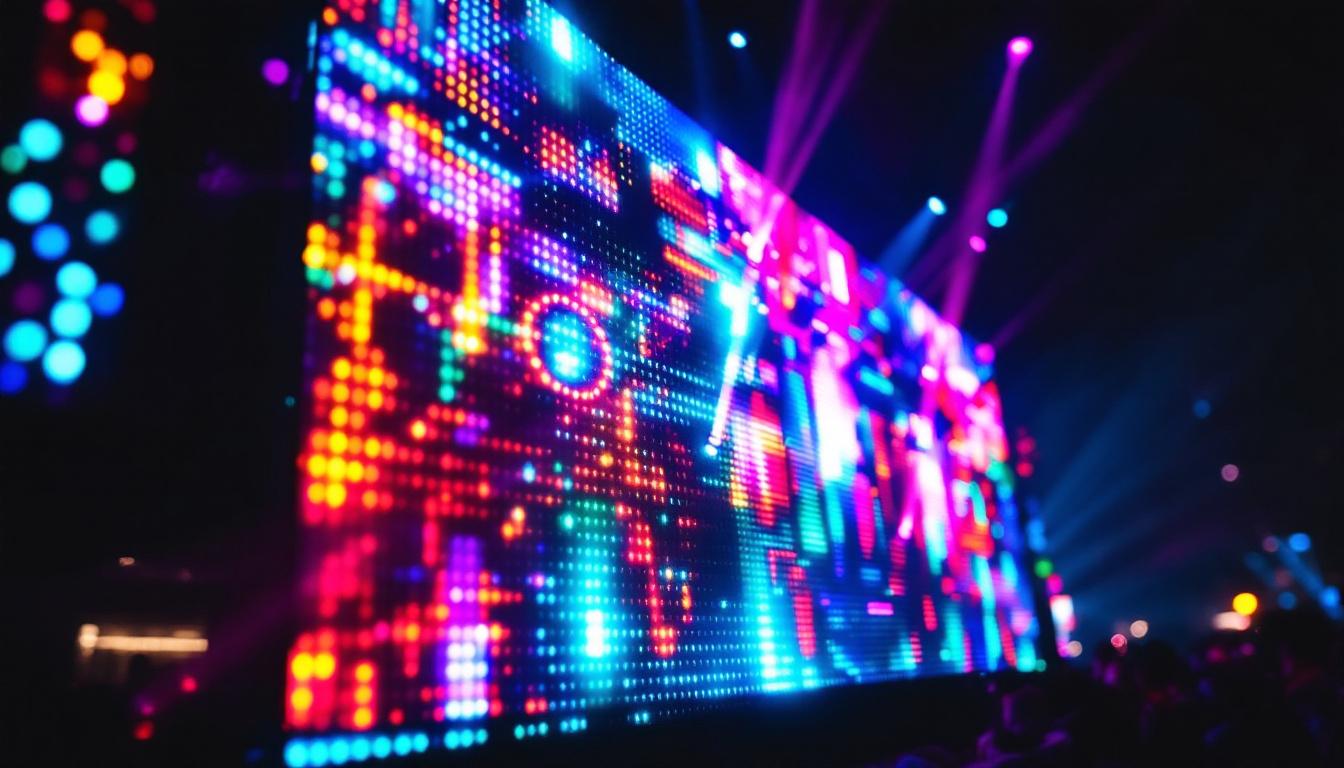
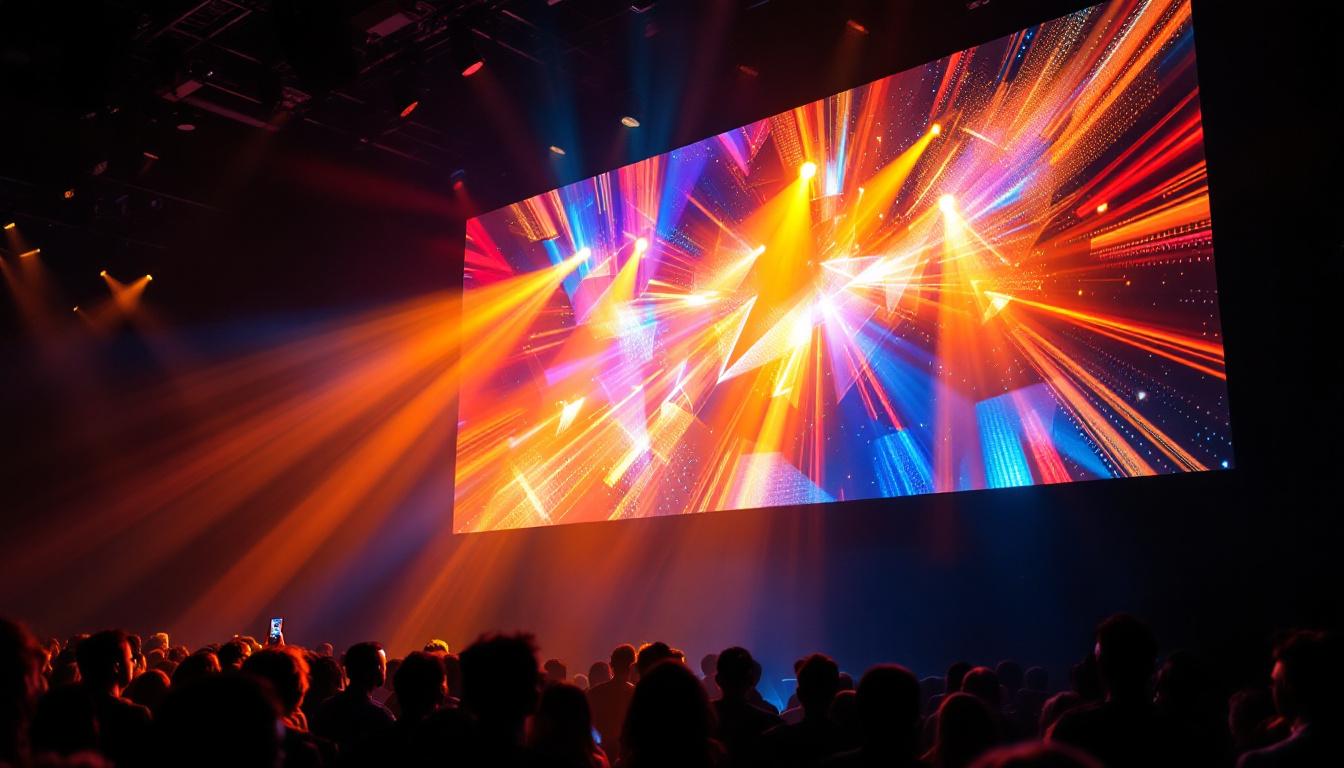
At music festivals and outdoor concerts, large-scale LED screens provide immersive visual experiences that can withstand unpredictable weather, ensuring continuous entertainment and engagement.
Moreover, the versatility of weatherproof LED displays allows for innovative marketing strategies. For example, during the Super Bowl, brands utilize temporary LED installations to create eye-catching pop-up experiences that draw in crowds and generate social media buzz. These displays can be programmed to change content rapidly, allowing for real-time interaction with festival-goers and sports fans, thereby maximizing the impact of the promotional efforts.
Architectural Integration
Architects and designers incorporate weatherproof LED displays into building facades to create dynamic exteriors that change with the time of day or special occasions. These installations can transform urban skylines, making buildings into canvases for digital art.
One notable example is the Burj Khalifa in Dubai, which uses weatherproof LED technology to project stunning light shows on its exterior, visible across the city and resilient to desert weather conditions.
Additionally, the integration of LED displays into architectural designs is not limited to iconic skyscrapers. Many municipalities are now exploring the use of LED technology in public buildings, such as libraries and community centers, to create engaging, informative displays. These installations can provide real-time information about local events, weather updates, or even educational content, thereby enhancing the functionality of the space while also serving an artistic purpose. Such initiatives not only beautify the environment but also promote community interaction and awareness, making architecture a living part of the urban narrative.
Technical Considerations for Weatherproof Outdoor LED Art
Creating and maintaining weatherproof LED art requires attention to several technical factors to ensure longevity and optimal performance.
Brightness and Visibility
Outdoor LED displays must be sufficiently bright to compete with sunlight. Typical brightness levels for outdoor displays range from 5,000 to 10,000 nits, far exceeding indoor displays, which usually operate at around 500 to 1,000 nits.
High brightness ensures that images remain clear and vibrant even on the sunniest days, which is crucial for outdoor art aiming to capture attention and convey detail. Additionally, the color temperature of the LEDs can significantly impact visibility; warmer tones can create a more inviting atmosphere, while cooler tones can enhance the vibrancy of the artwork. Artists must carefully select the color temperature to align with their artistic vision and the surrounding environment.
Pixel Pitch and Resolution
Pixel pitch—the distance between individual LED pixels—directly affects image clarity and viewing distance. Outdoor displays often have larger pixel pitches (ranging from 4mm to 20mm) compared to indoor displays, as viewers tend to observe them from greater distances.
Choosing the right pixel pitch balances cost and visual quality, ensuring the artwork appears crisp without unnecessary expense on ultra-high resolution that may not be perceptible outdoors. Furthermore, advancements in pixel technology, such as the use of RGB LEDs, allow for more vibrant color reproduction and improved image quality, making it possible to create stunning visual narratives that can engage viewers from afar.
Durability and Maintenance
Weatherproof LED displays are designed for durability, but regular maintenance is essential to prevent issues such as water ingress, corrosion, or LED burnout. Routine inspections, cleaning, and software updates help maintain performance.
Moreover, modular design facilitates quick replacement of faulty components, minimizing downtime and preserving the integrity of the outdoor art installation. In addition to physical maintenance, the software that drives these displays must be robust and adaptable, allowing for updates that can enhance functionality and introduce new artistic features, such as interactive elements that respond to viewer engagement.
Power Consumption and Sustainability
Energy efficiency remains a priority, especially for large-scale outdoor displays. Advances in LED technology have reduced power consumption significantly, with some displays incorporating solar panels or energy-saving modes to reduce environmental impact.
Artists and organizations increasingly seek sustainable solutions, making energy-efficient weatherproof LED displays an attractive option for eco-conscious projects. Additionally, the integration of smart technology, such as sensors that adjust brightness based on ambient light conditions, not only conserves energy but also enhances the viewer experience by ensuring optimal visibility at all times. This commitment to sustainability not only reflects a growing awareness of environmental issues but also aligns with the values of many contemporary artists who aim to create meaningful, responsible art that resonates with the public.
Challenges and Future Trends in Weatherproof Outdoor LED Art
While weatherproof LED displays offer exciting opportunities, several challenges persist, alongside promising innovations shaping the future of outdoor digital art.
Challenges: Environmental and Technical
Extreme weather conditions, such as hurricanes, heavy snowfall, or intense heatwaves, can test the limits of weatherproofing. Ensuring displays remain functional under such conditions requires rigorous testing and robust engineering.
Additionally, balancing brightness with energy consumption and minimizing light pollution are ongoing concerns, especially in urban environments where excessive illumination can disrupt ecosystems and residents.
Emerging Innovations
Flexible and transparent LED displays are gaining traction, allowing for more creative integration into architectural elements and irregular surfaces. These technologies enable artists to push the boundaries of traditional display formats.
Moreover, advancements in AI-driven content management systems allow for real-time adaptation of displayed art based on environmental data, audience interaction, or time of day, creating more immersive and responsive outdoor experiences.
Finally, improvements in battery technology and wireless connectivity facilitate off-grid installations and remote management, expanding the possibilities for outdoor art in diverse locations.
Conclusion: The Impact of Weatherproof LED Displays on Outdoor Art
Weatherproof LED displays have transformed outdoor art by combining durability with dynamic visual capabilities. Their ability to withstand harsh environmental conditions while delivering vibrant, engaging content makes them an invaluable tool for artists, urban planners, and businesses alike.
As technology continues to advance, these displays will become even more versatile, sustainable, and integrated into public spaces, enriching cultural landscapes and redefining how communities experience art outdoors.
For anyone considering outdoor digital art installations, understanding the technical requirements and potential of weatherproof LED displays is essential to creating impactful, lasting works that resonate with audiences in any weather.
Illuminate Your Space with LumenMatrix LED Displays
Ready to elevate your outdoor art and captivate audiences like never before? Discover the robust and innovative solutions from LumenMatrix, a pioneer in LED display technology. Whether you’re looking to create an iconic landmark or enhance a public space, our extensive range of LED display modules—from vibrant Outdoor LED Wall Displays to interactive Floor LED Displays—is designed to bring your vision to life with unparalleled clarity and impact. Check out LumenMatrix LED Display Solutions today and start transforming your environment with cutting-edge digital artistry.