Curved TV Wall Mount: LED Display Explained
As curved TVs continue to gain popularity for their immersive viewing experience and sleek design, understanding how to properly mount these displays is essential. Unlike traditional flat-screen TVs, curved TVs require specialized wall mounts that accommodate their unique shape while ensuring safety and optimal viewing angles. This article delves into the nuances of curved TV wall mounts, explores the technology behind LED displays, and provides practical advice for selecting and installing the perfect mount for your curved TV.
Understanding Curved TVs and Their Design Advantages
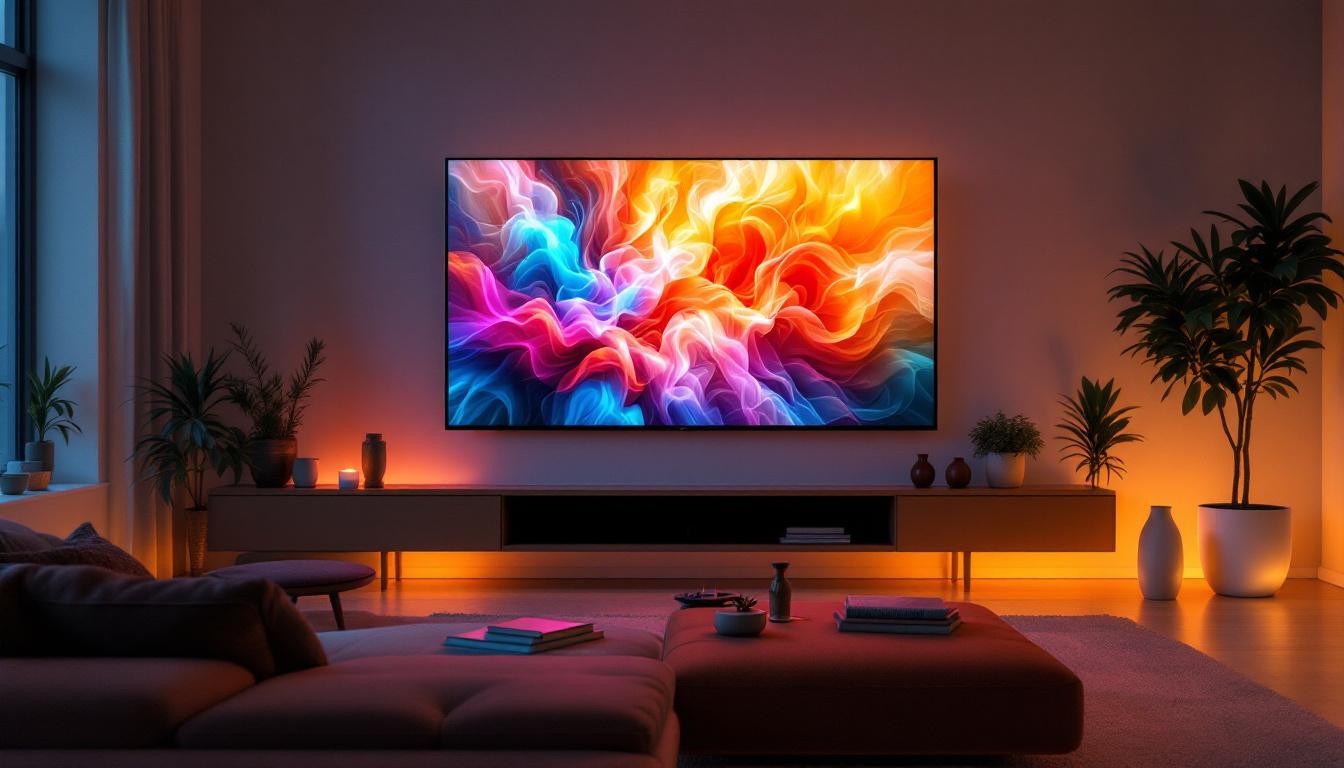
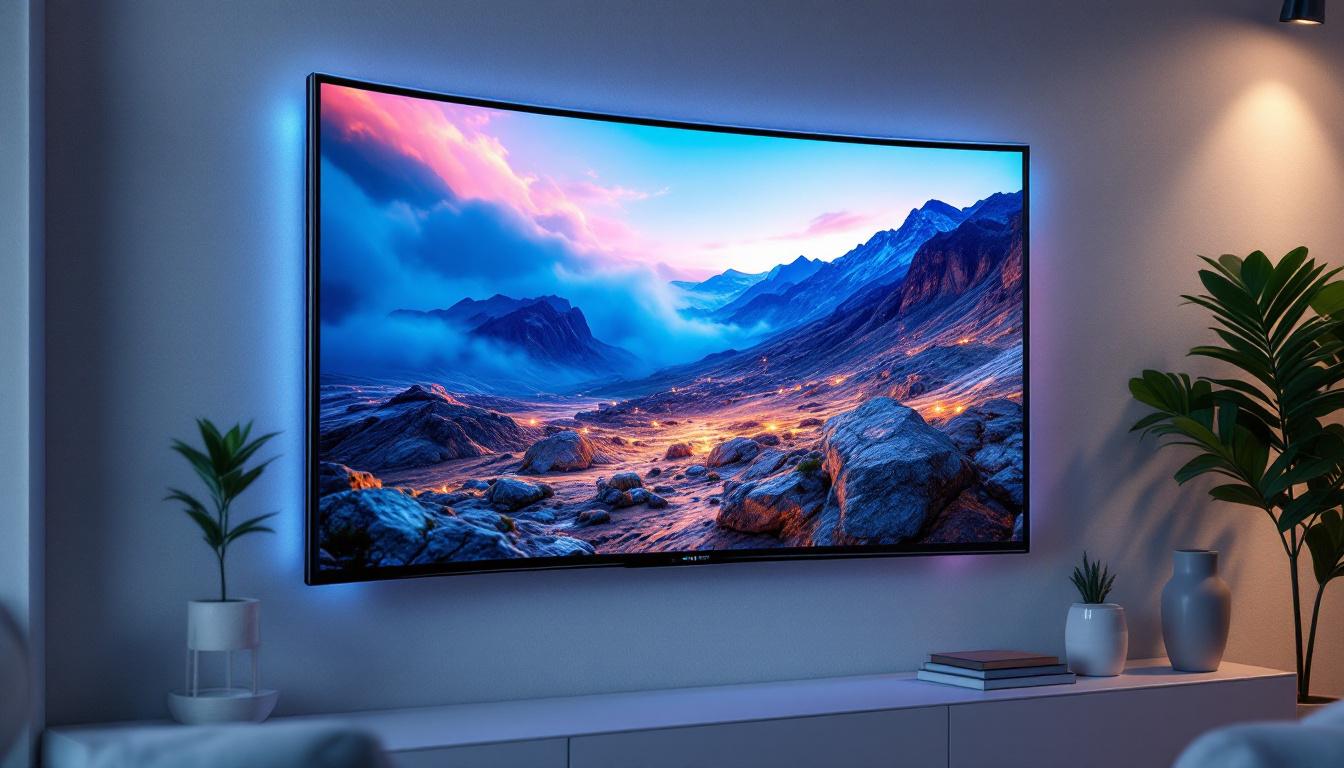
Curved TVs are designed with a subtle inward curve that wraps around the viewer’s field of vision. This curvature aims to create a more immersive and natural viewing experience by reducing distortion and enhancing depth perception. The design mimics the way the human eye naturally perceives images, making content appear more lifelike and engaging. By drawing viewers into the action, curved TVs can transform the way we experience movies, sports, and even video games, making every moment feel more dynamic and captivating.
Manufacturers have increasingly adopted curved screens, especially for larger sizes ranging from 55 inches to over 75 inches. According to a 2023 report from Statista, the global market share of curved TVs has grown steadily, with consumers appreciating the combination of aesthetics and enhanced viewing comfort. This trend reflects a broader shift in consumer preferences towards more innovative and visually striking home entertainment solutions, as people seek to create immersive environments that rival the experience of a theater.
However, the curved design also introduces challenges when it comes to mounting. Traditional flat mounts may not provide the necessary support or alignment, which can compromise both the safety and visual quality of the installation. As a result, specialized mounting solutions have emerged, designed specifically for curved displays. These mounts ensure that the TV is securely fastened while maintaining the optimal angle for viewing, allowing users to enjoy the full benefits of their investment without the worry of misalignment or instability.
Why Choose a Curved TV?
The primary reason consumers opt for curved TVs is the immersive experience. The curvature helps reduce glare and reflections from ambient light sources, which is a common issue with flat screens. Additionally, the curve can make the screen appear larger and improve contrast at the edges, which is particularly beneficial for gaming and cinematic content. This is especially true for high-definition and 4K content, where the enhanced depth perception can make a significant difference in the overall viewing experience.
Yet, these benefits depend heavily on the viewer’s position relative to the screen. The ideal viewing spot is directly in front of the TV, centered on the curve. This is why mounting solutions must accommodate precise positioning to maximize the advantages of the curved display. Furthermore, the design encourages a more communal viewing experience, as the curve allows for a wider angle of visibility, making it easier for groups to gather around and enjoy content together without losing image quality. This aspect is particularly appealing for families and friends who want to share in the excitement of a movie night or a gaming session, ensuring that everyone has a great view regardless of where they are seated in the room.
LED Display Technology in Curved TVs
Understanding the LED technology behind curved TVs is crucial to appreciating their performance and how mounting impacts their functionality. Most curved TVs use LED (Light Emitting Diode) technology, which offers superior brightness, energy efficiency, and color accuracy compared to older LCD or plasma screens.
How LED Displays Work
LED TVs are essentially LCD panels illuminated by LED backlights. The LEDs can be arranged in different configurations, such as edge-lit or full-array backlighting, each affecting picture quality and thickness of the TV. Full-array LED backlighting, often combined with local dimming, provides better contrast and deeper blacks, enhancing the overall viewing experience.
Curved LED TVs benefit from this technology by delivering consistent brightness and color across the curved surface. The curvature does not interfere with the LED backlighting but requires careful calibration during manufacturing to ensure uniformity.
OLED vs. LED in Curved Displays
While LED technology dominates the curved TV market, OLED (Organic Light Emitting Diode) displays are also available with curved designs. OLEDs differ by emitting light individually from each pixel, allowing for perfect blacks and superior contrast. However, OLED curved TVs tend to be more expensive and less common than LED models.
For most consumers, LED curved TVs strike a balance between performance, affordability, and availability, making them the preferred choice for wall mounting solutions.
Choosing the Right Wall Mount for Your Curved TV
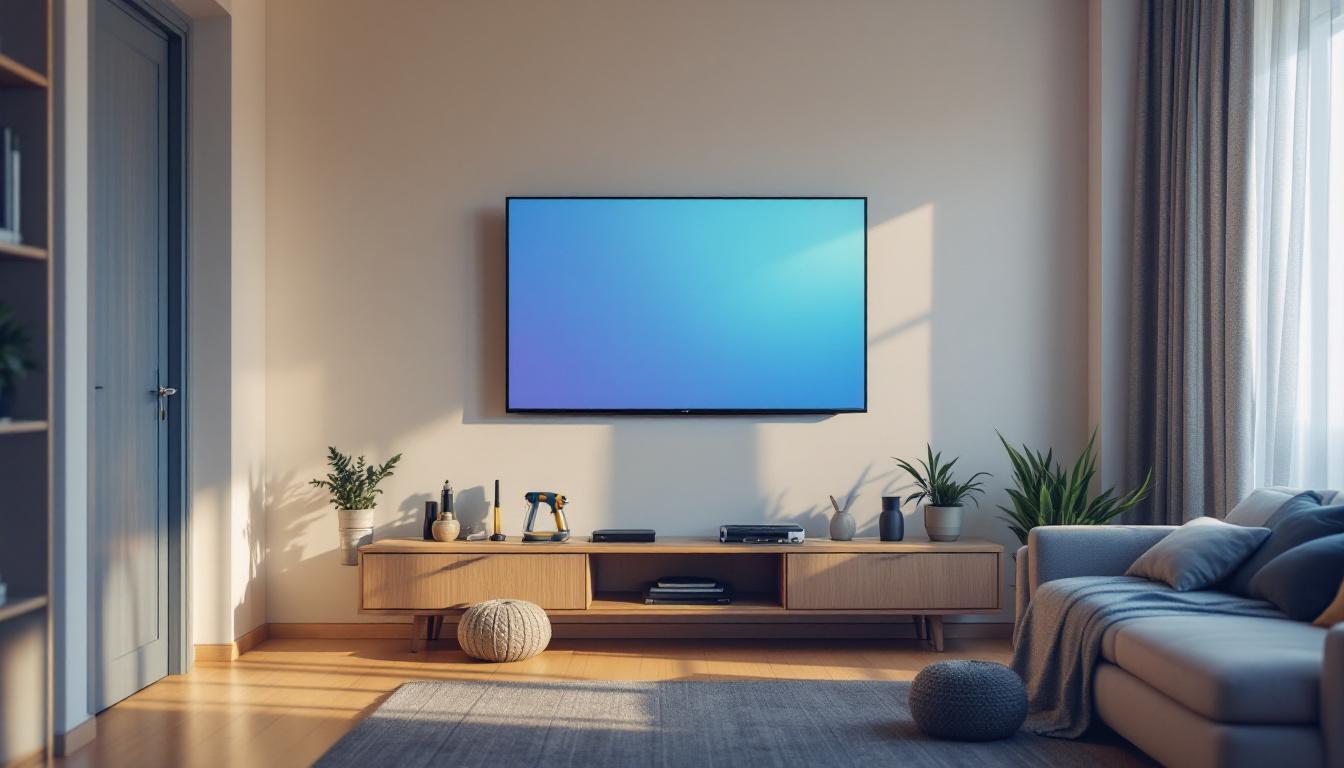
Mounting a curved TV is not as straightforward as hanging a flat screen. The curvature affects how the mount interfaces with the TV’s back panel and how the screen aligns with the wall. Selecting the appropriate mount ensures safety, aesthetic appeal, and optimal viewing angles.
Types of Curved TV Wall Mounts
There are several types of mounts suitable for curved TVs, each with its own advantages:
- Fixed Mounts: These hold the TV close to the wall in a fixed position. They are ideal for rooms where the viewing position is static and the curve is aligned perfectly with the seating area.
- Tilting Mounts: Allow the TV to tilt up or down, which can help reduce glare and improve viewing angles, especially if the TV is mounted higher on the wall.
- Full-Motion (Articulating) Mounts: Provide the most flexibility, allowing the TV to extend, swivel, and tilt. This is beneficial for curved TVs because it enables precise positioning to align with the viewer’s optimal spot.
For curved TVs, full-motion mounts are often recommended due to their adaptability, but the choice depends on room layout and personal preference.
Key Considerations When Selecting a Mount
Several factors should be considered when choosing a wall mount for a curved TV:
- VESA Compatibility: The mount must match the TV’s VESA (Video Electronics Standards Association) mounting pattern, which is the standardized hole pattern on the back of the TV. Curved TVs typically follow standard VESA patterns, but it’s essential to verify the exact measurements.
- Weight Capacity: Ensure the mount can support the weight of your curved TV. Curved models can sometimes be heavier due to their design and materials.
- Depth and Clearance: Since curved TVs protrude more than flat screens, the mount should accommodate this depth to keep the TV stable and flush against the wall as much as possible.
- Material and Build Quality: High-quality steel or aluminum mounts provide better durability and safety. Avoid cheap mounts that may not securely hold the curved TV over time.
Installation Tips for Curved TV Wall Mounts
Proper installation is critical to avoid damage to the TV and ensure safety. Here are some tips:
- Use a Stud Finder: Always mount the TV into wall studs or a solid mounting surface to support the weight safely.
- Level the Mount: Use a spirit level to ensure the mount is perfectly horizontal. Even a slight tilt can distort the viewing experience on a curved screen.
- Follow Manufacturer Instructions: Curved TVs may have specific mounting requirements detailed in the user manual. Adhering to these guidelines is essential.
- Consider Professional Installation: For larger or more expensive curved TVs, hiring a professional installer can ensure the mount is secure and the TV is perfectly positioned.
Optimizing Viewing Experience with Curved TV Wall Mounts
Mounting a curved TV is not just about safety and aesthetics; it’s also about maximizing the immersive experience that curved displays offer. Proper placement and angle adjustment can significantly enhance picture quality and viewer comfort.
Ideal Viewing Distance and Angle
Experts recommend sitting at a distance approximately 1.5 to 2.5 times the diagonal size of the TV. For a 65-inch curved TV, this translates to roughly 8 to 13 feet. Sitting too close or too far reduces the immersive effect of the curve.
The TV should be mounted at eye level when seated, with the center of the screen aligned with the viewer’s eyes. Tilting mounts can help achieve this if the wall height is fixed.
Reducing Glare and Reflections
Curved screens naturally reduce glare by directing reflections away from the viewer. However, ambient lighting still plays a role. Positioning the TV away from direct sunlight or strong light sources, and using tilting or swiveling mounts to adjust the screen angle, can further minimize reflections.
Enhancing Sound and Connectivity
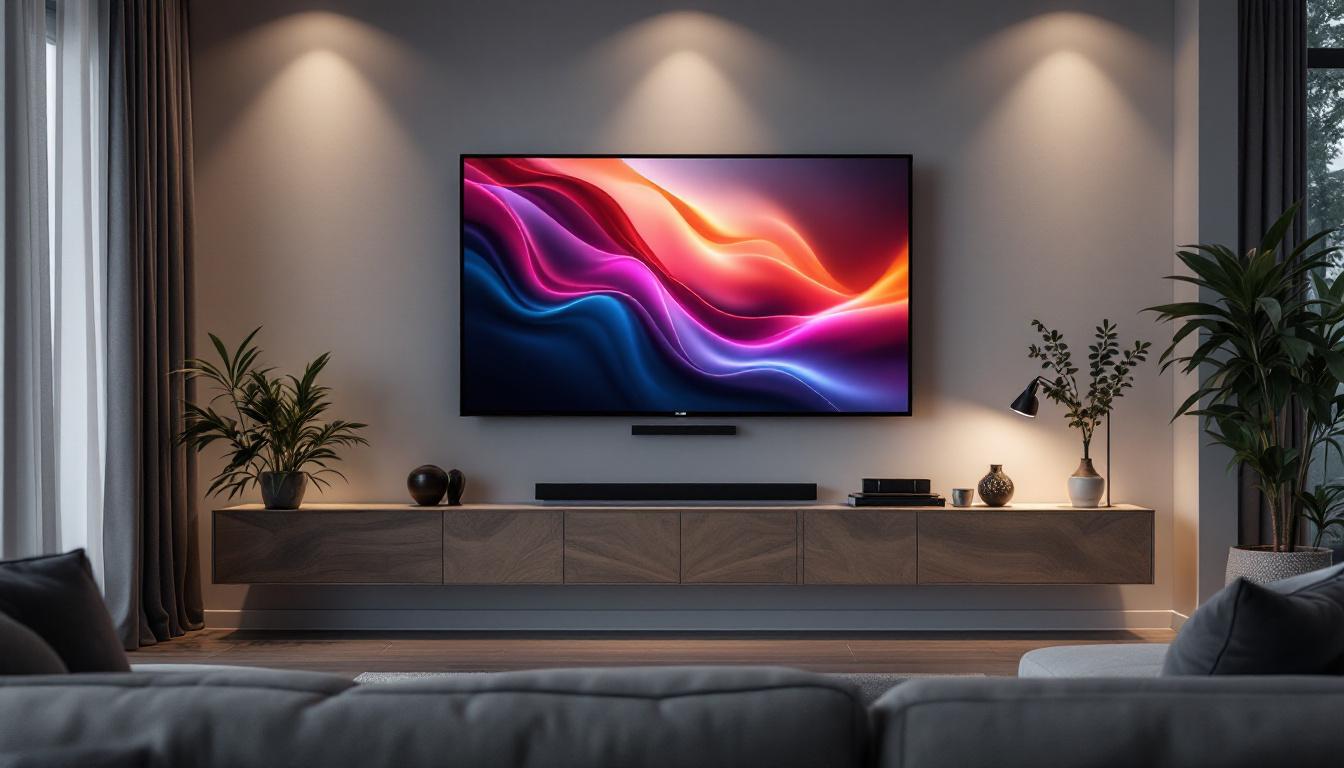
Wall mounting a curved TV can impact sound quality if built-in speakers are partially obstructed by the wall or mount. To counter this, consider external soundbars or surround sound systems that complement the immersive visual experience.
Additionally, ensure that cables and power connections are accessible and neatly organized. Some mounts offer integrated cable management systems to keep wires hidden and prevent clutter.
Maintenance and Safety Tips for Curved TV Wall Mounts
Maintaining the integrity of your curved TV installation ensures longevity and safety. Regular checks and proper care can prevent accidents and preserve the TV’s performance.
Regular Inspection
Periodically inspect the mount and TV for any signs of loosening or wear. Tighten screws and bolts as needed, and check the wall anchors for stability. This is especially important in households with children or pets.
Cleaning the Curved Screen
Curved LED screens require gentle cleaning to avoid damage. Use a microfiber cloth and a screen-safe cleaner. Avoid spraying liquids directly onto the screen; instead, apply the cleaner to the cloth first.
Handling During Adjustments
When adjusting the mount, support the TV securely to prevent strain on the mount or the TV’s frame. Avoid forcing movements, which can damage the mounting hardware or the TV itself.
Conclusion
Curved TVs offer a captivating viewing experience enhanced by their unique design and advanced LED technology. However, to fully enjoy their benefits, selecting the right wall mount and installing it correctly is paramount. Understanding the technical aspects of curved TV mounts, from VESA compatibility to weight capacity and viewing angles, ensures a safe and visually stunning setup.
By investing in a high-quality curved TV wall mount and following best practices for installation and maintenance, consumers can transform their living spaces into immersive entertainment hubs that showcase the full potential of their LED curved displays.
Discover the Future of Immersive Viewing with LumenMatrix
Ready to elevate your home entertainment experience with the latest in LED display technology? LumenMatrix is at the forefront of creating immersive visual experiences that go beyond the ordinary. From the comfort of your living room to the excitement of outdoor events, our extensive range of LED display solutions, including Indoor and Outdoor LED Wall Displays, Vehicle LED Displays, and more, are designed to bring your content to life. Don’t just watch; immerse yourself in the action and let LumenMatrix transform your space into a dynamic visual spectacle. Check out LumenMatrix LED Display Solutions today and witness the revolution in visual communication.