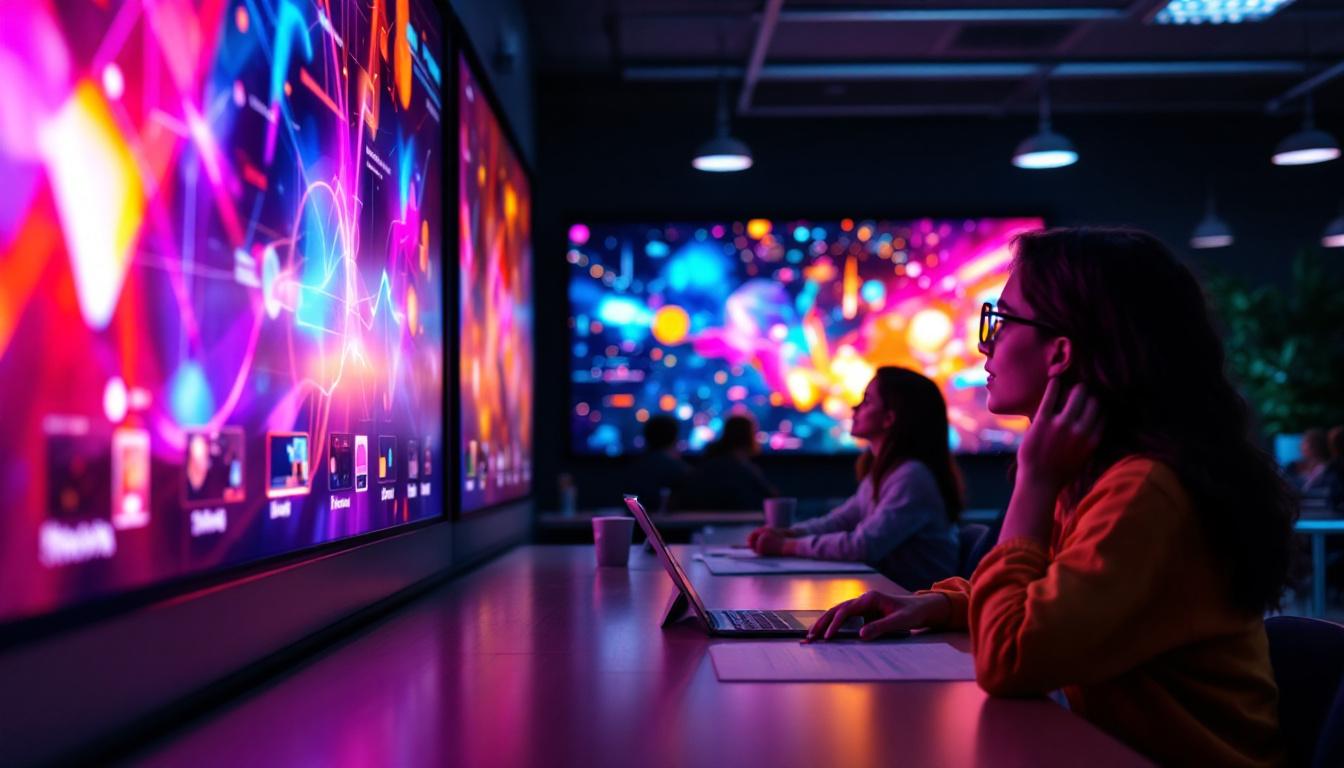
In today’s fast-paced educational landscape, technology plays a pivotal role in transforming how knowledge is delivered and absorbed. Among the many innovations reshaping classrooms and training environments, the Learning Experience Wall powered by LED display technology stands out as a dynamic tool that enhances engagement, collaboration, and comprehension. This article delves into the concept of the Learning Experience Wall, explores the technology behind LED displays, and examines why this integration is becoming indispensable in modern educational settings.
What Is a Learning Experience Wall?
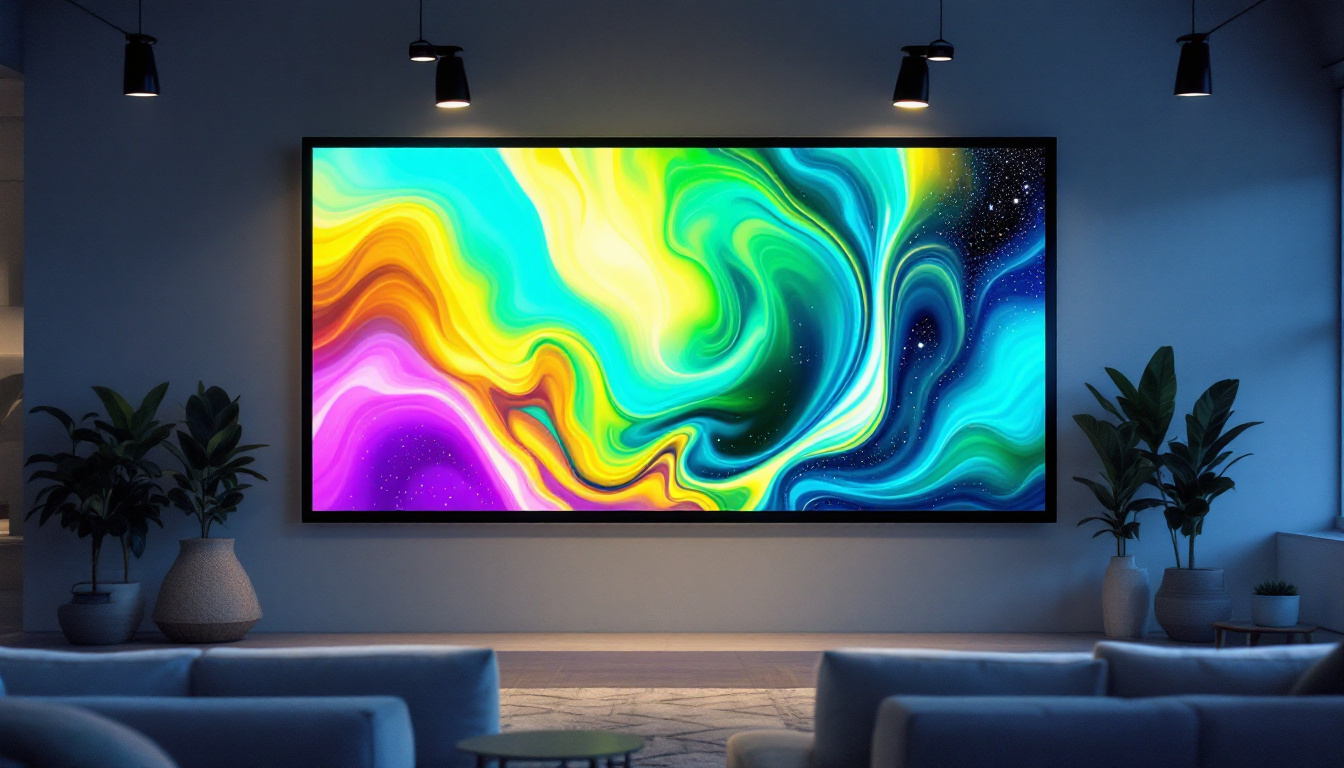
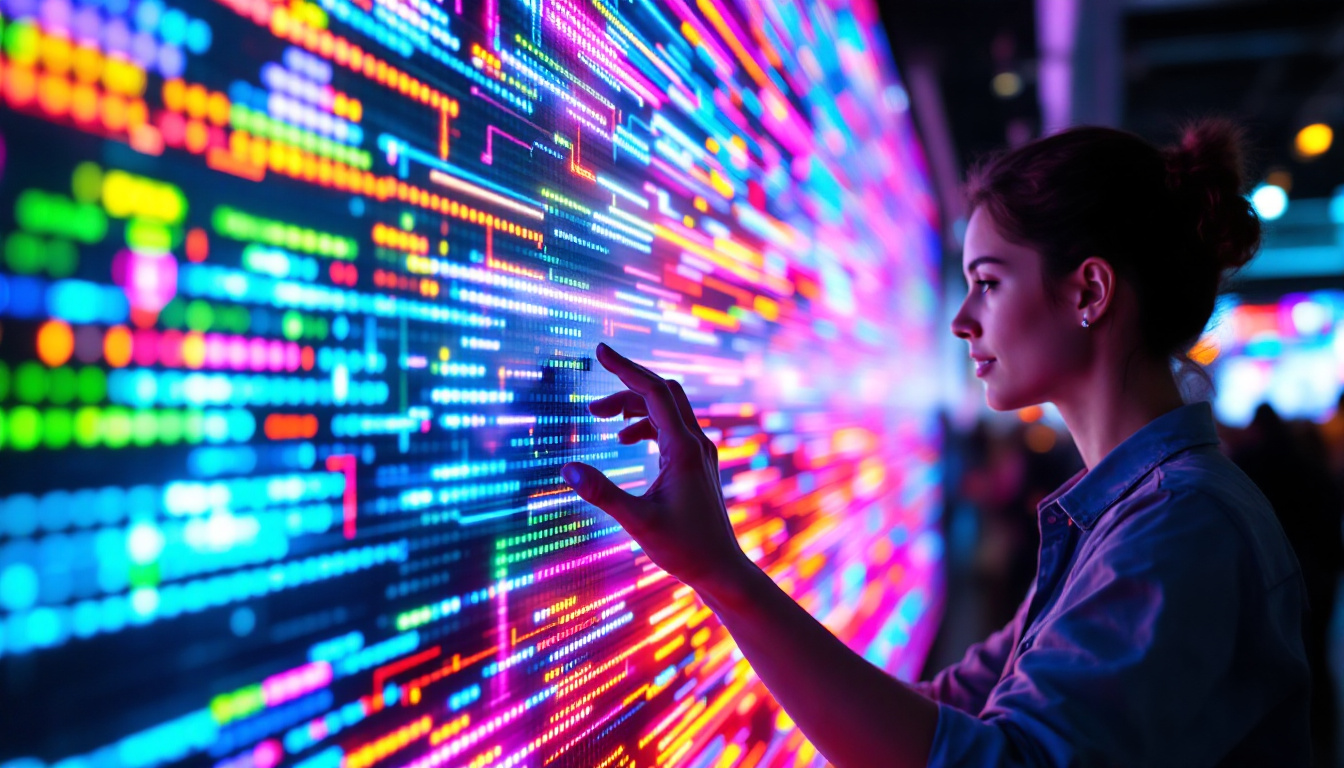
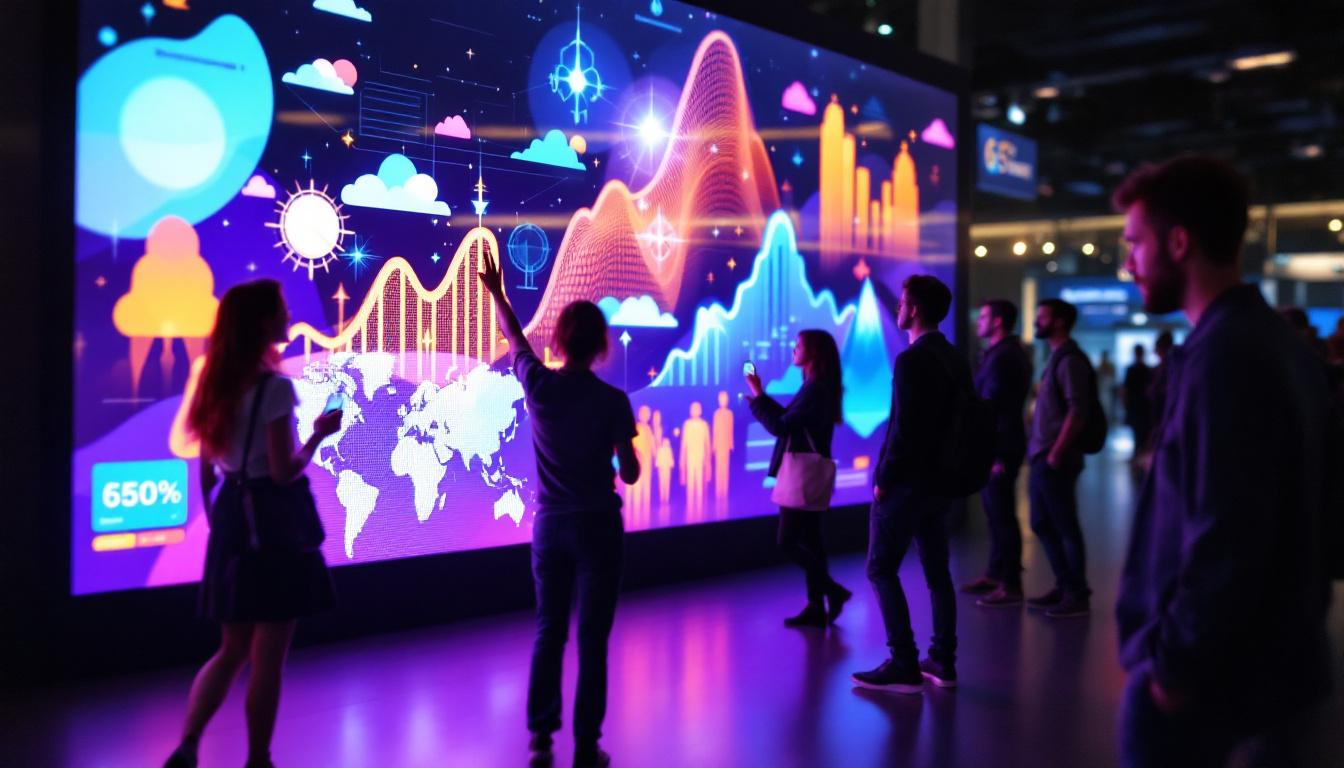
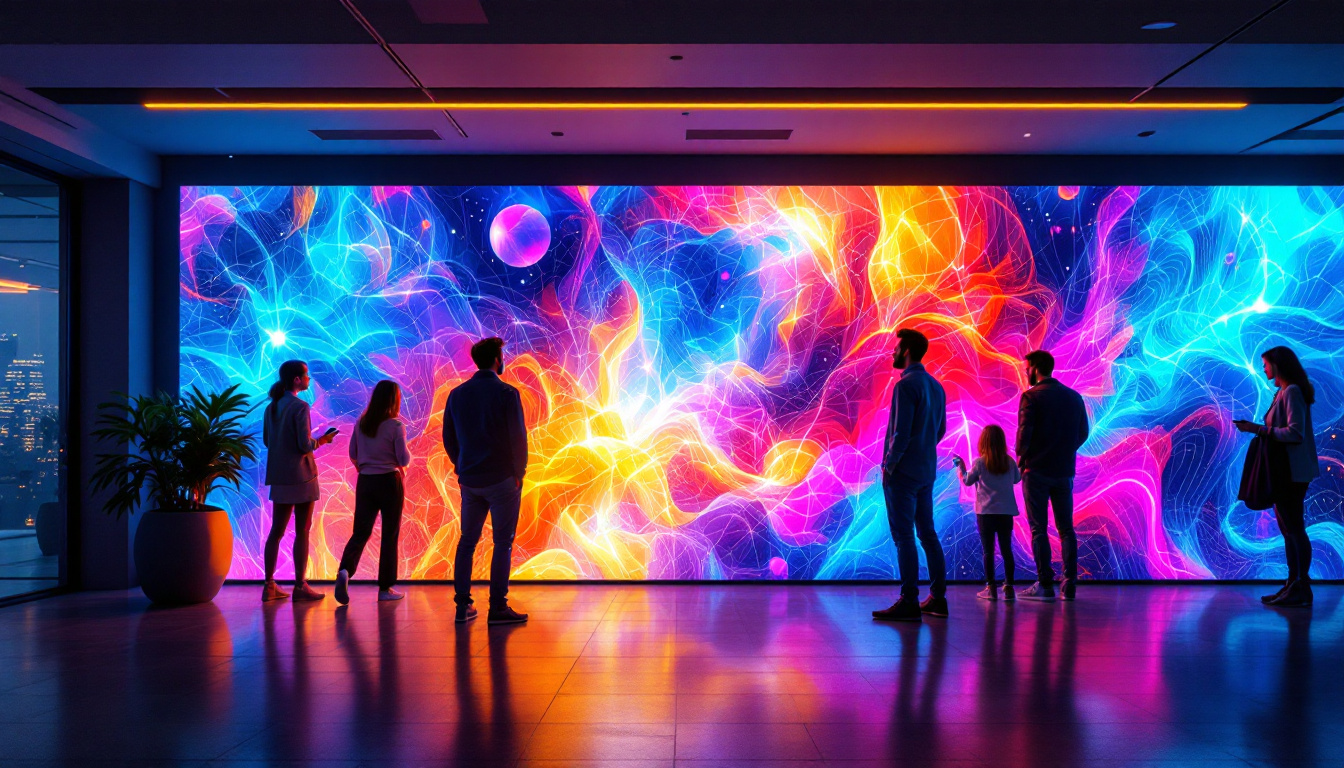
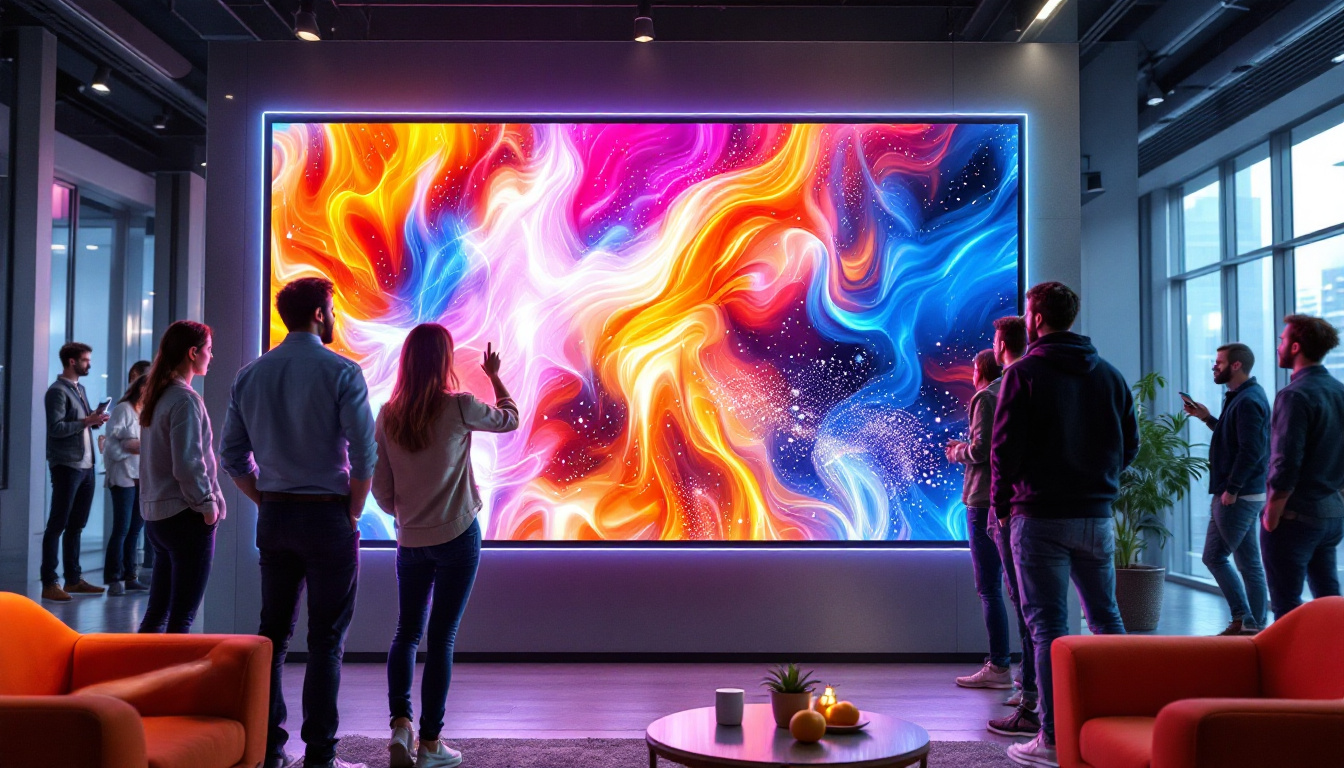
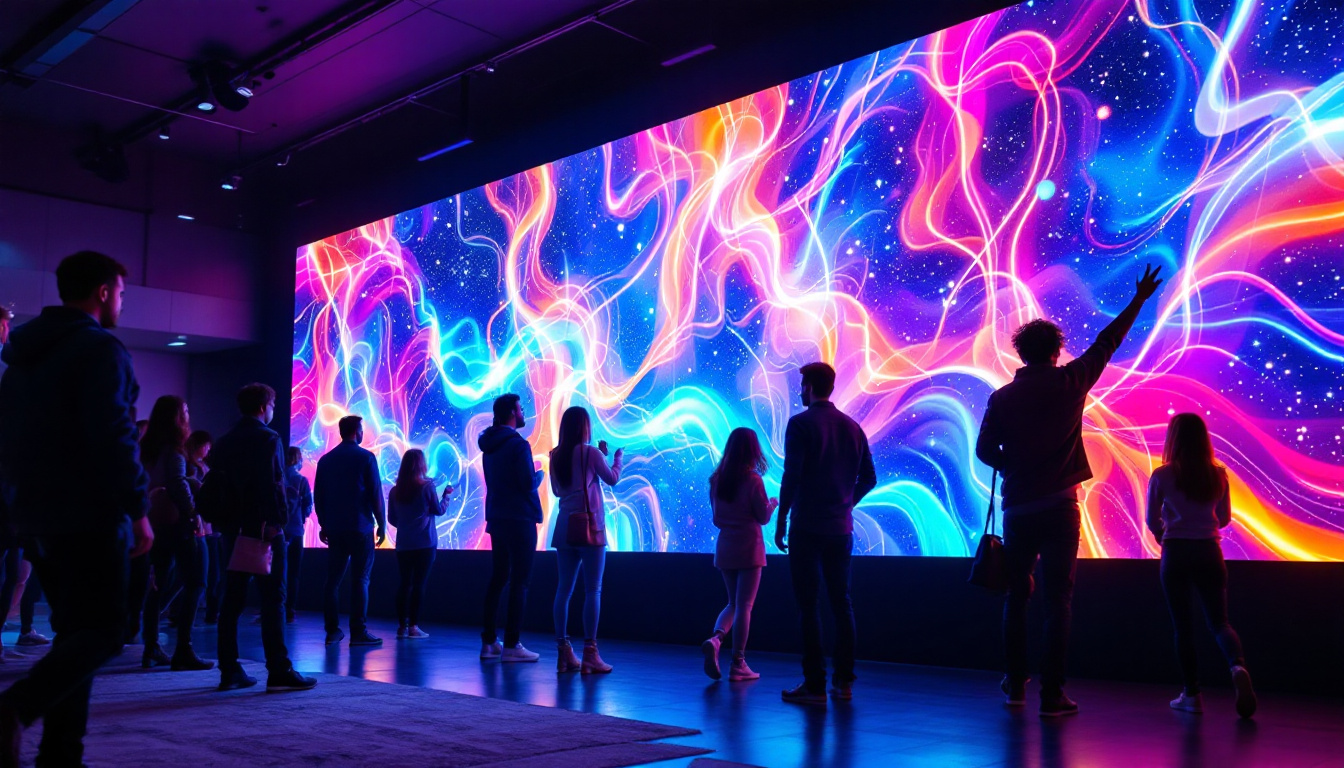
The Learning Experience Wall is an interactive, large-scale digital display designed to facilitate immersive learning experiences. Unlike traditional whiteboards or projectors, these walls leverage advanced display technologies—most notably LED—to create vibrant, high-resolution visuals that capture learners’ attention and encourage active participation.
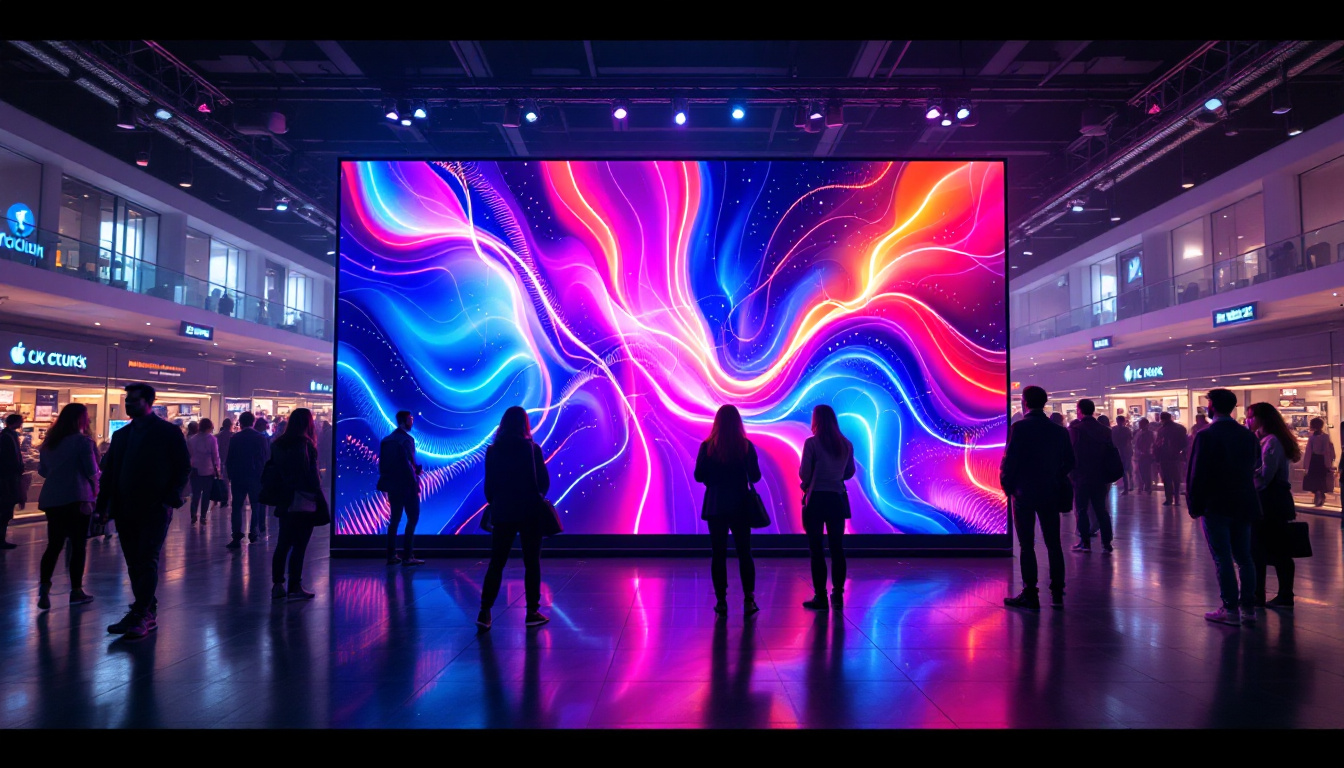
Typically installed in classrooms, lecture halls, corporate training centers, or museums, these walls serve as a central hub for multimedia content, interactive lessons, and collaborative activities. They can display anything from detailed scientific diagrams and historical timelines to live data feeds and real-time student responses.
Key Features of Learning Experience Walls
Some of the defining characteristics of Learning Experience Walls include:
- Large Format and High Resolution: LED displays provide crisp, clear images even at large sizes, ensuring visibility from all corners of a room.
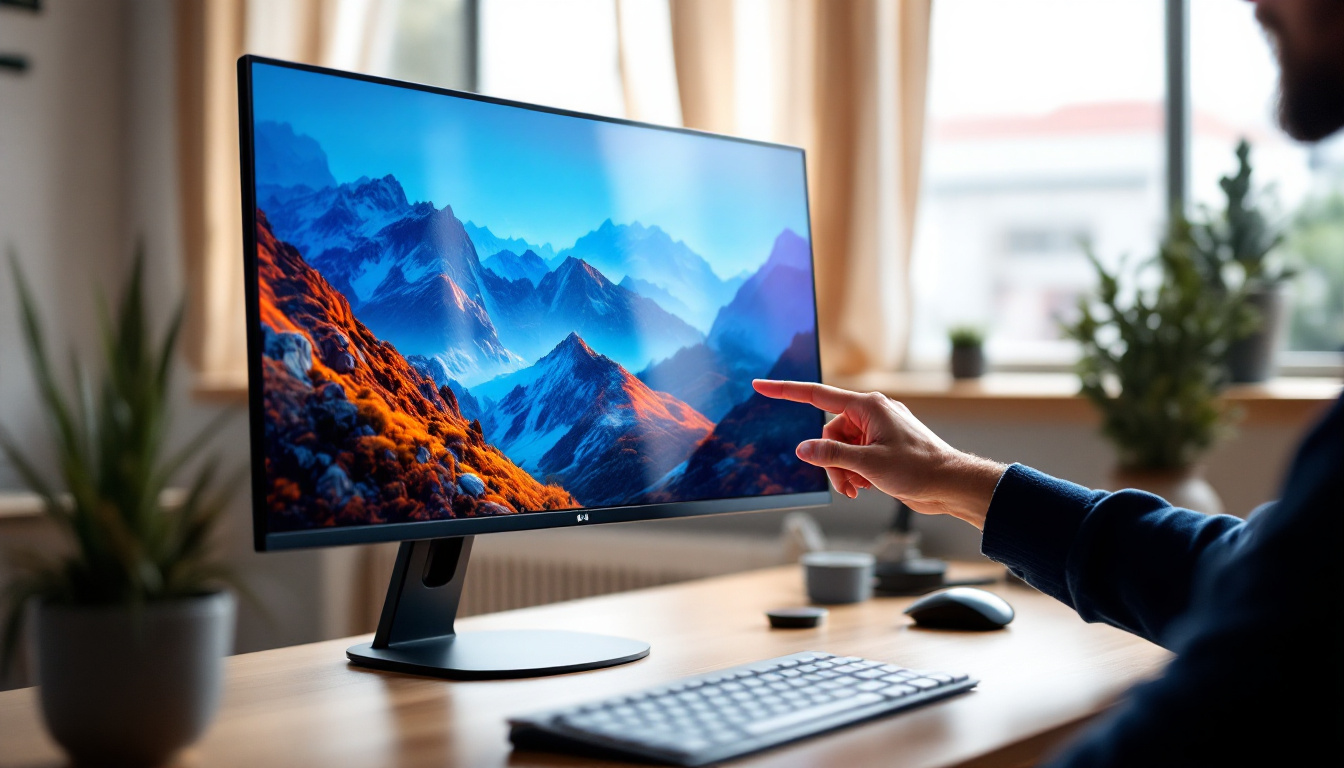
- Interactivity: Many walls support touch capabilities or integration with interactive devices, allowing learners to engage directly with content.
- Dynamic Content Support: They can seamlessly switch between videos, presentations, live streams, and interactive applications.
- Collaborative Tools: Features such as multi-user input and screen sharing foster group work and discussion.
These features combine to create an environment where learners are not passive recipients but active participants in the educational process.
The Technology Behind LED Displays
Understanding the technology that powers Learning Experience Walls is essential to appreciating their impact. LED (Light Emitting Diode) displays have become the preferred choice for large-format digital walls due to their superior brightness, color accuracy, and energy efficiency compared to older technologies like LCD or projection systems.
How LED Displays Work
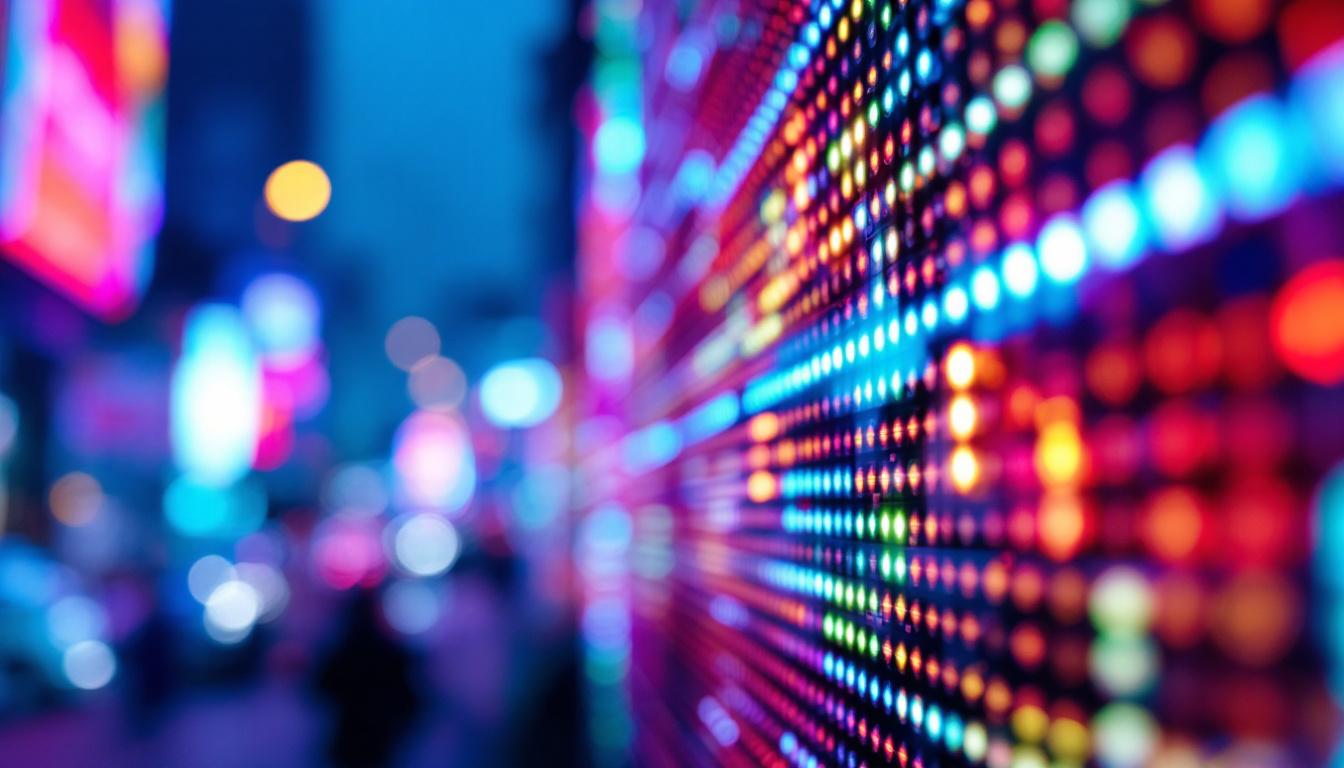
At the core of an LED display are thousands of tiny light-emitting diodes arranged in a grid. Each diode emits light when an electric current passes through it, and by controlling the intensity of red, green, and blue diodes, the display can produce a full spectrum of colors. This allows for vivid, lifelike images and videos.
LED displays come in two primary forms:
- Direct View LED: These are composed of individual LED modules that form the entire display surface. They offer excellent brightness and contrast, making them ideal for large-scale walls.
- LED-Backlit LCD: These use LEDs as a backlight behind an LCD panel. While common in smaller screens, they are less suitable for very large displays due to limitations in brightness and viewing angles.
For Learning Experience Walls, Direct View LED displays are generally preferred because of their scalability and superior visual performance.
Advantages of LED Displays in Educational Settings
LED displays bring several benefits that make them particularly suited for learning environments:
- High Brightness and Visibility: With brightness levels often exceeding 1,000 nits, LED walls remain clear and vibrant even in well-lit rooms.
- Wide Viewing Angles: Students seated anywhere in the room can see the content without distortion or color shift.
- Durability and Longevity: LEDs have a long lifespan, often exceeding 100,000 hours, reducing maintenance costs.
- Energy Efficiency: Compared to traditional projection systems, LED displays consume less power, aligning with sustainability goals.
Enhancing Learning Through LED Experience Walls
The integration of LED display technology into learning spaces is not merely about upgrading visual equipment—it fundamentally changes the way information is presented and absorbed. Below are some of the ways Learning Experience Walls enhance educational outcomes.
Boosting Engagement and Retention
Research consistently shows that multimedia learning aids improve student engagement and information retention. According to a 2022 study by the Education Technology Research Group, classrooms equipped with interactive digital walls saw a 30% increase in student participation and a 25% improvement in test scores compared to traditional setups.
The vivid imagery and interactive capabilities of LED walls capture learners’ attention more effectively than static materials. For example, a biology class can explore 3D models of the human body, manipulating layers to understand anatomy in a hands-on manner. This multisensory approach caters to diverse learning styles and helps solidify complex concepts.
Facilitating Collaboration and Interaction
Learning Experience Walls often support multi-touch input, enabling multiple users to interact simultaneously. This fosters collaboration among students and between instructors and learners. Group projects can be conducted directly on the wall, with participants brainstorming, annotating, and rearranging content in real-time.
In corporate training environments, this capability encourages teamwork and problem-solving, essential skills in today’s workplace. Interactive walls also support remote collaboration, allowing participants in different locations to share the same digital workspace seamlessly.
Flexibility and Adaptability in Teaching Methods
One of the greatest advantages of LED Learning Experience Walls is their adaptability. Educators can customize lessons on the fly, integrating live data, social media feeds, or student-generated content. This flexibility supports a wide range of pedagogical approaches, from flipped classrooms to project-based learning.
For instance, a history teacher might display a timeline of events alongside primary source documents and related video footage, switching between them effortlessly during a lecture. This dynamic presentation keeps lessons fresh and relevant, encouraging curiosity and critical thinking.
Implementing a Learning Experience Wall: Considerations and Best Practices
While the benefits of LED Learning Experience Walls are compelling, successful implementation requires careful planning and consideration of several factors.
Assessing Space and Viewing Requirements
The physical environment plays a crucial role in determining the size and placement of the LED wall. Factors such as room dimensions, seating arrangements, and ambient lighting must be evaluated to ensure optimal visibility and accessibility.
For example, a large lecture hall may benefit from a wall spanning several meters, while a smaller classroom might require a more modest installation. Consulting with AV specialists and educators during the planning phase helps tailor the solution to specific needs.
Choosing the Right Resolution and Pixel Pitch
Resolution and pixel pitch—the distance between individual LEDs—directly affect image clarity. For close viewing distances typical in classrooms, a finer pixel pitch (smaller spacing) is essential to avoid visible pixelation.
Industry standards suggest that for viewing distances of less than two meters, a pixel pitch of 1.5 mm or less is ideal. Larger pixel pitches are suitable for bigger rooms where viewers are farther away.
Integrating Software and Content Management
Hardware is only part of the equation. Effective use of a Learning Experience Wall depends on intuitive software platforms that allow educators to create, manage, and deliver content seamlessly. Many solutions offer cloud-based content management systems, enabling easy updates and remote access.
Additionally, compatibility with existing learning management systems (LMS) and collaboration tools ensures that the wall complements rather than complicates the educational ecosystem.
Training and Support for Educators
To maximize the potential of LED Learning Experience Walls, educators must be comfortable and confident using the technology. Providing comprehensive training and ongoing technical support is essential to encourage adoption and innovative use.
Workshops, tutorials, and peer-sharing sessions can help teachers explore creative ways to leverage the wall’s capabilities, ultimately enriching the learning experience for students.
Case Studies: Real-World Applications of Learning Experience Walls
Several institutions have successfully integrated LED Learning Experience Walls, demonstrating their transformative impact.
University of California, Berkeley
Berkeley’s College of Engineering installed a 4K Direct View LED wall in its main lecture hall to support interactive STEM education. The wall displays complex simulations, live coding sessions, and collaborative problem-solving exercises. Since installation, student feedback highlights increased engagement and improved understanding of abstract concepts.
Google’s Corporate Training Center
Google’s training facilities use LED Experience Walls to facilitate immersive workshops and brainstorming sessions. The walls support multi-user touch input and integrate with Google Workspace tools, enabling seamless collaboration among participants worldwide. This setup has accelerated innovation cycles and enhanced team cohesion.
Smithsonian National Museum of Natural History
The Smithsonian employs LED walls in its educational exhibits to bring natural history to life. Visitors interact with detailed visualizations of ecosystems, fossils, and climate data, creating memorable and informative experiences that appeal to diverse audiences.
The Future of Learning Experience Walls
As LED technology continues to evolve, Learning Experience Walls are poised to become even more integral to education. Emerging trends include:
- MicroLED Displays: Offering even higher resolution and energy efficiency, MicroLEDs promise sharper images and thinner form factors.
- Augmented Reality (AR) Integration: Combining LED walls with AR can create mixed-reality environments that deepen immersion and interactivity.
- AI-Driven Content Personalization: Artificial intelligence may tailor displayed content in real-time based on learner responses and preferences.
These advancements will further blur the lines between physical and digital learning spaces, fostering environments where knowledge is not only transmitted but co-created.
Conclusion
The Learning Experience Wall, powered by LED display technology, represents a significant leap forward in educational tools. Its ability to deliver bright, high-resolution, and interactive content transforms passive learning into an engaging, collaborative, and adaptive experience. As institutions seek innovative ways to meet the demands of modern learners, investing in LED Learning Experience Walls offers a proven path to enhancing educational outcomes.
By understanding the technology, appreciating its benefits, and thoughtfully implementing these systems, educators and organizations can unlock new potentials in teaching and learning—creating environments where curiosity thrives and knowledge flourishes.
Discover the Future of Learning with LumenMatrix
Ready to elevate your educational environment with the latest in LED display technology? LumenMatrix is at the forefront of creating immersive and interactive visual experiences that captivate and educate. From Indoor LED Wall Displays to Custom LED Solutions, our products are designed to transform your learning spaces and engage modern audiences. Don’t miss the opportunity to redefine education with our cutting-edge displays. Check out LumenMatrix LED Display Solutions today and step into the future of learning.