In recent years, smart LED wall lights have transformed the way we illuminate and decorate our living and commercial spaces. Combining energy efficiency with dynamic visual effects, these lights offer more than just brightness—they provide interactive and customizable lighting experiences. This article delves into the technology behind smart LED wall lights, explores their applications, and explains how LED displays function to create vibrant, eye-catching visuals.
Understanding Smart LED Wall Lights
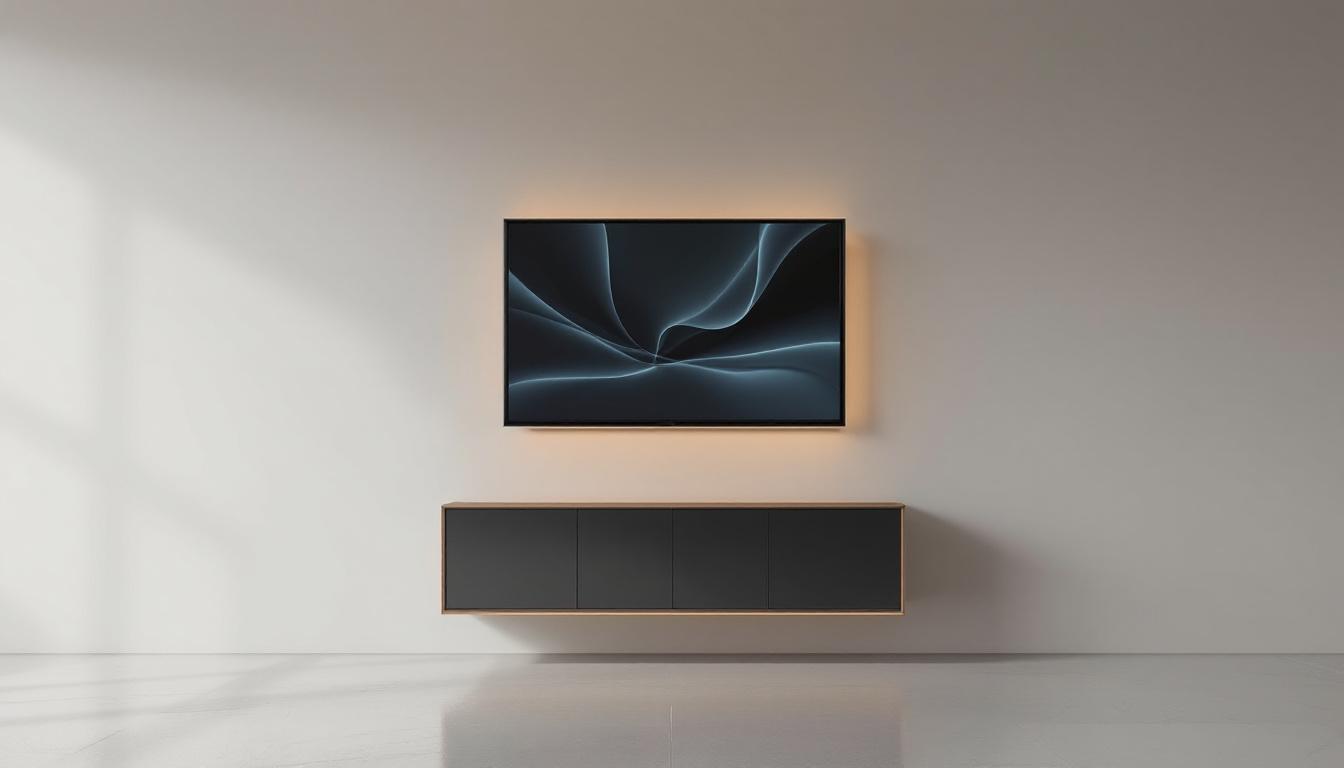
Smart LED wall lights are advanced lighting fixtures that integrate LED technology with smart controls, enabling users to adjust brightness, color, and patterns through mobile apps, voice commands, or automated schedules. Unlike traditional lighting, these systems offer flexibility and energy savings, making them popular in both residential and commercial settings. The ability to customize lighting not only enhances the ambiance of a space but also contributes to energy efficiency, as users can tailor their lighting needs to specific activities or times of day.
LEDs, or Light Emitting Diodes, are semiconductor devices that emit light when an electric current passes through them. Their efficiency and longevity surpass traditional incandescent and fluorescent bulbs, with LEDs consuming up to 75% less energy and lasting 25 times longer, according to the U.S. Department of Energy. This remarkable durability means fewer replacements and less waste, aligning with the growing trend toward sustainability in home and office design. Furthermore, the low heat emission of LEDs reduces cooling costs, making them an even more attractive option for energy-conscious consumers.
Key Features of Smart LED Wall Lights
Smart LED wall lights typically include features such as:
- Color Customization: Users can select from millions of colors and adjust color temperature to suit mood or task.
- Brightness Control: Dimming capabilities allow for precise control over light intensity.
- Scheduling and Automation: Lights can be programmed to turn on/off or change settings based on time of day or occupancy.
- Integration with Smart Home Systems: Compatibility with platforms like Amazon Alexa, Google Home, and Apple HomeKit enhances convenience.
- Dynamic Effects: Some models support animations, color transitions, and music synchronization.
In addition to these features, many smart LED wall lights come equipped with energy monitoring capabilities, allowing users to track their energy consumption in real-time. This feature not only helps in managing electricity bills but also promotes awareness of energy usage patterns. Moreover, some advanced models offer adaptive lighting, which adjusts automatically based on the amount of natural light in the room, ensuring optimal illumination throughout the day. Such innovations are particularly beneficial in workspaces, where maintaining focus and productivity is essential.
Another exciting aspect of smart LED wall lights is their potential for enhancing security. Many systems can be programmed to simulate occupancy by turning lights on and off at random intervals, deterring potential intruders. Additionally, integration with motion sensors can trigger lights to illuminate pathways or entrances when movement is detected, providing both safety and convenience. As technology continues to evolve, the possibilities for smart LED wall lights are expanding, making them an integral part of modern smart home ecosystems.
The Technology Behind LED Displays in Wall Lights
At the core of smart LED wall lights is the LED display technology, which enables the creation of vivid images, text, and animations on the light surface. Understanding how these displays work provides insight into their versatility and appeal.
Types of LED Displays Used in Wall Lights
LED displays vary based on their design and application. The most common types used in smart wall lights include:
- Single-Color LED Displays: These use LEDs of one color, often red, green, or blue, to create simple patterns or text.
- Multi-Color (RGB) LED Displays: By combining red, green, and blue LEDs, these displays can produce a wide spectrum of colors, enabling richer visuals.
- Addressable LED Strips: These consist of individually controllable LEDs arranged in strips or panels, allowing complex animations and effects.
Addressable LEDs, such as those based on WS2812 or APA102 chips, have revolutionized smart lighting by enabling each LED to be programmed independently, resulting in intricate and dynamic displays.
How LED Displays Create Images and Effects
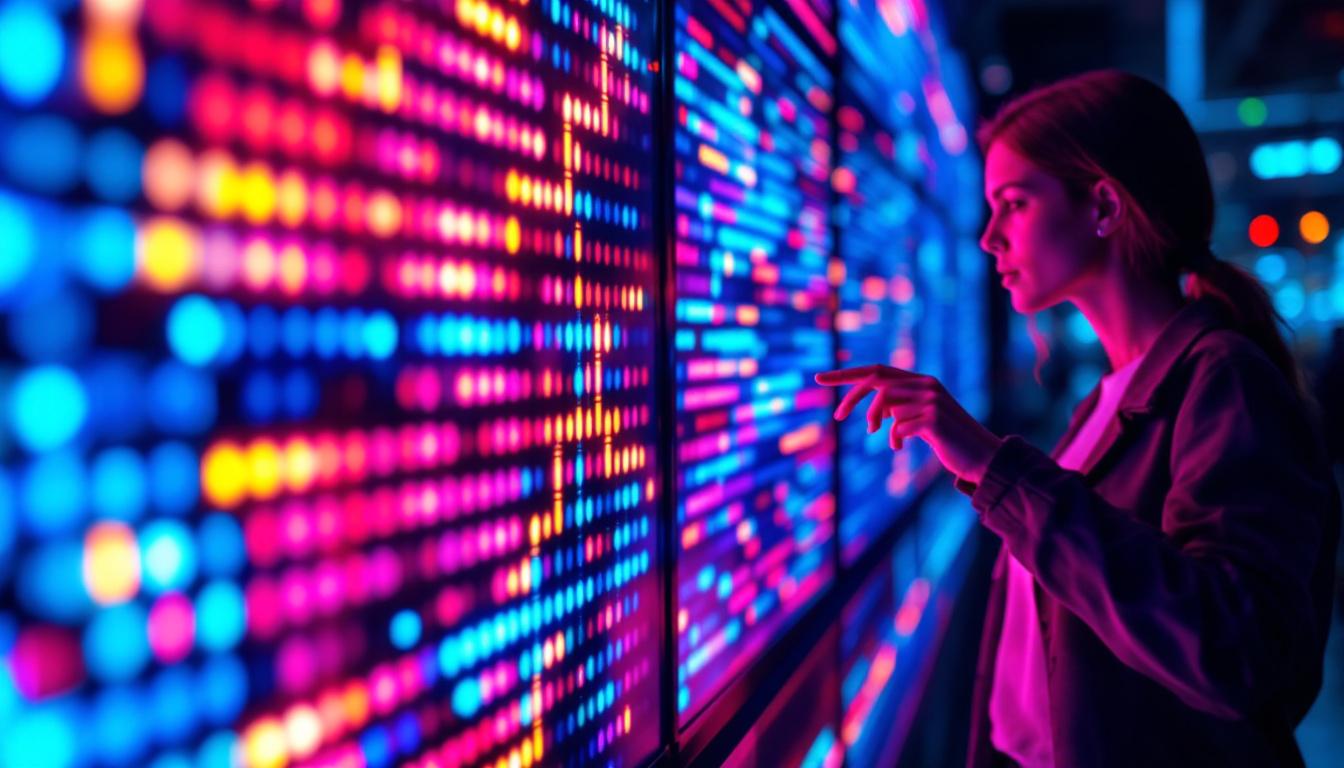
LED displays operate by controlling the intensity and color of each LED pixel. In multi-color displays, varying the brightness of red, green, and blue LEDs within a pixel produces different colors through additive color mixing. The control system sends signals to each LED or pixel, dictating its state at any given moment.
This precise control allows for the creation of static images, scrolling text, gradients, and complex animations. For example, a smart LED wall light can display a calming blue gradient during the evening and switch to vibrant, dynamic patterns during social gatherings.
Applications of Smart LED Wall Lights
The versatility of smart LED wall lights makes them suitable for a broad range of applications, from enhancing home ambiance to serving as advertising tools in commercial environments.
Residential Use
In homes, smart LED wall lights contribute to interior design while providing functional lighting. Homeowners use them to:
- Create mood lighting that adapts to different activities such as reading, relaxing, or entertaining.
- Highlight architectural features or artwork with accent lighting.
- Integrate with home automation systems for seamless control and energy efficiency.
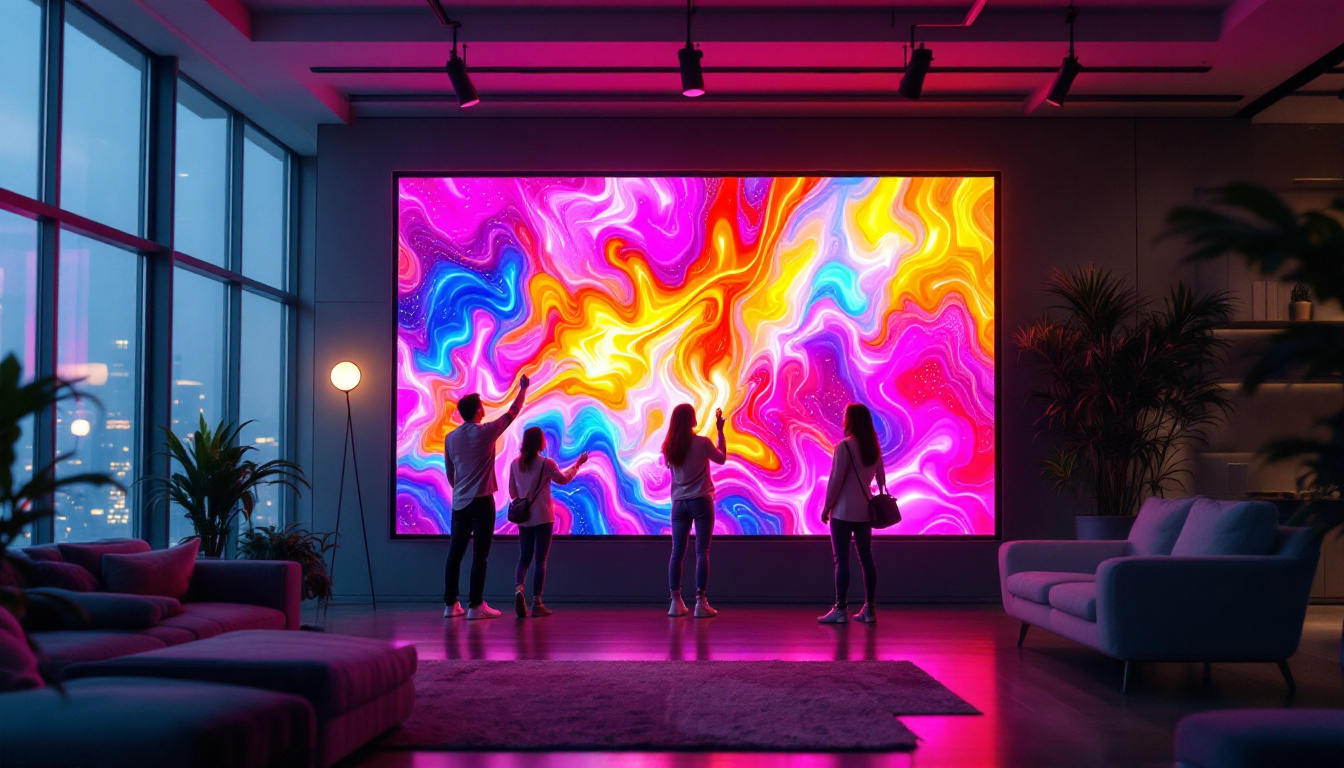
For example, a living room wall fitted with addressable LED strips can transform from a soft white glow to a vibrant color display synchronized with music, enhancing the atmosphere during parties.
Commercial and Public Spaces
Businesses leverage smart LED wall lights to attract attention and convey information. Applications include:
- Retail Stores: Dynamic lighting displays can highlight products, promote sales, or create immersive shopping experiences.
- Restaurants and Bars: Adjustable lighting enhances ambiance and can be themed to match events or seasons.
- Corporate Offices: LED walls can display company branding, announcements, or provide wayfinding assistance.
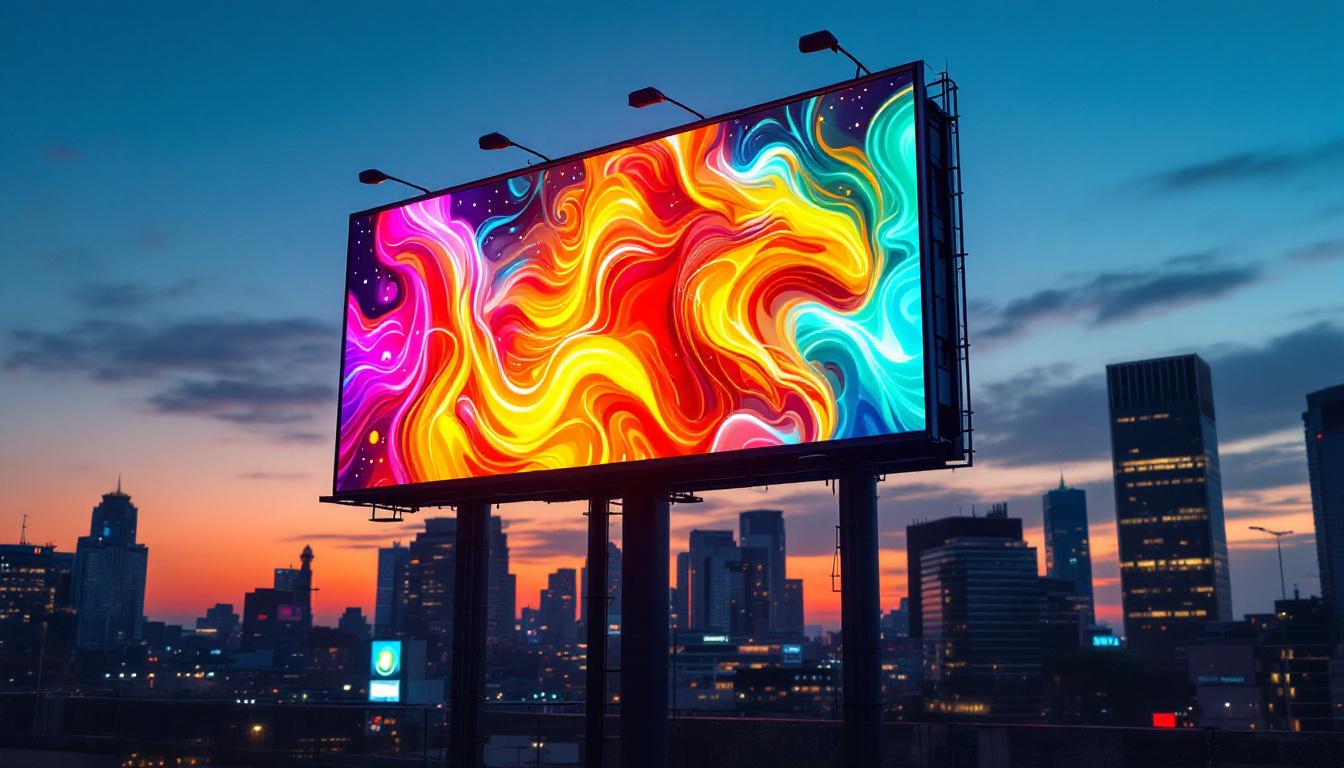
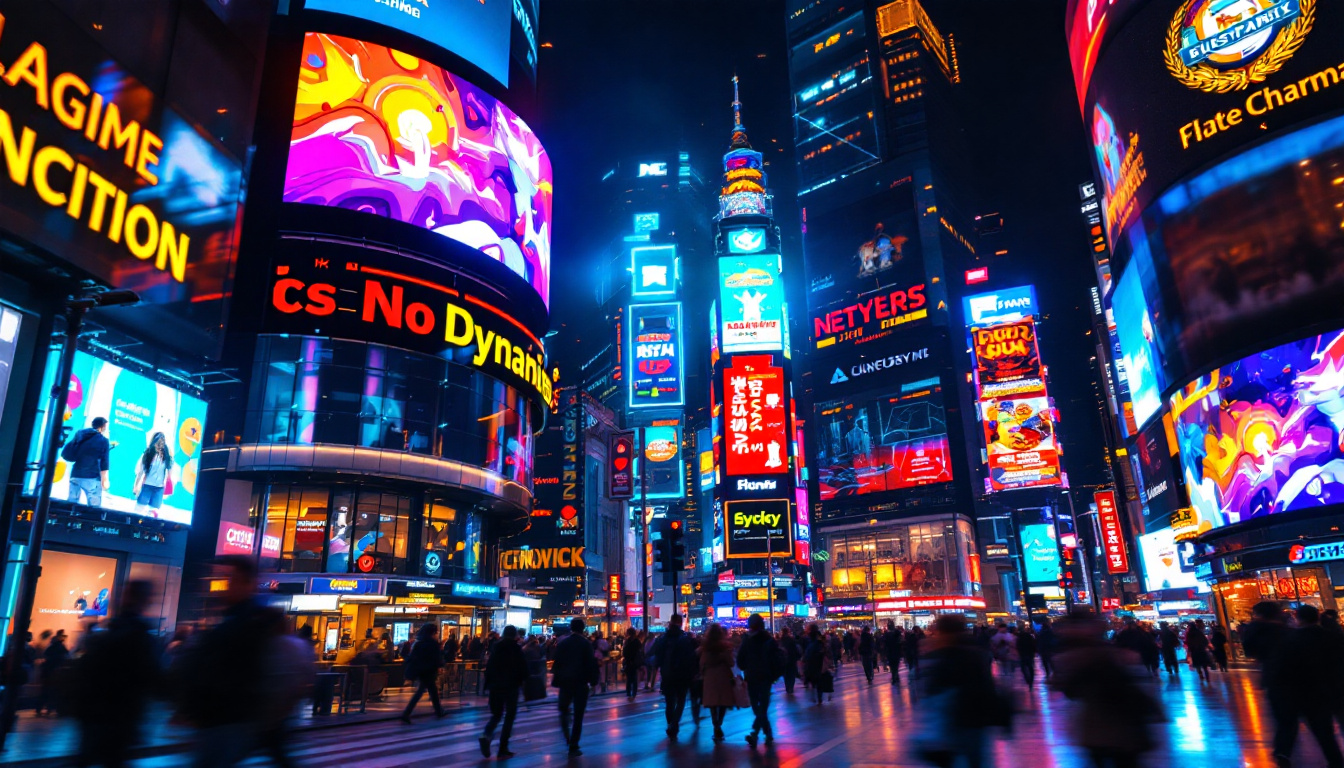
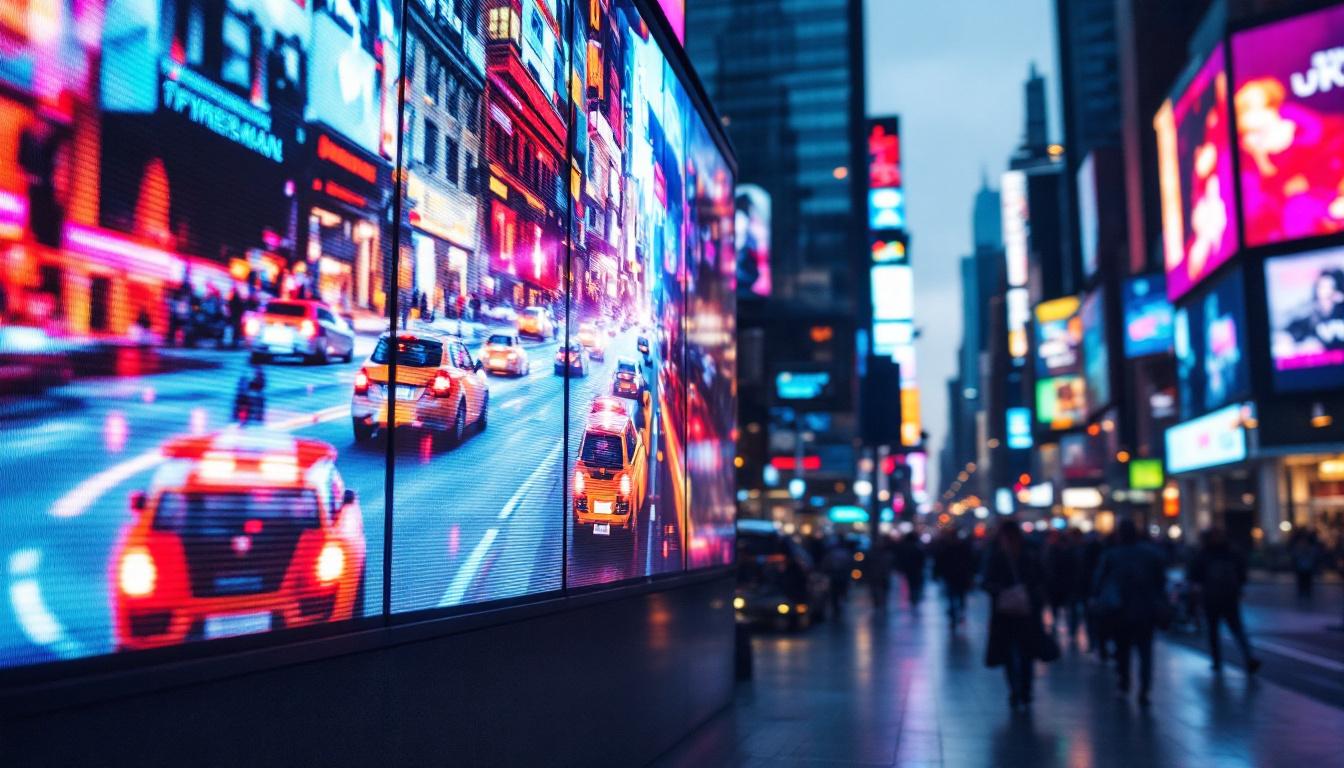
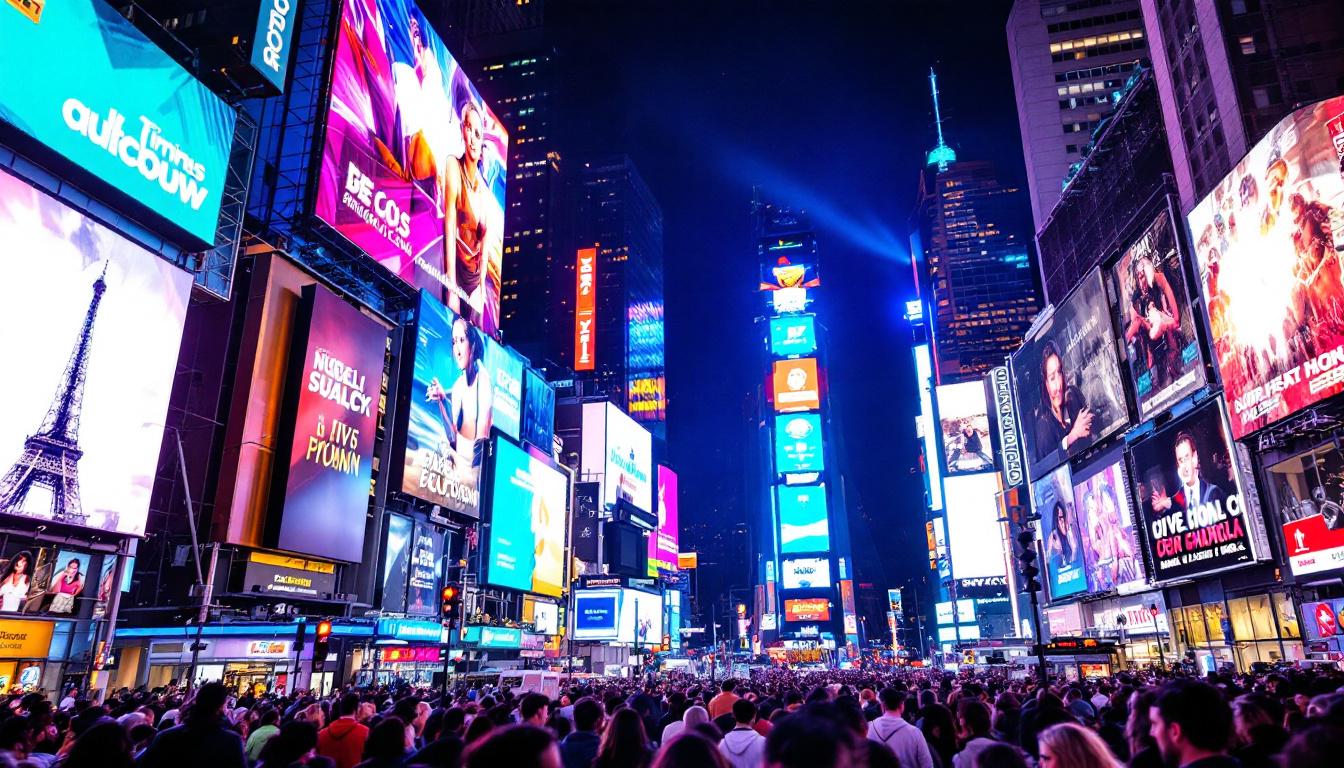
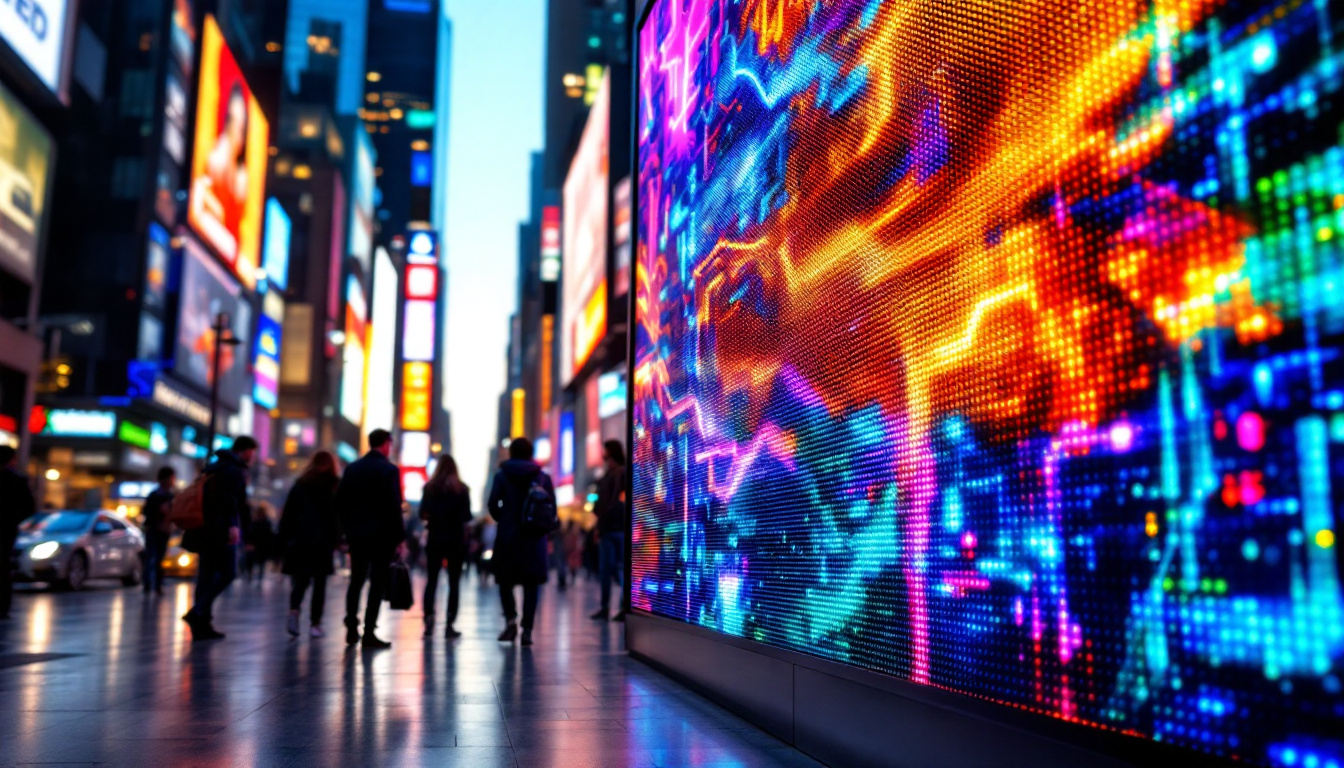
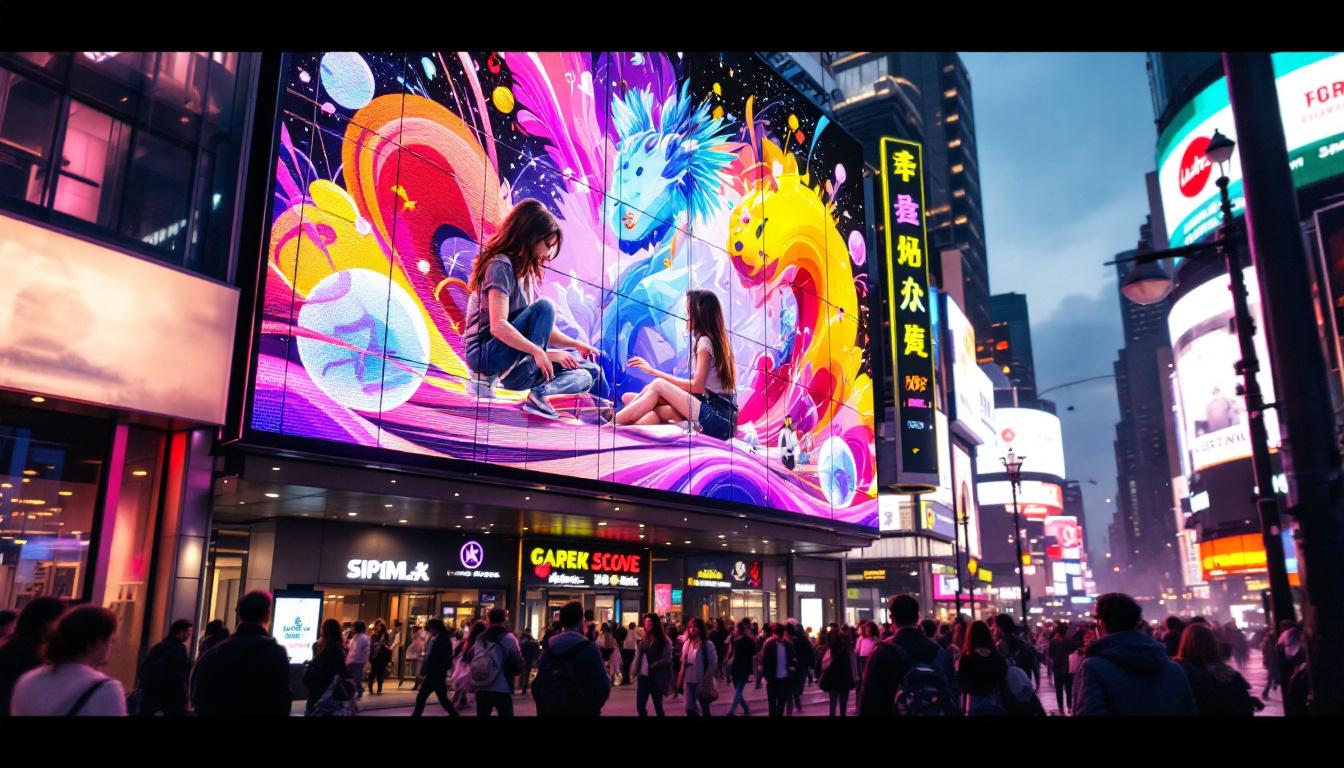
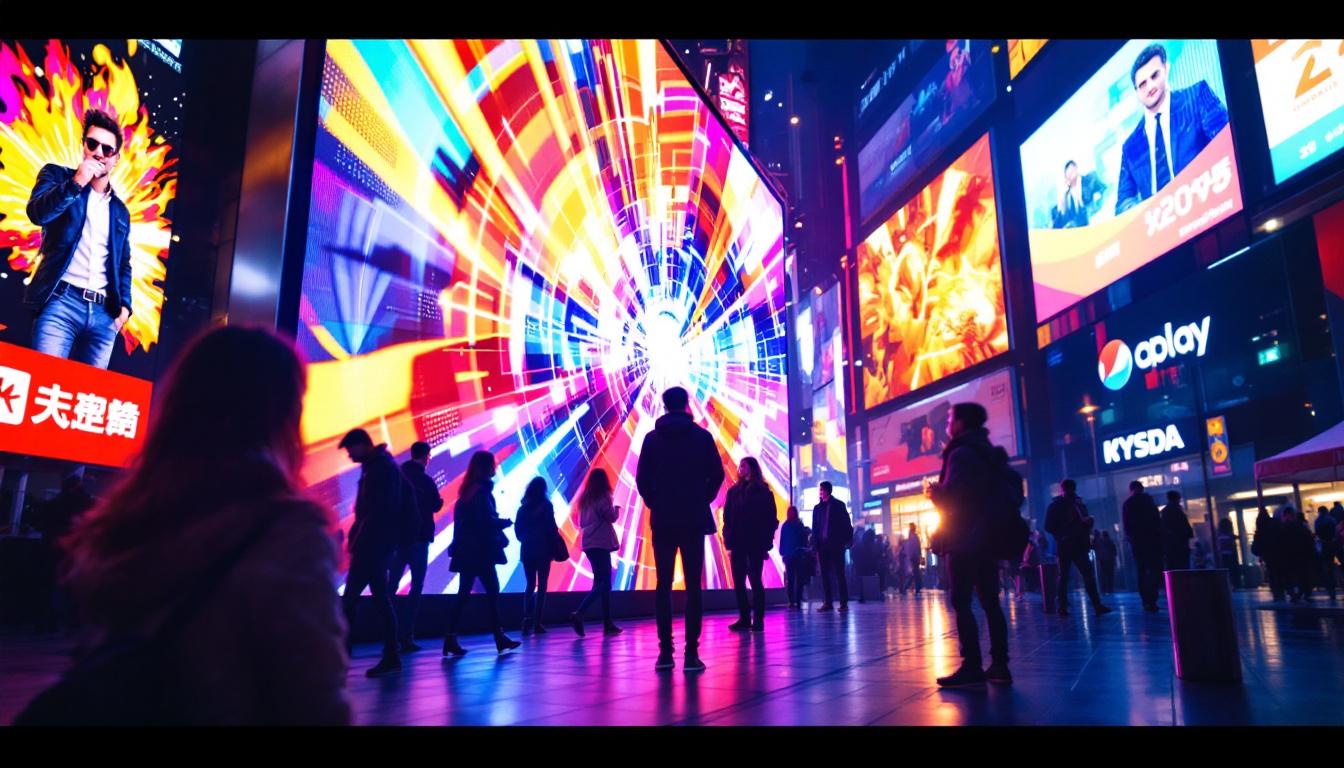
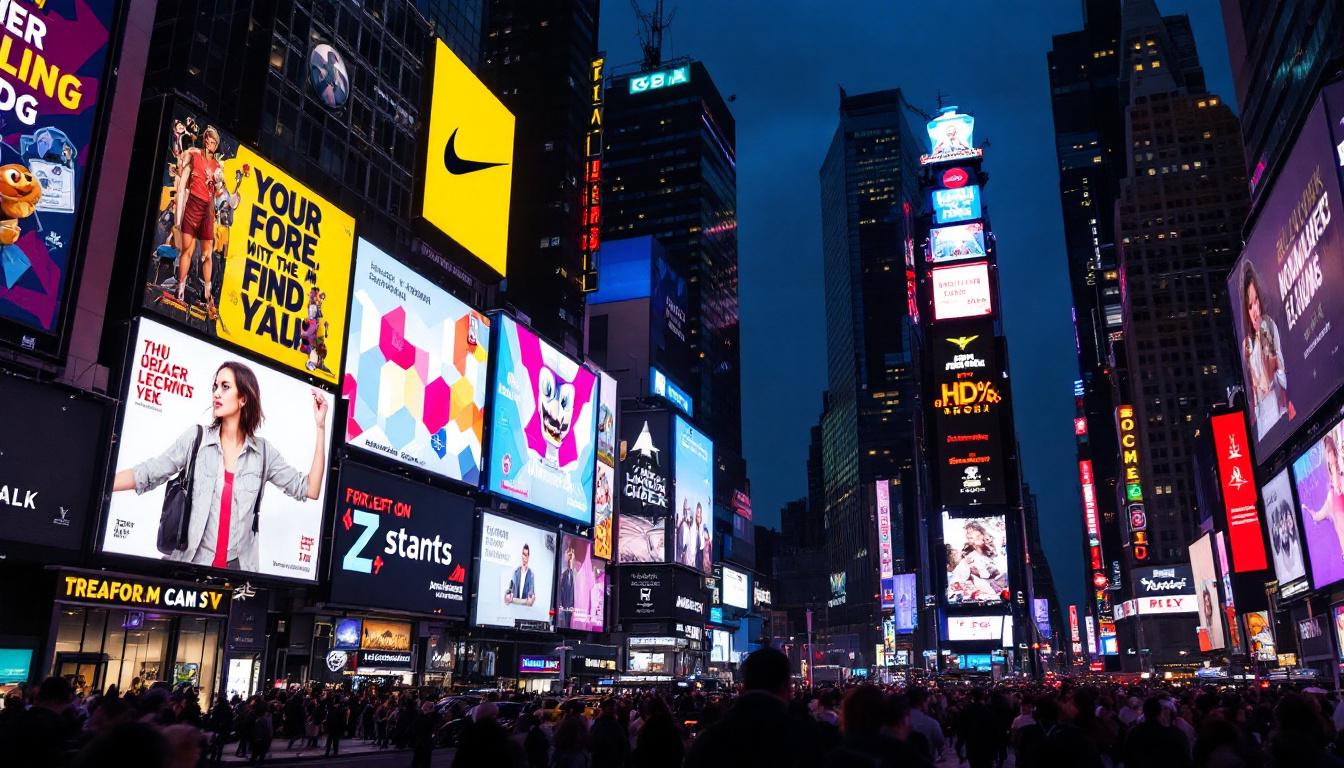
- Public Installations: Cities use large-scale LED displays for public art, information dissemination, and event promotion.
According to a 2023 report by Grand View Research, the global LED display market is expected to grow at a compound annual growth rate (CAGR) of over 14% through 2030, driven by increasing demand for digital signage and smart lighting solutions.
Entertainment and Events
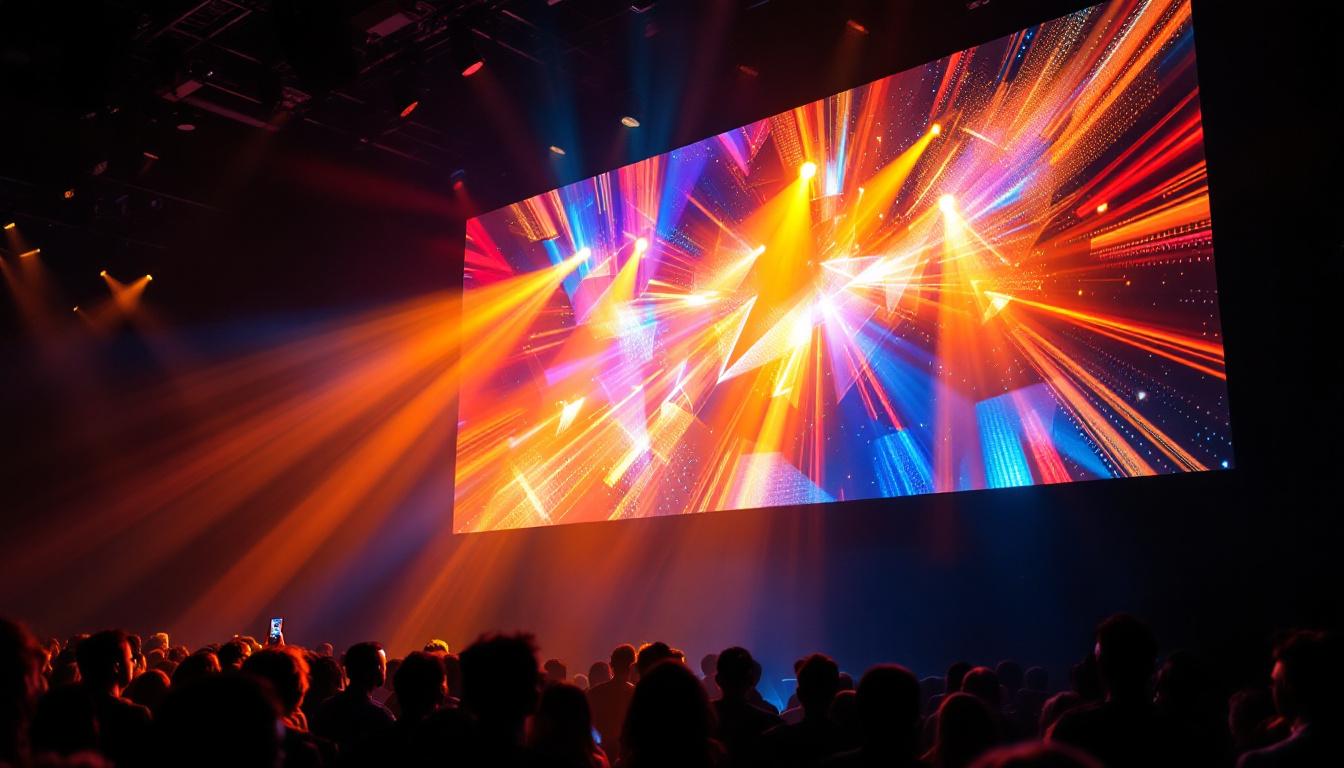
Smart LED wall lights are integral to concerts, exhibitions, and festivals. Their ability to produce vivid, synchronized visuals enhances audience engagement and creates memorable experiences. Portable LED panels and strips allow for flexible setups that can adapt to various venues and themes.
Energy Efficiency and Environmental Impact
One of the most significant advantages of smart LED wall lights is their energy efficiency. LEDs consume substantially less power than traditional lighting sources, reducing electricity bills and environmental footprint.
Energy Savings
Smart LED systems often include sensors and automation features that optimize energy use. For instance, motion sensors can turn lights off when rooms are unoccupied, and daylight sensors adjust brightness based on natural light availability. These capabilities contribute to energy savings of up to 50% compared to conventional lighting, according to the U.S. Environmental Protection Agency.
Longevity and Reduced Waste
LEDs have a lifespan ranging from 25,000 to 50,000 hours, far exceeding that of incandescent bulbs. This longevity reduces the frequency of replacements, decreasing waste and the environmental impact associated with manufacturing and disposal.
Material Considerations
While LEDs are generally more environmentally friendly, the production of LED components involves materials like rare earth elements and semiconductors. Responsible sourcing and recycling programs are essential to minimize ecological impact. Many manufacturers now offer take-back programs to recycle LED products safely.
Choosing the Right Smart LED Wall Lights
Selecting the appropriate smart LED wall lights depends on several factors, including intended use, installation environment, and desired features.
Assessing Your Needs
Consider the following when choosing smart LED wall lights:
- Purpose: Is the lighting primarily functional, decorative, or both?
- Location: Indoor or outdoor use? Exposure to moisture or temperature extremes?
- Control Preferences: Do you prefer app control, voice commands, or automated schedules?
- Integration: Compatibility with existing smart home or building management systems.
Technical Specifications to Review
Important specifications include:
- Lumens: Measure of brightness; higher lumens mean brighter light.
- Color Rendering Index (CRI): Indicates how accurately colors appear under the light; a CRI above 80 is desirable for most applications.
- Color Temperature: Measured in Kelvins (K), ranging from warm (2700K) to cool (6500K) light.
- Connectivity: Wi-Fi, Bluetooth, Zigbee, or other protocols.
- Power Consumption: Lower wattage with adequate brightness indicates better efficiency.
Installation and Maintenance
Professional installation may be required for complex setups, especially for large LED displays or integrated smart systems. Maintenance is generally minimal, but periodic cleaning and software updates ensure optimal performance and longevity.
The Future of Smart LED Wall Lights
Advancements in LED technology and smart controls continue to expand the possibilities for smart LED wall lights. Emerging trends include:
Improved Interactivity
Future smart LED wall lights will incorporate enhanced sensors and AI-driven controls, allowing lights to respond intuitively to environmental changes and user behavior. Gesture control and augmented reality integration are on the horizon.
Higher Resolution and Flexibility
Developments in micro-LED and flexible LED panels will enable ultra-high-resolution displays that can conform to curved or irregular surfaces, opening new design possibilities.
Sustainability Focus
Manufacturers are prioritizing eco-friendly materials, energy harvesting technologies, and circular economy principles to reduce the environmental impact of LED products.
Conclusion
Smart LED wall lights represent a fusion of cutting-edge LED display technology and intelligent control systems, offering unparalleled versatility, energy efficiency, and aesthetic appeal. Whether enhancing home ambiance, elevating commercial spaces, or creating immersive entertainment environments, these lights are reshaping how we experience illumination.
Understanding the technology behind LED displays, their applications, and environmental benefits empowers consumers and businesses to make informed decisions when selecting smart LED wall lighting solutions. As innovation continues, smart LED wall lights will undoubtedly play a central role in the future of lighting design.
Illuminate Your Space with LumenMatrix
Ready to transform your environment with the latest in LED display technology? LumenMatrix offers a comprehensive range of innovative solutions tailored to your unique needs. From captivating Indoor LED Wall Displays to dynamic Outdoor LED Wall Displays, and from versatile Vehicle LED Displays to stunning LED Transparent Displays, our products are designed to revolutionize visual communication and enhance engagement. Elevate your space and captivate your audience with LumenMatrix’s cutting-edge digital signage and LED display solutions. Check out LumenMatrix LED Display Solutions today and take the first step towards a brighter, more engaging future.