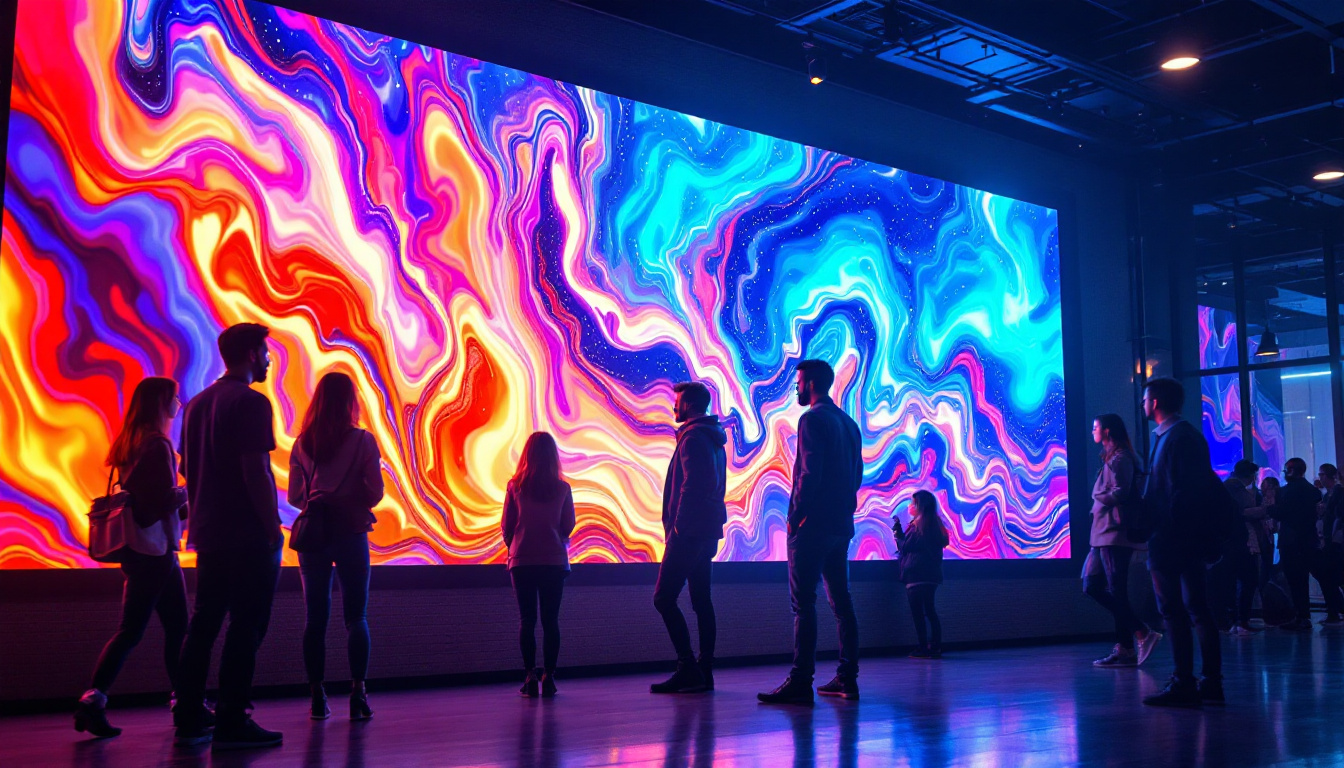
In today’s digital age, multimedia monitors have become essential tools for work, entertainment, and creative expression. Among the various display technologies available, LED displays stand out for their vibrant colors, energy efficiency, and sleek design. This article delves deep into the world of LED multimedia monitors, explaining their technology, advantages, and how to choose the right one for your needs.
Understanding LED Display Technology
LED, or Light Emitting Diode, technology has revolutionized the way screens display images. Unlike traditional LCD monitors that rely on cold cathode fluorescent lamps (CCFL) for backlighting, LED displays use tiny diodes that emit light when an electric current passes through them. This fundamental difference results in several notable improvements in display quality and efficiency. The shift to LED technology has not only enhanced brightness and color accuracy but has also contributed to energy savings, making it a more environmentally friendly option for consumers and businesses alike.
How LED Displays Work
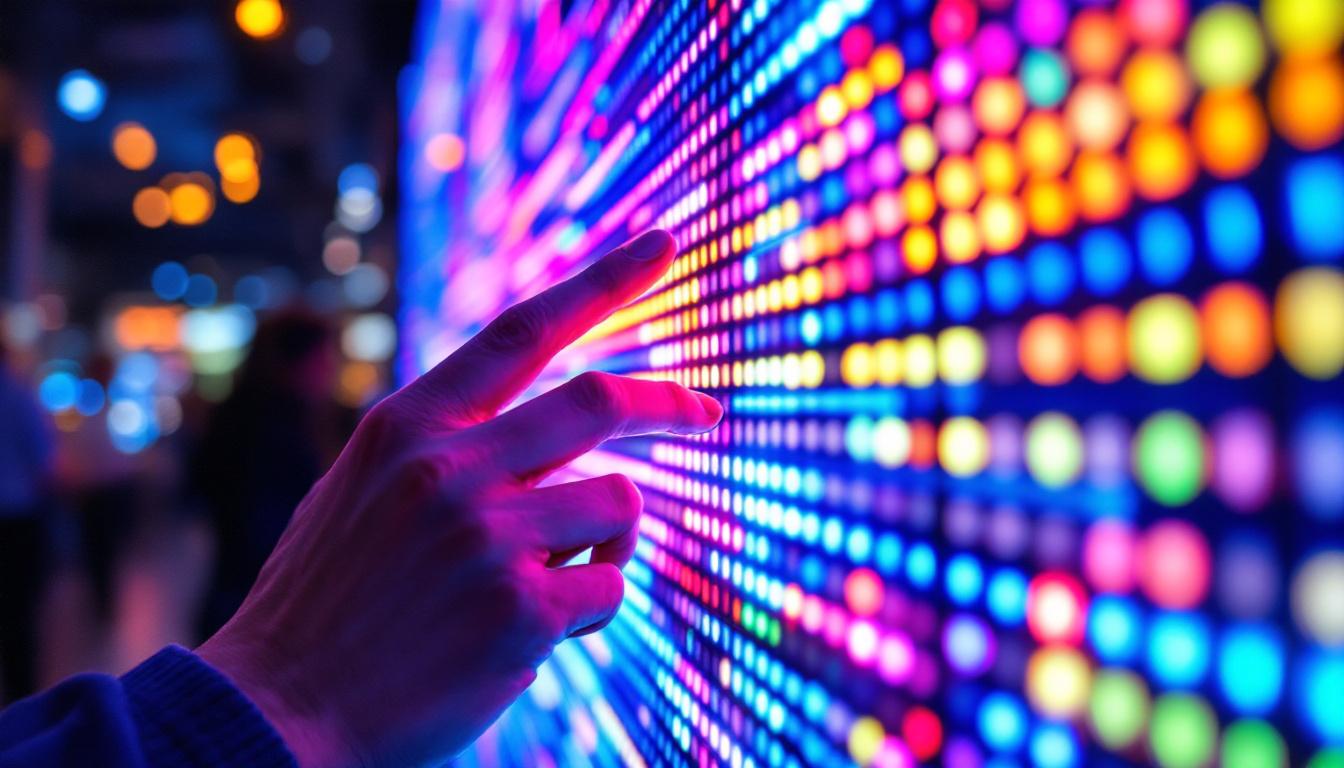
At the core of an LED multimedia monitor is a matrix of pixels, each composed of subpixels in red, green, and blue. These subpixels combine to produce the full spectrum of colors seen on the screen. The LEDs serve as the backlight source, illuminating the liquid crystal layer that modulates light to create images. The precision of this modulation allows for sharper images and smoother transitions, which are particularly beneficial in fast-paced video content and gaming applications.
There are two main types of LED backlighting: edge-lit and full-array. Edge-lit LED monitors position LEDs along the edges of the screen, using light guides to distribute illumination evenly. Full-array LED monitors have a grid of LEDs directly behind the screen, allowing for more precise control of brightness and contrast through local dimming. This local dimming capability enables the screen to display deeper blacks by turning off specific LEDs in darker areas of the image, enhancing the overall viewing experience.
Types of LED Displays
LED displays can be broadly categorized into three types:
- Edge-Lit LED: LEDs placed on the edges of the screen, offering thinner designs and lower cost but sometimes less uniform brightness.
- Full-Array LED: LEDs distributed evenly behind the screen, enabling better contrast and brightness control.
- Mini-LED: An advanced form of full-array LED with thousands of tiny LEDs, providing superior contrast ratios and HDR performance.
Mini-LED technology is gaining traction in high-end multimedia monitors, offering a balance between OLED’s perfect blacks and traditional LED’s brightness capabilities. This technology allows for finer control over local dimming zones, which results in improved detail in both dark and bright scenes. As manufacturers continue to innovate, we can expect to see even more advancements in LED technology, such as MicroLED displays, which promise even greater color accuracy and energy efficiency by using microscopic LEDs to create images directly without the need for a backlight.
Advantages of LED Multimedia Monitors
LED monitors offer several benefits that make them the preferred choice for multimedia applications, including gaming, video editing, and general productivity.
Superior Image Quality
LED monitors typically deliver brighter images and better color accuracy compared to older LCDs with CCFL backlighting. This is crucial for professionals working with color-sensitive tasks such as graphic design and video production. Furthermore, the ability to implement local dimming in full-array LED monitors enhances contrast, making blacks appear deeper and whites brighter.
Recent studies show that LED monitors can achieve color gamuts covering up to 99% of the Adobe RGB spectrum, which is essential for high-fidelity color reproduction. This capability allows artists and editors to see their work as it is meant to be viewed, ensuring that every detail is rendered with precision. Additionally, many LED monitors support HDR (High Dynamic Range) content, which further elevates the viewing experience by providing a broader range of brightness levels and more vivid colors, making them ideal for both cinematic experiences and professional use.
Energy Efficiency and Longevity
LED backlighting consumes significantly less power than CCFL, contributing to lower electricity bills and a reduced environmental footprint. According to the U.S. Department of Energy, LED monitors can use up to 30% less energy than traditional LCDs. Additionally, LEDs have a longer lifespan, often exceeding 50,000 hours of use, reducing the need for frequent replacements. This longevity not only benefits consumers economically but also minimizes electronic waste, aligning with global sustainability efforts.
Moreover, many LED monitors come equipped with energy-saving features such as automatic brightness adjustment based on ambient light conditions, which further enhances their efficiency. This means that not only do users save on energy costs, but they also enjoy a monitor that adapts to their environment, providing optimal viewing conditions at all times.
Design and Form Factor
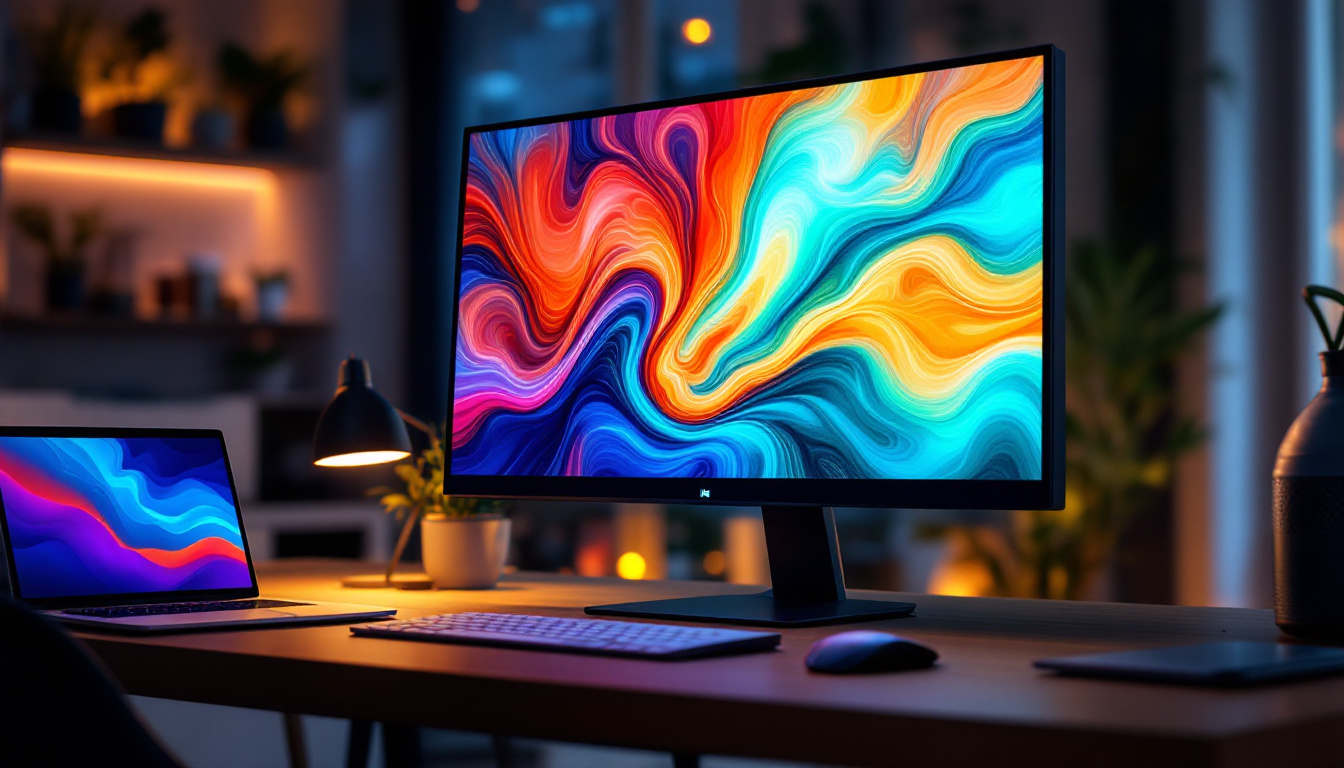
The compact size of LEDs allows manufacturers to create ultra-thin and lightweight monitors. This is particularly advantageous for multimedia setups where desk space is limited or portability is desired. Many modern LED monitors feature sleek bezels and minimalist designs that complement contemporary workspaces. Their aesthetic appeal makes them a popular choice for both home and office environments, where style and functionality go hand in hand.
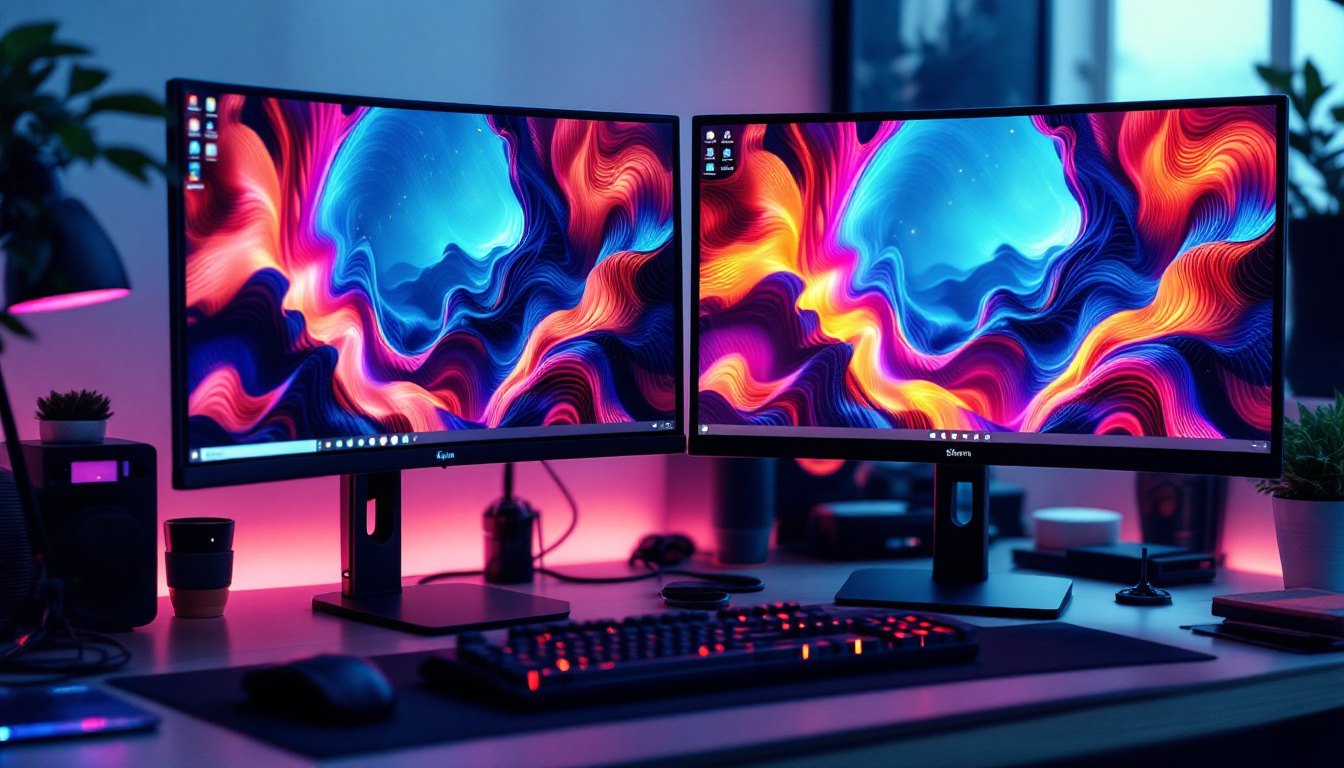
In addition to their sleek appearance, many LED monitors are designed with ergonomics in mind, featuring adjustable stands that allow users to customize the height and angle for optimal comfort. Some models even include VESA mounting compatibility, enabling users to create a multi-monitor setup or to mount the monitor on the wall, further enhancing the versatility of their workspace. This adaptability is particularly beneficial for gamers and content creators who often require multiple screens for an immersive experience or efficient workflow.
Key Features to Consider When Choosing an LED Multimedia Monitor
Selecting the right LED monitor depends on the specific needs of the user. Whether for professional video editing, gaming, or general multimedia consumption, certain features should be prioritized.
Resolution and Screen Size
Resolution determines the clarity and detail of the images displayed. Common resolutions include Full HD (1920×1080), Quad HD (2560×1440), and 4K Ultra HD (3840×2160). For multimedia professionals, 4K monitors provide the detail necessary for precise editing and immersive viewing experiences.
Screen size also impacts usability. A 27-inch monitor is often considered ideal for a balance between workspace and pixel density, while larger screens (32 inches and above) offer more immersive visuals but require more desk space.
Refresh Rate and Response Time
For users involved in gaming or video playback, refresh rate and response time are critical. Refresh rate, measured in hertz (Hz), indicates how many times per second the screen updates. Higher refresh rates (120Hz, 144Hz, or even 240Hz) result in smoother motion.
Response time, measured in milliseconds (ms), refers to how quickly a pixel can change color. Lower response times reduce motion blur and ghosting effects, enhancing the viewing experience in fast-paced content.
Color Accuracy and HDR Support
Color accuracy is paramount for content creators. Look for monitors that offer factory calibration and support wide color gamuts such as Adobe RGB or DCI-P3. High Dynamic Range (HDR) support further enhances image quality by expanding the contrast ratio and color depth, making visuals more lifelike.
Connectivity Options
Modern multimedia monitors come equipped with multiple input options including HDMI, DisplayPort, USB-C, and sometimes Thunderbolt. USB-C connectivity is particularly valuable as it can transmit video, audio, and data while also charging connected devices, simplifying cable management.
Emerging Trends in LED Multimedia Monitors
The LED display market continues to evolve rapidly, driven by advancements in technology and changing user demands.
Mini-LED and Micro-LED Technologies
Mini-LED technology, which uses thousands of tiny LEDs for backlighting, is becoming increasingly popular in premium monitors. This allows for more precise local dimming zones, resulting in better contrast and HDR performance without the burn-in risks associated with OLED.
Micro-LED, still in its nascent stages, promises even greater brightness, efficiency, and lifespan by using microscopic LEDs for each pixel. This technology could redefine the future of multimedia displays.
Curved and Ultrawide Displays
Curved LED monitors are gaining popularity for immersive multimedia experiences. The curvature reduces distortion and enhances peripheral vision, making them ideal for gaming and cinematic content.
Ultrawide monitors, with aspect ratios like 21:9 or 32:9, provide expansive horizontal space, improving multitasking and workflow efficiency. These displays are particularly favored by video editors and digital artists.
Integration of Smart Features
Some modern LED monitors integrate smart features such as built-in speakers, voice assistants, and software for eye care (like blue light filters and flicker-free technology). These enhancements contribute to user comfort during extended use.
Practical Applications of LED Multimedia Monitors
LED multimedia monitors serve a wide spectrum of users, each with unique requirements.
Professional Content Creation
Photographers, video editors, and graphic designers rely on LED monitors for accurate color reproduction and high resolution. The ability to display subtle color gradations and fine details ensures that their work meets industry standards.
Gaming
Gamers benefit from LED monitors with high refresh rates, low response times, and vibrant colors. Features like NVIDIA G-SYNC or AMD FreeSync help eliminate screen tearing, providing a smoother gaming experience.
General Multimedia Consumption
For everyday users, LED monitors offer sharp images and vivid colors for streaming movies, video conferencing, and web browsing. Their energy efficiency and sleek design make them suitable for home and office environments.
Conclusion
LED multimedia monitors represent a significant advancement in display technology, combining superior image quality, energy efficiency, and modern design. Whether for professional use or personal entertainment, understanding the nuances of LED displays helps consumers make informed decisions tailored to their needs.
As technology progresses, innovations like Mini-LED and Micro-LED promise even better performance, further enhancing the multimedia experience. When selecting an LED monitor, considering factors such as resolution, refresh rate, color accuracy, and connectivity ensures that the chosen display aligns perfectly with the intended application.
In an increasingly visual world, investing in a quality LED multimedia monitor is not just a purchase but a gateway to richer, more immersive digital experiences.
Discover LumenMatrix’s Advanced LED Solutions
Ready to elevate your visual experience with the latest in LED technology? Look no further than LumenMatrix, a pioneer in crafting immersive LED displays that transform any space into a dynamic environment. Whether you’re in need of an Indoor LED Wall Display for your business, an Outdoor LED Wall Display for advertising, or specialized solutions like Vehicle LED Displays and LED Sports Displays, LumenMatrix has you covered. Embrace the future of visual communication with our innovative LED Poster Displays, Floor LED Displays, and even Custom LED solutions tailored to your unique requirements. Don’t miss the chance to captivate your audience with unparalleled clarity and impact. Check out LumenMatrix LED Display Solutions today and step into a world of vibrant, energy-efficient displays designed for any application.