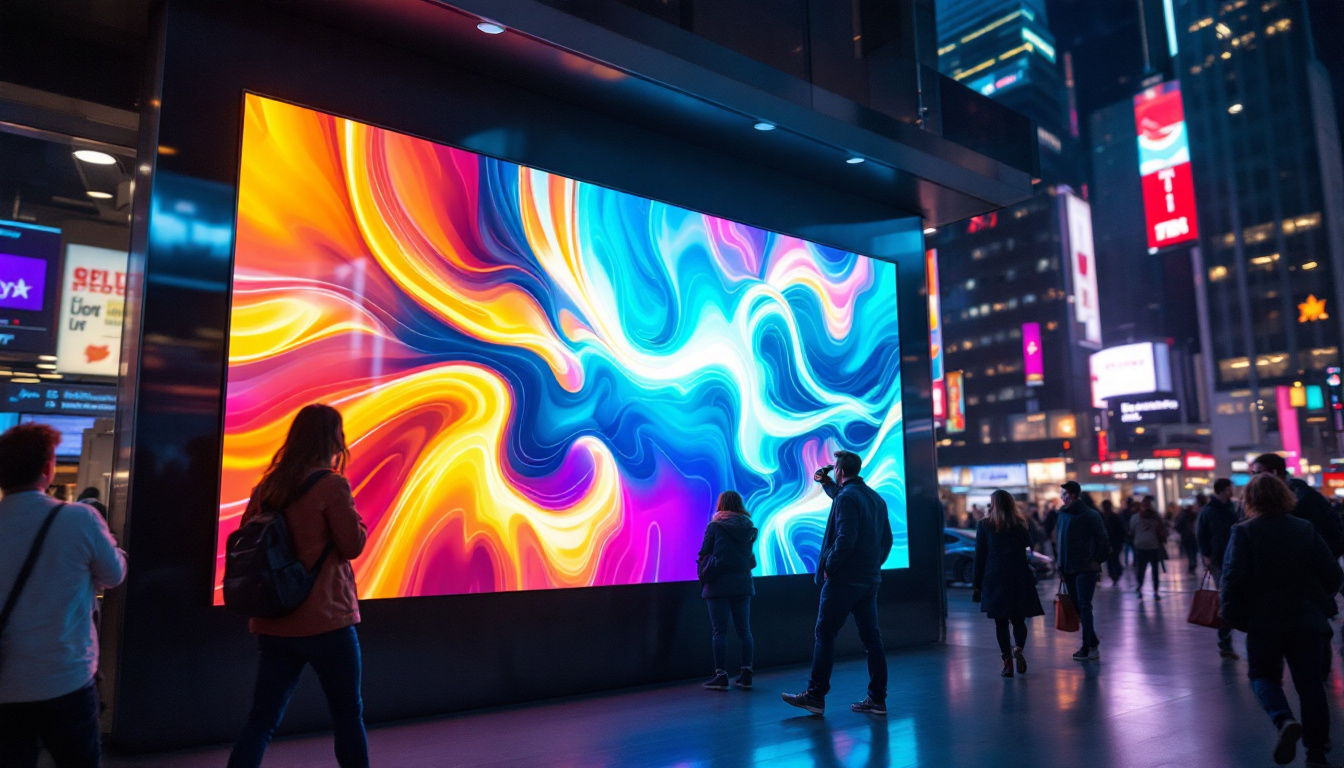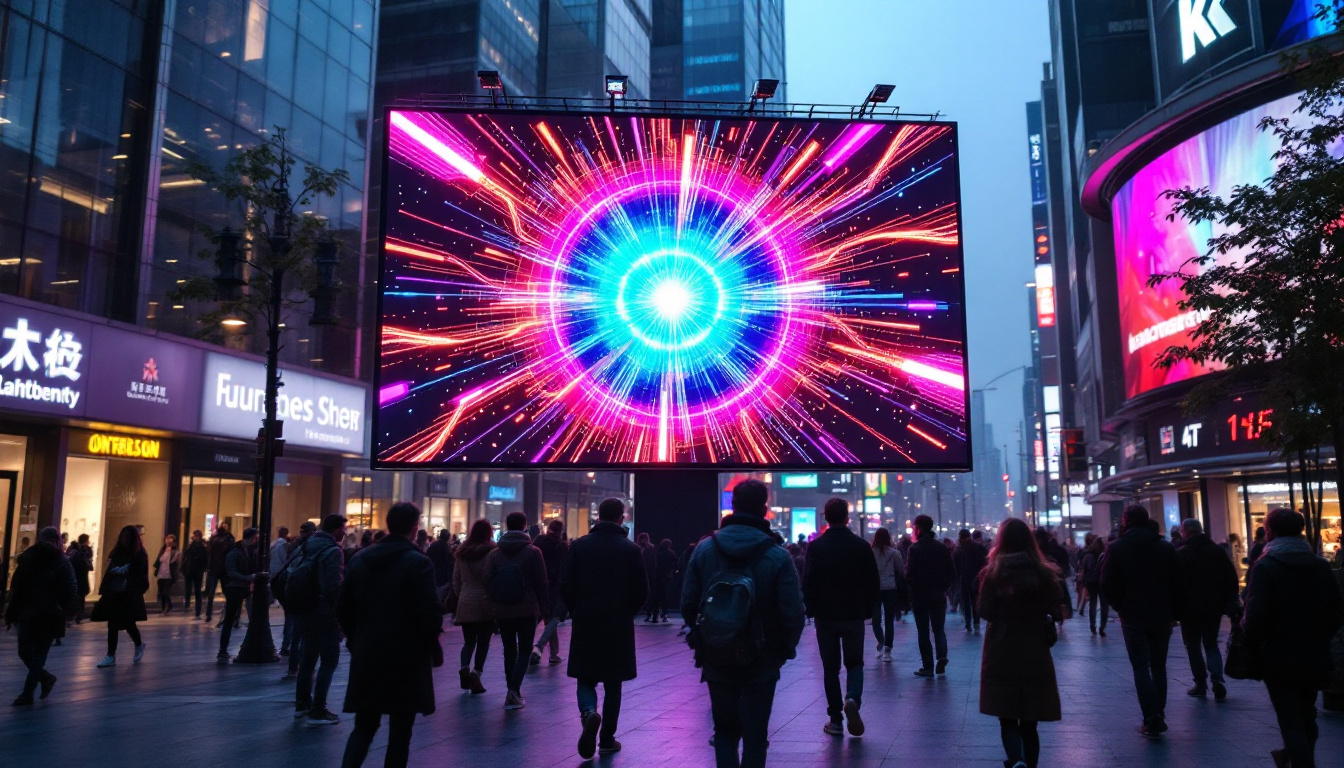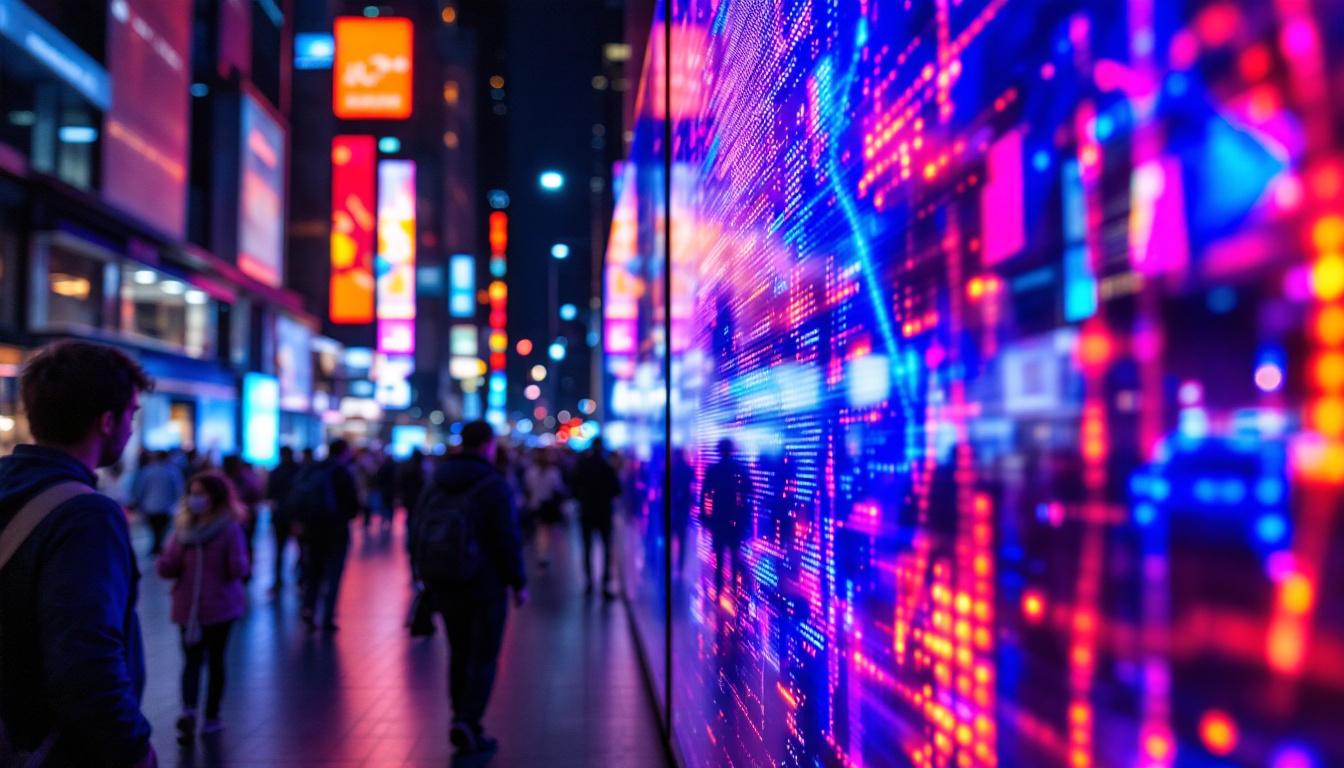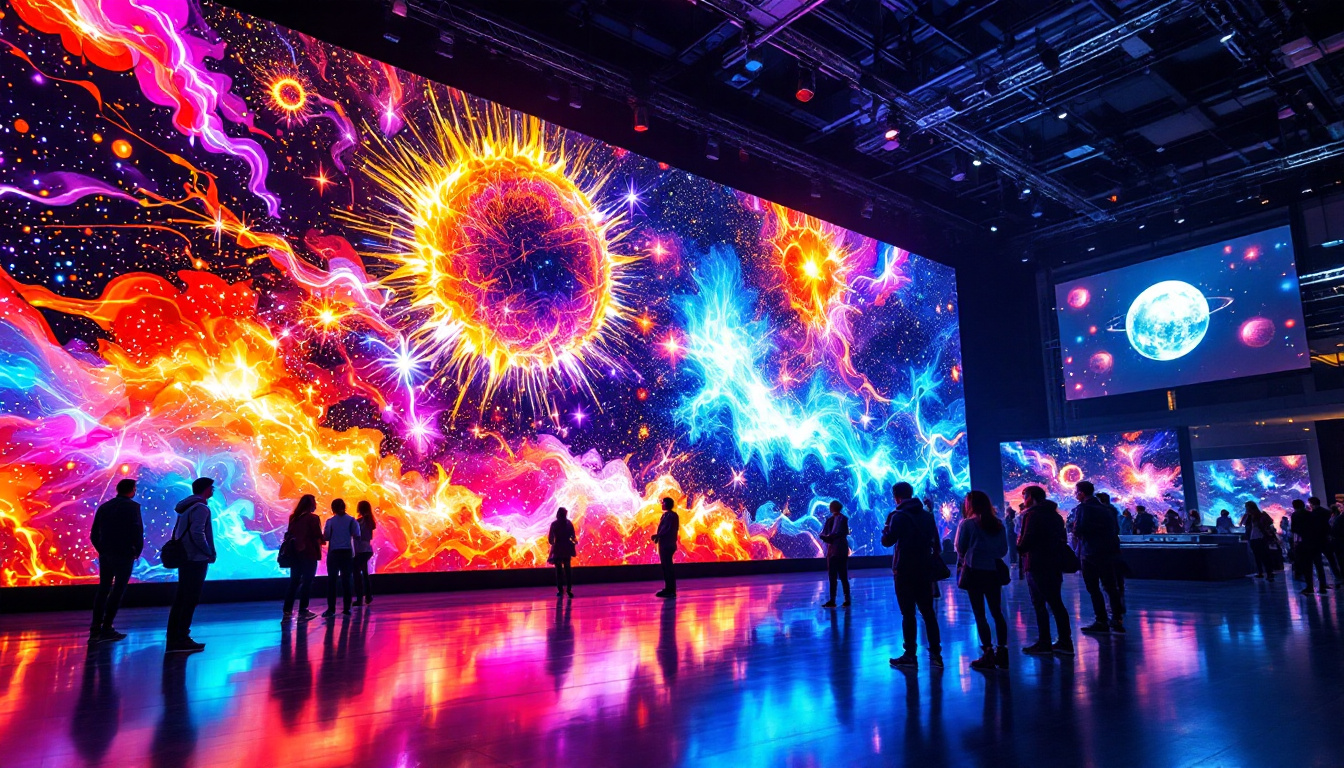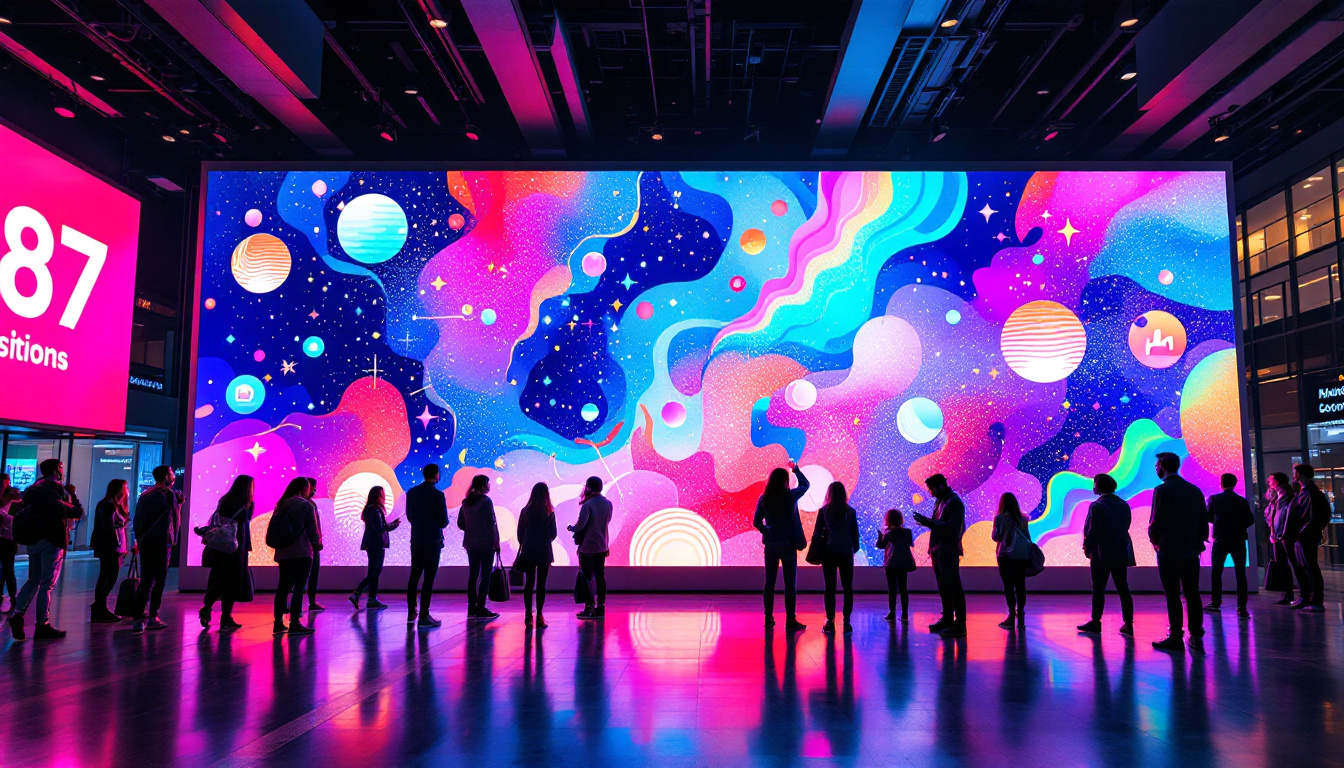
In the rapidly evolving world of digital communication, outdoor LED displays have become a cornerstone of effective public messaging, advertising, and event management. From bustling city centers to sports arenas and transportation hubs, these vibrant screens capture attention and convey information dynamically. However, managing these outdoor systems requires a nuanced understanding of their technology, environmental considerations, and operational strategies. This article delves into the essentials of outdoor LED display systems, explaining their components, benefits, challenges, and best practices for effective management.
Understanding Outdoor LED Display Technology
What Are Outdoor LED Displays?
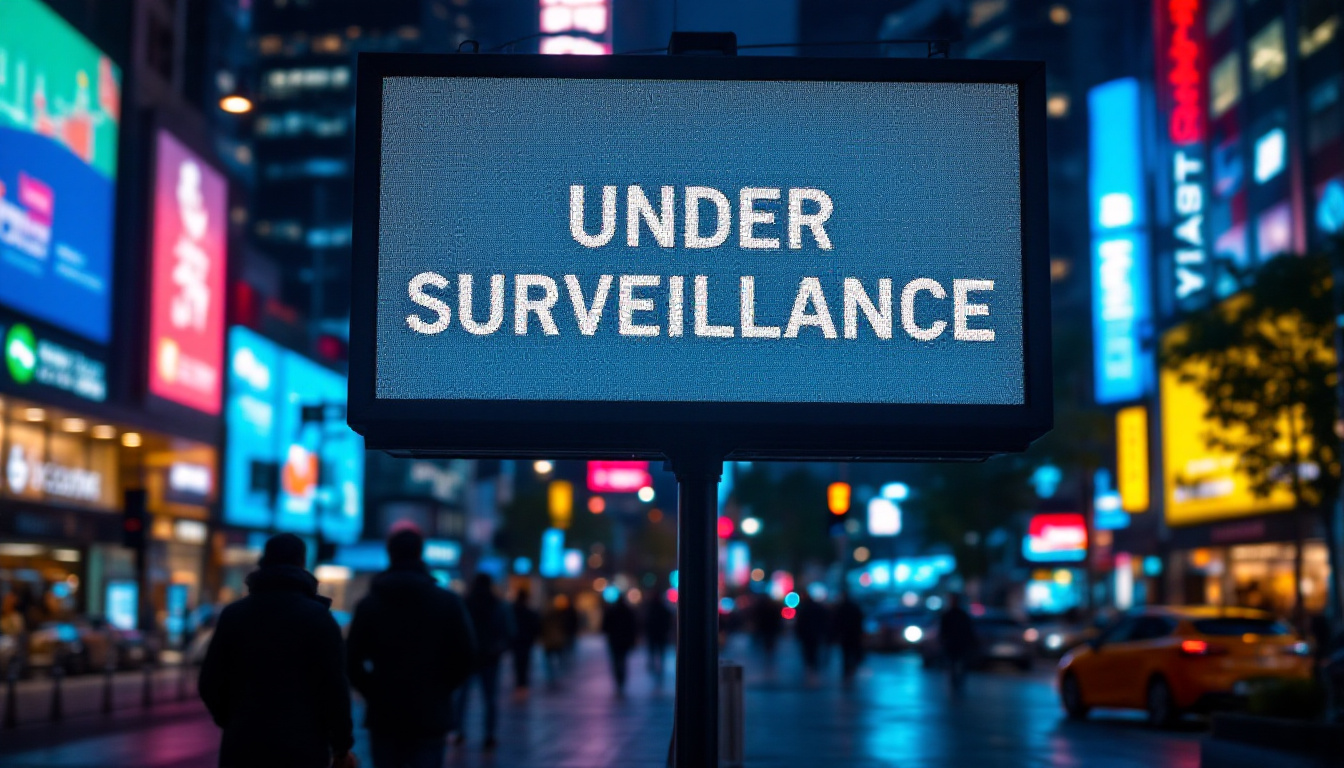
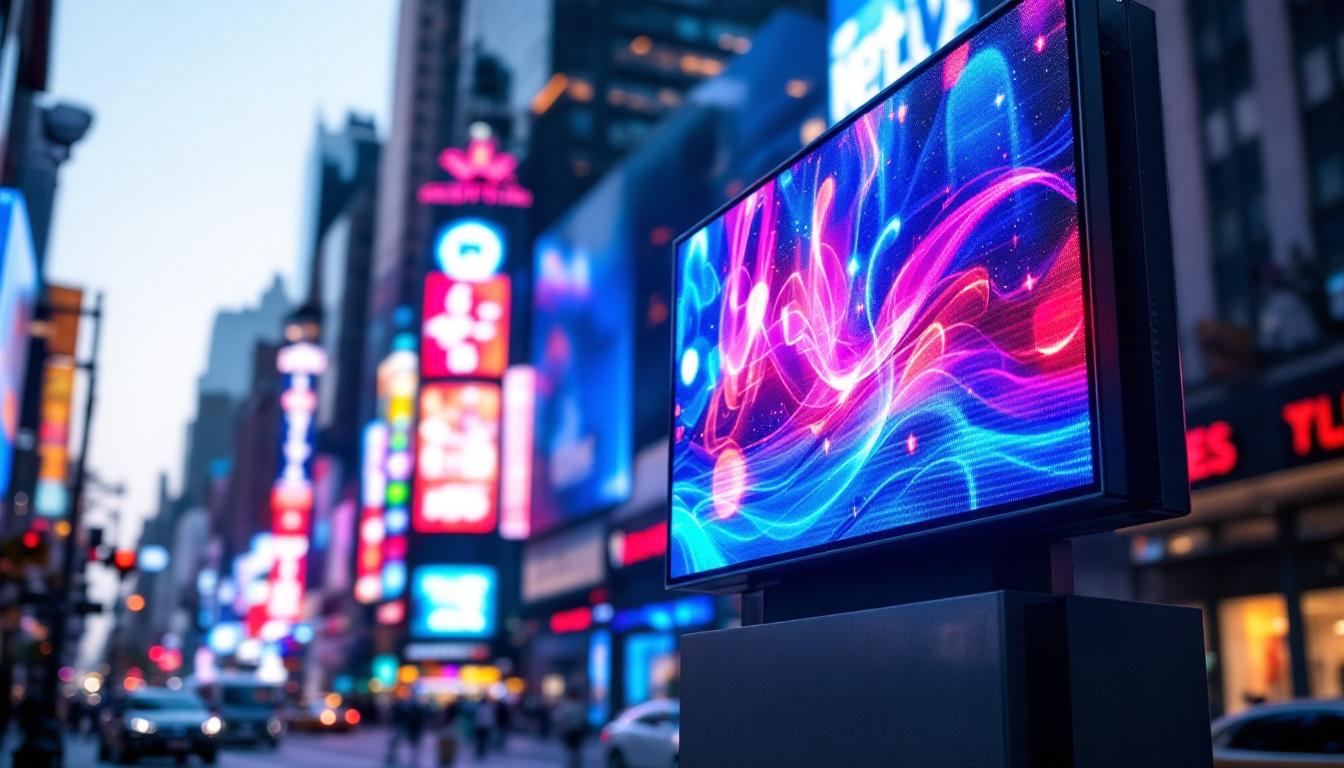
Outdoor LED displays are large-format digital screens composed of numerous light-emitting diodes (LEDs) that produce bright, colorful images and videos visible under various lighting conditions. Unlike traditional billboards or printed signage, LED displays offer dynamic content capabilities, enabling real-time updates and interactive features. This versatility makes them an attractive option for advertisers, event organizers, and public information campaigns, as they can easily adapt to changing messages or promotions.
These displays are designed specifically for outdoor use, meaning they are built to withstand harsh weather conditions such as rain, wind, extreme temperatures, and direct sunlight. Their brightness levels typically range from 5,000 to 10,000 nits, ensuring visibility even in broad daylight. Additionally, many outdoor LED displays are equipped with advanced technologies such as automatic brightness adjustment, which optimizes visibility based on ambient light conditions, further enhancing their effectiveness in various environments.
Key Components of an Outdoor LED Display System
At the core of every outdoor LED display system are several critical components:
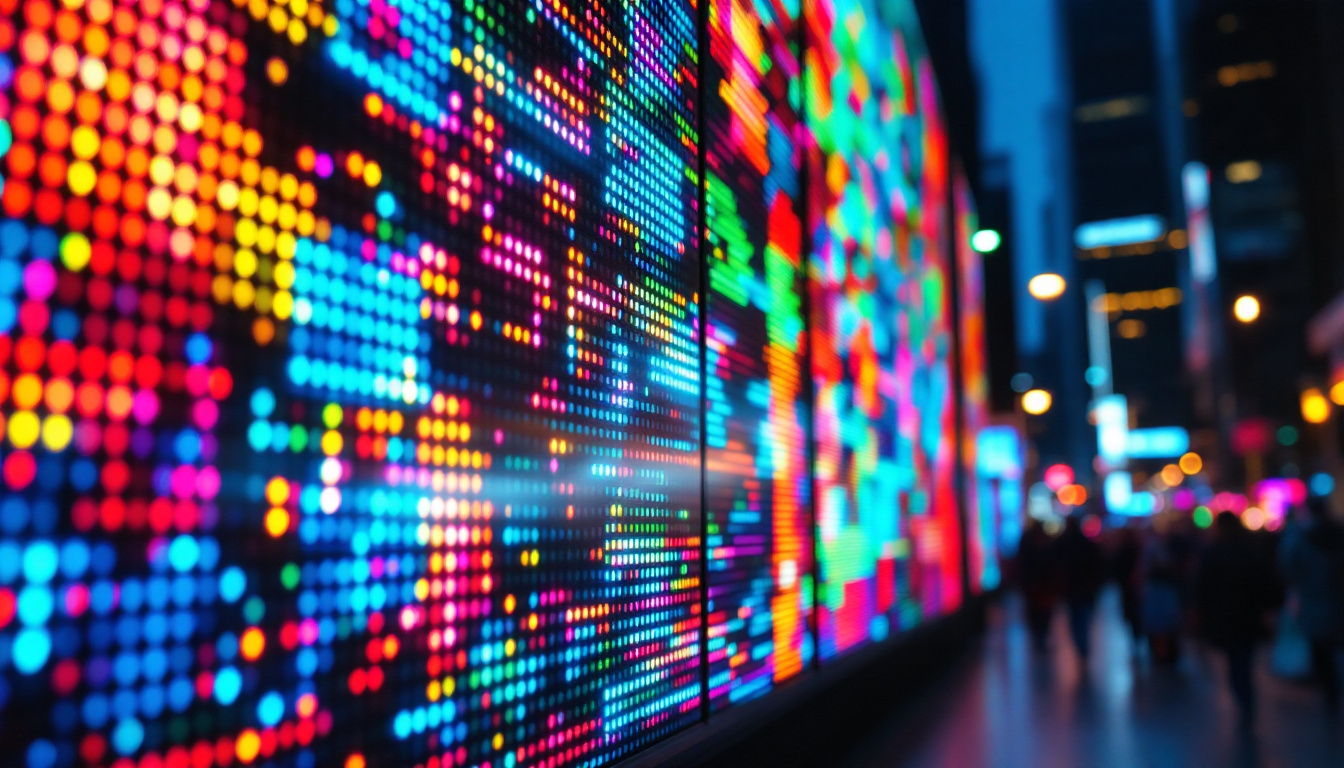
- LED Modules: These are the building blocks of the display, consisting of multiple LEDs arranged in a grid. The pixel pitch—the distance between each LED—determines the resolution and viewing distance of the screen. A smaller pixel pitch results in higher resolution, making it suitable for closer viewing, while a larger pitch is more cost-effective for distant viewing.
- Control System: This includes hardware and software that manage the content displayed, scheduling, and system diagnostics. Modern control systems often support remote management via cloud platforms, allowing operators to update content from anywhere in the world, ensuring that the display can be kept fresh and relevant.
- Power Supply: Outdoor LED displays require robust power systems to maintain consistent brightness and performance. These power supplies are designed to handle fluctuations in voltage and ensure the longevity of the display.
- Enclosure and Mounting: The physical casing protects the internal components from environmental damage and includes cooling systems to prevent overheating. Many enclosures are also designed to be aesthetically pleasing, blending seamlessly with their surroundings while providing durability.
Types of Outdoor LED Displays
Outdoor LED displays come in various forms tailored to specific applications:
- Fixed Outdoor LED Displays: Permanently installed on buildings, stadiums, or billboards, these are ideal for long-term advertising and public information. Their static nature allows for consistent branding and messaging, making them a staple in urban environments.
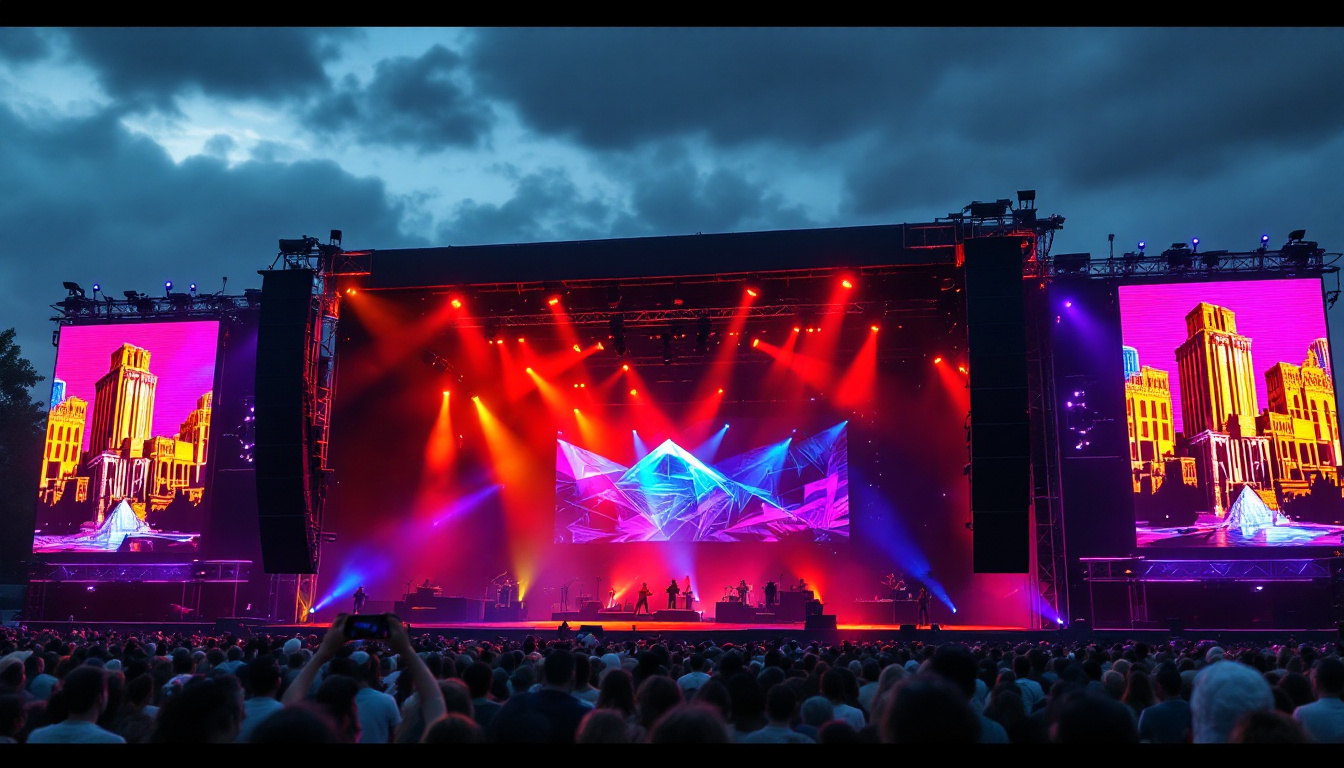
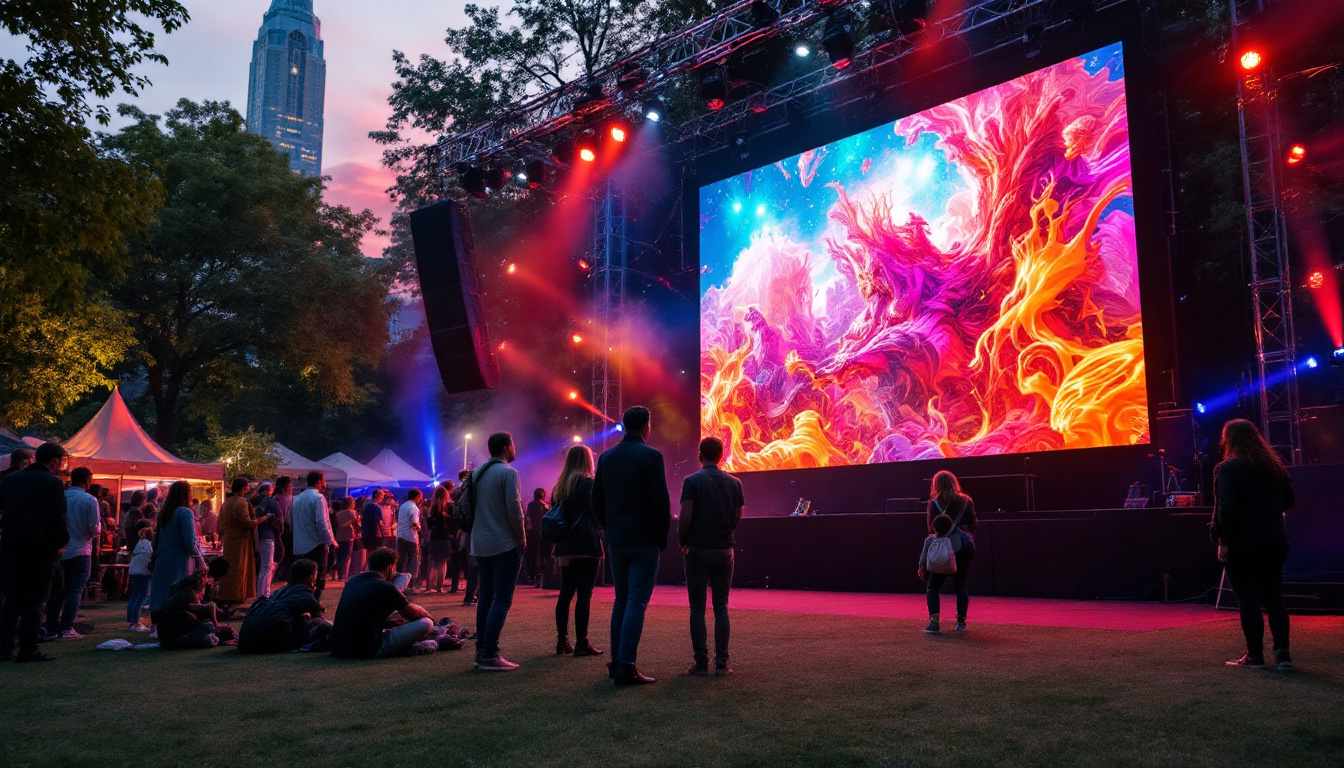
- Rental LED Displays: Portable and modular, these displays are used for events, concerts, and temporary installations. Their flexibility allows event organizers to create stunning visual experiences that can be easily assembled and disassembled, catering to a wide range of venues and occasions.
- Transparent LED Displays: These innovative screens allow light to pass through, making them suitable for storefronts and glass facades without obstructing views. This technology not only enhances the aesthetic appeal of a building but also provides a unique advertising medium that can engage customers without compromising visibility.
In addition to these types, outdoor LED displays can also be categorized by their intended use, such as advertising, informational, or entertainment purposes. For instance, displays in sports arenas often feature high refresh rates and advanced graphics capabilities to deliver real-time game statistics and instant replays, while those in public spaces may focus on delivering safety information or community announcements. The adaptability of outdoor LED technology has made it a crucial tool in modern communication strategies, allowing businesses and organizations to reach their audiences more effectively than ever before.
Benefits of Outdoor LED Displays in Systems Management
Enhanced Visibility and Engagement
One of the primary advantages of outdoor LED displays is their superior visibility. With brightness levels far exceeding traditional signage, they remain clear and legible in direct sunlight, rain, or fog. This makes them invaluable for conveying critical information such as traffic updates, emergency alerts, or promotional content.
Moreover, the dynamic nature of LED displays allows for engaging multimedia content, including animations, videos, and real-time data feeds. This flexibility increases audience engagement and can significantly improve message retention. For instance, a well-designed display can capture the attention of passersby with vibrant colors and motion, drawing them in to learn more about a product or service. Additionally, the ability to update content remotely ensures that the information displayed is always current, which is particularly beneficial for businesses that need to adapt quickly to changing circumstances or promotions.
Energy Efficiency and Sustainability
Modern LED technology is highly energy-efficient compared to other display types like LCD or neon signs. LEDs consume less power while delivering brighter light, which translates to lower operational costs and a reduced carbon footprint. Many outdoor LED systems incorporate smart sensors that adjust brightness based on ambient light, further optimizing energy use. This not only contributes to cost savings but also aligns with the growing demand for sustainable practices in business operations.
Furthermore, the long lifespan of LED technology means fewer resources are consumed over time for replacements, which is a significant consideration in an era where environmental impact is under scrutiny. By investing in outdoor LED displays, organizations can showcase their commitment to sustainability, which can resonate positively with eco-conscious consumers and stakeholders alike. The combination of energy efficiency and reduced waste positions LED displays as a forward-thinking choice for modern advertising and public information dissemination.
Durability and Longevity
Outdoor LED displays are engineered to be durable, often rated with IP65 or higher for water and dust resistance. High-quality LEDs can last upwards of 100,000 hours, minimizing maintenance and replacement costs. This longevity makes them a cost-effective solution for long-term outdoor communication needs. The robust construction of these displays ensures they can withstand harsh weather conditions, from intense heat to freezing temperatures, making them suitable for a variety of environments.
In addition to their physical resilience, many outdoor LED displays are equipped with advanced cooling systems that prevent overheating, further extending their lifespan. This durability not only reduces the frequency of maintenance interventions but also enhances the reliability of the information being communicated. Whether used in bustling urban centers, at sporting events, or in remote locations, outdoor LED displays provide a consistent and dependable medium for reaching audiences effectively. Their ability to maintain performance over time ensures that businesses can rely on them as a staple of their communication strategy without the worry of frequent disruptions.
Challenges in Managing Outdoor LED Display Systems
Environmental and Weather Considerations
Despite their rugged design, outdoor LED displays face challenges from environmental factors. Extreme temperatures can affect LED performance and lifespan, while moisture ingress can cause electrical failures if enclosures are not properly sealed. UV exposure may also degrade materials over time.
Effective systems management involves regular inspections, preventive maintenance, and the use of weather-resistant materials to mitigate these risks. Additionally, incorporating climate control features such as fans or heaters can help maintain optimal operating conditions.
Technical Complexity and Maintenance
Managing an outdoor LED display requires technical expertise. Issues such as pixel failures, color calibration, and power supply inconsistencies can affect display quality. Routine maintenance tasks include cleaning the surface, checking connections, and updating control software.
Remote monitoring tools have become essential, enabling operators to detect and address problems proactively. However, skilled technicians are still necessary for on-site repairs and complex troubleshooting.
Cost Considerations
Initial investment in outdoor LED displays can be substantial, especially for high-resolution or large-format screens. Beyond installation, ongoing costs include electricity, maintenance, content creation, and system upgrades.
Organizations must balance these costs against the benefits of enhanced communication and advertising effectiveness. Strategic planning and budgeting are crucial to maximize return on investment.
Best Practices for Effective Outdoor LED Display Management
Strategic Content Planning
Content is king when it comes to outdoor LED displays. Effective management starts with a clear content strategy that aligns with organizational goals and audience needs. This includes scheduling content to match peak viewing times, using high-contrast visuals for readability, and incorporating real-time updates where relevant.
Utilizing content management systems (CMS) that support remote updates and automation can streamline operations and ensure timely messaging.
Regular Maintenance and Monitoring
Proactive maintenance is essential to prevent downtime and extend the lifespan of LED displays. Establishing a maintenance schedule that covers cleaning, inspection, and calibration helps maintain optimal performance.
Implementing remote monitoring solutions allows for continuous oversight of system health, enabling quick responses to faults or environmental changes.
Environmental Adaptation and Compliance
Ensuring that outdoor LED displays comply with local regulations regarding brightness, light pollution, and safety is critical. Adapting display settings based on environmental conditions—such as dimming screens at night—can reduce negative impacts on surrounding communities.
Choosing environmentally friendly materials and energy-efficient components also supports sustainability goals and enhances public perception.
Future Trends in Outdoor LED Display Systems
Integration with Smart City Infrastructure
Outdoor LED displays are increasingly integrated into smart city ecosystems, serving as interactive information hubs. Connected to IoT networks, these displays can provide real-time data on traffic, weather, public transportation, and emergency alerts, improving urban management and citizen engagement.
Advancements in Display Technology
Emerging technologies such as MicroLED and mini-LED promise higher resolution, better color accuracy, and improved energy efficiency. Flexible and curved LED panels are also gaining traction, enabling innovative architectural applications.
AI-Driven Content Personalization
Artificial intelligence is beginning to play a role in content management by analyzing audience demographics and behavior to tailor messages dynamically. This personalization enhances relevance and effectiveness, particularly in advertising and public information campaigns.
Conclusion
Outdoor LED displays represent a powerful tool in the arsenal of systems management, offering unparalleled visibility, flexibility, and durability. Understanding the technology, benefits, and challenges involved is essential for organizations seeking to leverage these systems effectively.
By adopting best practices in content strategy, maintenance, and environmental adaptation, managers can maximize the impact and longevity of their outdoor LED displays. Looking ahead, advancements in technology and integration with smart infrastructure will further expand the potential of these dynamic communication platforms.
As outdoor LED display technology continues to evolve, staying informed and proactive in system management will be key to harnessing its full benefits in a variety of applications.
Discover LumenMatrix’s Advanced LED Display Solutions
Ready to elevate your outdoor systems management with cutting-edge LED technology? LumenMatrix offers a comprehensive range of LED display solutions that bring your visual communication to life. From vibrant outdoor displays that withstand the elements to customizable options that fit any application, our products are designed to captivate your audience and amplify your message. Experience the future of digital signage with LumenMatrix and transform the way you engage with your community. Check out LumenMatrix LED Display Solutions today and see the difference innovation can make.