In the realm of audiovisual (AV) technology, LED displays have revolutionized how information and visuals are presented across a multitude of industries. From massive outdoor billboards to intimate indoor conference room screens, LED displays offer unparalleled brightness, color accuracy, and versatility. This article delves into the essentials of LED display technology, exploring its components, types, applications, and future trends to provide a comprehensive understanding for professionals and enthusiasts alike.
Understanding LED Display Technology
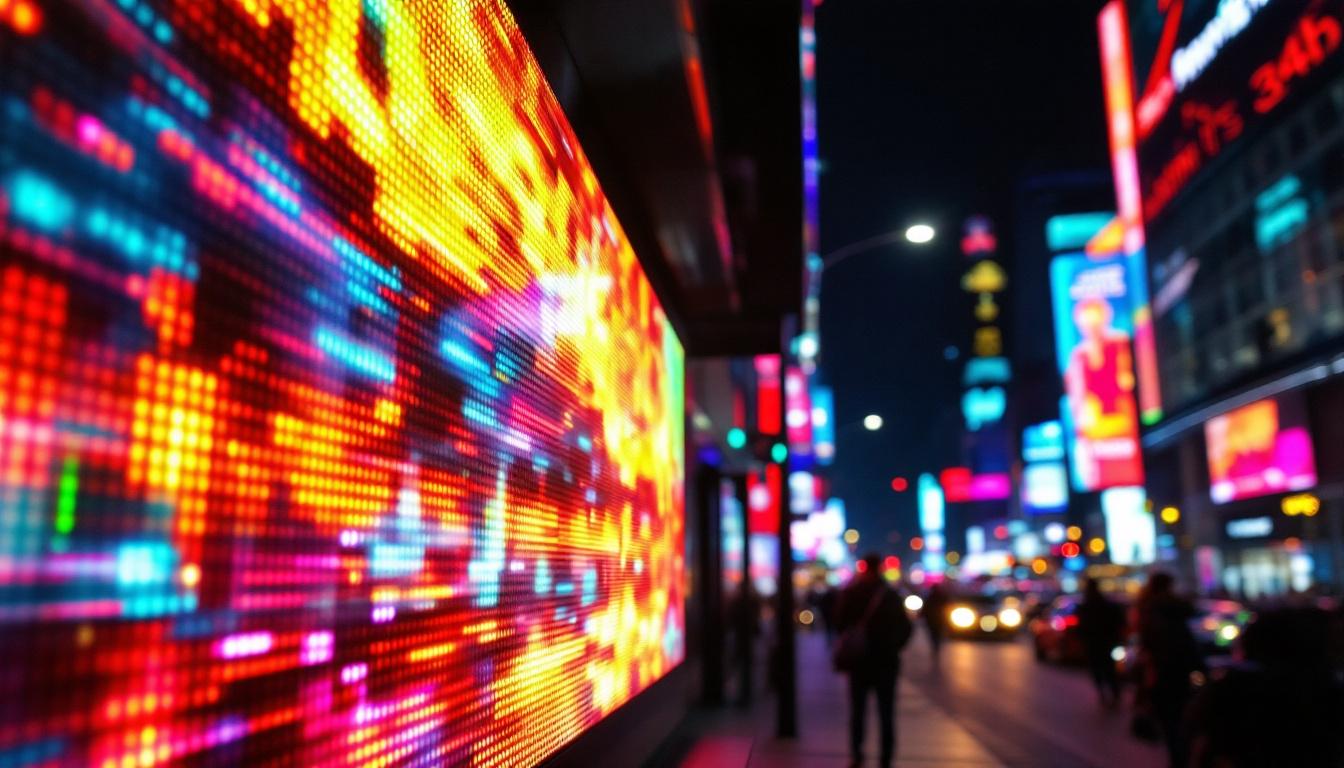
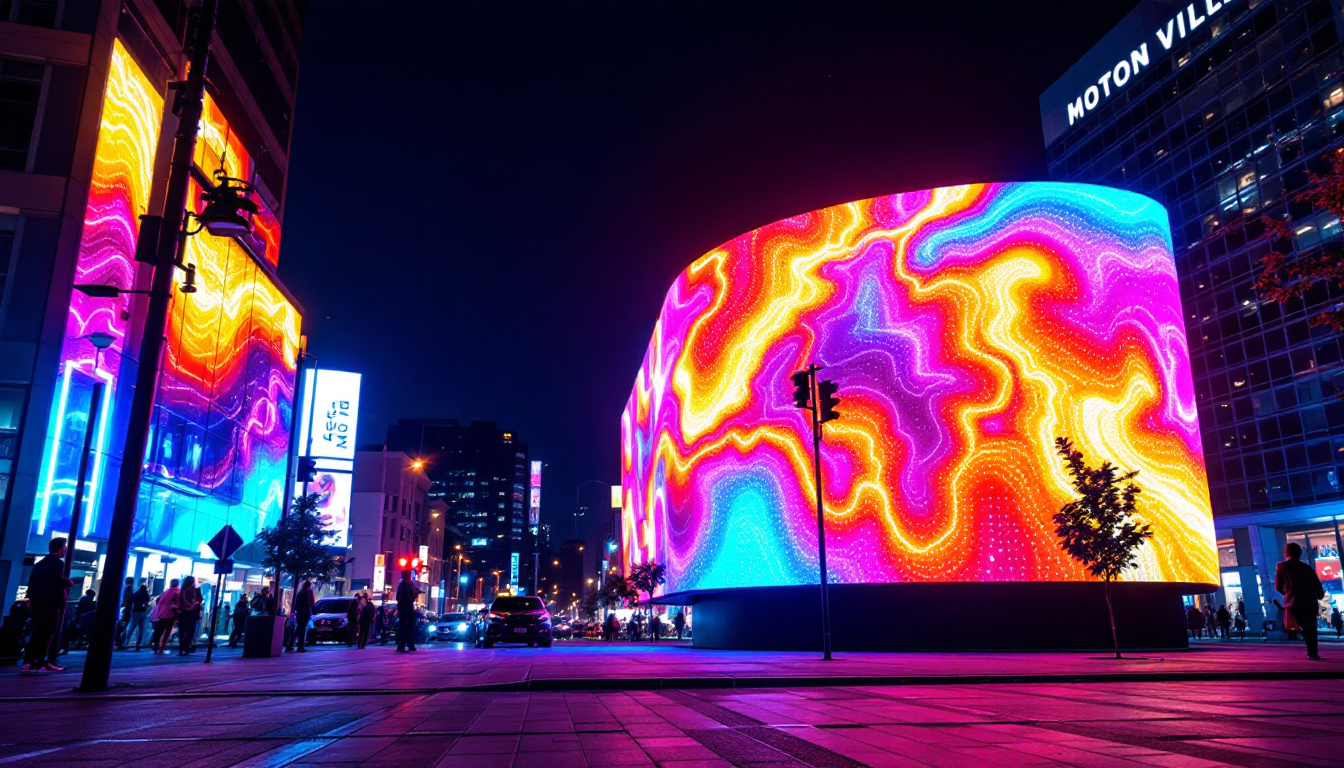
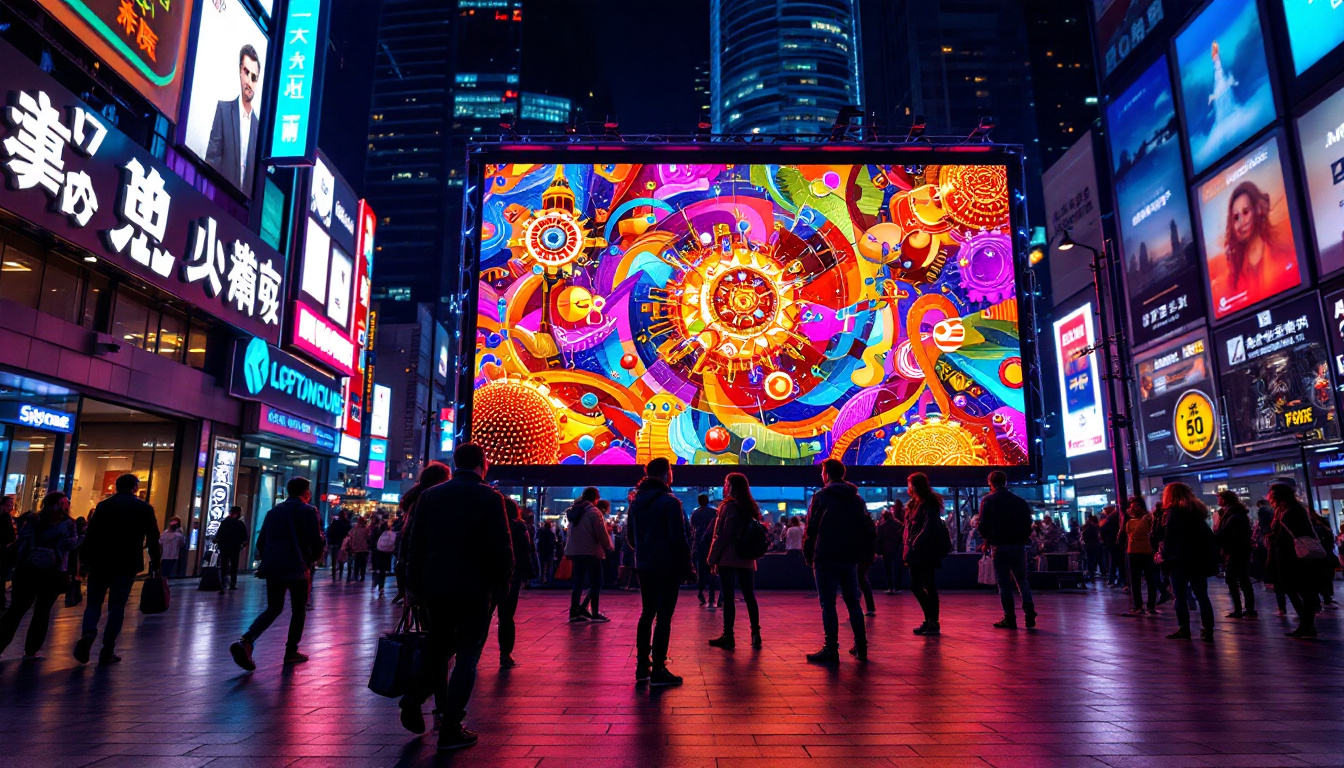
LED, or Light Emitting Diode, displays are a type of flat panel display that use light-emitting diodes as pixels to create images. Unlike traditional LCD screens that rely on backlighting, LED displays generate their own light, resulting in superior brightness and contrast. This fundamental difference enables LED displays to perform exceptionally well in various lighting conditions, including direct sunlight. Their ability to maintain clarity and vibrancy in bright environments makes them a popular choice for outdoor advertising and large public displays, where visibility is crucial.
At the core of LED display technology are tiny diodes that emit light when an electrical current passes through them. These diodes are arranged in a grid, and by controlling the intensity and color of each diode, the display produces vivid images and videos. The diodes can be red, green, and blue (RGB), which combine to create the full spectrum of colors visible to the human eye. This RGB configuration allows for a wide range of color reproduction, making LED displays ideal for applications that require high fidelity in color representation, such as digital signage, video walls, and even in the entertainment industry for concerts and events.
Key Components of LED Displays
Several critical components work together to make LED displays function effectively:
- LED Modules: These are the building blocks of the display, containing clusters of LEDs arranged in a specific pattern. Modules are assembled to form the complete screen, and their modular design allows for easy replacement and maintenance, which is a significant advantage in large installations.
- Driver ICs: Integrated circuits that control the voltage and current supplied to each LED, enabling precise color and brightness control. These ICs play a crucial role in ensuring that the display operates efficiently and consistently, minimizing energy consumption while maximizing output quality.
- Control System: The hardware and software that process input signals and manage the display output, ensuring synchronized and accurate image rendering. Advanced control systems can also incorporate features like real-time content updates and remote management, enhancing the versatility of LED displays in dynamic environments.
- Power Supply: Provides the necessary electrical power to the LEDs and control systems, designed to handle high loads efficiently. A reliable power supply is essential for maintaining the longevity of the display, as fluctuations in power can lead to reduced performance or even damage over time.
In addition to these components, the construction of LED displays often involves advanced thermal management systems to dissipate heat generated during operation. Effective heat management is vital, as excessive heat can lead to reduced lifespan and performance degradation of the LEDs. Furthermore, many modern LED displays are designed with energy efficiency in mind, utilizing technologies that minimize power consumption while maximizing brightness and color accuracy. This focus on sustainability not only reduces operational costs but also aligns with growing environmental concerns, making LED displays a forward-thinking choice for businesses and organizations looking to invest in long-lasting display solutions.
Types of LED Displays
LED displays come in various forms, each tailored to specific use cases and environments. Understanding these types helps in selecting the right display for a given application.
Indoor LED Displays
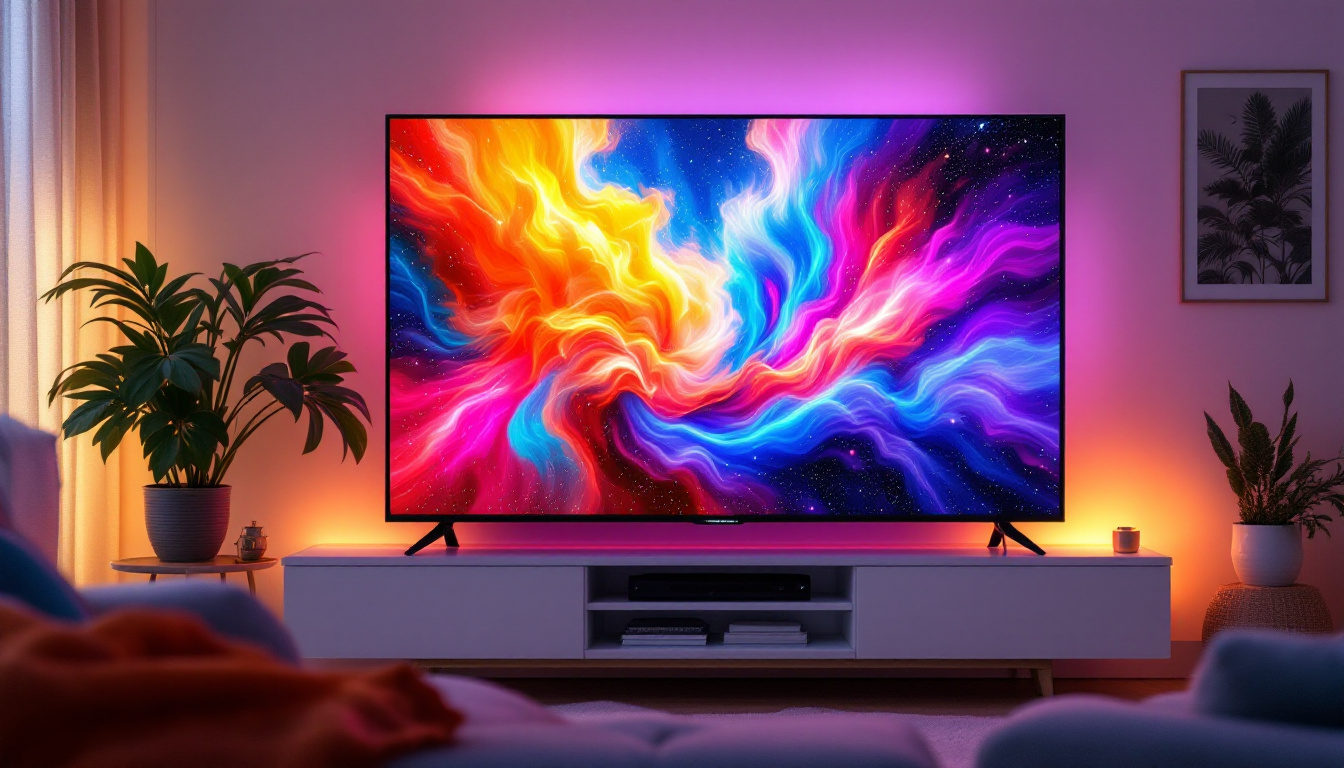
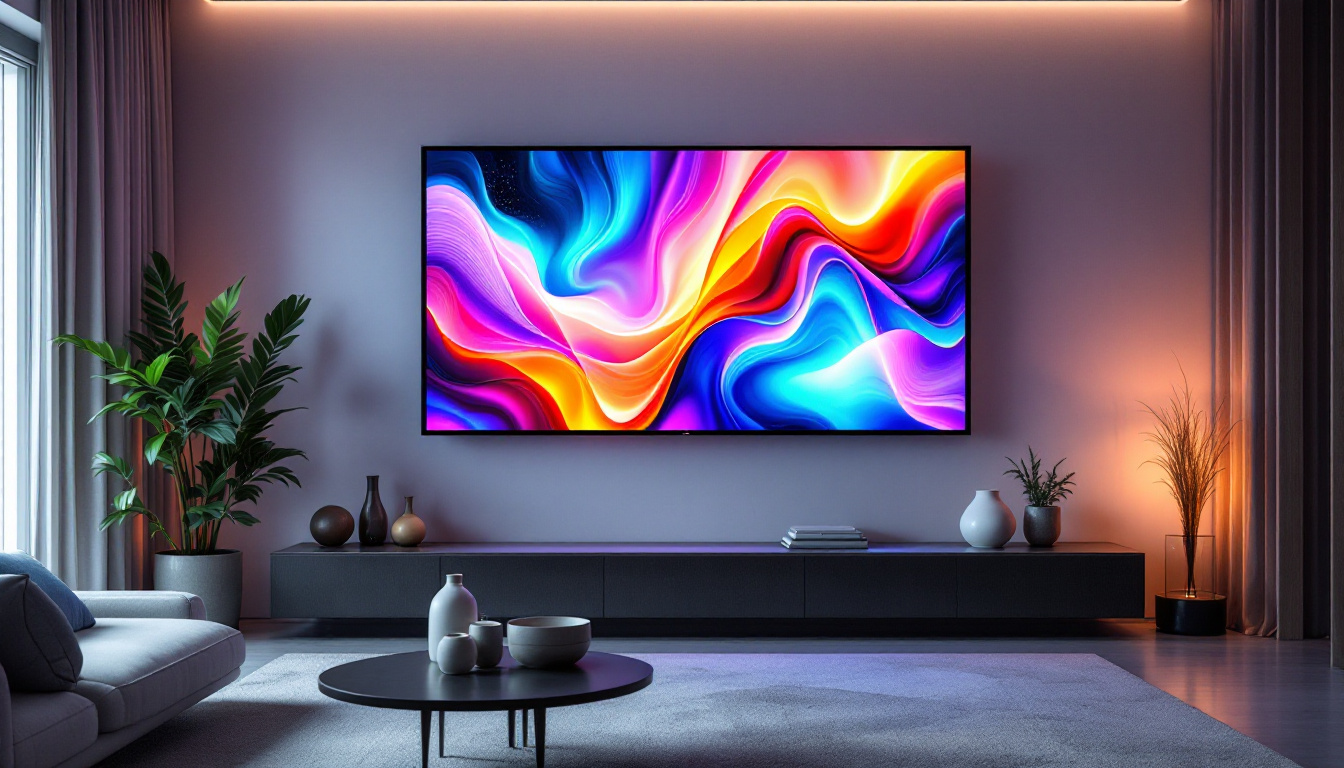
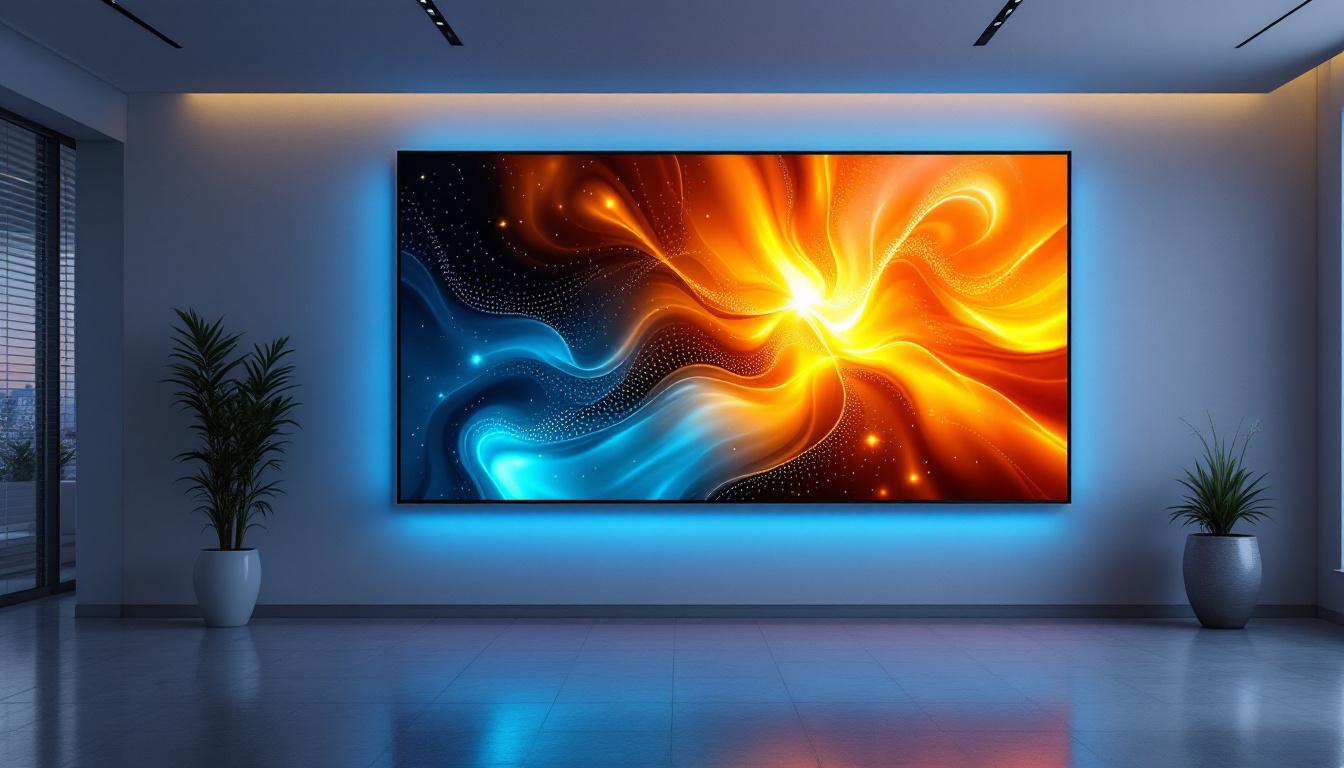
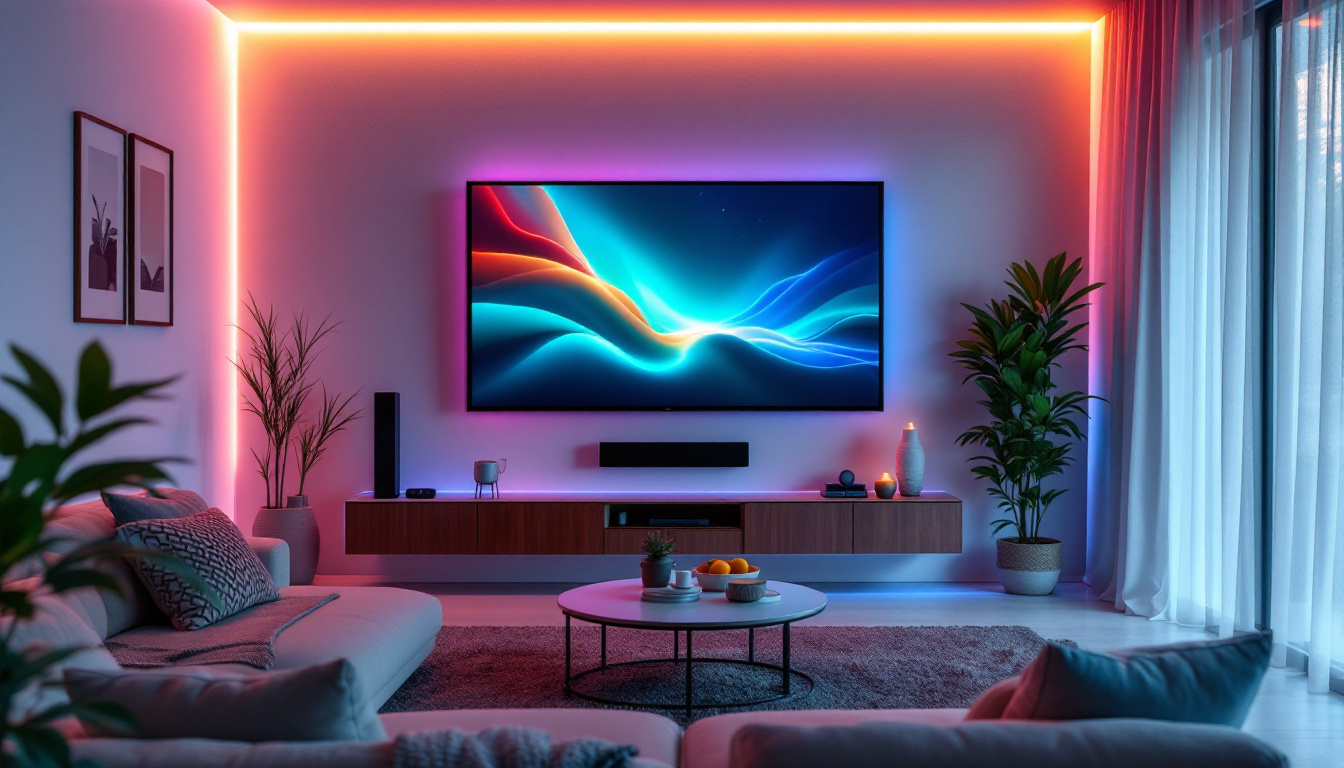
Indoor LED displays are designed for environments such as conference rooms, retail stores, airports, and control centers. They typically feature a higher pixel density, meaning the LEDs are packed more closely together, resulting in sharper images at close viewing distances.
Indoor displays prioritize color accuracy and fine detail, making them ideal for presentations, digital signage, and video walls. Their brightness levels are optimized for indoor lighting conditions, usually ranging between 800 to 1,500 nits, which is sufficient to overcome ambient light without causing glare.
Outdoor LED Displays
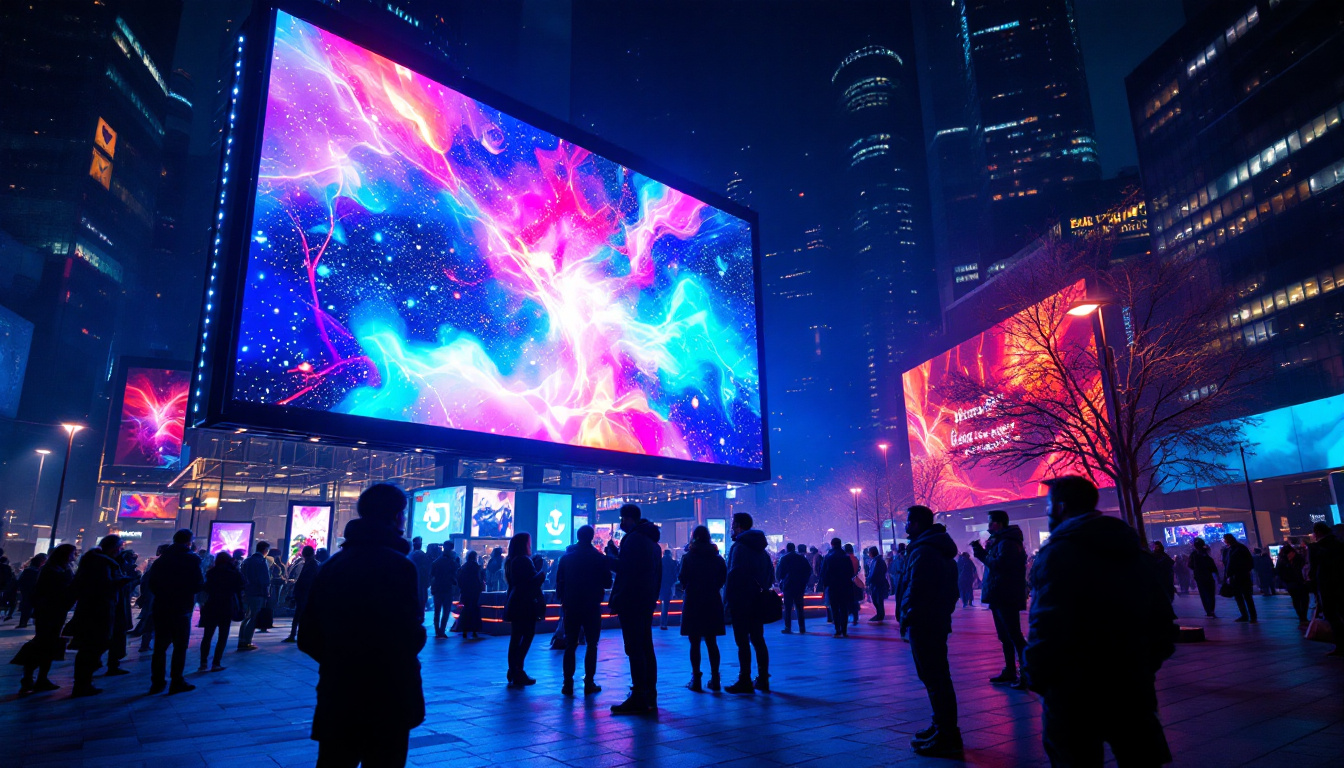
Outdoor LED displays are engineered to withstand harsh weather conditions and deliver high brightness levels to remain visible in direct sunlight. These displays often reach brightness levels of 5,000 to 10,000 nits or more, ensuring clarity even on the brightest days.
Durability is a key consideration for outdoor screens, which are built with weatherproof enclosures and robust materials to resist rain, dust, and temperature extremes. Common applications include sports stadium scoreboards, billboards, and public event screens.
Transparent and Flexible LED Displays
Innovations in LED technology have led to the development of transparent and flexible LED displays. Transparent displays allow light to pass through, making them suitable for storefront windows and architectural installations where visibility both inside and outside is desired.
Flexible LED displays, on the other hand, can bend or curve, enabling creative designs and installations on curved surfaces or irregular shapes. These displays open new possibilities for immersive environments and artistic applications.
Critical Specifications and Metrics
Choosing the right LED display involves understanding several technical specifications that impact performance and suitability.
Pixel Pitch and Resolution
Pixel pitch refers to the distance between the centers of two adjacent pixels, usually measured in millimeters. A smaller pixel pitch means higher pixel density and sharper image quality, especially at close viewing distances. For example, a 1.5mm pixel pitch is common in high-end indoor displays, while outdoor displays often have pixel pitches ranging from 4mm to 20mm or more.
Resolution is determined by the number of pixels horizontally and vertically. Higher resolution displays provide more detail but require more processing power and higher costs. The choice depends on the intended viewing distance and content type.
Brightness and Contrast Ratio
Brightness is measured in nits (candelas per square meter) and indicates how luminous the display is. Outdoor displays require higher brightness to combat sunlight, while indoor displays balance brightness with eye comfort.
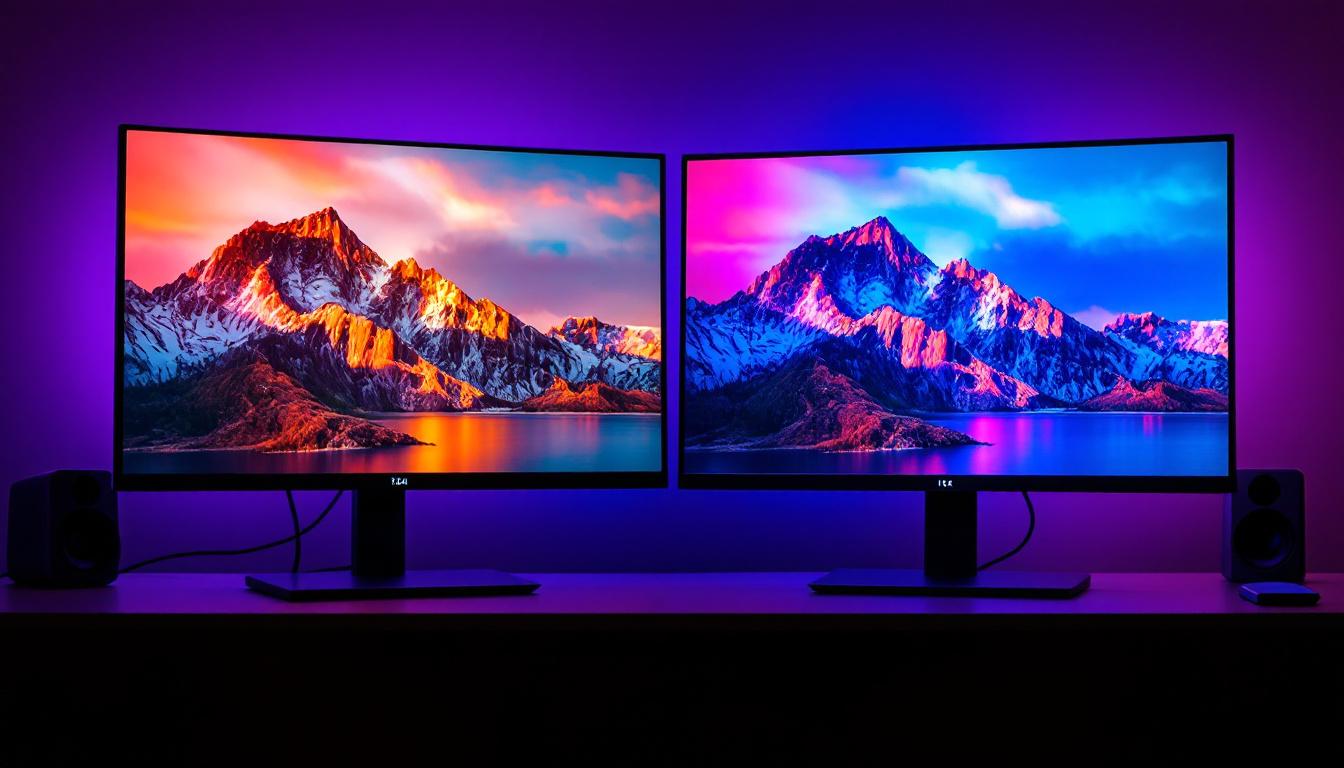
The contrast ratio, the difference between the brightest white and the darkest black the display can produce, affects image depth and clarity. LED displays typically offer excellent contrast ratios due to their self-emissive nature, with some models achieving ratios exceeding 10,000:1.
Refresh Rate and Viewing Angle
The refresh rate, measured in Hertz (Hz), indicates how many times per second the display updates its image. Higher refresh rates reduce flicker and improve motion clarity, which is essential for video playback and live broadcasts. Modern LED displays often support refresh rates of 3,000 Hz or higher.
Viewing angle defines the maximum angle at which the display can be viewed without significant color or brightness degradation. Wide viewing angles, often up to 160° horizontally and vertically, ensure consistent image quality across large audiences.
Applications of LED Displays in AV Sets
LED displays have become integral to many AV setups due to their flexibility and performance. Their applications span numerous sectors, each leveraging specific features to meet unique demands.
Corporate and Event AV Solutions
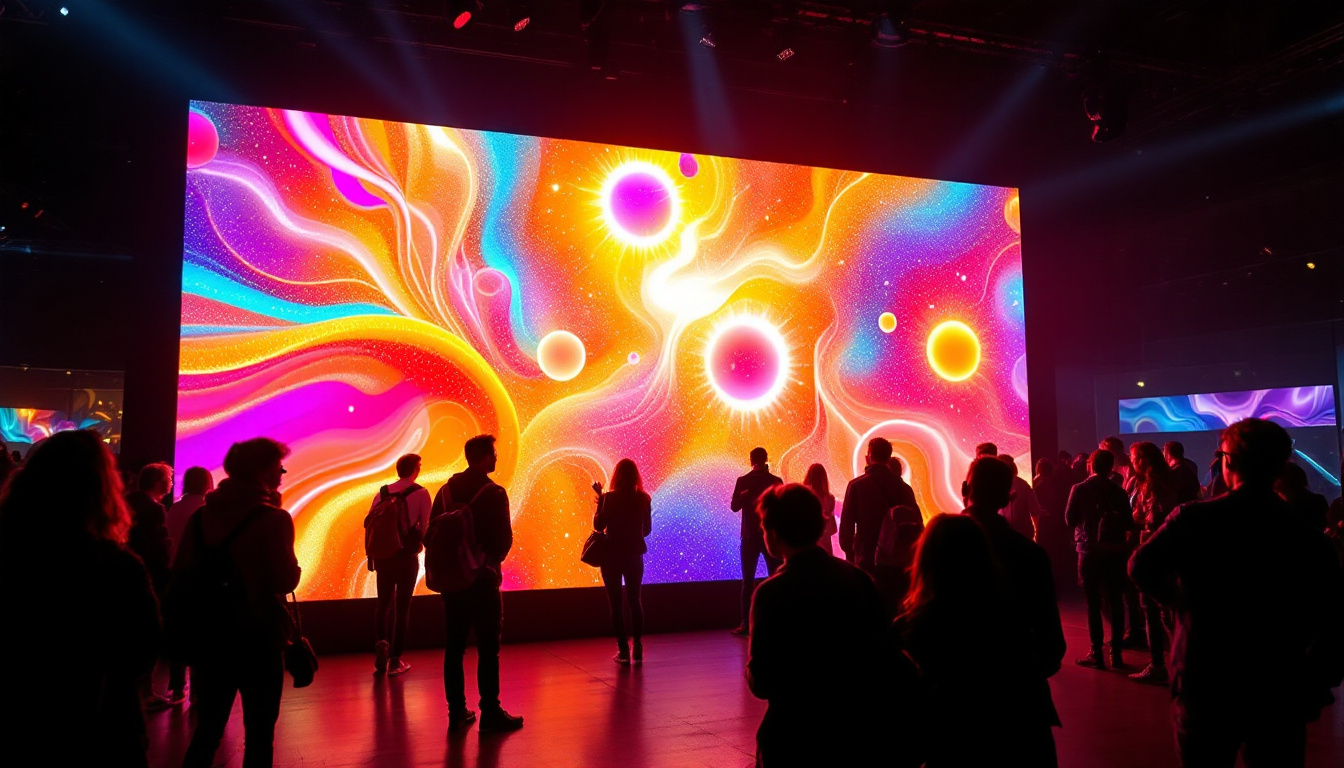
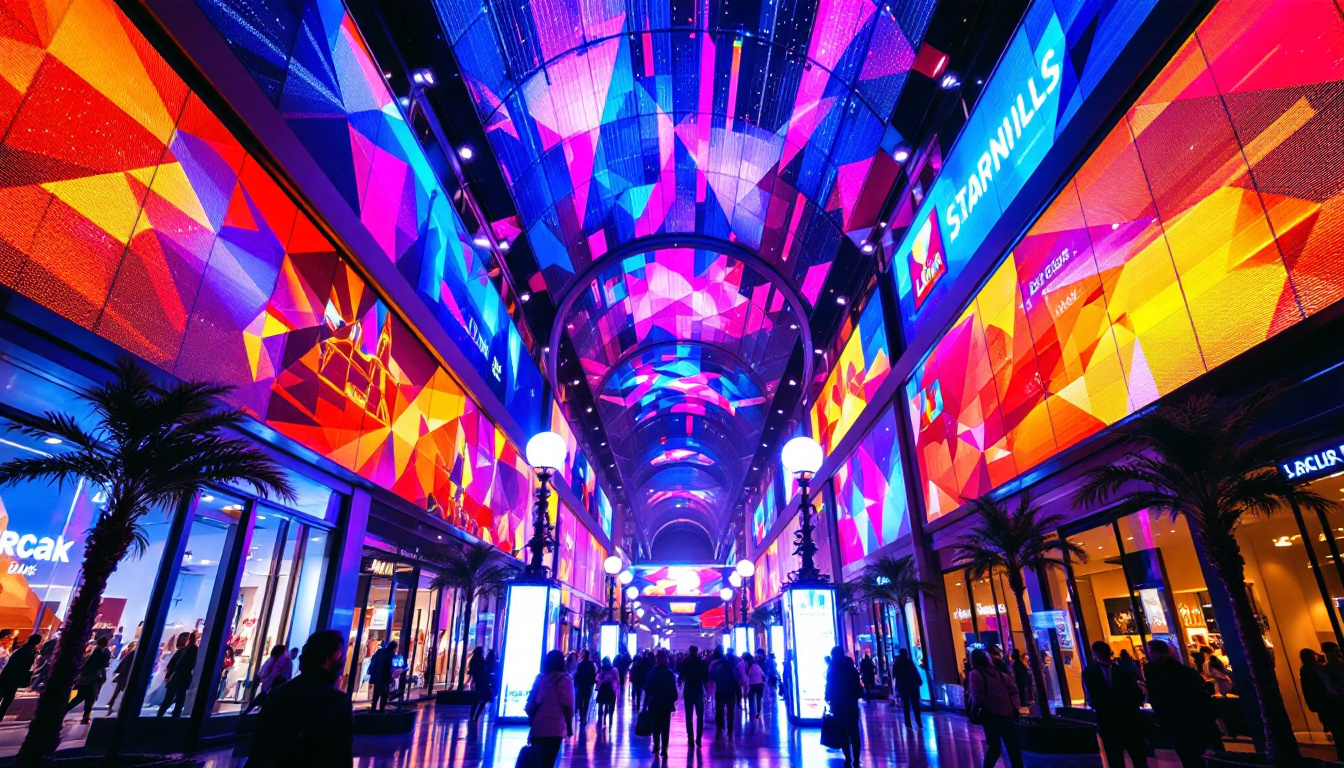
In corporate environments, LED video walls are popular for boardrooms, auditoriums, and trade shows. They provide dynamic backdrops for presentations, enhance branding, and facilitate interactive experiences. The ability to customize size and shape allows seamless integration into venue aesthetics.
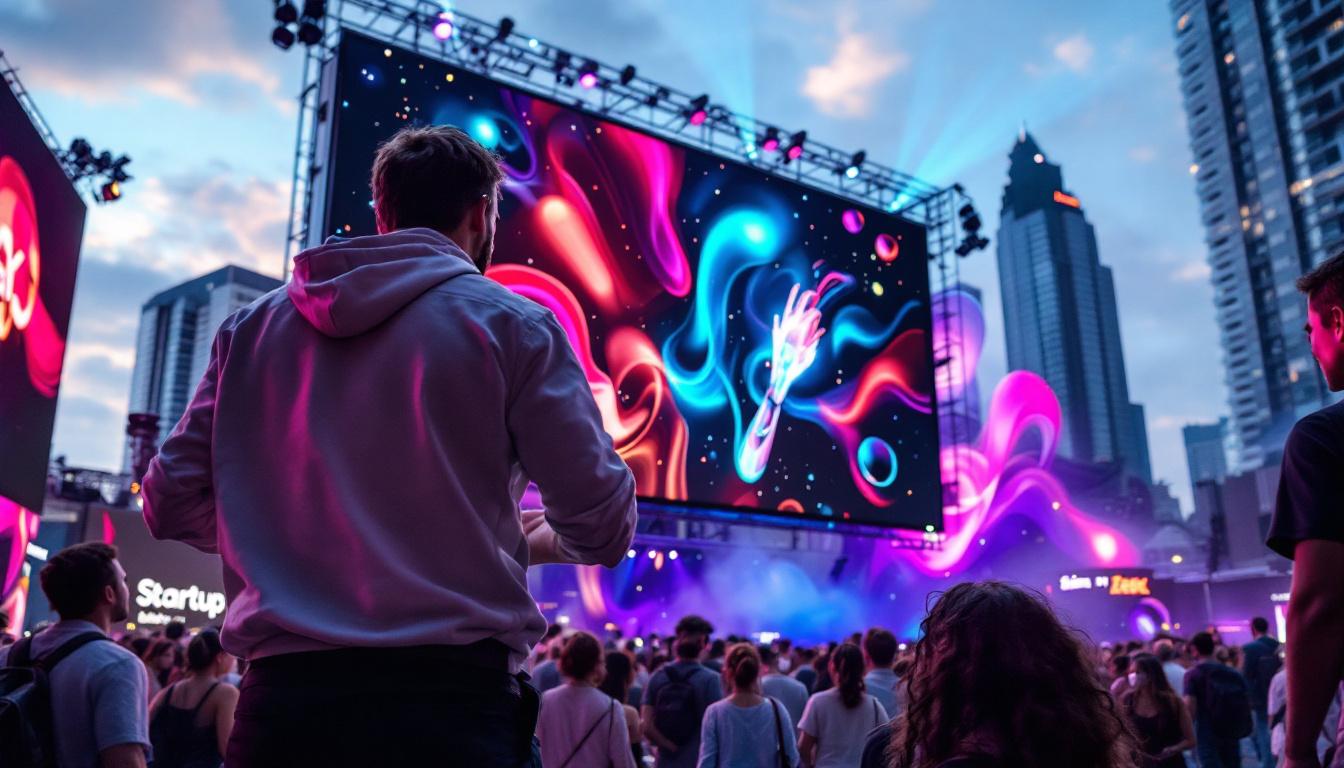
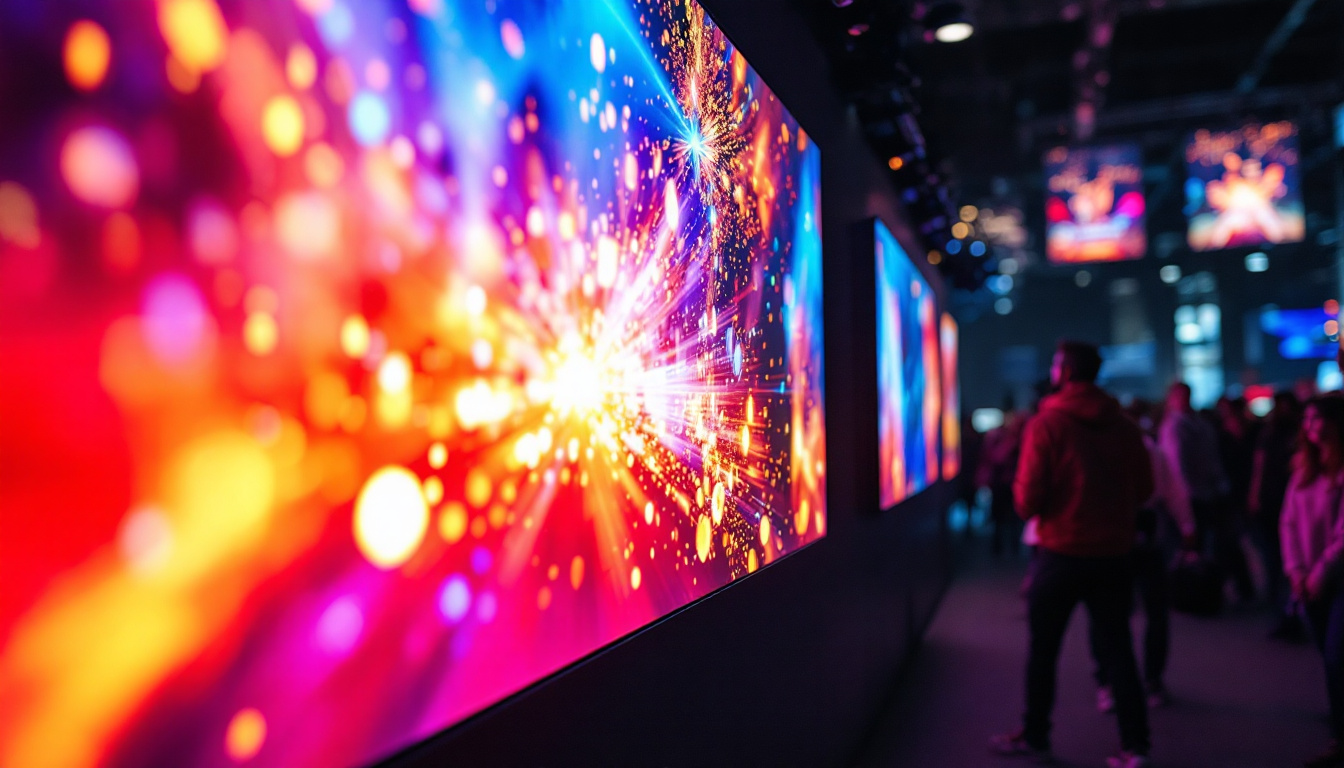
At live events, concerts, and conferences, LED displays serve as large-scale screens that deliver high-impact visuals to audiences, even in challenging lighting conditions. Their modular nature enables quick assembly and disassembly, critical for touring productions.
Retail and Advertising
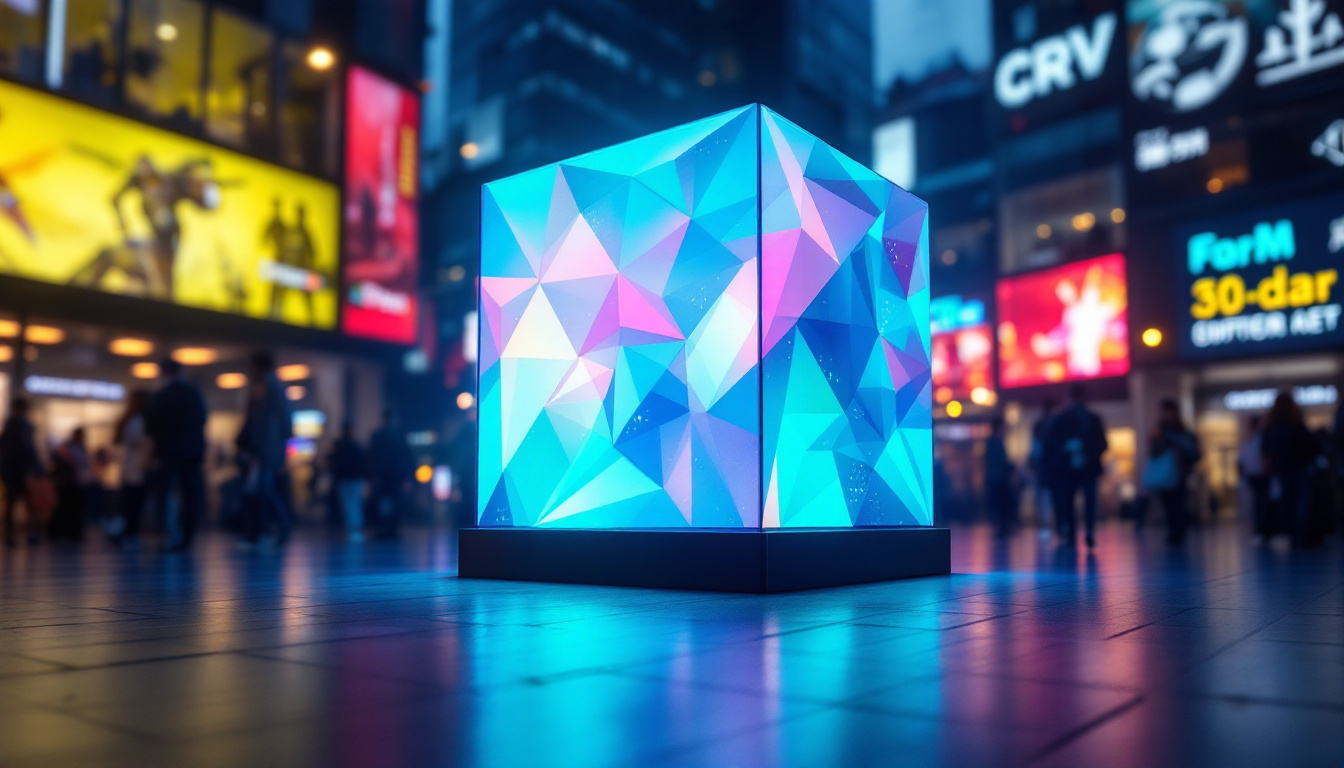
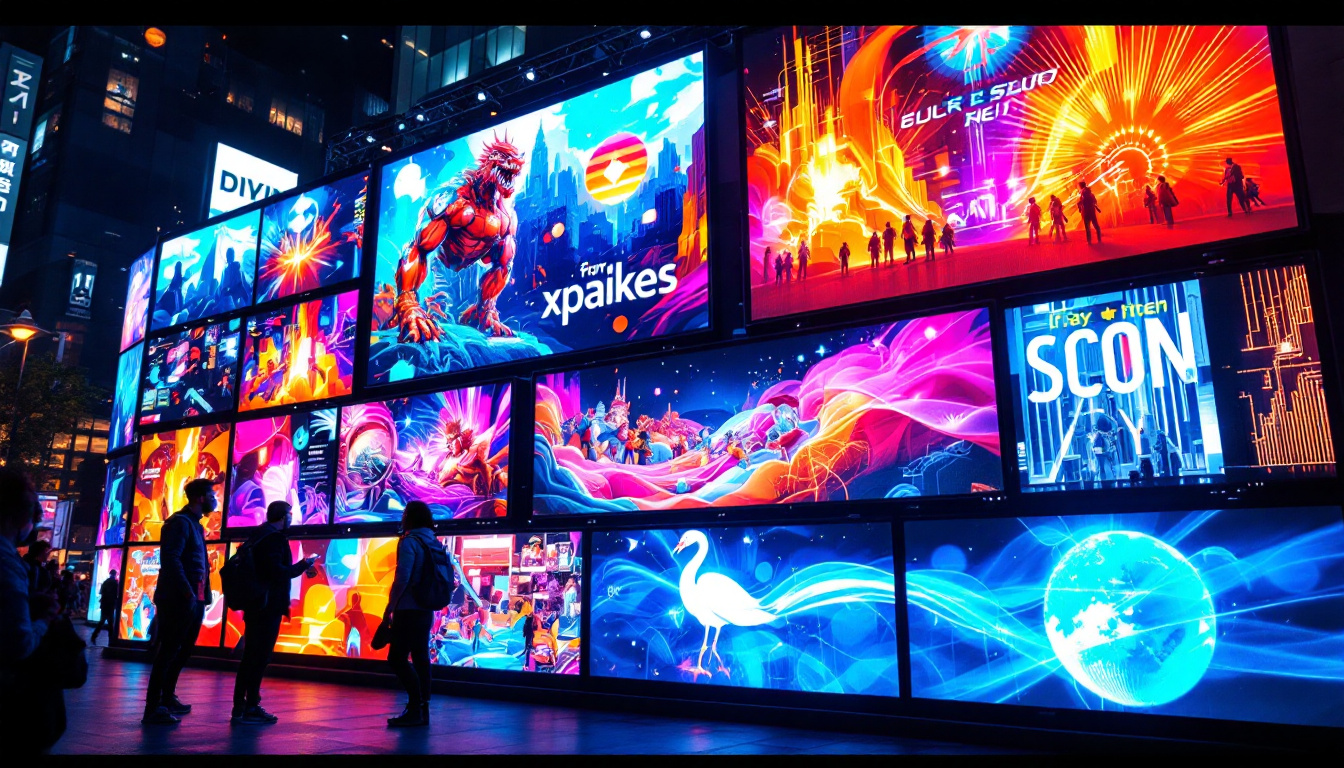
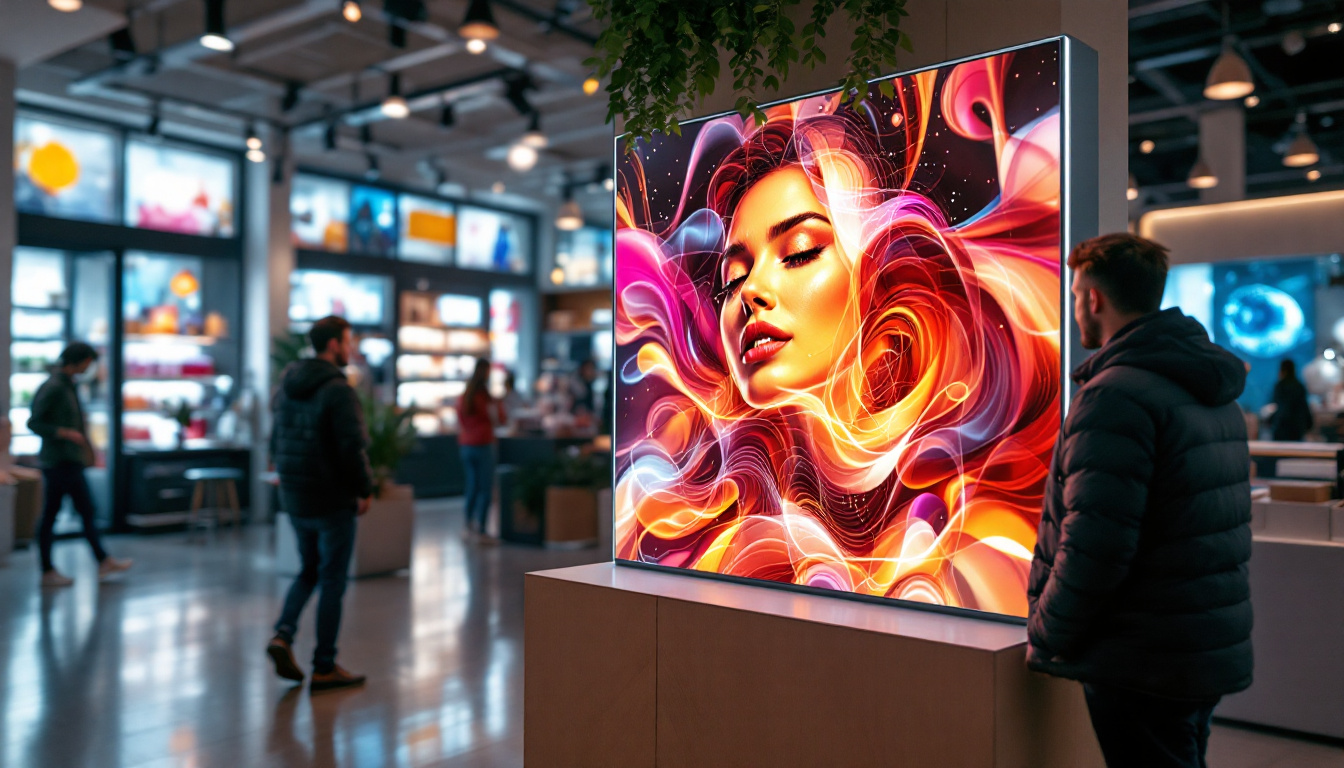
Retailers utilize LED displays for digital signage to attract customers, promote products, and convey real-time information. The vivid colors and brightness of LED screens make advertisements more eye-catching compared to traditional print media.
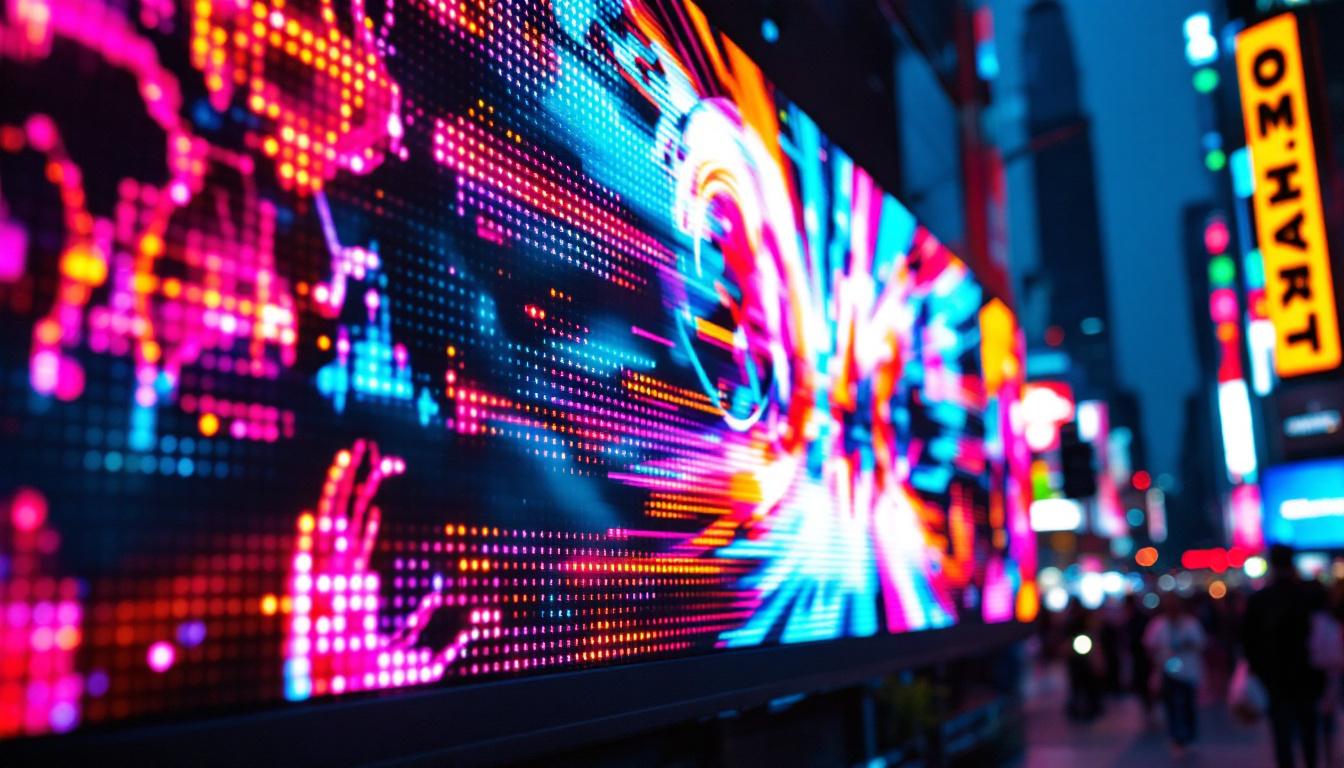
Outdoor LED billboards have transformed advertising by enabling dynamic content that can be updated instantly, allowing marketers to tailor messages based on time of day, weather, or audience demographics.
Broadcast and Control Rooms
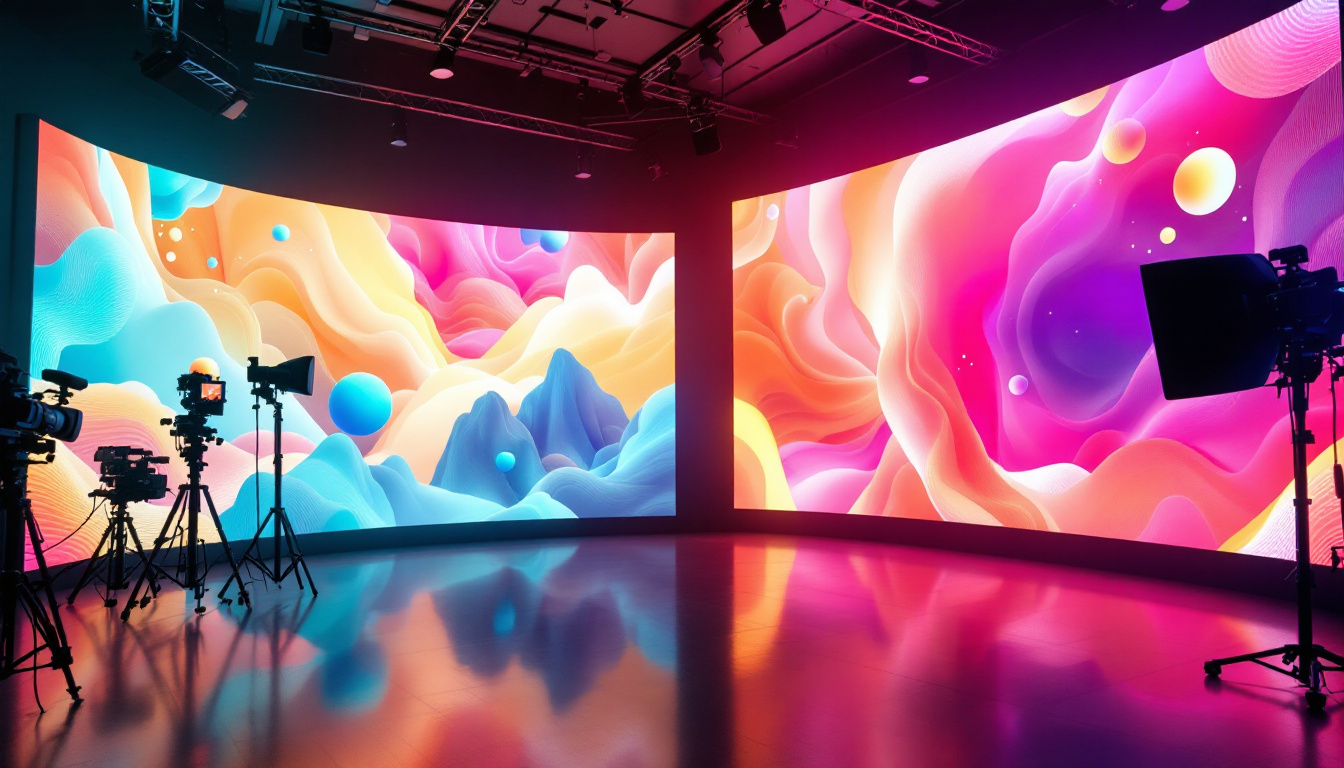
Broadcast studios rely on LED video walls for virtual sets and real-time data visualization, enhancing production quality and viewer engagement. The high refresh rates and color accuracy are crucial for live broadcasts.
Control rooms in industries such as transportation, utilities, and emergency services use LED displays to monitor operations, visualize data, and coordinate responses efficiently. The reliability and clarity of LED screens support critical decision-making processes.
Installation and Maintenance Considerations
Deploying LED displays requires careful planning and ongoing maintenance to ensure optimal performance and longevity.
Installation Best Practices
Proper installation involves selecting the right pixel pitch and screen size based on viewing distance and environment. Structural support must accommodate the weight and dimensions of the display, particularly for large outdoor installations.
Calibration during installation is essential to achieve uniform brightness and color across the entire display. Professional installers use specialized tools and software to fine-tune settings and ensure seamless module alignment.
Maintenance and Longevity
LED displays are known for their durability, with typical lifespans exceeding 100,000 hours of operation. However, regular maintenance is necessary to preserve image quality and prevent failures. This includes cleaning modules to remove dust and debris, inspecting power supplies and connections, and updating control software.
Many modern LED displays feature modular designs that allow for easy replacement of individual components, minimizing downtime and repair costs.
Future Trends in LED Display Technology
The LED display industry continues to evolve rapidly, driven by advances in materials, manufacturing, and digital integration.
MicroLED and MiniLED Innovations
Emerging technologies such as MicroLED and MiniLED promise to push the boundaries of brightness, contrast, and energy efficiency. MicroLED displays consist of microscopic LEDs that offer superior resolution and color fidelity, potentially rivaling OLED screens without the drawbacks of burn-in.
MiniLED technology uses smaller LEDs as backlighting for LCD panels, enhancing contrast and HDR performance. These innovations are expected to expand the use of LED displays in consumer electronics and professional AV applications.
Integration with Smart Technologies
Smart LED displays equipped with AI-powered content management and IoT connectivity are becoming more prevalent. These features enable automated adjustments based on ambient conditions, audience engagement analytics, and remote diagnostics, enhancing operational efficiency.
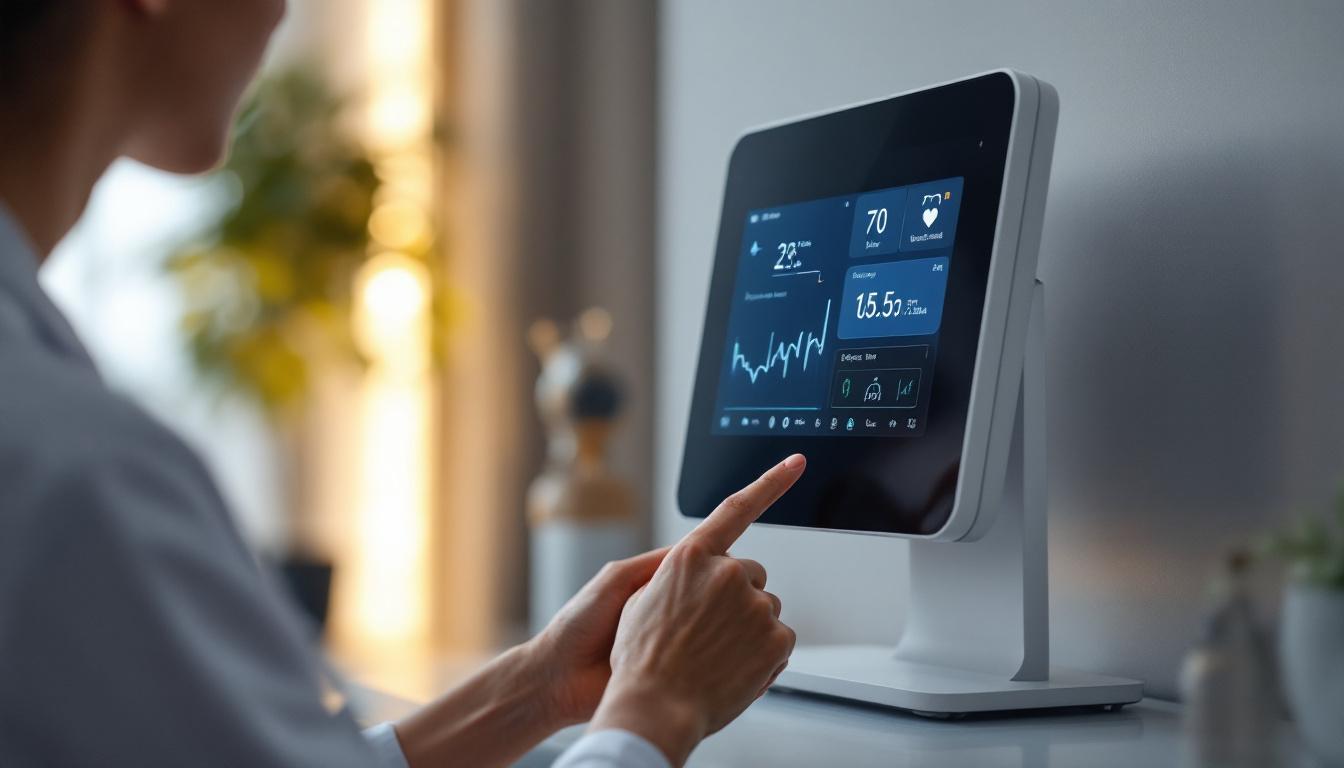
Interactive LED displays, incorporating touch and gesture recognition, are also gaining traction, offering more engaging and immersive user experiences across retail, education, and entertainment sectors.
Conclusion
LED displays have transformed the audiovisual landscape by providing versatile, high-performance solutions for a wide range of applications. Understanding the technology behind LED displays, their types, key specifications, and practical considerations is essential for anyone involved in AV system design, installation, or management.
As LED technology continues to advance, the potential for more immersive, energy-efficient, and intelligent displays will only grow, making LED an indispensable component of modern AV setups. Whether for corporate presentations, outdoor advertising, or broadcast production, LED displays deliver vibrant, reliable, and impactful visual experiences.
Explore Cutting-Edge LED Display Solutions with LumenMatrix
Ready to elevate your AV setup with the latest in LED display technology? LumenMatrix is at the forefront of innovation, offering a diverse range of LED display modules that bring your content to life. From vibrant Indoor and Outdoor LED Wall Displays to dynamic Vehicle and Sports LED Displays, our solutions are designed to captivate and engage. Discover the possibilities with our LED Poster Displays, Floor Displays, Custom Solutions, and All-in-One LED Displays, including state-of-the-art Transparent Displays. Embrace the future of visual communication and make a lasting impression. Check out LumenMatrix LED Display Solutions today and transform your message into an unforgettable visual experience.