In the rapidly evolving world of digital displays, understanding the technical specifications behind the technology is crucial for professionals and enthusiasts alike. One such specification that often comes up in discussions about high-performance LED displays is the DisplayPort 1.4 (DP 1.4) bandwidth. This article delves into what DP 1.4 bandwidth means, why it matters for LED displays, and how it impacts the overall visual experience.
What is DisplayPort 1.4?
DisplayPort is a digital display interface developed by the Video Electronics Standards Association (VESA) to connect video sources to display devices such as monitors, projectors, and LED panels. The 1.4 version of DisplayPort, released in 2016, brought significant enhancements over its predecessors, particularly in bandwidth capacity and support for advanced features. This evolution was crucial as the demand for higher resolution and more immersive visual experiences surged, driven by advancements in gaming, video production, and virtual reality.
DP 1.4 supports a maximum raw bandwidth of 32.4 Gbps (gigabits per second), with an effective data rate of 25.92 Gbps after accounting for encoding overhead. This bandwidth allows for high-resolution displays, higher refresh rates, and improved color depth, which are essential for delivering crisp and vibrant visuals on LED displays. The increased data throughput also means that users can enjoy smoother gameplay and more detailed graphics, which is particularly beneficial for gamers and professionals working in graphic-intensive fields.
Key Features of DP 1.4
DP 1.4 introduced several important features that enhance display performance:
- High Dynamic Range (HDR) Support: Enables better contrast and color accuracy, making images more lifelike.
- Display Stream Compression (DSC) 1.2: A visually lossless compression technology that allows higher resolutions and refresh rates without requiring additional bandwidth.
- Support for 8K Resolution: DP 1.4 can handle resolutions up to 7680×4320 at 60 Hz with DSC.
- Enhanced Multi-Stream Transport (MST): Allows multiple displays to be connected through a single port.
In addition to these features, DisplayPort 1.4 also supports Forward Error Correction (FEC), which helps to maintain signal integrity over longer cable runs, ensuring that high-quality video and audio signals reach the display without degradation. This is especially important in professional environments where reliability and precision are paramount. Furthermore, the inclusion of Adaptive Sync technology in DP 1.4 allows for tear-free gaming experiences by synchronizing the display’s refresh rate with the graphics card’s frame rate, reducing stuttering and input lag. These advancements make DisplayPort 1.4 a robust choice for both casual users and professionals alike, catering to a wide range of applications from home entertainment systems to high-end workstations.
Understanding Bandwidth in the Context of LED Displays
Bandwidth in display technology refers to the amount of data that can be transmitted from the source device (such as a computer or media player) to the display per second. For LED displays, especially those used in professional environments like digital signage, broadcasting, or large-scale video walls, bandwidth determines the quality and smoothness of the displayed content.
Higher bandwidth enables higher resolutions, faster refresh rates, and richer color depths. Conversely, insufficient bandwidth can lead to image degradation, reduced frame rates, or limitations in resolution.
Why Bandwidth Matters for LED Displays
LED displays are known for their brightness, color accuracy, and scalability. However, these qualities demand substantial data transfer capabilities. For instance, a 4K LED display running at 120 Hz with 10-bit color depth requires a significant amount of bandwidth to maintain image fidelity without compression artifacts or latency.
DP 1.4’s bandwidth capacity ensures that LED displays can operate at these demanding specifications, making it a preferred interface for high-end professional LED panels. Additionally, the support for DSC means that even ultra-high resolutions like 8K can be transmitted efficiently without compromising visual quality.
Technical Breakdown: How DP 1.4 Bandwidth Supports LED Display Performance
To appreciate how DP 1.4 bandwidth influences LED display performance, it’s essential to understand the interplay between resolution, refresh rate, color depth, and compression.
Resolution and Refresh Rate
Resolution refers to the number of pixels displayed on the screen, while refresh rate indicates how many times per second the image is updated. Both factors directly impact bandwidth requirements. For example:
- A 4K resolution (3840×2160 pixels) at 60 Hz with 8-bit color depth requires approximately 12 Gbps of bandwidth.
- Increasing the refresh rate to 120 Hz doubles the bandwidth requirement to about 24 Gbps.
- Higher resolutions like 8K (7680×4320 pixels) at 60 Hz can demand upwards of 48 Gbps without compression.
DP 1.4’s raw bandwidth of 32.4 Gbps, combined with DSC, allows it to handle these demanding scenarios effectively.
Color Depth and HDR
Color depth defines the number of bits used to represent the color of each pixel. Higher color depths (10-bit, 12-bit) enable more accurate and vibrant color reproduction, which is critical for HDR content. However, increasing color depth also increases bandwidth consumption.
DP 1.4 supports up to 12-bit color depth and HDR10 standards, ensuring LED displays can deliver stunning visuals with enhanced brightness and contrast without bandwidth bottlenecks.
Display Stream Compression (DSC)
DSC is a game-changer for bandwidth management. It compresses video streams in a visually lossless manner, reducing the data rate by up to 3:1. This means that an 8K 60 Hz signal, which would normally require 48 Gbps, can be transmitted over DP 1.4’s 32.4 Gbps bandwidth without noticeable quality loss.
This technology enables LED display manufacturers and users to push the limits of resolution and refresh rate without upgrading to newer interfaces like DisplayPort 2.0 or HDMI 2.1, which offer even higher bandwidth.
Real-World Applications of DP 1.4 Bandwidth in LED Displays
Understanding DP 1.4 bandwidth is not just a theoretical exercise; it has practical implications across various industries that rely on LED displays for communication, entertainment, and information dissemination.
Digital Signage and Advertising
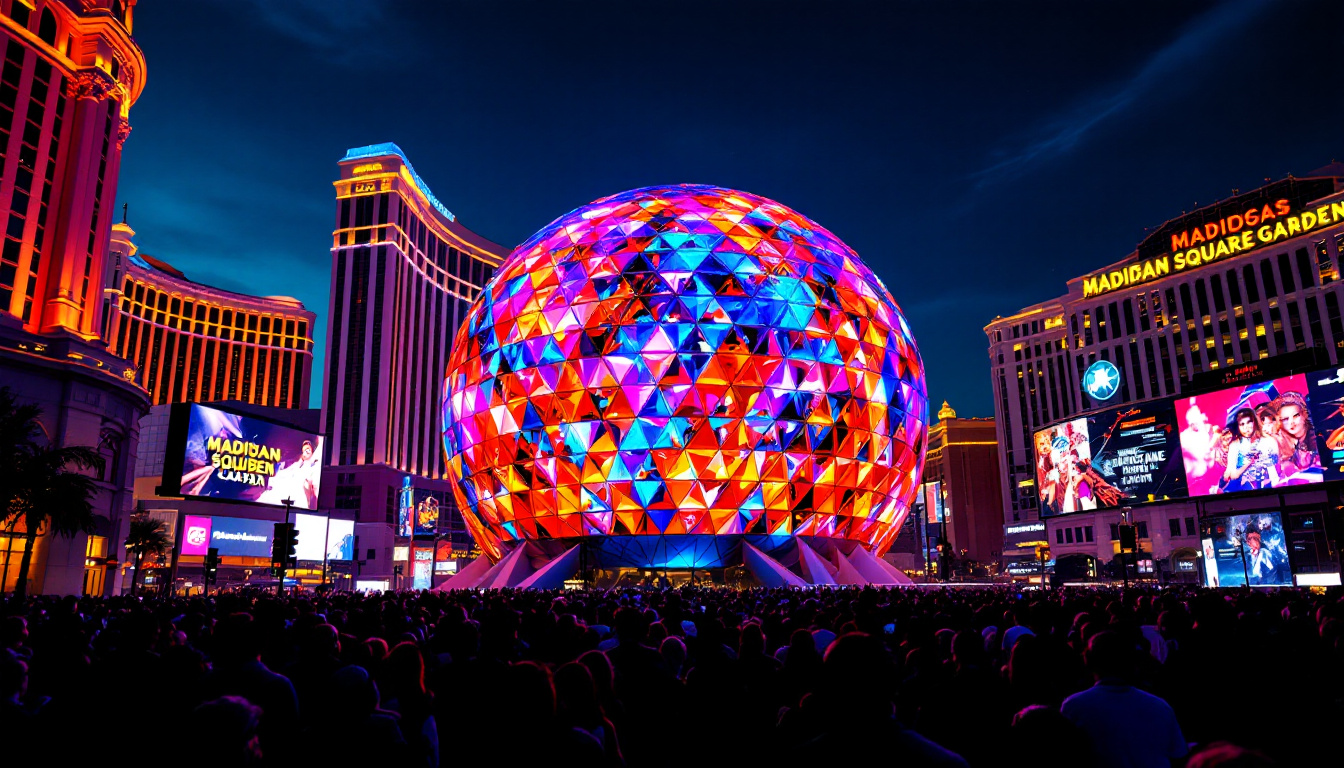
High-resolution LED displays are increasingly used in outdoor and indoor advertising to attract attention with vivid, dynamic content. DP 1.4 bandwidth ensures that these displays can show high-definition videos and animations smoothly, even at large sizes and high refresh rates.
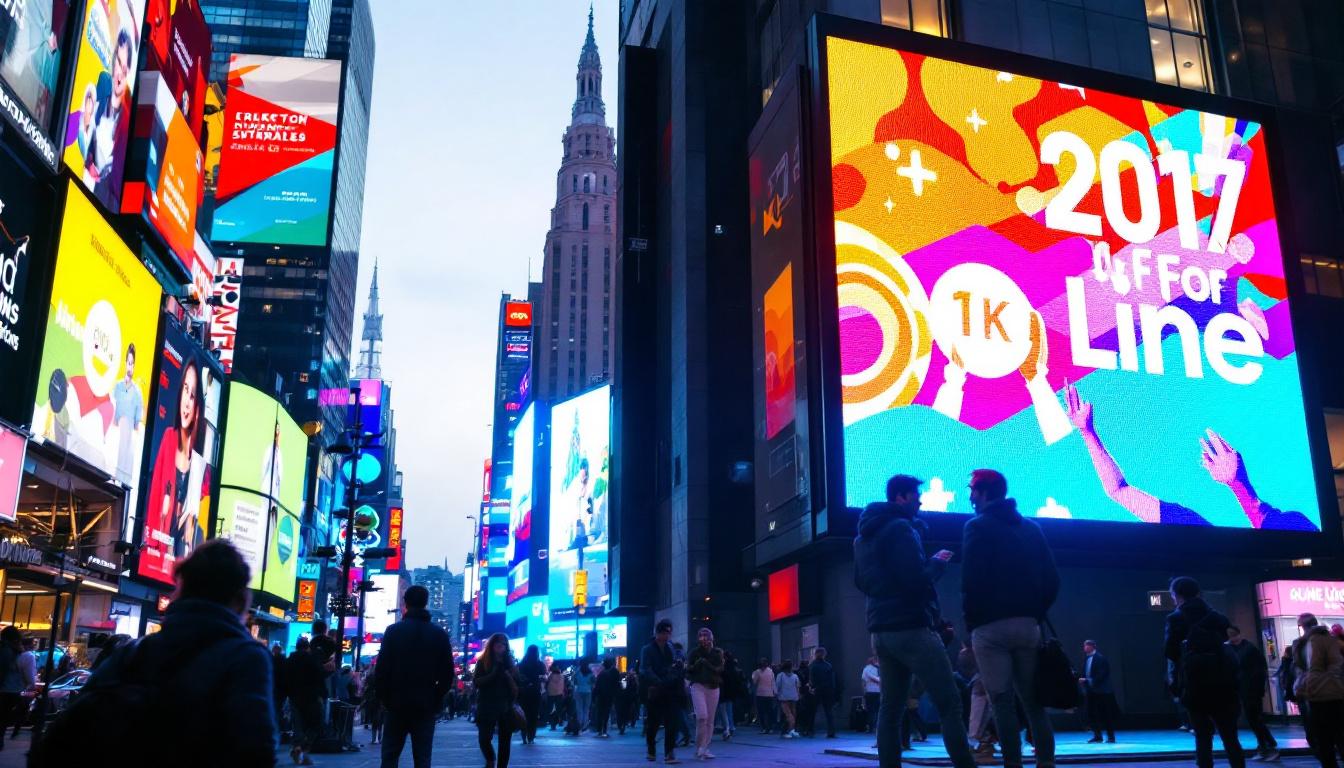
For example, Times Square in New York City features massive LED billboards that require seamless content delivery to maintain visual impact. The ability to transmit high-bandwidth video signals without lag or quality loss is essential for such installations.
Broadcast and Live Events
Live events such as concerts, sports, and conferences use LED video walls to provide immersive visual experiences. These setups often demand ultra-high resolutions and fast refresh rates to keep up with live action and dynamic camera feeds.
DP 1.4’s capabilities allow event producers to deploy LED walls that can handle complex video streams with HDR and wide color gamuts, enhancing audience engagement.
Professional Workstations and Creative Industries
Graphic designers, video editors, and 3D artists require precise color accuracy and high resolution to perform their work effectively. LED displays connected via DP 1.4 provide the necessary bandwidth to support 4K and even 5K monitors with high refresh rates and deep color depths.
This ensures that professionals see their work as intended, reducing errors and improving productivity.
Comparing DP 1.4 with Other Display Interfaces
While DP 1.4 remains a robust standard for LED displays, it’s important to understand how it compares with other popular display interfaces in terms of bandwidth and features.
HDMI 2.0 and HDMI 2.1
HDMI 2.0, widely used in consumer electronics, supports up to 18 Gbps bandwidth, which limits it to 4K at 60 Hz with 8-bit color. HDMI 2.1, released more recently, increases bandwidth to 48 Gbps, enabling 8K at 60 Hz and 4K at 120 Hz.
Compared to HDMI 2.0, DP 1.4 offers significantly higher bandwidth and features like DSC and MST, making it more suitable for professional LED displays. However, HDMI 2.1 surpasses DP 1.4 in raw bandwidth, which may influence future adoption in high-end LED systems.
DisplayPort 2.0
DisplayPort 2.0, introduced in 2019, offers a massive bandwidth increase to 80 Gbps, supporting resolutions up to 16K and higher refresh rates without compression. While DP 2.0 is still gaining traction, DP 1.4 remains the current standard in many professional LED display setups due to its widespread compatibility and mature ecosystem.
Future Trends and Considerations
As LED display technology continues to advance, the demand for higher resolutions, faster refresh rates, and richer color experiences will only grow. This will inevitably put pressure on interface bandwidth capabilities.
Manufacturers and integrators should keep an eye on emerging standards like DisplayPort 2.0 and HDMI 2.1, as well as improvements in compression algorithms and display technologies such as microLED and miniLED. These developments will shape the future landscape of LED displays and their connectivity requirements.
Optimizing LED Display Performance
To maximize the benefits of DP 1.4 bandwidth, it is important to consider the entire signal chain—from the source device and graphics card to cables and the LED panel itself. Using certified cables that support the full bandwidth, ensuring compatibility with DSC, and selecting displays designed to leverage DP 1.4 features will result in optimal performance.
Additionally, content creators should be aware of the bandwidth implications of their media, balancing resolution, frame rate, and color depth to suit the capabilities of their display setup.
Conclusion
DisplayPort 1.4 bandwidth plays a pivotal role in enabling high-quality LED display experiences across various applications. Its substantial bandwidth capacity, combined with advanced features like Display Stream Compression and HDR support, allows LED displays to deliver stunning visuals at high resolutions and refresh rates.
For professionals in digital signage, broadcasting, creative industries, and beyond, understanding DP 1.4 bandwidth is essential for making informed decisions about display technology and ensuring that content is presented with the highest possible fidelity and impact.
As technology evolves, staying informed about interface standards and their capabilities will help users and manufacturers alike to harness the full potential of LED displays in an increasingly visual world.
Explore Cutting-Edge LED Display Solutions with LumenMatrix
Ready to experience the future of visual communication? LumenMatrix is at the forefront of LED display technology, offering a wide array of innovative solutions that bring your content to life. From vibrant Indoor and Outdoor LED Wall Displays to dynamic Vehicle and Sports LED Displays, our products are designed to captivate your audience and amplify your message. Discover the transformative power of our LED Poster Displays, Floor Displays, Custom Solutions, All-in-One Displays, and Transparent Displays. Elevate your brand’s visibility and create immersive experiences with LumenMatrix. Check out LumenMatrix LED Display Solutions today and lead the way in digital signage excellence.