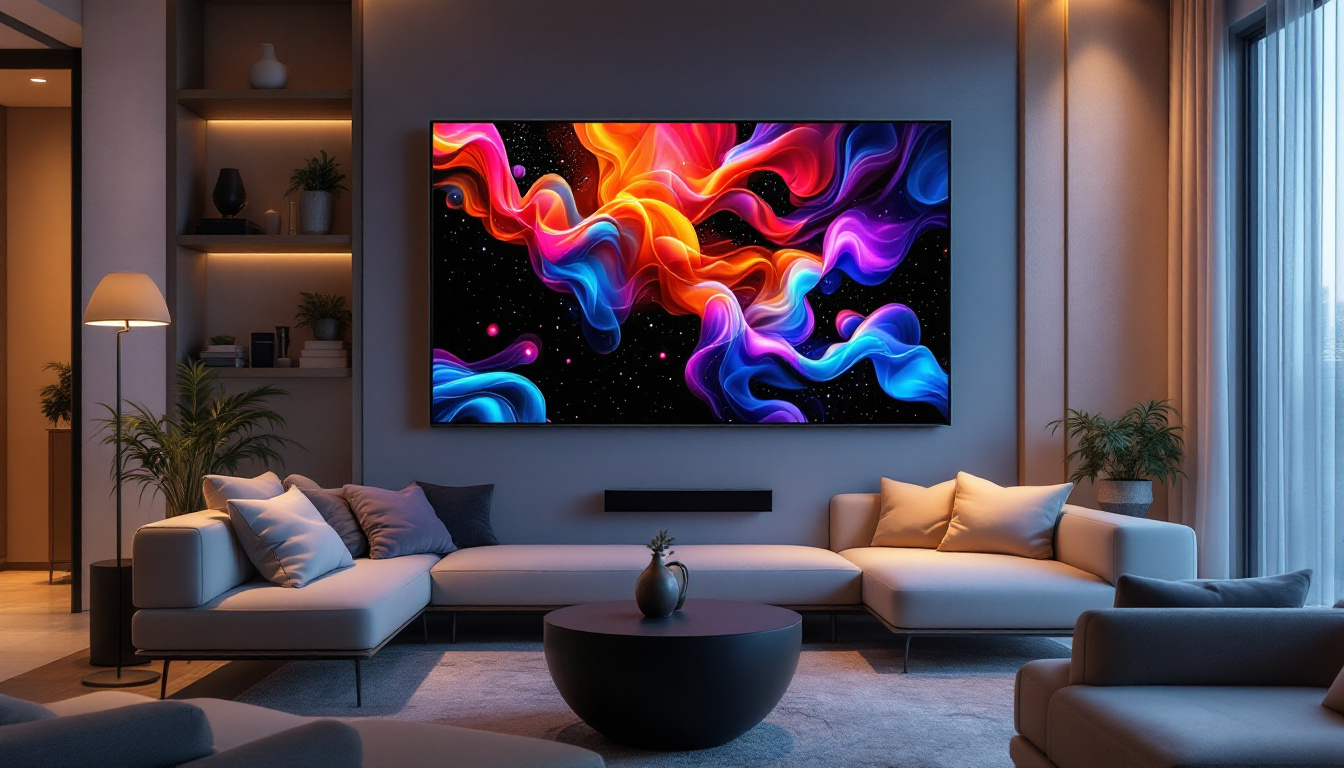
In today’s fast-paced digital world, LED displays have become an integral part of how information is presented and consumed. From vibrant advertising billboards to immersive stadium screens and sophisticated control rooms, LED technology is revolutionizing visual communication. This article explores the fundamentals of LED displays, their types, technology, applications, and future trends, providing a comprehensive understanding for businesses, marketers, and technology enthusiasts alike.
Understanding LED Display Technology
LED, or Light Emitting Diode, displays are electronic visual displays that use light-emitting diodes as pixels to create images, videos, and text. Unlike traditional LCD or plasma screens, LED displays offer superior brightness, contrast, and energy efficiency, making them ideal for both indoor and outdoor environments. Their versatility allows them to be used in a variety of applications, from large-scale billboards and stadium screens to smaller devices like televisions and computer monitors.
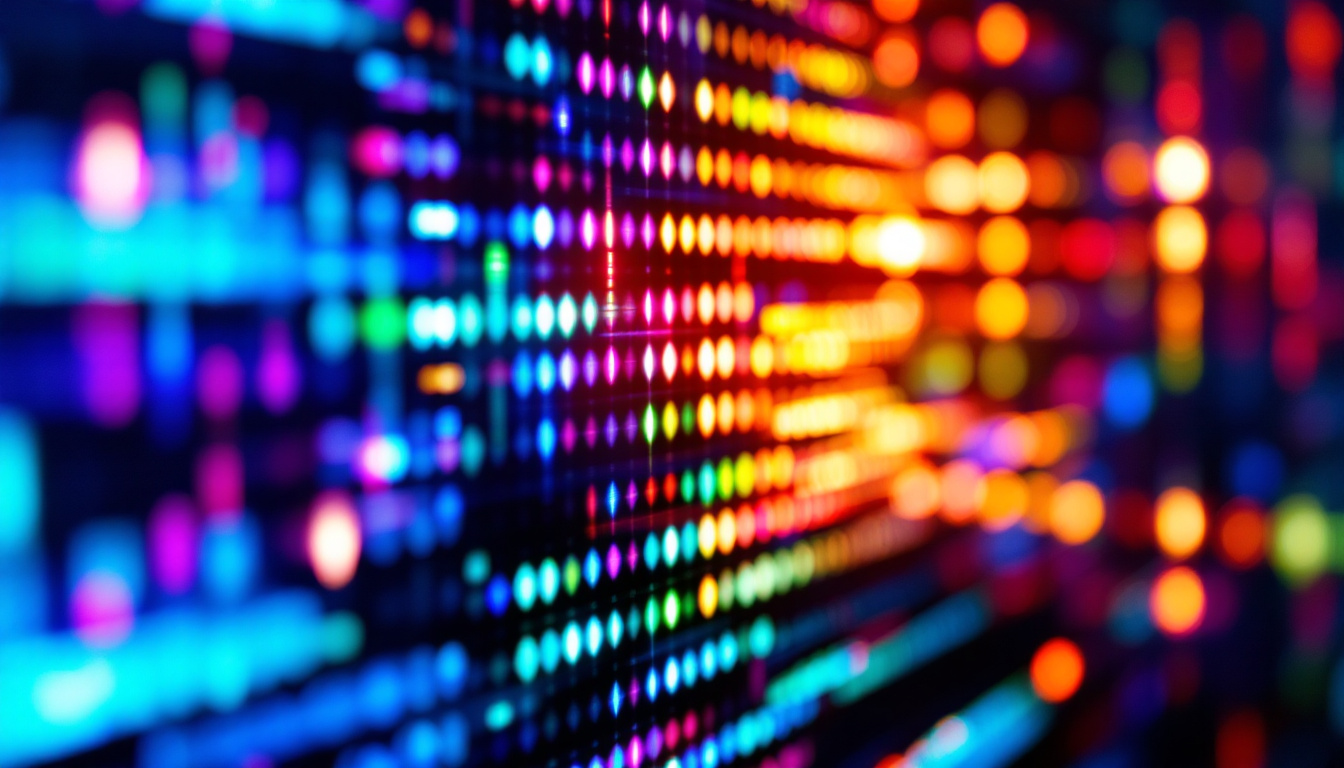
The core component of an LED display is the diode itself, a semiconductor device that emits light when an electric current passes through it. These tiny diodes are arranged in a matrix to form pixels, which collectively produce the images seen on the screen. The ability to control each diode individually allows for precise color rendering and high-resolution visuals. Furthermore, advancements in technology have led to the development of organic LEDs (OLEDs), which utilize organic compounds to emit light and offer even greater flexibility in design and display quality.
How LED Displays Work
Each pixel in an LED display is made up of one or more diodes emitting red, green, and blue light. By varying the intensity of these three colors, the display can produce a wide spectrum of colors through additive color mixing. This RGB model is fundamental to all color displays, but LED technology enhances the brightness and color accuracy beyond many other display types. The result is a vibrant viewing experience that captivates audiences, making LED displays particularly popular for advertising and entertainment purposes.
The display is controlled by a driver circuit that regulates the electrical current to each diode, enabling dynamic image creation. Modern LED displays often incorporate advanced processors and software to manage content, brightness levels, and refresh rates, ensuring smooth and vivid visuals even in challenging lighting conditions. Additionally, many LED displays are designed with modular components, allowing for easy repairs and upgrades. This adaptability not only extends the lifespan of the display but also makes it easier for businesses to scale their visual solutions as needs change. The integration of smart technology into LED displays is also on the rise, enabling features like remote content management and real-time data integration, further enhancing their functionality and appeal in various sectors.
Types of LED Displays
LED displays come in various forms tailored to specific applications and environments. Understanding these types helps businesses and consumers select the right technology for their needs.
1. Indoor LED Displays
Indoor LED displays are designed for controlled lighting environments such as conference rooms, retail stores, and event venues. These screens typically have smaller pixel pitches (the distance between individual LEDs) ranging from 0.9mm to 4mm, which allows for higher resolution and closer viewing distances.
Because indoor environments have less ambient light, these displays do not require extremely high brightness levels, usually ranging between 800 to 1,500 nits. Their main advantage lies in delivering sharp, vibrant images and videos with excellent color fidelity.
2. Outdoor LED Displays
Outdoor LED displays are engineered to withstand harsh environmental conditions including direct sunlight, rain, and dust. They feature larger pixel pitches, typically between 4mm and 20mm, to accommodate longer viewing distances such as on highways or stadiums.
Brightness is a critical factor for outdoor displays, often exceeding 5,000 nits to ensure visibility even under bright sunlight. Additionally, these displays are built with weatherproof casings and cooling systems to maintain performance and durability over time.
3. Transparent LED Displays
Transparent LED displays represent an innovative category where the screen allows light to pass through, creating a see-through effect. These are commonly used in retail storefronts and architectural installations to blend digital content with physical spaces.
By integrating LEDs into glass panels, these displays maintain transparency while delivering bright visuals. They are particularly effective for advertising and information dissemination without obstructing natural light or views.
4. Flexible and Curved LED Displays
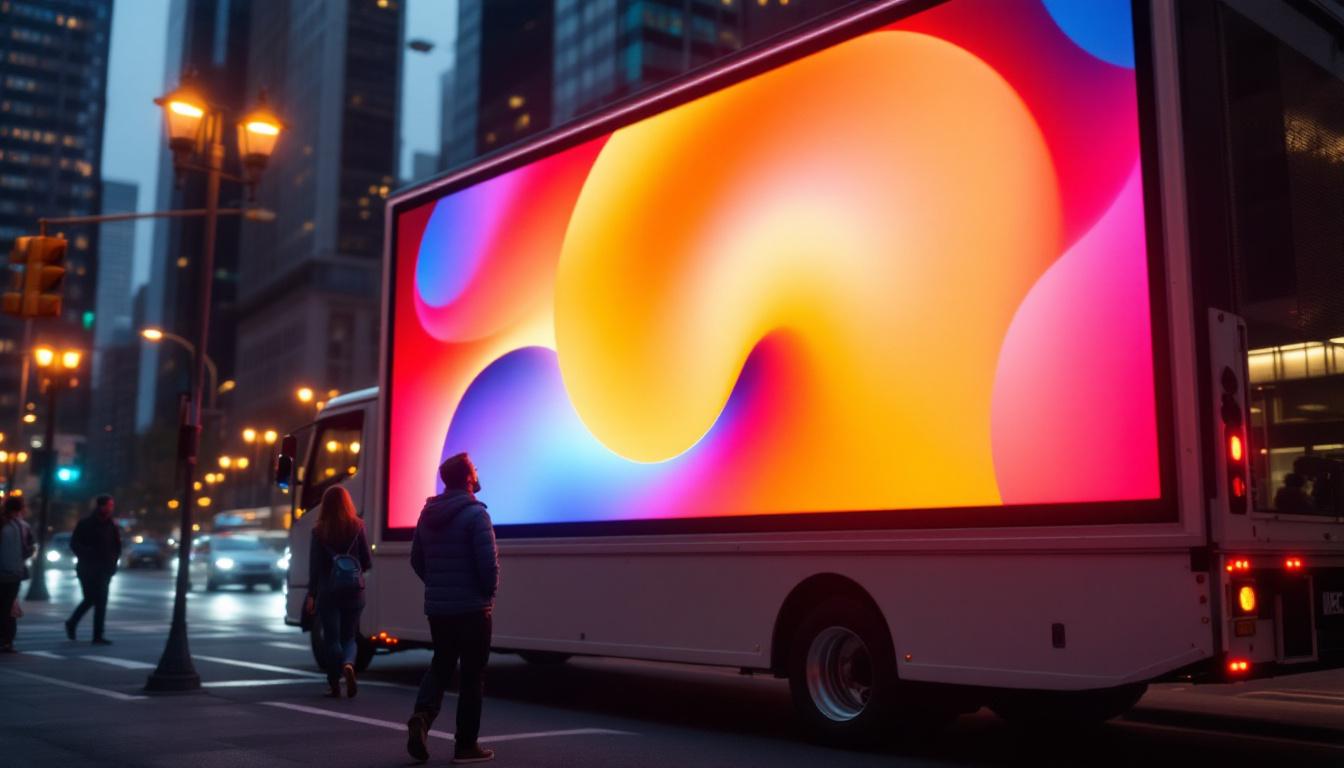
Advancements in LED technology have enabled the creation of flexible and curved displays, which can be shaped to fit unique surfaces such as building facades, vehicle exteriors, or artistic installations. These displays use bendable circuit boards and modular panels to achieve seamless curves without compromising image quality.
This flexibility opens new creative possibilities for designers and marketers, allowing for eye-catching, immersive experiences that traditional flat screens cannot offer.
Key Advantages of LED Displays
LED displays offer several advantages over other display technologies, making them the preferred choice in many sectors.
Brightness and Visibility
One of the most significant benefits of LED displays is their exceptional brightness. With peak brightness levels far exceeding those of LCD and OLED screens, LED displays remain clearly visible in direct sunlight and brightly lit environments. This makes them ideal for outdoor advertising, sports arenas, and public information systems.
Energy Efficiency
LED technology is inherently energy-efficient. LEDs consume less power compared to traditional incandescent or fluorescent lighting, and even compared to other display technologies. This efficiency translates to lower operating costs and reduced environmental impact, which is increasingly important for businesses aiming to meet sustainability goals.
Durability and Longevity
LED displays are known for their robustness and long operational life. High-quality LED panels can function reliably for over 100,000 hours, significantly outlasting many alternative display types. Their solid-state construction also makes them resistant to shock and vibration, suitable for demanding installations.
Color Accuracy and Contrast
With individually controlled diodes, LED displays provide excellent color accuracy and deep contrast ratios. True blacks and vibrant colors enhance the viewing experience, making content more engaging and impactful.
Applications of LED Displays
The versatility of LED displays has led to their widespread adoption across multiple industries and use cases.
Advertising and Digital Signage
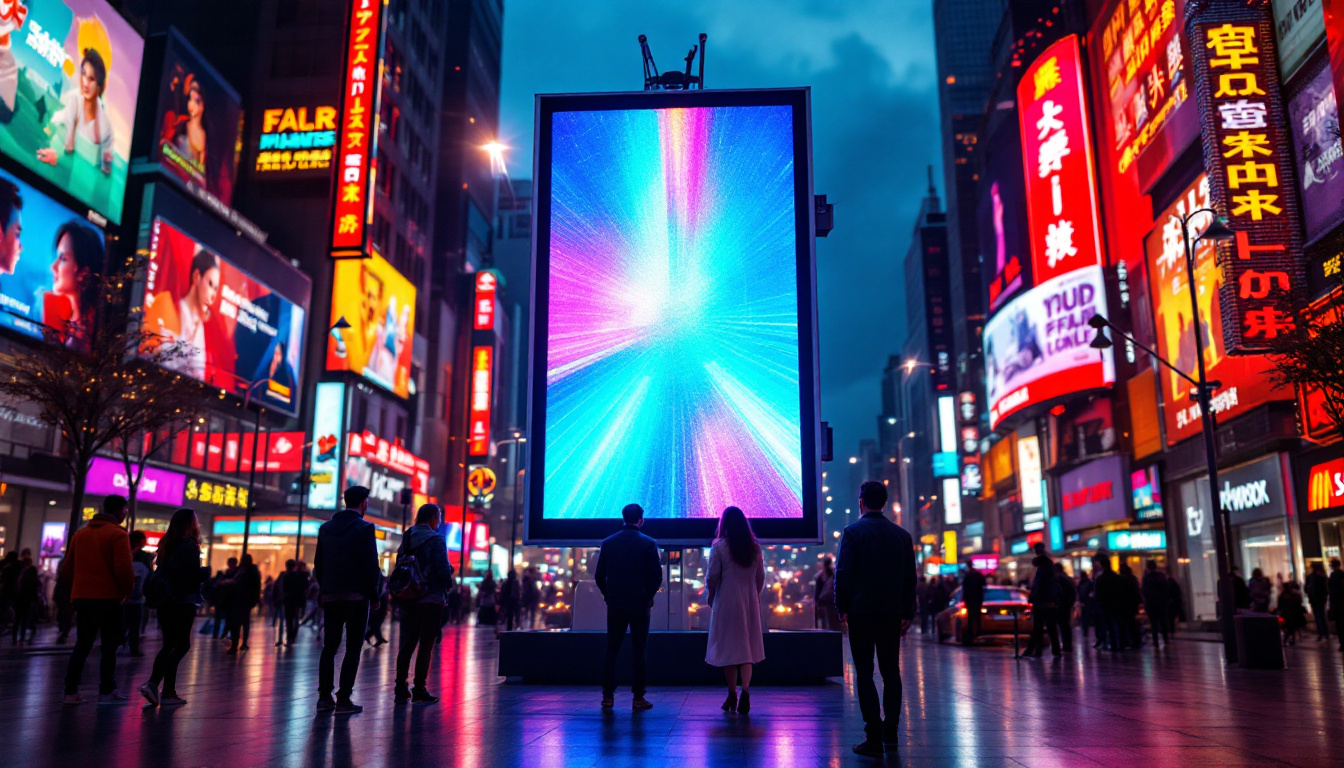
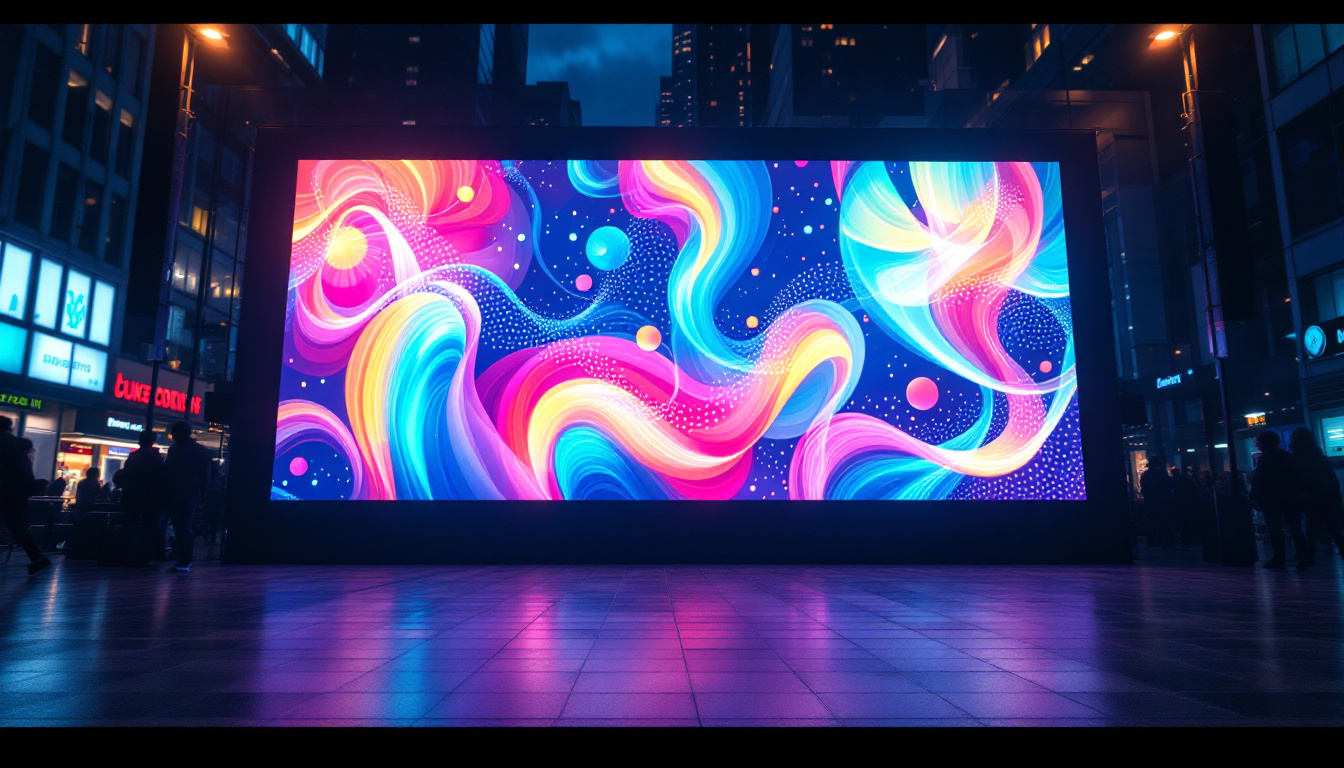
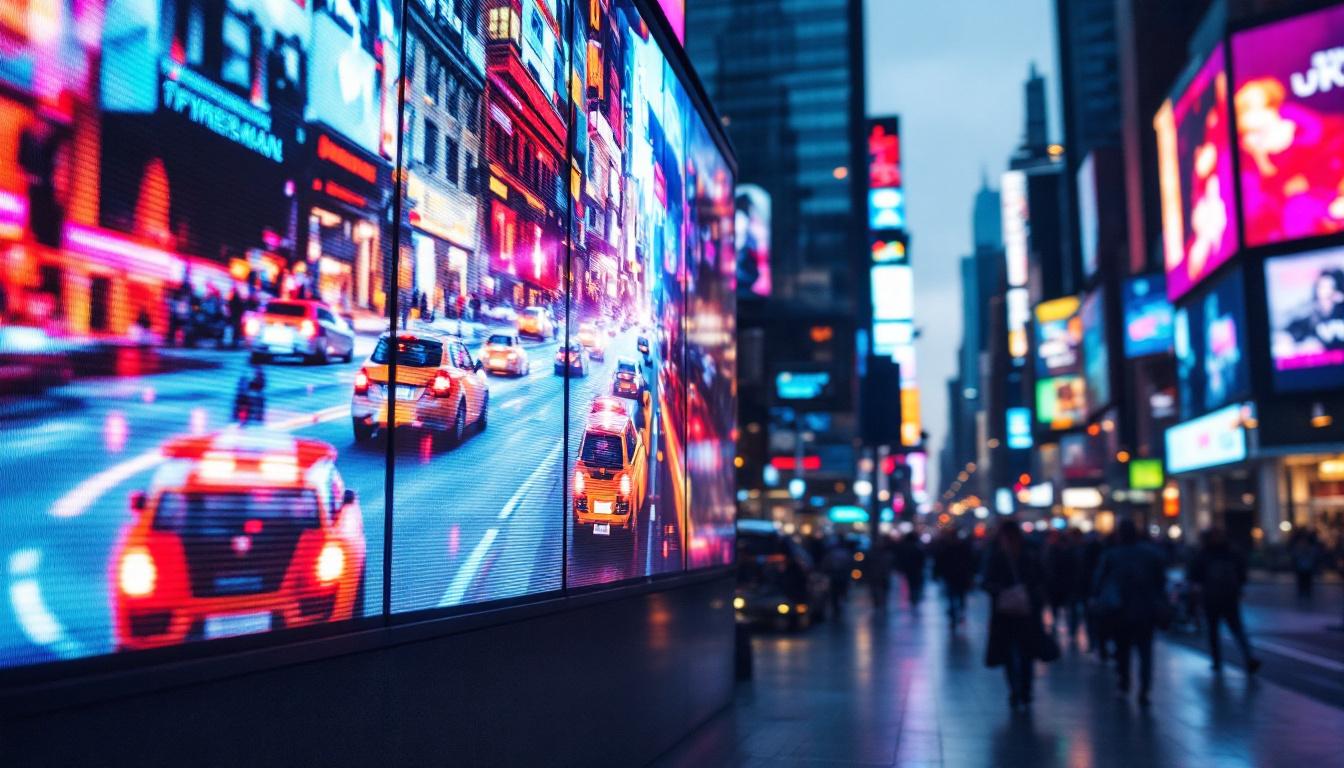
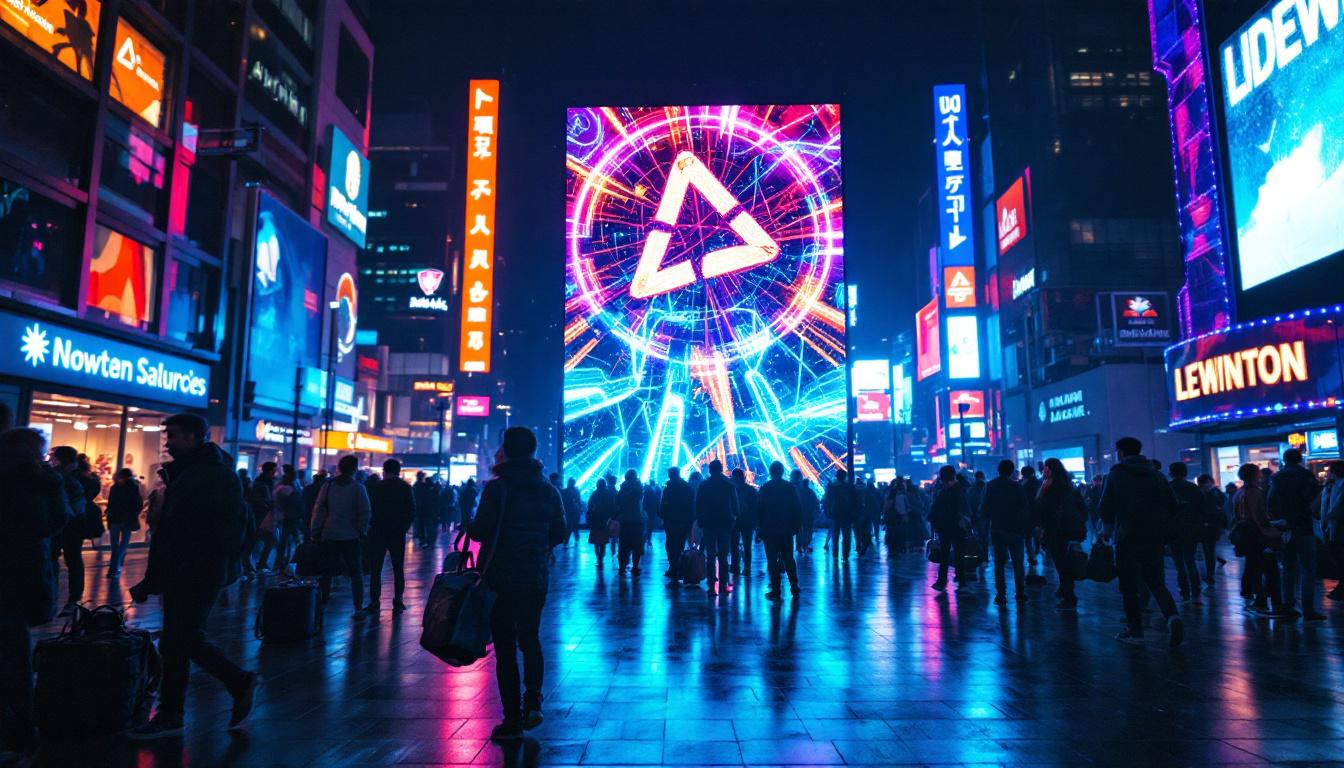
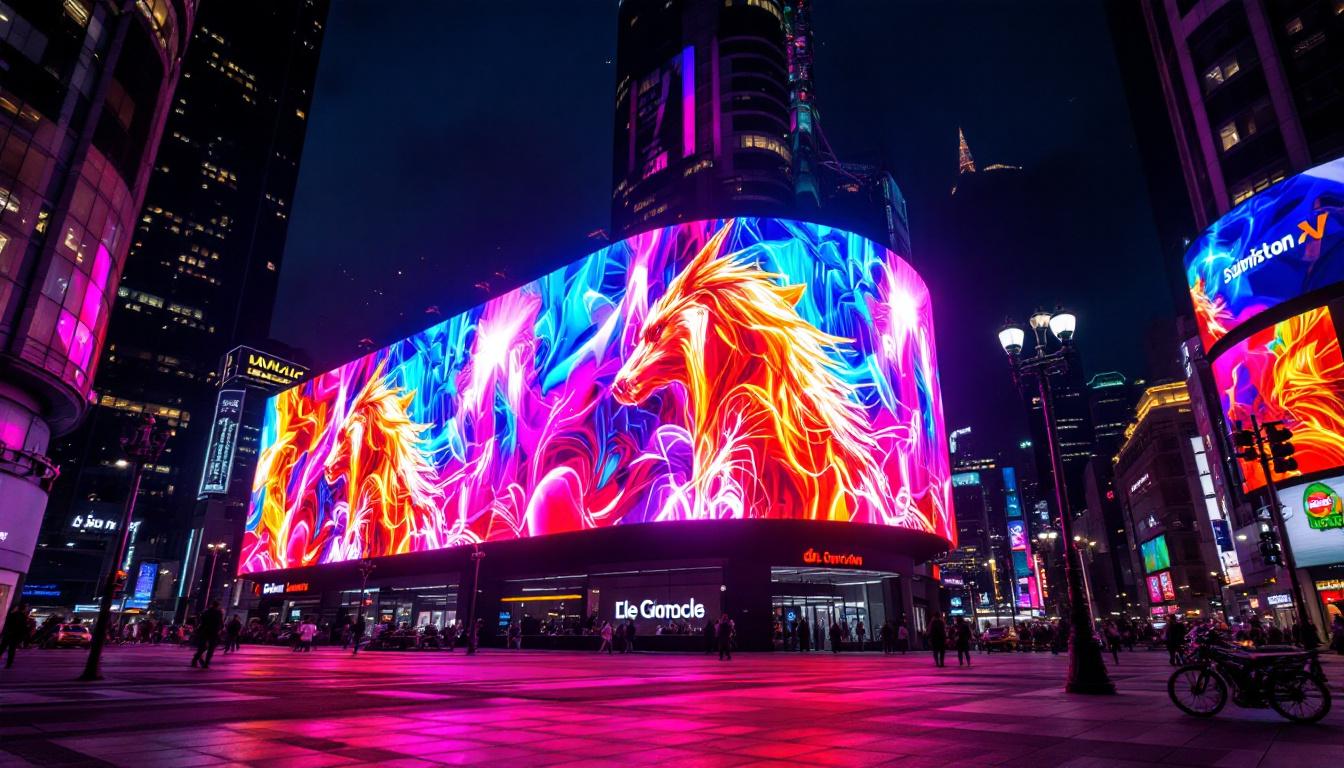
Outdoor and indoor LED displays have transformed advertising by enabling dynamic, eye-catching content that can be updated in real-time. From Times Square’s bustling billboards to retail window displays, LED screens capture attention and deliver targeted messaging effectively.
According to market research, the global digital signage market is expected to grow at a compound annual growth rate (CAGR) of over 7% through 2028, driven largely by advancements in LED display technology and increasing demand for interactive advertising.
Sports and Entertainment Venues
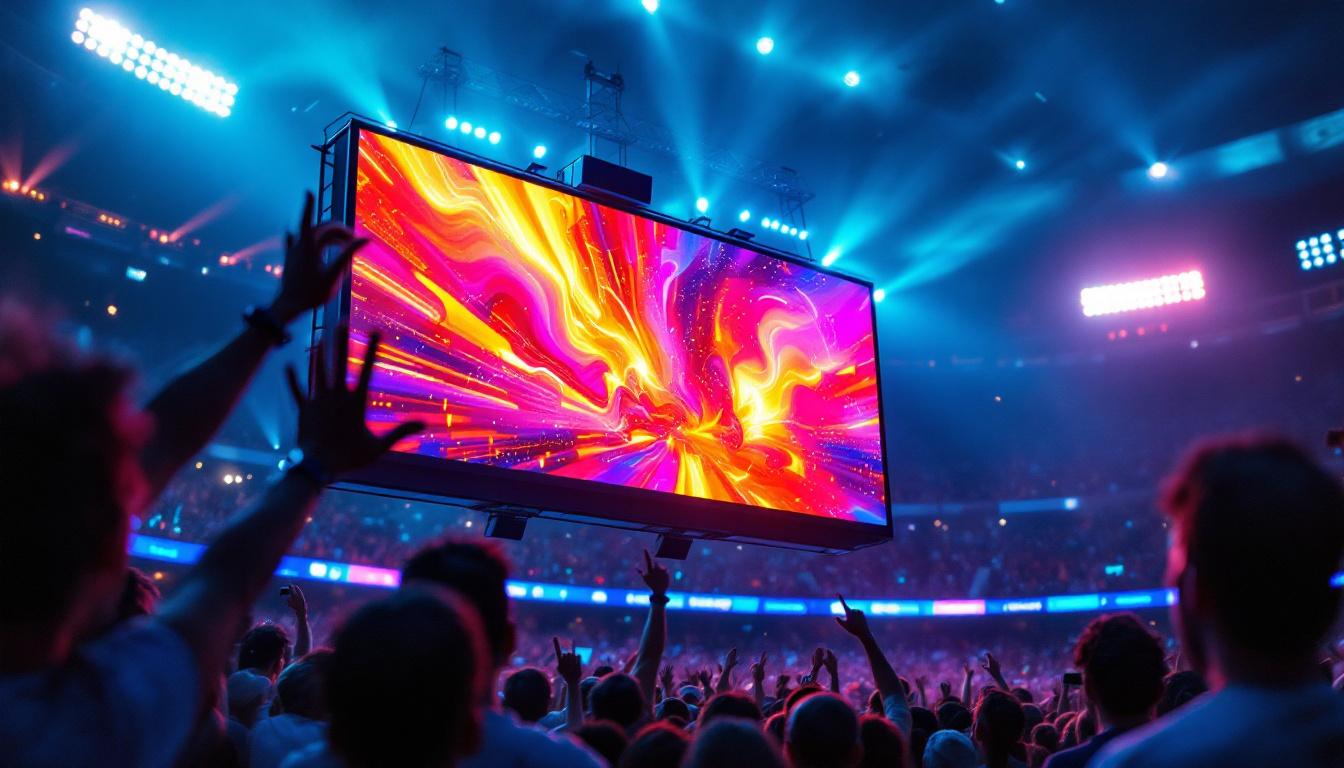
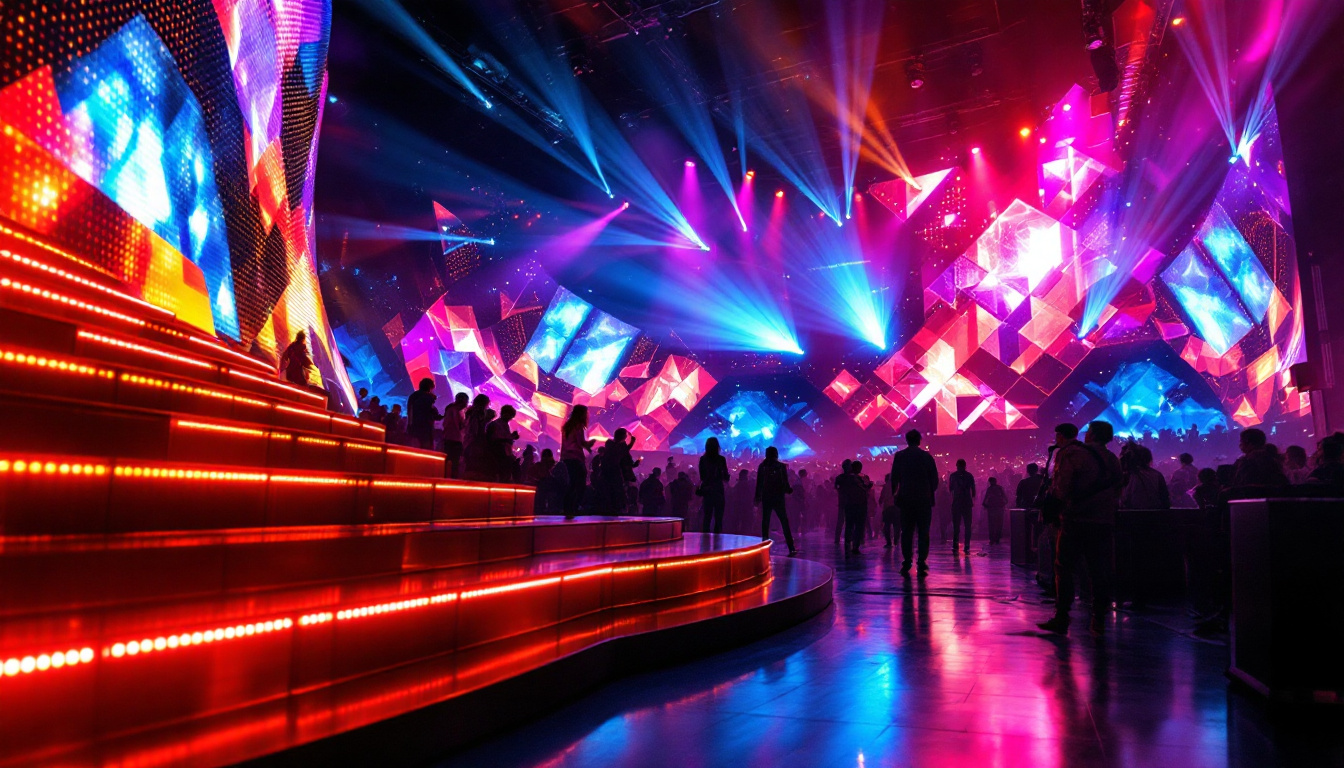
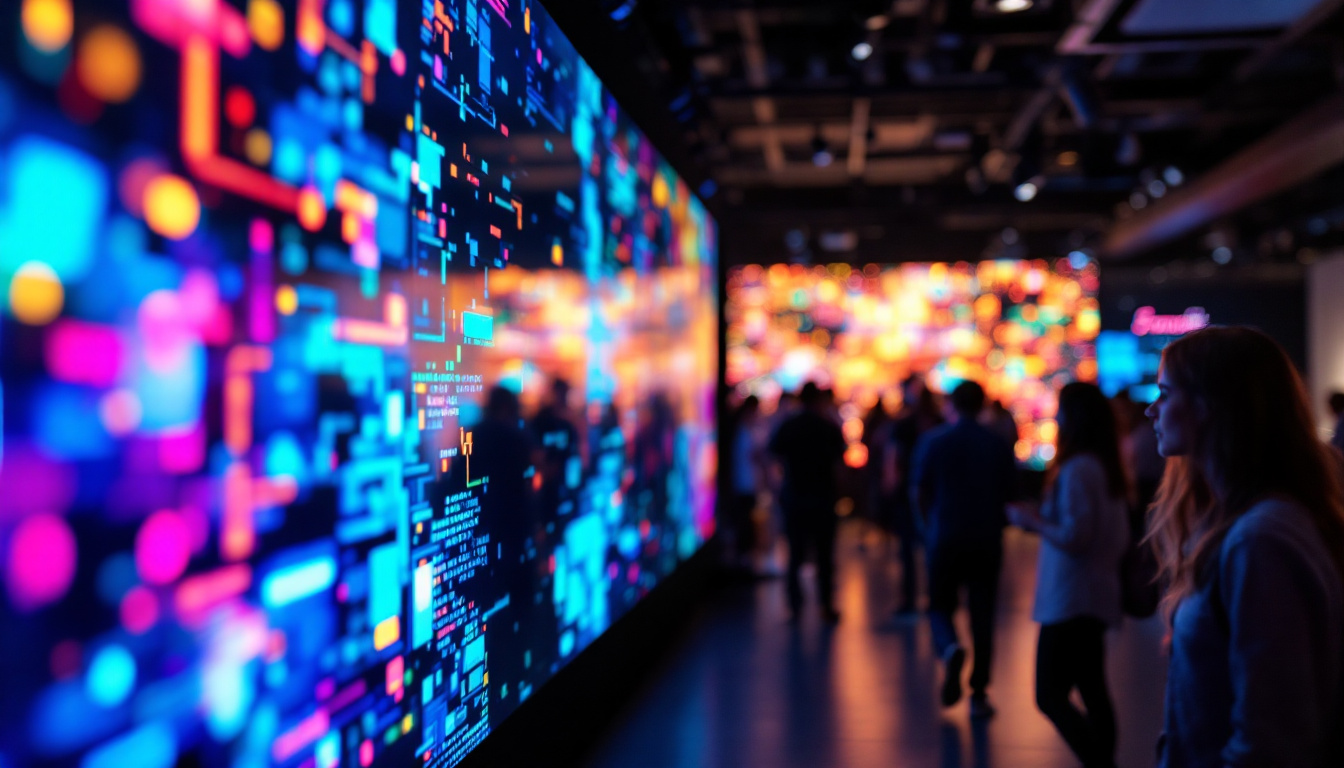
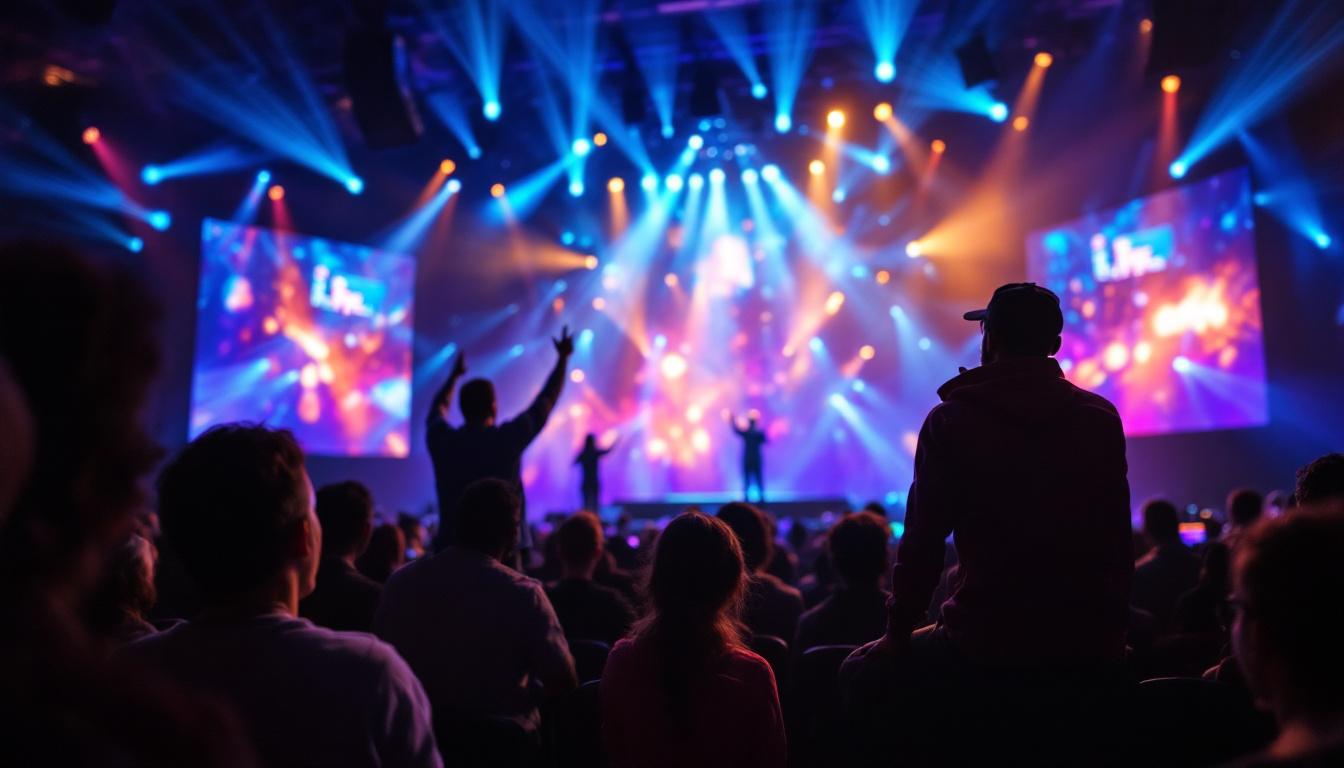
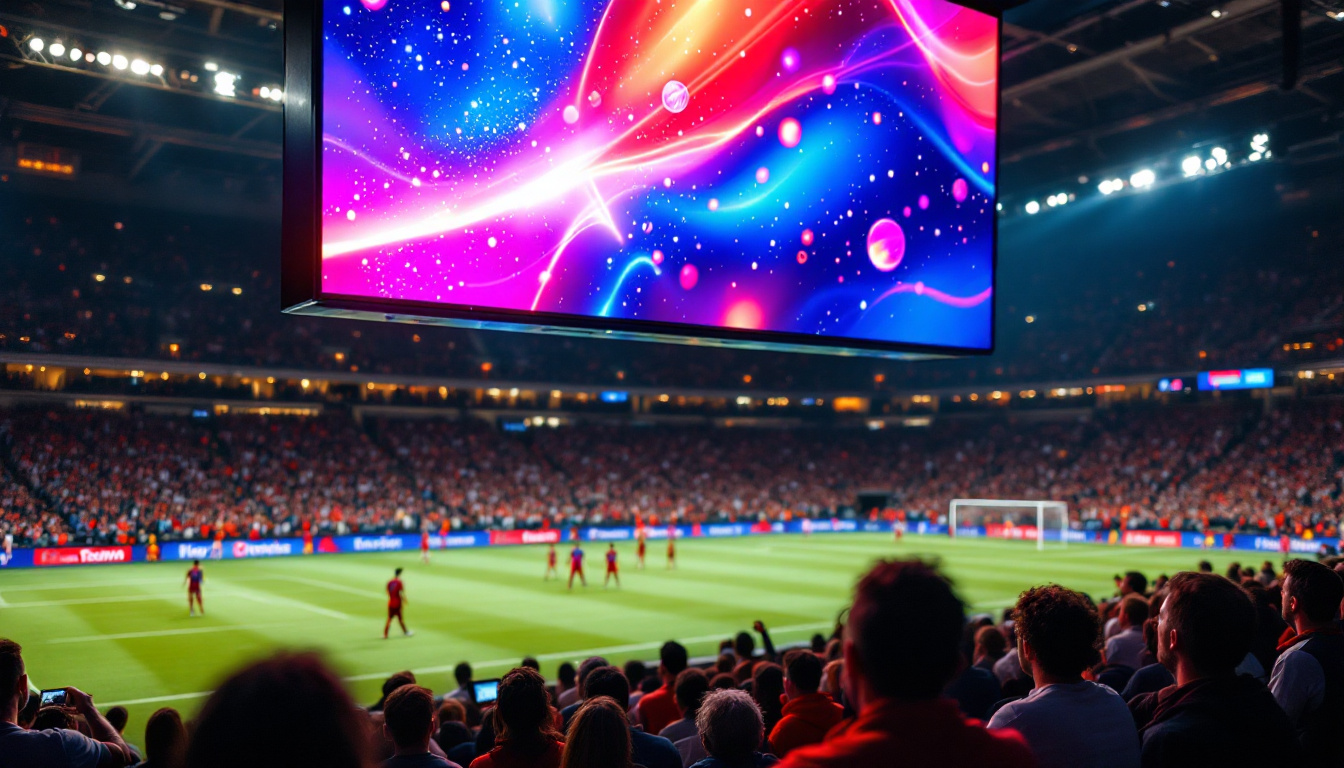
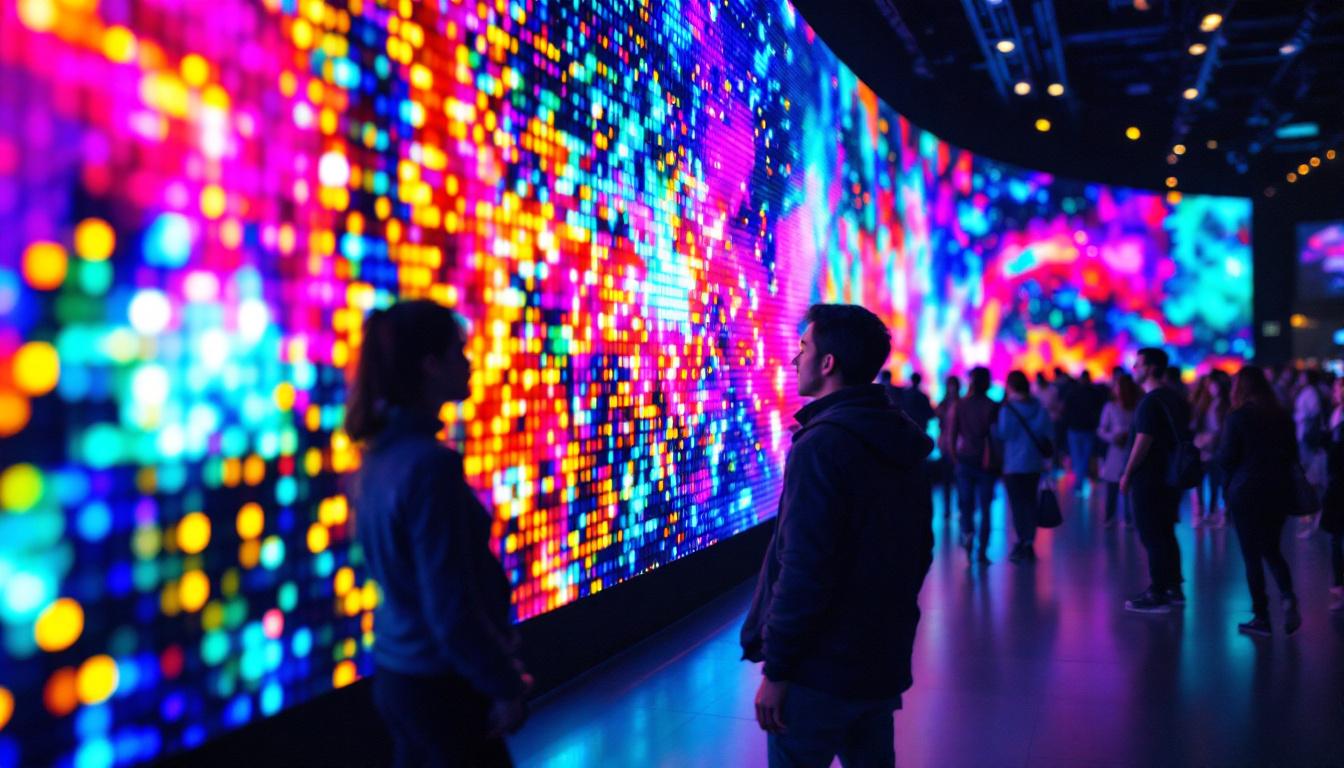
Stadiums, arenas, and concert halls utilize large-scale LED displays to enhance the spectator experience. These screens provide live game scores, instant replays, and immersive visuals that engage audiences. The ability to create massive, high-resolution video walls has become a standard in modern venues.
Corporate and Control Rooms
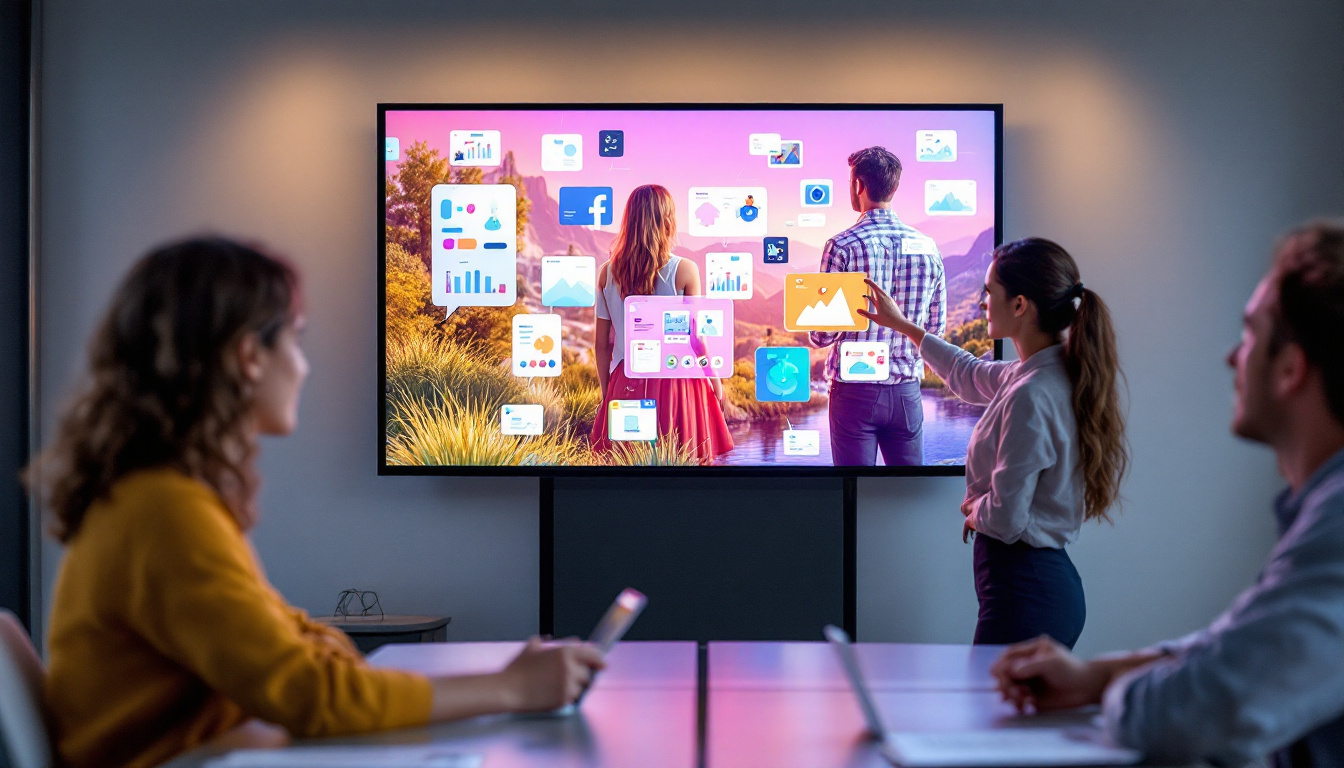
In corporate environments, LED video walls are used for presentations, video conferencing, and data visualization. Control rooms in industries such as transportation, utilities, and security rely on LED displays for monitoring and decision-making, benefiting from their clarity and reliability.
Transportation and Public Information
LED displays are widely used in airports, train stations, and bus terminals to provide real-time information such as schedules, alerts, and wayfinding. Their high visibility and durability make them ideal for these high-traffic areas.
Future Trends in LED Display Technology
The LED display industry continues to evolve rapidly, driven by innovation and changing consumer demands.
MicroLED and MiniLED
Emerging technologies like MicroLED and MiniLED aim to push the boundaries of display performance. MicroLEDs are significantly smaller than traditional LEDs, enabling ultra-high resolution and brightness with improved energy efficiency. This technology promises to combine the best features of OLED and LED displays without the drawbacks of burn-in or limited lifespan.
MiniLEDs, while larger than MicroLEDs, offer enhanced local dimming capabilities, resulting in better contrast and color accuracy. Both technologies are expected to play a significant role in premium TVs, monitors, and commercial displays in the coming years.
Interactive and Smart Displays
Integration of touch and sensor technologies with LED displays is creating interactive experiences in retail, education, and public spaces. Smart LED displays can adapt content based on audience demographics, environmental conditions, or user input, making communication more personalized and effective.
Sustainability and Eco-Friendly Designs
As environmental concerns grow, manufacturers are focusing on developing LED displays with recyclable materials, lower power consumption, and reduced carbon footprints. Innovations in packaging and end-of-life recycling are also becoming priorities to ensure sustainable lifecycle management.
Choosing the Right LED Display for Your Needs
Selecting the appropriate LED display involves considering several factors to ensure optimal performance and return on investment.
Pixel Pitch and Resolution
The pixel pitch determines the viewing distance and image clarity. Smaller pixel pitches are suited for close-range viewing, such as indoor retail displays, while larger pitches work well for outdoor billboards viewed from afar. Understanding the target audience’s typical viewing distance is crucial in making this choice.
Brightness and Environmental Conditions
Assess the ambient lighting where the display will be installed. Outdoor or brightly lit indoor spaces require higher brightness levels. Additionally, consider weatherproofing and durability for outdoor installations.
Content Management and Connectivity
Modern LED displays often come with sophisticated content management systems (CMS) that allow remote updates, scheduling, and integration with other digital platforms. Ensure the display supports the necessary connectivity options such as Wi-Fi, Ethernet, or 5G for seamless operation.
Budget and Maintenance
While LED displays can be a significant investment, their longevity and low maintenance costs often justify the upfront expense. Evaluate total cost of ownership, including installation, power consumption, and potential repairs, to make an informed decision.
Conclusion
LED displays have transformed the landscape of digital visualization, offering unparalleled brightness, flexibility, and durability. Their diverse applications across advertising, entertainment, corporate, and public sectors highlight their versatility and importance in modern communication.
As technology advances with innovations like MicroLED and interactive smart displays, the potential for LED technology continues to expand. Businesses and organizations that leverage these displays effectively can enhance engagement, improve information delivery, and create memorable experiences for their audiences.
Understanding the technical aspects, types, and applications of LED displays is essential for making informed decisions in this dynamic field. With the right choice, LED displays can become powerful tools that drive visibility, brand awareness, and operational efficiency.
Discover LumenMatrix’s Innovative LED Display Solutions
Ready to elevate your visual communication with cutting-edge LED technology? Look no further than LumenMatrix, a pioneer in the industry, committed to providing vibrant and dynamic LED display modules for a wide range of applications. Whether you need an Indoor LED Wall Display for your corporate headquarters, an Outdoor LED Wall Display for impactful advertising, or any of our specialized solutions like Vehicle LED Displays or Custom LED Displays, LumenMatrix has the expertise to bring your vision to life. Experience the future of digital signage and create unforgettable visual experiences with LumenMatrix. Check out LumenMatrix LED Display Solutions today and see the difference for yourself.