In the ever-evolving world of advertising, mobile digital billboard trucks have become a powerful tool for brands seeking dynamic, eye-catching, and flexible ways to reach audiences on the move. Central to these vehicles’ effectiveness is the LED display technology that transforms a simple truck into a vibrant, attention-grabbing billboard. This article explores the intricacies of mobile digital billboard trucks, focusing on the LED display technology that powers them, the advantages they offer, and how businesses can leverage this medium for maximum impact.
Understanding Mobile Digital Billboard Trucks
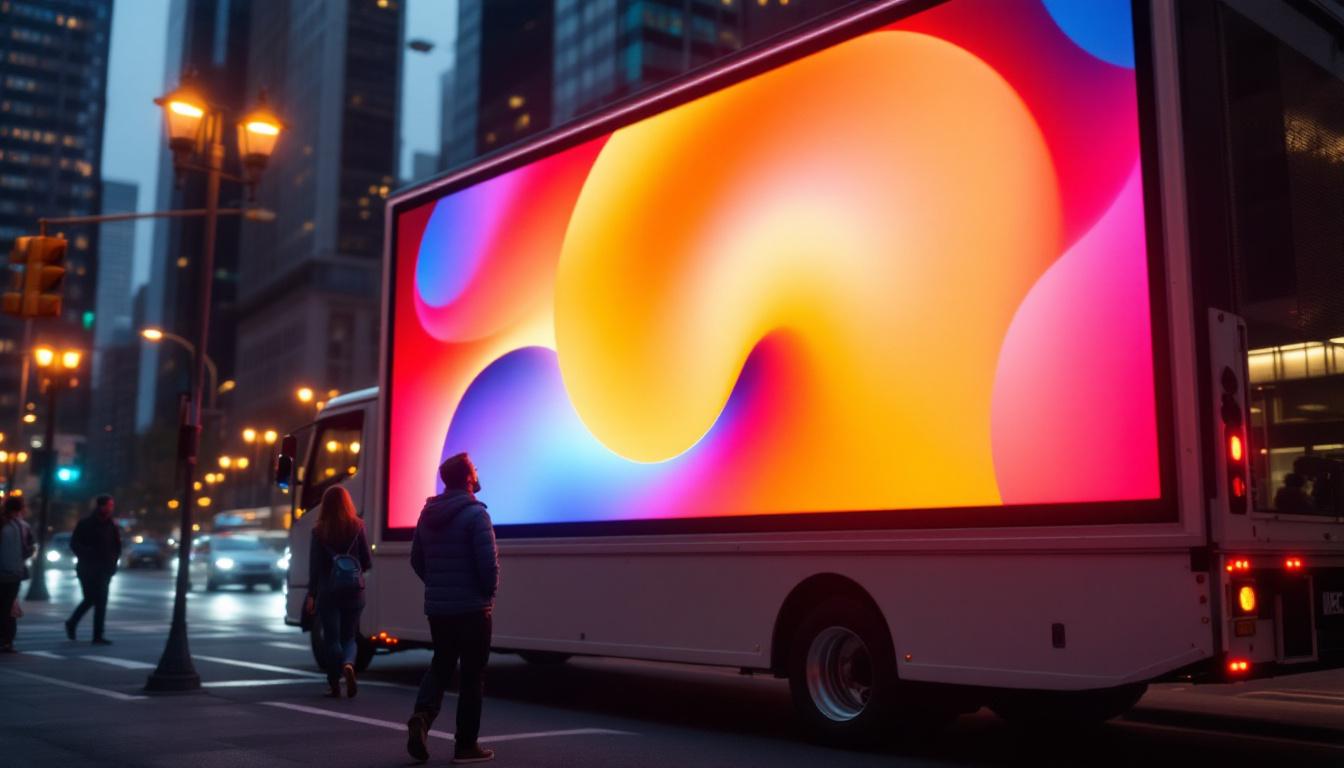
Mobile digital billboard trucks are vehicles equipped with large LED screens that display digital advertisements while driving through urban areas or parked at strategic locations. Unlike traditional static billboards, these trucks offer dynamic content that can be changed remotely and frequently, allowing advertisers to tailor messages to different audiences and times of day.
The concept combines mobility with digital signage technology, creating a versatile advertising platform. These trucks can navigate busy streets, events, and high-traffic zones, delivering advertisements directly to potential customers in real time. This mobility enables advertisers to reach diverse demographics without the constraints of fixed billboard locations.
The Rise of Mobile Digital Billboards
The global digital out-of-home (DOOH) advertising market is projected to reach $32 billion by 2026, growing at a compound annual growth rate (CAGR) of 11.2%. Mobile digital billboard trucks contribute significantly to this growth by offering advertisers a flexible and innovative way to engage audiences.
With urban populations increasing and consumers spending more time outdoors, mobile digital billboards provide a unique opportunity to capture attention in crowded advertising landscapes. Their ability to display video, animations, and real-time updates makes them especially appealing in today’s fast-paced, visually-driven culture.
Moreover, the technology behind these trucks is continually evolving, with advancements in LED display quality and mobile connectivity enhancing their effectiveness. Advertisers can now incorporate interactive elements, such as QR codes or social media integration, allowing viewers to engage with the content in real-time. This interactivity not only boosts engagement rates but also provides valuable data analytics for advertisers to refine their strategies based on audience reactions and interactions.
Additionally, mobile digital billboard trucks have proven to be an eco-friendly alternative to traditional advertising methods. Many companies are investing in electric or hybrid vehicles to minimize their carbon footprint, aligning their advertising efforts with growing consumer preferences for sustainability. As brands increasingly seek to connect with environmentally conscious consumers, the use of green technology in mobile advertising becomes a compelling selling point, further enhancing the appeal of this innovative advertising medium.
LED Display Technology in Mobile Billboard Trucks
At the heart of every mobile digital billboard truck lies the LED display. Understanding how these displays work and what makes them suitable for mobile advertising is crucial for appreciating their impact.
What is an LED Display?
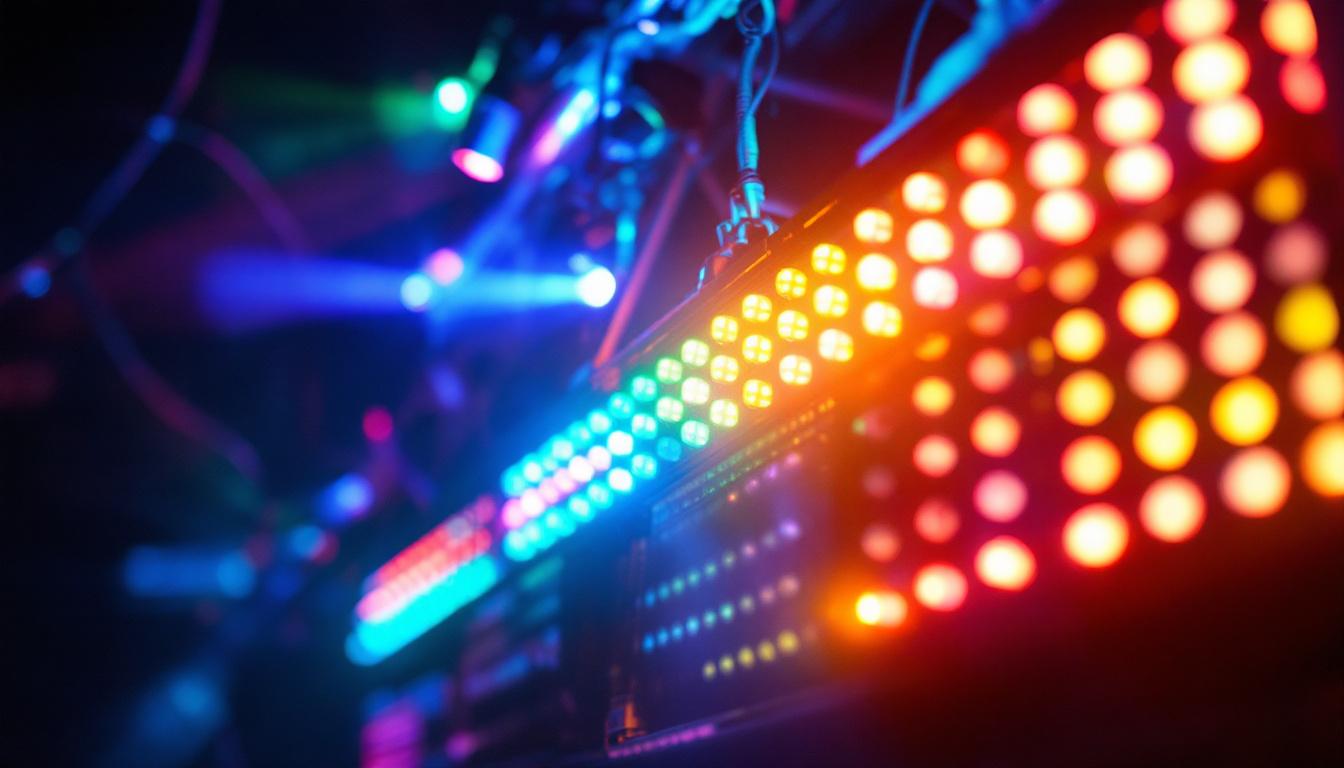
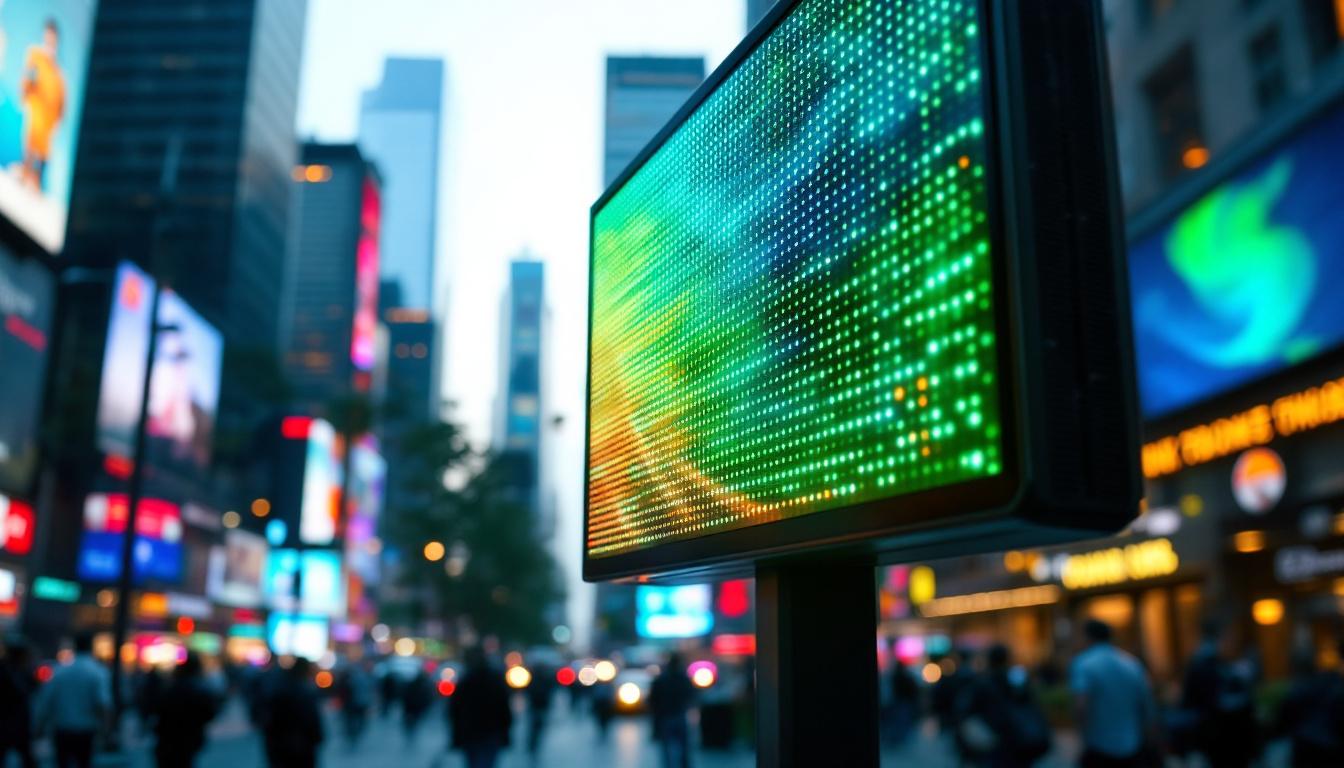
LED stands for Light Emitting Diode, a semiconductor device that emits light when an electric current passes through it. LED displays are composed of thousands of these tiny diodes arranged in a grid, which can be individually controlled to produce images, videos, and text.
Compared to traditional LCD or projection screens, LED displays offer superior brightness, contrast, and durability, making them ideal for outdoor use. Their ability to produce vivid colors and sharp images ensures that advertisements remain visible and attractive even in direct sunlight.
Types of LED Displays Used in Mobile Billboards
Mobile digital billboard trucks typically use one of the following LED display types:
- Indoor LED Displays: Designed for controlled lighting environments, these are rarely used in mobile trucks due to lower brightness levels.
- Outdoor LED Displays: Engineered to withstand harsh weather conditions and deliver high brightness (often exceeding 5,000 nits), these are the standard for mobile billboards.
- Flexible LED Displays: These can bend and curve, allowing for creative truck designs and unique advertising shapes.
Most mobile billboard trucks feature outdoor LED displays with pixel pitches ranging from 4mm to 10mm, balancing image clarity with cost and power consumption. Pixel pitch refers to the distance between individual LEDs; smaller pitches produce sharper images but require more LEDs and energy.
Key Features of LED Displays in Mobile Trucks
Several technical features make LED displays particularly suited for mobile digital billboards:
- High Brightness and Visibility: LED displays can achieve brightness levels that surpass 5,000 nits, ensuring visibility in broad daylight and adverse weather conditions.
- Wide Viewing Angles: The displays maintain image quality from various angles, which is essential as viewers see the truck from different perspectives.
- Durability and Weather Resistance: LED panels are built to resist rain, dust, and temperature fluctuations, critical for outdoor mobile use.
- Energy Efficiency: LEDs consume less power compared to other lighting technologies, which is important for trucks running on limited electrical resources.
- Real-Time Content Updates: Advertisers can change or schedule content remotely, allowing for timely and relevant messaging.
Advantages of Mobile Digital Billboard Trucks
Mobile digital billboard trucks offer a range of benefits that make them an attractive option for advertisers looking to maximize reach and engagement.
Unmatched Flexibility and Reach
Unlike fixed billboards, mobile digital billboard trucks can travel through multiple neighborhoods, events, and business districts within a single day. This mobility allows advertisers to target specific demographics or geographic areas with precision.
For example, a food delivery service can drive its mobile billboard truck around university campuses during lunchtime, while a retail brand might focus on shopping districts during weekends. This level of targeting is difficult to achieve with static billboards.
Dynamic and Engaging Content
LED displays enable the use of videos, animations, and interactive content, which are proven to capture attention more effectively than static images. According to a study by Nielsen, digital billboards can increase brand recall by up to 47% compared to traditional billboards.
Mobile digital billboard trucks can also display multiple ads in rotation or tailor messages based on time of day, weather, or local events, enhancing relevance and engagement.
Cost-Effectiveness and ROI
While the initial investment in a mobile digital billboard truck may be higher than traditional advertising, the ability to reach multiple locations without additional rental fees often results in better cost-efficiency. Additionally, the dynamic nature of LED content reduces the need for printing and installation costs associated with traditional billboards.
Brands can also monitor campaign performance through integrated analytics, optimizing ad spend and improving return on investment (ROI).
Enhanced Brand Image and Innovation
Using cutting-edge technology like LED mobile billboards signals innovation and modernity to consumers. This can enhance brand perception, especially for companies aiming to position themselves as forward-thinking and tech-savvy.
Moreover, the novelty of a moving digital billboard often generates buzz and social media sharing, amplifying the campaign’s reach organically.
Practical Considerations for Using Mobile Digital Billboard Trucks
Despite their many advantages, deploying mobile digital billboard trucks requires careful planning and consideration to maximize effectiveness and comply with regulations.
Legal and Regulatory Compliance
Advertising on mobile digital billboards is subject to local laws and ordinances, which vary widely by city and state. Restrictions may include limits on brightness, content type, operating hours, and permitted locations.
For example, some municipalities prohibit digital billboards near schools or residential areas, while others require permits for mobile advertising. Non-compliance can result in fines or forced removal of the advertisement.
Advertisers should work closely with local authorities and legal experts to ensure all regulations are met.
Route Planning and Audience Targeting
Effective campaigns depend on strategic route planning. Understanding traffic patterns, peak foot traffic areas, and event schedules helps maximize exposure to the target audience.
Advanced GPS tracking and route optimization software can assist in planning efficient paths that cover key demographics while minimizing fuel consumption and operational costs.
Content Strategy and Technical Maintenance
Content displayed on mobile digital billboards must be visually clear, concise, and compelling. Given the short exposure time as the truck moves, messages should be easy to read and memorable.
Regular maintenance of the LED panels and truck systems is essential to avoid technical failures that could disrupt campaigns. This includes checking for dead pixels, ensuring power supply stability, and protecting the displays from physical damage.
The Future of Mobile Digital Billboard Trucks
As technology advances, mobile digital billboard trucks are poised to become even more sophisticated and effective advertising platforms.
Integration with Artificial Intelligence and Data Analytics
AI-powered content management systems can analyze real-time data such as weather, traffic, and audience demographics to automatically adjust advertising content for maximum relevance and impact.
For instance, a mobile billboard could switch from promoting umbrellas during rain to sunglasses on sunny days, enhancing engagement and conversion rates.
Interactive and Augmented Reality Features
Future mobile digital billboards may incorporate interactive elements, such as touchscreens or gesture recognition, allowing passersby to engage directly with the advertisement.
Augmented reality (AR) could also be integrated, enabling users to experience immersive brand stories through their smartphones as the truck passes by.
Environmental Sustainability
With increasing focus on sustainability, manufacturers are developing more energy-efficient LED panels and electric-powered billboard trucks. These innovations reduce carbon footprints and align advertising practices with corporate social responsibility goals.
Conclusion
Mobile digital billboard trucks represent a dynamic fusion of mobility and cutting-edge LED display technology, offering advertisers a highly flexible, engaging, and cost-effective way to reach diverse audiences. Their ability to display vivid, real-time content in high-traffic areas makes them a valuable addition to any marketing strategy.
As regulations evolve and technology advances, the potential for mobile digital billboards will only grow, providing brands with innovative tools to capture attention and drive results in an increasingly competitive advertising landscape.
For businesses looking to stay ahead, understanding the capabilities and best practices of mobile digital billboard trucks is essential to harnessing their full potential.
Illuminate Your Advertising with LumenMatrix
Ready to electrify your marketing strategy with the brilliance of LED display technology? LumenMatrix is at the forefront of innovation, offering a diverse array of LED display solutions tailored to elevate your brand’s visibility and captivate your audience. From the vibrancy of an Indoor LED Wall Display to the dynamic impact of a Vehicle LED Display, our mission is to transform your visual communication. Engage with your audience like never before and share your message with unparalleled clarity. Check out LumenMatrix LED Display Solutions today and take the first step towards revolutionizing your advertising approach.