In the world of geometric shapes and modern display technology, the intersection of design and innovation often leads to fascinating outcomes. One such intriguing combination is the use of a 9-sided shape, known as a nonagon, in LED display technology. This article explores the characteristics of the nonagon, the fundamentals of LED displays, and how these two concepts merge to create unique visual experiences. Whether you are a design enthusiast, a technology professional, or simply curious about modern display solutions, understanding the role of the 9-sided shape in LED displays offers valuable insights into both geometry and digital technology.
Understanding the 9-Sided Shape: The Nonagon
Geometric Properties of the Nonagon
The nonagon, or enneagon, is a polygon with nine sides and nine angles. Unlike more common shapes such as triangles or squares, the nonagon is less frequently encountered in everyday design, making it a unique choice for structural and aesthetic applications. Each internal angle in a regular nonagon measures 140 degrees, and the total sum of all internal angles is 1260 degrees.
From a mathematical perspective, the nonagon is interesting due to its symmetry and the challenge it presents in construction and tessellation. Regular nonagons are equilateral and equiangular, meaning all sides and angles are equal, which makes them visually balanced and appealing. This symmetry is often exploited in design to create harmonious and eye-catching patterns. The nonagon can also be inscribed in a circle, which allows for various applications in circular designs, enhancing its versatility in both artistic and functional contexts.
Applications of Nonagons in Design and Architecture
While not as common as polygons with fewer sides, nonagons have been used historically and in modern times to add complexity and elegance to designs. In architecture, nonagonal shapes can be found in floor plans, window designs, and decorative elements. Their unique shape allows for innovative spatial arrangements and can contribute to the aesthetic appeal of a structure. For instance, the use of nonagonal shapes in the design of pavilions and public spaces can create a sense of movement and flow, guiding visitors through the environment in a visually engaging manner.
In graphic design and branding, the nonagon’s distinctive form is sometimes used to symbolize completeness and creativity. Its nine sides can represent various thematic elements, such as nine virtues, nine stages, or nine components, depending on the context. This versatility makes the nonagon a compelling choice for logos and visual motifs. Additionally, the nonagon can be effectively utilized in digital interfaces and app design, where its unique shape can help differentiate a brand in a crowded marketplace, fostering a memorable identity that resonates with users. The nonagon’s ability to evoke a sense of balance and harmony makes it a powerful tool in conveying messages of unity and innovation in visual communication.
The Basics of LED Display Technology
What is an LED Display?
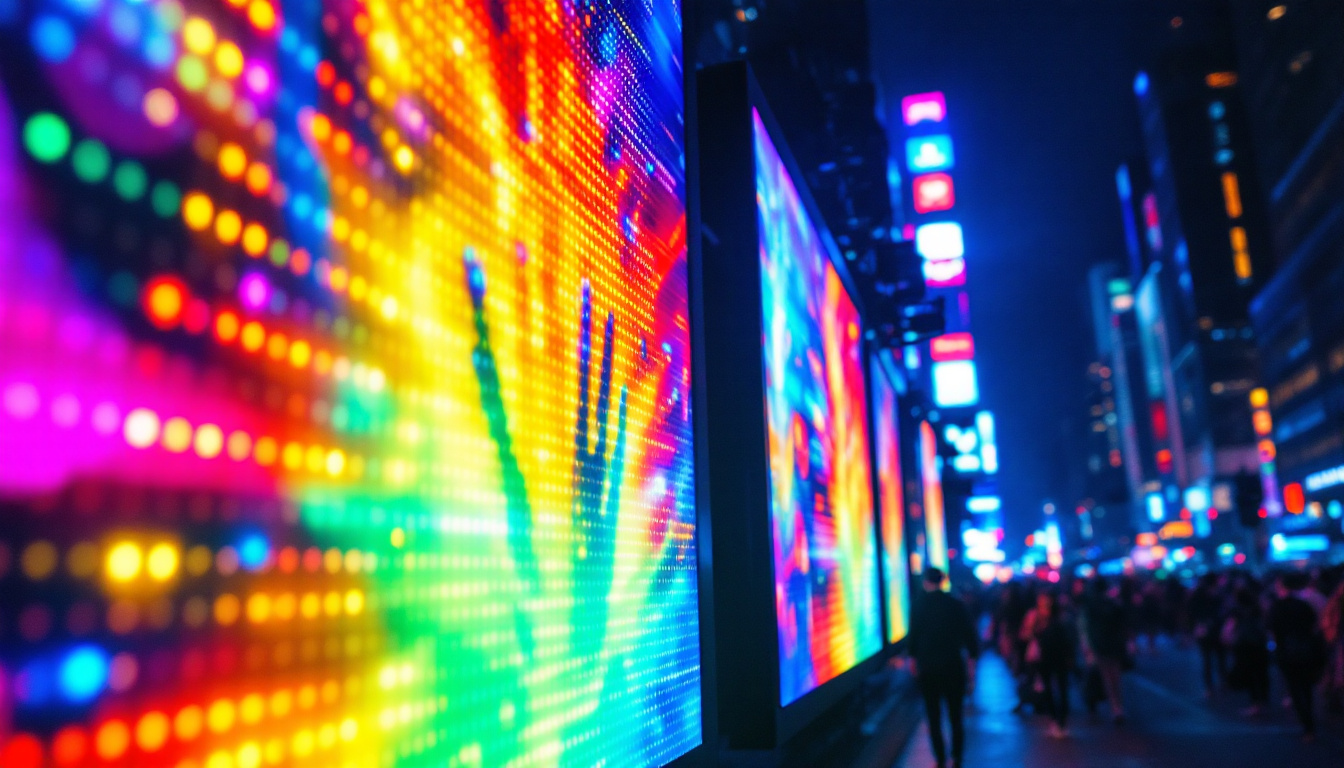
LED (Light Emitting Diode) displays are screens composed of numerous tiny light sources known as LEDs. These diodes emit light when an electric current passes through them, allowing for bright, energy-efficient, and long-lasting displays. LED technology has revolutionized the display industry, offering superior brightness, color accuracy, and flexibility compared to traditional display technologies such as LCD or plasma. The advancements in LED technology have made it possible to create displays that not only meet the demands of high-resolution content but also consume significantly less power, making them an environmentally friendly choice.
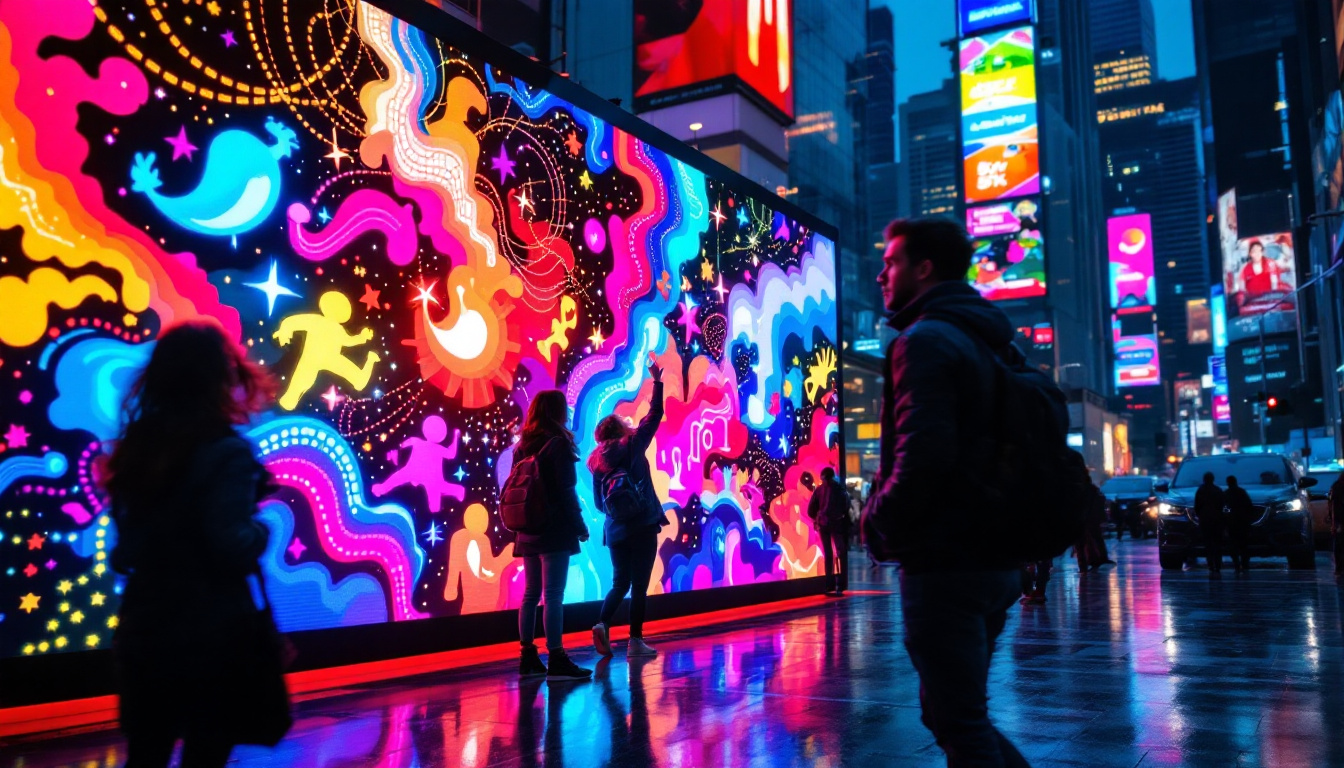
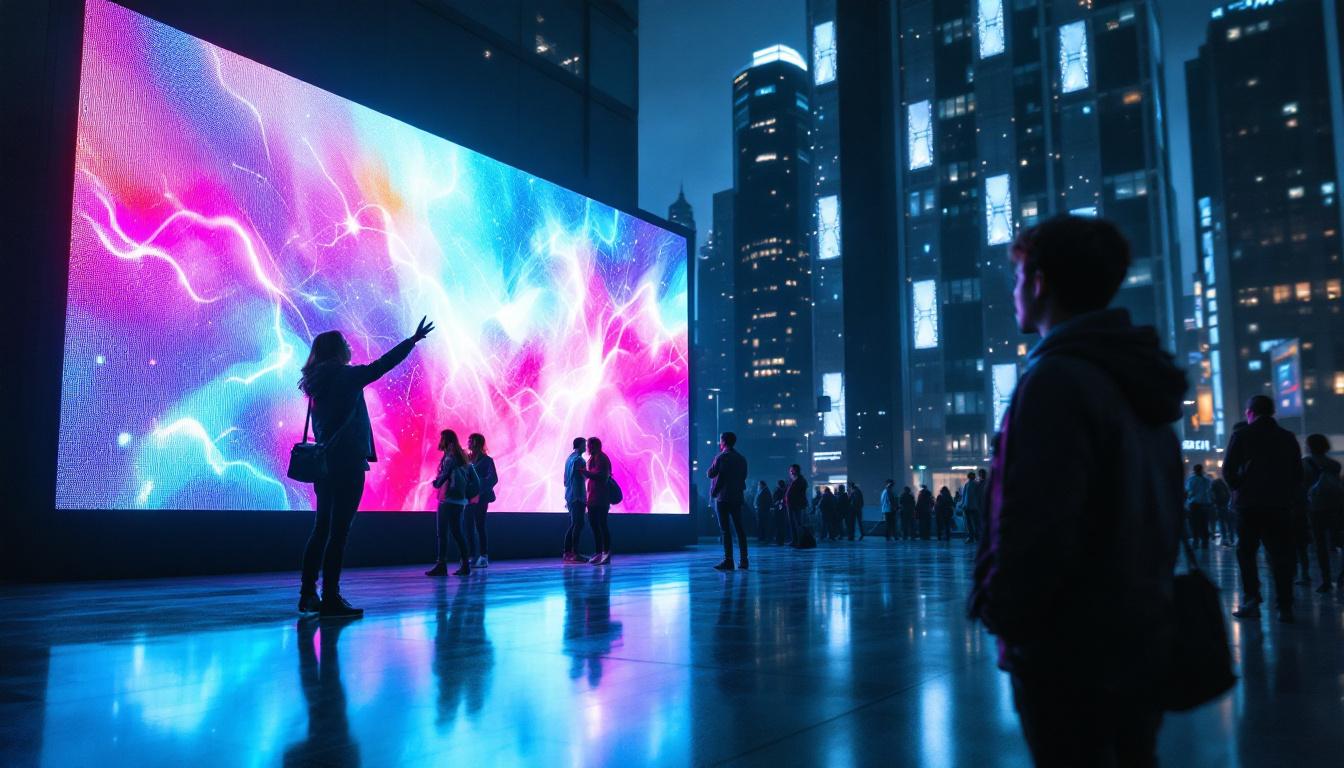
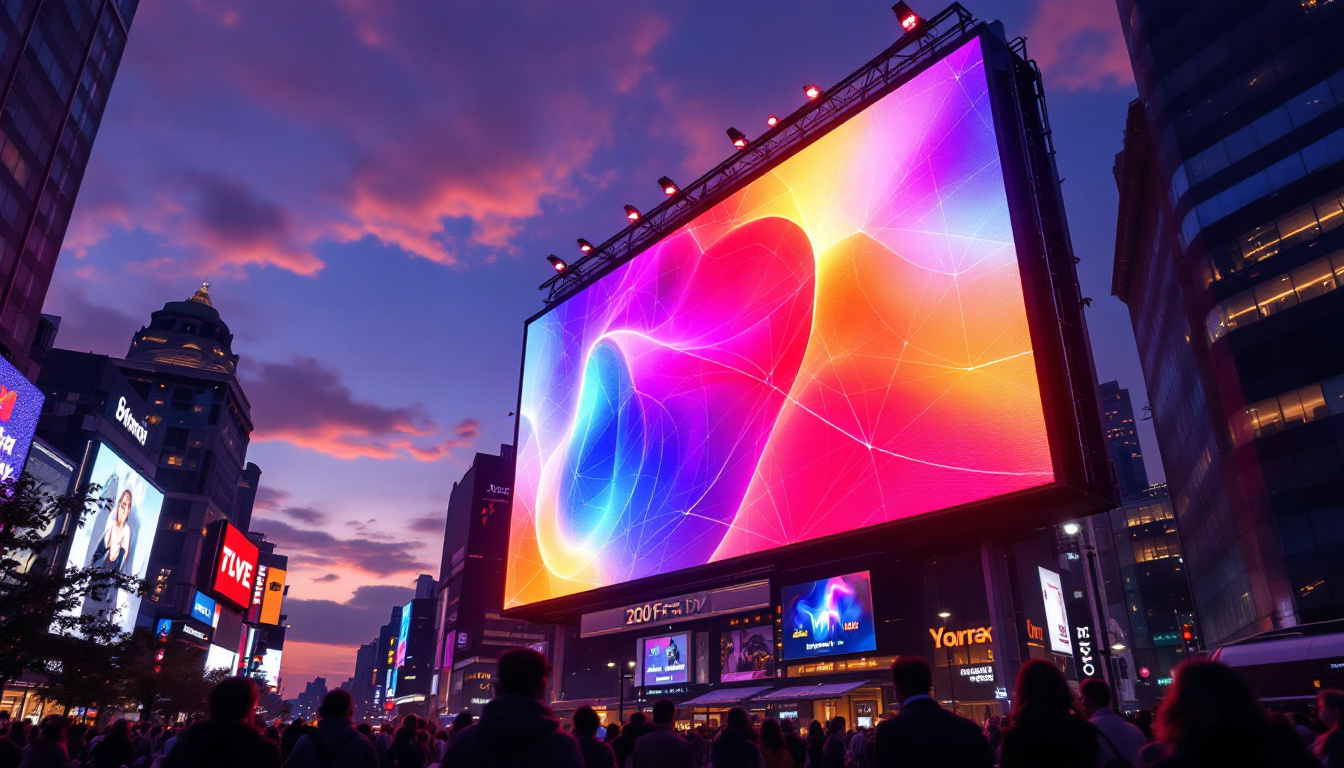
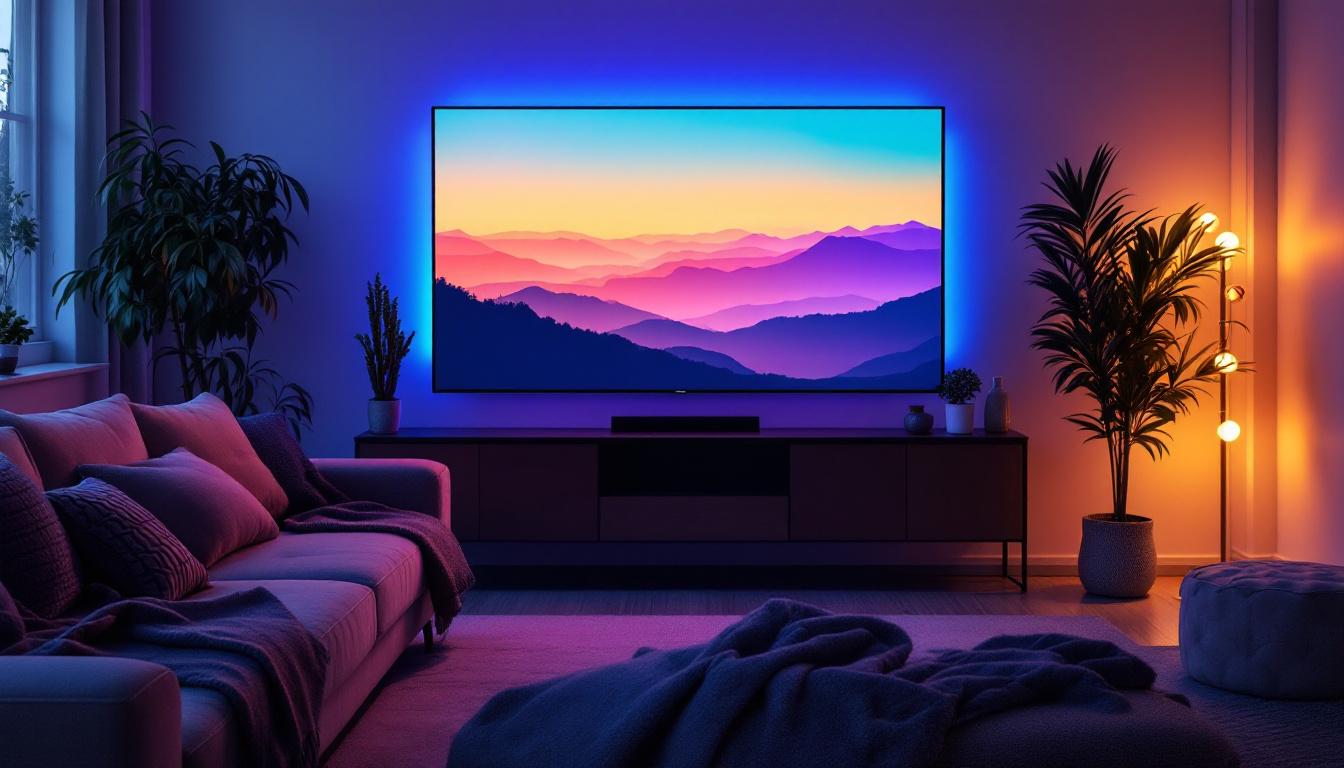
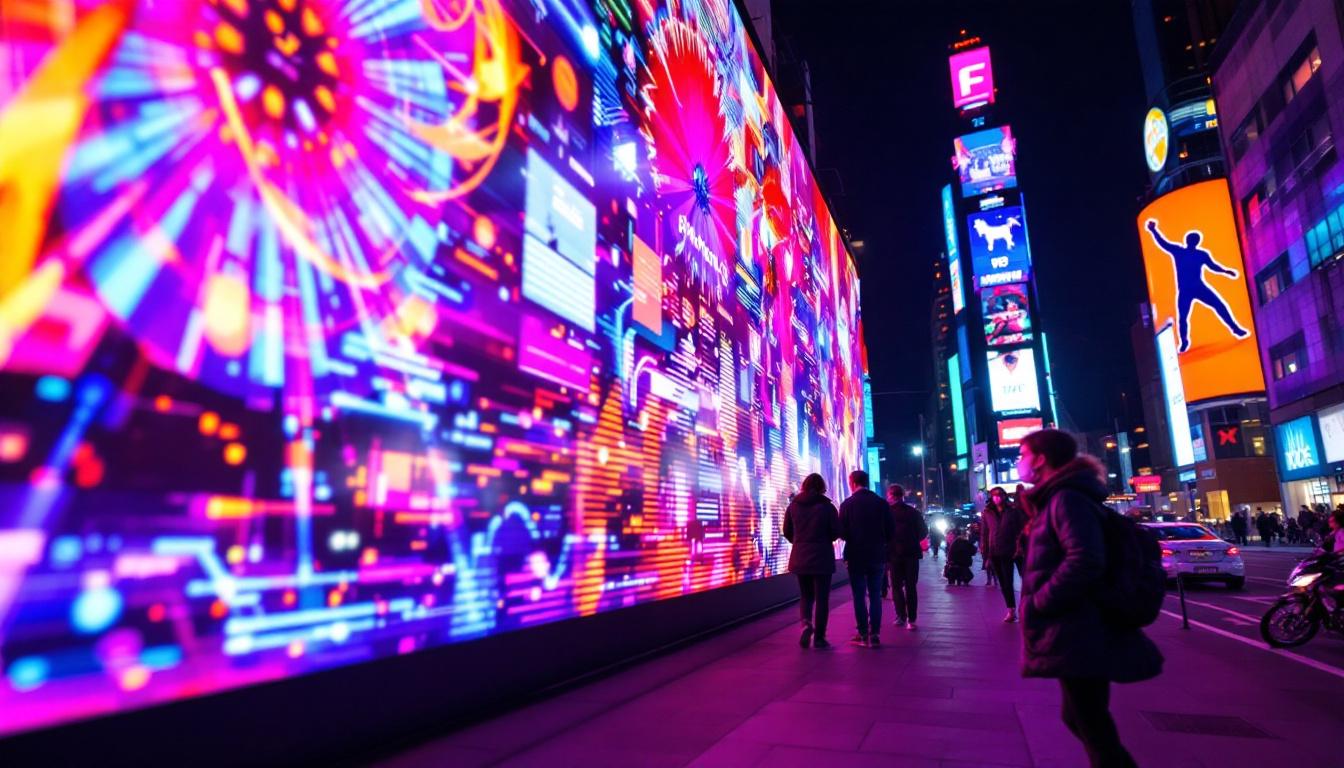
LED displays are widely used in various applications, including outdoor advertising billboards, stadium screens, digital signage, and even indoor television screens. Their modular nature allows for the creation of screens of virtually any size and shape, making them highly adaptable to different environments and design requirements. For instance, large-scale LED displays can be found in urban centers, where they serve as dynamic platforms for advertising, news, and entertainment, captivating audiences with vibrant visuals. Additionally, the durability of LED technology ensures that these displays can withstand harsh weather conditions, making them suitable for outdoor installations.
Types of LED Displays
There are several types of LED displays, each suited for specific uses:
- Direct View LED Displays: These displays use individual LEDs as pixels and are known for their high brightness and visibility from a distance, making them ideal for outdoor use. Their ability to deliver stunning visuals in bright sunlight has made them a popular choice for large-scale advertising and event broadcasting.
- LED-backlit LCD Displays: These combine LED backlighting with LCD panels, offering improved color and energy efficiency for indoor screens like televisions and monitors. This hybrid technology allows for thinner designs while maintaining excellent picture quality, making it a favorite among consumers and businesses alike.
- Flexible LED Displays: Utilizing bendable substrates, these displays can be curved or shaped, opening new possibilities for creative installations. Designers and artists are increasingly exploring the potential of flexible LED technology to create immersive environments that engage viewers in unique ways.
The flexibility and modularity of LED technology are key factors that enable the integration of complex shapes, such as nonagons, into display design. This adaptability not only enhances aesthetic appeal but also allows for innovative applications in architecture and interior design. For example, flexible LED panels can be seamlessly integrated into walls or ceilings, creating stunning visual effects that transform spaces into dynamic experiences. Furthermore, advancements in pixel density and color reproduction continue to push the boundaries of what is possible with LED displays, ensuring they remain at the forefront of display technology.
Integrating the 9-Sided Shape into LED Displays
Design Challenges and Solutions
Incorporating a nonagonal shape into an LED display presents unique design challenges. Unlike rectangular or square screens, which align easily with pixel grids, a nine-sided polygon requires careful consideration of pixel placement and structural support. Ensuring uniform brightness and color consistency across the irregular edges demands precise engineering.
To address these challenges, designers often use modular LED panels that can be custom-shaped or arranged to approximate the nonagonal outline. Advances in flexible LED technology have further facilitated the creation of displays that conform to complex geometries without sacrificing image quality.
Applications of Nonagonal LED Displays
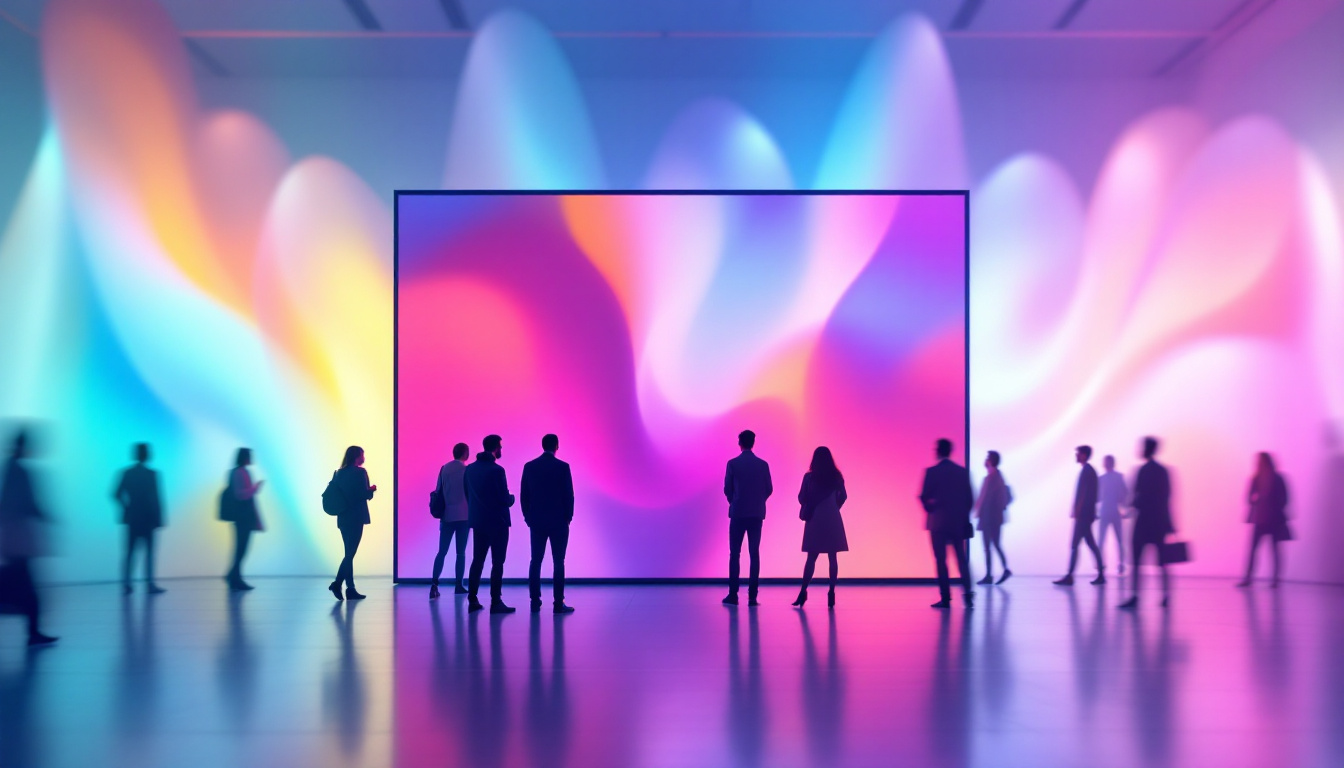
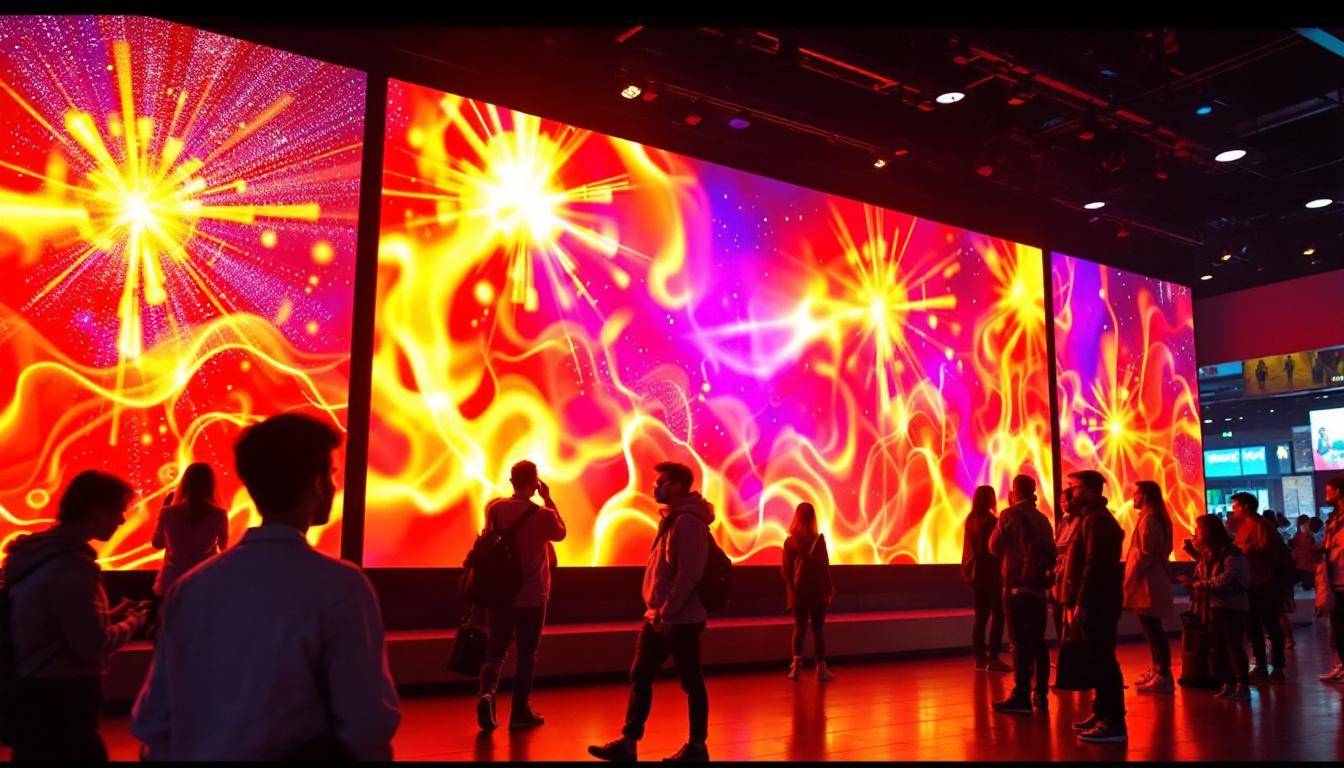
Nonagonal LED displays are particularly popular in environments where visual impact and uniqueness are paramount. For example, event venues and museums may use nine-sided LED screens as part of immersive installations or interactive exhibits. The shape’s rarity draws attention and enhances the viewer’s experience.
In commercial settings, nonagonal LED displays can serve as striking digital signage or advertising platforms, helping brands stand out in crowded spaces. Additionally, architectural lighting projects may incorporate nonagonal LED arrays to complement building designs, blending technology with artistic expression.
Advantages of Using Nonagonal LED Displays
Enhanced Visual Appeal
The nonagonal shape breaks the monotony of conventional rectangular displays, offering a fresh and dynamic visual element. This uniqueness can capture audience attention more effectively, which is crucial in advertising and public information dissemination.
Moreover, the symmetry of the nonagon lends itself to balanced and harmonious designs, which can evoke positive psychological responses from viewers. This makes nonagonal LED displays suitable for environments where aesthetics and ambiance are important, such as galleries, theaters, and luxury retail spaces.
Customization and Brand Differentiation
Custom-shaped LED displays, including nonagonal ones, provide brands with an opportunity to differentiate themselves from competitors. By adopting an uncommon shape, companies can create memorable brand experiences that resonate with customers.
Furthermore, the flexibility of LED technology allows for the integration of interactive features, dynamic content, and adaptive lighting, enhancing the overall functionality of the display. This level of customization supports marketing strategies that emphasize innovation and customer engagement.
Future Trends in Nonagonal LED Displays
Advancements in Flexible and Transparent LEDs
As LED technology continues to evolve, flexible and transparent LEDs are becoming more accessible and affordable. These advancements will likely lead to more widespread use of complex shapes like nonagons in various display applications.
Flexible LEDs enable displays to conform to curved or irregular surfaces, expanding design possibilities beyond flat planes. Transparent LEDs, on the other hand, allow displays to be integrated into windows or glass facades without obstructing views, creating seamless digital experiences.
Integration with Smart Technologies
The integration of nonagonal LED displays with smart technologies, such as IoT (Internet of Things) and AI (Artificial Intelligence), is poised to enhance their interactivity and responsiveness. Smart displays can adapt content in real-time based on environmental factors, audience behavior, or data analytics, increasing their effectiveness and relevance.
For example, a nonagonal LED display in a retail setting could change advertisements based on the time of day or customer demographics, providing personalized marketing that drives engagement and sales.
Conclusion
The fusion of the 9-sided nonagonal shape with LED display technology exemplifies the exciting possibilities at the crossroads of geometry and digital innovation. While presenting unique design challenges, nonagonal LED displays offer enhanced visual appeal, customization options, and opportunities for brand differentiation. As LED technology advances, particularly in flexibility and smart integration, the use of complex shapes like the nonagon is expected to grow, enriching environments with captivating and functional digital experiences.
Understanding the principles behind both the nonagon and LED displays empowers designers, marketers, and technologists to harness this synergy effectively. Whether for artistic installations, commercial advertising, or architectural enhancements, the 9-sided shape LED display stands as a testament to creativity and technological progress.
Discover the Future of LED Displays with LumenMatrix
Ready to elevate your space with the cutting-edge design and technology of nonagonal LED displays? LumenMatrix is at the forefront of LED innovation, offering a wide range of solutions that transform ordinary environments into extraordinary visual experiences. From engaging Indoor LED Wall Displays to dynamic Outdoor LED Wall Displays, and from versatile Vehicle LED Displays to sleek LED Poster Displays, our mission is to revolutionize your visual communication. Experience the difference with LumenMatrix’s LED Sports Displays, interactive Floor LED Displays, Custom LED Displays, All-in-One LED Displays, and LED Transparent Displays. Don’t just share your message—make it resonate with clarity and impact. Check out LumenMatrix LED Display Solutions today and be a part of the visual revolution.