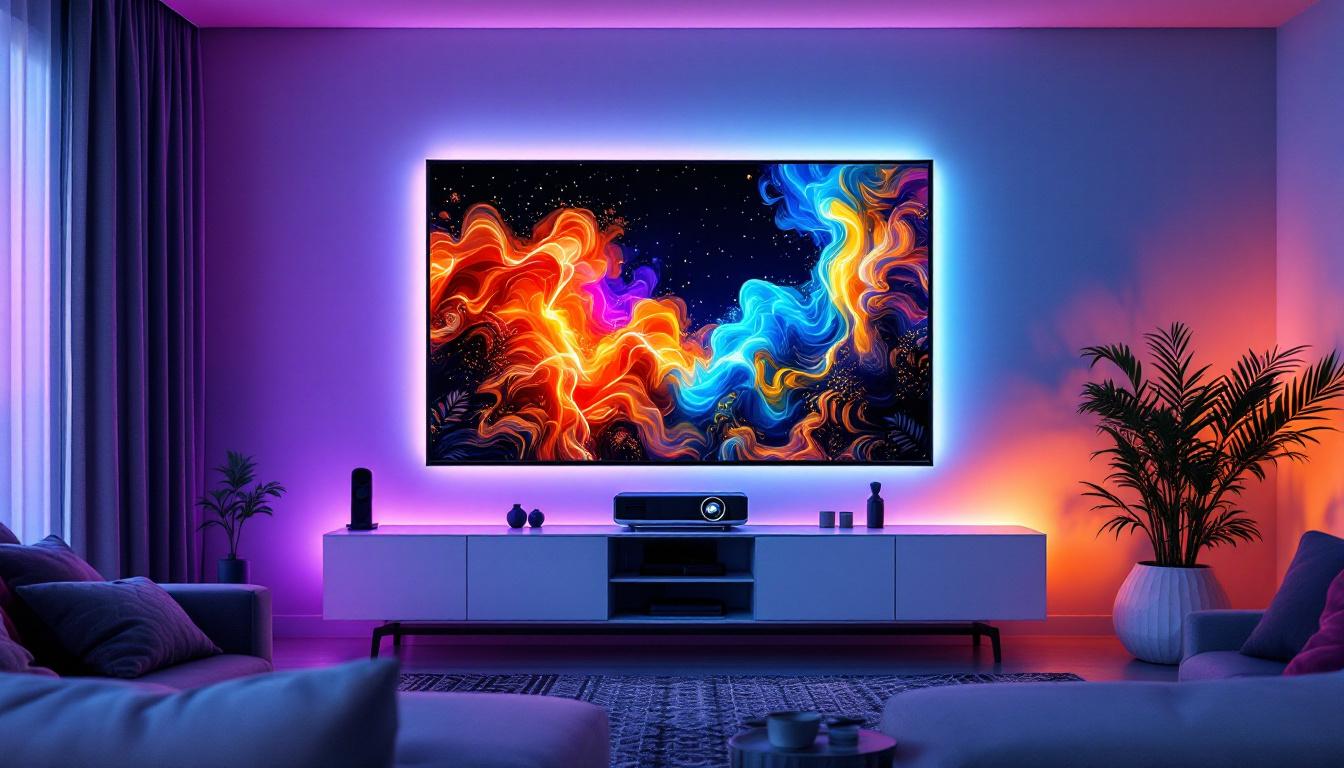
In recent years, video projectors have surged in popularity as an alternative to traditional television screens. Whether for home theaters, business presentations, or immersive gaming setups, projecting images directly onto a wall offers a flexible and often cost-effective solution. Among the various projection technologies, LED displays integrated with projectors have become a standout, combining vibrant colors, energy efficiency, and long-lasting performance.
This article explores the fundamentals of video projectors on walls, with a particular focus on LED display technology. It will cover how LED projectors work, their advantages and limitations, and practical tips for optimizing your wall projection setup. By the end, readers will have a comprehensive understanding of why LED projectors are transforming the way we experience large-format video displays.
Understanding Video Projectors and Wall Projection
How Video Projectors Work
Video projectors function by shining a light source through a small image chip or panel, which modulates the light to create an image. This image is then magnified and projected onto a surface such as a wall or projection screen. The primary components include the light source, imaging technology, lens system, and sometimes color wheels or filters depending on the projector type.
Common imaging technologies include Digital Light Processing (DLP), Liquid Crystal Display (LCD), and Liquid Crystal on Silicon (LCoS). Each has unique characteristics in terms of color accuracy, contrast, and brightness. However, the light source technology—such as traditional lamps, lasers, or LEDs—plays a crucial role in the overall performance and longevity of the projector. For instance, laser projectors tend to offer higher brightness levels and longer lifespans compared to traditional lamp-based projectors, making them increasingly popular for both home theaters and professional settings. Moreover, advancements in imaging technology have led to the development of 4K and even 8K projectors, providing stunning detail and clarity that can transform any viewing experience into a cinematic delight.
Projecting Onto Walls: Benefits and Challenges
Using a wall as a projection surface offers several benefits. It eliminates the need for a dedicated screen, saving space and reducing costs. Walls are often readily available and can accommodate very large image sizes, ideal for immersive viewing experiences. This flexibility allows users to create a home theater environment without the constraints of traditional screen setups, making it easier to adapt to various room layouts and sizes. Additionally, modern projectors often come equipped with features that enhance their adaptability, such as keystone correction and lens shift, which help to ensure that images are properly aligned and displayed even when the projector is not perfectly centered.
However, not all walls are created equal. The color, texture, and finish of the wall can significantly affect image quality. Ideally, a smooth, light-colored wall with minimal texture provides the best canvas. Dark or brightly colored walls may distort colors and reduce brightness. Additionally, ambient light in the room can wash out the image, making it essential to control lighting conditions for optimal viewing. To mitigate these challenges, some users opt for special projection paints that enhance reflectivity and color accuracy, providing a more suitable surface for projection. Furthermore, utilizing blackout curtains or dimmable lighting can greatly improve the viewing experience by minimizing distractions and ensuring that the projected image remains vibrant and clear, regardless of the time of day or lighting conditions in the room.
The Rise of LED Display Technology in Projectors
What is LED Projection?
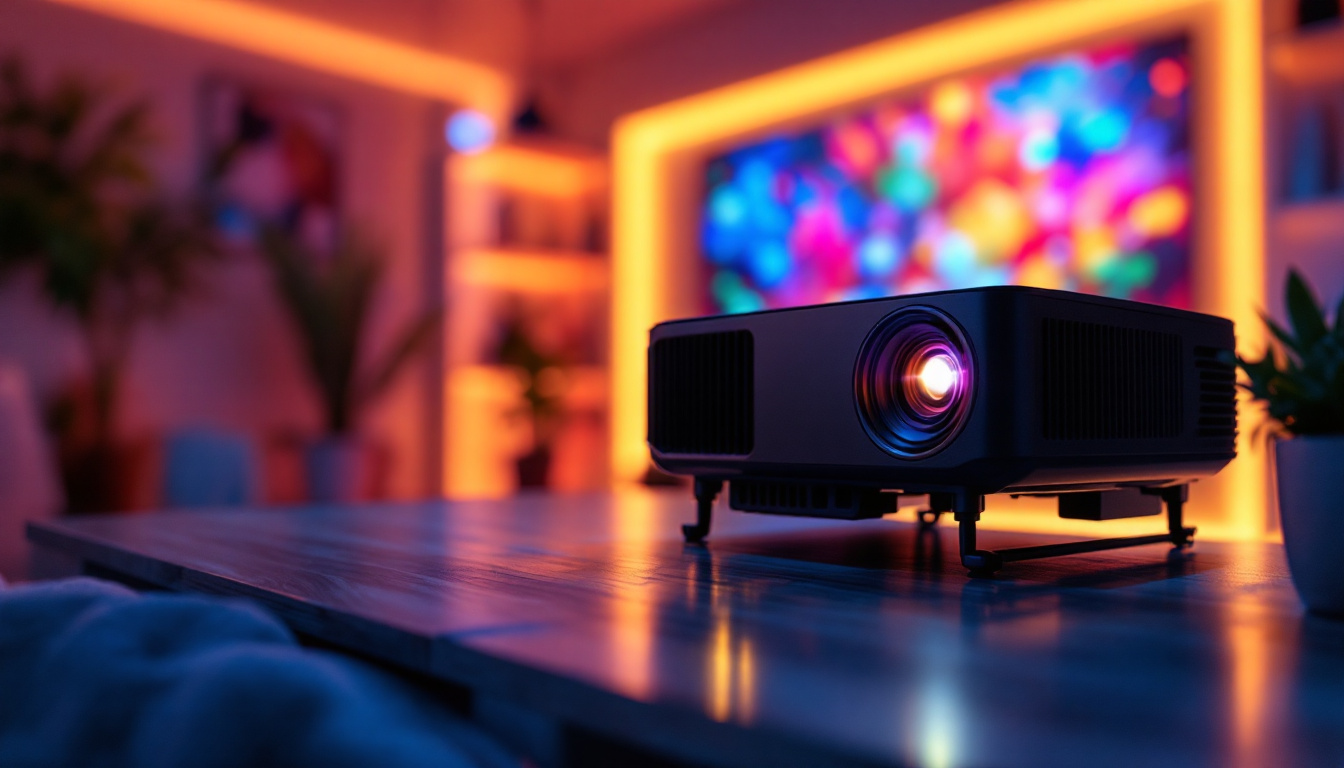
LED projection refers to the use of Light Emitting Diodes as the light source in a projector. Unlike traditional projectors that rely on high-intensity lamps, LED projectors use arrays of red, green, and blue LEDs to generate the light needed to create images. This technology has gained traction due to its energy efficiency, longer lifespan, and improved color performance.
LEDs produce light differently than lamps. They emit light in a more focused and controllable manner, which enables better color saturation and contrast. Moreover, LED projectors typically have instant on/off capabilities, unlike lamp-based projectors that require warm-up and cool-down periods.
Advantages of LED Projectors on Wall Displays
1. Longevity and Reliability: LED light sources can last upwards of 20,000 to 30,000 hours, far exceeding the 2,000 to 5,000 hours typical of traditional lamps. This reduces maintenance costs and downtime, making LED projectors ideal for continuous or frequent use.
2. Energy Efficiency: LEDs consume significantly less power than conventional lamps, which translates into lower electricity bills and a reduced environmental footprint. This efficiency also means less heat generation, which can improve the projector’s reliability and comfort in smaller rooms.
3. Superior Color Quality: LED projectors often deliver richer and more accurate colors. The ability to precisely control the intensity of individual red, green, and blue LEDs results in a wider color gamut and better color consistency over time.
4. Compact and Portable Designs: The smaller size of LED light sources allows manufacturers to design more compact and lightweight projectors, which are easier to move and set up on different walls or locations.
Limitations and Considerations
While LED projectors offer many benefits, they also have some limitations. Typically, LED projectors have lower maximum brightness compared to lamp or laser-based models. This can be a drawback in environments with high ambient light or very large projection sizes.
Additionally, the initial cost of LED projectors can be higher than traditional models, although this is often offset by the longer lifespan and lower operating costs. It’s also important to consider the quality of the projector’s optics and imaging chip, as these factors significantly influence the final image quality on a wall.
Optimizing Your Wall Projection Setup with LED Projectors
Choosing the Right Wall Surface
The wall you choose for projection is arguably as important as the projector itself. For the best results, select a wall that is smooth, clean, and painted with a matte, light-colored paint. Specialized projector paints are available that enhance reflectivity and color accuracy, providing a near-screen quality surface.
Avoid walls with textured finishes, glossy paints, or dark colors, as these can scatter light unevenly or absorb it, reducing brightness and contrast. If a suitable wall is not available, consider installing a dedicated projector screen that can be rolled down or mounted when needed.
Controlling Ambient Light
Ambient light is one of the biggest enemies of projector image quality. Even the best LED projector can struggle to produce vivid images in a brightly lit room. To mitigate this, use blackout curtains or blinds to darken the room during viewing. Position the projector and seating area to minimize reflections and glare.
Some LED projectors come with higher brightness ratings (measured in lumens), which can help combat ambient light. However, for truly bright rooms, a dedicated screen with ambient light rejecting (ALR) properties may be necessary.
Proper Projector Placement and Calibration
Positioning your LED projector correctly is essential for a sharp and distortion-free image. Most projectors specify a throw ratio, which determines the distance needed to achieve a certain image size. Measure your room and wall to ensure the projector can produce the desired image size without compromising focus or clarity.
Calibration involves adjusting the projector’s focus, keystone correction, and color settings. Many modern LED projectors include automatic keystone correction, which compensates for angled projection surfaces. However, manual fine-tuning often yields better results. Calibrating color temperature and brightness settings can also enhance the viewing experience, especially when projecting on walls with slight color variations.
Real-World Applications and Future Trends
Home Entertainment and Gaming
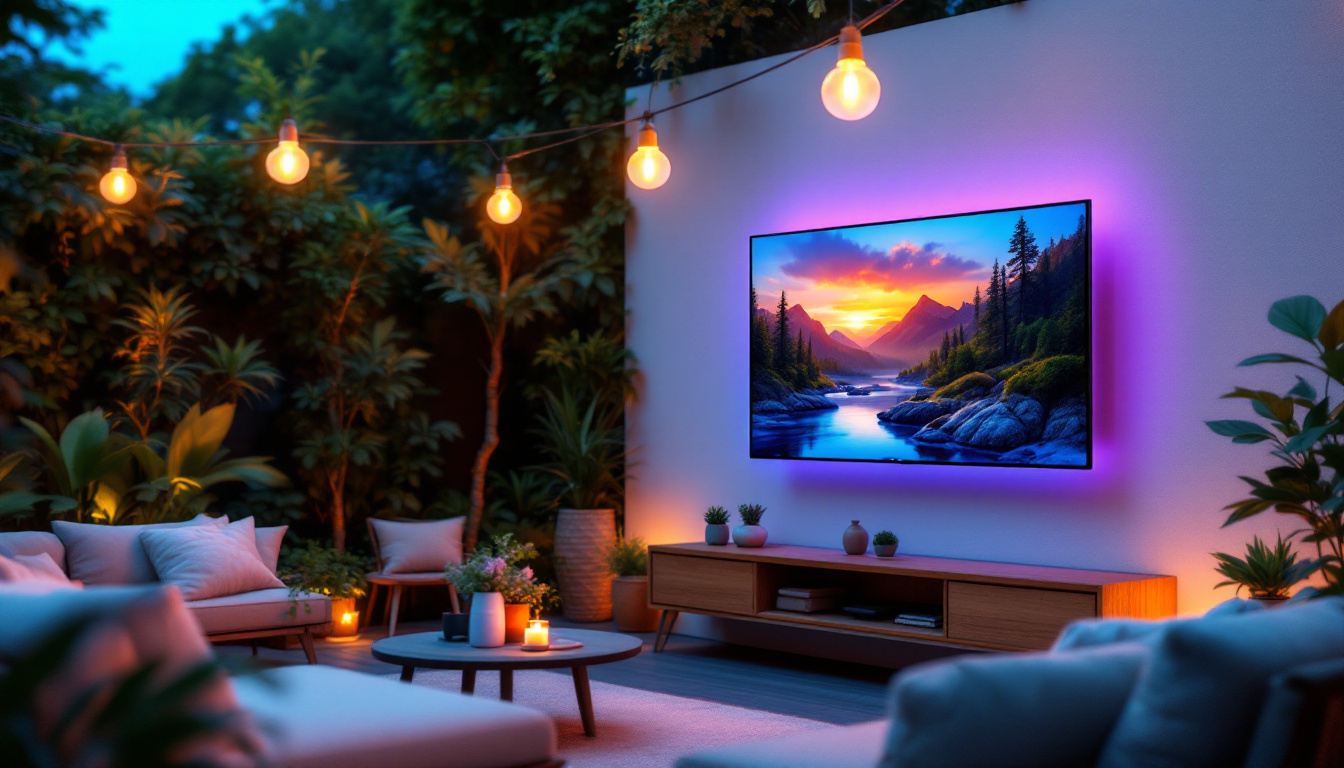
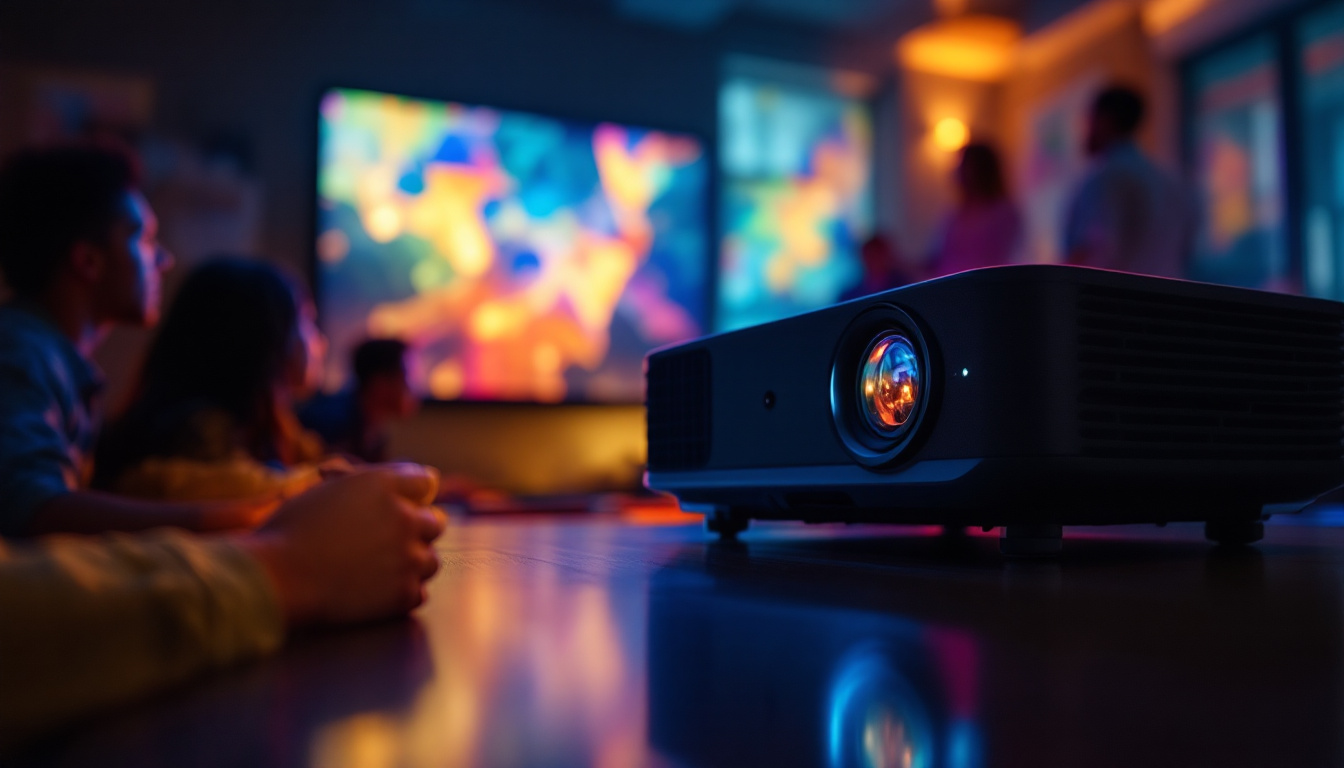
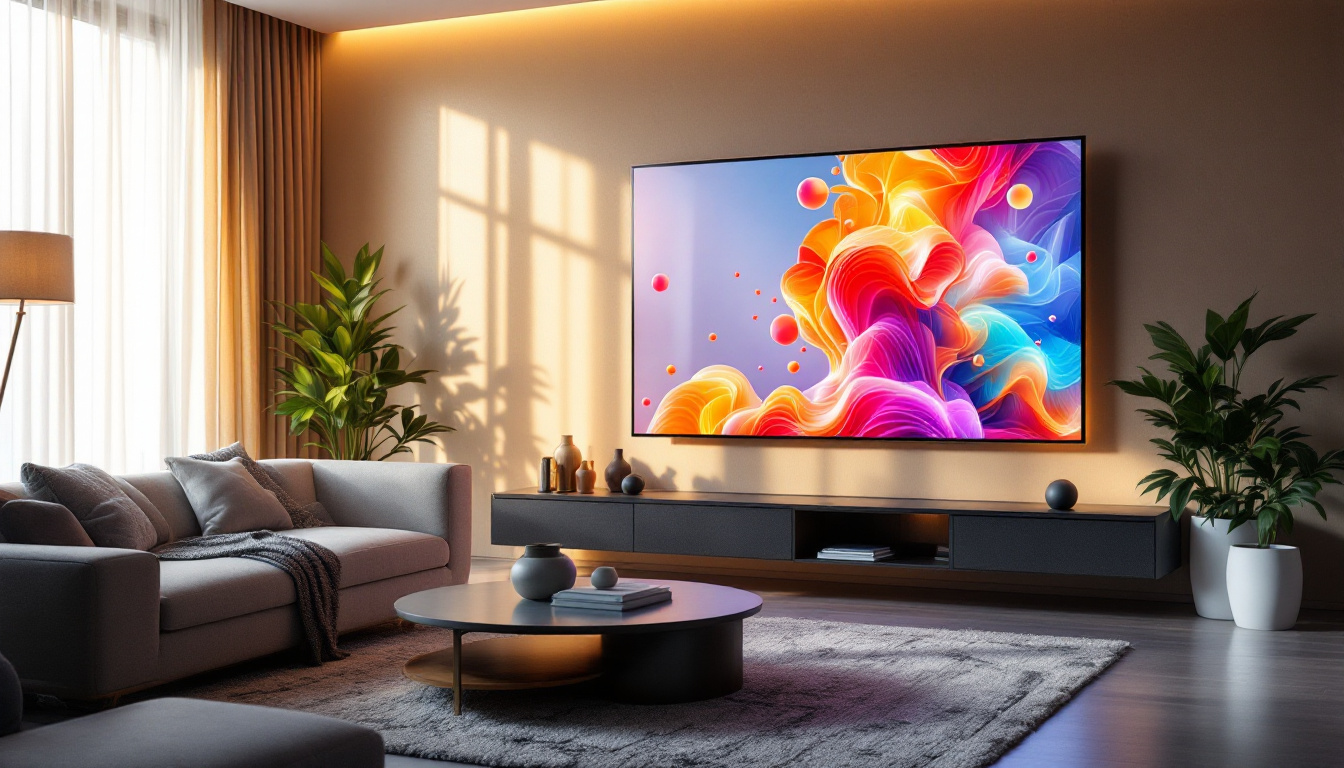
LED projectors have become a favorite for home theater enthusiasts who want large, cinematic displays without the bulk of big-screen TVs. The ability to project onto a wall or screen up to 120 inches or more creates an immersive experience for movies, sports, and gaming.
Gamers appreciate LED projectors for their vibrant colors and quick startup times. Some models also support high refresh rates and low input lag, essential for fast-paced gaming. The portability of LED projectors allows gamers to set up temporary gaming zones or share their gameplay with friends easily.
Business and Education
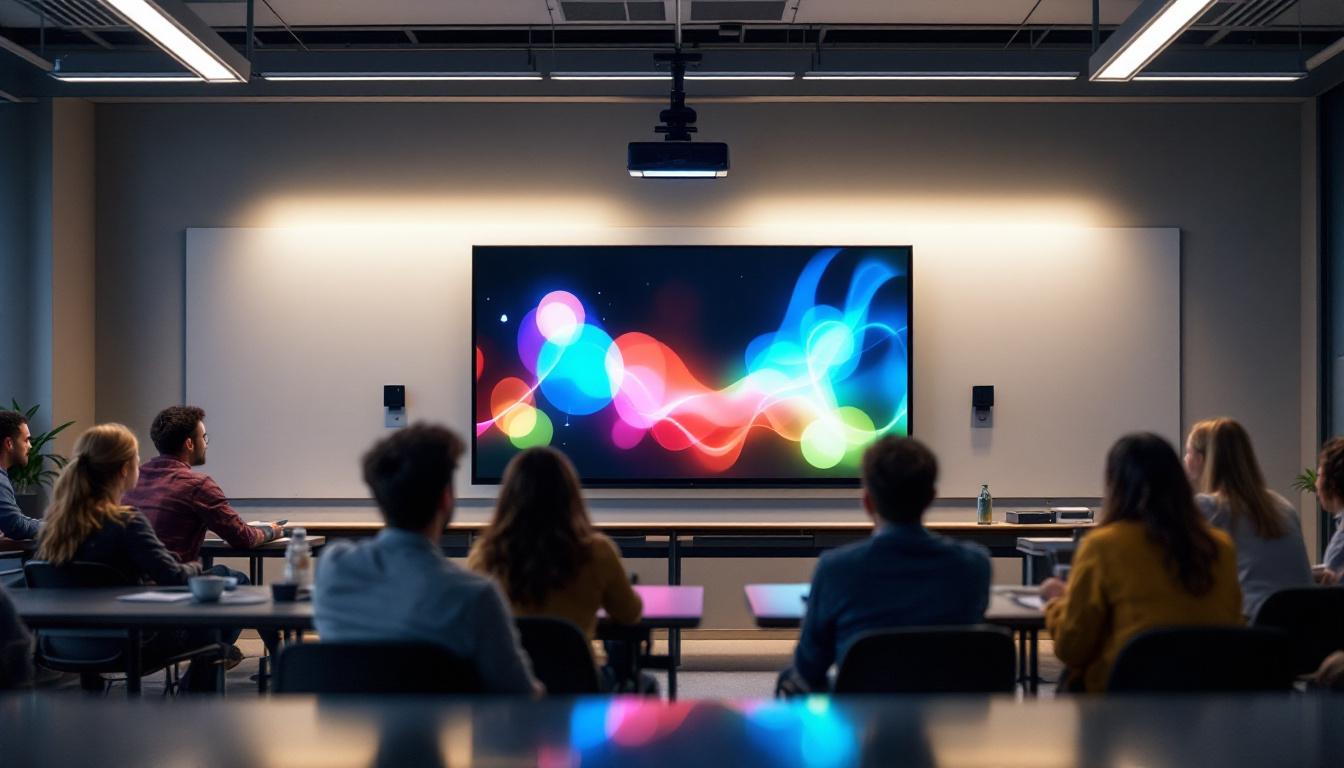
In professional settings, LED projectors are valued for their reliability and low maintenance. Conference rooms, classrooms, and training centers benefit from bright, clear images that can be projected onto walls or screens without frequent lamp replacements.
The energy efficiency of LED projectors also aligns with corporate sustainability goals. Additionally, the compact size of many LED models makes them easy to transport between meeting rooms or off-site locations.
Emerging Innovations
Looking ahead, LED projection technology continues to evolve. Hybrid projectors that combine LED and laser light sources are emerging, offering higher brightness levels while maintaining energy efficiency. Advances in microLED technology promise even greater color accuracy and contrast ratios.
Moreover, integration with smart home systems and wireless connectivity is becoming standard, allowing seamless streaming and control from smartphones or voice assistants. These innovations will further enhance the convenience and quality of video projector wall displays.
Conclusion: Is an LED Projector the Right Choice for Your Wall Display?
Choosing a video projector for wall display involves balancing factors such as brightness, color quality, longevity, and budget. LED projectors stand out for their exceptional energy efficiency, long lifespan, and vibrant color reproduction, making them an excellent choice for many applications.
However, understanding the limitations related to brightness and environmental conditions is crucial. By selecting the right projector model, preparing an optimal wall surface, and controlling ambient light, users can enjoy stunning, large-format images that transform any space into a cinematic or presentation powerhouse.
As LED technology continues to advance, it is poised to become the dominant light source in video projection, offering users a sustainable, high-quality, and versatile display solution for years to come.
Discover LumenMatrix’s Advanced LED Display Solutions
Ready to elevate your visual experience with the latest in LED display technology? Look no further than LumenMatrix, a pioneer in crafting LED displays that bring your content to life. Whether you’re creating an immersive home theater, enhancing your business presentations, or captivating audiences in any setting, LumenMatrix offers a comprehensive range of solutions, including Indoor and Outdoor LED Wall Displays, Vehicle LED Displays, and more. Embrace the future of visual communication and check out LumenMatrix LED Display Solutions today to see how our innovative products can transform your space into a dynamic visual showcase.