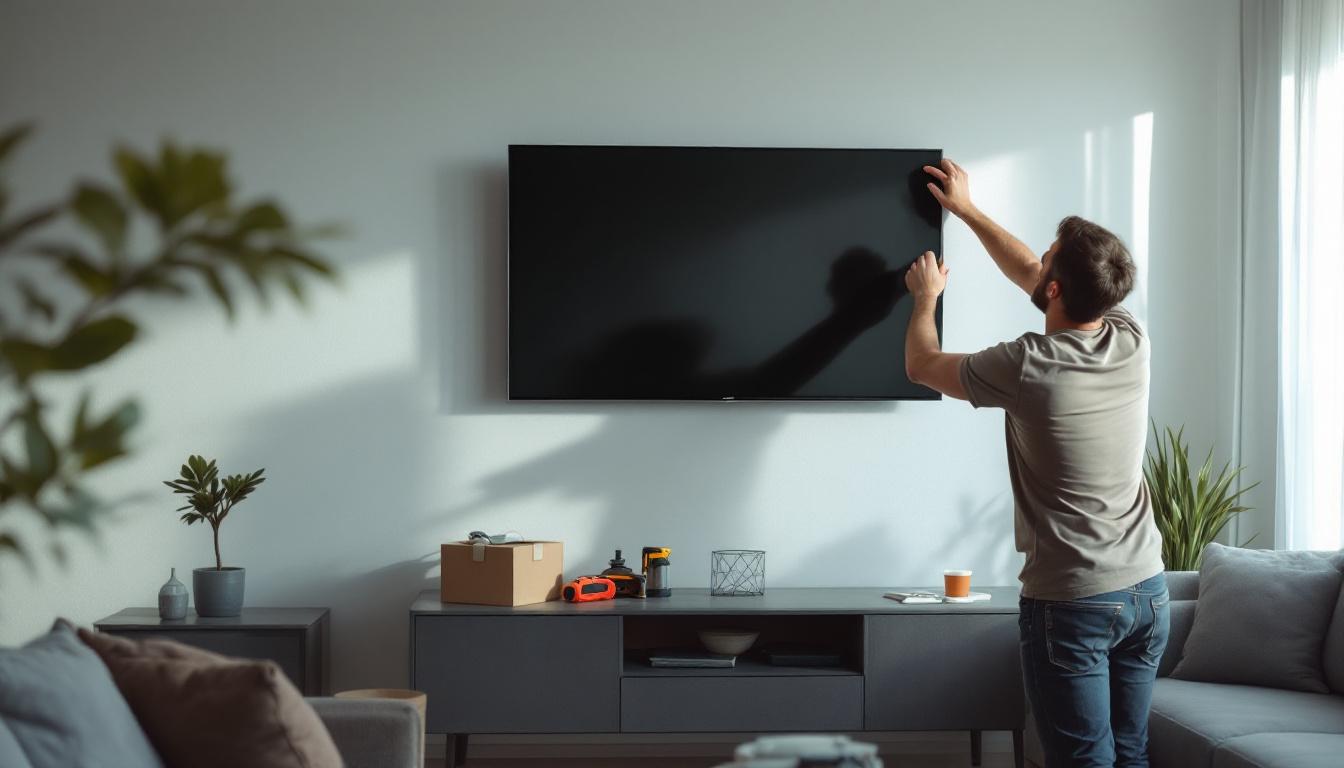
In the evolving world of visual display technology, the choice between traditional projector screens and modern LED displays has become a pivotal consideration for businesses, educators, and home theater enthusiasts alike. Among the many options available, the 110-inch projector screen remains a popular size for delivering immersive viewing experiences. However, LED displays are increasingly challenging the dominance of traditional projection, offering unique advantages and considerations. This article explores the 110-inch projector screen format, delves into the fundamentals of LED display technology, and compares these two display solutions to help readers make informed decisions.
Understanding the 110-Inch Projector Screen
What Defines a 110-Inch Projector Screen?
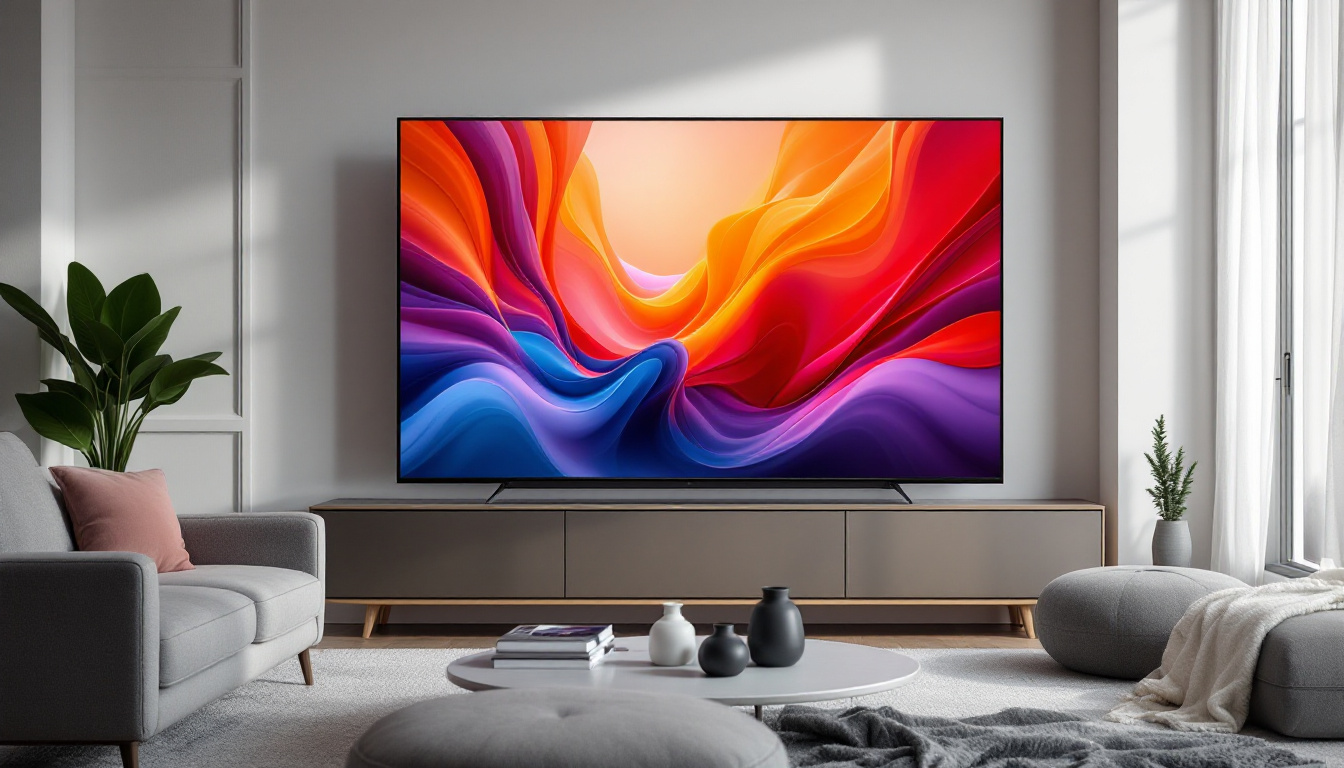
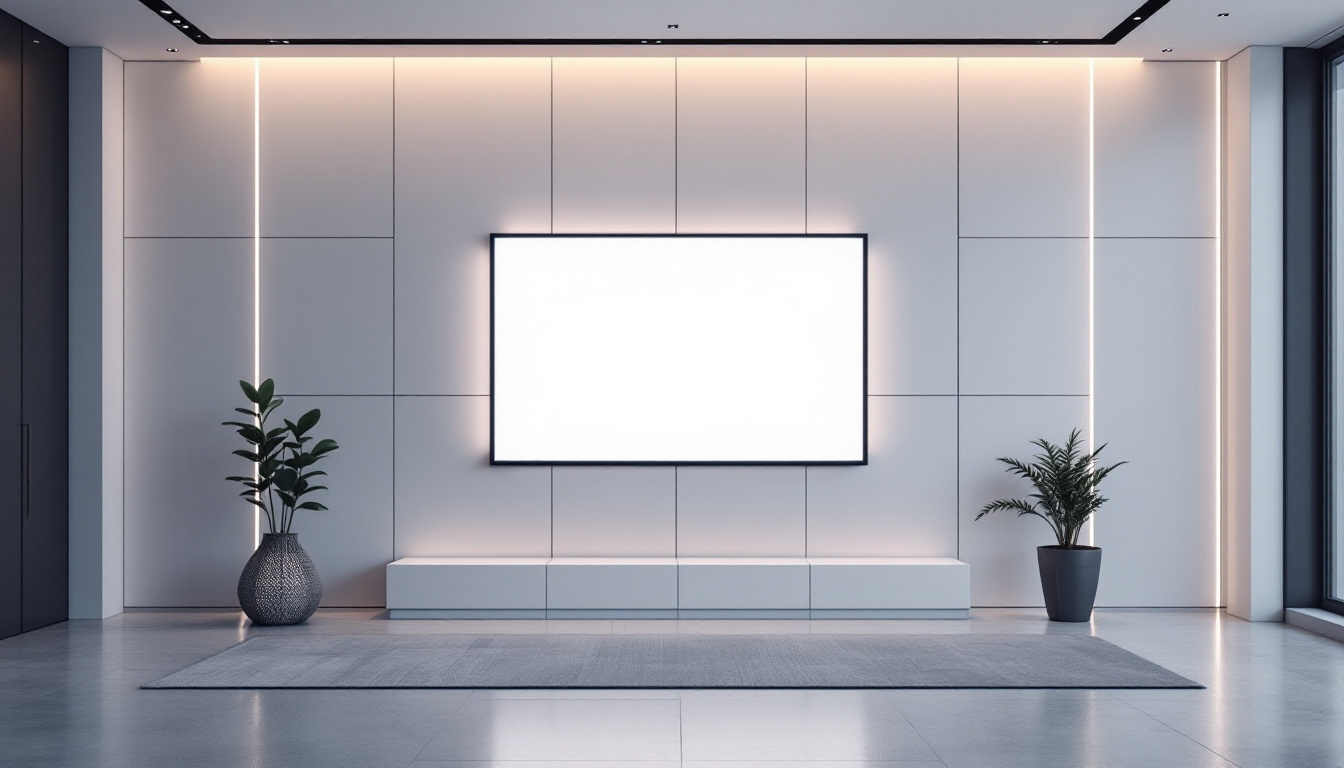
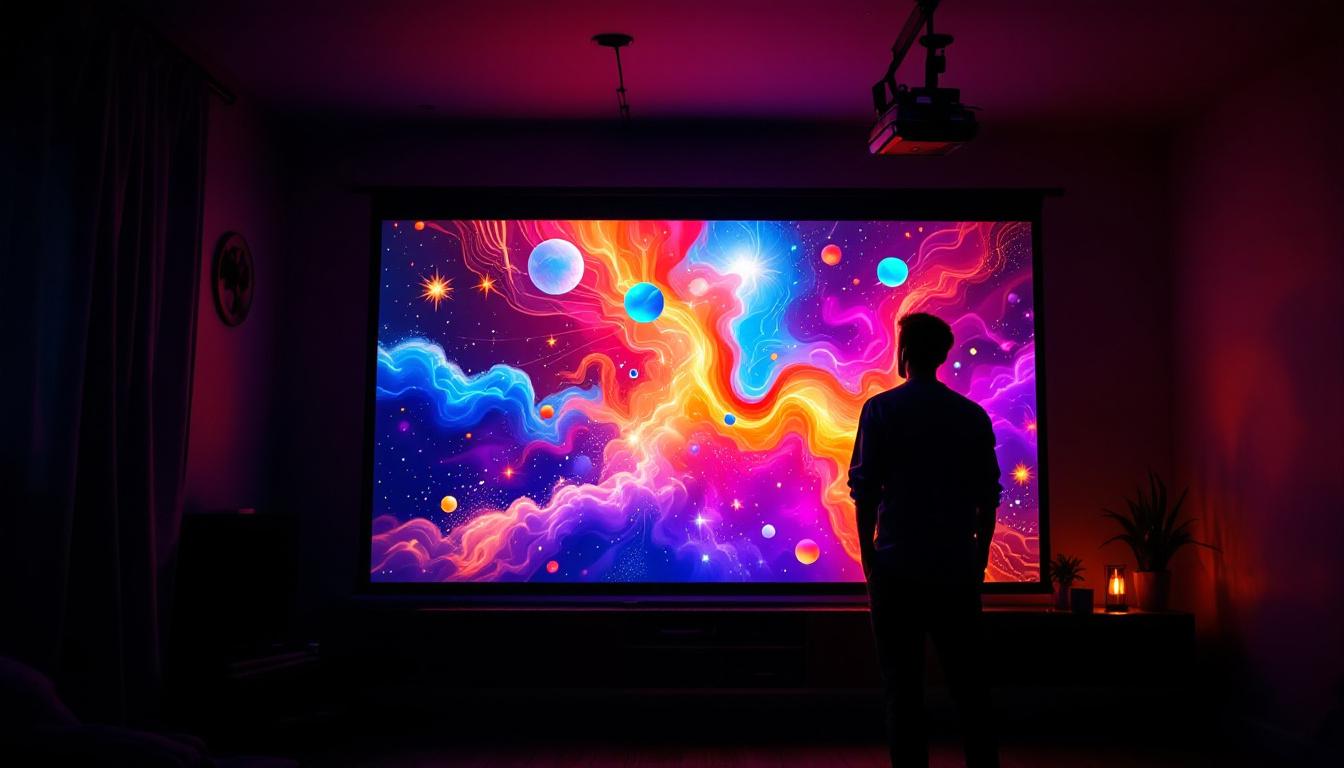
A 110-inch projector screen refers to the diagonal measurement of the screen surface, which is approximately 110 inches from one corner to the opposite corner. This size strikes a balance between large-scale viewing and space efficiency, making it suitable for medium to large rooms such as conference halls, classrooms, and dedicated home theaters.
Typically, a 110-inch screen has an aspect ratio of 16:9, the standard for high-definition video content. This translates to a width of about 96 inches and a height of 54 inches, providing a wide and immersive viewing area that enhances the cinematic experience. The dimensions are ideal for showcasing everything from educational videos to blockbuster films, ensuring that viewers can enjoy crisp and clear visuals without straining their eyes.
Applications and Popularity
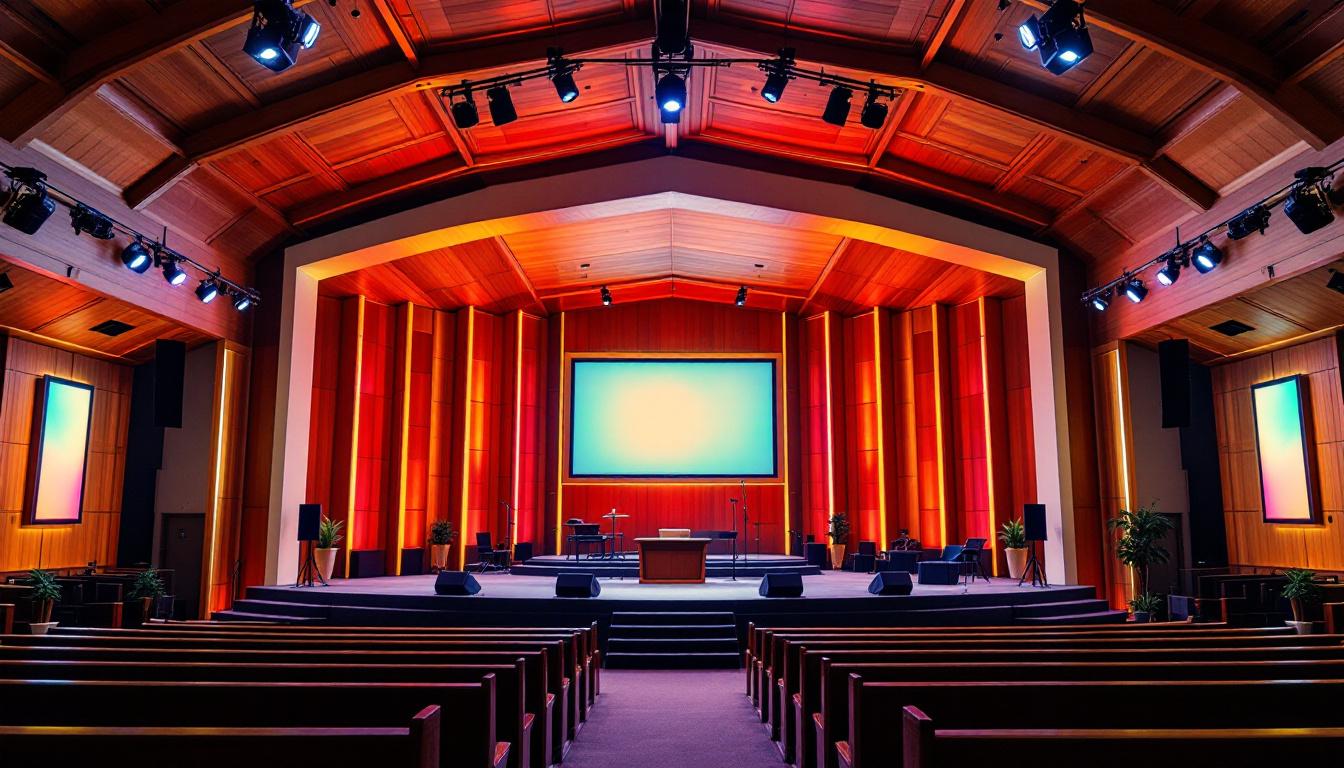
The 110-inch screen size is favored in various settings due to its versatility. In corporate environments, it facilitates clear presentations and video conferencing. Educational institutions use this size to ensure visibility for all students without overwhelming classroom space. Meanwhile, home theater enthusiasts appreciate the 110-inch screen for delivering a theater-like experience without requiring a massive room. The screen’s size allows for a comfortable viewing distance, which is crucial for maintaining engagement and focus during long presentations or movie marathons.
According to a 2023 report by AVIXA (Audiovisual and Integrated Experience Association), projector systems with screen sizes between 100 and 120 inches account for nearly 35% of all installed projection displays in commercial and educational sectors, highlighting the popularity of this size range. This trend is further supported by advancements in projector technology, which have made high-quality projection more accessible and affordable. As a result, many businesses and schools are investing in high-definition projectors that complement the 110-inch screens, creating a seamless viewing experience that captivates audiences.
Moreover, the growing trend of remote work and online learning has increased the demand for effective presentation tools. A 110-inch projector screen can easily accommodate multiple viewers, making it an ideal choice for collaborative workspaces and virtual classrooms. Additionally, many modern screens come with features such as ambient light rejection and enhanced color accuracy, which further enhance the viewing experience, whether for a business meeting or a family movie night. This adaptability has solidified the 110-inch projector screen’s place as a staple in both professional and personal settings.
Exploring LED Display Technology
What is an LED Display?
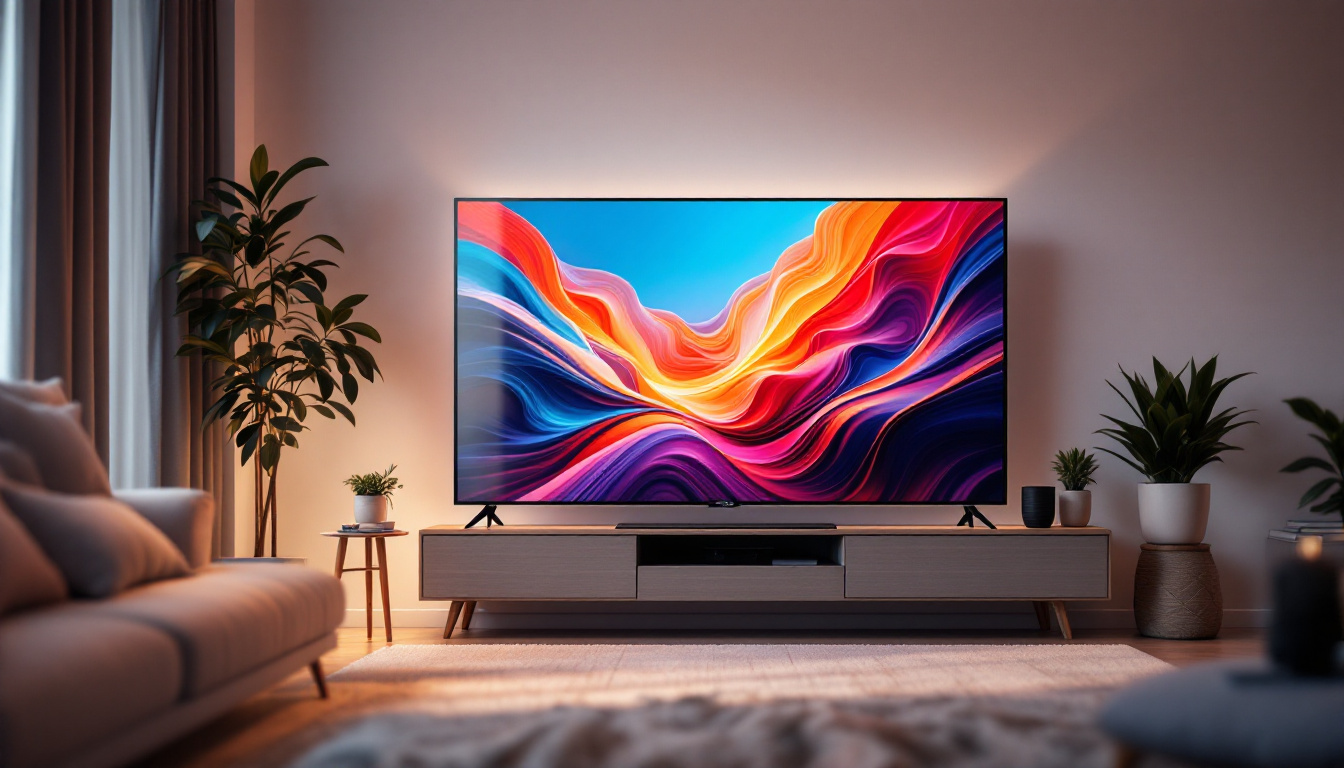
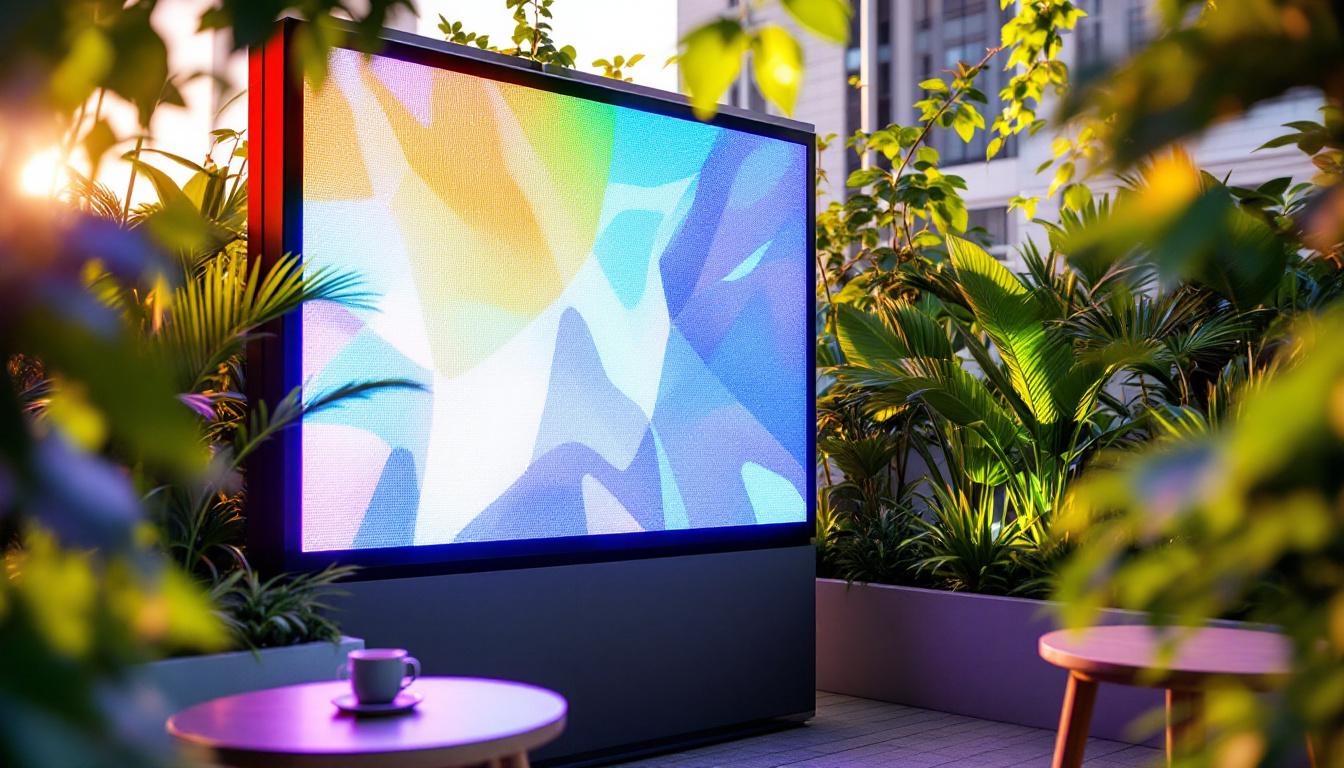
LED (Light Emitting Diode) displays are digital screens composed of many small LED modules that emit light independently. Unlike projector screens that rely on external light sources to cast images onto a surface, LED displays produce their own light, resulting in brighter and more vibrant images. This self-emitting nature allows for better visibility in various lighting conditions, making LED displays a popular choice for both indoor and outdoor applications.
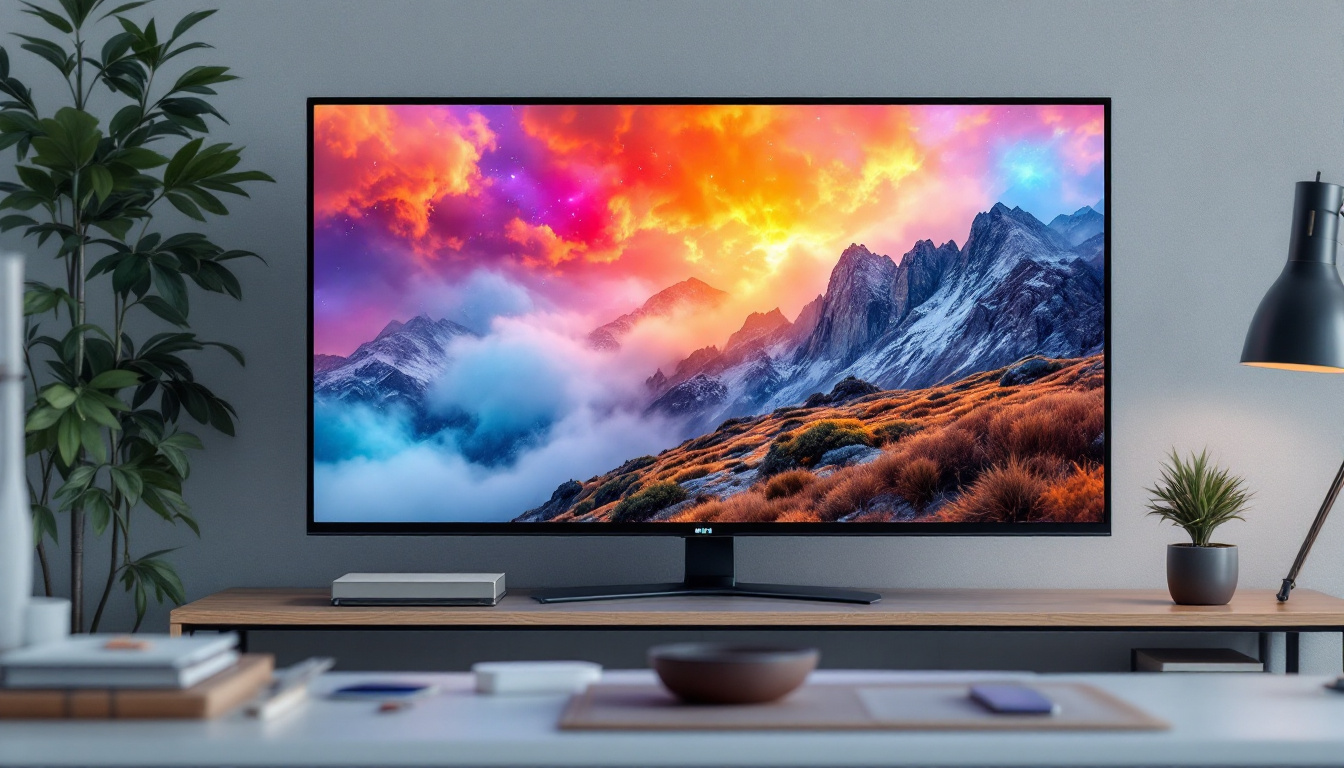
Modern LED displays can be configured in various sizes and resolutions, including large-format panels that rival or exceed the size of traditional projector screens. The technology supports high dynamic range (HDR), wide color gamuts, and excellent contrast ratios, which contribute to superior image quality. Additionally, advancements in LED technology have led to thinner and lighter designs, enabling easier installation and integration into various environments, from retail spaces to stadiums.
Types of LED Displays
There are several types of LED displays, each suited for different applications:
- Direct View LED (DVLED): These displays use LEDs as the pixels themselves, creating bright and vivid images ideal for large venues and outdoor settings. Their modular design allows for seamless scaling, making them perfect for advertising billboards and sports arenas.
- LED-backlit LCD: This technology uses LEDs as a backlight behind an LCD panel, common in consumer televisions and monitors. While they may not achieve the same level of brightness as direct view displays, they still offer improved energy efficiency and color accuracy compared to traditional fluorescent backlighting.
- MicroLED: An emerging technology that offers even finer pixel control and higher brightness levels, promising next-generation display quality. MicroLED displays are made up of microscopic LEDs that can be individually controlled, providing exceptional contrast and color reproduction, which is particularly beneficial for immersive viewing experiences.
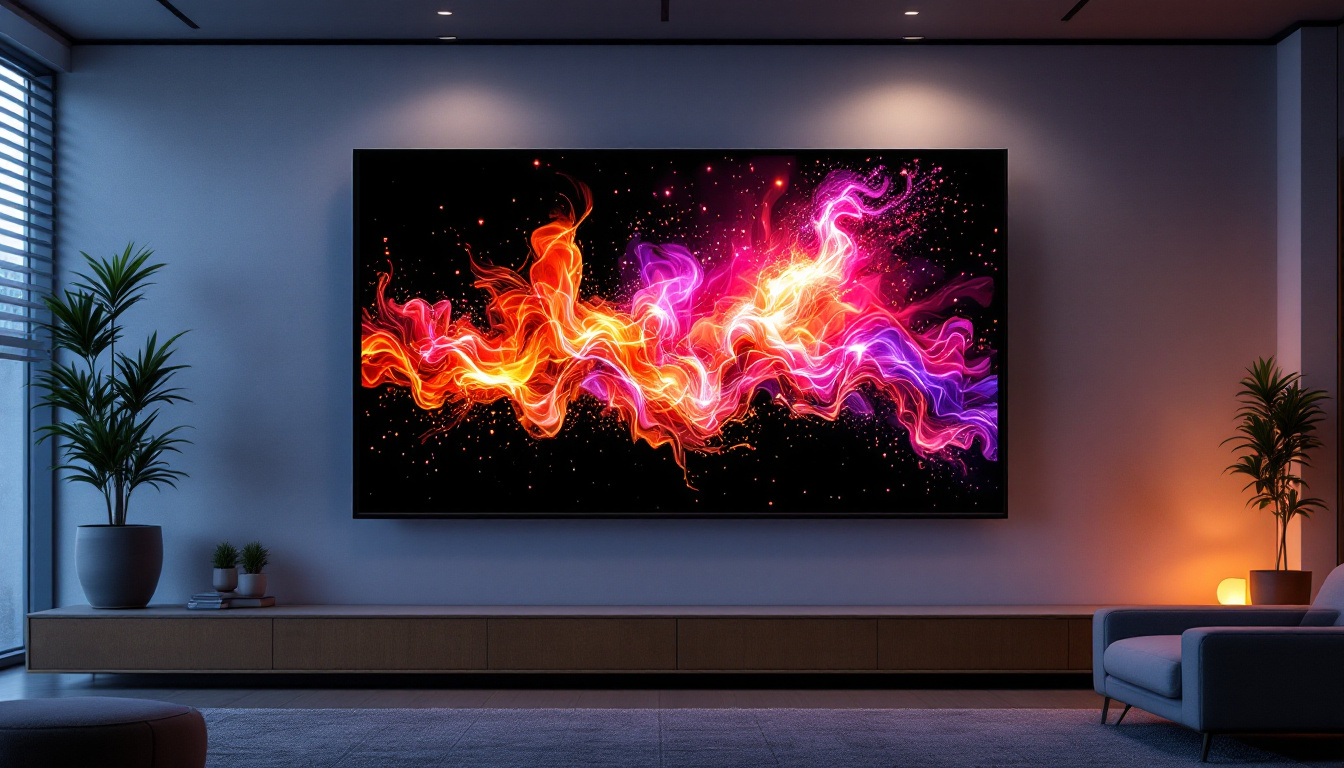
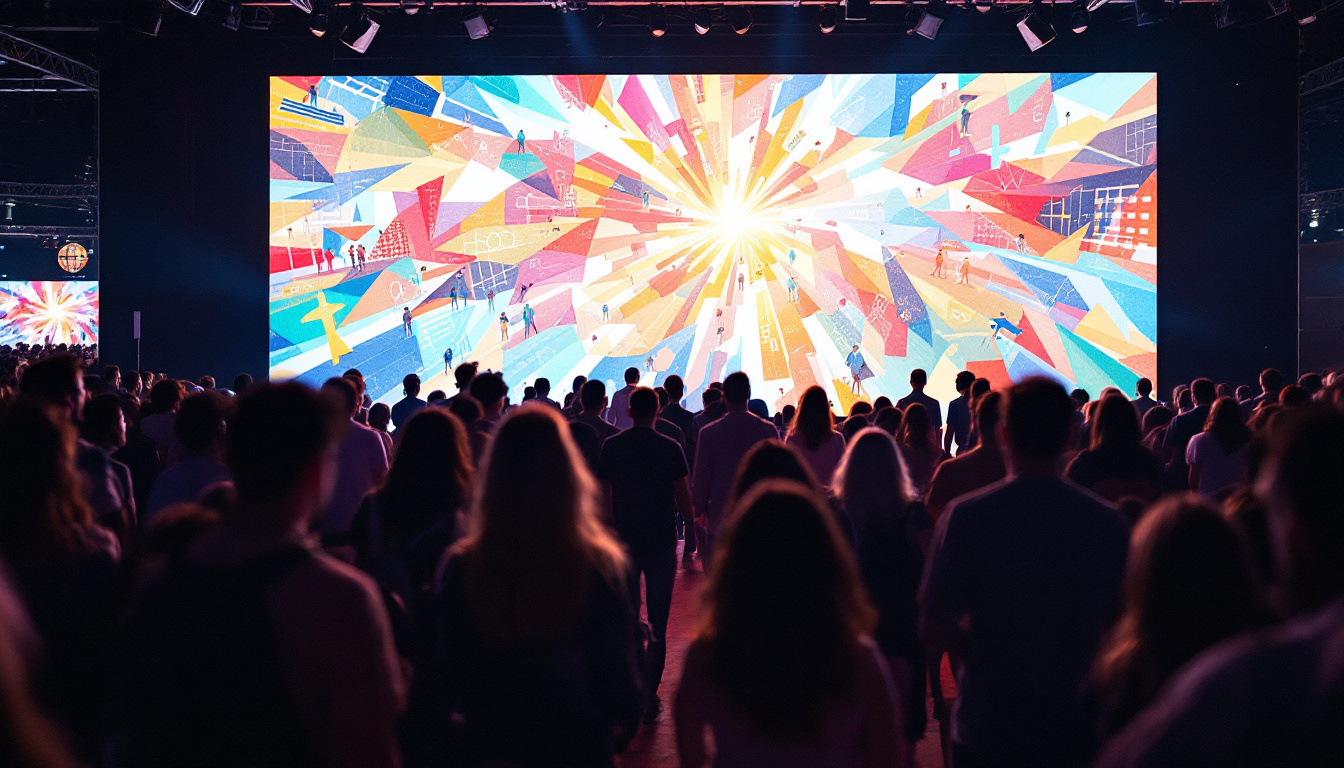
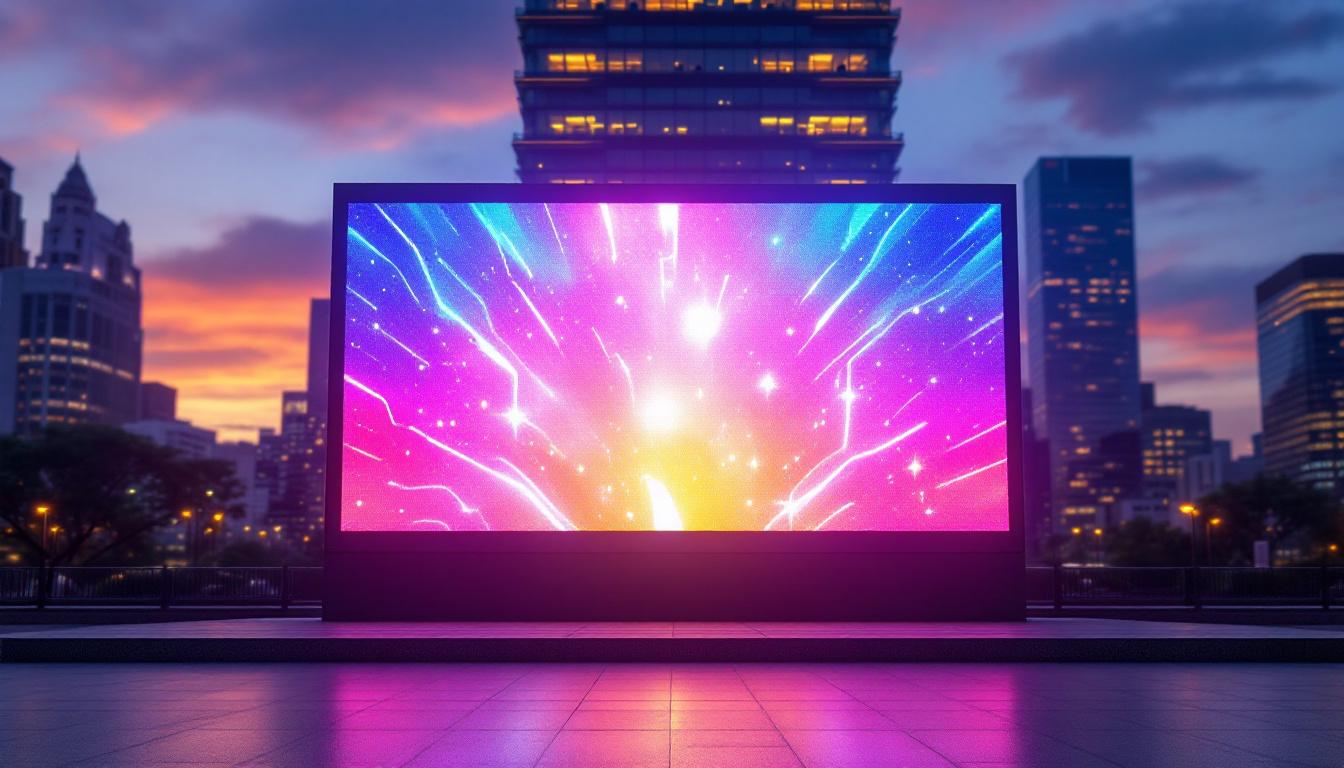
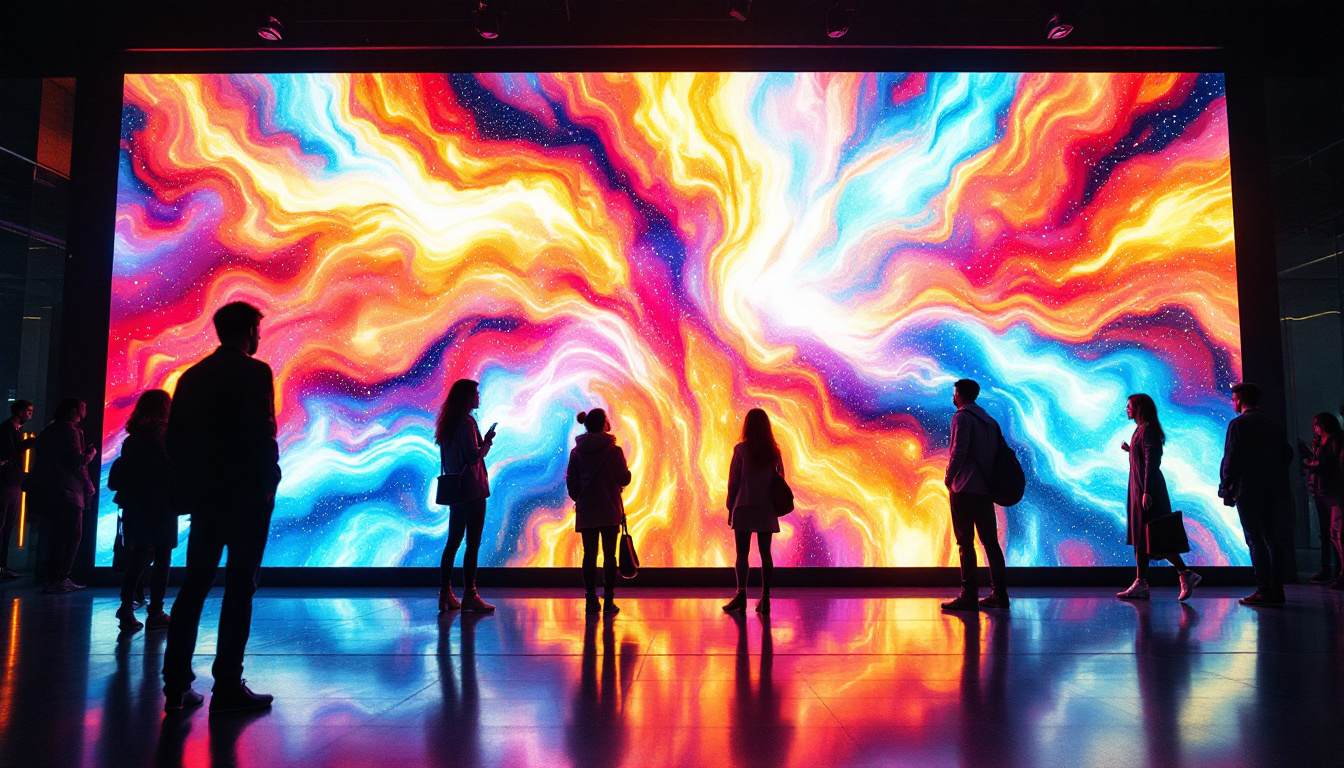
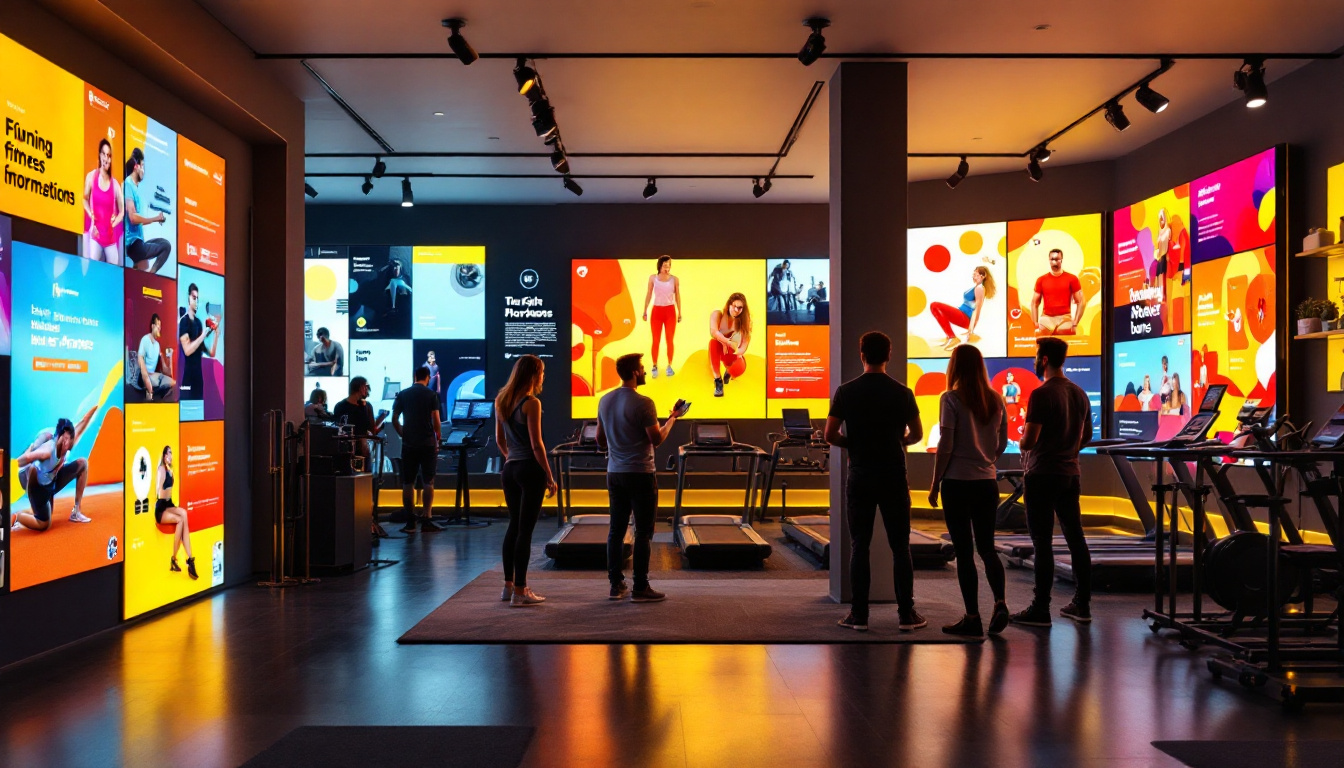
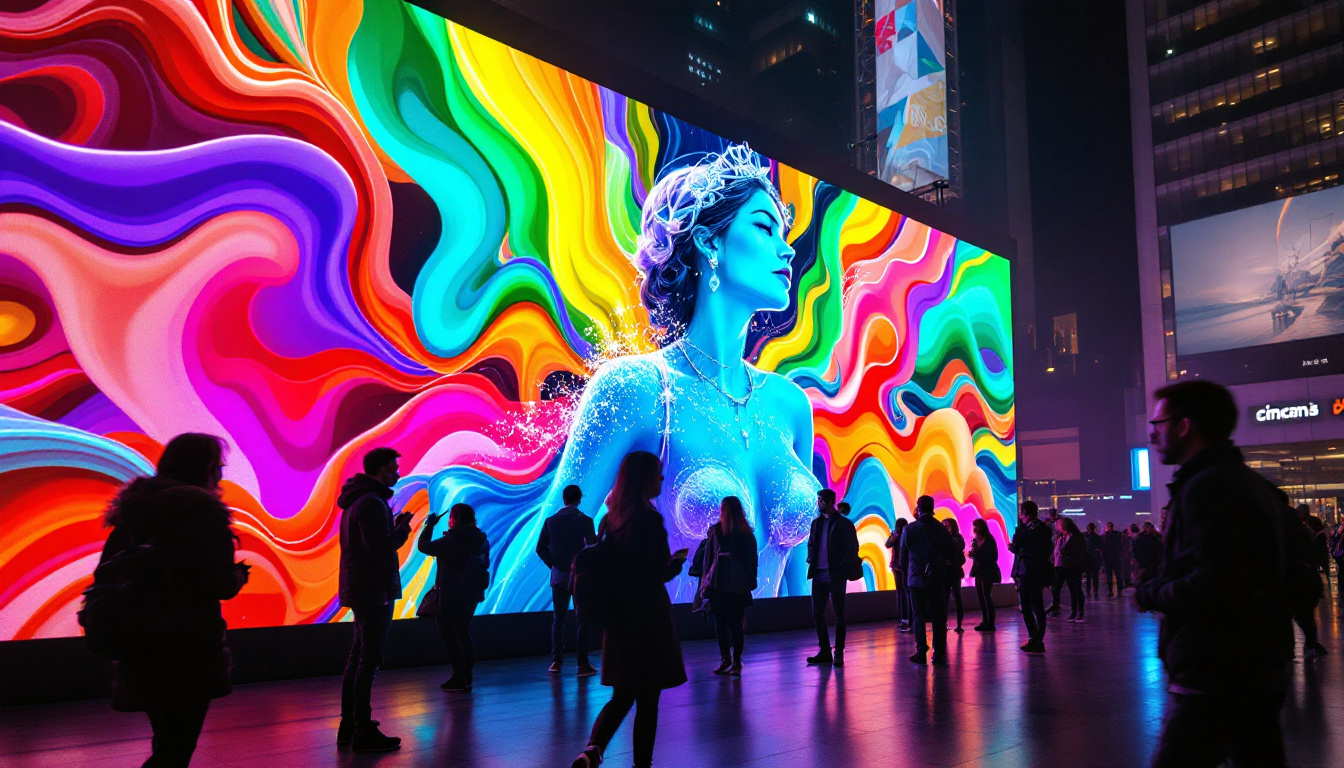
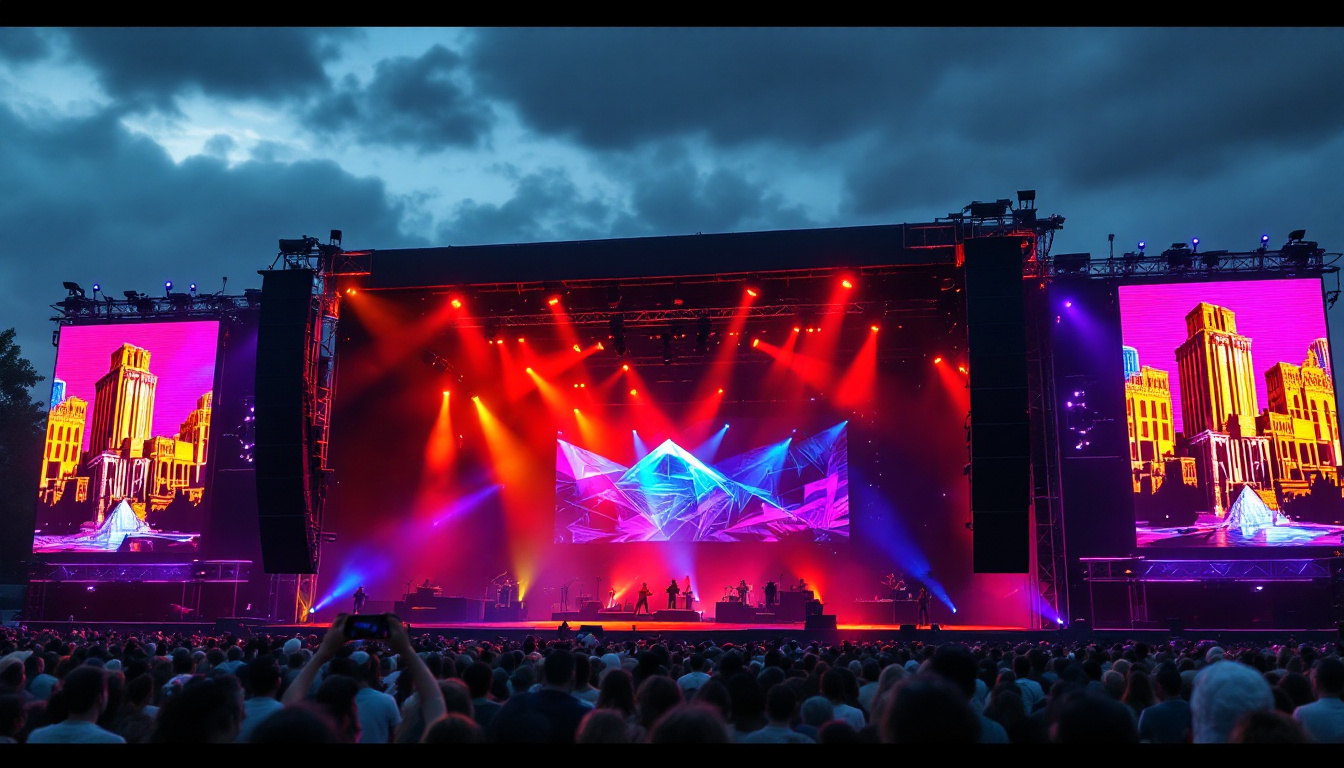
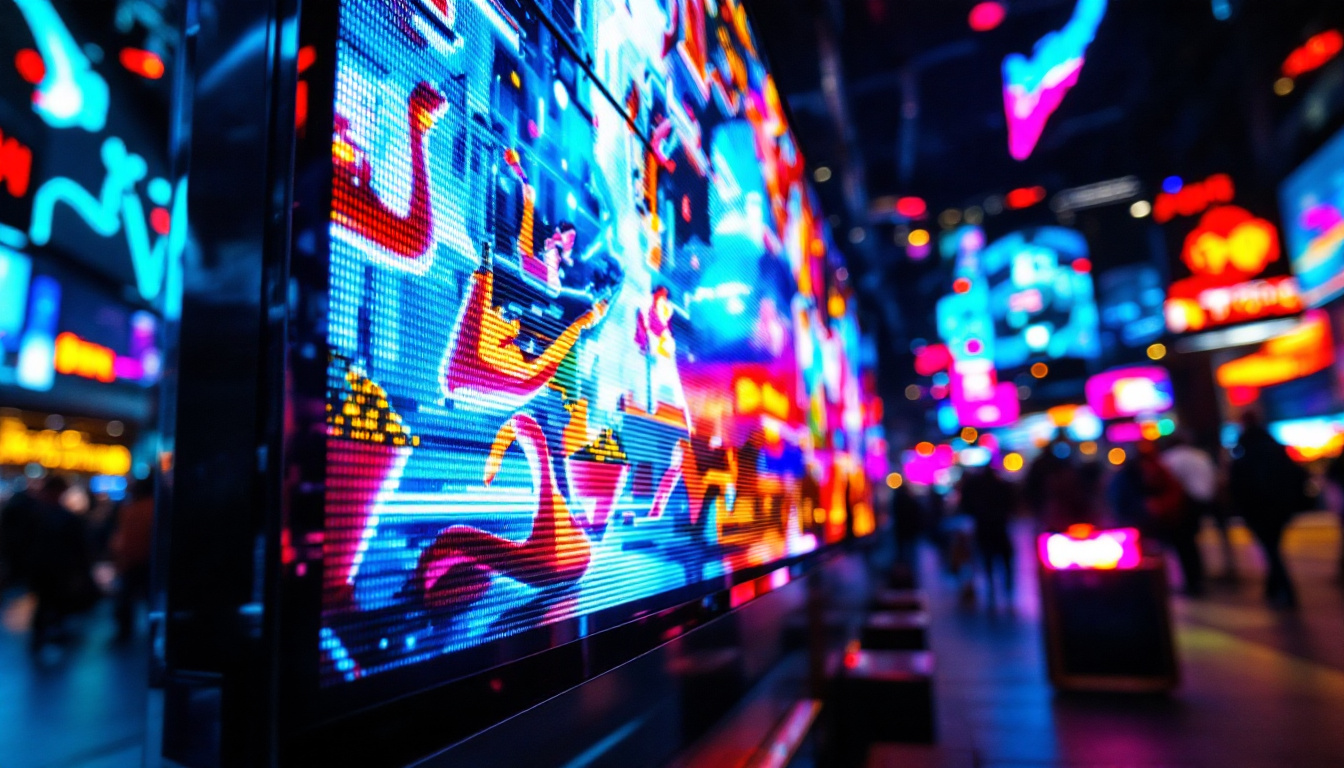
For the purposes of comparison with 110-inch projector screens, Direct View LED displays are most relevant due to their large size and direct light emission. These displays are often used in high-traffic areas where visual impact is crucial, such as shopping malls and concert venues. Furthermore, the durability of LED technology makes it suitable for outdoor use, as these displays can withstand harsh weather conditions while maintaining their performance. The versatility of LED displays extends beyond mere size; they can also be customized with various pixel pitches, allowing for tailored solutions based on viewing distance and application requirements.
As the demand for high-quality visual content continues to rise, the evolution of LED display technology is paving the way for innovative applications. For instance, the integration of smart features, such as connectivity to the Internet of Things (IoT), enables real-time content updates and interactivity, transforming how businesses engage with their audiences. This capability is particularly advantageous in advertising, where dynamic content can be adjusted based on factors like time of day or audience demographics, enhancing the effectiveness of marketing campaigns.
Comparing 110-Inch Projector Screens and LED Displays
Image Quality and Brightness
One of the primary considerations when choosing between a projector screen and an LED display is image quality. Projector screens depend on the projector’s light output, measured in lumens, and ambient lighting conditions. In well-lit rooms, projector images can appear washed out unless high-lumen projectors are used, which tend to be more expensive and generate more heat and noise.
LED displays, on the other hand, offer superior brightness that can exceed 1,000 nits, making them easily viewable even in brightly lit environments. Their self-emissive nature allows for deeper blacks and higher contrast ratios, which translates to more vivid and lifelike images.
Installation and Space Requirements
Projector screens are generally thin and lightweight, requiring minimal wall space. They can be retractable or fixed, providing flexibility in room usage. The projector itself needs to be mounted or placed at a specific distance to achieve optimal image size and focus.
LED displays are thicker and heavier, often requiring professional installation and structural support, especially for large sizes like 110 inches. However, they do not require a darkened room or projector placement, simplifying setup in some environments.
Cost Considerations
Traditionally, projector setups have been more cost-effective for large screen sizes. A 110-inch projector screen paired with a mid-range projector can be acquired for a few thousand dollars, depending on features and brand.
Conversely, LED displays have historically been more expensive, especially for Direct View LED panels at large sizes. However, prices have been declining steadily. According to market data from 2024, the cost per square foot of LED display panels has dropped by nearly 20% over the past two years, making them more accessible for commercial and residential use.
Maintenance and Longevity
Projectors require periodic maintenance, including lamp replacements (for lamp-based models), filter cleaning, and calibration. Lamp life typically ranges from 2,000 to 5,000 hours, though laser projectors offer longer lifespans up to 20,000 hours.
LED displays boast longer operational lifespans, often exceeding 50,000 hours with minimal degradation in brightness or color quality. They also require less maintenance, as there are no bulbs to replace or filters to clean. However, individual LED modules may need replacement over time, which can be costly.
Choosing the Right Display for Your Needs
Consider the Viewing Environment
Ambient lighting plays a critical role in display performance. For rooms with controlled lighting or the ability to darken the space, a 110-inch projector screen can deliver excellent image quality at a lower cost. In contrast, brightly lit environments such as conference rooms with large windows may benefit from the superior brightness of LED displays.
Evaluate Usage and Content Type
For applications requiring dynamic content such as digital signage, live video feeds, or interactive presentations, LED displays offer flexibility and superior image clarity. Projector screens remain ideal for cinematic experiences, educational content, and settings where a traditional theater feel is desired.
Budget and Long-Term Investment
While initial costs are important, consider the total cost of ownership, including maintenance, energy consumption, and potential upgrades. LED displays consume more power but require less maintenance, whereas projectors may have lower upfront costs but incur ongoing expenses for lamp replacements and calibration.
The Future of Large-Format Displays
Emerging Technologies and Trends
The display industry is rapidly evolving, with innovations like MicroLED and OLED panels pushing the boundaries of image quality and form factor. These technologies promise thinner, lighter, and more energy-efficient large-format displays that could redefine the market for both commercial and residential use.
Hybrid solutions are also emerging, combining projection with LED technology to optimize brightness and image quality in various environments.
Environmental Considerations
As sustainability becomes a priority, energy efficiency and material recyclability are influencing display technology development. LED displays generally offer better energy efficiency compared to traditional projectors, aligning with green building standards and corporate social responsibility goals.
Conclusion
Choosing between a 110-inch projector screen and an LED display involves weighing multiple factors including image quality, installation requirements, budget, and intended use. Projector screens remain a cost-effective and versatile option for many applications, especially in controlled lighting environments. Meanwhile, LED displays provide unmatched brightness, color accuracy, and durability, making them ideal for challenging lighting conditions and dynamic content presentation.
As technology advances and prices continue to evolve, the gap between these two display types narrows, offering consumers and businesses more options to tailor their visual experiences. Understanding the strengths and limitations of each will ensure that the chosen display solution meets both current needs and future expectations.
Discover LumenMatrix’s Advanced LED Display Solutions
Ready to elevate your visual experience with the latest in LED display technology? LumenMatrix specializes in a wide array of LED display modules designed to transform any space into a dynamic visual showcase. From vibrant Indoor LED Walls to robust Outdoor LED Displays, and from versatile Vehicle LED Displays to sleek LED Poster Displays, our solutions are crafted to meet your unique needs. Whether you’re looking to engage fans with an LED Sports Display, make a statement with a Floor LED Display, or innovate with a Custom LED Display, LumenMatrix has you covered. Embrace the future of visual communication with our All-in-One LED Displays and LED Transparent Displays. Check out LumenMatrix LED Display Solutions today and see how we can help you share your message with impact and clarity.