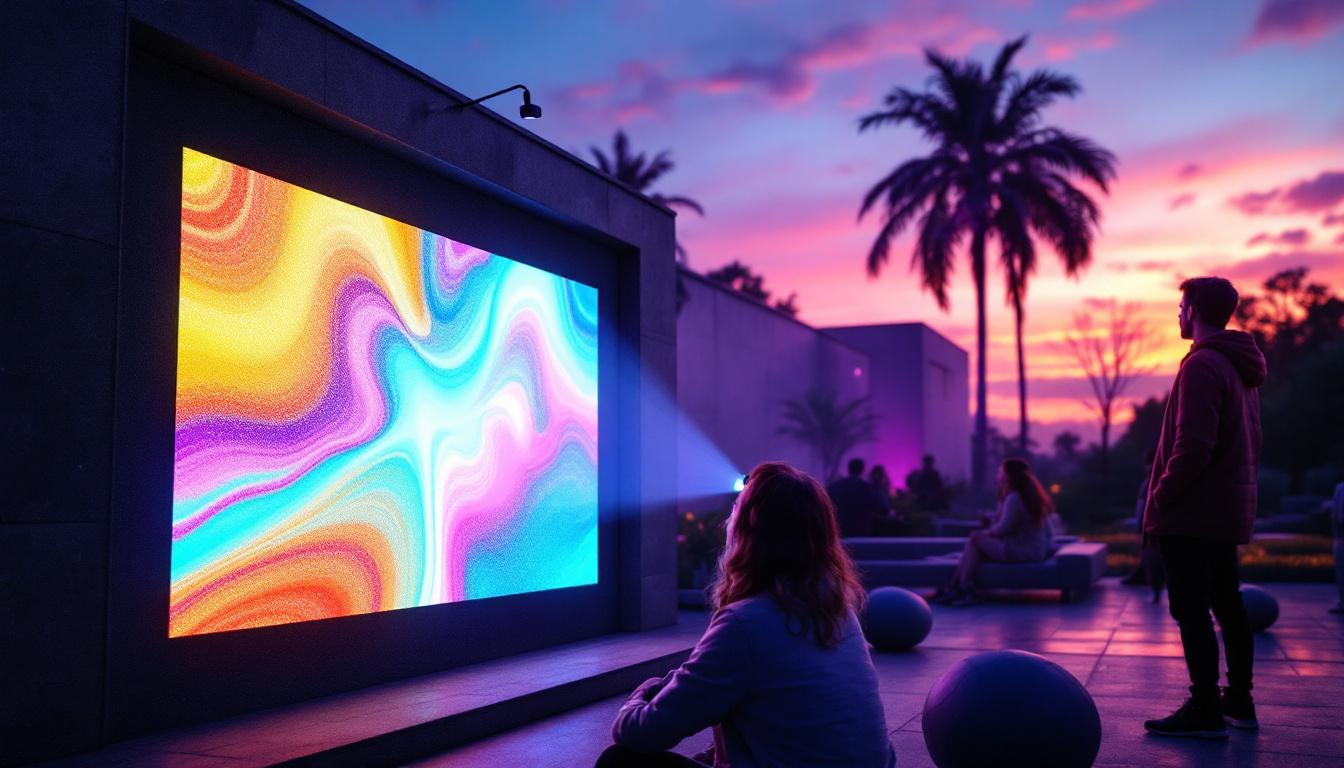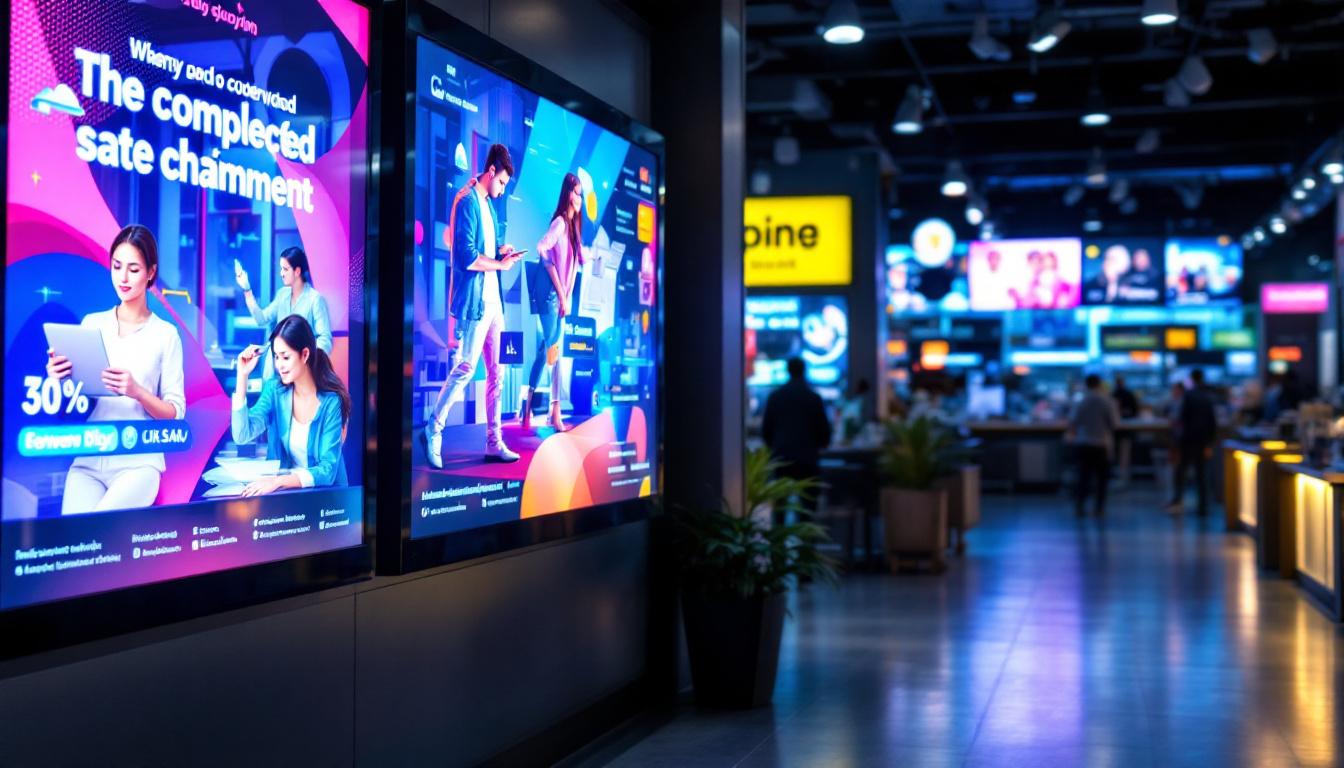
In today’s fast-paced commercial environment, capturing customer attention is more challenging than ever. Businesses are constantly seeking innovative ways to communicate their messages effectively, and one of the most powerful tools available is the LED display board. These vibrant, dynamic screens have revolutionized advertising and information dissemination, offering unparalleled visibility and engagement. This article delves into the world of business display boards, focusing on LED displays, their technology, benefits, and practical applications.
Understanding LED Display Technology
LED, or Light Emitting Diode, technology forms the backbone of modern digital display boards. Unlike traditional signage that relies on static images or printed materials, LED displays use tiny diodes that emit light when an electric current passes through them. This creates bright, colorful images that are visible even in direct sunlight.
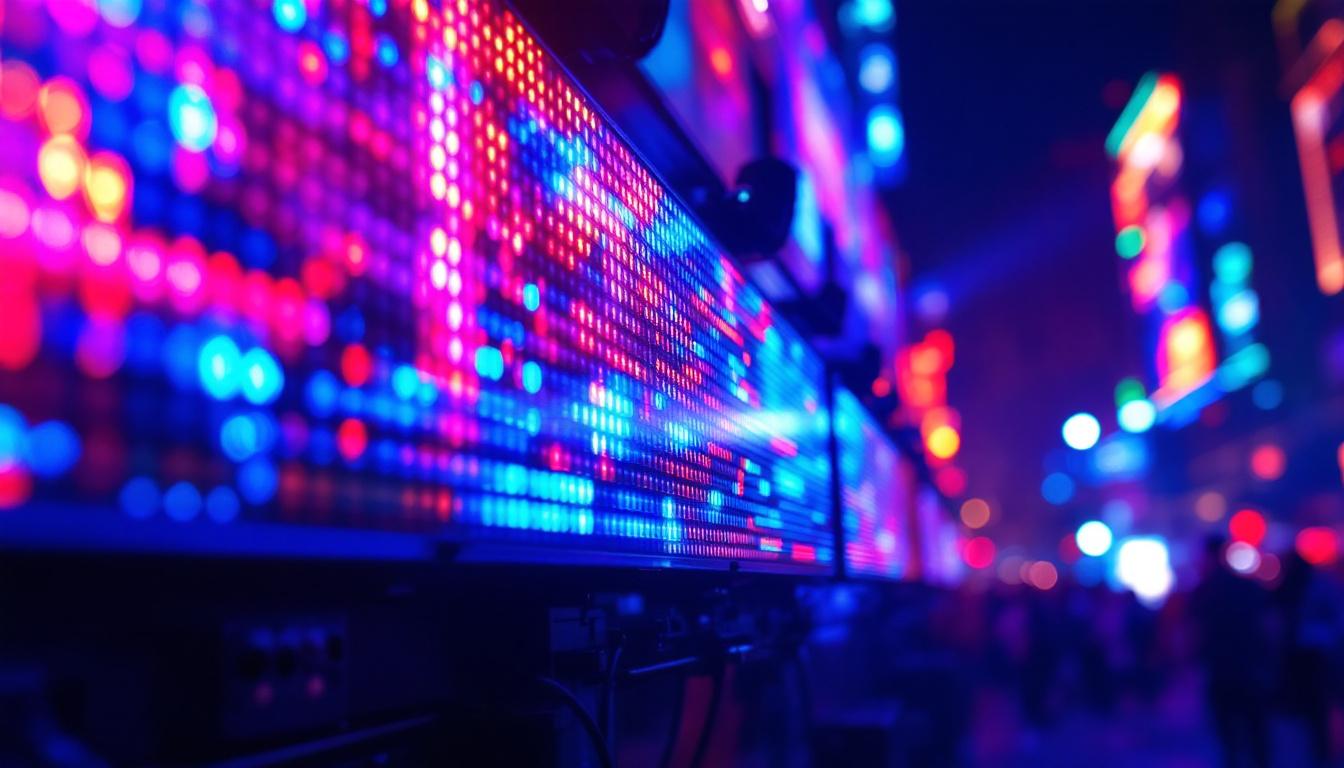
LED displays are composed of thousands to millions of these tiny diodes arranged in a matrix. Each diode can emit red, green, or blue light, and by varying the intensity of these colors, the display can produce a full spectrum of colors. This capability allows businesses to showcase vivid videos, animations, and high-resolution images, making their messages more eye-catching and memorable.
One of the key advantages of LED technology is its energy efficiency. Compared to older display technologies like neon or incandescent bulbs, LEDs consume significantly less power while delivering brighter illumination. This makes LED boards not only cost-effective in the long run but also environmentally friendly.
Types of LED Displays for Business Use
LED displays come in various forms tailored to different business needs. The most common types include:
- Indoor LED Displays: Designed for use inside buildings such as shopping malls, airports, or conference centers. These displays offer high resolution and brightness suitable for close viewing distances.
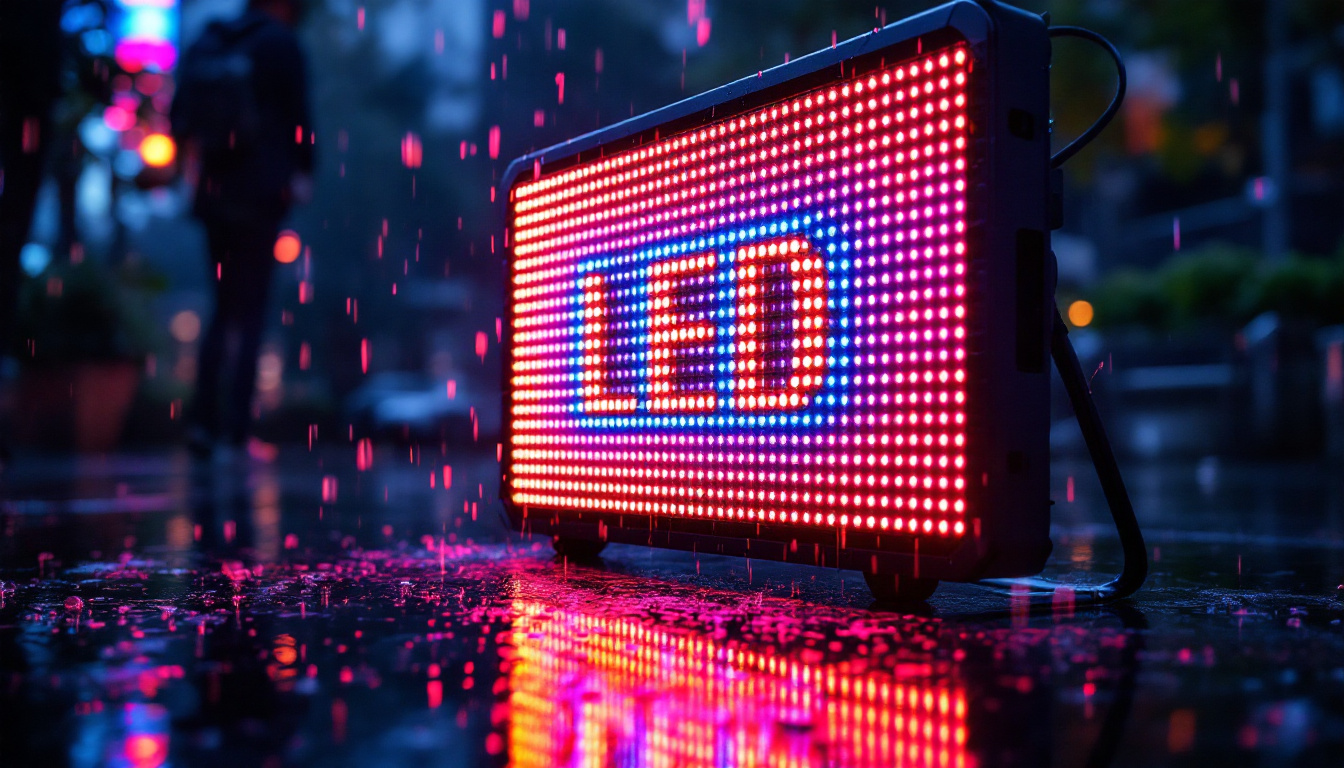
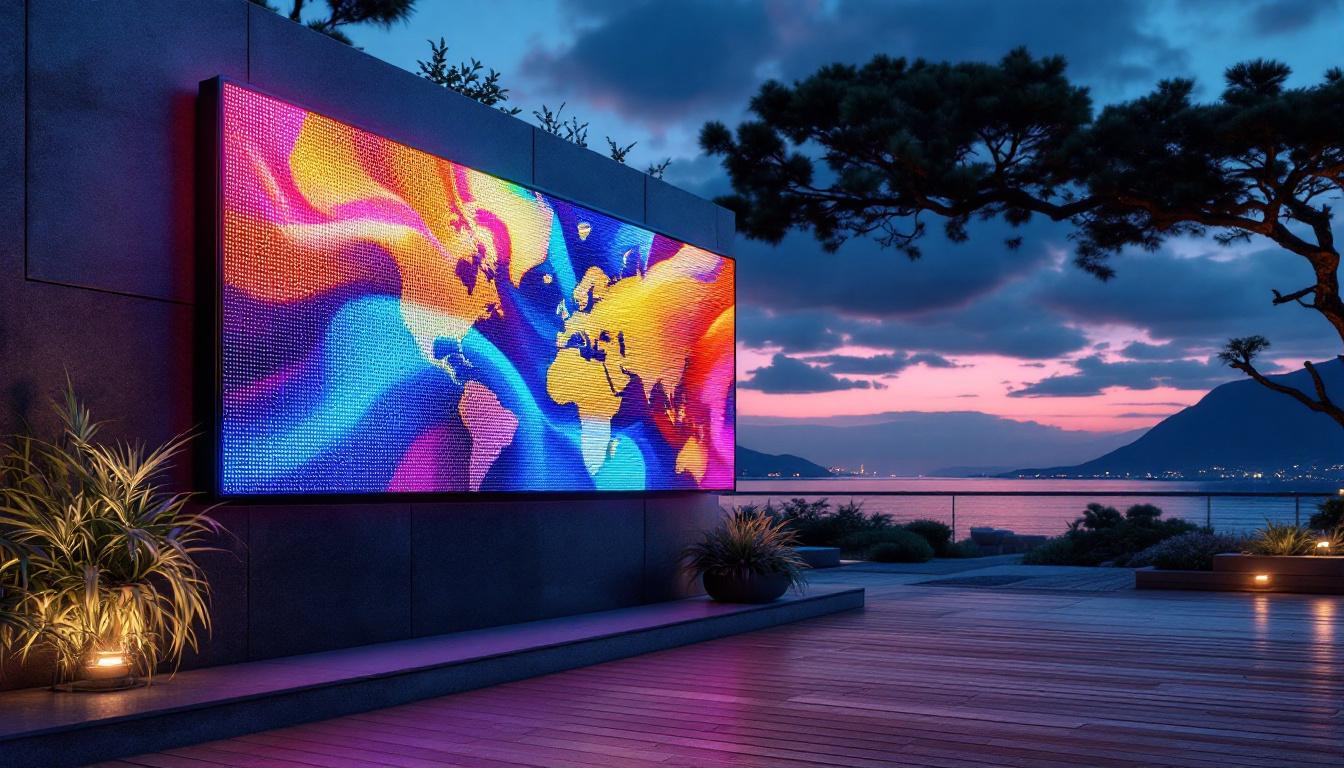
- Outdoor LED Displays: Built to withstand weather conditions like rain, wind, and sunlight. They feature higher brightness levels to remain visible in daylight and are often used for billboards, storefront signage, and event displays.
- Transparent LED Displays: These innovative screens allow light to pass through, making them ideal for glass windows or shopfronts. They enable businesses to maintain visibility inside while displaying dynamic content outside.
- Flexible LED Displays: Made with bendable materials, these can wrap around curved surfaces, opening creative possibilities for unique advertising formats.
In addition to these types, LED displays can also be categorized based on their pixel pitch, which refers to the distance between the centers of two adjacent pixels. A smaller pixel pitch results in higher resolution and is ideal for applications where viewers are closer to the display, such as in retail environments or trade shows. Conversely, larger pixel pitches are suitable for outdoor applications where viewers are typically at a greater distance, such as highway billboards.
Moreover, the integration of smart technology into LED displays has revolutionized how businesses interact with their audience. Many modern LED displays now come equipped with sensors and connectivity features, allowing for real-time updates and interactive content. This means businesses can tailor their messaging based on factors such as time of day, weather conditions, or audience demographics, enhancing engagement and driving customer action. As technology continues to evolve, the potential applications for LED displays in marketing and communication are virtually limitless.
Benefits of Using LED Display Boards in Business
LED display boards offer a range of advantages that make them a smart investment for businesses aiming to enhance their marketing and communication strategies.
Enhanced Visibility and Attraction
One of the primary reasons businesses choose LED displays is their ability to grab attention. The brightness and color vibrancy of LEDs make messages stand out in crowded environments. Studies have shown that digital signage can increase customer engagement by up to 30% compared to static signs. This heightened visibility is crucial for retail stores, restaurants, and service providers seeking to attract foot traffic.
In addition to their brightness, LED displays can be programmed to change colors and patterns, further enhancing their eye-catching appeal. For instance, a retail store might use a dynamic light show to draw in customers during a sale, creating a festive atmosphere that encourages impulse buying. Moreover, the ability to incorporate motion into the display can lead to a more memorable experience for passersby, making them more likely to remember the brand long after they’ve left the vicinity.
Dynamic and Flexible Content
Unlike traditional signs that require physical replacement to update content, LED boards allow instant changes through software. This flexibility enables businesses to tailor messages based on time of day, promotions, or special events. For example, a café can display breakfast specials in the morning and switch to lunch offers by noon without any manual intervention.
Moreover, LED displays support multimedia content including videos, animations, and real-time data feeds. This capability helps businesses communicate more engaging stories and keep their audience informed with up-to-date information such as weather, news, or social media feeds. Furthermore, the integration of QR codes or interactive elements can encourage customer participation, allowing them to engage with the content directly through their smartphones, which can lead to increased interaction and customer loyalty.
Cost-Effectiveness Over Time
While the initial investment in LED display technology can be higher than traditional signage, the long-term savings are significant. LED boards have a lifespan ranging from 50,000 to 100,000 hours, reducing the need for frequent replacements. Additionally, their low power consumption translates into lower electricity bills. Maintenance costs are also minimal due to the durability of LED components.
Moreover, businesses can leverage the cost-effectiveness of LED displays by utilizing them for multiple purposes. For example, a single LED board can serve as a promotional tool, an informational display, and even a digital directory, eliminating the need for multiple signs. This versatility not only saves money but also streamlines the visual communication strategy, ensuring a cohesive brand presence across various platforms.
Improved Brand Image and Professionalism
Modern LED displays convey a sense of innovation and professionalism. Businesses utilizing this technology are often perceived as forward-thinking and customer-focused. This positive impression can enhance brand loyalty and differentiate companies from competitors relying on outdated signage methods.
Additionally, the aesthetic appeal of LED displays can significantly enhance the overall ambiance of a business environment. For instance, a well-designed LED display in a hotel lobby can create an inviting atmosphere, showcasing the establishment’s commitment to modernity and guest experience. This not only attracts potential customers but also reinforces the brand’s identity as a leader in its industry, ultimately contributing to long-term success and recognition in the marketplace.
Practical Applications of LED Display Boards in Business
LED display boards have found widespread adoption across various industries, each leveraging the technology to meet unique communication needs.
Retail and Shopping Centers
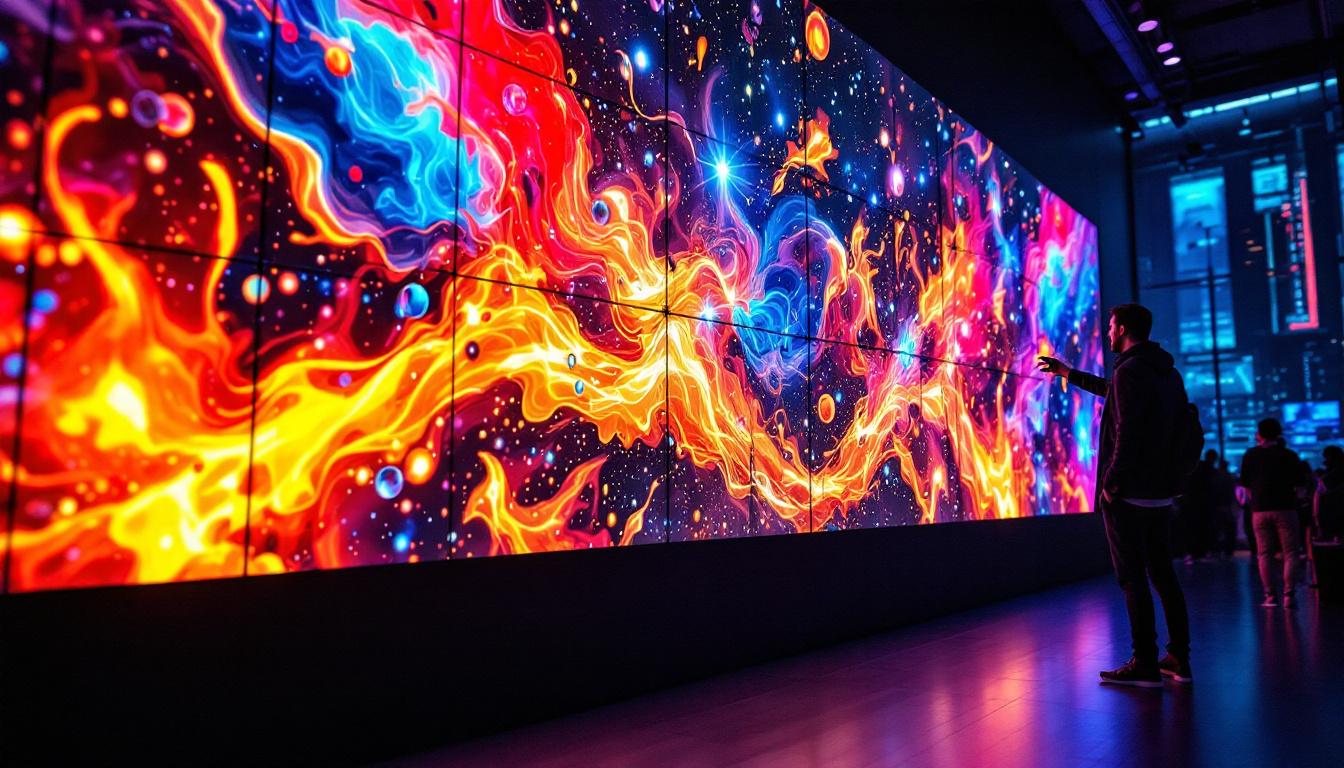
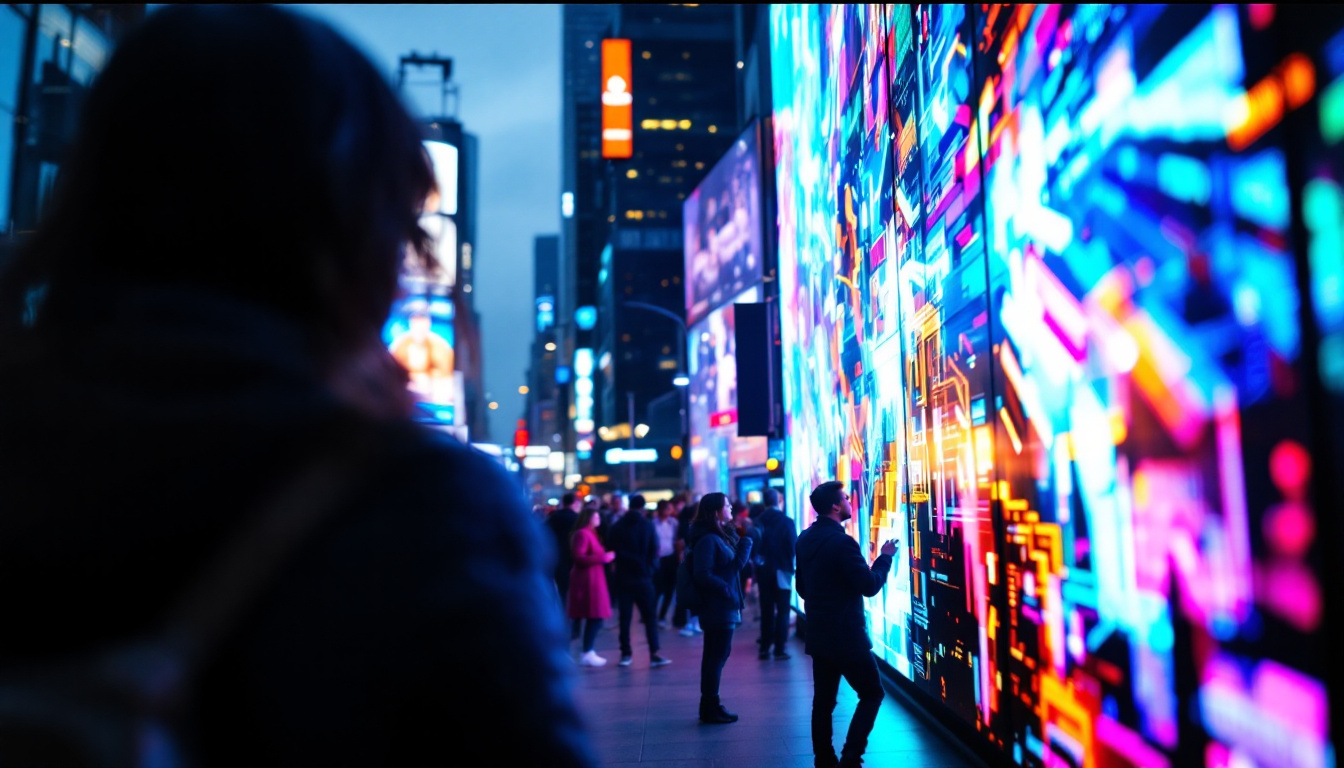
Retailers use LED displays to highlight promotions, new arrivals, and special events. Large LED video walls inside malls create immersive experiences that draw shoppers’ attention. Additionally, outdoor LED billboards positioned near storefronts increase visibility to passing traffic, driving more customers inside.
Hospitality and Restaurants
Restaurants and cafes benefit from LED menu boards that can be updated in real-time to reflect menu changes, daily specials, or limited-time offers. Hotels use LED displays in lobbies for wayfinding, event schedules, and promotional content, enhancing guest experience and operational efficiency.
Transportation and Public Spaces
Airports, train stations, and bus terminals rely on LED displays to provide real-time information such as arrivals, departures, delays, and safety announcements. These displays improve passenger flow and reduce confusion, contributing to smoother operations.
Corporate and Event Venues
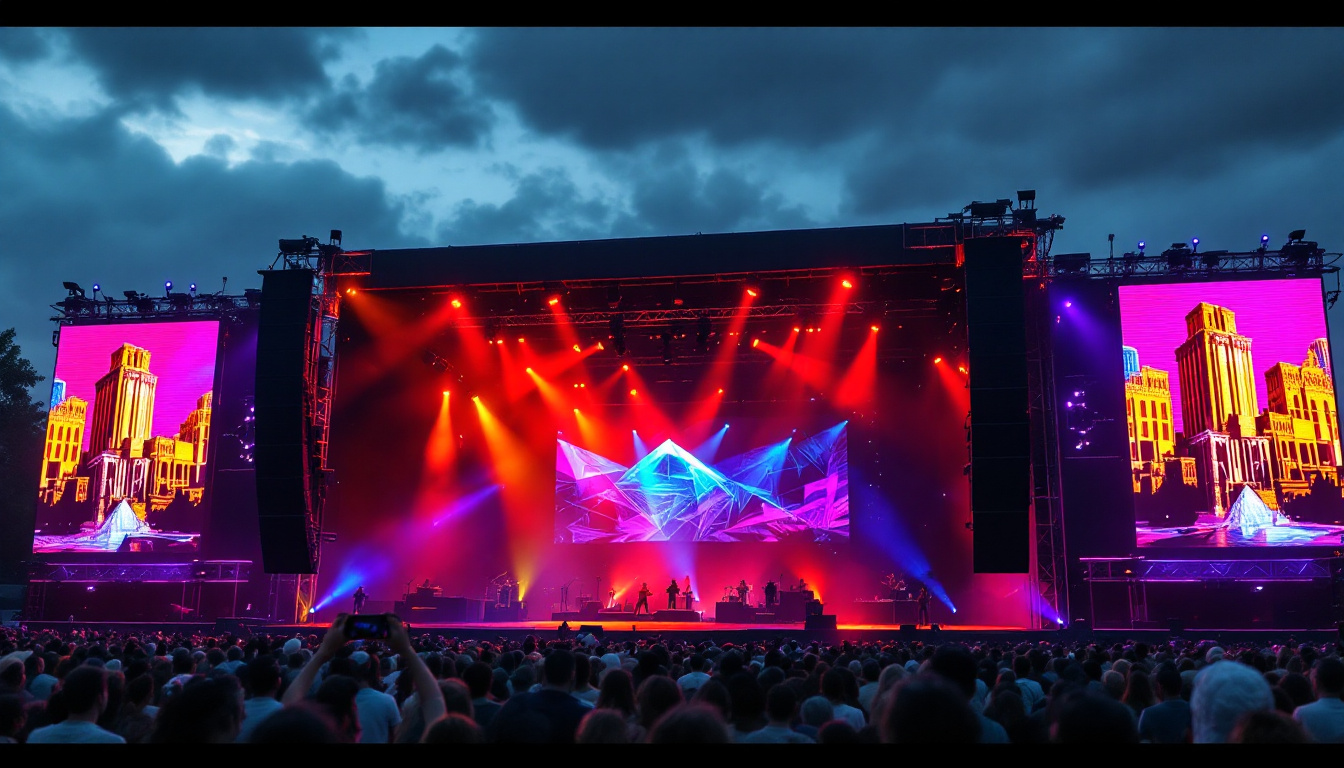
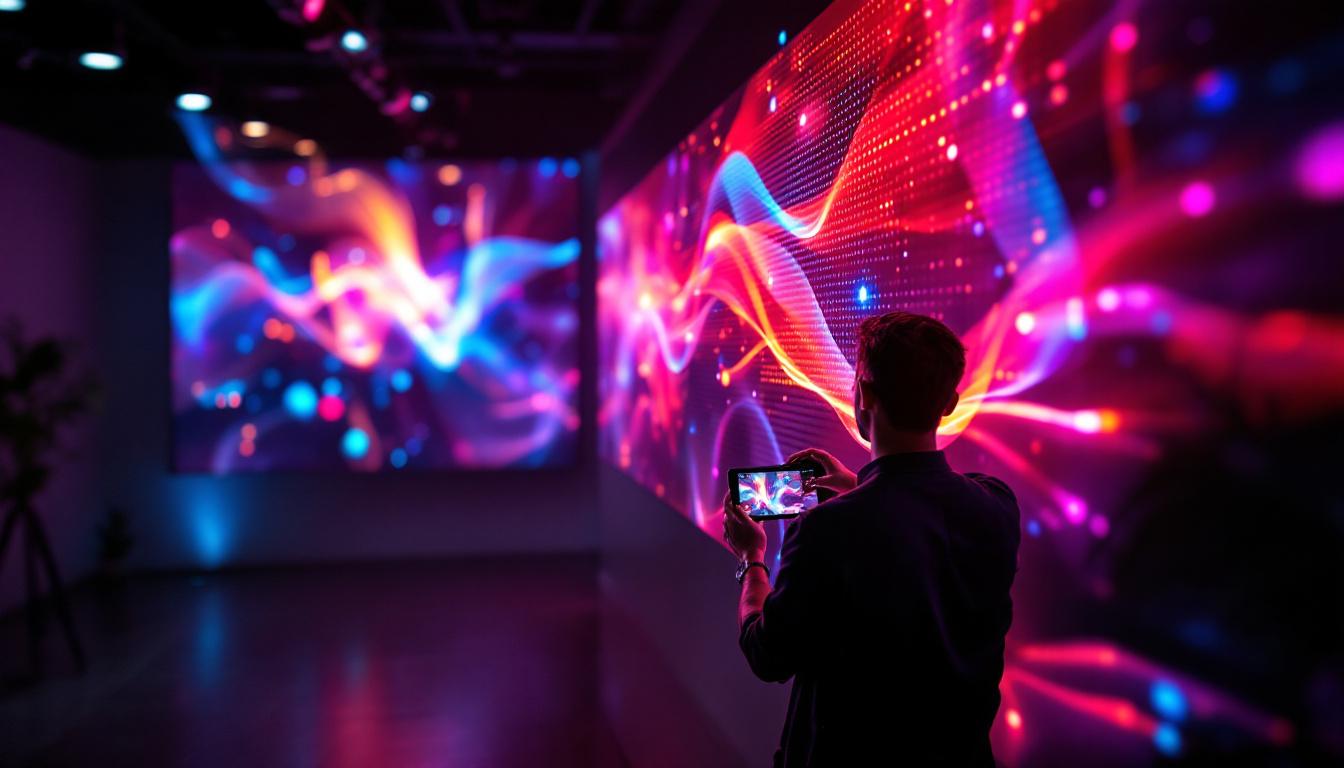
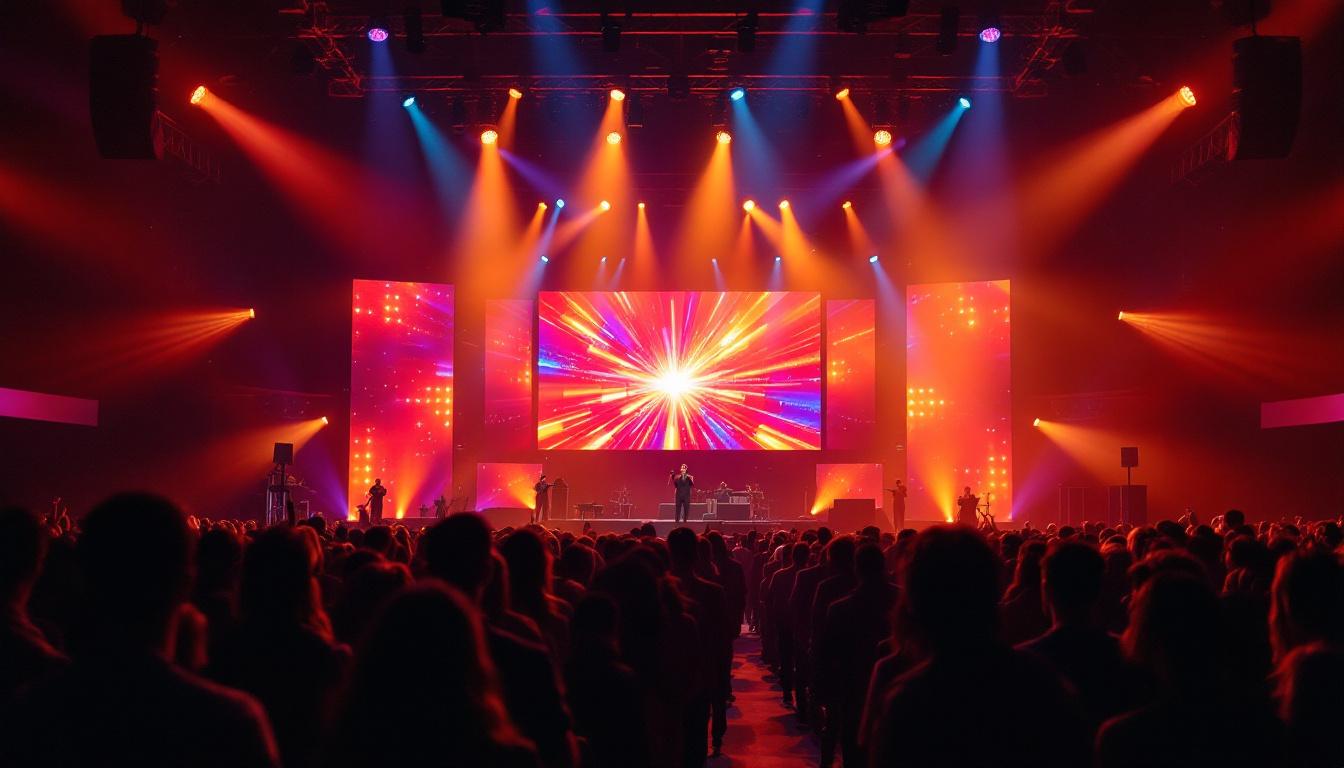
Businesses utilize LED screens in conference rooms, trade shows, and corporate events to present information dynamically. These displays facilitate better communication during presentations and create impactful branding opportunities during exhibitions.
Key Considerations When Choosing an LED Display Board
Selecting the right LED display board requires careful evaluation of several factors to ensure it meets business objectives effectively.
Resolution and Pixel Pitch
The resolution of an LED display is determined by its pixel pitch—the distance between individual LEDs. A smaller pixel pitch means higher resolution and sharper images, which is critical for indoor displays viewed up close. Outdoor displays can have a larger pixel pitch since viewing distances are greater. Choosing the appropriate resolution balances image quality with cost.
Brightness and Contrast Ratio
Brightness is measured in nits, and outdoor LED displays typically require 5,000 to 8,000 nits to remain visible in daylight. Indoor displays usually operate at 800 to 1,500 nits. High contrast ratios enhance image clarity and make colors pop, improving overall visual impact.
Durability and Weather Resistance
For outdoor installations, it is vital to select LED boards with robust enclosures rated for water and dust resistance (commonly IP65 or higher). This ensures longevity and consistent performance despite exposure to harsh environmental conditions.
Control Systems and Software
Modern LED displays come with sophisticated control software that allows easy content management, scheduling, and remote updates. Businesses should consider user-friendly interfaces and compatibility with existing IT infrastructure to maximize operational efficiency.
Installation and Maintenance
Proper installation is crucial for safety and optimal performance. Professional installation services can ensure correct mounting, wiring, and calibration. Additionally, understanding maintenance requirements and support options helps minimize downtime and extend the display’s lifespan.
Future Trends in LED Display Technology
The LED display industry continues to evolve rapidly, driven by advances in materials, design, and integration with digital ecosystems.
MicroLED and MiniLED Innovations
Emerging MicroLED and MiniLED technologies offer even higher resolution, better color accuracy, and improved energy efficiency. These developments promise to push the boundaries of display quality, making screens thinner, brighter, and more flexible.
Integration with IoT and AI
Smart LED displays connected to the Internet of Things (IoT) can collect and analyze data to deliver personalized content. Artificial intelligence (AI) enables dynamic adjustments based on audience demographics, weather conditions, or traffic patterns, optimizing communication effectiveness.
Augmented Reality (AR) and Interactive Displays
Future LED boards may incorporate AR elements and touch interactivity, allowing customers to engage directly with content. This immersive experience can enhance brand interaction and provide valuable insights into consumer behavior.
Conclusion
LED display boards have transformed business communication by offering vibrant, flexible, and cost-effective solutions for advertising and information sharing. Their ability to deliver dynamic content with high visibility makes them indispensable tools across industries. As technology advances, LED displays will continue to evolve, providing even more innovative ways for businesses to connect with their audiences. Investing in the right LED display board, tailored to specific needs and environments, can significantly enhance brand presence and customer engagement in today’s competitive marketplace.
Discover LumenMatrix LED Display Solutions
Ready to elevate your business communication with vibrant, flexible, and energy-efficient LED displays? Look no further than LumenMatrix, a pioneer in LED display technology. Our comprehensive range of solutions, including Indoor and Outdoor LED Wall Displays, Vehicle LED Displays, LED Poster Displays, LED Sports Displays, Floor LED Displays, Custom LED Displays, All-in-One LED Displays, and LED Transparent Displays, are designed to captivate your audience and amplify your message. Embrace the future of visual communication with LumenMatrix and create unforgettable visual experiences. Check out LumenMatrix LED Display Solutions today and transform your brand’s presence in the marketplace.