Outdoor video projectors have become increasingly popular for home entertainment, business presentations, and public events. Among the various technologies available, LED display projectors stand out for their brightness, durability, and energy efficiency. This article explores the fundamentals of LED display technology in outdoor video projectors, how it compares to other projection methods, and what to consider when choosing the right projector for your outdoor needs.
Understanding LED Display Technology in Outdoor Projectors
LED, or Light Emitting Diode, technology has revolutionized the way images are projected outdoors. Unlike traditional lamp-based projectors that use high-intensity bulbs, LED projectors rely on arrays of LEDs to produce light. This fundamental difference impacts performance, maintenance, and overall user experience.
How LED Projectors Work
At the core of an LED projector is a series of red, green, and blue LEDs that combine to create the full spectrum of colors needed for a vivid image. These LEDs are directed through optical components such as lenses and mirrors to project the image onto a screen or surface. Because LEDs can be turned on and off rapidly, they enable precise control over brightness and color accuracy.
Furthermore, LED projectors typically use a digital micromirror device (DMD) or liquid crystal on silicon (LCoS) to modulate the light, enhancing image sharpness and contrast. The absence of a traditional lamp means there is no warm-up time, and the projector can achieve full brightness almost instantly.
Advantages of LED Technology for Outdoor Use
One of the most significant benefits of LED projectors for outdoor applications is their durability. LEDs have a lifespan of up to 30,000 to 50,000 hours, which far exceeds that of conventional projector lamps that often require replacement after 2,000 to 5,000 hours. This longevity is particularly advantageous for outdoor setups where maintenance can be more challenging.
Additionally, LED projectors are more energy-efficient, consuming less power while delivering bright, vibrant images. This efficiency is crucial for outdoor events where power sources might be limited or reliant on portable generators.
LEDs also generate less heat compared to traditional lamps, reducing the risk of overheating and allowing for more compact and lightweight projector designs. This portability is a key factor for outdoor enthusiasts and event organizers who need to transport and set up equipment quickly.
Comparing LED Projectors with Other Outdoor Projection Technologies
While LED projectors offer many benefits, it is essential to understand how they compare with other common projection technologies such as laser and lamp-based projectors.
LED vs. Lamp-Based Projectors
Lamp-based projectors have been the standard for decades, using high-intensity discharge (HID) lamps to produce bright light. These lamps typically offer high brightness levels, sometimes exceeding 3,000 lumens, which is beneficial for projecting images in environments with ambient light.
However, lamp-based projectors come with several drawbacks. Their lamps have a limited lifespan and require replacement, which can be costly and inconvenient. They also consume more power and generate more heat, necessitating larger cooling systems. For outdoor use, where conditions can be unpredictable, lamp-based projectors may be less reliable and more maintenance-intensive.
In contrast, LED projectors provide consistent brightness over their lifespan without the need for lamp replacements. Although traditionally LED projectors had lower brightness levels compared to lamp-based models, recent advancements have narrowed this gap, with many LED projectors now delivering between 1,000 to 3,000 lumens, suitable for most outdoor scenarios, especially in low-light conditions.
LED vs. Laser Projectors
Laser projectors represent another advanced technology that competes with LED projectors. They use laser diodes as a light source, offering extremely high brightness, excellent color accuracy, and long lifespans similar to LEDs.
Laser projectors are often preferred for large-scale outdoor events such as concerts and sports broadcasts due to their ability to project bright images over long distances, sometimes exceeding 5,000 lumens. However, they tend to be more expensive and bulkier than LED projectors, which can limit their practicality for casual or home outdoor use.
LED projectors, while typically less bright than laser models, are more affordable and energy-efficient, making them ideal for backyard movie nights, small gatherings, and portable setups.
Key Features to Consider When Choosing an Outdoor LED Projector
Selecting the right LED projector for outdoor use depends on several factors, including brightness, resolution, connectivity, and durability. Understanding these features helps ensure the projector meets specific needs and environmental conditions.
Brightness and Lumens
Brightness is measured in lumens and is a critical factor for outdoor projection. Ambient light from street lamps, the moon, or nearby buildings can wash out the image if the projector is not bright enough. For nighttime outdoor viewing, a projector with 1,000 to 2,500 lumens is generally sufficient.
For daytime or well-lit environments, higher brightness levels are necessary. Some LED projectors now offer up to 3,000 lumens, but if extremely bright projection is required, a laser or lamp-based projector might be more suitable.
Resolution and Image Quality
Resolution determines the sharpness and clarity of the projected image. Common resolutions include 720p (HD), 1080p (Full HD), and 4K (Ultra HD). For outdoor movie nights or presentations, 1080p is often the sweet spot, balancing image quality with price.
Higher resolution projectors provide crisper images, which is especially important when projecting detailed content or large images. However, higher resolution projectors may come at a premium cost.
Portability and Setup
Outdoor projectors should be easy to transport and set up. LED projectors are generally compact and lightweight, making them ideal for outdoor use. Features such as built-in speakers, wireless connectivity, and battery power can enhance portability and convenience.
Some models include tripod mounts or rugged housings designed to withstand outdoor conditions, including moisture and dust. These features are important for users who frequently move their projector between locations or use it in unpredictable weather.
Connectivity Options
Modern LED projectors offer a variety of connectivity options, including HDMI, USB, Wi-Fi, and Bluetooth. Wireless connectivity allows streaming content directly from smartphones, tablets, or laptops without cumbersome cables.
For outdoor events, having multiple input options ensures compatibility with different devices, from media players to gaming consoles. Some projectors also support screen mirroring technologies like Miracast or AirPlay, adding to their versatility.
Durability and Weather Resistance
Outdoor environments expose projectors to dust, humidity, and temperature fluctuations. While most LED projectors are designed for indoor use, some models come with weather-resistant features or protective casings to withstand mild outdoor conditions.
When planning permanent outdoor installations or frequent outdoor use, consider projectors with an IP rating indicating resistance to water and dust. Additionally, investing in protective covers and proper mounting solutions can extend the projector’s lifespan.
Popular Uses of Outdoor LED Projectors
LED projectors have found diverse applications in outdoor settings, from personal entertainment to professional use.
Home Entertainment and Backyard Movie Nights
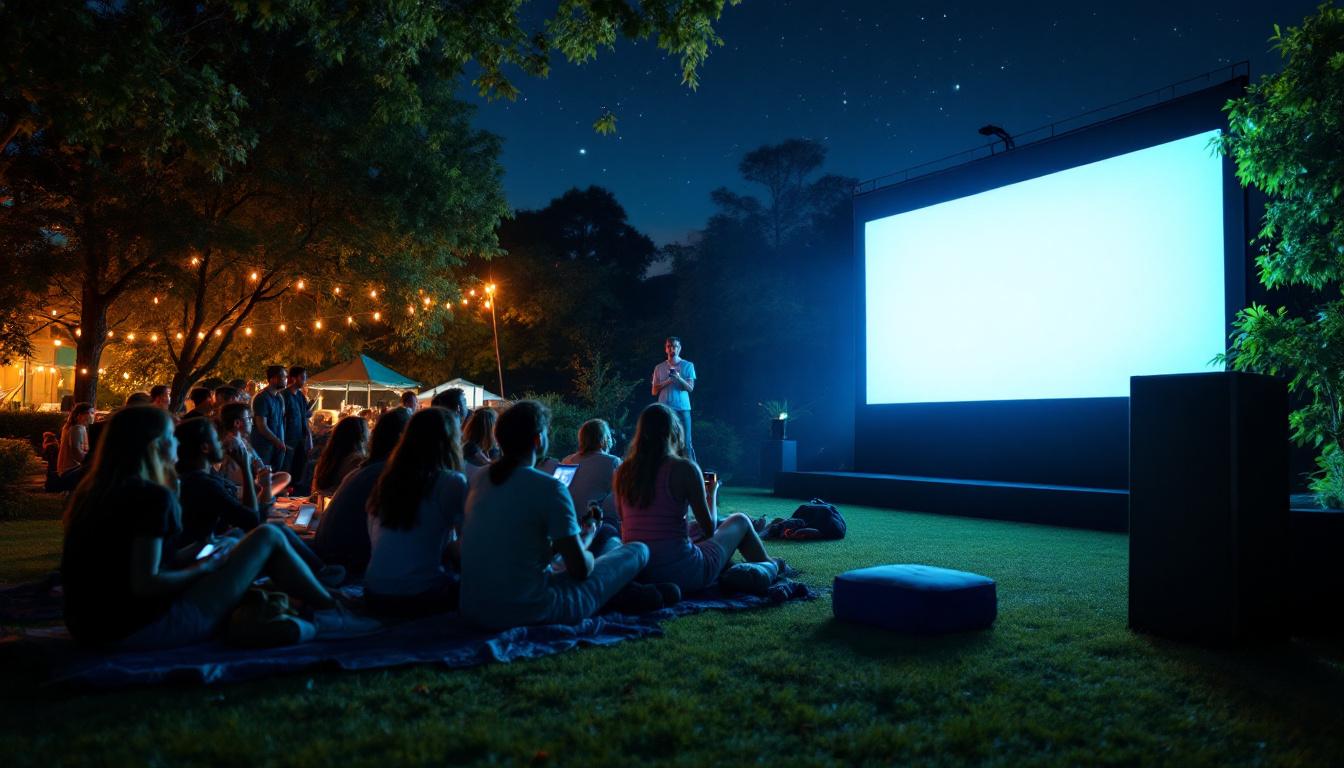
One of the most common uses of outdoor LED projectors is for home entertainment. Families and friends gather in backyards to watch movies, sports, or gaming sessions projected on a large screen or wall. The portability and ease of setup of LED projectors make them ideal for these casual events.
LED projectors’ long lifespan and low maintenance are particularly beneficial for users who want a hassle-free experience without the need to replace bulbs or perform frequent upkeep.
Business and Educational Presentations
Businesses and educational institutions increasingly use outdoor LED projectors for presentations, workshops, and training sessions. The ability to project clear images in various lighting conditions, combined with wireless connectivity, facilitates interactive and engaging sessions.
Outdoor spaces can provide a refreshing alternative to traditional indoor meeting rooms, especially in warm climates or during health-related restrictions on indoor gatherings.
Public Events and Advertising
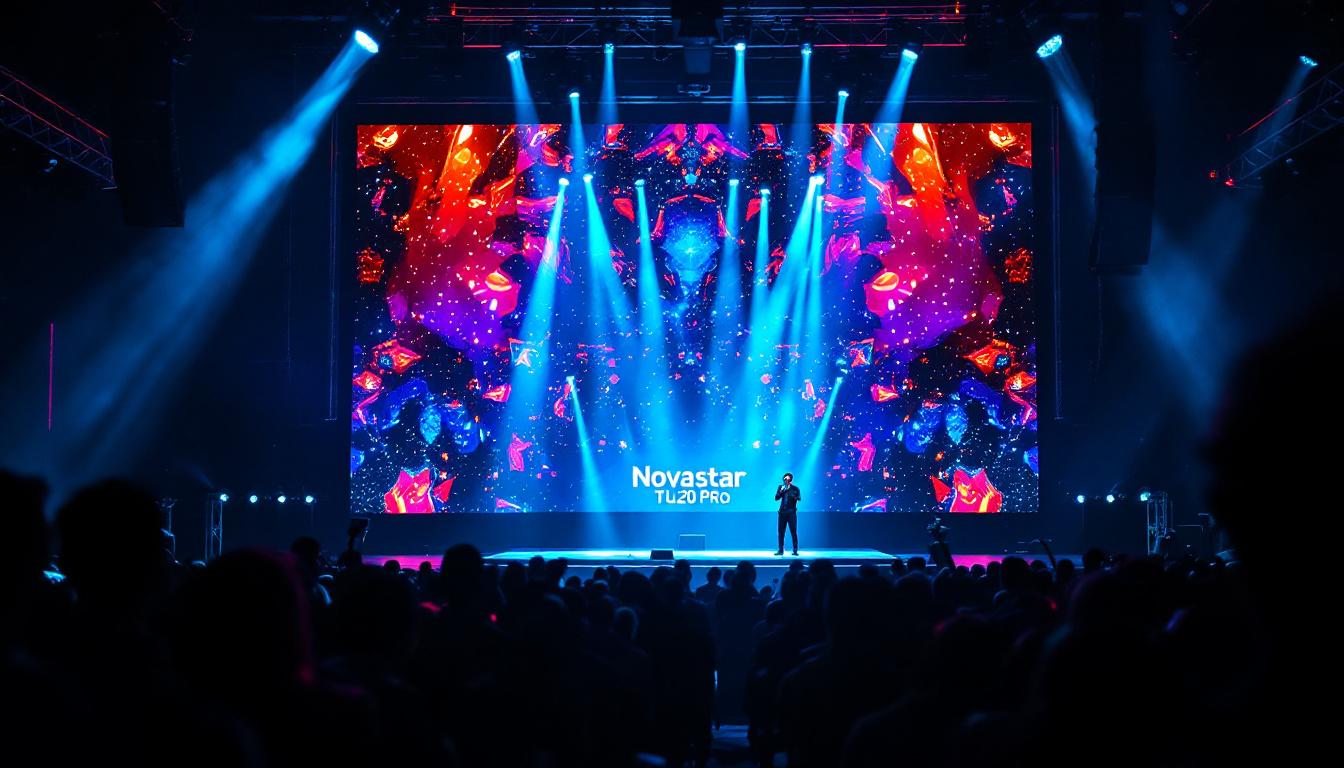
LED projectors are also employed in public events such as festivals, concerts, and advertising displays. Their vibrant colors and sharp images help capture audience attention and enhance the event atmosphere.
For advertising, projecting dynamic content onto building facades or temporary screens can be a cost-effective and eye-catching method to promote brands or messages.
Maintenance Tips for Outdoor LED Projectors
Proper maintenance ensures the longevity and optimal performance of outdoor LED projectors. While LED projectors require less upkeep than lamp-based models, certain practices can help protect the investment.
Regular Cleaning
Dust and debris can accumulate on lenses and ventilation areas, affecting image quality and cooling efficiency. Regularly cleaning the lens with a microfiber cloth and using compressed air to clear vents helps maintain performance.
For outdoor use, it is advisable to clean the projector before and after each session, especially if used in dusty or windy environments.
Protective Storage
When not in use, store the projector in a protective case or cover to shield it from moisture, dust, and accidental damage. Avoid exposing the projector to extreme temperatures or direct sunlight for extended periods.
Proper Ventilation
Ensure the projector has adequate ventilation during operation to prevent overheating. Even though LEDs generate less heat, internal components still require airflow. Position the projector on a stable surface away from obstructions.
Firmware Updates
Manufacturers occasionally release firmware updates to improve projector functionality or fix bugs. Keeping the projector’s software up to date can enhance performance and add new features.
Conclusion
Outdoor LED video projectors offer a compelling combination of brightness, durability, and energy efficiency, making them an excellent choice for a wide range of outdoor applications. Understanding the technology behind LED displays, comparing them with other projection methods, and considering key features such as brightness, resolution, and connectivity will help users select the ideal projector for their needs.
Whether for backyard movie nights, business presentations, or large-scale public events, LED projectors provide vibrant, reliable images with minimal maintenance. With proper care and setup, they can transform any outdoor space into an immersive viewing experience.
Discover LumenMatrix LED Display Solutions
Ready to elevate your outdoor viewing experience with the latest in LED technology? LumenMatrix is at the forefront of innovation, offering a wide array of LED display solutions tailored to your needs. From mesmerizing Outdoor LED Wall Displays to dynamic Vehicle LED Displays and beyond, our products are designed to make your brand shine and captivate your audience. Embrace the future of visual communication with LumenMatrix and create unforgettable visual experiences. Check out LumenMatrix LED Display Solutions today and see the difference for yourself.