In today’s fast-evolving digital landscape, touch screen technology has become an integral part of how we interact with devices, from smartphones and tablets to kiosks and large-scale public displays. Among the various display technologies available, LED displays stand out for their brightness, durability, and versatility. This article delves into the fundamentals of LED displays, explores how they integrate with touch screen solutions, and examines their applications across industries. Whether you’re a technology professional, business owner, or simply a curious reader, understanding LED display technology is essential for making informed decisions in the digital age.
Understanding LED Display Technology
What is an LED Display?
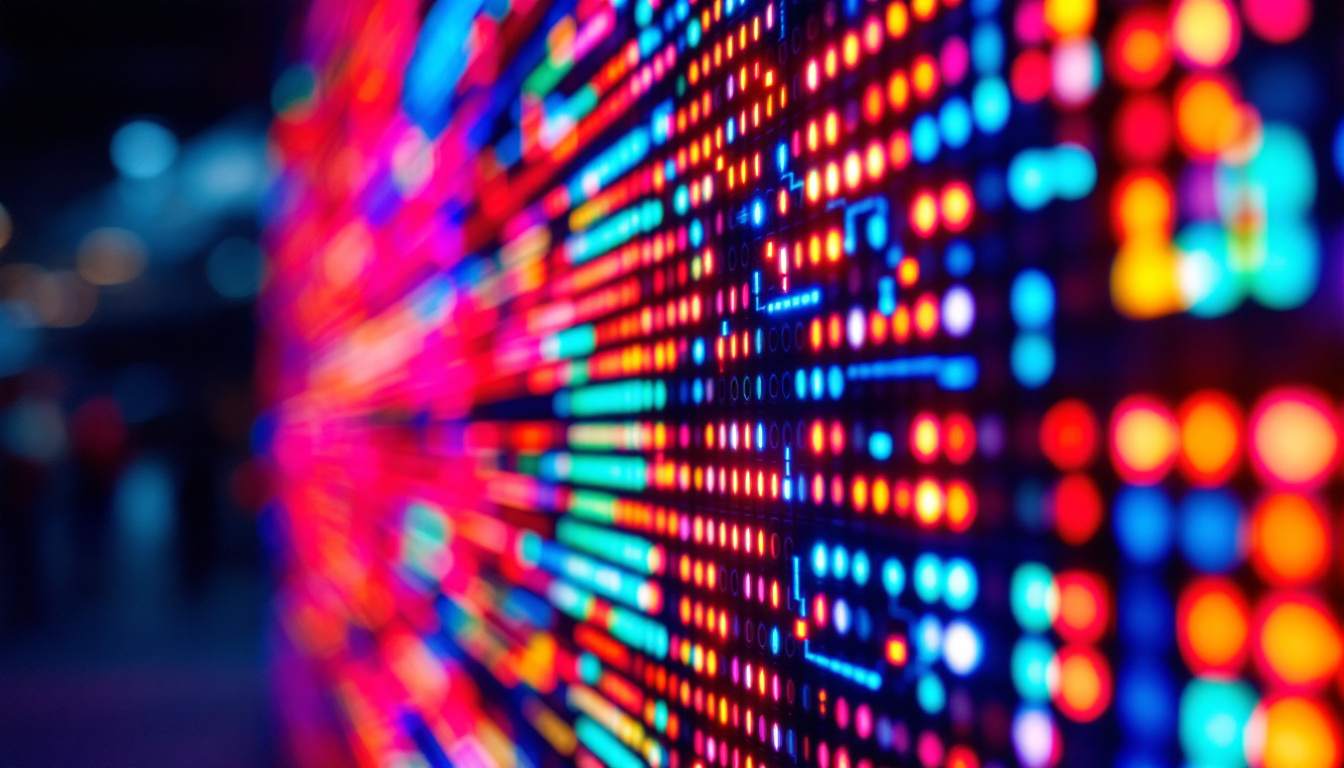
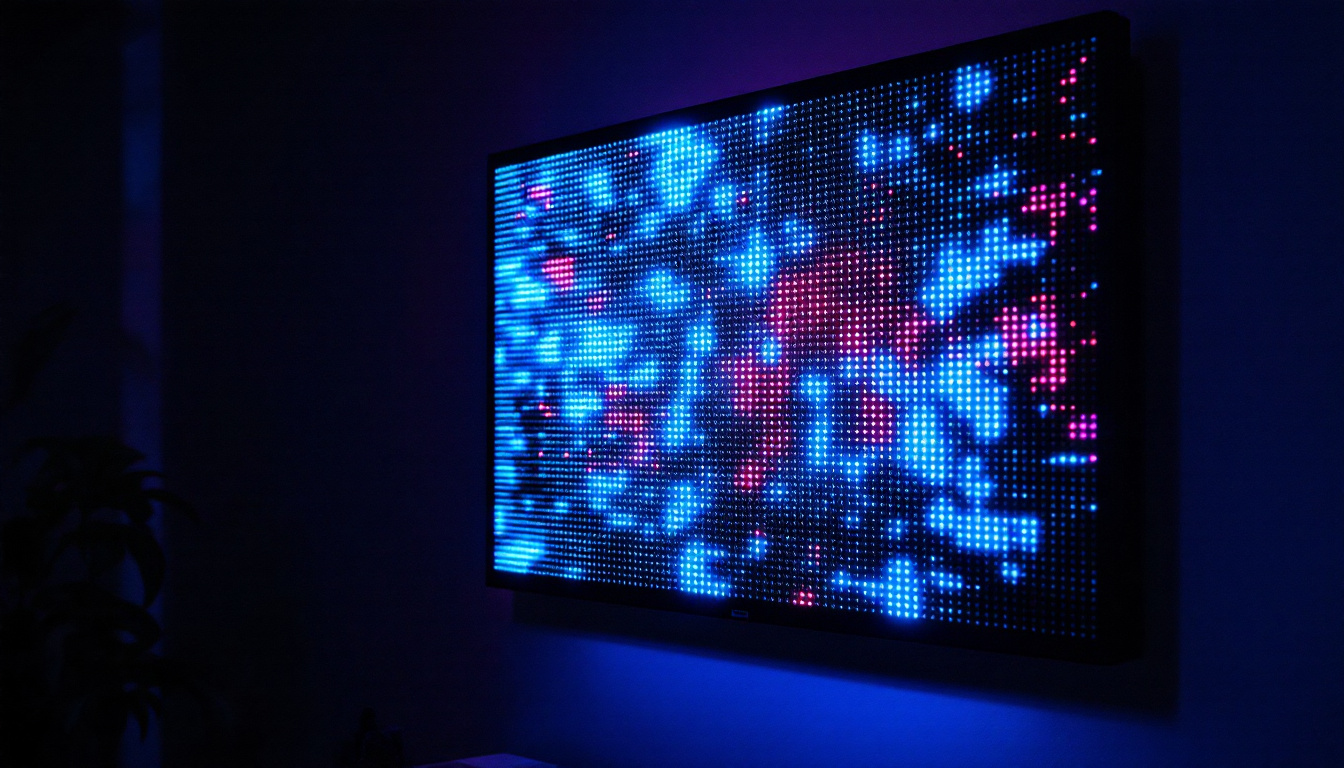
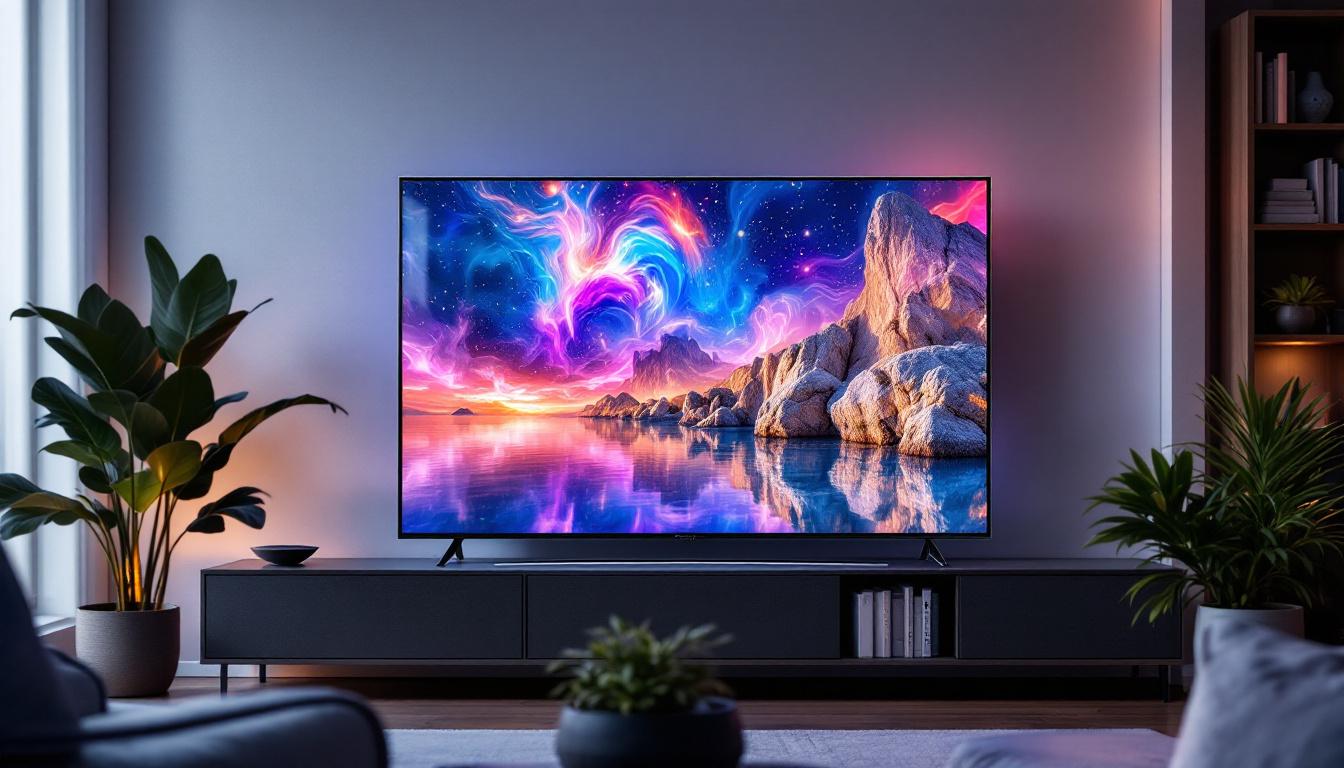
LED stands for Light Emitting Diode, a semiconductor device that emits light when an electric current passes through it. An LED display is a flat panel display that uses an array of these tiny LEDs as pixels to create images and videos. Unlike traditional LCDs that rely on backlighting, LED displays generate their own light, resulting in higher brightness and better contrast ratios. This self-illuminating property allows for deeper blacks and more vibrant colors, enhancing the overall viewing experience.
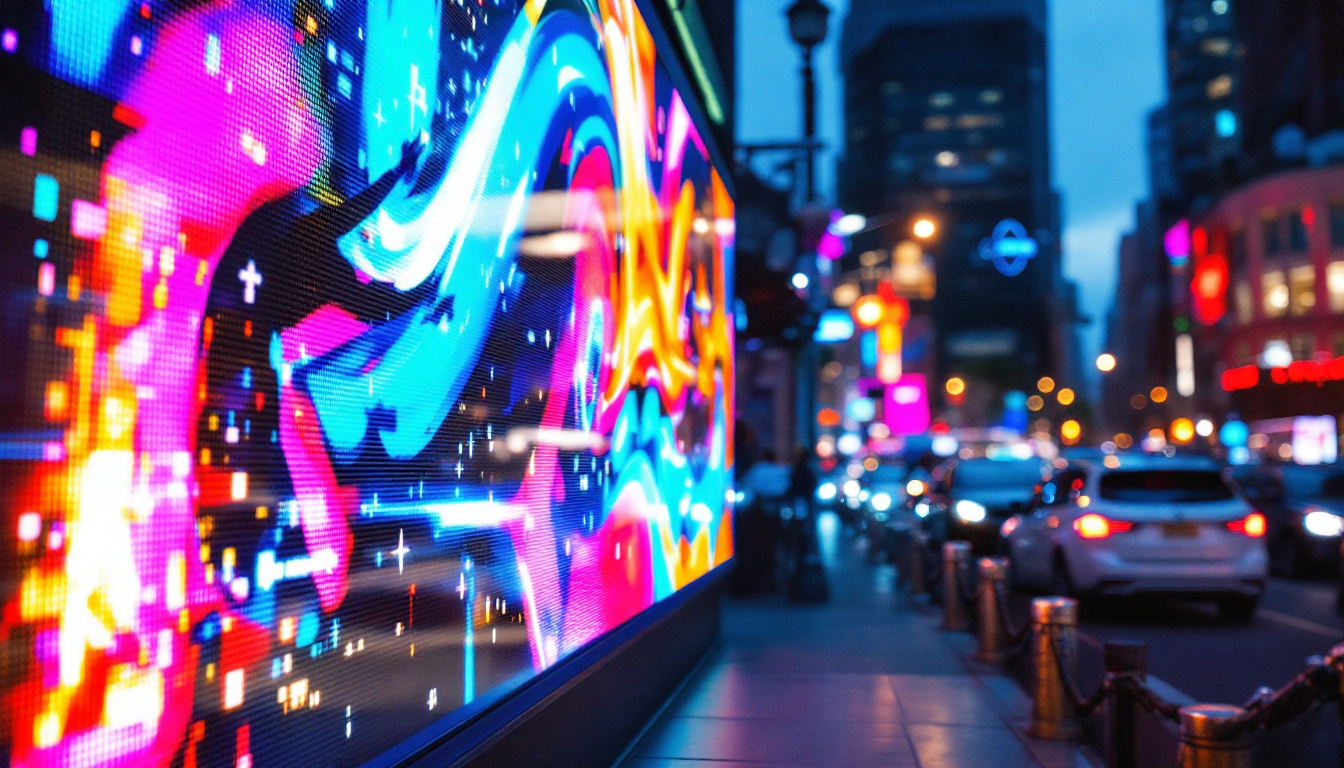
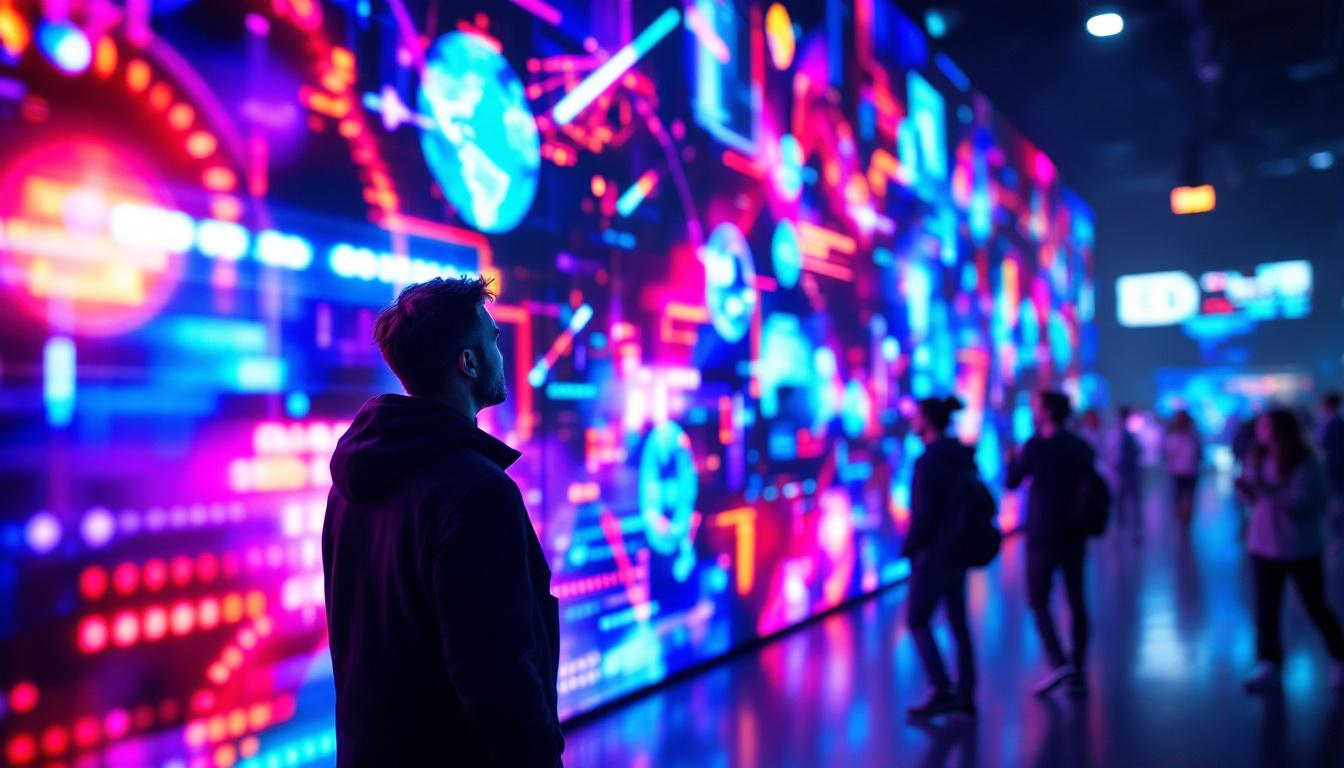
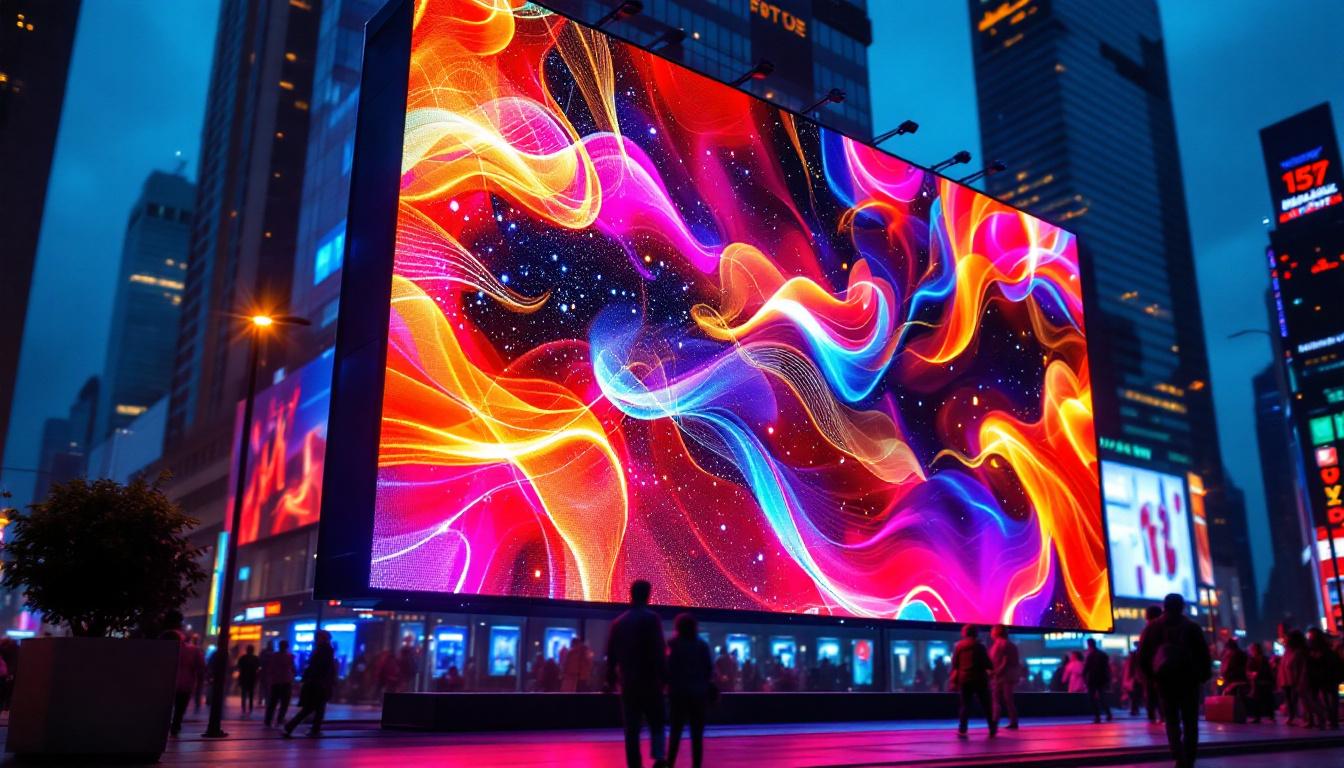
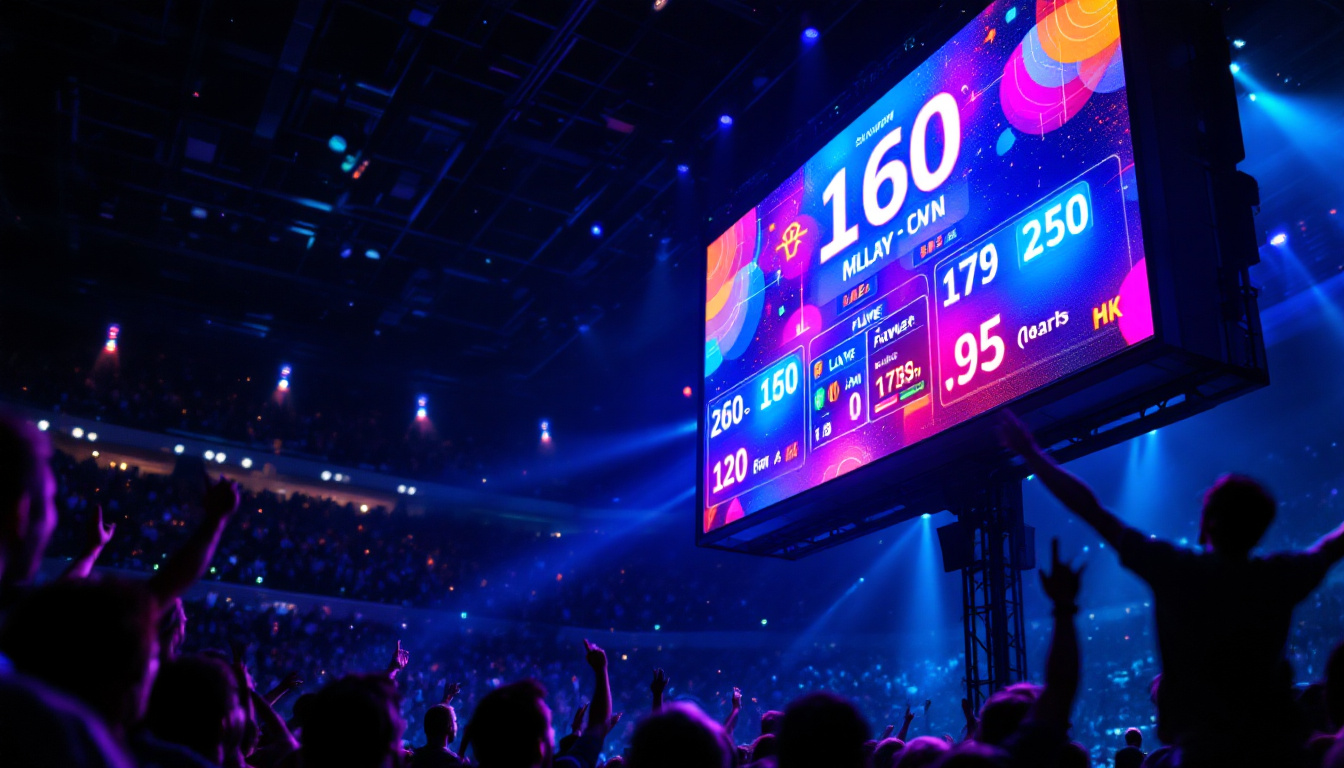
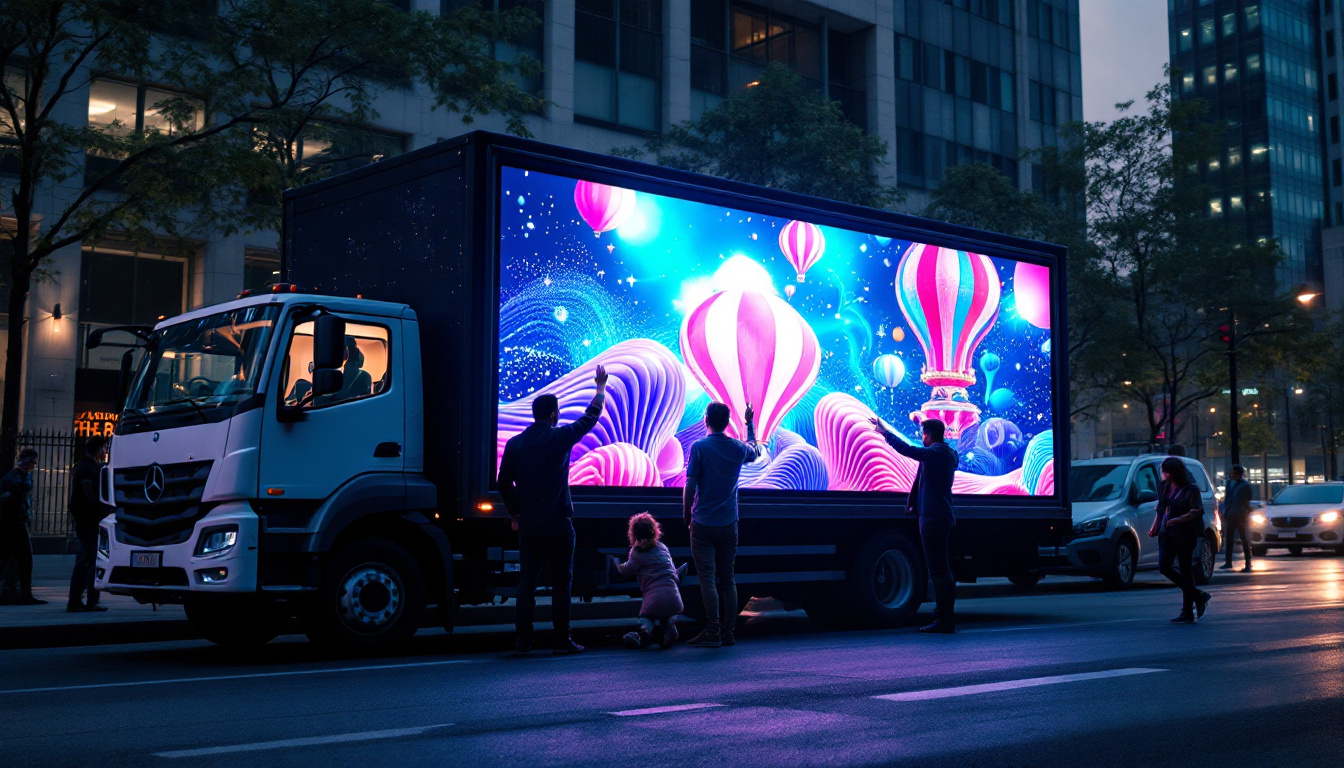
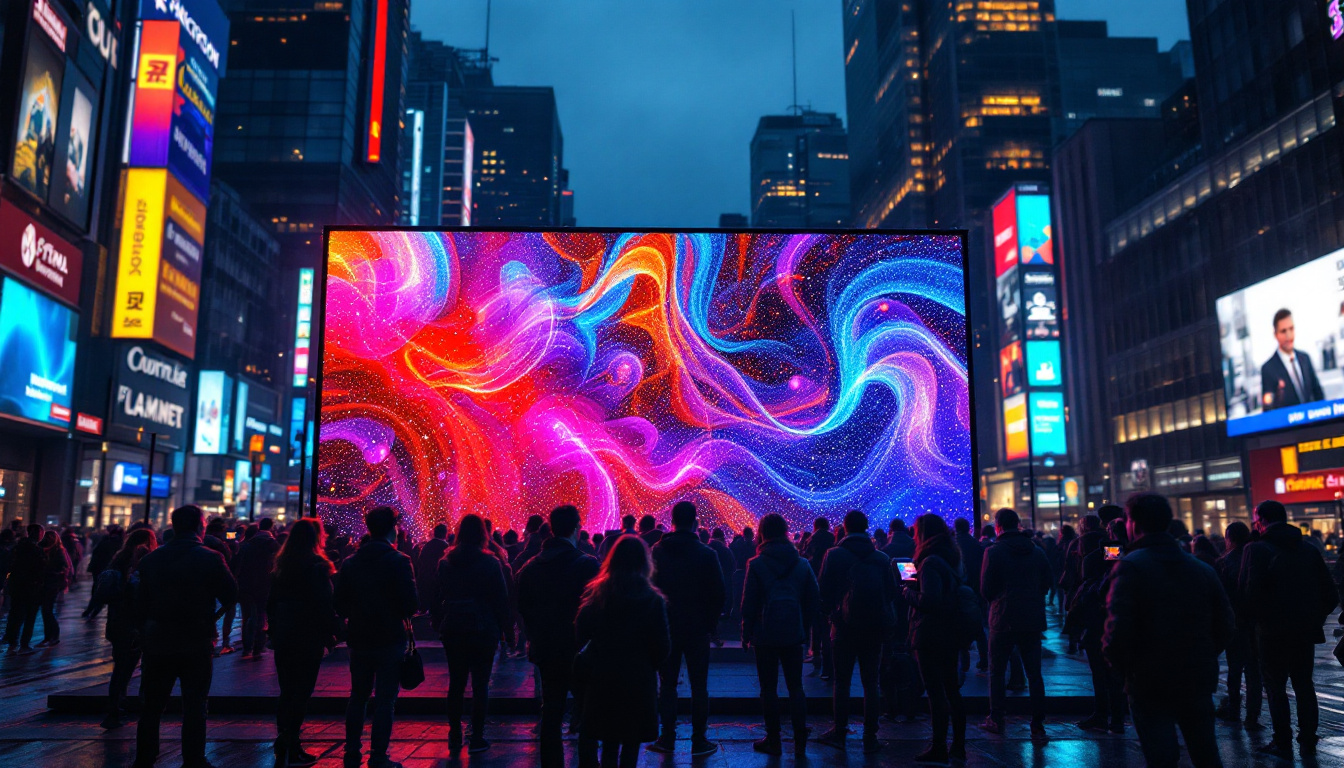
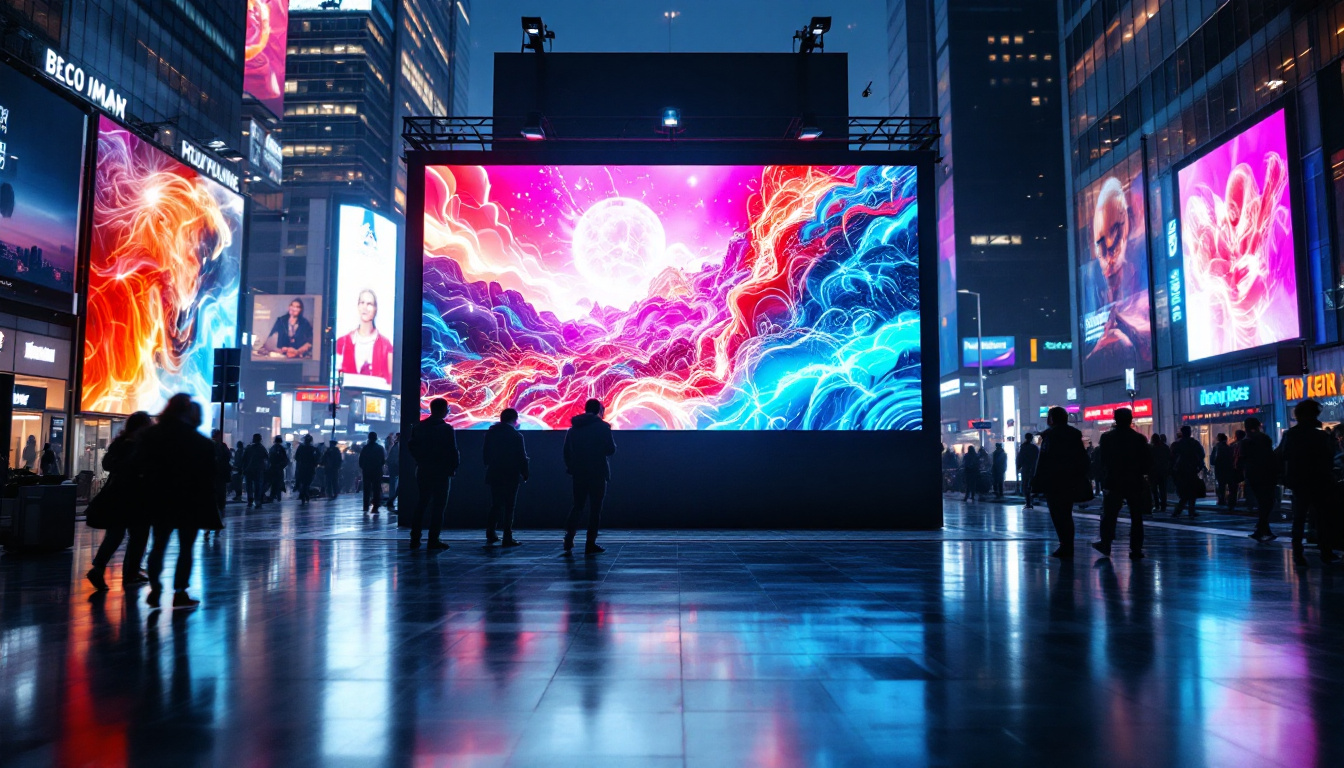
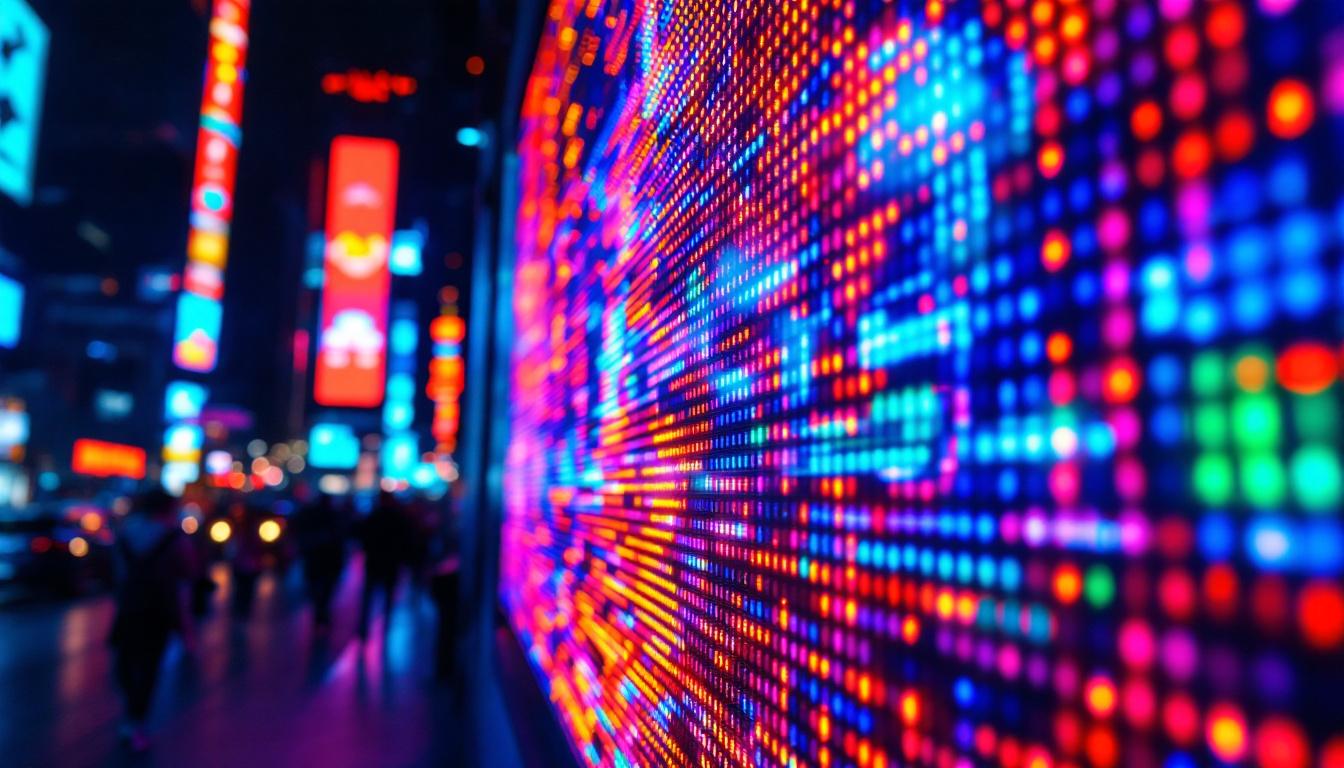
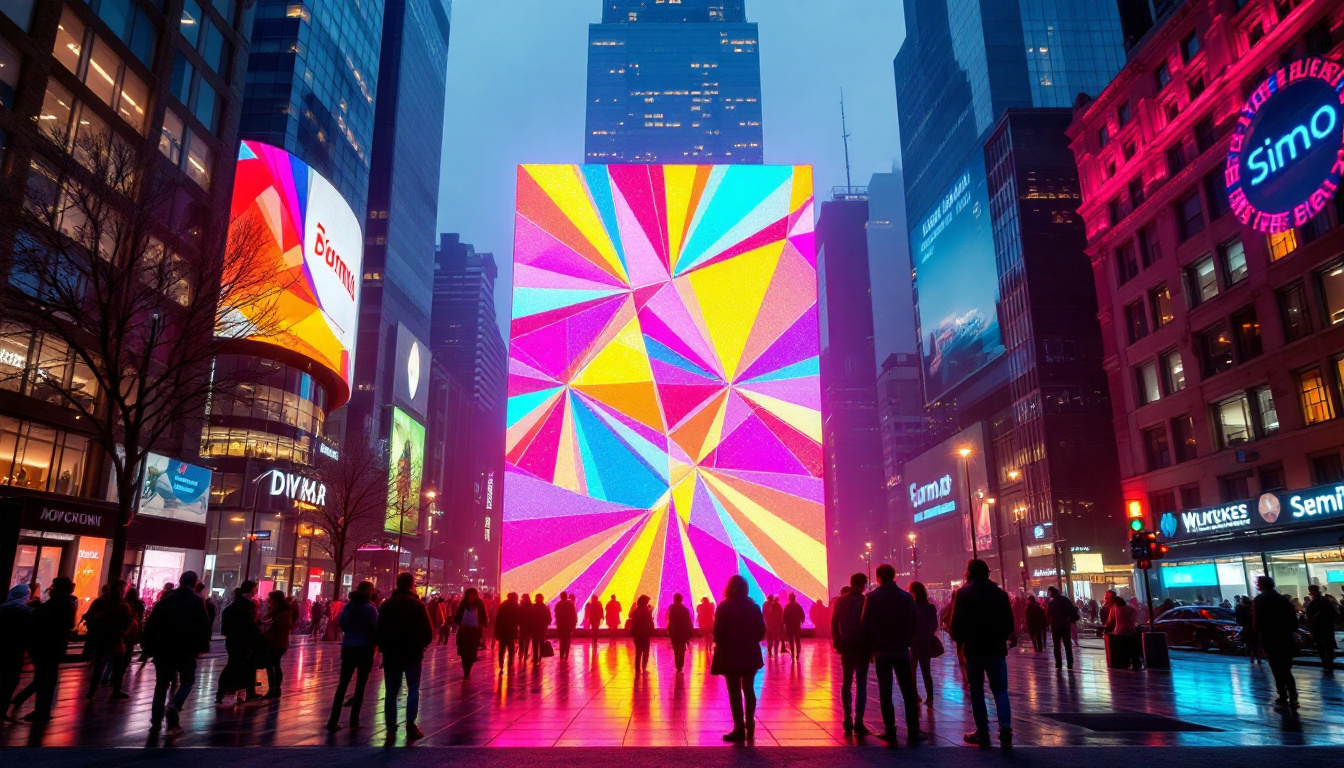
LED displays come in two main types: direct-view LED and LED-backlit LCD. Direct-view LED displays use individual LEDs for each pixel, making them ideal for large screens such as digital billboards and stadium displays. These displays can be configured in various shapes and sizes, allowing for creative installations that capture attention in public spaces. LED-backlit LCDs, on the other hand, use LEDs as a backlight source behind an LCD panel, commonly found in televisions, monitors, and mobile devices. This hybrid approach combines the benefits of both technologies, offering a balance of color accuracy and energy efficiency.
Key Advantages of LED Displays
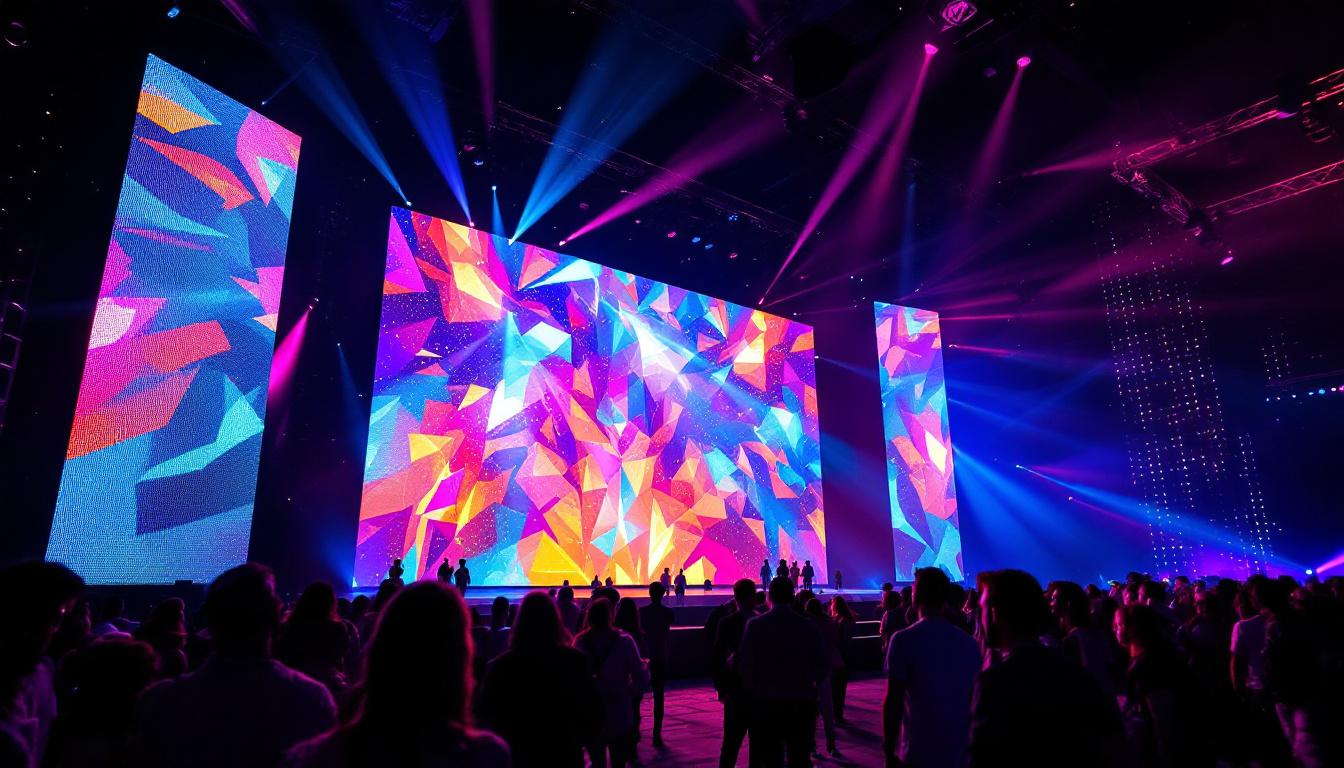
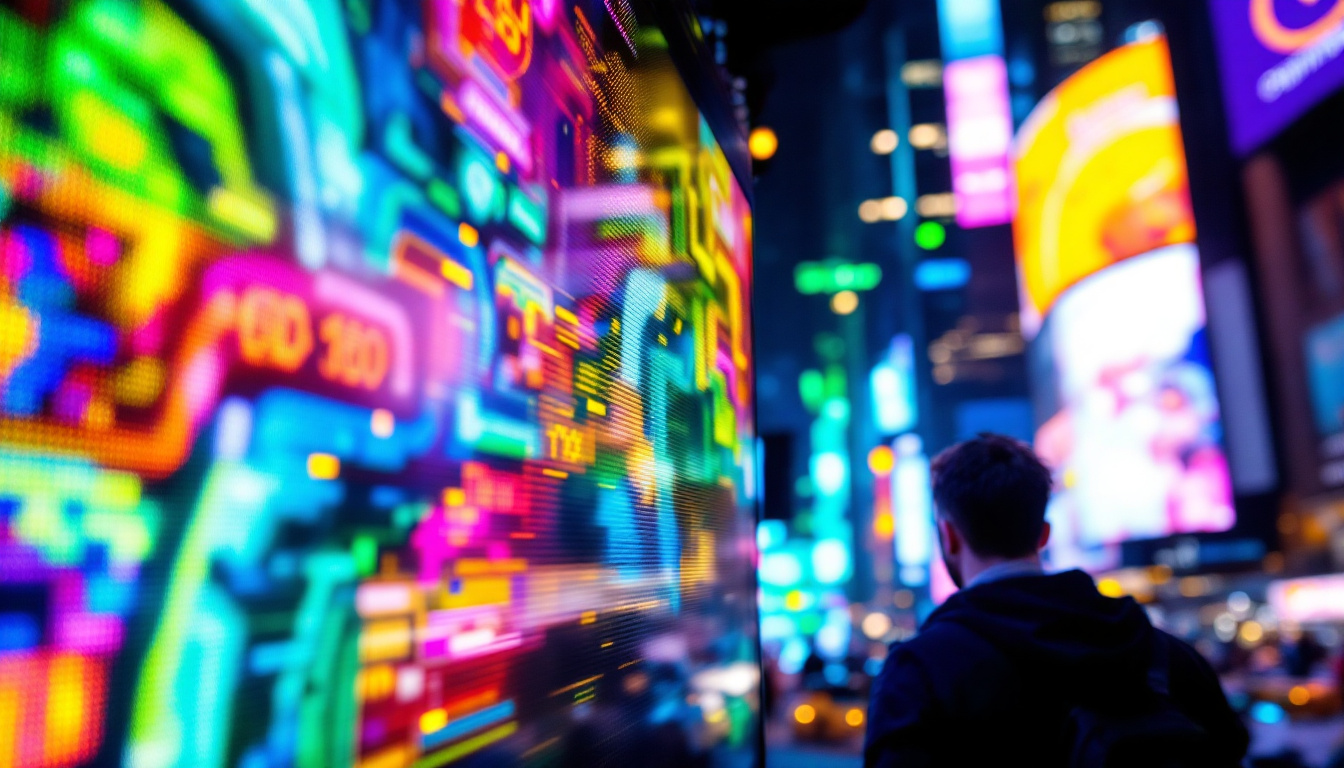
One of the primary advantages of LED displays is their exceptional brightness. They can achieve luminance levels of 1,000 nits or more, making them highly visible even in direct sunlight. This makes LED technology particularly suitable for outdoor applications where visibility is critical. Furthermore, the ability to maintain clarity and color fidelity in various lighting conditions makes them a preferred choice for advertising, concerts, and sporting events, where dynamic visuals are essential to engage audiences.
Durability is another significant benefit. LEDs have a long lifespan, often exceeding 50,000 hours of operation, and are resistant to shock and vibration. This robustness is particularly advantageous in environments where traditional displays might fail, such as in transportation hubs or outdoor venues. Additionally, LED displays consume less power compared to other display technologies, contributing to energy efficiency and lower operating costs. This reduced energy consumption not only lowers electricity bills but also aligns with growing sustainability efforts, making LED displays an eco-friendly choice for businesses and organizations looking to minimize their carbon footprint.
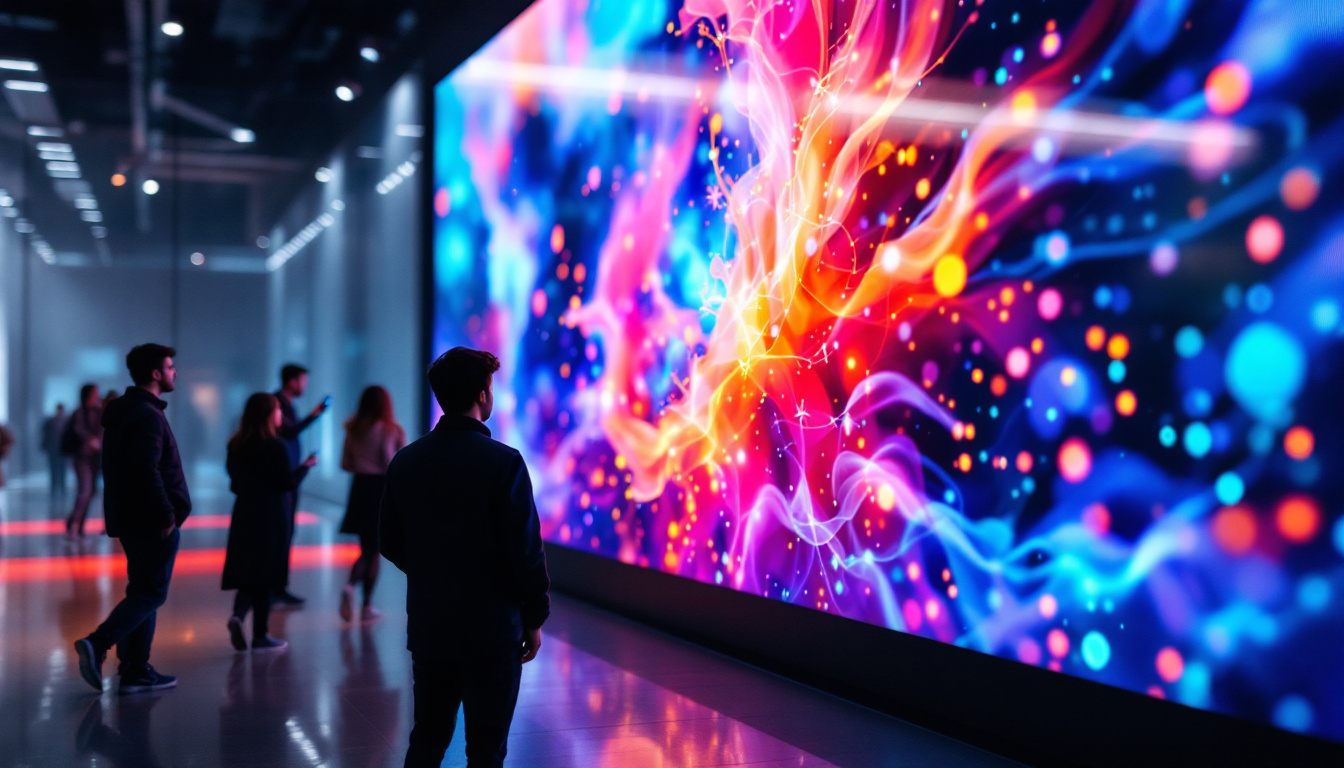
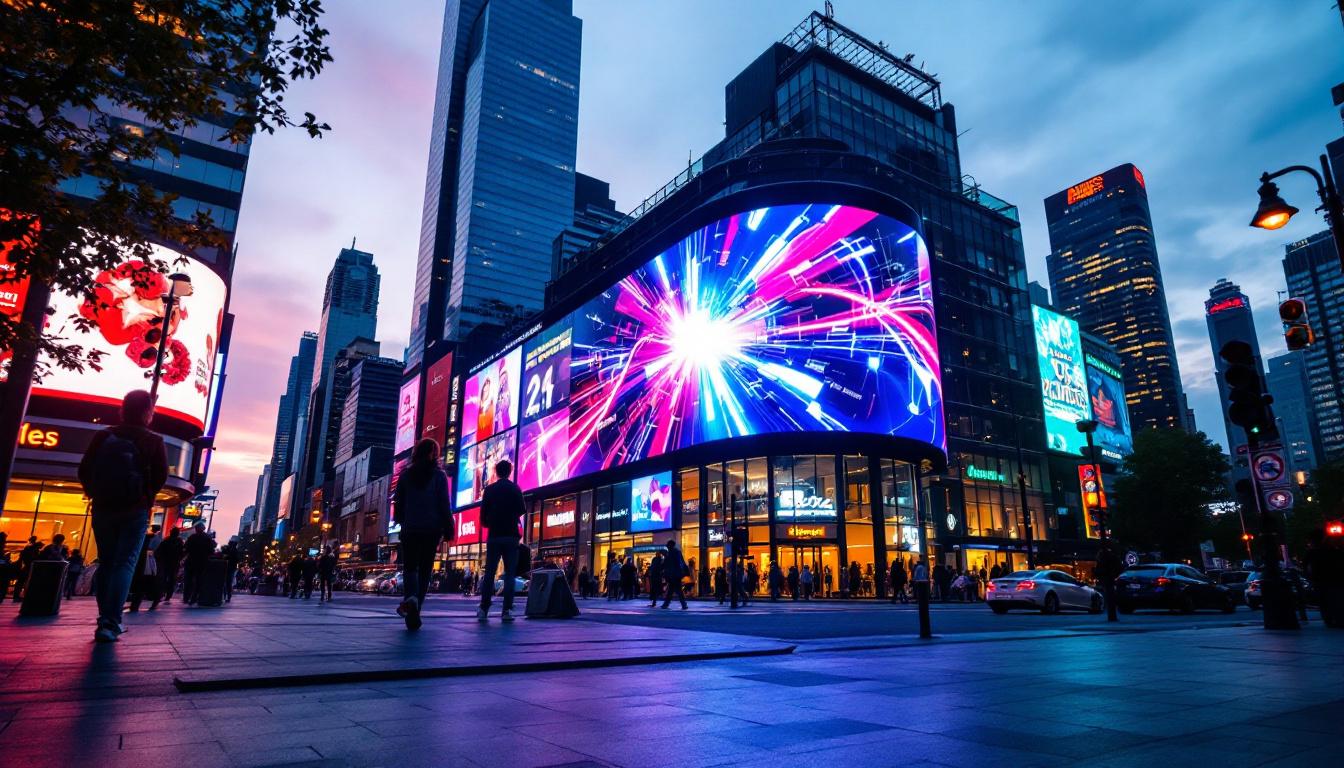
Moreover, LED displays offer remarkable flexibility in design and installation. They can be manufactured in various shapes, sizes, and resolutions, allowing for creative applications that go beyond conventional rectangular screens. For instance, curved LED displays can create immersive environments in retail spaces or exhibitions, while modular LED panels can be assembled to form large-scale installations tailored to specific venues. This adaptability enables designers and architects to push the boundaries of visual communication, creating stunning displays that captivate and engage audiences in innovative ways.
How LED Displays Integrate with Touch Screen Technology
The Basics of Touch Screen Technology
Touch screens enable users to interact directly with what is displayed, eliminating the need for peripheral devices like a mouse or keyboard. The most common touch technologies include resistive, capacitive, infrared, and surface acoustic wave (SAW). Each has its unique method of detecting touch inputs, but capacitive touch screens are the most prevalent in modern devices due to their responsiveness and multi-touch capabilities.
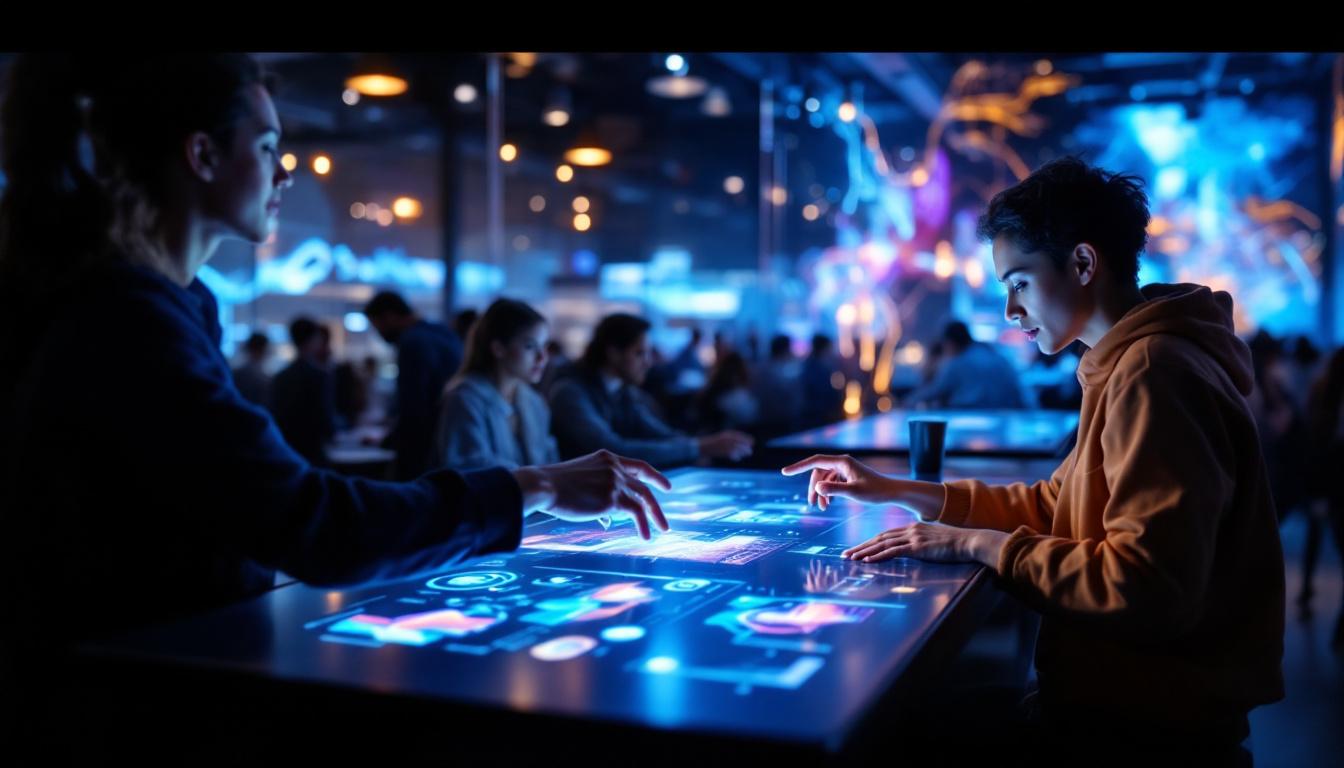
When combined with LED displays, touch screen technology transforms static visuals into interactive experiences. This integration is crucial for applications ranging from retail kiosks and interactive signage to industrial control panels and educational tools.
Challenges and Solutions in Combining LED and Touch Technologies
Integrating touch functionality with LED displays, especially large-format direct-view LEDs, presents technical challenges. For instance, the LED surface is often uneven or contains gaps between pixels, which can interfere with touch sensor placement and accuracy.
To address these issues, manufacturers employ several solutions. One approach is to overlay a capacitive touch film or glass panel on top of the LED display. This overlay is engineered to maintain optical clarity and touch sensitivity while protecting the underlying LEDs. Advances in transparent conductive materials, such as indium tin oxide (ITO), have improved the performance of these overlays.
Another innovation is the development of in-cell and on-cell touch technologies, where touch sensors are integrated directly into the display layers. While more common in LCD and OLED panels, research is ongoing to adapt these methods for LED displays, potentially offering thinner and more responsive touch solutions in the future.
Applications of LED Touch Screen Displays
Retail and Advertising
Retail environments increasingly rely on interactive LED displays to engage customers. Digital signage with touch capabilities allows shoppers to browse product catalogs, access promotions, and even complete purchases on-site. According to a 2023 report by Grand View Research, the global digital signage market is expected to reach $32.84 billion by 2028, driven largely by advancements in LED and touch technologies.
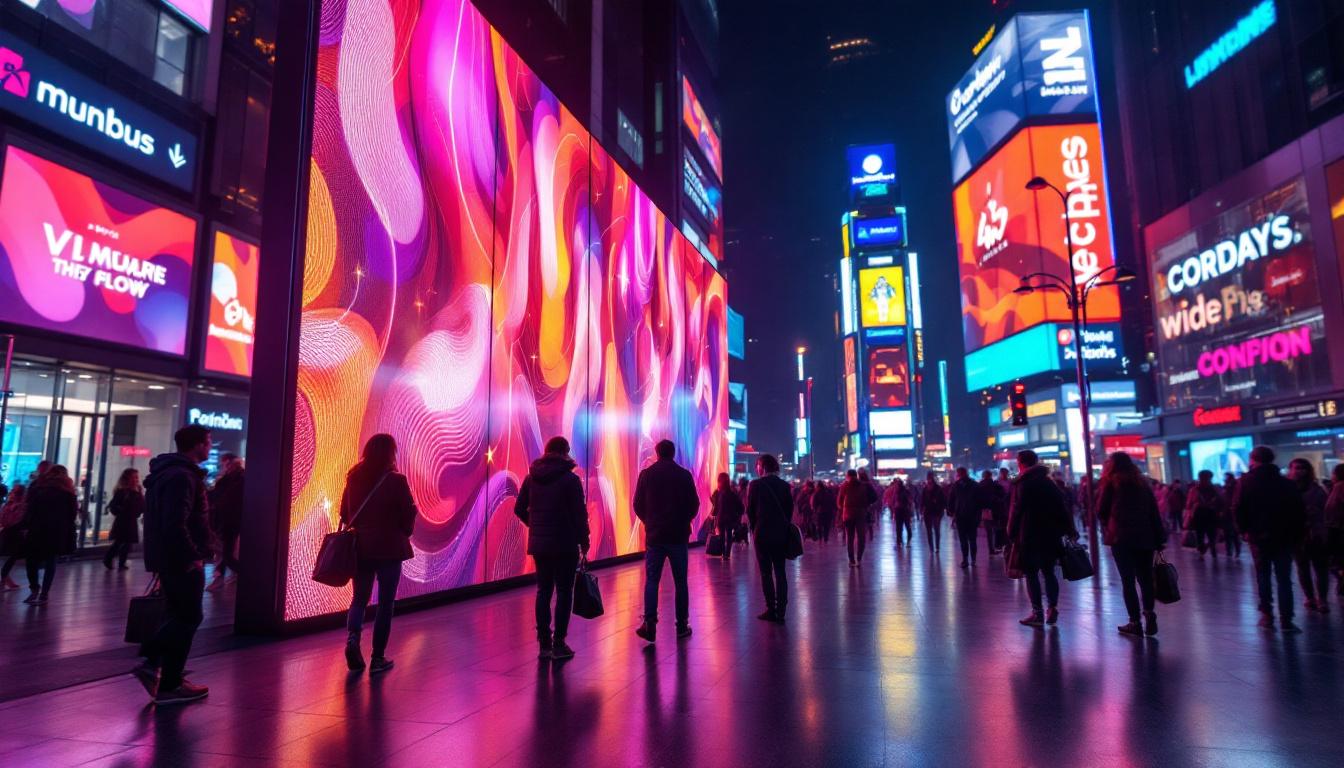
Large-format LED video walls with touch interactivity are also transforming advertising by enabling dynamic, personalized content. For example, shopping malls and airports utilize these displays to provide wayfinding assistance and real-time information, enhancing the customer experience.
Education and Training
Interactive LED displays are revolutionizing classrooms and training centers by fostering collaboration and engagement. Touch-enabled LED panels allow educators to present multimedia content, annotate in real-time, and facilitate group activities. Their high brightness and wide viewing angles ensure visibility in various lighting conditions.
Institutions adopting these technologies report improved student participation and retention. A study published in the Journal of Educational Technology & Society in 2022 highlighted that interactive displays increased student engagement by over 40% compared to traditional whiteboards.
Industrial and Control Room Environments
In industrial settings, LED touch screen displays serve as control interfaces for complex machinery and monitoring systems. Their robustness and clarity make them suitable for harsh environments where precision and reliability are paramount. For example, manufacturing plants utilize large LED touch panels to monitor production lines, adjust parameters, and respond quickly to alerts.
Control rooms in utilities, transportation, and emergency services also benefit from LED touch screen displays. The ability to interact directly with data visualizations and maps enhances situational awareness and decision-making speed.
Future Trends in LED Touch Screen Solutions
MicroLED and MiniLED Technologies
Emerging display technologies such as MicroLED and MiniLED promise to push the boundaries of LED performance further. MicroLED displays use microscopic LEDs to create pixels, offering superior brightness, contrast, and energy efficiency compared to traditional LEDs. MiniLEDs, smaller than conventional LEDs but larger than MicroLEDs, improve backlighting precision for LCD panels.
These advancements are expected to enhance touch screen integration by enabling thinner, more flexible, and higher-resolution displays. Companies are already exploring MicroLED touch screens for smartphones, wearables, and automotive dashboards, signaling a shift toward more immersive and responsive interfaces.
AI-Driven Interactive Displays
Artificial intelligence (AI) is increasingly integrated into touch screen solutions to provide personalized user experiences. AI algorithms can analyze user interactions, adapt content dynamically, and enable voice and gesture recognition alongside touch input.
For example, smart retail displays can recommend products based on customer behavior, while educational panels can adjust difficulty levels according to student performance. Combining AI with LED touch screens opens new possibilities for intuitive and context-aware digital environments.
Sustainability and Energy Efficiency
As environmental concerns grow, the display industry is focusing on sustainability. LED technology already offers energy savings compared to older display types, but ongoing innovations aim to reduce power consumption further and utilize eco-friendly materials.
Manufacturers are developing recyclable components and adopting manufacturing processes that minimize waste and carbon footprint. For businesses and institutions, choosing energy-efficient LED touch screen solutions aligns with corporate social responsibility goals and can reduce operational costs over time.
Choosing the Right LED Touch Screen Solution
Factors to Consider
Selecting an appropriate LED touch screen display depends on various factors including size, resolution, brightness, touch technology, and environmental conditions. For outdoor use, high brightness and weatherproofing are essential, while indoor applications may prioritize resolution and color accuracy.
The type of touch technology should align with the intended use. Capacitive touch is ideal for multi-touch and gesture recognition, while resistive touch may be preferred in environments requiring glove use or stylus input.
Vendor and Support Considerations
Partnering with reputable vendors who offer comprehensive support and customization options is crucial. Installation, calibration, and maintenance services ensure optimal performance and longevity of the display system.
Additionally, compatibility with existing software platforms and ease of integration into digital ecosystems should be evaluated. Open standards and APIs facilitate seamless content management and interactivity.
Conclusion
LED display technology, combined with touch screen solutions, is reshaping how people interact with digital content across numerous sectors. Its advantages in brightness, durability, and energy efficiency make it a preferred choice for applications ranging from retail and education to industrial control and public information systems.
As innovations like MicroLED, AI integration, and sustainable manufacturing continue to advance, LED touch screen solutions will become even more versatile and powerful. Understanding these technologies and their applications empowers businesses and organizations to create engaging, interactive experiences that meet the demands of today’s digital world.
Investing in the right LED touch screen display solution can transform user engagement, improve operational efficiency, and future-proof digital infrastructure. With the rapid pace of technological progress, staying informed about the latest developments is essential for leveraging the full potential of LED touch screen technology.
Discover LumenMatrix’s Innovative LED Display Solutions
Ready to elevate your digital experience with the latest in LED touch screen technology? Look no further than LumenMatrix. As a pioneer in the industry, we offer an extensive range of LED display solutions tailored to meet your unique needs. From vibrant Indoor and Outdoor LED Wall Displays to dynamic Vehicle and Sports LED Displays, our products are designed to captivate and engage your audience. Embrace the future of visual communication with our Custom, All-in-One, and Transparent LED Displays, and see how our commitment to innovation can transform your brand’s visibility. Check out LumenMatrix LED Display Solutions today and start creating unforgettable visual experiences.