Large TV Sale: LED Display Explained
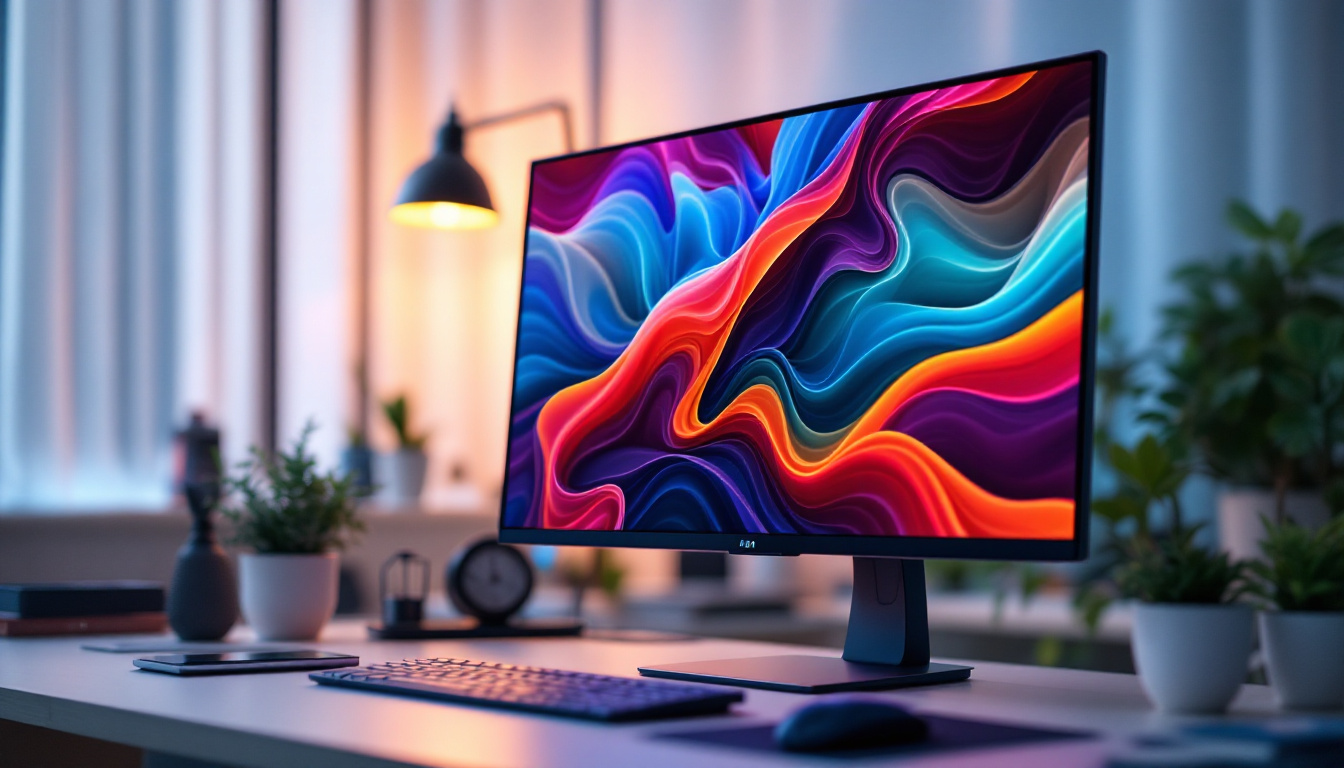
In today’s world, where home entertainment has become a centerpiece of daily life, the demand for large TVs continues to surge. Whether it’s for immersive movie nights, competitive gaming, or simply enhancing your living room’s aesthetic, understanding the technology behind the screen is crucial. Among the various display technologies, LED TVs dominate the market, offering a blend of picture quality, energy efficiency, and affordability. This article delves into the intricacies of LED displays, helping consumers make informed decisions during large TV sales and promotions.
Understanding LED Display Technology
What Does LED Mean?
LED stands for Light Emitting Diode, a semiconductor device that emits light when an electric current passes through it. In the context of televisions, LED refers to the type of backlighting used to illuminate the screen. Unlike older LCD TVs that relied on cold cathode fluorescent lamps (CCFLs), LED TVs use arrays of LEDs to light up the liquid crystal display panel.
This shift to LED backlighting has revolutionized TV displays by improving brightness, contrast, and energy efficiency. It’s important to note that LED TVs are essentially LCD TVs with LED backlighting, which is why they are sometimes referred to as LED-LCD TVs. The evolution from CCFL to LED technology has not only enhanced the viewing experience but also contributed to a more sustainable approach in electronics, as LED lights consume significantly less power and have a longer lifespan compared to their fluorescent counterparts.
How LED Displays Work
The core of an LED TV is the LCD panel, which controls the image by blocking or allowing light to pass through. The LEDs serve as the backlight source behind or along the edges of this panel. When the TV is on, the LEDs emit light that passes through the liquid crystals, color filters, and other layers to create the images you see on screen. This intricate process allows for vibrant colors and sharp details, making LED TVs a popular choice among consumers seeking high-quality visual experiences.
There are two primary types of LED backlighting:
- Edge-lit LED: LEDs are placed along the edges of the screen, allowing for thinner TV designs but sometimes resulting in uneven brightness.
- Full-array LED: LEDs are spread evenly behind the entire screen, offering better brightness uniformity and enabling local dimming for improved contrast.
In addition to these backlighting methods, advancements in LED technology have led to the development of Quantum Dot displays, which enhance color accuracy and brightness even further. Quantum Dots are tiny semiconductor particles that emit specific colors when exposed to light, allowing for a wider color gamut and more vivid images. This innovation has made its way into many high-end LED TVs, providing viewers with an even more immersive experience. Furthermore, the integration of smart technology into LED displays has transformed the way we consume media, allowing for seamless access to streaming services, apps, and interactive features, all from the comfort of our living rooms.
Key Advantages of LED TVs
Superior Picture Quality
LED TVs provide vibrant colors, sharp images, and high brightness levels, which are essential for viewing in various lighting conditions. Full-array LED TVs with local dimming can achieve deeper blacks by dimming specific zones of LEDs, enhancing contrast and making scenes appear more lifelike. The incorporation of HDR (High Dynamic Range) technology further elevates the viewing experience by expanding the range of colors and brightness, allowing viewers to see details in both the darkest shadows and the brightest highlights. This technology is particularly beneficial for cinematic experiences, where visual storytelling relies heavily on the interplay of light and shadow.
According to a 2023 report by the Consumer Technology Association, LED TVs account for over 80% of global TV sales, largely due to their superior picture quality compared to traditional LCDs and affordability relative to OLEDs. The advancements in LED technology, such as Quantum Dot displays, have also contributed to this trend by providing even richer color palettes and improved energy efficiency, making them a popular choice among consumers who prioritize both performance and value.
Energy Efficiency and Longevity
LED backlighting consumes less power than CCFL backlighting, making LED TVs more energy-efficient and environmentally friendly. This efficiency translates into lower electricity bills over time. Additionally, LEDs have a longer lifespan, often exceeding 60,000 hours of use, which ensures durability and sustained performance. This longevity not only means fewer replacements but also less electronic waste, aligning with growing consumer preferences for sustainable electronics. Furthermore, many LED TVs come with energy-saving modes that automatically adjust brightness based on ambient light, further optimizing energy consumption without sacrificing viewing quality.
Thin and Lightweight Designs
Because LEDs are smaller and more flexible than CCFLs, manufacturers can design ultra-thin and lightweight TVs. This design flexibility allows for sleek wall-mounted setups and easier handling during installation or relocation. The aesthetic appeal of these slim profiles has made LED TVs a popular choice for modern home décor, seamlessly blending into various interior styles. Additionally, many models now feature minimal bezels, maximizing screen space and providing an immersive viewing experience. As a result, consumers are not only investing in advanced technology but also in a visually pleasing centerpiece for their living spaces.
Moreover, the lightweight nature of LED TVs facilitates innovative mounting solutions, such as swivel mounts or adjustable stands, which enhance viewing angles and comfort. This adaptability is particularly advantageous in multi-purpose rooms where seating arrangements may vary. With the rise of smart TVs, many LED models also integrate streaming capabilities and smart home compatibility, further enhancing their functionality and appeal in today’s tech-savvy households.
Comparing LED TVs to Other Display Technologies
LED vs. OLED
While LED TVs use LED backlighting behind an LCD panel, OLED (Organic Light Emitting Diode) TVs feature pixels that emit their own light. This fundamental difference leads to several distinctions:
- Black Levels: OLEDs can turn off individual pixels completely, achieving perfect blacks and infinite contrast ratios, whereas LED TVs rely on local dimming, which may not be as precise.
- Brightness: LED TVs generally offer higher peak brightness, making them better suited for bright rooms.
- Price: OLED TVs tend to be more expensive due to complex manufacturing processes.
- Burn-in Risk: OLEDs can experience image retention or burn-in over time, especially with static images, while LED TVs are less susceptible.
For buyers prioritizing deep blacks and cinematic picture quality, OLED might be the preferred choice. However, those seeking brighter displays and more affordable options often lean towards LED TVs, especially during large TV sales.
LED vs. QLED
QLED (Quantum Dot LED) TVs are a subset of LED TVs that incorporate quantum dot technology to enhance color accuracy and brightness. Quantum dots are microscopic semiconductor particles that emit precise colors when illuminated by the LED backlight.
Compared to standard LED TVs, QLEDs typically offer:
- Wider color gamut for richer, more vibrant colors
- Higher peak brightness, improving HDR (High Dynamic Range) performance
- Reduced color degradation over time
Brands like Samsung have popularized QLED technology, making it a strong contender in the LED TV market. During sales events, QLED TVs often provide excellent value for those seeking premium picture quality without the OLED price tag.
What to Look for When Buying a Large LED TV
Screen Size and Viewing Distance
Choosing the right screen size depends on your room dimensions and viewing distance. A general guideline is to sit at a distance that is approximately 1.5 to 2.5 times the diagonal size of the TV. For example, a 65-inch TV is best viewed from 8 to 13 feet away.
Large TVs, such as 75 inches or more, are ideal for spacious living rooms or dedicated home theaters. During large TV sales, these sizes often see significant discounts, making them more accessible to consumers.
Resolution and HDR Support
Resolution determines the clarity and detail of the image. Most large LED TVs today come with 4K Ultra HD (3840 x 2160 pixels) resolution, offering four times the detail of Full HD. Some models even support 8K resolution, though content availability remains limited.
High Dynamic Range (HDR) enhances the contrast and color range, making images more realistic. Look for TVs that support popular HDR formats like HDR10, Dolby Vision, or HDR10+ to ensure compatibility with streaming services and Blu-ray discs.
Refresh Rate and Motion Handling
A higher refresh rate (measured in Hertz, Hz) results in smoother motion, which is particularly important for sports, action movies, and gaming. Most LED TVs offer 60Hz or 120Hz refresh rates, with some gaming-focused models reaching even higher.
During sales, it’s common to find models with advanced motion interpolation features that reduce blur and judder, enhancing the viewing experience.
Smart TV Features and Connectivity
Modern LED TVs come equipped with smart platforms that provide access to streaming apps, voice assistants, and other interactive features. Popular operating systems include Roku TV, Google TV, and Samsung’s Tizen.
Connectivity options such as multiple HDMI ports, USB inputs, and support for Wi-Fi and Bluetooth are essential for connecting gaming consoles, soundbars, and other peripherals. When shopping during a sale, consider the number and type of ports to future-proof your setup.
Tips for Making the Most of Large TV Sales
Timing Your Purchase
Large TV sales often coincide with major shopping events like Black Friday, Cyber Monday, and seasonal clearance periods. Retailers also offer promotions around holidays and new product launches. Planning your purchase around these events can lead to significant savings.
Additionally, online marketplaces frequently provide exclusive deals and bundle offers, which may include extended warranties or accessories at no extra cost.
Research and Compare Models
Before committing, it’s wise to read expert reviews and user feedback to understand the performance and reliability of different LED TV models. Websites like CNET, RTINGS, and Consumer Reports offer detailed evaluations that can guide your decision.
Comparing specifications side-by-side helps identify the best value for your budget, especially when multiple models are discounted during sales.
Check Return Policies and Warranty
Large TVs are a significant investment, so ensure the retailer offers a reasonable return policy in case the product doesn’t meet your expectations. Extended warranties or protection plans can provide peace of mind against defects or accidental damage.
Conclusion
LED display technology has become the backbone of modern large TVs, providing a compelling balance of picture quality, energy efficiency, and affordability. Understanding how LED TVs work, their advantages, and how they compare to other technologies empowers consumers to make smart choices, especially during large TV sales when the market offers abundant options and discounts.
By considering factors such as screen size, resolution, HDR support, and smart features, buyers can select a TV that not only fits their budget but also elevates their viewing experience for years to come.
Discover LumenMatrix’s Advanced LED Display Solutions
As you consider upgrading your home entertainment with a large LED TV, why not explore the cutting-edge display solutions offered by LumenMatrix? With a commitment to innovation and quality, LumenMatrix provides an array of LED display modules designed to transform any space into a dynamic visual environment. From Indoor and Outdoor LED Wall Displays to specialized options like Vehicle LED Displays and LED Sports Displays, LumenMatrix tailors to a variety of needs, ensuring your message is seen with unparalleled clarity and impact. Elevate your viewing experience with our state-of-the-art technology. Check out LumenMatrix LED Display Solutions today and join the revolution in visual communication.