In the rapidly evolving world of digital signage and display technology, LED screens have become a cornerstone for delivering vibrant, dynamic visuals across various industries. From advertising billboards to concert backdrops and corporate presentations, LED displays offer unparalleled brightness, flexibility, and durability. One crucial aspect of this technology that often goes unnoticed is the concept of the LED screen overlay. This article delves deep into what LED screen overlays are, how they function, and why they are essential for maximizing the performance and longevity of LED displays.
Understanding LED Display Technology
Before exploring LED screen overlays, it’s important to grasp the fundamentals of LED display technology itself. LED stands for Light Emitting Diode, a semiconductor device that emits light when an electric current passes through it. LED displays consist of thousands, sometimes millions, of these tiny diodes arranged in a matrix to form images and videos. This arrangement allows for incredible flexibility in design and size, making LED technology suitable for a wide range of applications, from small-scale digital signage to massive outdoor billboards.
Modern LED displays are categorized mainly into two types: indoor and outdoor. Indoor LED screens prioritize high resolution and color accuracy since they are viewed from closer distances. Conversely, outdoor LED displays focus on brightness and weather resistance to remain visible and functional under direct sunlight and harsh environmental conditions. Additionally, outdoor models often incorporate protective features such as waterproofing and UV resistance, ensuring durability and longevity in various climates.
Key Features of LED Displays
LED displays are favored for several reasons:
- Brightness: LEDs can achieve brightness levels exceeding 5,000 nits, making them visible even in broad daylight.
- Energy Efficiency: Compared to traditional display technologies like LCDs, LEDs consume less power, reducing operational costs.
- Longevity: High-quality LED panels typically last between 50,000 to 100,000 hours before brightness diminishes significantly.
- Color Accuracy: With advanced calibration, LED screens can produce a wide color gamut, delivering vivid and true-to-life images.
In addition to these features, LED displays are also known for their rapid response times, which is crucial for applications requiring real-time updates, such as stock tickers or live event broadcasting. The ability to refresh images quickly allows for smooth transitions and animations, enhancing the overall viewing experience. Furthermore, the modular nature of LED technology means that screens can be easily expanded or reconfigured to meet the specific needs of a project, whether it’s a large-scale event or a permanent installation in a retail environment.
Moreover, the versatility of LED displays extends beyond mere visual appeal. They can be integrated with smart technology, allowing for interactive features such as touch capabilities and connectivity with mobile devices. This interactivity opens up new avenues for engagement, making LED displays not just a medium for information dissemination but also a platform for immersive experiences. As technology continues to evolve, the potential applications for LED displays are virtually limitless, paving the way for innovative uses in advertising, entertainment, and beyond.
What is an LED Screen Overlay?
An LED screen overlay is a protective or functional layer placed over the LED display surface. It serves multiple purposes, including enhancing image quality, protecting the delicate LED modules, and sometimes adding interactive or aesthetic features. Overlays can be made from various materials such as tempered glass, acrylic, or specialized films designed to optimize the display’s performance.
In many cases, the overlay is transparent or semi-transparent, ensuring that the light emitted from the LEDs passes through with minimal distortion. However, some overlays may include anti-reflective coatings or diffusion layers to improve visibility under specific conditions.
Types of LED Screen Overlays
There are several types of overlays used depending on the application and environment:
- Protective Glass Overlays: Tempered or laminated glass overlays shield the LED modules from physical damage, dust, and moisture. These are common in outdoor installations where weather resistance is critical.
- Anti-Reflective Films: These overlays reduce glare caused by ambient light sources, improving visibility and reducing eye strain for viewers.
- Diffusion Layers: Used primarily in high-resolution indoor LED screens, diffusion overlays help to evenly distribute light, minimizing hotspots and enhancing uniformity.
- Touchscreen Overlays: In interactive LED displays, touch-sensitive overlays enable user interaction without compromising display quality.
In addition to these types, there are also overlays designed specifically for artistic or branding purposes. For instance, custom-printed overlays can be used to incorporate logos or promotional graphics directly onto the screen surface, making them ideal for retail environments or trade shows. These overlays not only serve a practical function but also enhance the visual appeal of the display, creating a more engaging experience for viewers.
Furthermore, the choice of overlay material can significantly influence the overall performance of the LED display. For example, high-quality acrylic overlays can provide a lightweight yet durable solution, while specialized optical films can enhance color reproduction and contrast. As technology advances, manufacturers are continually developing new overlay solutions that push the boundaries of what is possible, ensuring that LED displays remain at the forefront of visual technology.
Why LED Screen Overlays Matter
LED screen overlays are not just an optional accessory—they play a vital role in the overall functionality and durability of LED displays. Understanding their significance helps businesses and event organizers make informed decisions when investing in LED technology.
Protection Against Environmental Factors
Outdoor LED displays face constant exposure to elements like rain, dust, wind, and UV radiation. Without a robust overlay, the delicate LED modules can suffer damage, leading to costly repairs or replacements. A high-quality protective overlay acts as a barrier, extending the lifespan of the display and maintaining consistent performance.
Enhancing Visual Performance
Glare and reflections can severely impact the visibility of LED screens, especially in brightly lit environments such as shopping malls or outdoor arenas. Overlays with anti-reflective properties ensure that the content remains clear and vibrant regardless of lighting conditions. Additionally, diffusion overlays help achieve uniform brightness, which is crucial for delivering professional-grade visuals.
Facilitating Interactivity
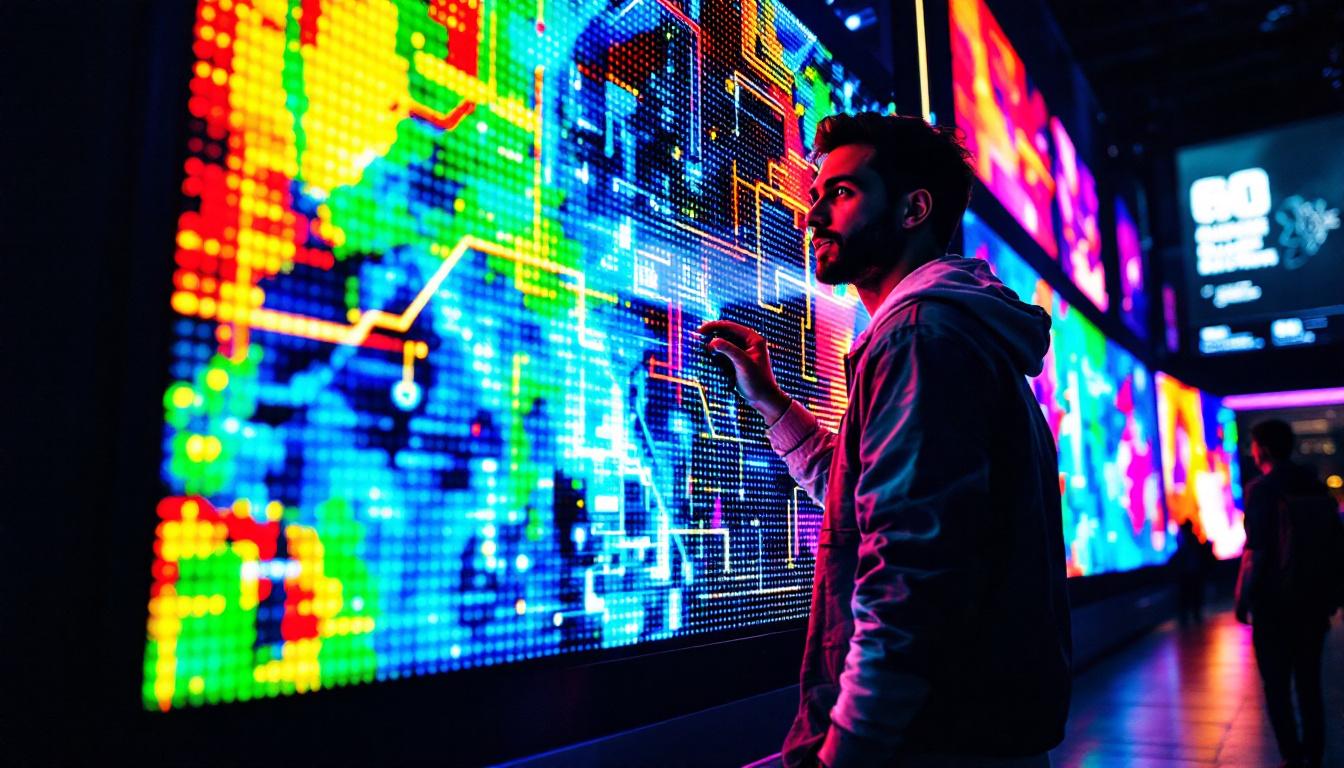
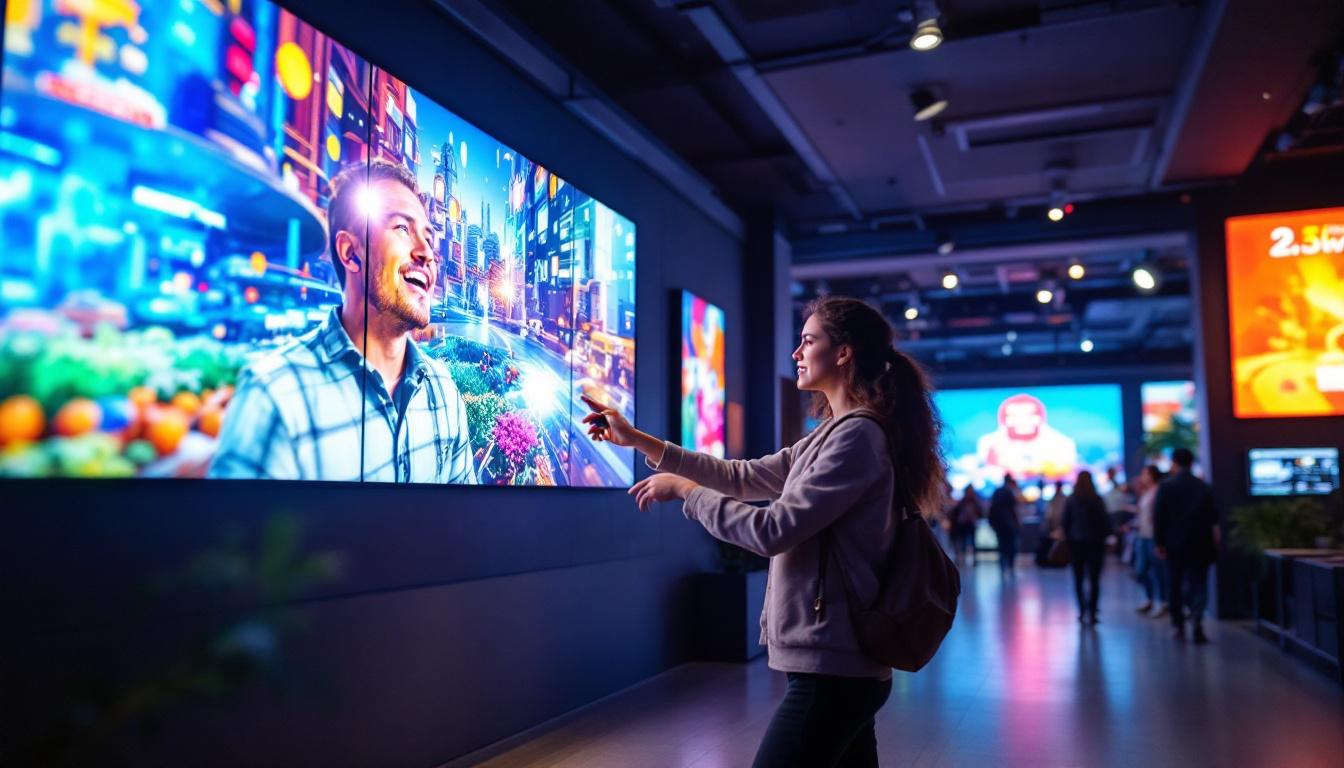
With the rise of interactive digital signage, touchscreen overlays have become increasingly popular. These overlays allow users to engage directly with the content displayed on the LED screen, opening new possibilities for marketing, education, and entertainment applications.
Applications of LED Screen Overlays Across Industries
LED screen overlays find applications across a broad spectrum of industries, each with unique requirements and challenges. The versatility of overlays makes them indispensable in many scenarios.
Advertising and Outdoor Billboards
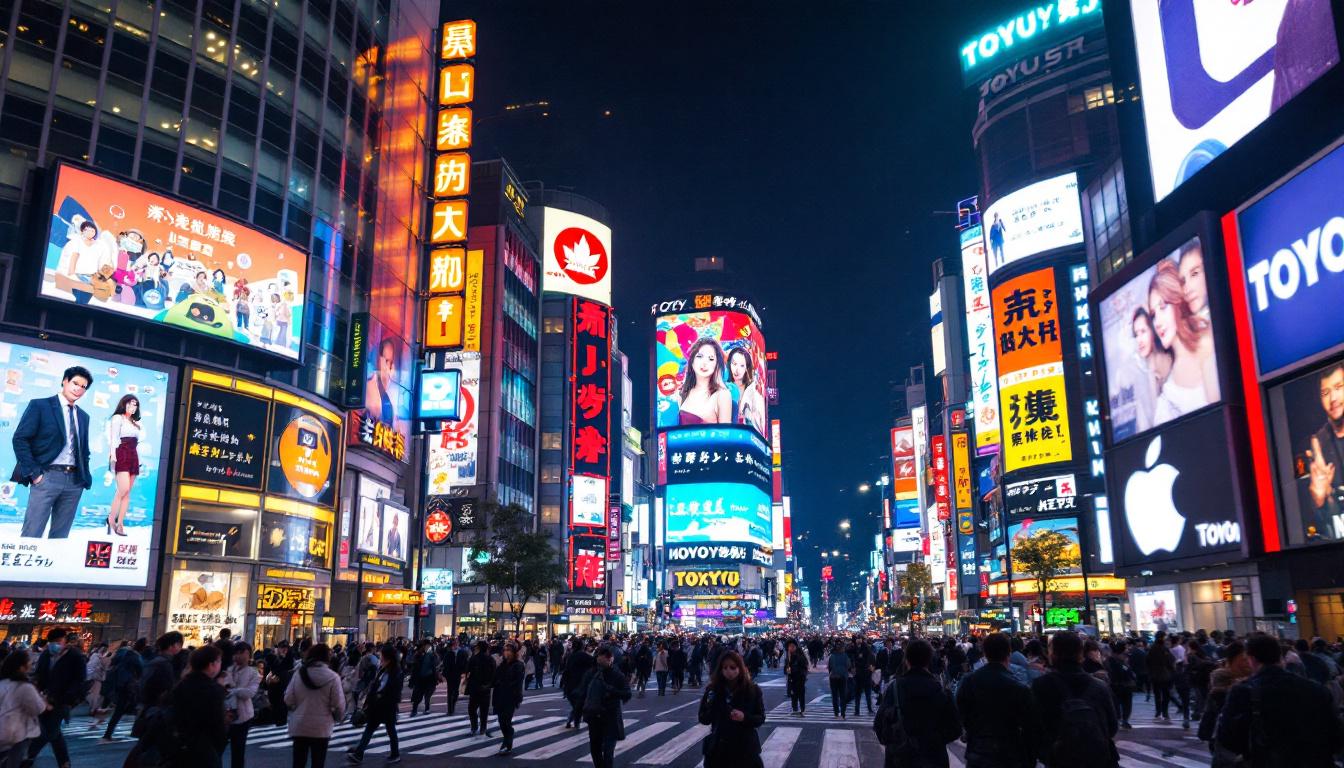
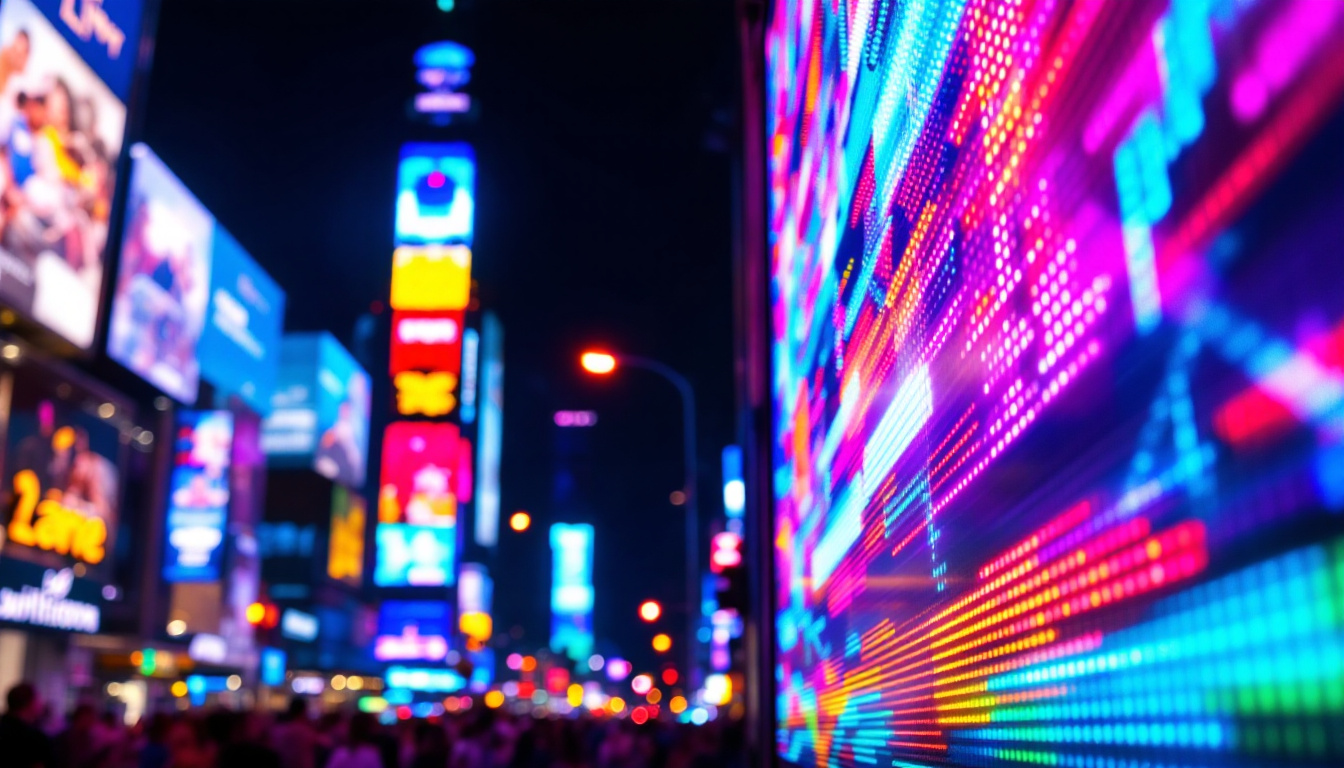
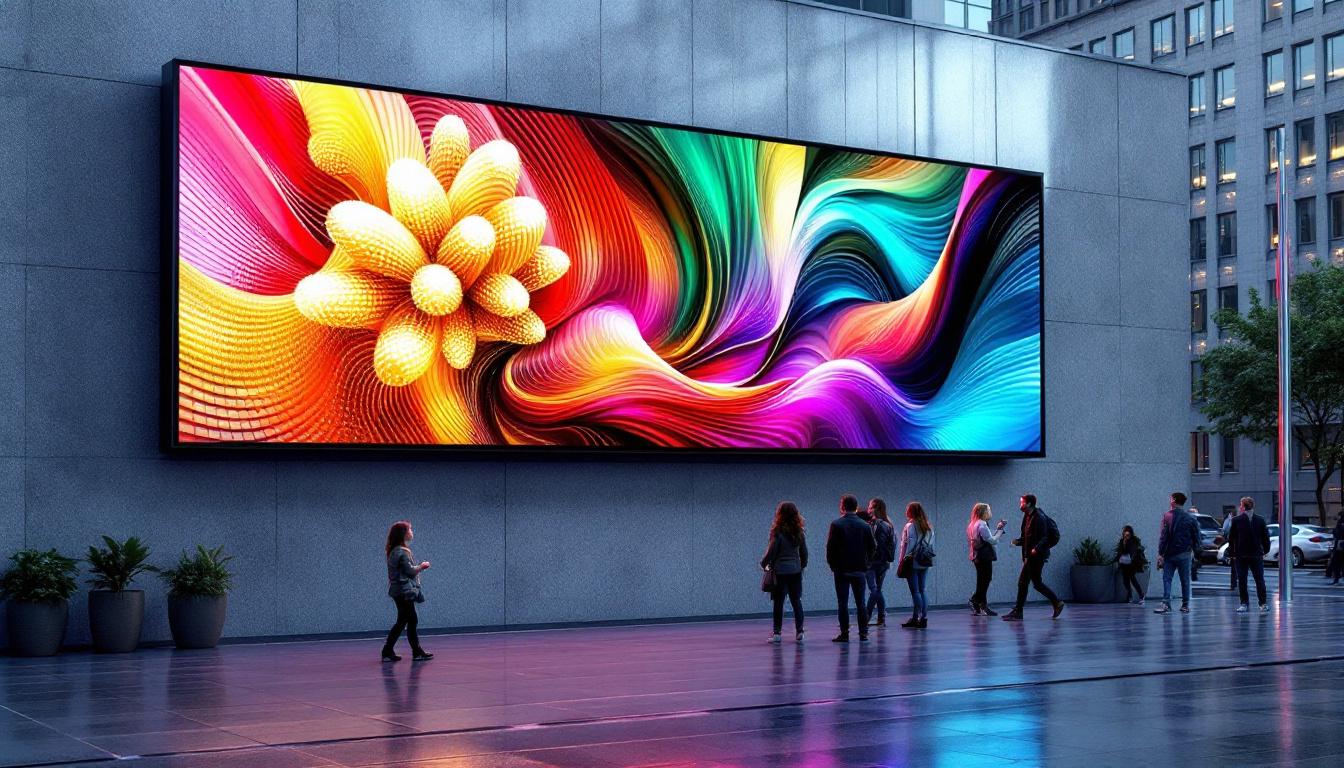
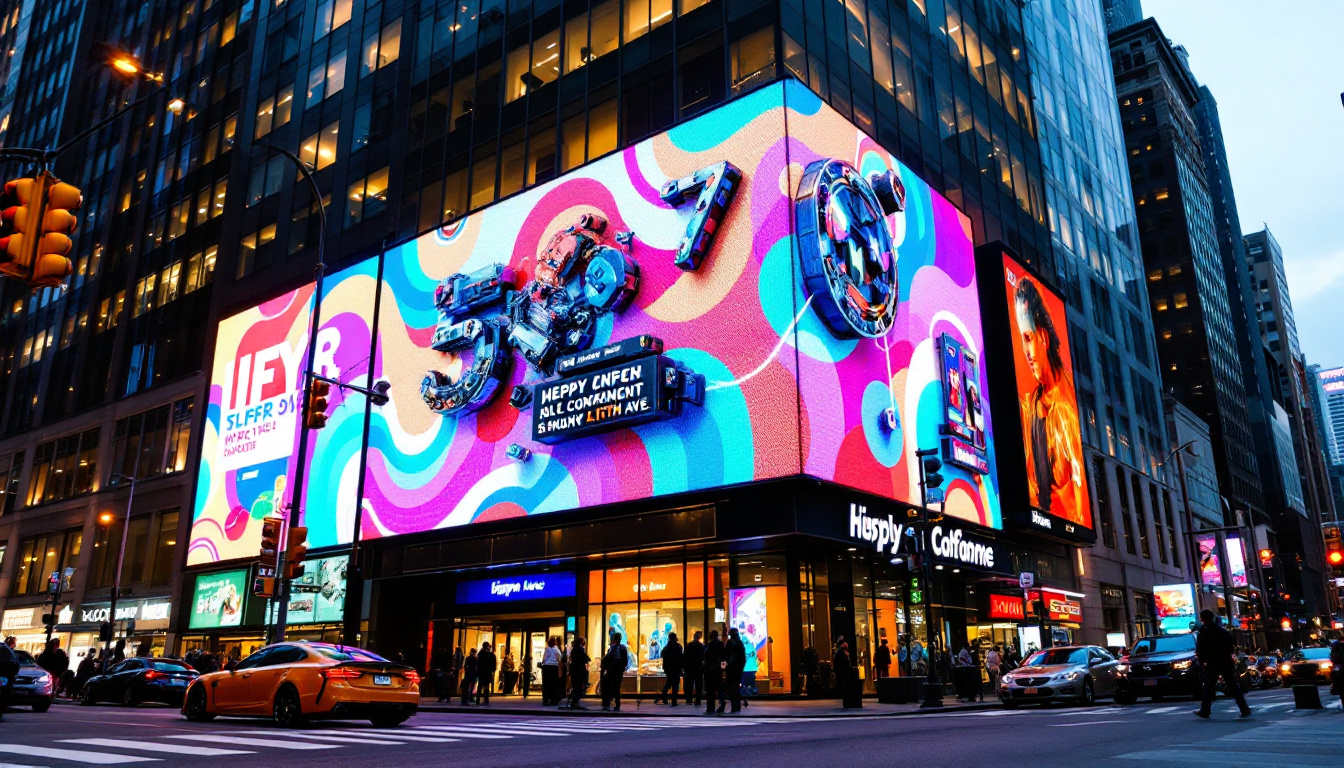
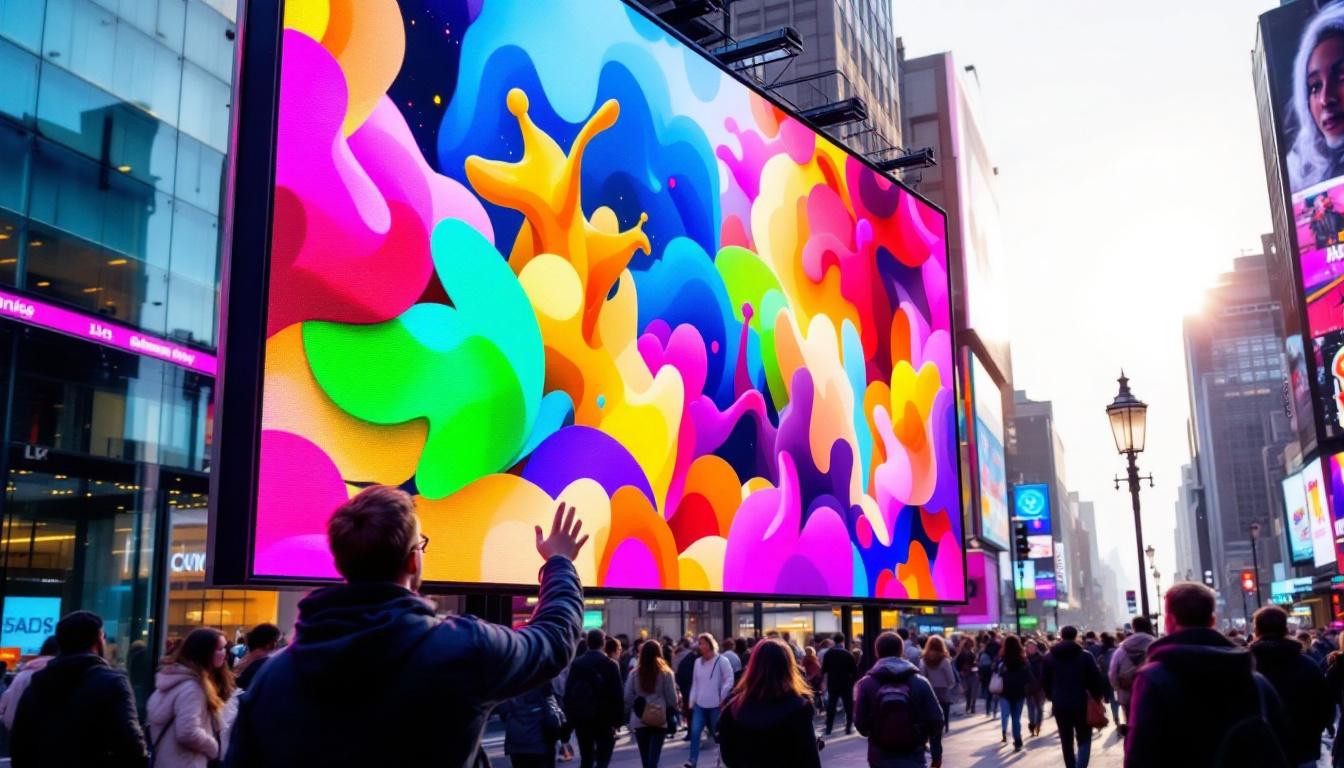
Billboards and large-format outdoor advertising rely heavily on LED displays to capture attention. Overlays protect these displays from vandalism, weather, and sun glare, ensuring messages remain visible and impactful 24/7. For example, Times Square in New York City features numerous LED billboards equipped with protective overlays to withstand heavy urban wear and tear.
Entertainment and Events
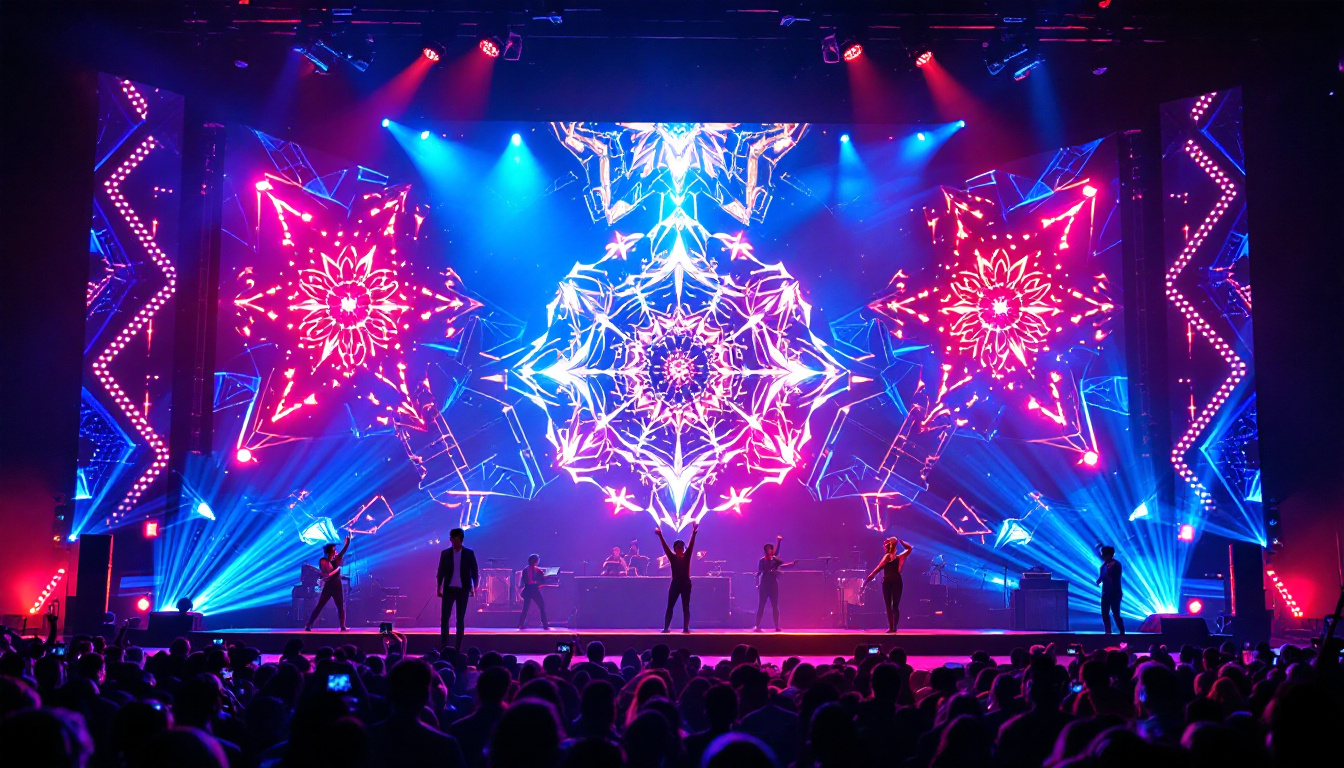
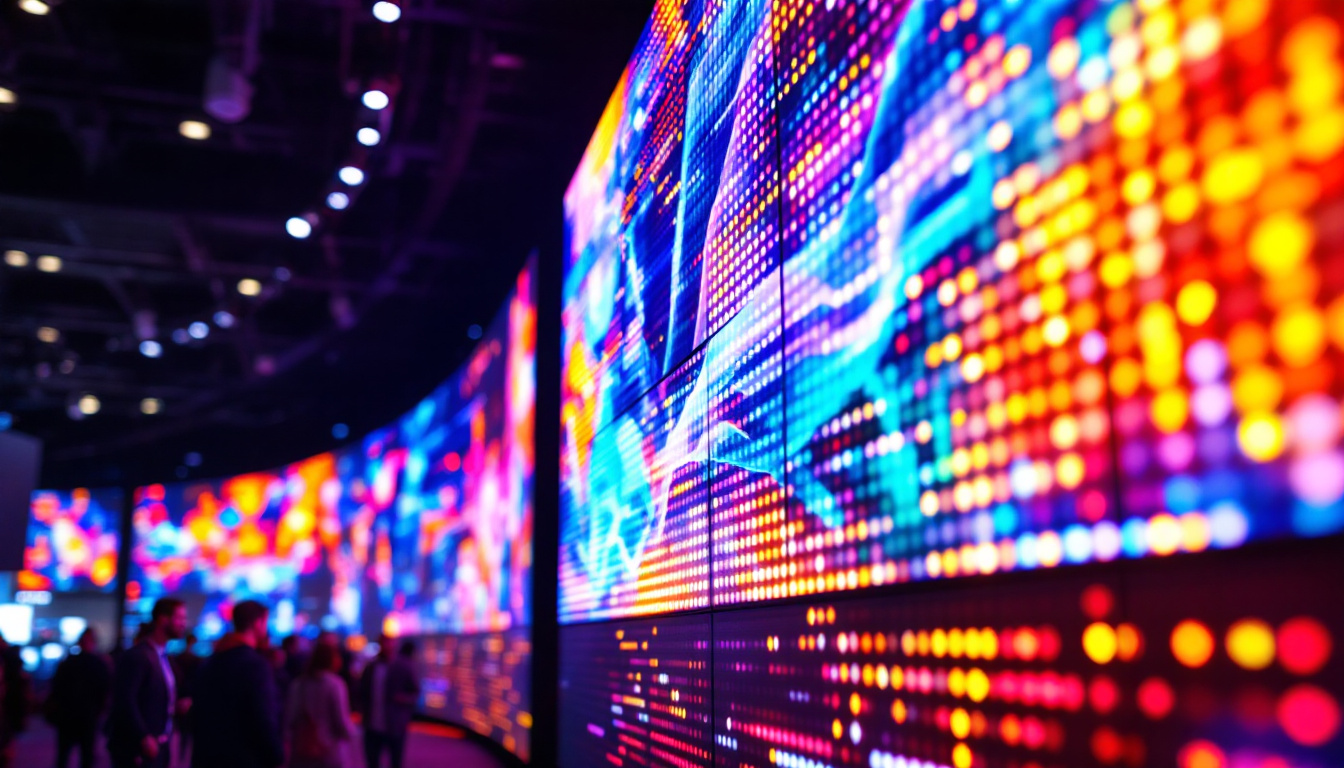
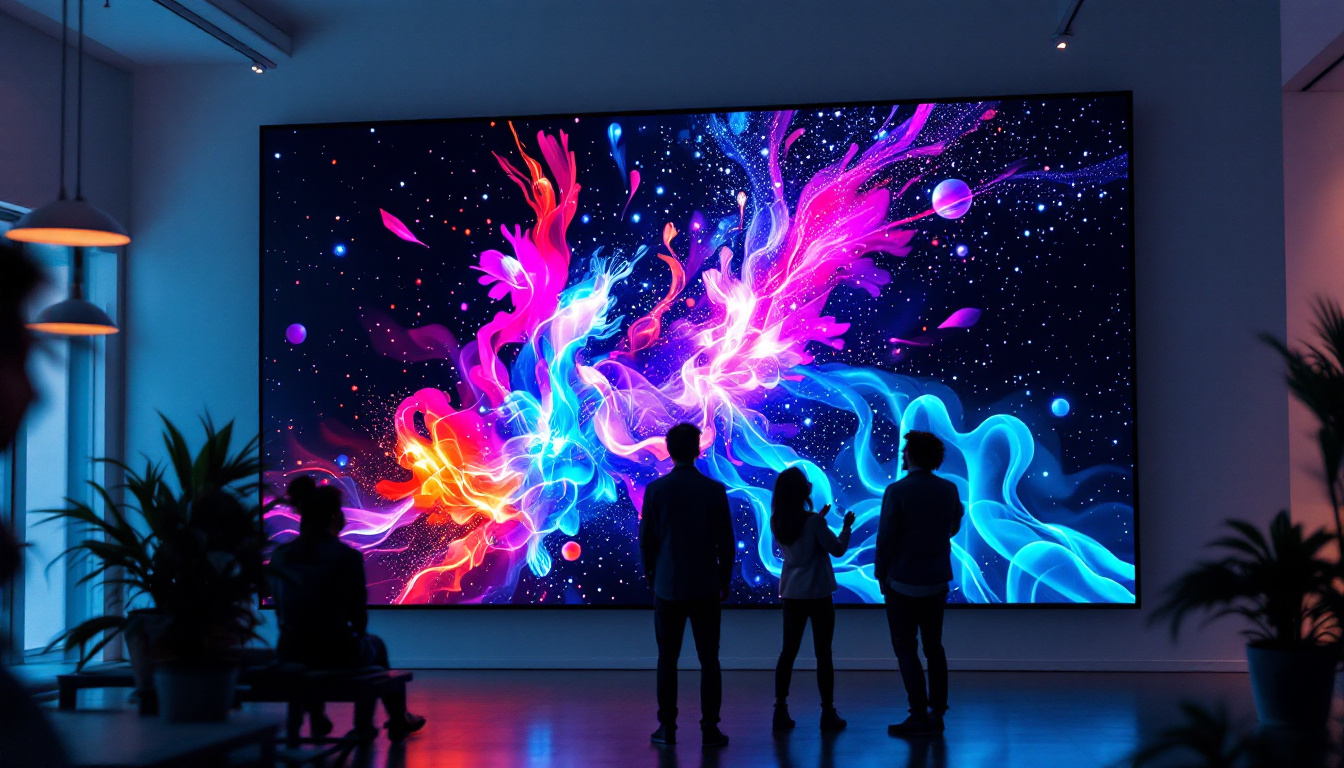
Concerts, festivals, and sports events use massive LED screens to deliver immersive experiences. Overlays here serve dual purposes: protecting the screens during transport and setup, and enhancing image quality under varying lighting conditions. Interactive overlays also enable audience engagement through touch or gesture recognition technologies.
Retail and Corporate Environments
Indoor LED displays in retail stores and corporate offices benefit from overlays that improve color accuracy and reduce glare. These enhancements contribute to better brand representation and more effective communication with customers or employees.
Transportation and Public Spaces
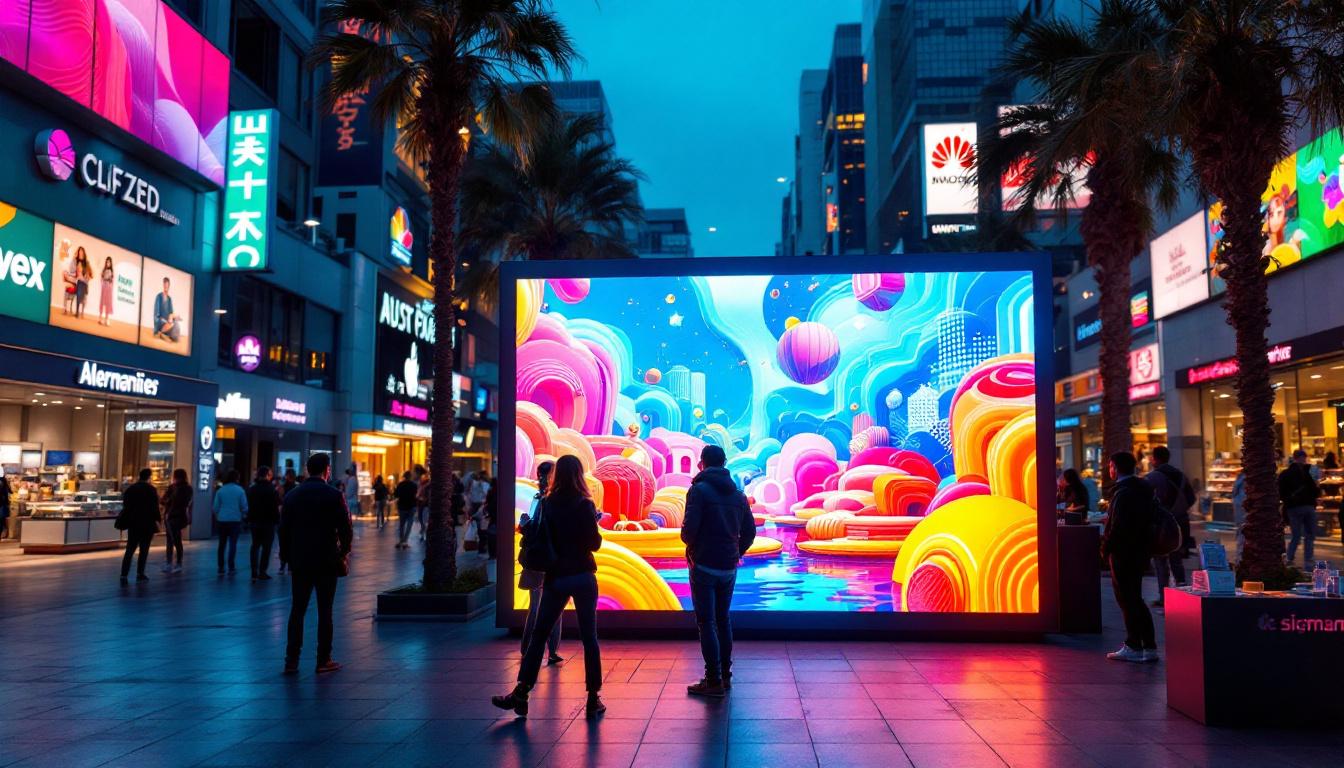
LED screens in airports, train stations, and public squares often incorporate overlays to ensure durability and readability. Anti-reflective coatings are particularly valuable in these high-traffic areas where ambient light levels fluctuate throughout the day.
Choosing the Right LED Screen Overlay
Selecting the appropriate overlay depends on several factors including the display’s location, intended use, and budget. Here are key considerations when making this choice:
Environmental Conditions
For outdoor installations, overlays must be weatherproof and resistant to UV damage. Tempered glass with specialized coatings is often the best choice. Indoor screens may prioritize anti-reflective or diffusion properties instead.
Display Resolution and Pixel Pitch
High-resolution LED displays with fine pixel pitches require overlays that do not degrade image sharpness. Thin, optically clear materials are preferred to maintain visual fidelity.
Maintenance and Cleaning
Overlays should be easy to clean without scratching or damaging the surface. This is especially important in public or industrial environments where screens are exposed to dirt and fingerprints.
Cost vs. Benefit Analysis
While overlays add to the initial investment, their protective and performance-enhancing benefits often result in lower maintenance costs and longer display lifespan, making them a cost-effective choice in the long run.
Future Trends in LED Screen Overlays
The LED display industry continues to innovate, and overlays are no exception. Emerging technologies promise to further enhance the capabilities and applications of LED screens.
Smart Overlays with Integrated Sensors
Future overlays may incorporate sensors that adjust brightness and color temperature automatically based on ambient lighting, optimizing viewer experience dynamically. These “smart” overlays could also monitor the health of the LED modules beneath, predicting maintenance needs before failures occur.
Flexible and Transparent Overlays
Advances in materials science are enabling the development of flexible and transparent overlays that can be integrated into curved or unconventional LED displays. This opens new creative possibilities for architects and designers.
Improved Anti-Microbial Coatings
In a post-pandemic world, overlays with anti-microbial properties are gaining traction, especially for interactive displays in public spaces. These coatings help reduce the spread of germs without compromising touch sensitivity or visual quality.
Conclusion
LED screen overlays are a critical yet often overlooked component of LED display technology. They protect the delicate LED modules, enhance visual performance, and enable new functionalities such as interactivity. Whether for outdoor advertising, entertainment, retail, or public information systems, selecting the right overlay can significantly impact the effectiveness and longevity of an LED display.
As LED technology continues to advance, so too will the materials and capabilities of screen overlays, making them an essential consideration for anyone investing in LED displays. Understanding the types, benefits, and applications of LED screen overlays empowers businesses and organizations to maximize their digital signage investments and deliver compelling visual experiences to their audiences.
Discover LumenMatrix’s Advanced LED Solutions
Ready to elevate your visual displays with the latest in LED technology? Look no further than LumenMatrix, where innovation meets excellence in creating dynamic and engaging visual experiences. From vibrant Indoor LED Walls to robust Outdoor LED Displays, and from sleek LED Posters to immersive LED Sports and Floor Displays, LumenMatrix offers a comprehensive range of solutions tailored to your needs. Embrace the future of visual communication with our Custom, All-in-One, and Transparent LED Displays. Check out LumenMatrix LED Display Solutions today and transform how you connect with your audience.