In today’s fast-paced business environment, the quality of your conference room technology can significantly impact meeting effectiveness and overall productivity. One of the most transformative upgrades you can make is integrating LED display technology. This article explores the essentials of LED displays in conference rooms, explaining their benefits, types, setup considerations, and best practices to help organizations create a modern, engaging meeting space.
Why LED Displays Are Revolutionizing Conference Rooms
LED (Light Emitting Diode) displays have become a cornerstone of modern visual communication. Their adoption in conference rooms is not merely a trend but a strategic move to enhance collaboration and information sharing.
Compared to traditional LCD or projector setups, LED displays offer superior brightness, contrast, and color accuracy. According to a report by MarketsandMarkets, the global LED display market is expected to grow at a CAGR of 15.7% from 2023 to 2028, reflecting increasing demand in corporate environments. This growth is driven by the need for more dynamic and visually engaging presentations.
Moreover, LED displays are highly scalable and customizable, allowing businesses to tailor the size and resolution to the specific needs of their conference rooms. Their energy efficiency and longer lifespan also contribute to lower total cost of ownership, making them a smart investment.
Enhanced Visual Clarity and Engagement
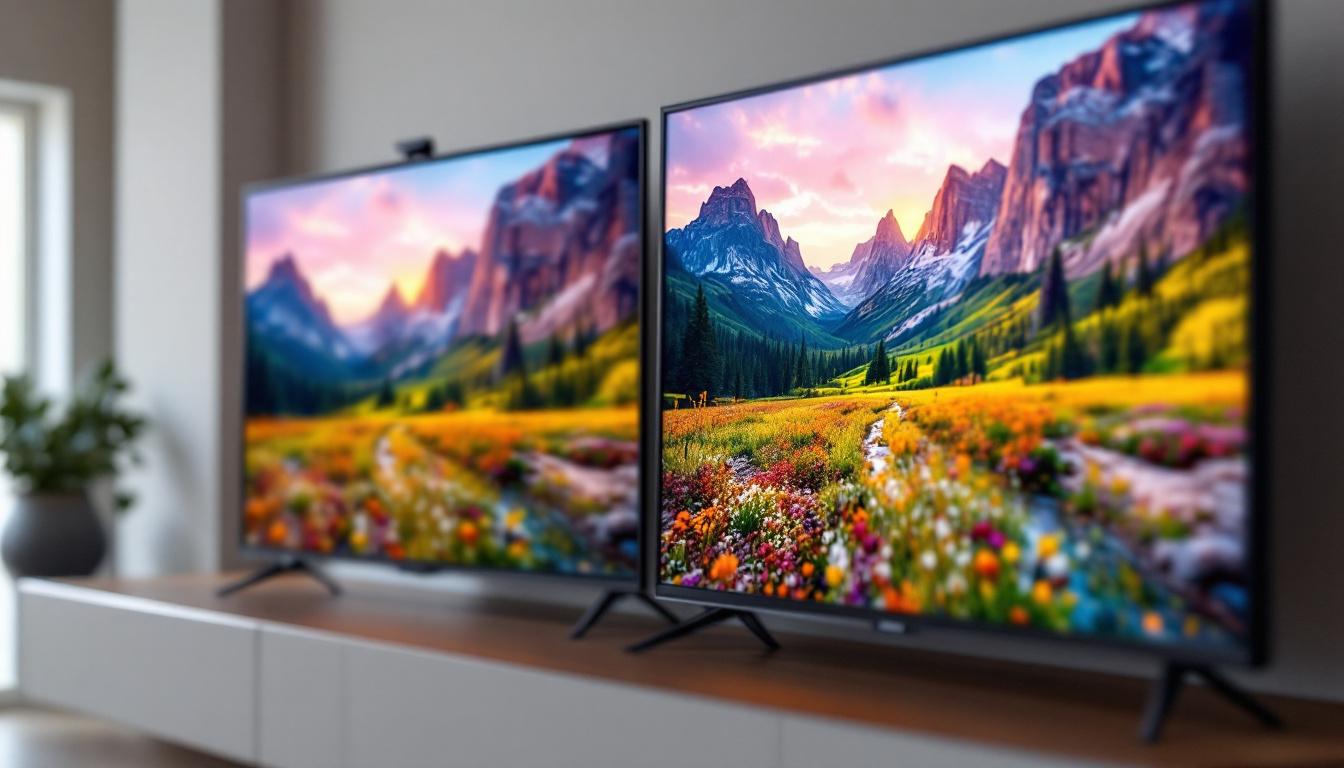
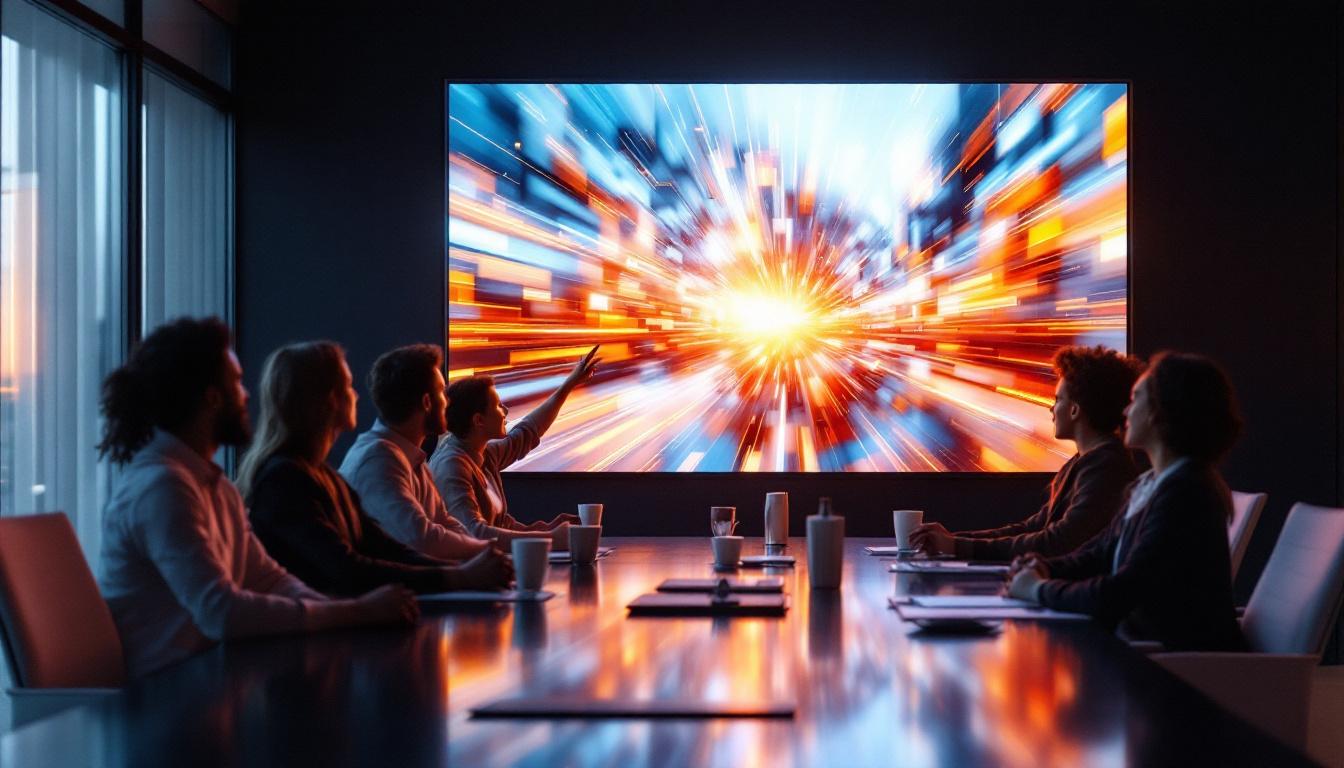
One of the primary advantages of LED displays is their exceptional visual quality. Unlike projectors that can suffer from ambient light interference, LED screens maintain clarity even in brightly lit rooms. This ensures that every participant, regardless of seating position, can view content clearly, reducing misunderstandings and improving engagement.
Furthermore, the vibrant colors and sharp images produced by LED technology can significantly enhance the storytelling aspect of presentations. Whether displaying intricate graphs, high-resolution images, or video content, the LED display’s capabilities allow presenters to convey their messages with greater impact. This heightened visual experience not only captivates the audience but also fosters a more interactive environment, encouraging questions and discussions that lead to more productive meetings.
Durability and Maintenance Benefits
LED panels are built to last, often boasting lifespans exceeding 100,000 hours. Their solid-state design means fewer moving parts, translating to less frequent maintenance compared to traditional projectors or LCD monitors. For busy conference rooms that see daily use, this reliability is a significant advantage.
Additionally, the low maintenance requirements of LED displays mean that organizations can allocate their resources more efficiently. With less downtime for repairs or replacements, teams can focus on their core activities rather than troubleshooting technical issues. This reliability is further complemented by advancements in technology that allow for remote monitoring and diagnostics, enabling IT departments to address potential problems before they disrupt a meeting. As a result, LED displays not only enhance the user experience but also streamline operational efficiency in corporate settings.
Types of LED Displays Suitable for Conference Rooms
Choosing the right type of LED display depends on room size, budget, and intended use. Understanding the options available helps organizations make informed decisions.
Direct View LED (DVLED) Walls
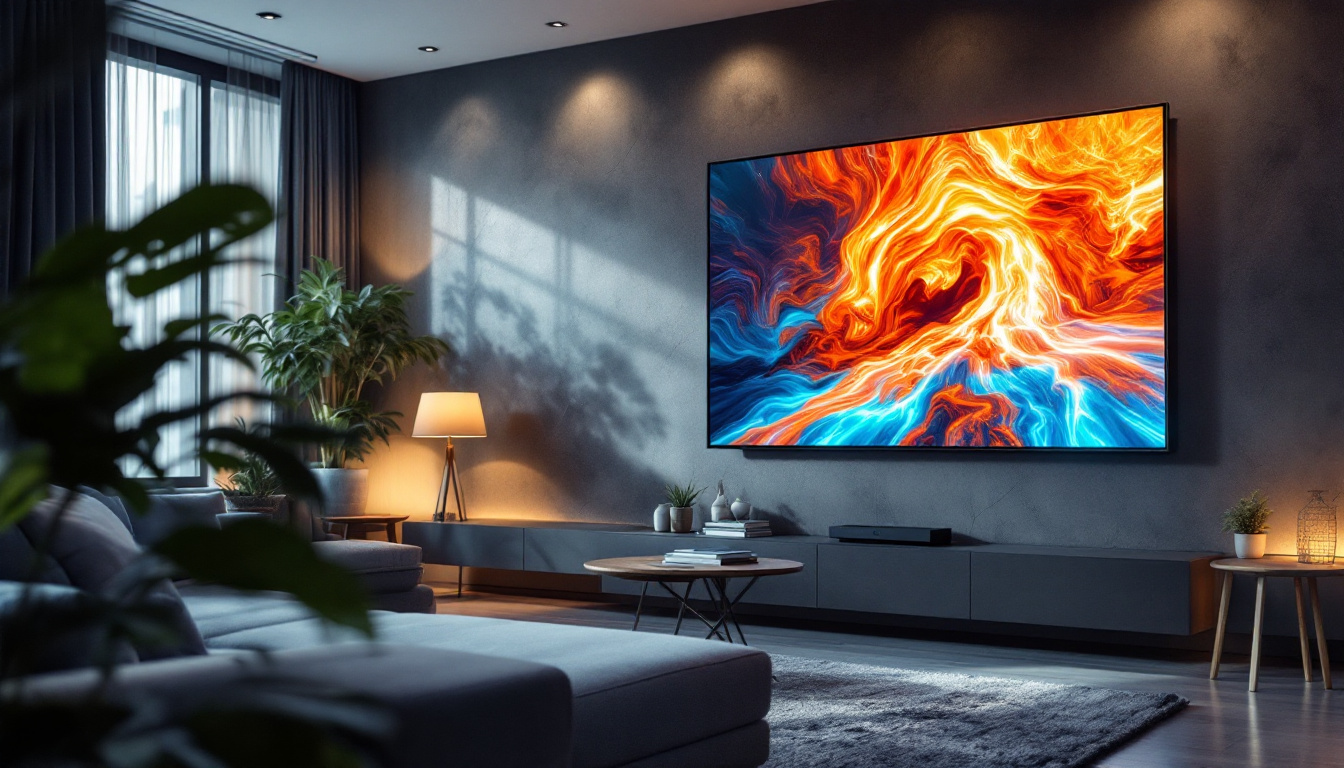
Direct View LED walls are composed of modular panels that combine to form a seamless, large-format display. These are ideal for larger conference rooms or auditoriums where visibility from a distance is crucial. DVLED walls offer ultra-high resolution and vibrant colors, making them perfect for detailed presentations, video conferencing, and multimedia content.
For example, a company with a boardroom seating 50 or more people might install a 4K or even 8K DVLED wall to ensure every attendee has a clear view of the content. The modular nature also allows for flexible sizing and aspect ratios. Additionally, these displays are designed to be energy-efficient and have a long lifespan, which can significantly reduce overall operational costs in the long run. The ability to customize the layout also means that organizations can adapt the display to fit various events, from corporate meetings to large-scale presentations, enhancing the overall experience for both presenters and attendees.
LED Video Walls
LED video walls function similarly to DVLED but often consist of multiple smaller LED screens tiled together. This setup can be more cost-effective for medium-sized rooms and offers flexibility in layout and configuration. Video walls are particularly useful when displaying multiple content sources simultaneously, such as live feeds, presentation slides, and data dashboards. The versatility of video walls allows for dynamic content management, enabling teams to switch between different inputs seamlessly, which is particularly beneficial during collaborative sessions where real-time data visualization is key.
Moreover, many LED video walls come equipped with advanced software that allows for easy content scheduling and management, making it straightforward to prepare for various meetings or events. This capability can be a game changer for organizations that frequently host different types of presentations, as it allows for quick adjustments and ensures that the right content is always displayed at the right time. The immersive experience provided by a well-configured video wall can significantly enhance engagement and retention of information, making it an invaluable tool in any conference room setting.
LED Monitors and Displays
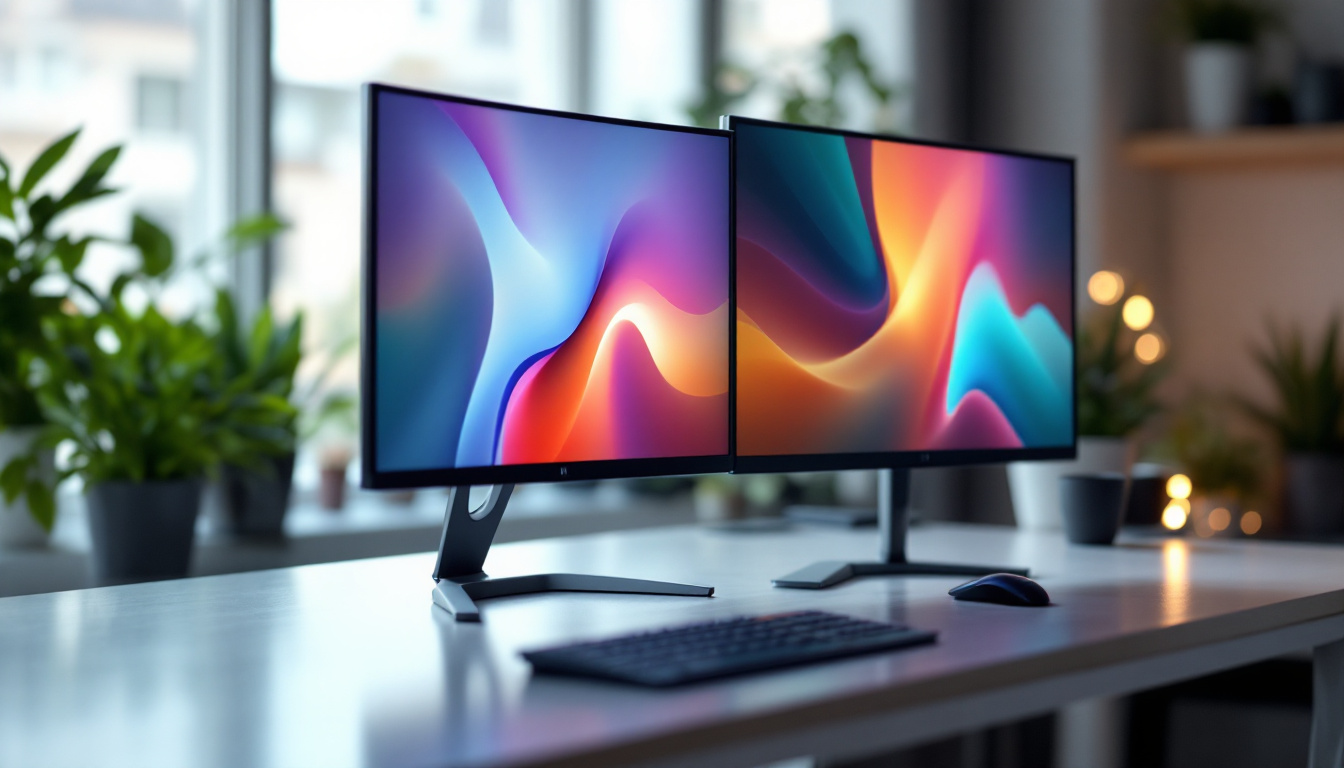
For smaller conference rooms or huddle spaces, standalone LED monitors ranging from 40 to 85 inches are a practical choice. These displays offer excellent image quality and are easy to install and integrate with existing AV systems. They are well-suited for teams of up to 10 people and support features like touch interactivity and wireless casting.
In addition to their compact size, LED monitors are often equipped with smart technology that allows for seamless connectivity with various devices, including laptops, tablets, and smartphones. This feature is particularly advantageous for remote teams or hybrid meetings, where participants may join from different locations. The ability to share screens wirelessly enhances collaboration and allows for a more fluid exchange of ideas, as team members can easily present their work without the hassle of cables or adapters. Furthermore, many modern LED monitors come with built-in cameras and microphones, making them ideal for video conferencing, ensuring that even small spaces can facilitate effective communication and collaboration.
Key Considerations for Setting Up LED Displays in Conference Rooms
Proper setup is critical to maximize the benefits of LED displays. Several factors should be evaluated to ensure the technology meets the room’s functional and aesthetic requirements.
Room Size and Viewing Distance
Determining the optimal screen size starts with understanding the room dimensions and typical seating arrangements. A general rule of thumb is that the viewing distance should be approximately 1.5 to 2.5 times the screen height. For example, a 75-inch display is ideal for a room where the farthest viewer is about 9 to 15 feet away.
In larger rooms, multiple LED panels or a video wall may be necessary to provide adequate visibility for all participants. Conversely, an oversized display in a small room can cause eye strain and reduce comfort.
Resolution and Pixel Pitch
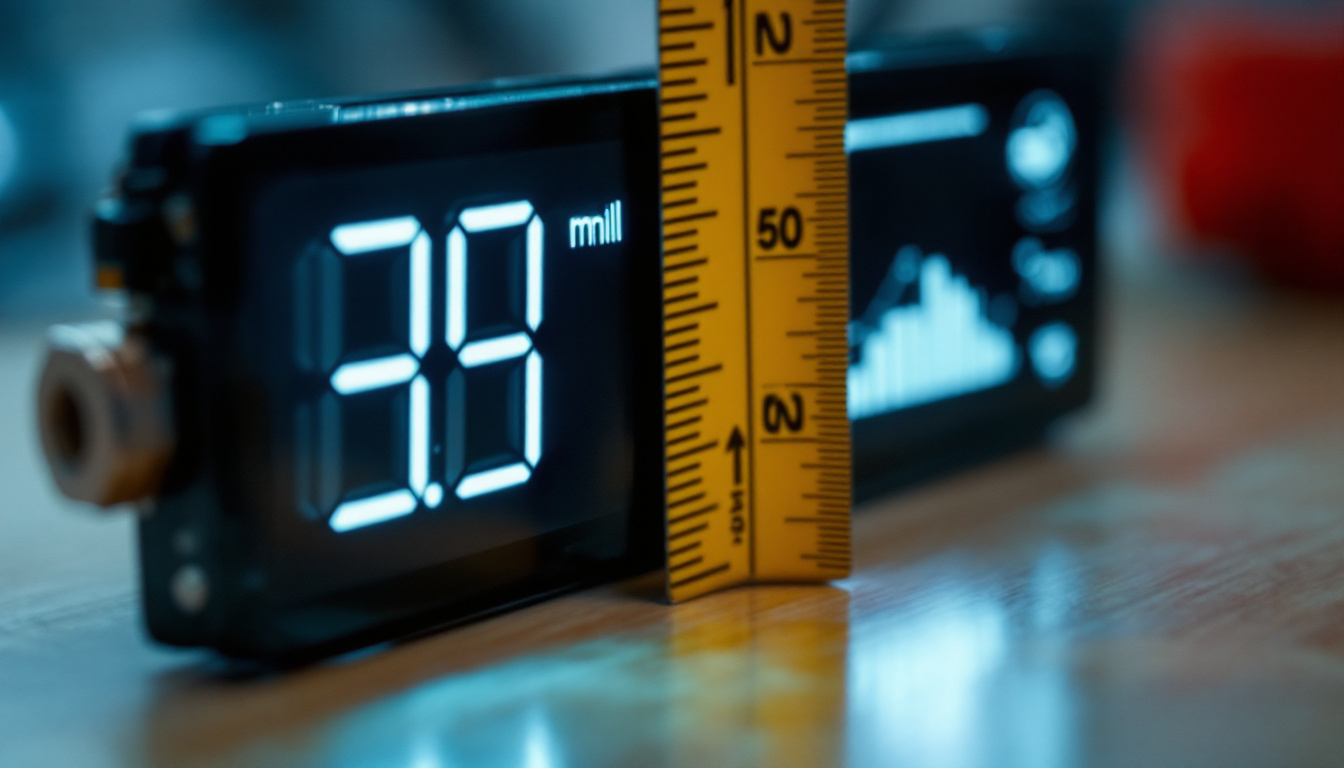
Resolution determines the sharpness of the image, while pixel pitch refers to the distance between individual LED pixels. Smaller pixel pitch values mean higher resolution and better image detail, which is especially important for close viewing distances.
For conference rooms where viewers sit relatively close to the screen, a pixel pitch of 1.2mm to 1.5mm is recommended to ensure crisp visuals. Larger rooms with greater viewing distances can use displays with a pixel pitch of 2mm or higher without sacrificing image quality.
Connectivity and Integration
Modern conference rooms require seamless integration of LED displays with various devices and platforms. Ensuring compatibility with laptops, video conferencing systems, and wireless casting technologies is essential for smooth operation.
Many LED displays support HDMI, DisplayPort, USB-C, and wireless protocols like Miracast and AirPlay. Additionally, integration with room control systems such as Crestron or Extron can streamline user experience by allowing centralized control of display settings, lighting, and audio.
Ambient Lighting and Placement
While LED displays perform well in bright environments, it is still important to consider ambient lighting to reduce glare and reflections. Positioning the display opposite windows or using adjustable blinds can improve visibility.
Mounting height and angle also affect viewing comfort. Displays should be installed at eye level or slightly above to minimize neck strain during prolonged meetings.
Installation and Calibration Best Practices
Professional installation and calibration are vital to achieving optimal performance from LED displays. Attention to detail during setup can prevent common issues such as uneven brightness or color inconsistencies.
Professional Installation Services
Engaging experienced AV integrators ensures that the display is securely mounted, cabling is properly managed, and all components are correctly connected. Professionals can also advise on acoustic treatments and seating arrangements to complement the display setup.
Color Calibration and Brightness Adjustment
Calibration involves fine-tuning the display’s color balance, contrast, and brightness to match the room’s lighting conditions and content requirements. This process enhances image fidelity and reduces eye fatigue.
Many LED displays come with built-in calibration tools or support third-party software that can automate adjustments. Regular recalibration is recommended, especially if the room’s lighting changes seasonally.
Testing and User Training
Before finalizing the setup, thorough testing with typical content types—such as presentations, video calls, and multimedia—is essential. This helps identify any latency, connectivity, or display issues.
Providing user training ensures that employees can confidently operate the display system, maximizing its value. Training should cover basic controls, input switching, and troubleshooting common problems.
Future Trends in LED Display Technology for Conference Rooms
As technology evolves, LED displays continue to incorporate new features that enhance collaboration and user experience.
MicroLED and MiniLED Innovations
Emerging MicroLED and MiniLED technologies promise even higher brightness, better contrast ratios, and more energy-efficient displays. These advancements will allow for thinner, lighter screens with improved durability, ideal for flexible conference room designs.
Interactive and Touch-Enabled LED Displays
Interactive LED displays that support multi-touch input are becoming increasingly popular. These enable more dynamic presentations and collaborative brainstorming sessions, allowing participants to annotate, draw, and manipulate content directly on the screen.
Integration with Artificial Intelligence
AI-powered features such as voice control, facial recognition, and automated content optimization are beginning to appear in conference room displays. These technologies aim to simplify operation and personalize meeting experiences.
Conclusion
Investing in LED display technology for conference rooms is a strategic decision that can significantly enhance communication, engagement, and productivity. Understanding the different types of LED displays, key setup considerations, and emerging trends helps organizations create meeting environments that meet current needs and adapt to future demands.
By prioritizing visual clarity, ease of use, and integration with existing systems, businesses can ensure their conference rooms become dynamic hubs of collaboration and innovation.
Discover LumenMatrix LED Display Solutions
Ready to elevate your conference room with the latest in LED display technology? LumenMatrix offers a wide array of innovative solutions designed to transform your meeting space into a dynamic hub of collaboration and innovation. From Indoor LED Wall Displays to Custom LED Displays, our products are tailored to meet the unique needs of your business. Experience the difference in engagement and clarity with LumenMatrix. Check out LumenMatrix LED Display Solutions today and step into the future of visual communication.