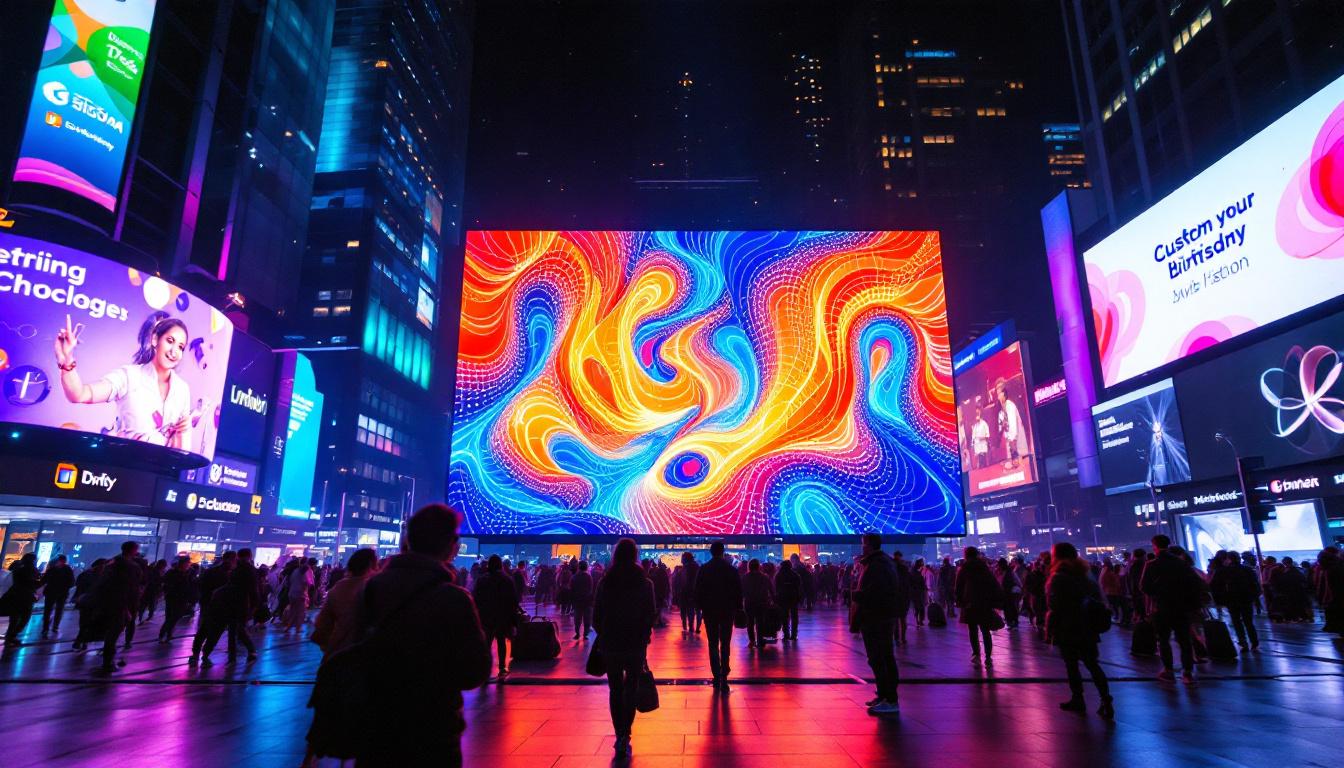
In today’s digital age, LED displays have become an integral part of how information and visuals are presented across various industries. From vibrant billboards lighting up cityscapes to high-resolution screens in stadiums and retail environments, LED technology continues to revolutionize visual communication. Understanding what panels are and how LED displays function is crucial for businesses, marketers, and technology enthusiasts alike.
What Is an LED Display Panel?
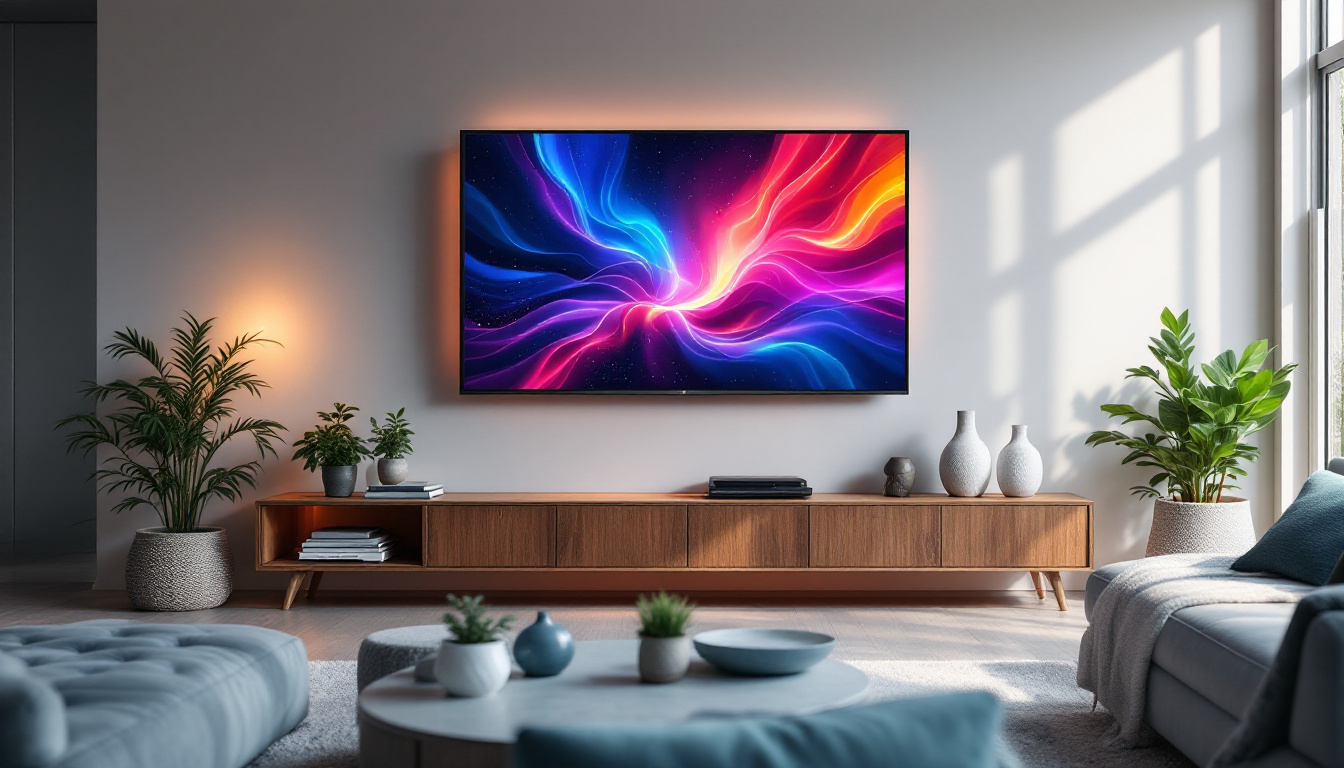
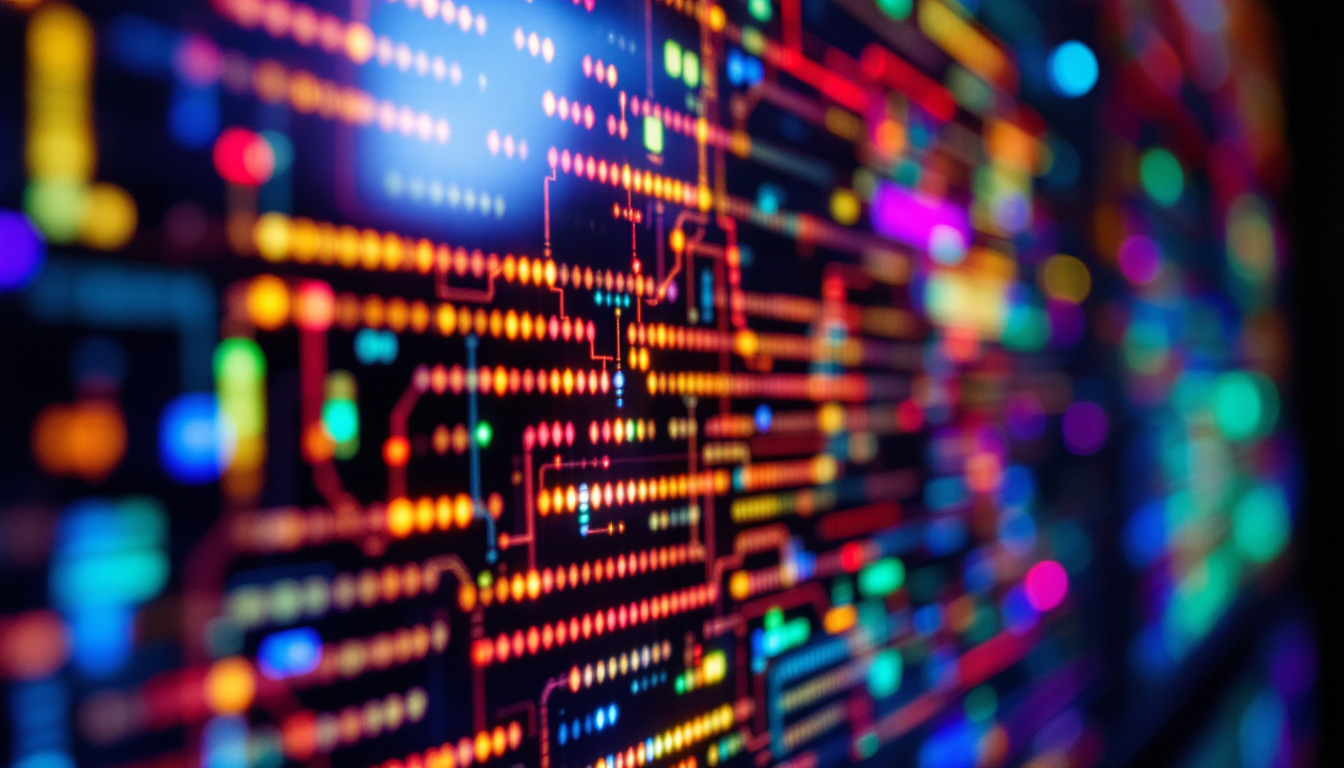
An LED display panel is a flat surface made up of numerous light-emitting diodes (LEDs) arranged in a grid pattern. These tiny diodes emit light when an electric current passes through them, creating images, videos, or text that can be seen from a distance. The panel serves as the fundamental building block of larger LED screens, which are often composed of multiple panels seamlessly connected to form one expansive display.
LED panels come in various sizes and resolutions, depending on their intended use. For instance, a small LED panel might be used in a digital watch or a handheld device, while massive panels are employed in outdoor advertising or sports arenas. The flexibility in size and brightness makes LED panels versatile for both indoor and outdoor applications.
Key Components of an LED Panel
Each LED panel consists of several critical components:
- LED Modules: These are clusters of LEDs grouped together to form a single unit within the panel.
- Driver ICs: Integrated circuits that regulate the power and control signals sent to each LED, ensuring accurate color and brightness.
- PCB (Printed Circuit Board): The board that holds the LEDs and driver ICs, providing electrical connections and structural support.
- Control System: Hardware and software that manage the content displayed on the panel, including synchronization across multiple panels.
How Do LED Displays Work?
At the core, LED displays operate by controlling the light emitted from individual LEDs to produce images. Each LED can emit red, green, or blue light, and by varying the intensity of these three colors, the panel can display a wide spectrum of colors through a process called additive color mixing.
The display’s control system sends signals to the driver ICs, which adjust the current flowing through each LED. This precise control allows the display to render detailed images and smooth video playback. The refresh rate, or how often the image updates per second, is also crucial for ensuring flicker-free viewing, especially in high-motion content like sports broadcasts.
Pixel Pitch and Resolution
One of the most important specifications of an LED panel is its pixel pitch, which refers to the distance between the centers of two adjacent pixels (LED clusters). A smaller pixel pitch means higher resolution and sharper images, as more pixels fit into a given area. For example, a 1.5mm pixel pitch panel is commonly used for indoor displays where viewers are close to the screen, while outdoor displays often have pixel pitches of 10mm or more to maintain visibility from a distance.
Resolution is directly tied to pixel pitch and panel size. A high-resolution LED display can show intricate details and text clearly, making it ideal for presentations, control rooms, or advertising where clarity is paramount.
Types of LED Display Panels
LED display panels come in various types, each designed to meet specific needs and environments. Understanding these types helps in selecting the right panel for a particular application.
Indoor LED Panels
Indoor LED panels are designed for environments with controlled lighting and closer viewing distances. They typically feature a smaller pixel pitch, ranging from 0.9mm to 4mm, which allows for high-resolution images and crisp text. These panels are commonly used in conference rooms, retail stores, museums, and broadcast studios.
Because indoor panels do not need to be as bright as outdoor panels, they consume less power and often have a slimmer profile. Additionally, they are built to operate quietly and with minimal heat output, ensuring comfort in enclosed spaces.
Outdoor LED Panels
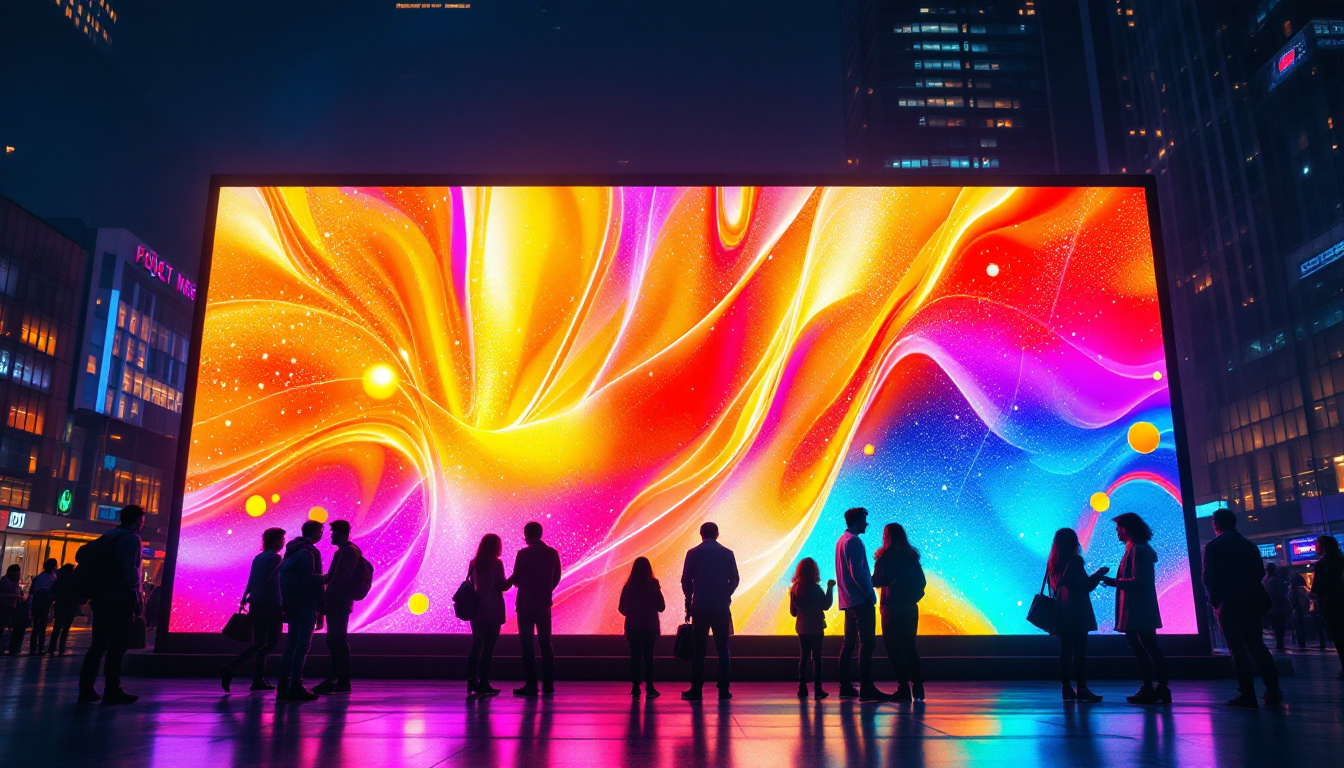
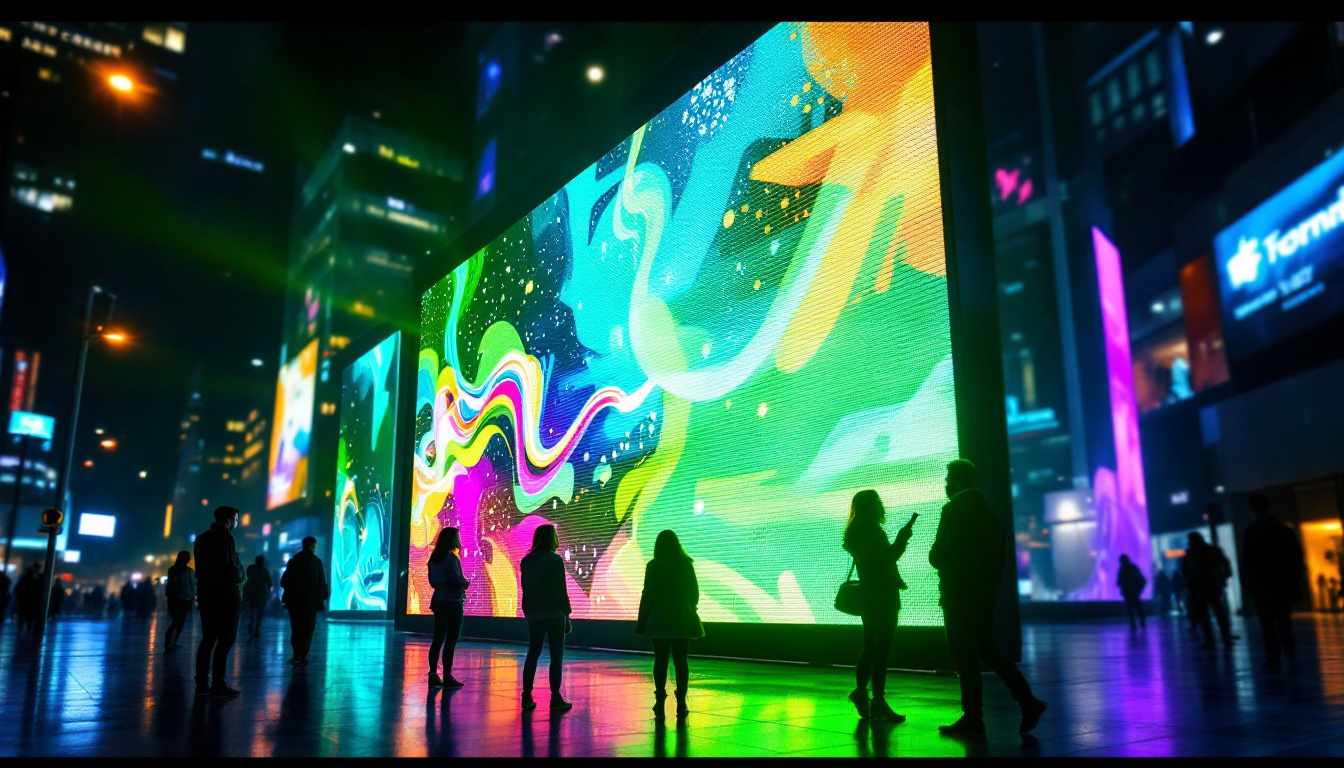
Outdoor LED panels are engineered to withstand harsh weather conditions, including rain, dust, and extreme temperatures. They feature a higher brightness level, often exceeding 5,000 nits, to ensure visibility even under direct sunlight. The pixel pitch for outdoor panels is generally larger, ranging from 6mm to 20mm, to accommodate longer viewing distances.
These panels are commonly used for digital billboards, sports stadiums, transportation hubs, and public information displays. Their robust construction includes waterproof casings and protective coatings to extend durability and lifespan.
Transparent LED Panels
Transparent LED panels are an innovative variation that allows light to pass through the display, making them ideal for storefront windows and architectural installations. These panels combine LED technology with transparent materials, enabling dynamic content display without obstructing the view behind the screen.
They typically have a pixel pitch between 10mm and 20mm and offer a unique way to engage audiences while maintaining natural light and visibility. This technology is gaining popularity in retail and commercial real estate sectors for its aesthetic appeal and functionality.
Applications of LED Display Panels
The versatility of LED display panels has led to their widespread adoption across numerous sectors. Their ability to deliver bright, clear, and dynamic content makes them invaluable tools for communication and advertising.
Advertising and Marketing
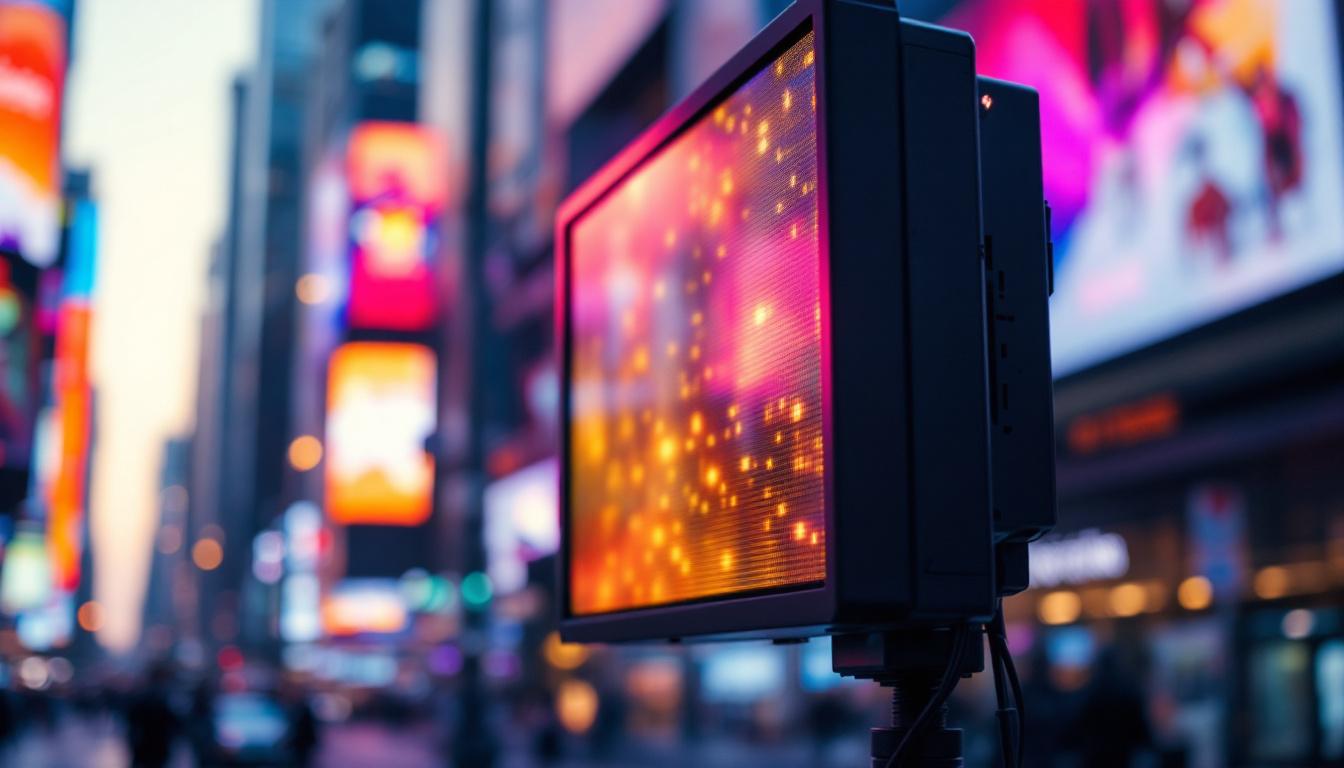
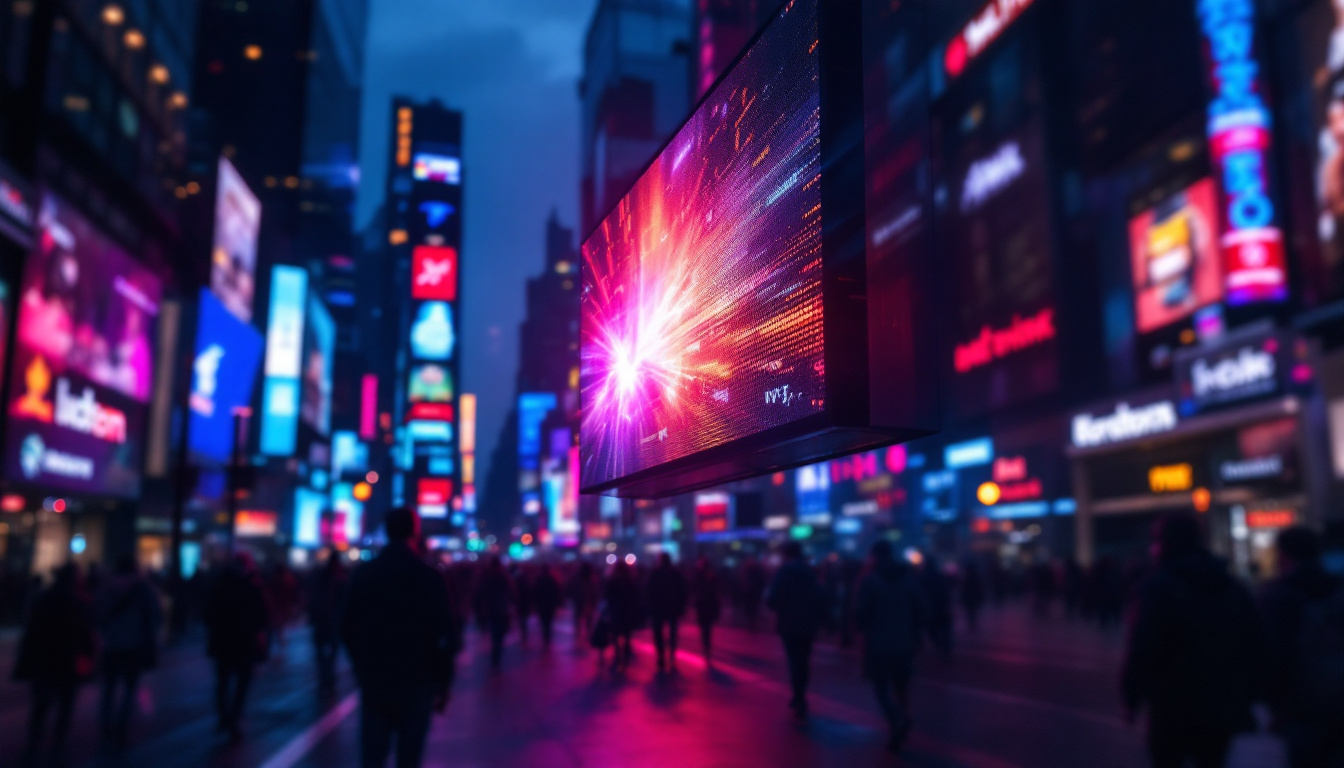
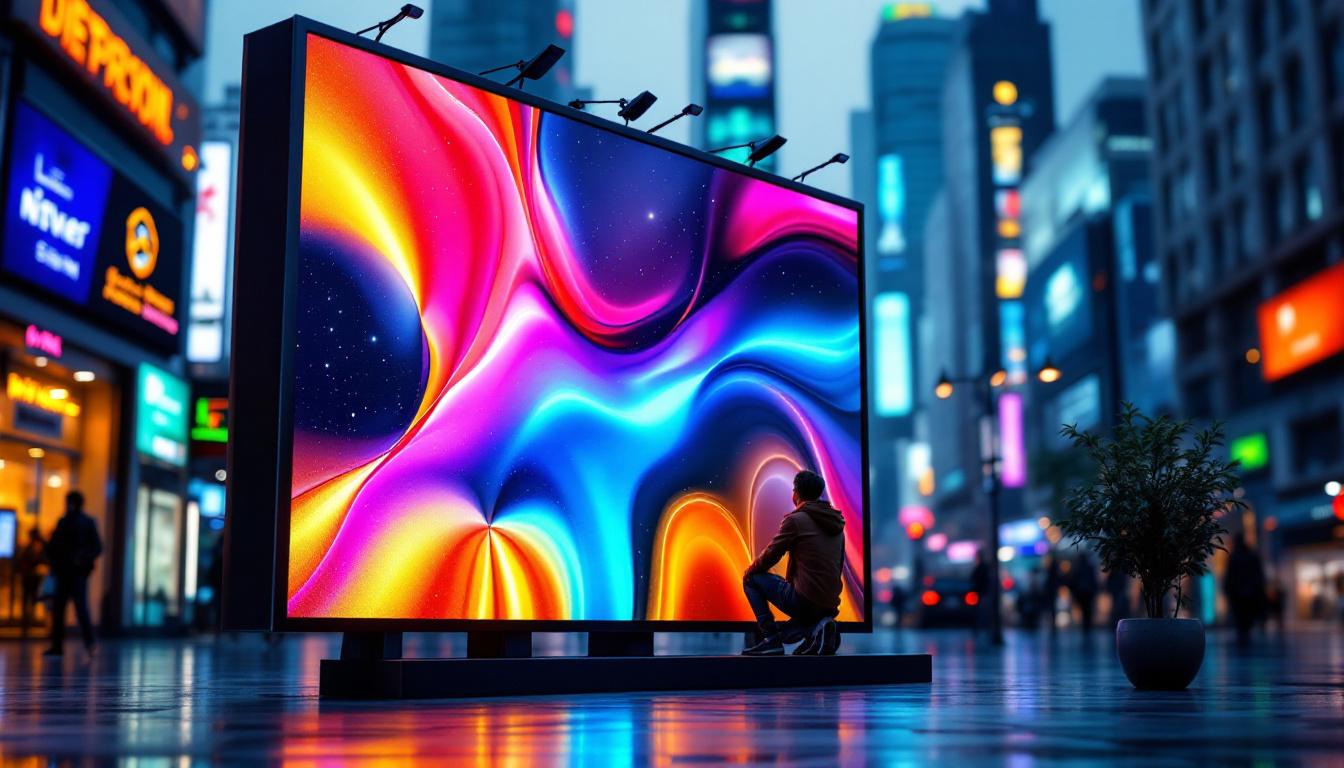
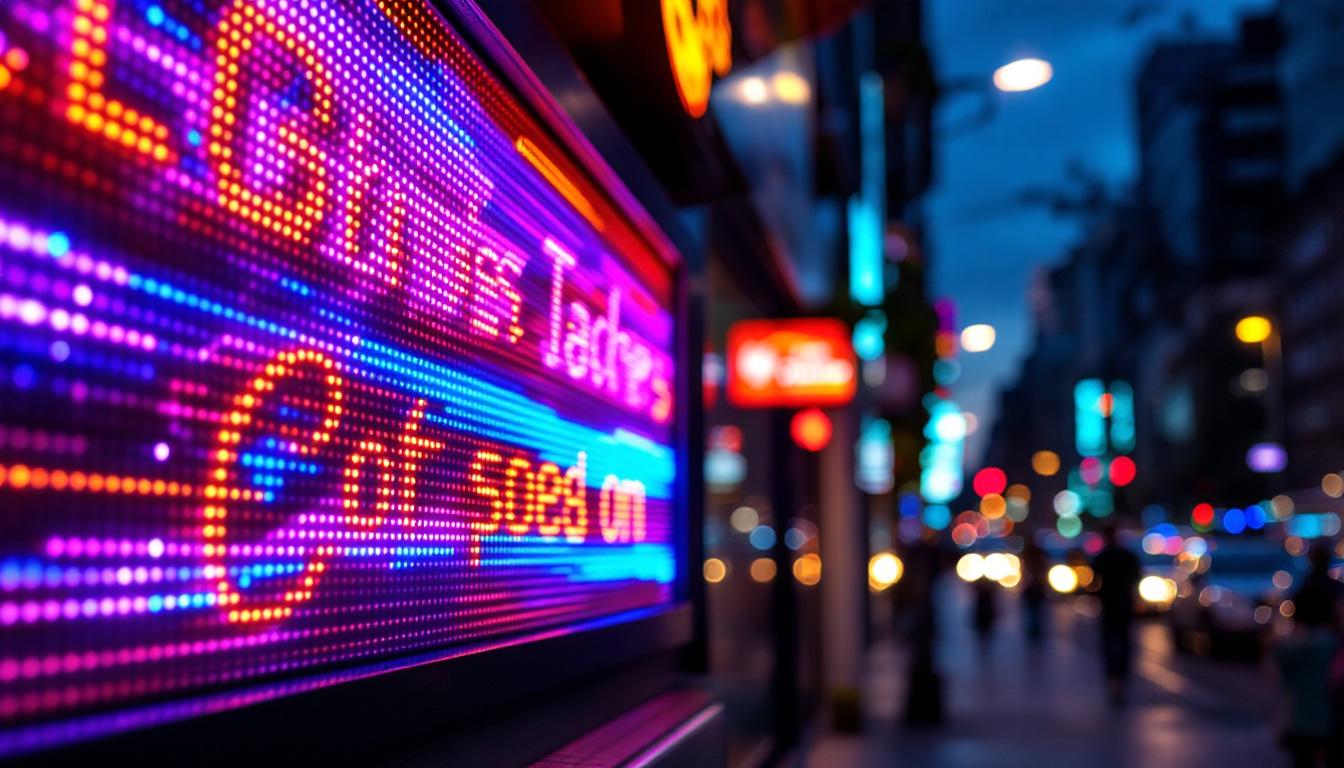
One of the most visible applications of LED panels is in outdoor advertising. Digital billboards equipped with LED panels can display vibrant, eye-catching advertisements that can be updated in real-time. According to recent industry reports, digital out-of-home advertising is projected to grow by over 10% annually, driven largely by advancements in LED technology.
Marketers benefit from the flexibility to tailor content based on time of day, audience demographics, or special events, maximizing engagement and return on investment.
Sports and Entertainment Venues
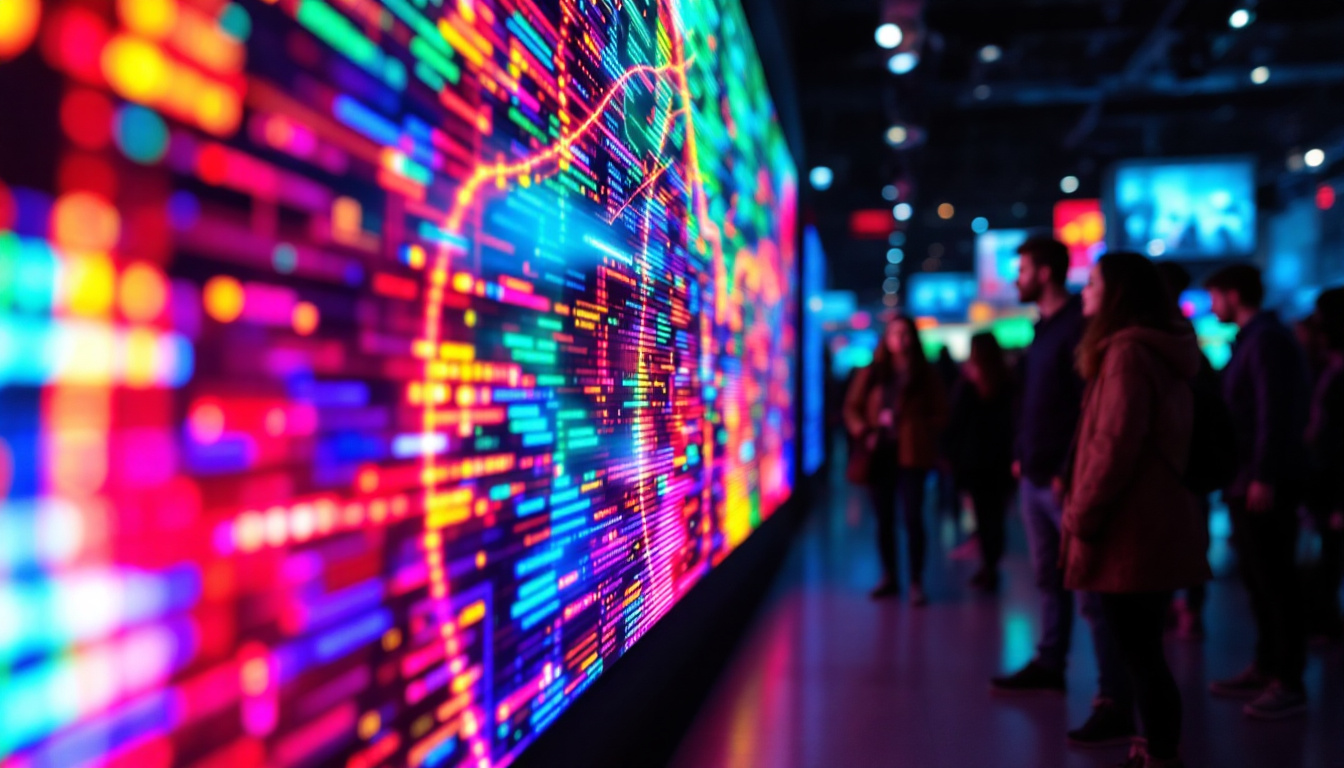
LED panels are extensively used in stadiums and arenas to provide live video feeds, scores, and interactive content. Their high brightness and large size ensure visibility for thousands of spectators. For example, the LED display at the AT&T Stadium in Texas spans over 11,000 square feet, offering one of the most immersive viewing experiences in sports.
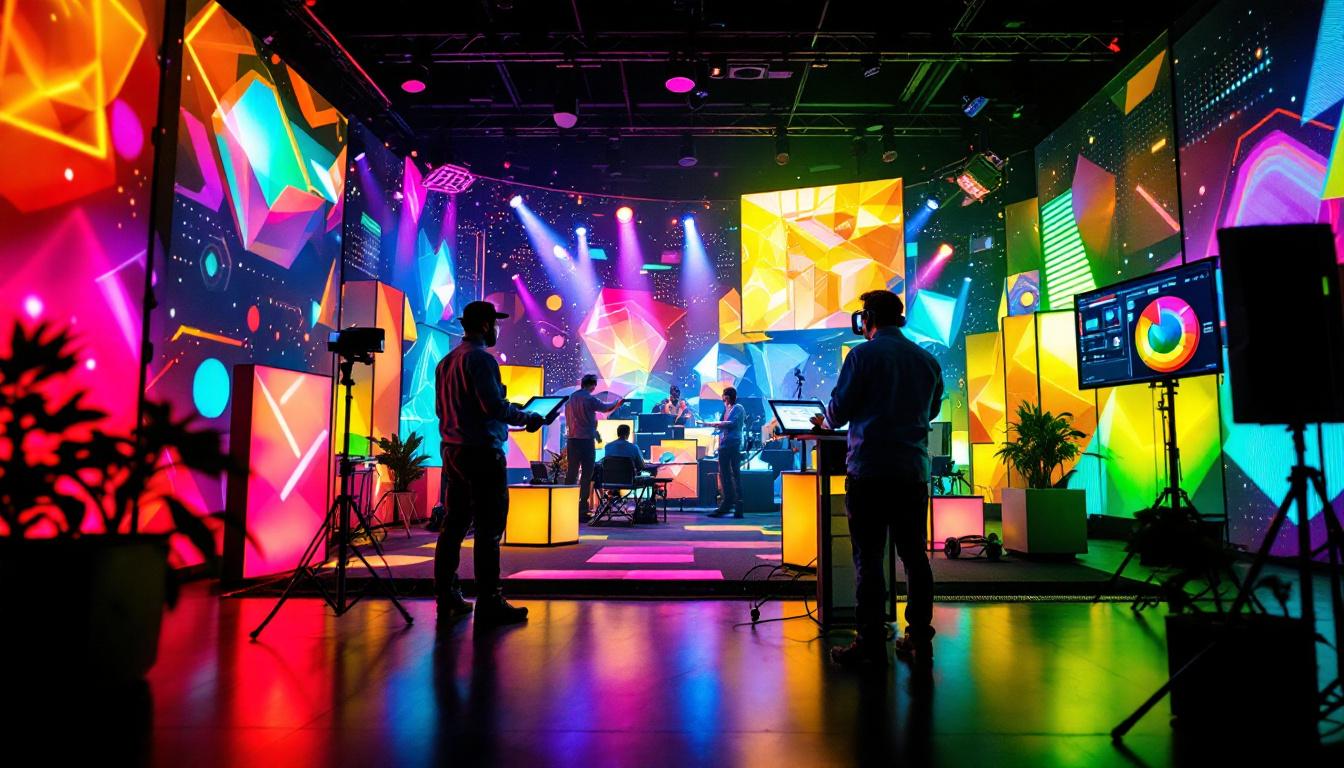
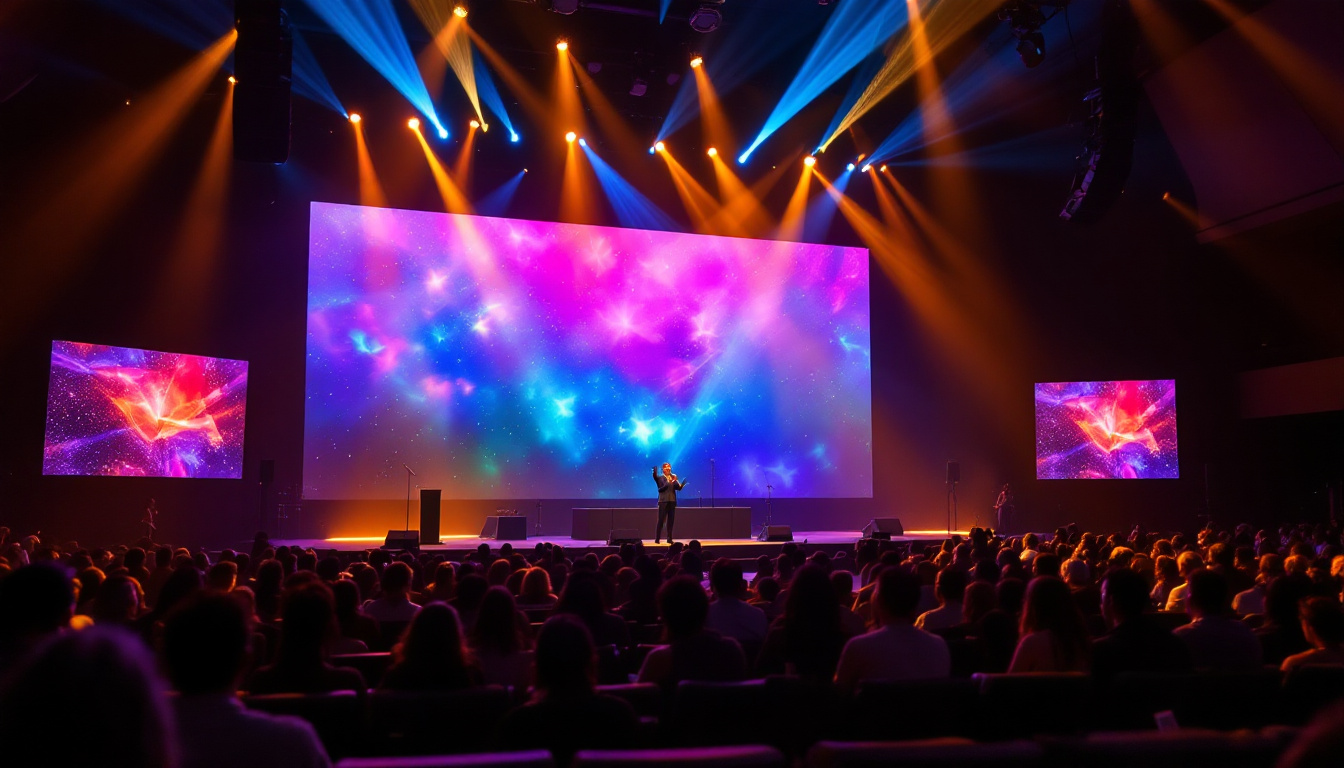
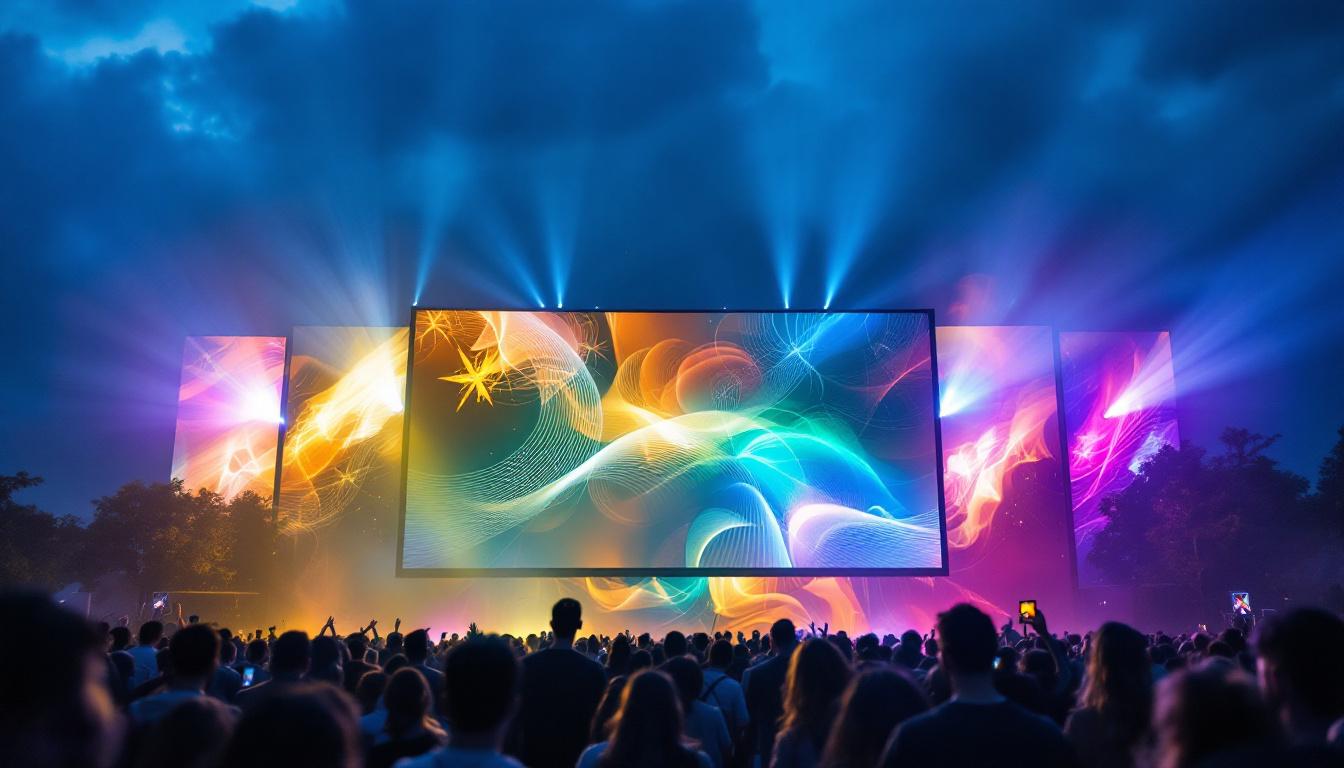
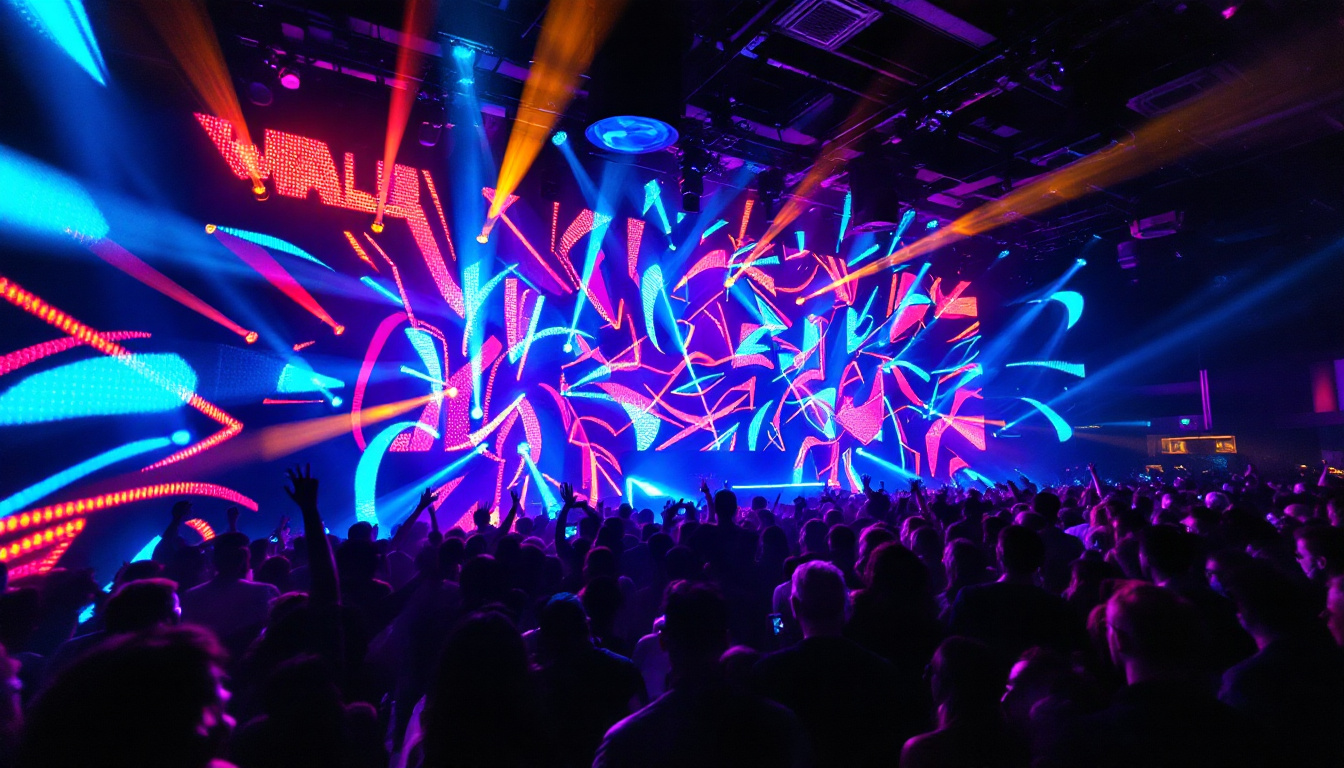
Beyond sports, concert venues and theaters also utilize LED panels for dynamic stage backdrops and immersive visual effects, enhancing audience experience.
Corporate and Educational Environments
In corporate settings, LED panels serve as digital signage, video walls, and presentation displays. Their ability to display high-resolution content makes them ideal for boardrooms, lobbies, and conference centers. Educational institutions use LED panels for digital notice boards, interactive learning, and event broadcasting, facilitating better communication and engagement.
Transportation and Public Information
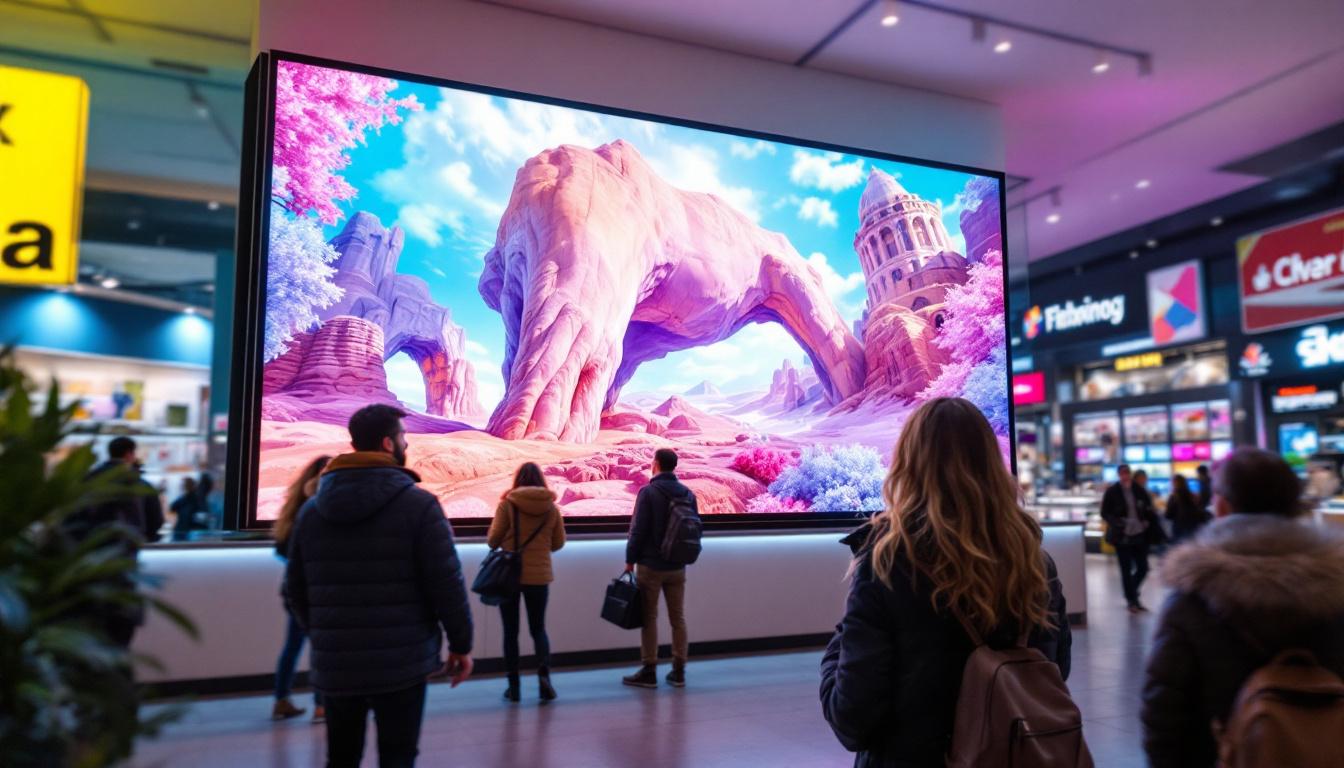
LED panels are widely used in airports, train stations, and bus terminals to provide real-time schedules, alerts, and advertisements. Their reliability and visibility ensure that travelers receive timely and accurate information, improving overall transit experience.
Advantages of LED Display Panels
LED display panels offer numerous benefits over traditional display technologies, making them a preferred choice in many applications.
Energy Efficiency
Compared to older display technologies like LCD or plasma, LED panels consume significantly less power. Advances in LED chip design and driver electronics have further enhanced energy efficiency, reducing operational costs and environmental impact.
Brightness and Visibility
LED panels can achieve extremely high brightness levels, ensuring clear visibility in various lighting conditions, including direct sunlight. This capability is especially important for outdoor applications where ambient light can be intense.
Durability and Longevity
LEDs have a long operational lifespan, often exceeding 100,000 hours, which translates to years of reliable service. Their solid-state nature makes them resistant to shock and vibration, unlike fragile display technologies such as CRTs.
Flexibility and Scalability
LED panels can be combined in various configurations to create displays of virtually any size and shape. This modularity allows for custom solutions tailored to specific spatial and design requirements.
Considerations When Choosing LED Panels
Selecting the right LED panel involves evaluating several factors to ensure optimal performance and value.
Viewing Distance and Pixel Pitch
Determining the typical viewing distance is essential for selecting an appropriate pixel pitch. A panel with too large a pixel pitch will appear pixelated up close, while one with too small a pitch may be unnecessarily expensive for distant viewing.
Brightness Requirements
Assessing the ambient lighting conditions where the panel will be installed helps in choosing the right brightness level. Indoor panels generally require less brightness than outdoor panels exposed to sunlight.
Installation Environment
Environmental factors such as weather exposure, temperature variations, and potential physical impacts influence the choice between indoor, outdoor, or ruggedized panels.
Content and Control Systems
Compatibility with content management software and ease of integration with existing systems are important for seamless operation and content updates.
Future Trends in LED Display Panels
As technology advances, LED display panels continue to evolve, offering exciting possibilities for the future.
MicroLED and MiniLED Technologies
Emerging microLED and miniLED technologies promise even higher resolutions, improved color accuracy, and greater energy efficiency. These innovations are expected to drive the next generation of ultra-high-definition displays for both consumer and commercial markets.
Flexible and Curved Panels
Flexible LED panels enable creative display designs, including curved, cylindrical, or irregular shapes. This flexibility opens new avenues for architectural integration and immersive visual experiences.
Artificial Intelligence Integration
AI-powered content management systems can optimize display content based on audience behavior, environmental conditions, and real-time analytics, enhancing engagement and effectiveness.
Conclusion
LED display panels are a cornerstone of modern visual communication, offering unparalleled brightness, flexibility, and durability. Understanding their components, types, and applications helps businesses and organizations make informed decisions when investing in digital display technology. As LED technology continues to advance, its role in shaping how information and entertainment are delivered will only grow more significant.
Whether for advertising, entertainment, corporate communication, or public information, LED display panels provide dynamic and impactful solutions that captivate audiences worldwide.
Discover LumenMatrix’s Innovative LED Display Solutions
Ready to elevate your visual communication with cutting-edge LED technology? Explore LumenMatrix’s comprehensive range of LED display modules, from vibrant Indoor and Outdoor LED Wall Displays to dynamic Vehicle and Sports LED Displays. Our mission is to transform your brand’s presence with captivating visual experiences. Whether you’re looking to engage audiences with a Custom LED Display, make a statement with an LED Poster, or innovate with Transparent LED solutions, LumenMatrix has you covered. Check out LumenMatrix LED Display Solutions today and see how we can help you share your message with impact and clarity.