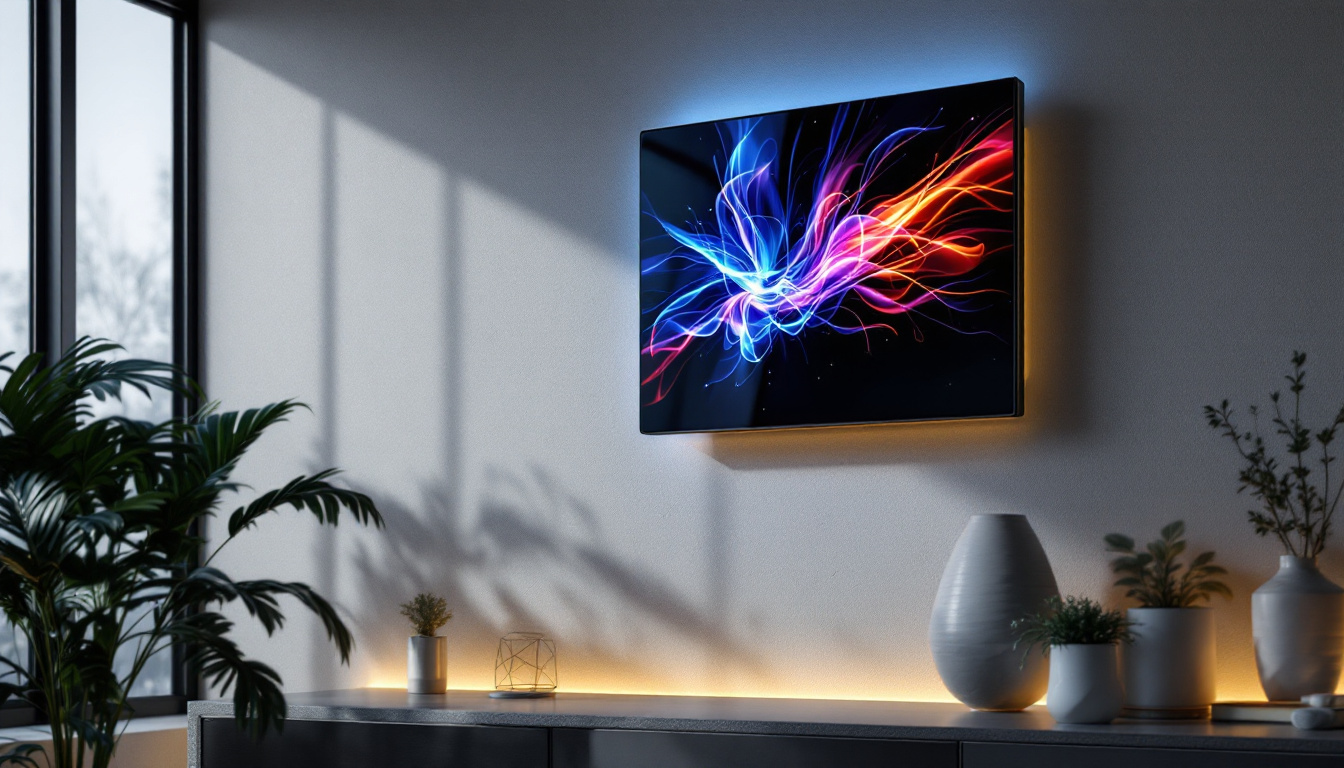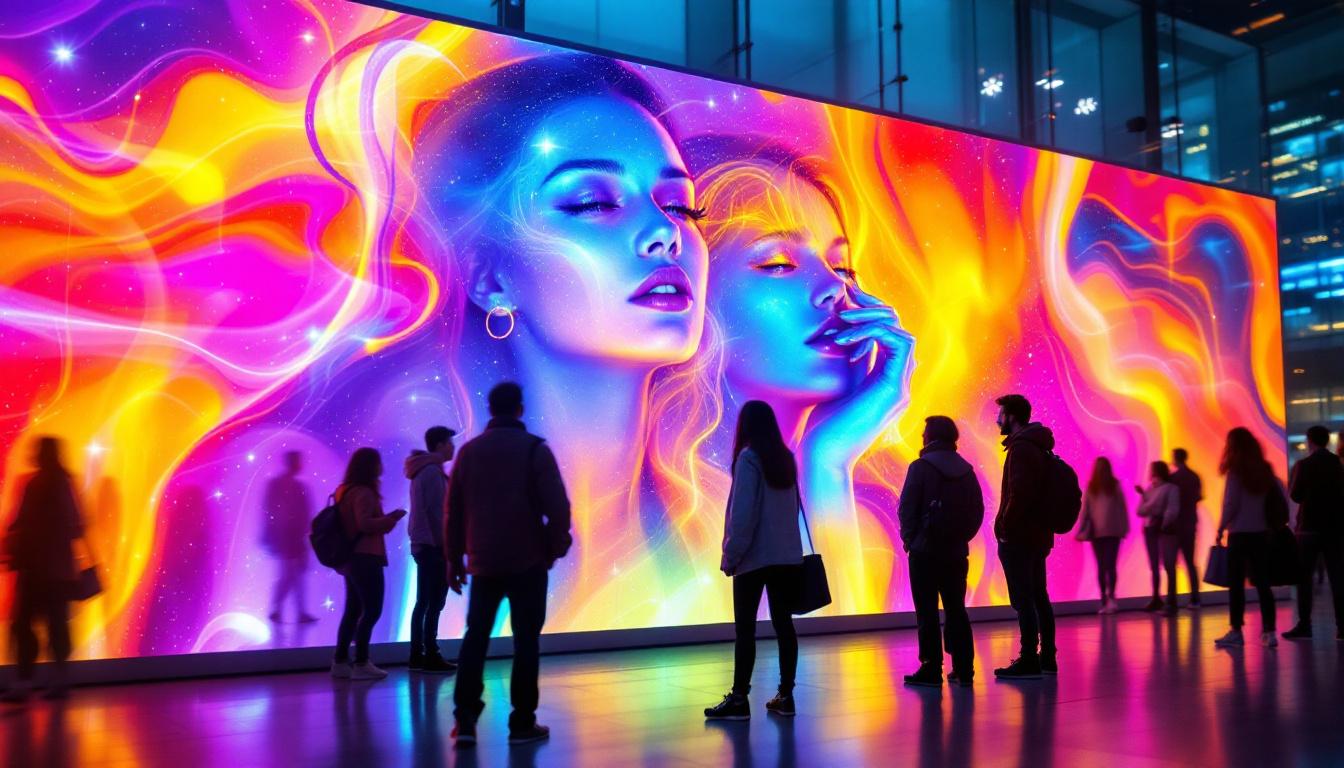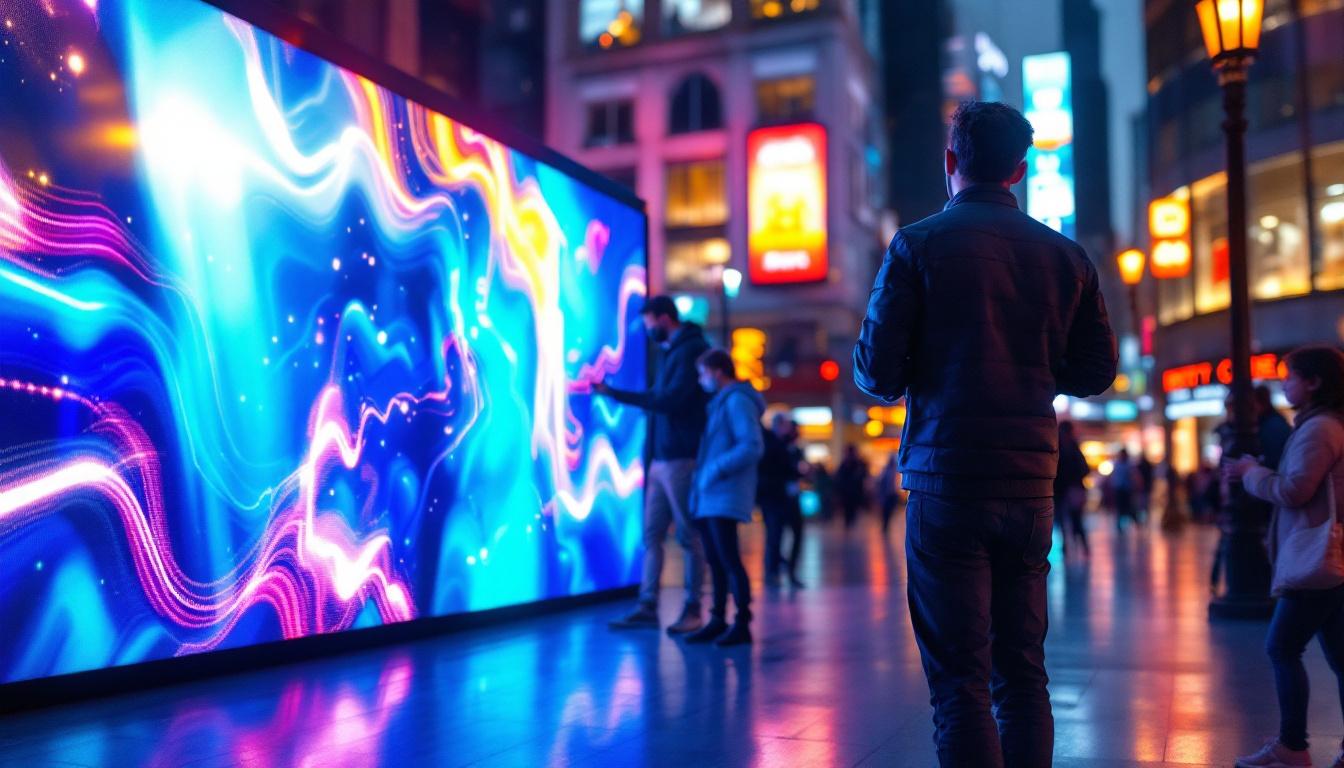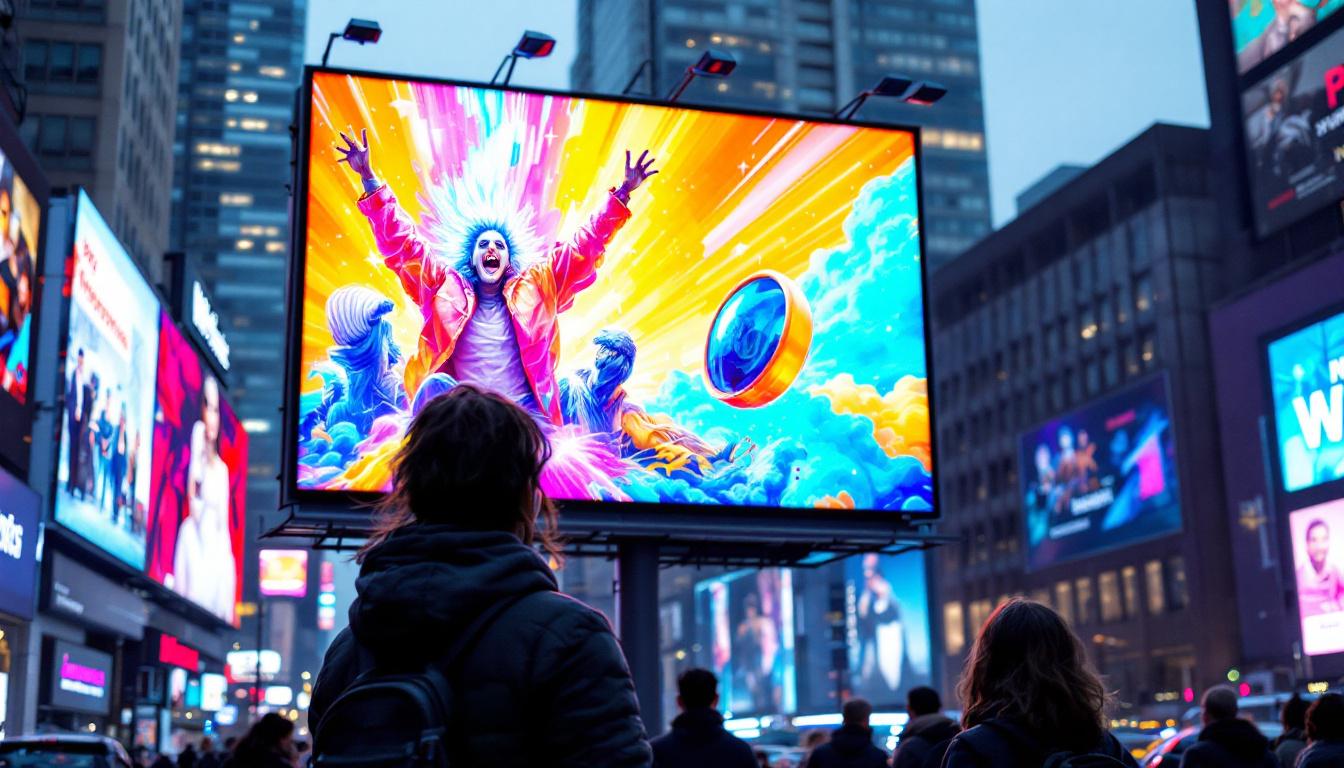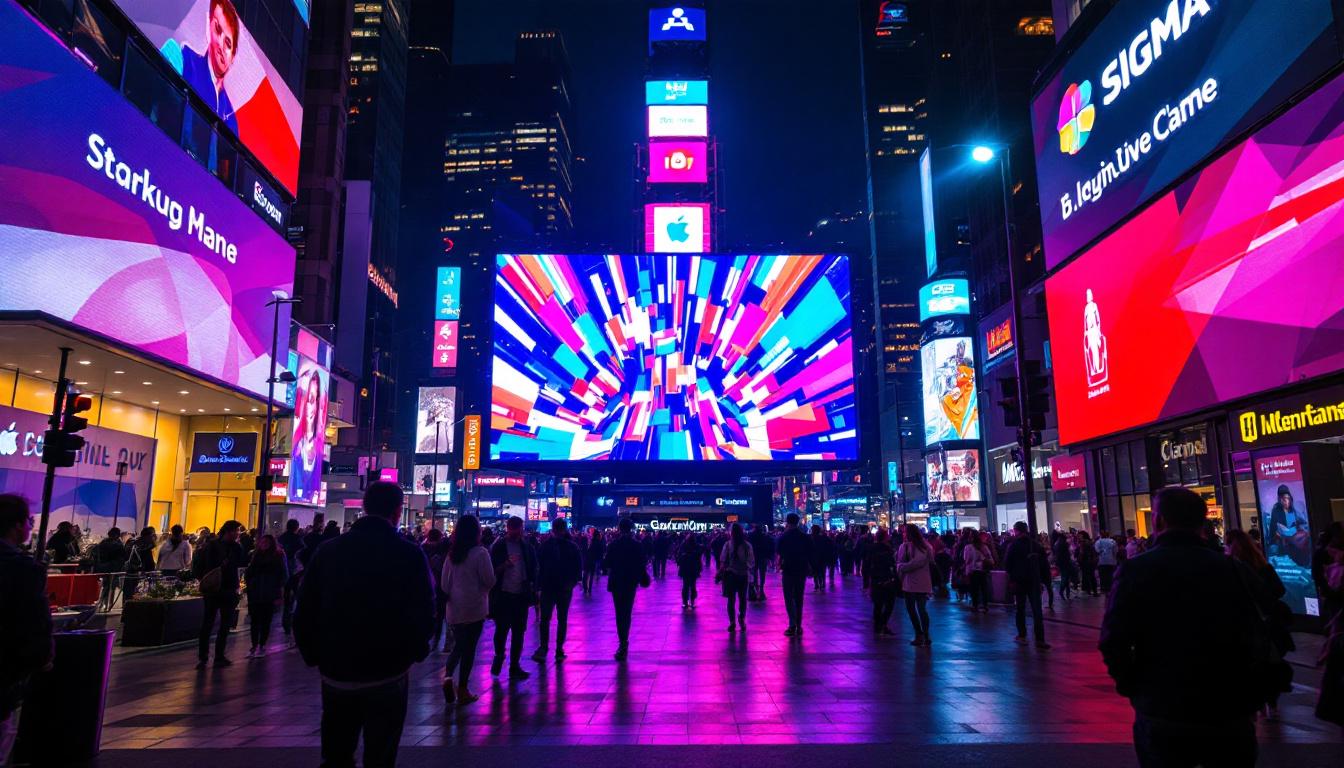
In the rapidly evolving world of visual technology, LED displays have become a cornerstone for dynamic, high-impact backgrounds on walls in various settings—from corporate lobbies and retail stores to entertainment venues and public spaces. Understanding the technology behind LED displays, their advantages, and their applications can help businesses and designers make informed decisions when choosing the perfect visual backdrop. This article delves into the fundamentals of LED displays, explores their technical aspects, and highlights why they are increasingly preferred for wall backgrounds.
What is an LED Display?
An LED display is a flat panel screen that uses light-emitting diodes (LEDs) to produce images, videos, and animations. Unlike traditional LCD screens that rely on backlighting, LED displays generate their own light, resulting in brighter, more vibrant visuals with better contrast and energy efficiency. This self-illuminating feature not only enhances the viewing experience but also contributes to a longer lifespan for the display, making it a popular choice for both commercial and personal use.
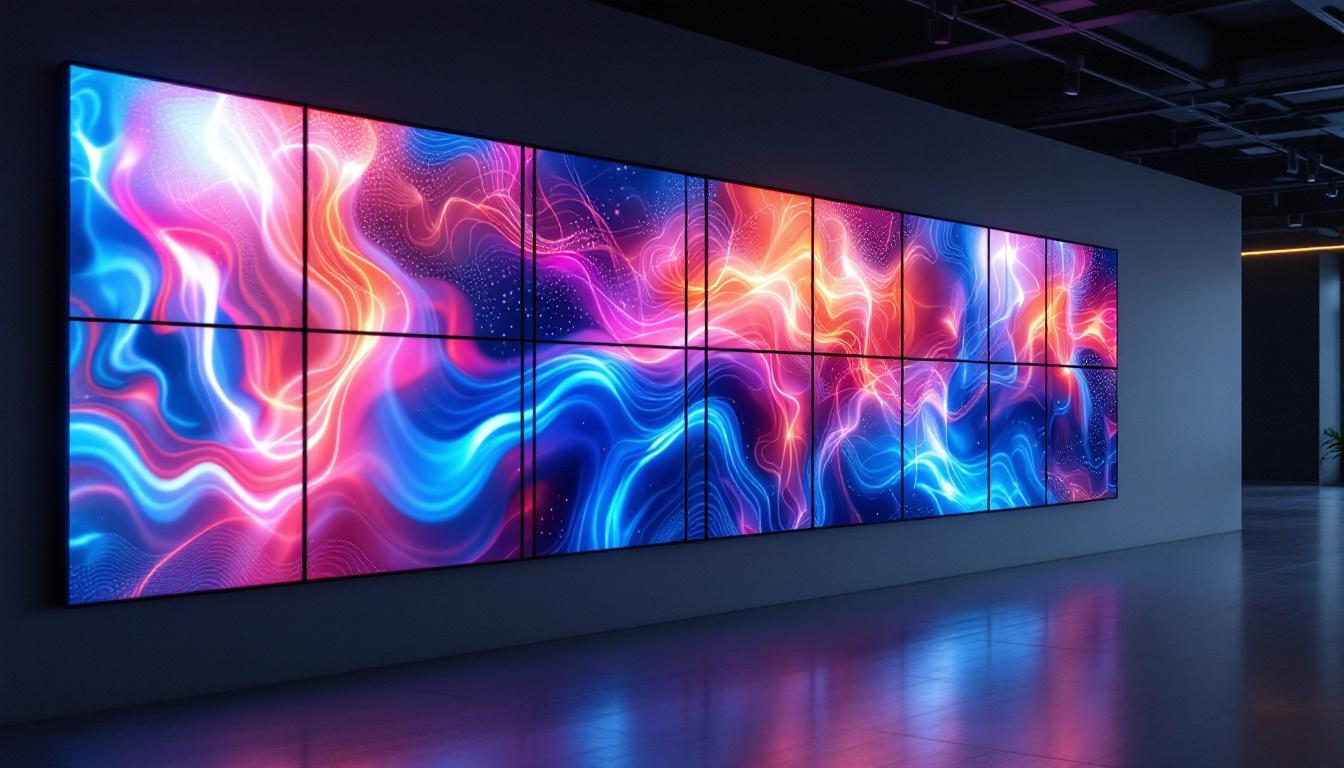
LED displays come in various forms, including indoor and outdoor panels, flexible screens, and transparent modules. Their modular design allows multiple panels to be seamlessly connected, creating large-scale video walls that can cover entire walls or facades. This versatility makes LED displays ideal for a range of applications, from advertising billboards in bustling city centers to dynamic art installations in galleries, showcasing the endless possibilities of digital creativity.
How LED Displays Work
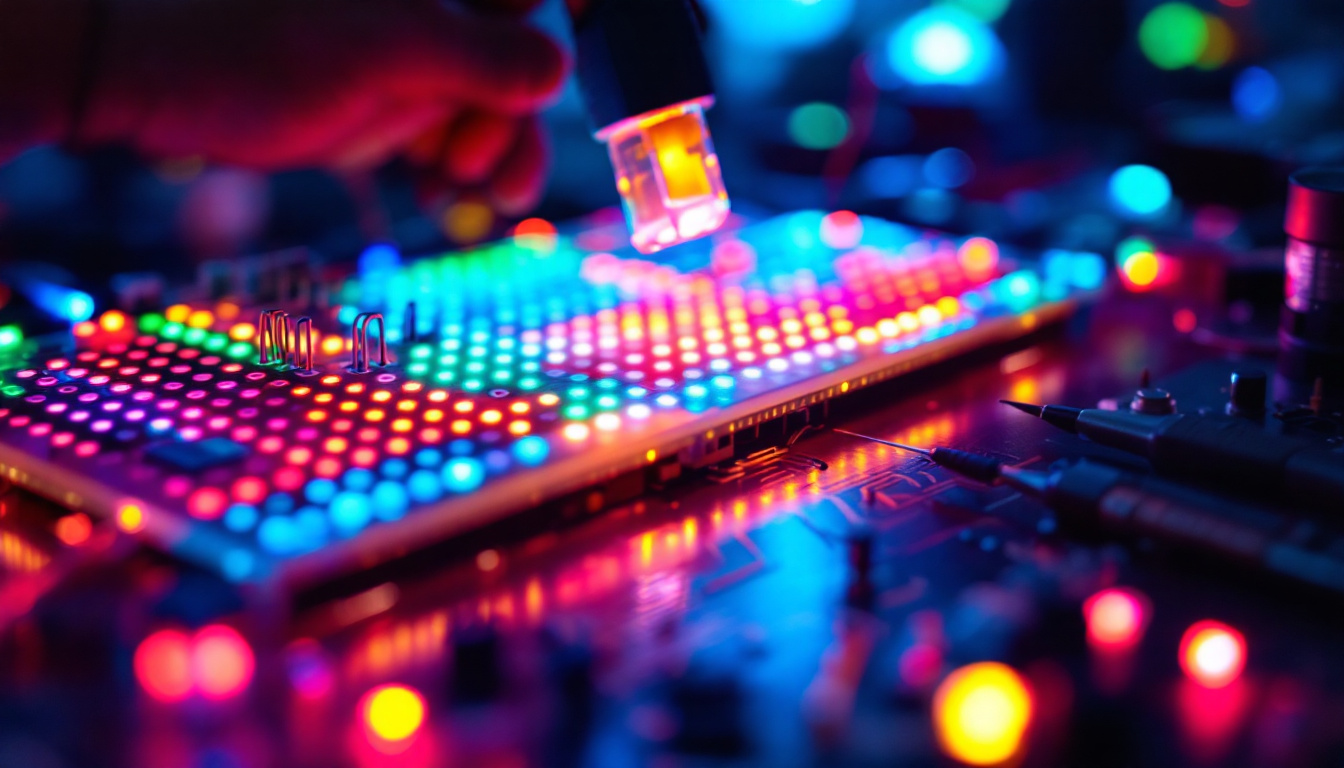
Each LED display consists of thousands of tiny diodes that emit red, green, or blue light. By adjusting the intensity of each diode, the display can produce a full spectrum of colors. These diodes are arranged in pixels, with each pixel comprising three LEDs (one for each primary color). The combination of these pixels creates the images and videos seen on the screen. This pixel arrangement allows for high-definition resolutions, making LED displays suitable for everything from sports events to corporate presentations, where clarity and detail are paramount.
The control system processes input signals—such as video content or live feeds—and translates them into instructions for the LEDs, determining which diodes light up and at what brightness. This process happens thousands of times per second, ensuring smooth motion and high-resolution visuals. Additionally, advanced LED displays often incorporate features like automatic brightness adjustment, which optimizes visibility based on ambient light conditions, further enhancing the viewer’s experience. As technology continues to evolve, innovations such as smart connectivity and interactive capabilities are becoming increasingly common, allowing users to engage with the content in real-time, whether through touch or mobile integration.
Types of LED Displays for Wall Backgrounds
Choosing the right type of LED display for a wall background depends on factors such as viewing distance, ambient lighting, installation environment, and budget. Below are the most common types used for wall applications.
Indoor LED Displays
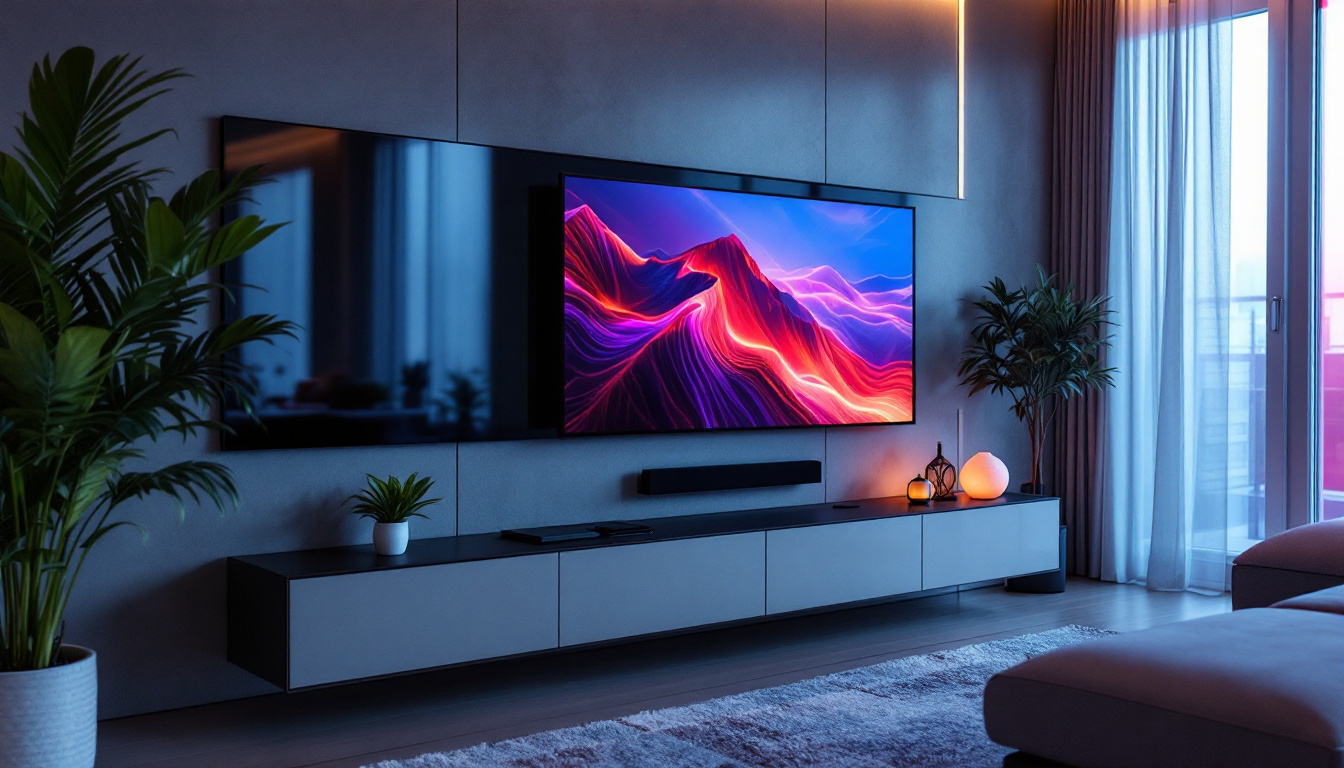
Indoor LED displays are designed for controlled lighting environments such as offices, conference rooms, retail spaces, and auditoriums. They typically have a higher pixel density, meaning the diodes are packed closer together, which results in sharper images at close viewing distances.
Pixel pitch—the distance between the centers of two adjacent pixels—is a critical specification for indoor displays. A smaller pixel pitch (e.g., 1.2mm to 2.5mm) allows for finer detail, making these displays ideal for environments where viewers are close to the screen. Additionally, indoor LED displays often come with advanced color calibration features, ensuring that the colors are vibrant and consistent across the entire surface. This is particularly important in settings like art galleries or museums, where accurate color representation can enhance the viewer’s experience and appreciation of the displayed content.
Outdoor LED Displays
Outdoor LED displays are built to withstand harsh weather conditions and high ambient light levels. They feature higher brightness levels (often exceeding 5,000 nits) to ensure visibility even in direct sunlight. The pixel pitch is generally larger (ranging from 4mm to 20mm) because viewers tend to be farther away.
Weatherproof enclosures and robust materials protect the LEDs from rain, dust, and temperature extremes, making outdoor LED walls suitable for stadiums, billboards, and building facades. Moreover, many outdoor displays are equipped with advanced cooling systems to prevent overheating during hot summer months, ensuring uninterrupted operation. Some models also incorporate energy-efficient technologies, allowing for lower power consumption without compromising brightness, which is a significant consideration for businesses looking to reduce operational costs while maintaining high visibility.
Transparent LED Displays
Transparent LED displays are a newer innovation that allows light to pass through the screen, making them perfect for glass walls or windows. They combine visual impact with transparency, enabling natural light to enter the space while displaying dynamic content.
These displays are popular in retail storefronts and corporate headquarters, where maintaining an open, airy feel is important without sacrificing advertising or branding opportunities. The ability to create immersive experiences by blending digital content with the real-world environment makes transparent LED displays particularly appealing for high-end retail brands. Additionally, they can be used creatively to showcase interactive content, engaging customers in a way that traditional displays cannot. As technology advances, the resolution and brightness of transparent displays continue to improve, making them an increasingly viable option for a variety of applications, from exhibitions to modern office designs.
Advantages of Using LED Displays as Wall Backgrounds
LED displays offer several benefits over traditional static backgrounds or projection systems, making them a preferred choice for many applications.
Vibrant and Dynamic Visuals
LED displays deliver bright, vivid colors with high contrast ratios, which captivate viewers and enhance brand messaging. The ability to display video, animations, and live content means backgrounds can be constantly updated to suit different themes, events, or marketing campaigns.
Energy Efficiency and Longevity
Compared to older display technologies, LEDs consume less power while providing superior brightness. Their long lifespan—often exceeding 100,000 hours—reduces maintenance costs and downtime. This makes LED walls a cost-effective investment over time.
Customization and Scalability
Modular LED panels can be configured to fit virtually any wall size or shape. Whether it’s a small accent wall or an entire building facade, LED displays can be tailored to meet specific design requirements. This flexibility also allows for future expansion or reconfiguration.
Enhanced Engagement and Interactivity
When integrated with sensors or interactive software, LED walls can respond to viewer movements or inputs, creating immersive experiences. This interactivity is particularly valuable in retail environments, museums, and event spaces where engaging visitors is a priority.
Key Considerations When Installing LED Wall Backgrounds
While LED displays offer many advantages, successful installation requires careful planning and consideration of several factors.
Viewing Distance and Pixel Pitch
Determining the optimal pixel pitch is essential to ensure the display looks sharp from the intended viewing distance. For example, a pixel pitch of 2mm is suitable for close-up viewing within a few meters, while larger pitches like 10mm are better for displays viewed from tens of meters away.
Ambient Lighting Conditions
Brightness levels must be sufficient to overcome ambient light without causing glare or discomfort. Indoor environments typically require 800 to 1,200 nits, whereas outdoor screens may need 5,000 nits or more to remain visible in sunlight.
Installation and Maintenance Access
LED walls require access for installation, calibration, and maintenance. Front-serviceable displays allow technicians to replace modules or components from the front, which is beneficial when rear access is limited. Proper ventilation and cooling systems are also critical to prolong lifespan.
Content Management
Effective use of LED wall backgrounds depends on high-quality content tailored to the display’s resolution and aspect ratio. Content management systems (CMS) simplify scheduling, updating, and monitoring content remotely, ensuring the display remains relevant and engaging.
Applications of LED Wall Backgrounds
LED displays have transformed how spaces are designed and experienced across various sectors. Their versatility and visual impact make them suitable for a wide range of applications.
Corporate and Commercial Spaces
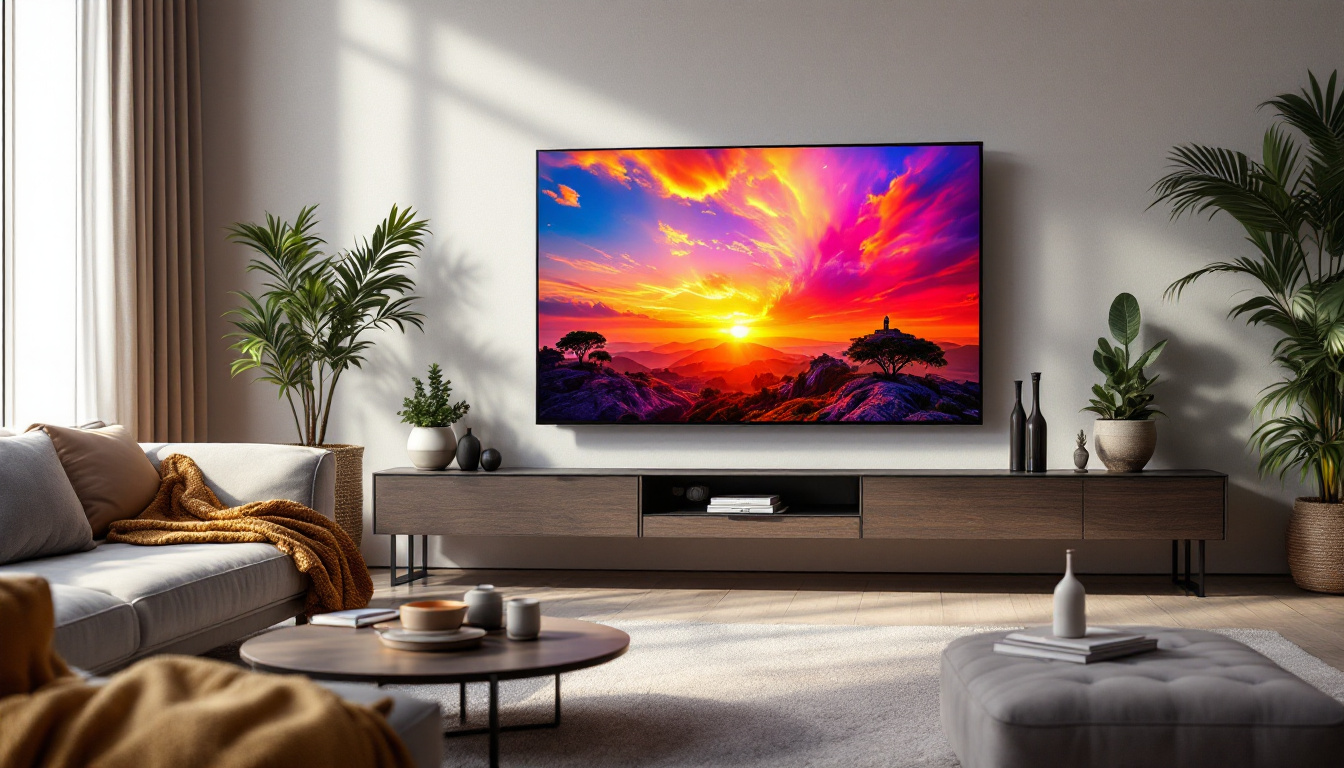
In corporate environments, LED walls serve as impressive backdrops in lobbies, conference rooms, and event spaces. They reinforce brand identity, display real-time data, or provide ambient visuals that enhance the atmosphere.
Retailers use LED backgrounds to showcase products, promotions, and immersive storytelling, attracting customers and increasing dwell time.
Entertainment and Events
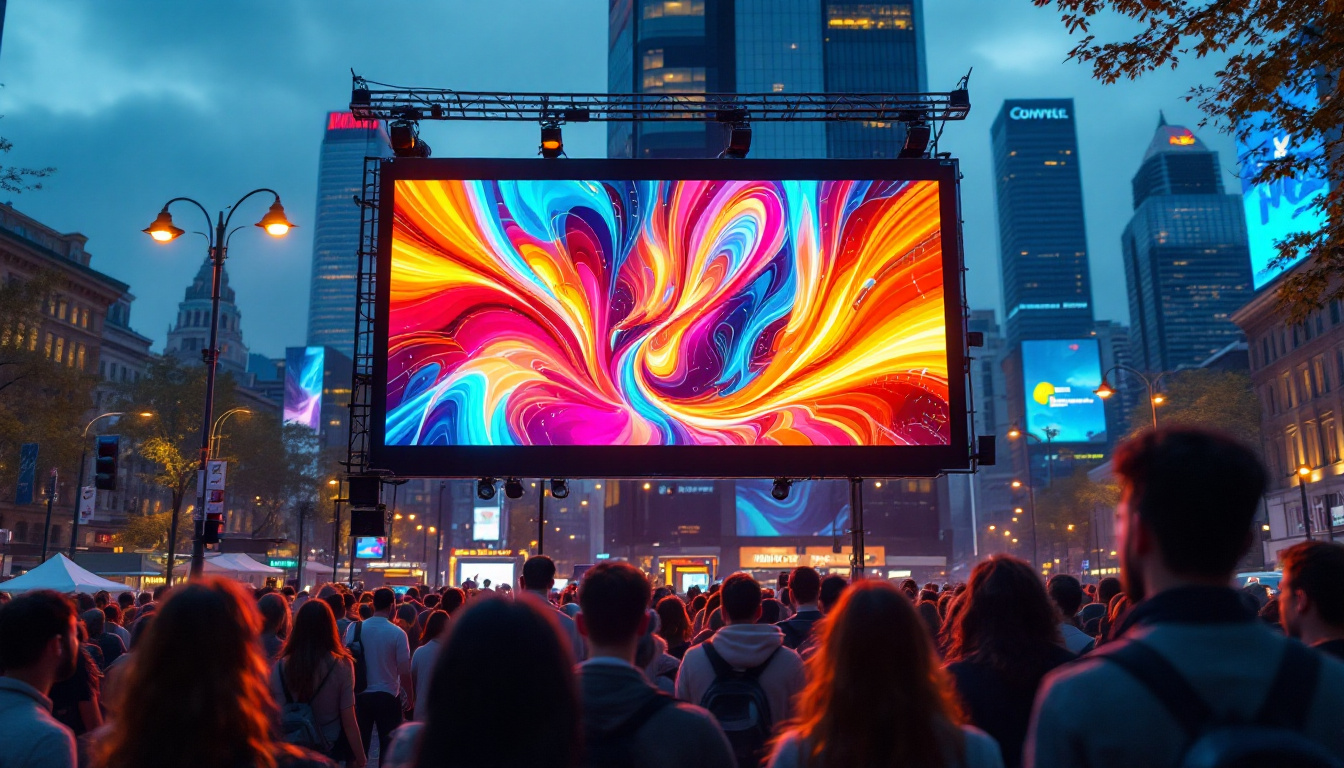
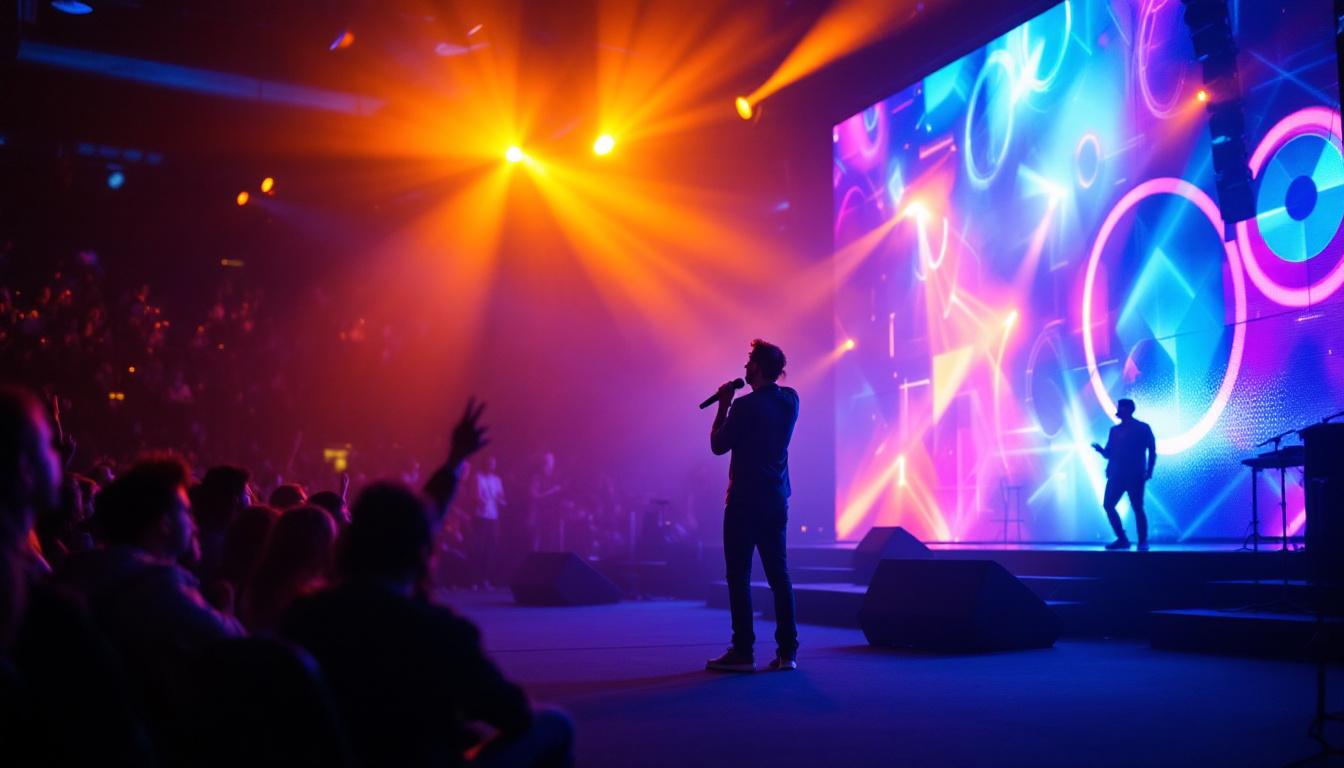
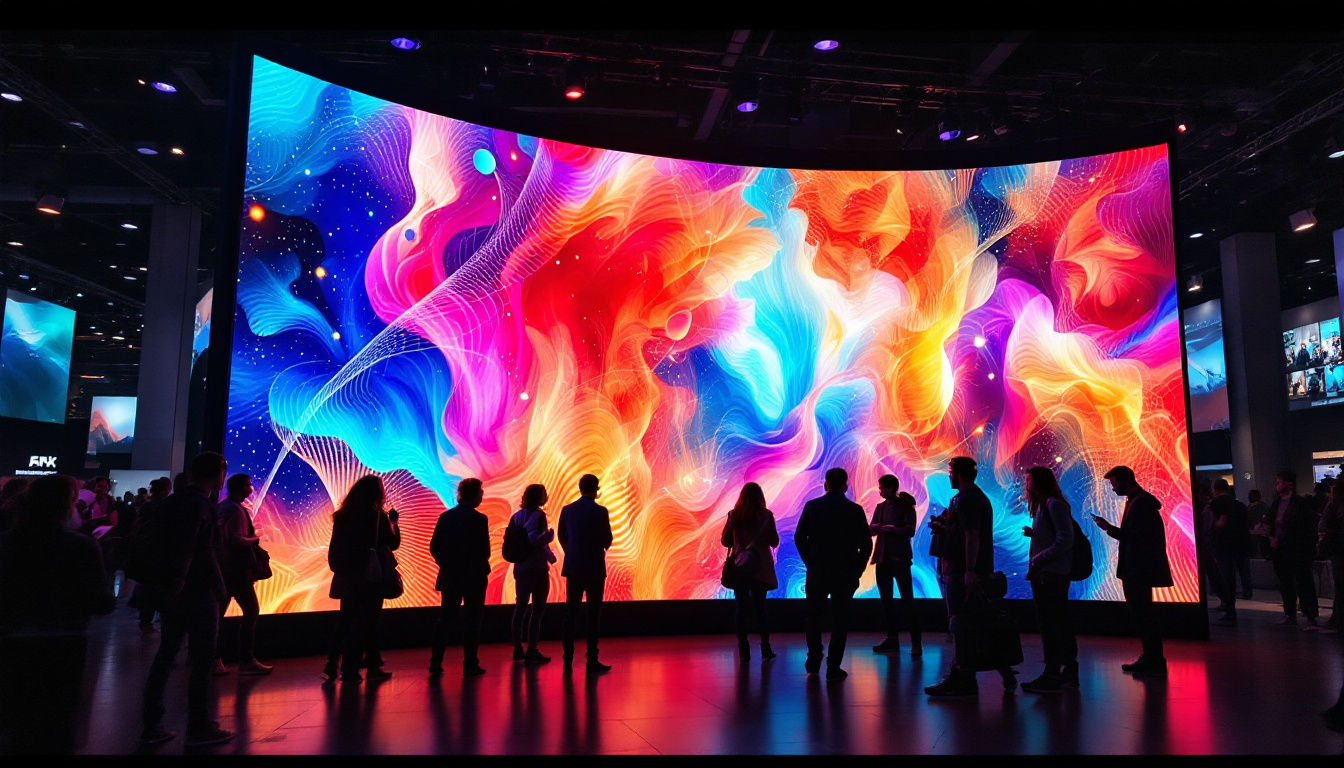
Concerts, theaters, and sports arenas rely heavily on LED walls to create dynamic stage designs and immersive experiences. The ability to display synchronized visuals enhances performances and engages audiences on a deeper level.
Public Spaces and Advertising
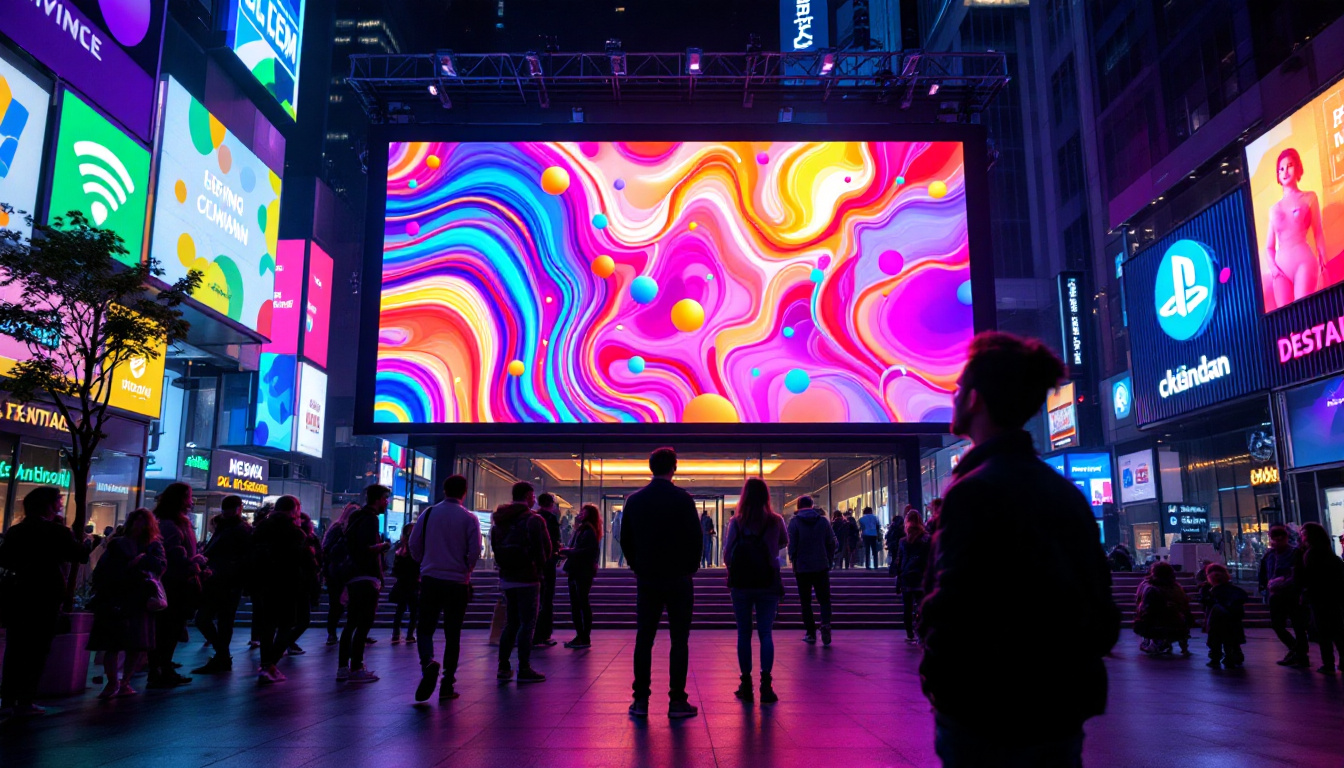
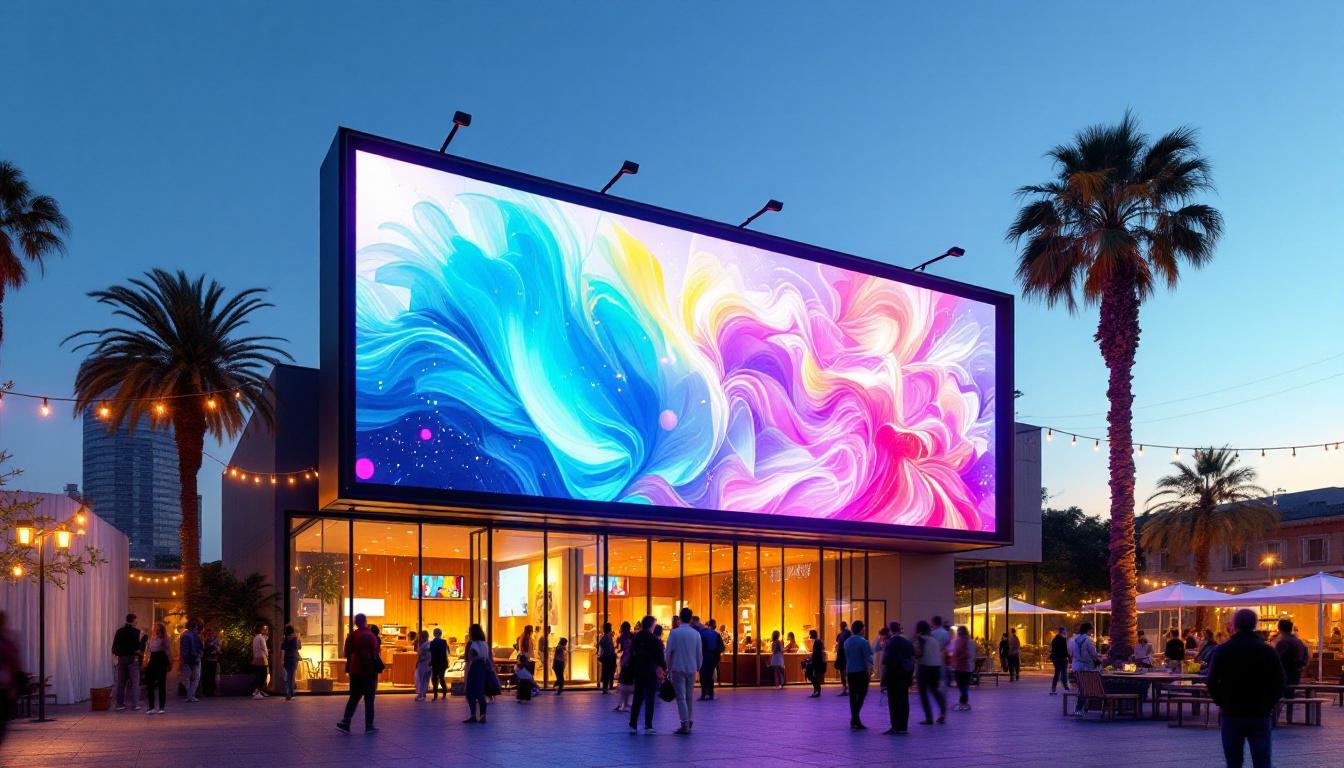
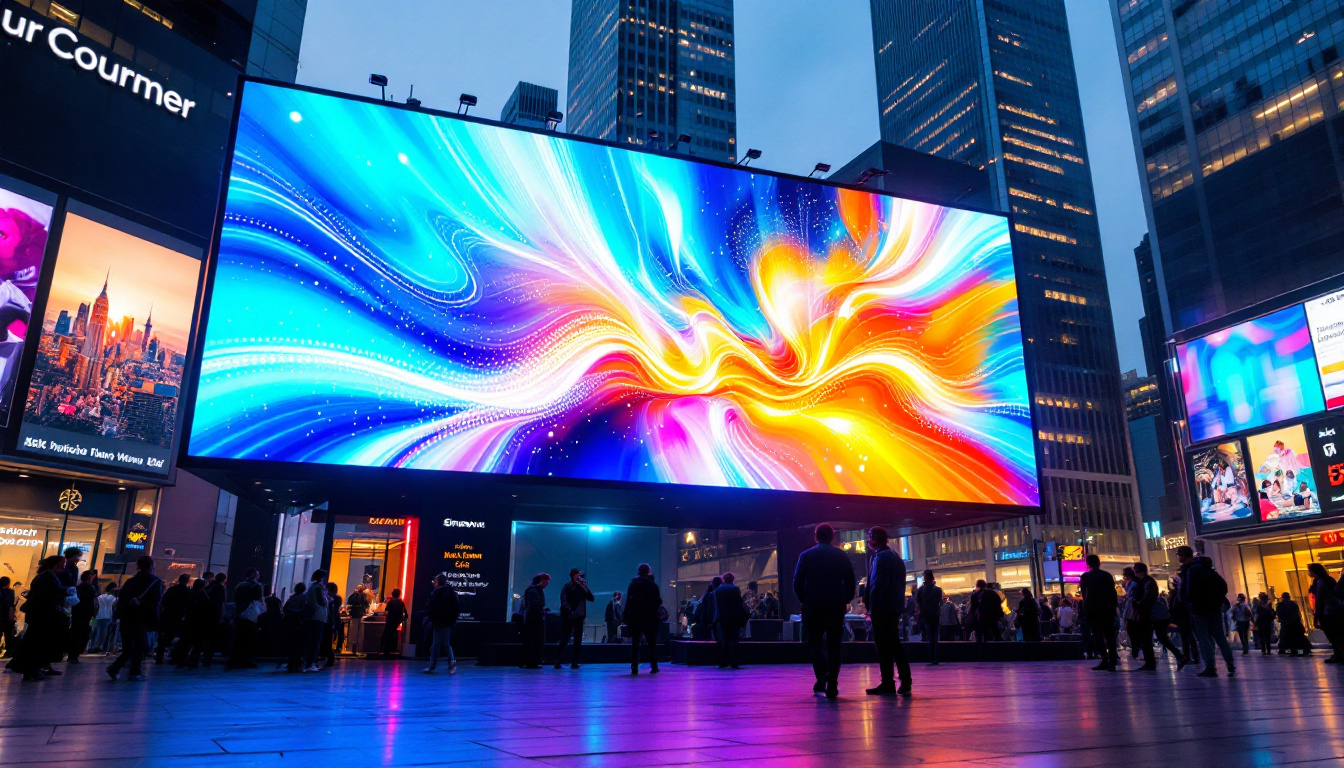
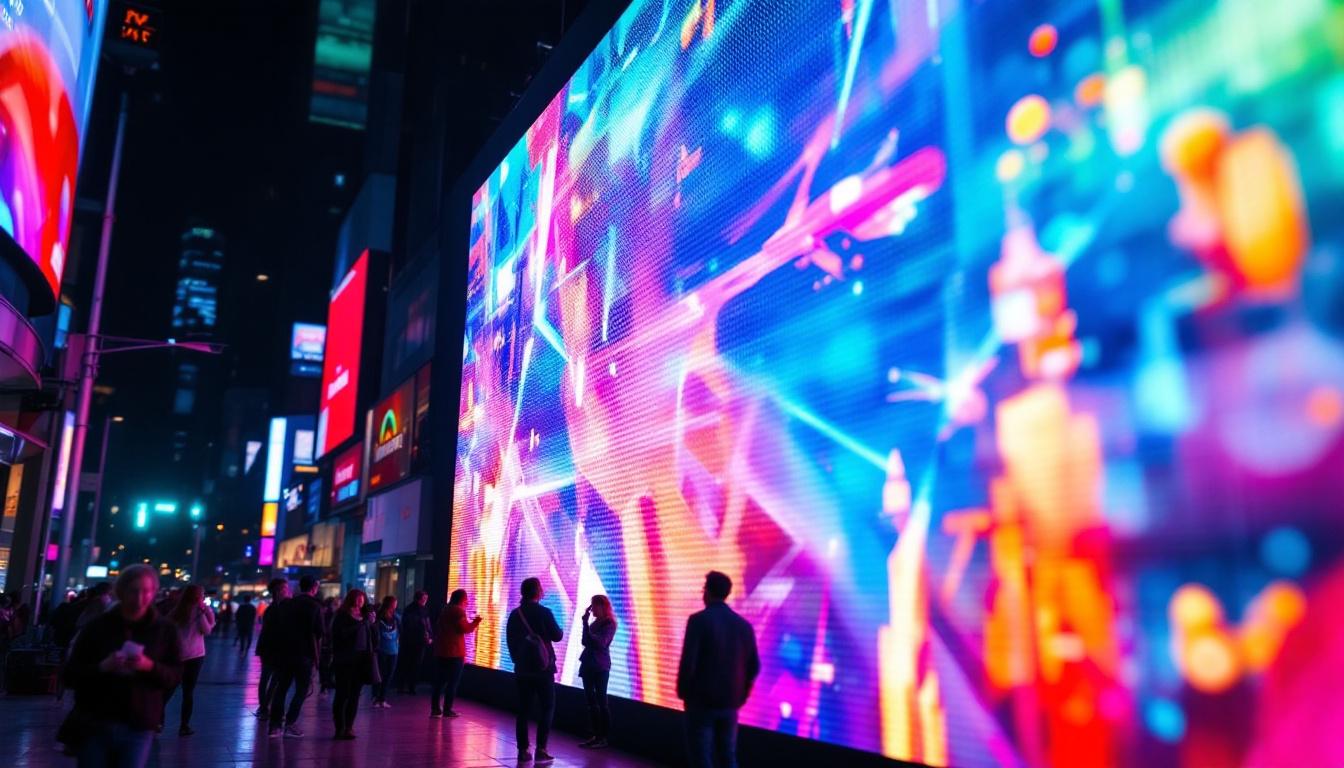
Large-scale LED walls on building facades and in public squares serve as digital billboards, delivering targeted advertising and public information. Their brightness and size make them highly effective for reaching broad audiences.
Future Trends in LED Wall Technology
As technology advances, LED displays continue to evolve, offering new possibilities for wall backgrounds.
MicroLED and MiniLED Innovations
MicroLED and MiniLED technologies promise even higher resolution, better contrast, and improved energy efficiency. MicroLED displays, composed of microscopic LEDs, offer near-perfect black levels and color accuracy, rivaling OLED screens but with greater durability.
Flexible and Curved LED Walls
Flexible LED panels enable creative wall designs that curve or wrap around architectural features. This flexibility expands design possibilities, allowing for more organic and engaging visual installations.
Integration with Augmented Reality (AR)
Combining LED walls with AR technology can create interactive environments where digital and physical worlds blend seamlessly. This integration is poised to revolutionize retail, entertainment, and educational spaces.
Conclusion
LED displays have become an indispensable tool for creating stunning, adaptable wall backgrounds that captivate audiences and elevate spaces. Their superior brightness, color accuracy, and scalability make them ideal for a wide range of indoor and outdoor applications. By understanding the technology, types, and key considerations involved, businesses and designers can leverage LED walls to deliver impactful visual experiences that resonate with viewers and support their strategic goals.
As LED technology continues to advance, the potential for innovative and immersive wall backgrounds grows, promising exciting opportunities for creativity and engagement in the years ahead.
Discover LumenMatrix LED Display Solutions
Ready to transform your space with vibrant, dynamic wall backgrounds? LumenMatrix is at the forefront of LED display innovation, offering a diverse range of solutions tailored to your unique needs. From Indoor and Outdoor LED Wall Displays to specialized options like Vehicle, Sports, and Floor LED Displays, our products are designed to captivate your audience and amplify your message. Experience the future of visual communication with our Custom, All-in-One, and LED Transparent Displays. Elevate your brand and create unforgettable visual experiences with LumenMatrix. Check out LumenMatrix LED Display Solutions today and see the difference cutting-edge technology can make.