In today’s fast-paced world, capturing attention quickly and effectively is paramount for businesses, event organizers, and public communicators alike. Free standing display boards equipped with LED technology have emerged as a powerful tool to engage audiences, convey messages dynamically, and enhance visual appeal. This article explores the fundamentals of LED display boards, their benefits, applications, and what to consider when selecting the right display for your needs.
Understanding Free Standing LED Display Boards
What Are Free Standing LED Display Boards?
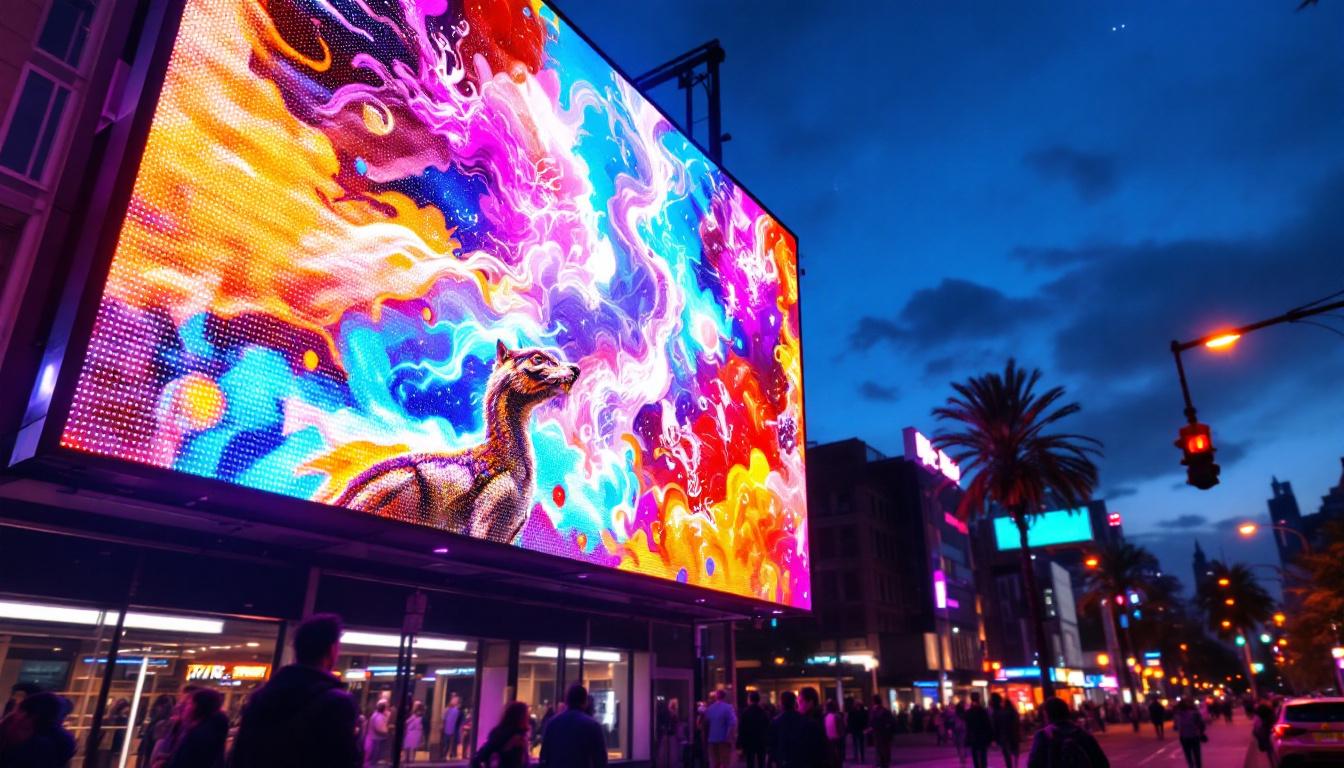
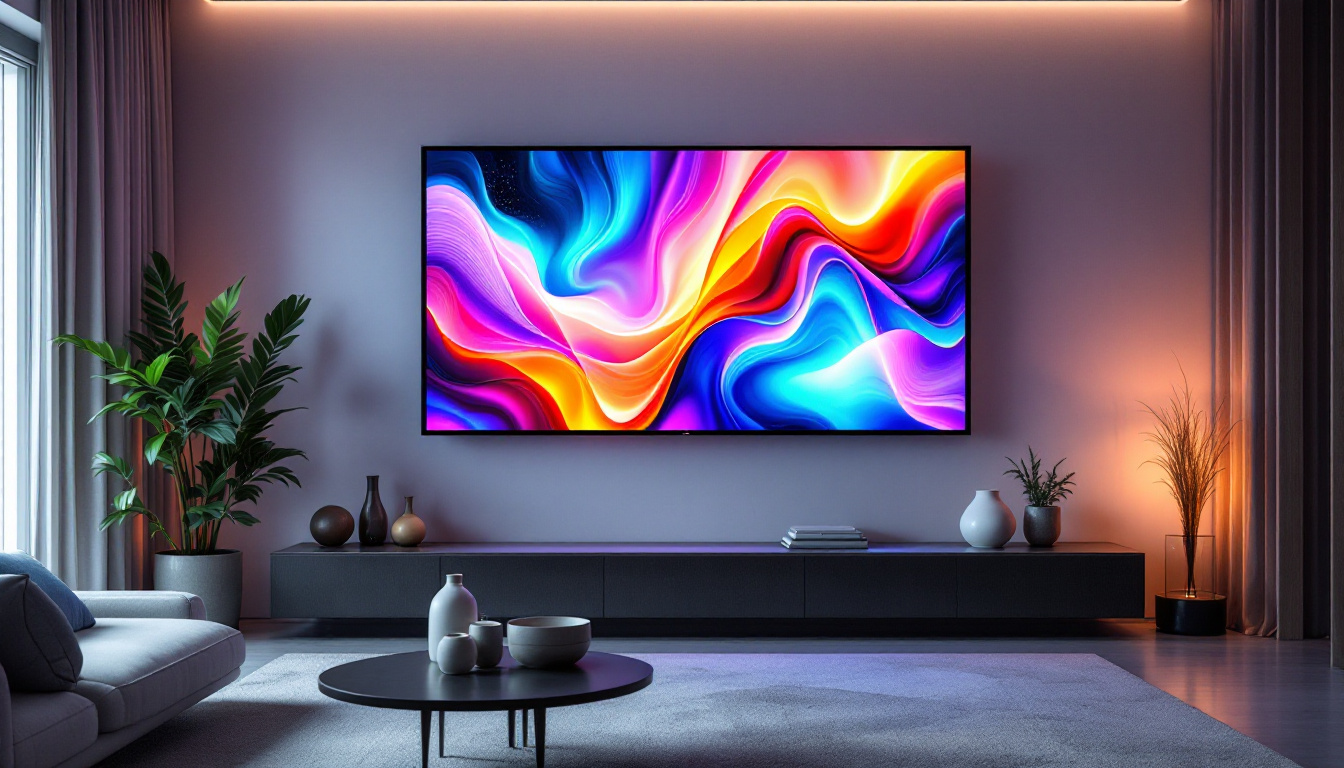
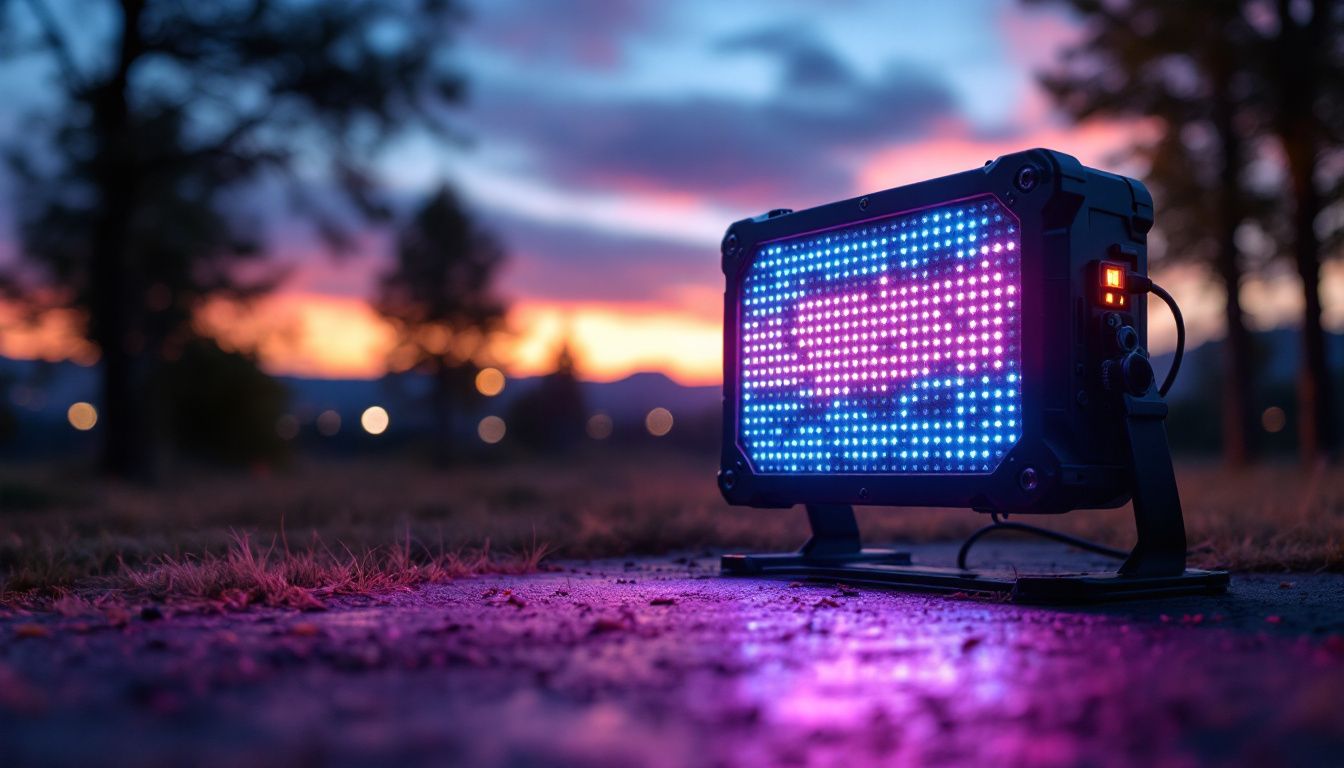
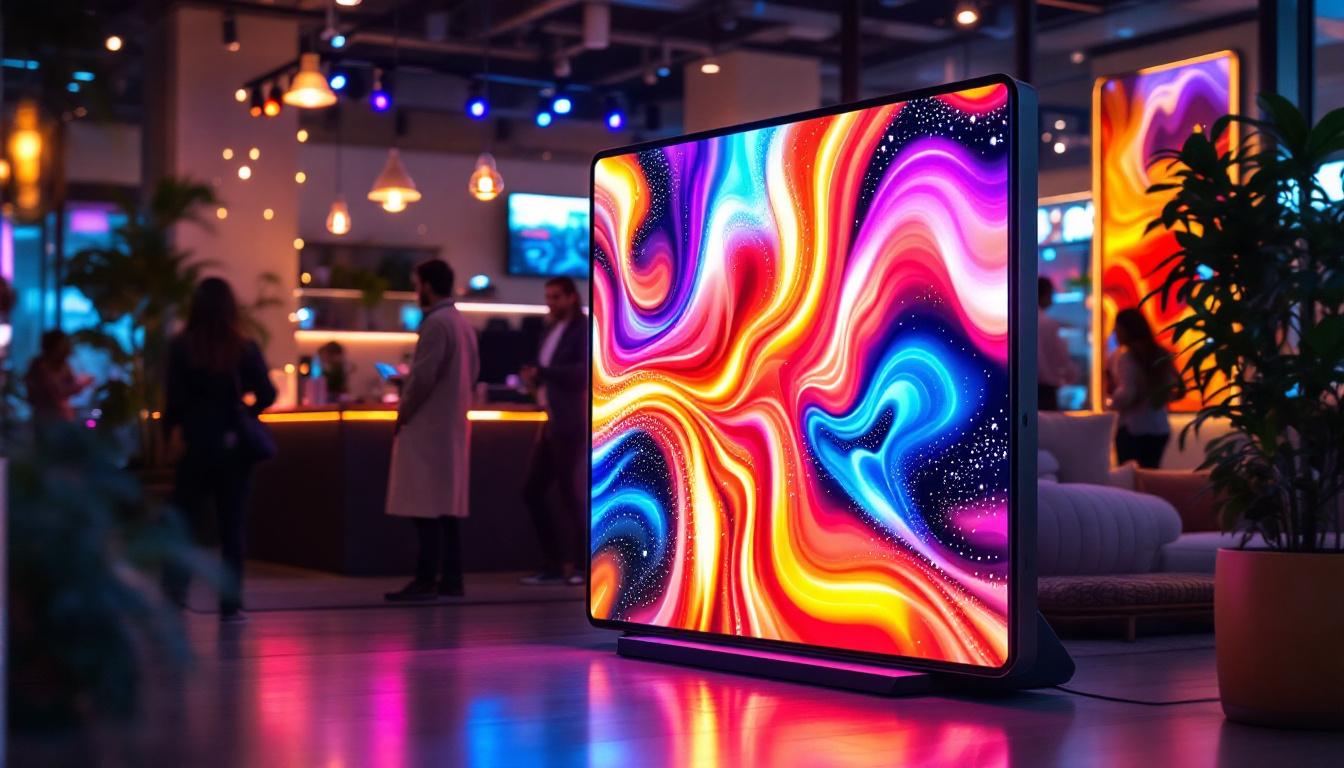
Free standing LED display boards are digital signage units that stand independently without requiring wall mounting or additional support structures. These boards utilize Light Emitting Diodes (LEDs) to produce bright, vibrant images and videos, making them highly visible even in outdoor or brightly lit environments. Unlike traditional static signage, LED boards offer dynamic content capabilities, allowing for real-time updates and multimedia presentations.
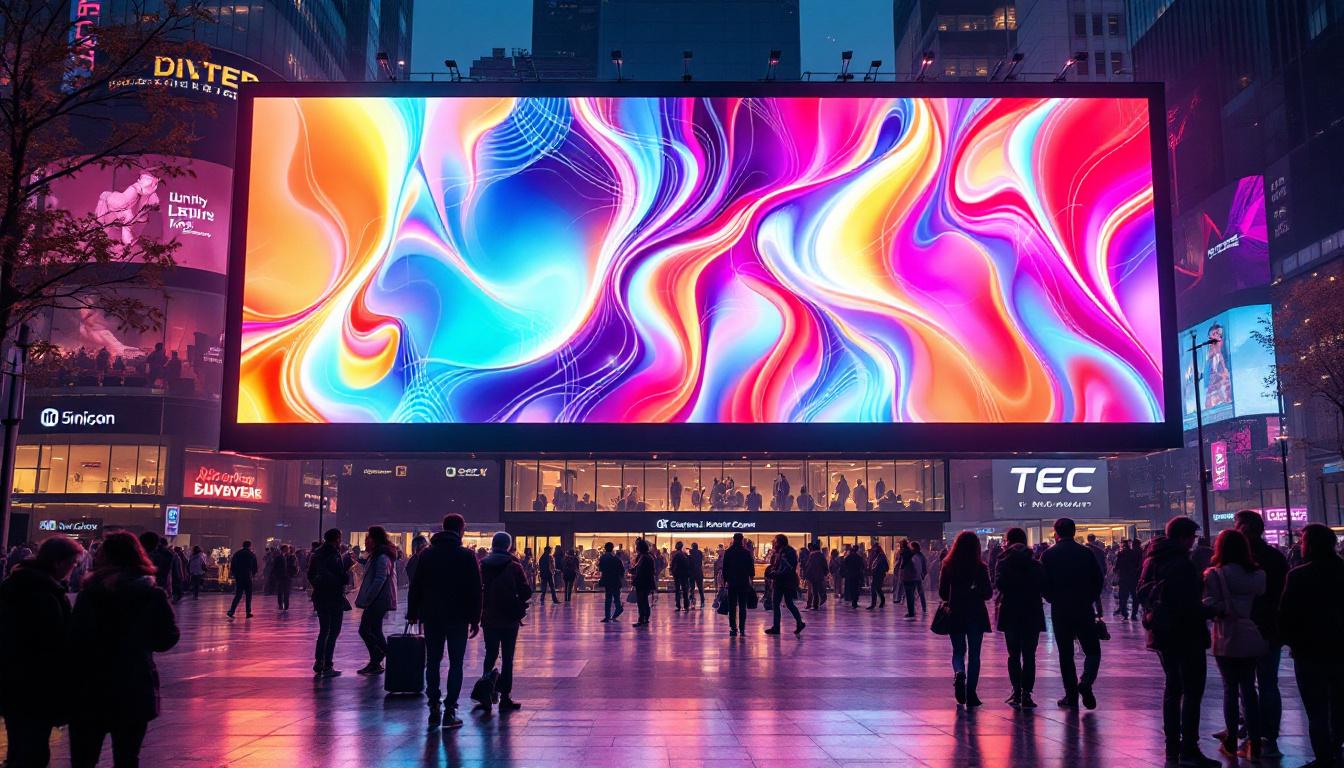
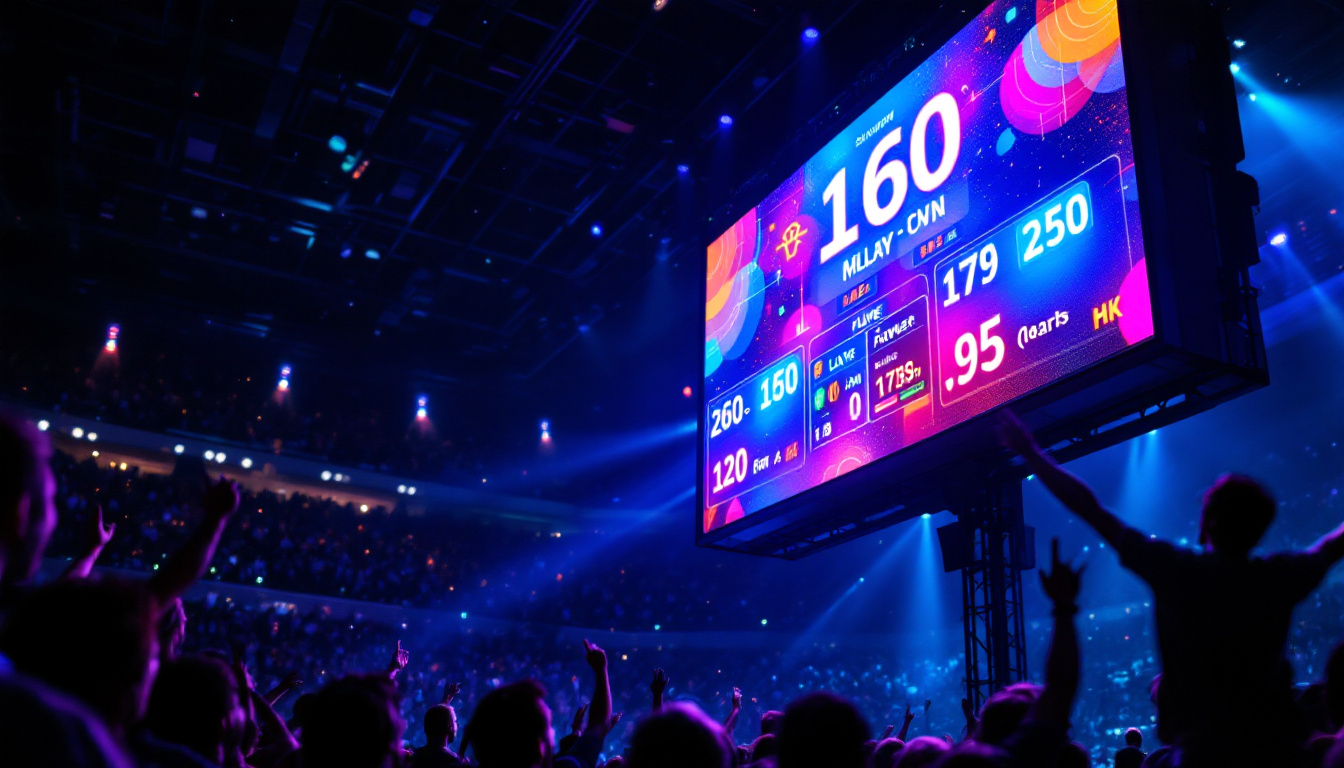
The versatility of these displays makes them suitable for a wide range of uses—from advertising and informational signage to interactive kiosks and event backdrops. Typically, these units come in various sizes and resolutions, tailored to specific viewing distances and environments. For instance, a large outdoor LED board might be used at a sports stadium to display live scores and advertisements, while a smaller unit could serve as a wayfinding tool in a shopping mall, guiding customers to their desired stores or facilities. This adaptability is one of the key reasons why businesses and organizations are increasingly investing in free standing LED display boards.
How LED Technology Works in Display Boards
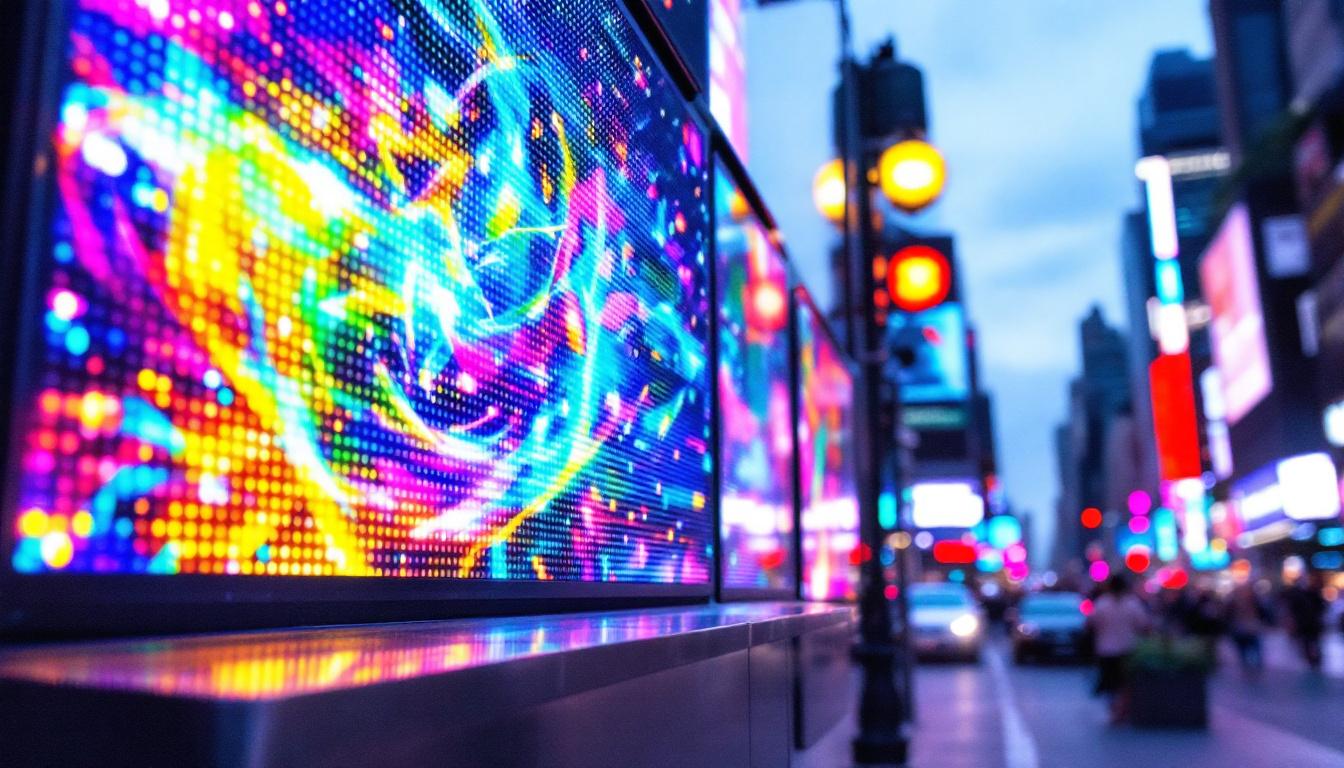
LEDs are semiconductor devices that emit light when an electric current passes through them. In LED display boards, thousands of tiny LEDs are arranged in a matrix to form pixels, which collectively create images and videos. Each LED can emit red, green, or blue light, and by adjusting the intensity of these colors, the display can produce a full spectrum of colors.
This technology offers several advantages over traditional display methods such as LCD or projection. LEDs provide higher brightness levels, better contrast ratios, and wider viewing angles. Additionally, LED displays are energy-efficient and have longer lifespans, often exceeding 100,000 hours of operation. The durability of LED technology also means that these displays can withstand harsh weather conditions, making them ideal for outdoor applications. Furthermore, many modern LED boards come equipped with advanced features such as automatic brightness adjustment based on ambient light conditions, ensuring optimal visibility at all times. This level of sophistication not only enhances user experience but also allows for more creative and engaging content delivery, making free standing LED display boards a powerful tool for communication in various settings.
Advantages of Using Free Standing LED Display Boards
Enhanced Visibility and Brightness
One of the primary benefits of LED display boards is their exceptional brightness and clarity. With brightness levels often exceeding 5,000 nits, these displays remain legible even under direct sunlight, making them ideal for outdoor advertising and public information systems. This high visibility ensures that messages reach a wider audience effectively, regardless of environmental lighting conditions. Furthermore, the advanced technology behind LED displays allows for a wider color gamut, producing vibrant and eye-catching visuals that can draw in passersby. This capability not only enhances the aesthetic appeal but also reinforces brand identity, making it easier for consumers to remember and recognize businesses.
Dynamic and Customizable Content
Unlike static boards, LED displays allow for dynamic content that can be changed instantly. Businesses can showcase multiple advertisements, videos, social media feeds, or live updates without the need for physical replacements. This flexibility enables marketers to tailor messages to specific times of day, events, or audience demographics, maximizing engagement and return on investment. Additionally, the ability to integrate real-time data, such as weather updates or countdowns to special events, can create a sense of urgency and relevance, further encouraging viewer interaction. This adaptability not only enhances marketing strategies but also allows organizations to respond quickly to changing circumstances, ensuring that their messaging remains timely and impactful.
Durability and Weather Resistance
Free standing LED boards designed for outdoor use are built to withstand harsh weather conditions including rain, wind, dust, and extreme temperatures. Many units come with IP65 or higher ratings, ensuring protection against water and dust ingress. This durability reduces maintenance costs and ensures consistent performance over time. Moreover, the robust construction of these displays often includes anti-glare technology and protective glass, which not only shields the LED components but also enhances visibility from various angles. As a result, businesses can invest in these displays with confidence, knowing they can endure the rigors of outdoor environments while maintaining their operational integrity.
Energy Efficiency and Cost Savings
LED technology is known for its low power consumption compared to other lighting and display technologies. This efficiency translates into lower operating costs, especially for displays that run continuously for extended periods. Additionally, the long lifespan of LEDs reduces the frequency and expense of replacements. Many models also feature smart technology that can adjust brightness based on ambient light levels, further conserving energy. This not only contributes to cost savings but also aligns with sustainable practices, appealing to environmentally conscious consumers. By choosing free standing LED display boards, businesses can not only enhance their visibility but also promote a greener image, demonstrating their commitment to energy efficiency and sustainability.
Common Applications of Free Standing LED Display Boards
Retail and Advertising
Retailers leverage LED display boards to attract customers by showcasing promotions, new product launches, and brand messages. The ability to update content quickly allows stores to respond to market trends and seasonal campaigns effectively. Studies indicate that digital signage can increase sales by up to 30%, highlighting the impact of engaging visual displays.
Events and Exhibitions
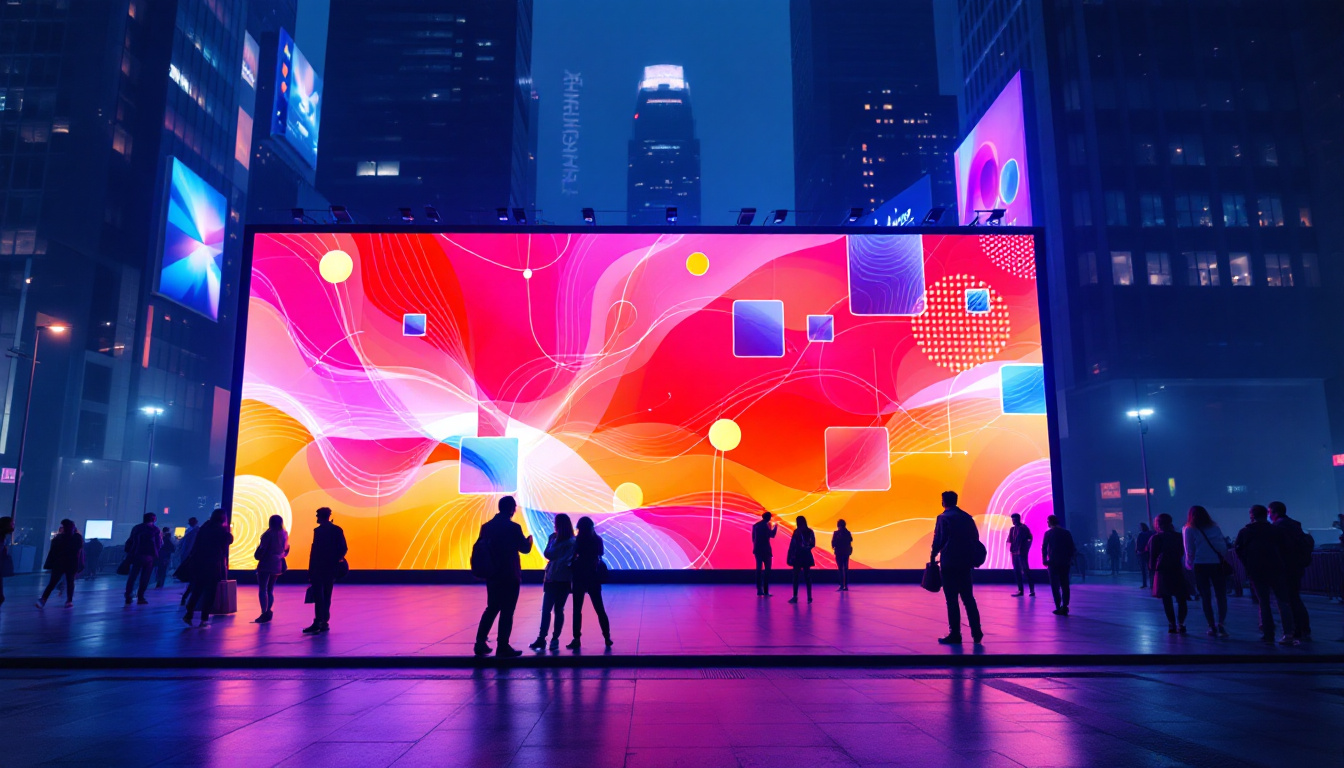
At trade shows, conferences, and public events, free standing LED boards serve as eye-catching backdrops, directional signage, or information hubs. Their portability and ease of setup make them ideal for temporary installations. Moreover, the high-resolution screens provide clear visuals for presentations and live feeds, enhancing the overall attendee experience.
Public Information and Transportation Hubs
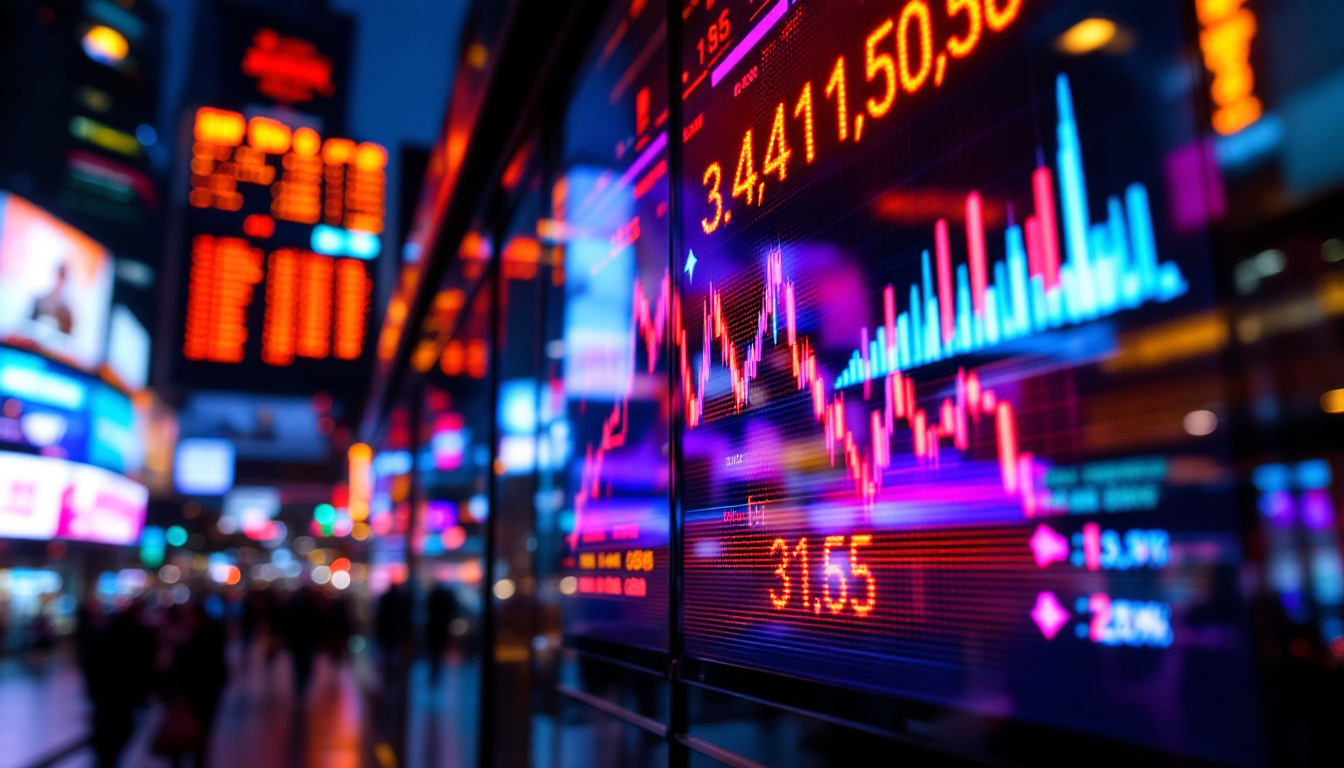
Airports, train stations, and bus terminals use LED display boards to provide real-time schedules, alerts, and wayfinding information. The immediacy and clarity of LED signage improve passenger flow and reduce confusion, contributing to smoother operations and better customer satisfaction.
Corporate and Educational Environments
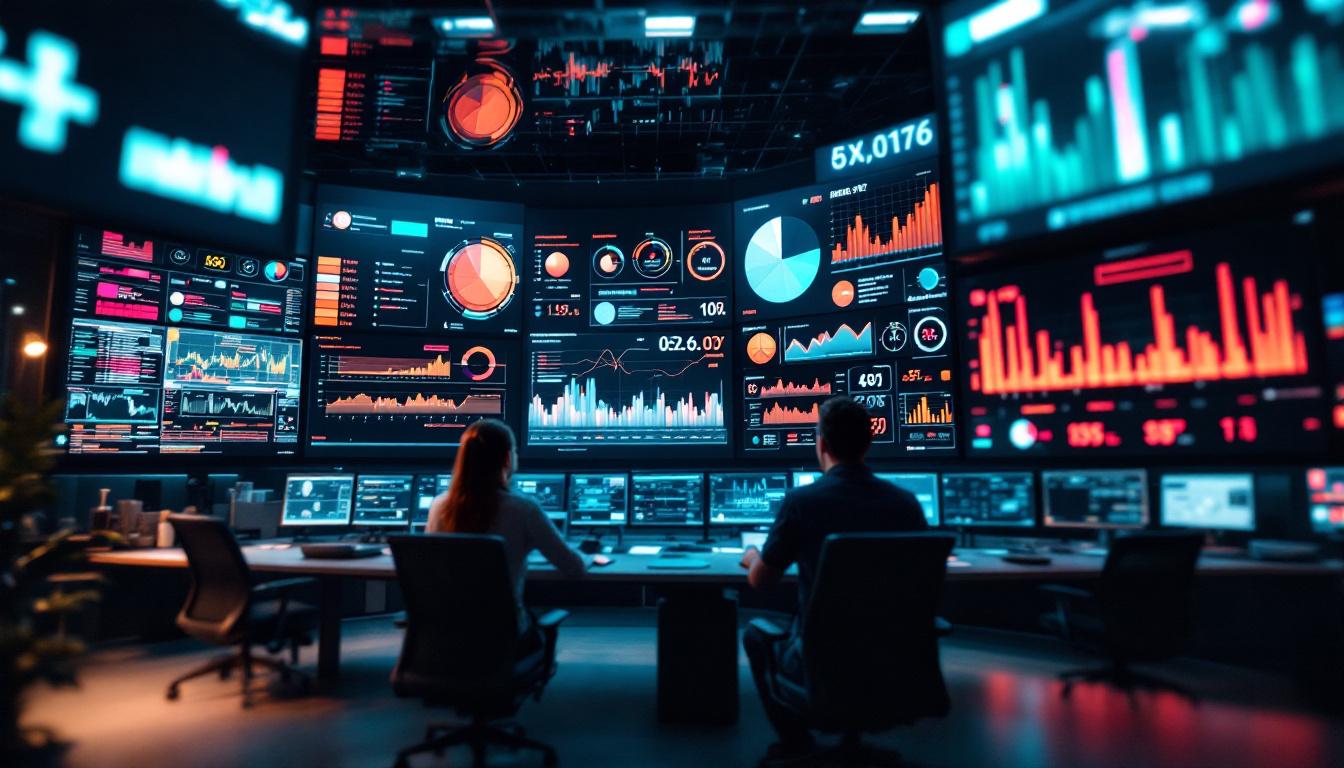
Within corporate offices and educational institutions, LED displays facilitate communication by broadcasting announcements, event schedules, and emergency alerts. Their ability to display multimedia content supports diverse communication strategies and fosters engagement among employees and students.
Key Factors to Consider When Choosing a Free Standing LED Display Board
Resolution and Pixel Pitch
The resolution of an LED display is determined by its pixel pitch—the distance between the centers of adjacent pixels. A smaller pixel pitch means higher resolution and sharper images, which is crucial for close viewing distances. For example, a pixel pitch of 2mm is suitable for indoor displays viewed from a few feet away, whereas a 10mm pitch may suffice for outdoor boards viewed from tens of meters.
Understanding the typical viewing distance and content type helps in selecting an appropriate resolution that balances image quality and cost.
Brightness and Contrast Ratio
Brightness is measured in nits, and higher values ensure visibility under various lighting conditions. For outdoor displays, a brightness of at least 5,000 nits is recommended, while indoor displays may require 800 to 1,500 nits. Contrast ratio, the difference between the brightest and darkest parts of the image, also affects readability and visual impact.
Size and Portability
The physical size of the display should correspond to the intended location and audience size. Larger boards are more visible from a distance but may require more space and heavier support structures. Free standing designs often include wheels or modular components to facilitate transport and installation, which is especially important for event-based uses.
Connectivity and Control Systems
Modern LED boards typically support various input sources such as HDMI, USB, and wireless connections. Some models include integrated media players or cloud-based content management systems, allowing remote updates and scheduling. Ease of use and compatibility with existing infrastructure are important considerations for efficient operation.
Environmental and Safety Certifications
Ensuring that the display meets relevant safety and environmental standards is crucial, especially for outdoor and public installations. Certifications such as IP ratings for water and dust resistance, CE marking, and RoHS compliance indicate that the product adheres to quality and safety norms.
Maintaining and Maximizing the Lifespan of LED Display Boards
Regular Cleaning and Inspection
Dust, dirt, and moisture can degrade LED performance over time. Routine cleaning with appropriate materials helps maintain brightness and prevents damage. Inspections should focus on identifying dead pixels, loose connections, or structural issues early to avoid costly repairs.
Software Updates and Content Management
Keeping the display’s firmware and content management software up to date ensures optimal functionality and security. Utilizing scheduling features can reduce screen burn-in and extend the lifespan of the LEDs.
Professional Installation and Support
Engaging experienced technicians for installation and maintenance guarantees that the display operates safely and efficiently. Many suppliers offer service contracts that include monitoring, troubleshooting, and emergency repairs, providing peace of mind for continuous operation.
Future Trends in Free Standing LED Display Technology
Higher Resolution and Mini-LED Innovations
Advancements in LED technology continue to push the boundaries of resolution and color accuracy. Mini-LED and micro-LED displays promise even finer pixel pitches and improved energy efficiency, enabling stunning visuals in compact form factors.
Interactive and Smart Displays
Integration of touch sensors, cameras, and AI-driven content personalization is transforming LED boards into interactive communication platforms. These smart displays can engage users directly, gather data, and adapt content in real-time for enhanced marketing and informational impact.
Sustainability and Eco-Friendly Designs
With growing emphasis on environmental responsibility, manufacturers are focusing on recyclable materials, reduced power consumption, and longer-lasting components. Sustainable design practices not only reduce ecological footprints but also appeal to environmentally conscious consumers and organizations.
Conclusion
Free standing LED display boards represent a versatile and impactful solution for modern visual communication needs. Their brightness, durability, and dynamic content capabilities make them indispensable across industries ranging from retail and events to public information and corporate communications. By understanding the technology, benefits, and key selection criteria, organizations can leverage LED displays to capture attention, convey messages effectively, and enhance engagement in an increasingly digital world.
As LED technology continues to evolve, embracing innovations such as higher resolutions, interactive features, and sustainable designs will further expand the potential of free standing display boards, ensuring they remain at the forefront of visual communication strategies for years to come.
Discover LumenMatrix’s Innovative LED Solutions
Ready to elevate your visual communication with the latest in LED technology? Look no further than LumenMatrix, a pioneer in crafting LED display modules that bring your brand to life. From the bustling streets to the heart of your next event, our diverse range of products, including Indoor and Outdoor LED Wall Displays, Vehicle LED Displays, and more, are designed to captivate and engage. Embrace the future of digital signage with LumenMatrix and transform how you connect with your audience. Check out LumenMatrix LED Display Solutions today and start creating unforgettable visual experiences.