Understanding the dimensions and specifications of LED displays is crucial for professionals and enthusiasts alike. One common measurement encountered in LED technology is the pixel pitch, often expressed in millimeters (mm). For instance, a pixel pitch of 1.2 mm is frequently cited, but what does this translate to in inches? More importantly, why does this measurement matter when selecting or evaluating an LED display? This article delves into the conversion of 1.2 mm to inches and explains the significance of this measurement within the broader context of LED display technology.
Converting 1.2 mm to Inches: The Basics
Millimeters and inches are both units of length, but they belong to different measurement systems. Millimeters are part of the metric system, widely used around the world, while inches are part of the imperial system, primarily used in the United States.
To convert millimeters to inches, the standard conversion factor is:
1 inch = 25.4 millimeters
Using this, the conversion formula is:
inches = millimeters ÷ 25.4
Applying this to 1.2 mm:
1.2 mm ÷ 25.4 ≈ 0.04724 inches
Therefore, 1.2 mm is approximately 0.047 inches.
Why This Conversion Matters in LED Displays
Pixel pitch in LED displays is the distance from the center of one pixel to the center of the next. It directly influences the resolution and viewing distance of the display. Since many technical specifications and installation requirements use different units depending on the region or industry standard, being able to convert between millimeters and inches is essential.
For example, a 1.2 mm pixel pitch LED display means that each pixel is spaced 1.2 millimeters apart. This small pixel pitch allows for very high-resolution images, suitable for close viewing distances such as indoor advertising, control rooms, or broadcast studios.
Moreover, understanding the conversion between millimeters and inches can also impact design and manufacturing processes. Engineers and designers often need to communicate specifications across international borders, where different measurement systems are in use. A miscalculation in dimensions could lead to significant issues in production or installation, making accuracy in these conversions crucial.
Additionally, the choice of pixel pitch can affect not only the visual quality but also the overall cost and energy efficiency of the display. Displays with smaller pixel pitches, like the 1.2 mm option, tend to be more expensive due to the higher density of pixels, which requires more advanced technology and materials. However, they provide a clearer image, which can be a decisive factor for businesses aiming to capture attention in a competitive market.
Understanding Pixel Pitch and Its Impact on Display Quality
Pixel pitch is one of the most important specifications when evaluating an LED display. It determines the density of pixels per unit area, which in turn affects the image sharpness and clarity.
How Pixel Pitch Affects Resolution
The smaller the pixel pitch, the more pixels fit into a given area, resulting in higher resolution. For instance, an LED display with a 1.2 mm pixel pitch will have a much higher pixel density than one with a 5 mm pixel pitch.
To put this into perspective, consider a display measuring 1 meter by 1 meter:
- With a 1.2 mm pixel pitch, the number of pixels per meter is approximately 833 pixels (1000 mm ÷ 1.2 mm).
- With a 5 mm pixel pitch, the number of pixels per meter is 200 pixels (1000 mm ÷ 5 mm).
This means the 1.2 mm pitch display can render much finer details and smoother images, which is critical for applications where viewers are close to the screen. In environments such as museums or art galleries, where intricate details of artwork are displayed, the high pixel density of a 1.2 mm pitch screen allows for a more immersive experience, capturing the nuances and textures that might otherwise be lost on lower-resolution displays.
Optimal Viewing Distances for 1.2 mm Pixel Pitch
Pixel pitch also influences the optimal viewing distance. The general rule of thumb is that the optimal viewing distance in meters is roughly equal to the pixel pitch in millimeters multiplied by 1.5 to 2.5.
For a 1.2 mm pixel pitch display:
- Minimum viewing distance: 1.2 mm × 1.5 = 1.8 meters (~6 feet)
- Maximum viewing distance: 1.2 mm × 2.5 = 3 meters (~10 feet)
This makes 1.2 mm pixel pitch LED displays ideal for indoor environments where viewers are relatively close, such as retail stores, conference rooms, or broadcast studios. Additionally, in settings like sports arenas or concert venues, the ability to maintain clarity and detail even from a distance can enhance the audience’s experience. The high pixel density allows for vibrant colors and sharp images that can be appreciated from various angles, ensuring that everyone in attendance has a visually engaging experience, regardless of their seating position.
Applications of 1.2 mm Pixel Pitch LED Displays
The 1.2 mm pixel pitch LED display is a premium choice for high-resolution indoor applications. Its fine pixel pitch allows for crisp, clear images that rival LCD and OLED screens in quality, but with the added benefits of LED technology. This technology offers superior brightness, energy efficiency, and longevity, making it an ideal solution for various professional environments where visual clarity is paramount.
Broadcast and Control Rooms
Broadcast studios and control rooms require displays that provide detailed and accurate visuals. The 1.2 mm pixel pitch ensures that operators and presenters can see fine details without pixelation, which is critical for monitoring and content creation. This level of detail is particularly important during live broadcasts, where every frame counts and any visual distortion can detract from the viewer’s experience. Furthermore, the ability to view multiple camera feeds or graphics simultaneously on a large screen enhances workflow efficiency, allowing for quick decision-making and seamless transitions during productions.
Corporate and Retail Environments
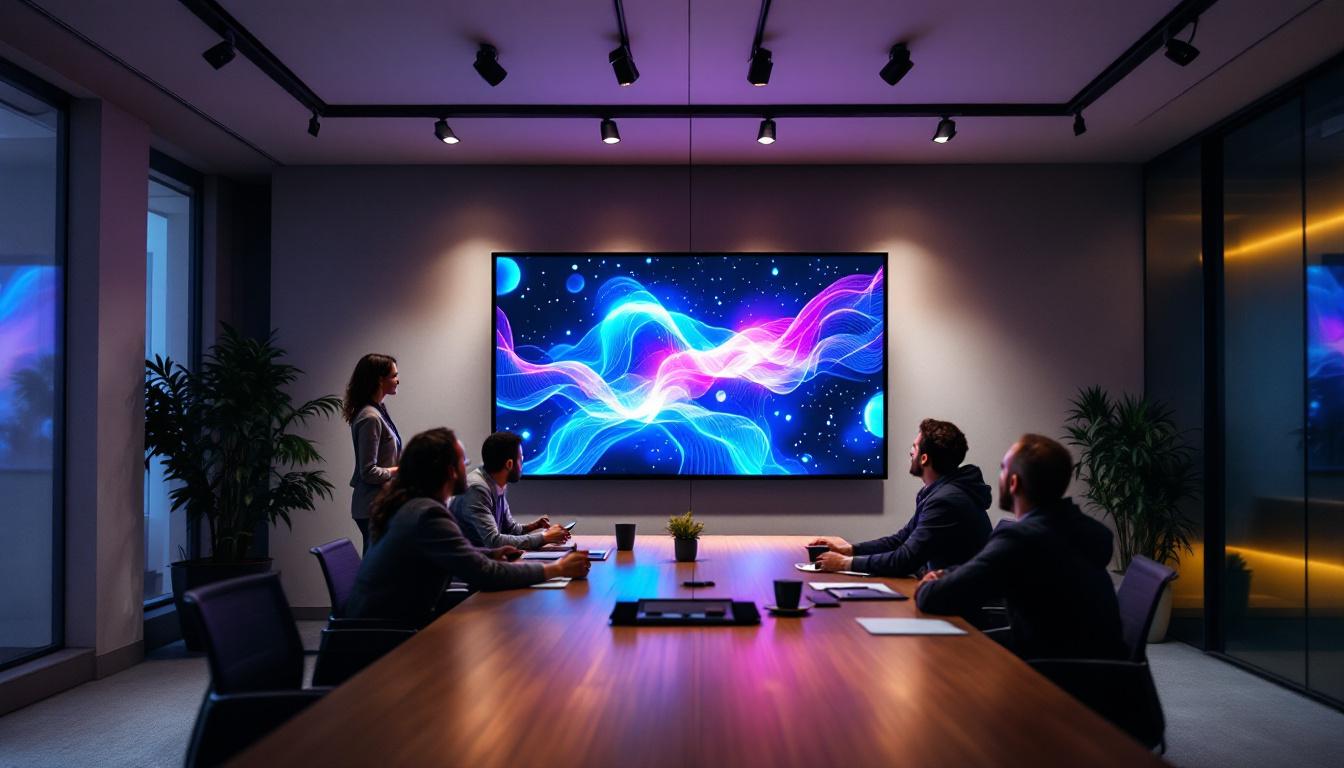
In corporate settings, such as boardrooms or lobbies, a 1.2 mm LED display offers a sleek, modern look with excellent image quality. The display can be used for presentations, video conferencing, or displaying corporate branding, creating an engaging atmosphere that reflects the company’s professionalism. Retail environments benefit from the vibrant colors and sharp images to attract customers and display promotional content effectively. The high-resolution capabilities allow retailers to showcase their products in stunning detail, making it easier for customers to visualize items and encouraging impulse purchases. Additionally, the flexibility of LED displays means they can be easily updated with new content, keeping the messaging fresh and relevant.
Event and Exhibition Spaces
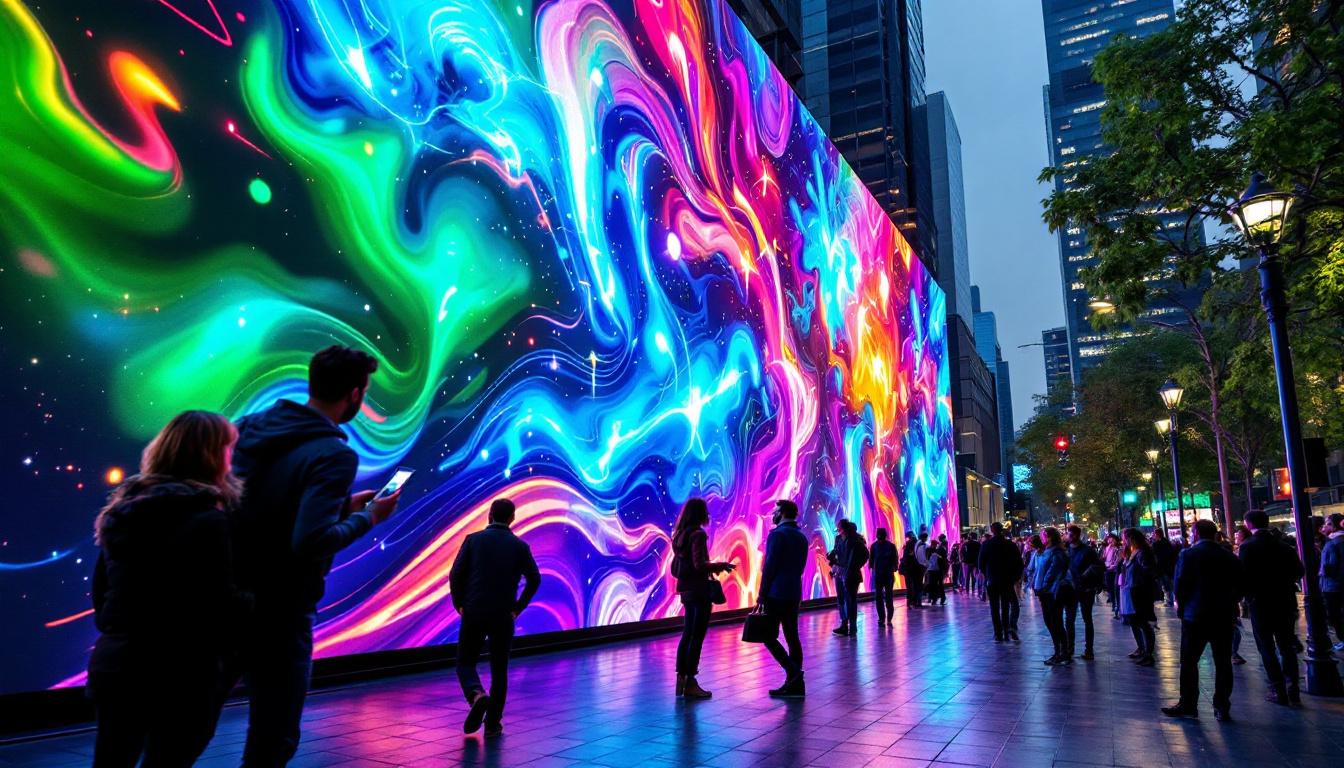
For exhibitions and events where viewers are close to the screen, 1.2 mm pixel pitch displays provide an immersive experience with high detail and brightness, ensuring that content stands out even in well-lit venues. These displays can be configured in various shapes and sizes, allowing for creative installations that captivate audiences. Whether used for interactive displays, product launches, or immersive storytelling experiences, the ability to deliver stunning visuals is crucial in drawing in attendees and enhancing engagement. Additionally, the lightweight and modular nature of LED panels makes them easy to transport and set up, providing event organizers with a versatile solution that can adapt to different layouts and requirements.
Comparing 1.2 mm Pixel Pitch to Other Common Pixel Pitches
To fully appreciate the advantages of a 1.2 mm pixel pitch, it helps to compare it with other common pixel pitches used in LED displays.
5 mm Pixel Pitch
Often used for outdoor advertising and large-scale displays, 5 mm pixel pitch screens have lower resolution but are visible from greater distances. They are less expensive but unsuitable for close viewing.
2.5 mm Pixel Pitch
These displays strike a balance between resolution and cost, suitable for medium viewing distances such as shopping malls or airports. They offer better clarity than 5 mm but are not as fine as 1.2 mm.
0.9 mm Pixel Pitch
Even finer than 1.2 mm, 0.9 mm pixel pitch displays are the cutting edge of indoor LED technology. They provide exceptional image quality but come at a higher cost and require more precise installation.
Technical Considerations When Choosing a 1.2 mm LED Display
While the pixel pitch is a critical factor, several other technical considerations influence the performance and suitability of a 1.2 mm LED display.
Brightness and Contrast
LED displays are known for their high brightness levels, which make them visible even in bright environments. A 1.2 mm pixel pitch display typically offers brightness levels ranging from 800 to 1500 nits, sufficient for indoor use without causing eye strain.
Contrast ratio is also important; higher contrast ratios improve image depth and color accuracy, enhancing the viewing experience.
Refresh Rate and Color Accuracy
High refresh rates (above 1920 Hz) reduce flickering, which is especially important for video content and broadcast applications. Color accuracy ensures that images appear natural and vibrant, which is critical for branding and advertising.
Installation and Maintenance
Due to the fine pixel pitch, 1.2 mm LED displays require precise installation and calibration. Maintenance can be more involved compared to larger pixel pitch displays, but modular designs have made servicing easier.
Future Trends in LED Display Technology
As LED technology advances, pixel pitches continue to shrink, and display capabilities improve. MicroLED technology, for example, promises even smaller pixel pitches with enhanced brightness and energy efficiency.
Additionally, innovations in flexible and transparent LED displays are expanding the potential applications, making high-resolution displays like those with 1.2 mm pixel pitch more versatile.
Integration with Smart Technologies
Modern LED displays increasingly incorporate smart features such as remote management, content scheduling, and interactive capabilities. These enhancements improve usability and open new opportunities for marketing and communication.
Sustainability Considerations
Energy efficiency and environmentally friendly manufacturing processes are becoming priorities. LED displays with fine pixel pitches like 1.2 mm are being designed to consume less power while maintaining high performance, aligning with global sustainability goals.
Conclusion
Converting 1.2 mm to inches reveals that this pixel pitch is approximately 0.047 inches, a measurement that underscores the fine resolution of modern LED displays. The 1.2 mm pixel pitch offers a balance of high image quality and practical viewing distances, making it ideal for indoor environments where detail and clarity are paramount.
Understanding pixel pitch and its implications helps buyers and users make informed decisions about LED display technology. As the industry evolves, displays with pixel pitches like 1.2 mm will continue to play a vital role in delivering vibrant, high-resolution visual experiences across a range of professional and commercial applications.
Explore Cutting-Edge LED Displays with LumenMatrix
Ready to experience the ultimate in high-resolution LED display technology? LumenMatrix is at the forefront of innovation, offering a diverse range of LED display solutions tailored to meet your needs. From captivating Indoor LED Wall Displays to dynamic Outdoor LED Wall Displays, and from versatile Vehicle LED Displays to sleek LED Poster Displays, our products are designed to transform your visual communication and audience engagement. Discover how our LED Sports Displays, Floor LED Displays, Custom LED Displays, All-in-One LED Displays, and LED Transparent Displays can revolutionize your space. Don’t miss the opportunity to elevate your brand visibility and create unforgettable visual experiences. Check out LumenMatrix LED Display Solutions today and take the first step towards redefining your visual impact.