Space Background 4K: LED Display Explained
In recent years, LED display technology has revolutionized the way we experience visual content, from home entertainment systems to massive digital billboards. Among the many applications, the use of 4K LED displays to showcase space backgrounds has gained significant popularity, offering viewers breathtaking clarity and immersive depth. This article delves into the technology behind 4K LED displays, their advantages in rendering space imagery, and why they are becoming the preferred choice for enthusiasts and professionals alike.
Understanding 4K Resolution and Its Impact on Visual Quality
What Does 4K Mean?
4K resolution refers to a display resolution with approximately 4,000 pixels across the horizontal axis. The most common 4K standard, known as Ultra High Definition (UHD), measures 3840 x 2160 pixels—four times the pixel count of Full HD (1920 x 1080). This substantial increase in pixel density translates into sharper images, finer details, and more immersive viewing experiences. With 4K technology becoming increasingly accessible, it has transformed how we consume visual media, from streaming services to video games, allowing creators to present their work with unprecedented clarity.
When it comes to space backgrounds, which often feature intricate details such as distant stars, nebulae, and galaxies, 4K resolution allows these elements to be displayed with remarkable clarity. The higher pixel count ensures that subtle gradients and textures are preserved, enhancing the realism of the scene. For instance, when viewing a nebula, the vibrant colors and delicate wisps of gas can be appreciated in their full glory, making the viewer feel as if they are peering into the depths of space itself. This level of detail not only captivates the audience but also fosters a deeper appreciation for the vast universe we inhabit.
Why Resolution Matters for Space Imagery
Space imagery is inherently complex and detailed. The vastness of space, combined with the presence of countless celestial bodies, requires a display capable of rendering fine details without distortion or pixelation. Lower resolution displays may blur or lose these details, diminishing the viewer’s experience. In fact, the intricate patterns of star clusters or the delicate structure of a galaxy can be lost entirely on lower-resolution screens, leading to a less engaging and informative experience.
Moreover, many space backgrounds are created using high-resolution photographs from telescopes such as the Hubble Space Telescope or the James Webb Space Telescope. These images often contain data captured at resolutions far exceeding standard display capabilities. Utilizing 4K LED displays ensures that the richness of these images is retained, providing a window into the cosmos that is as close to reality as possible. The ability to zoom in on specific areas of these images without losing quality allows astronomers and enthusiasts alike to explore the universe in detail, revealing phenomena that might otherwise go unnoticed. As technology continues to advance, the potential for even higher resolutions, such as 8K, promises to further enhance our understanding and appreciation of the cosmos, pushing the boundaries of visual storytelling in space exploration.
The Technology Behind LED Displays
How LED Displays Work
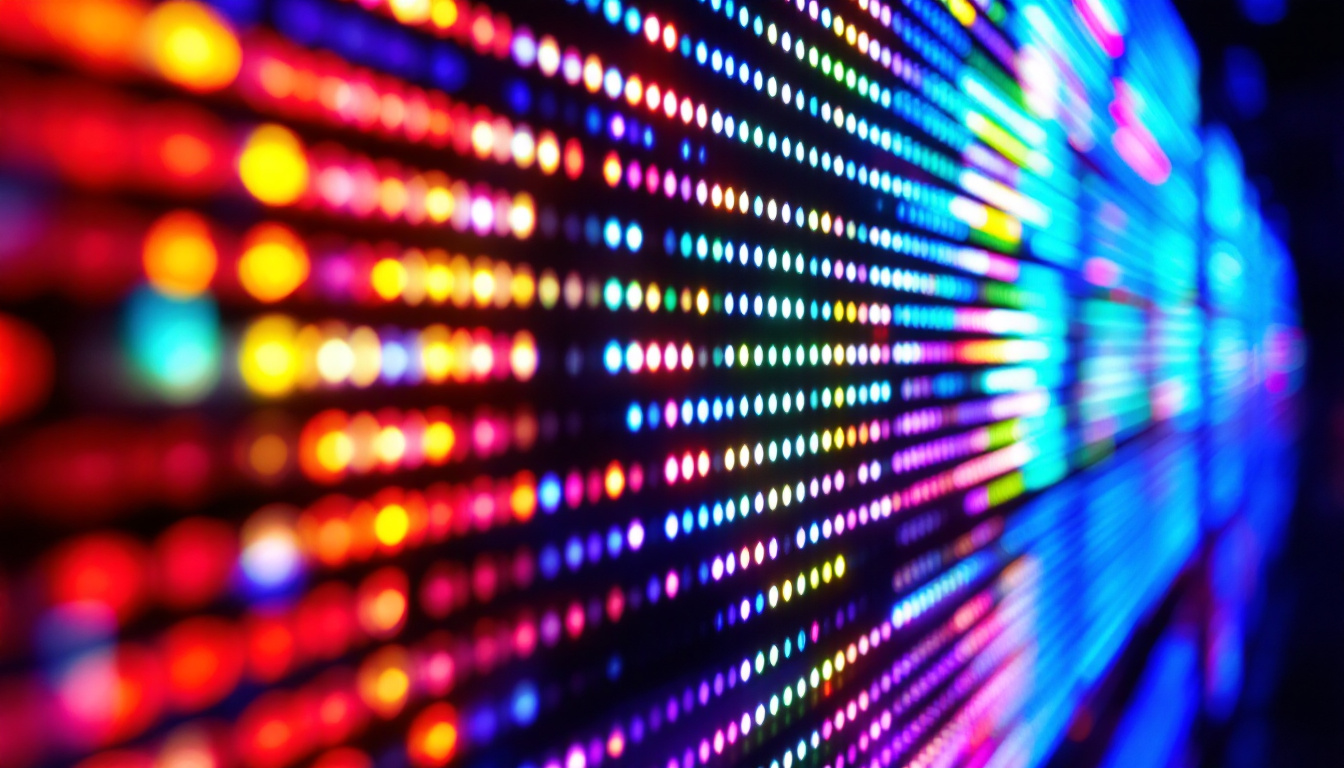
LED (Light Emitting Diode) displays consist of an array of tiny light-emitting diodes that produce images by illuminating in various colors and intensities. Unlike traditional LCDs that rely on backlighting, LED displays use these diodes as the light source, which allows for better control over brightness and contrast.
There are two primary types of LED displays used for high-resolution content: direct LED and OLED (Organic LED). Direct LED displays use inorganic diodes arranged in a matrix, while OLED displays use organic compounds that emit light when an electric current is applied. Both technologies offer distinct advantages in terms of color accuracy, contrast ratios, and viewing angles.
Advantages of LED for Space Backgrounds
LED displays, especially those capable of 4K resolution, offer several benefits that make them ideal for showcasing space backgrounds:
- High Brightness: Space scenes often include bright stars and glowing nebulae against dark voids. LED displays can achieve high peak brightness levels, making these contrasts vivid and striking.
- Deep Blacks and Contrast: The ability to turn off individual LEDs or pixels allows for true black levels, which is crucial for space imagery where darkness is a dominant feature.
- Wide Color Gamut: Many LED displays support wide color gamuts such as DCI-P3 or Rec. 2020, enabling them to reproduce the rich colors found in space photos accurately.
- Energy Efficiency: Compared to older display technologies, LEDs consume less power, which is beneficial for both consumer devices and large-scale installations.
Space Backgrounds in 4K: Sources and Applications
Where Do 4K Space Backgrounds Come From?
High-quality 4K space backgrounds are often derived from data collected by advanced astronomical instruments. Agencies like NASA, ESA (European Space Agency), and other space research organizations regularly release high-resolution images captured by space telescopes and probes.
For example, the James Webb Space Telescope has provided some of the most detailed and colorful images of distant galaxies and nebulae, many of which are available in 4K or higher resolutions. These images are processed and enhanced to highlight specific features, making them ideal for use as backgrounds on LED displays.
Popular Uses of Space Backgrounds on 4K LED Displays
Space backgrounds rendered on 4K LED displays have found applications across various domains:
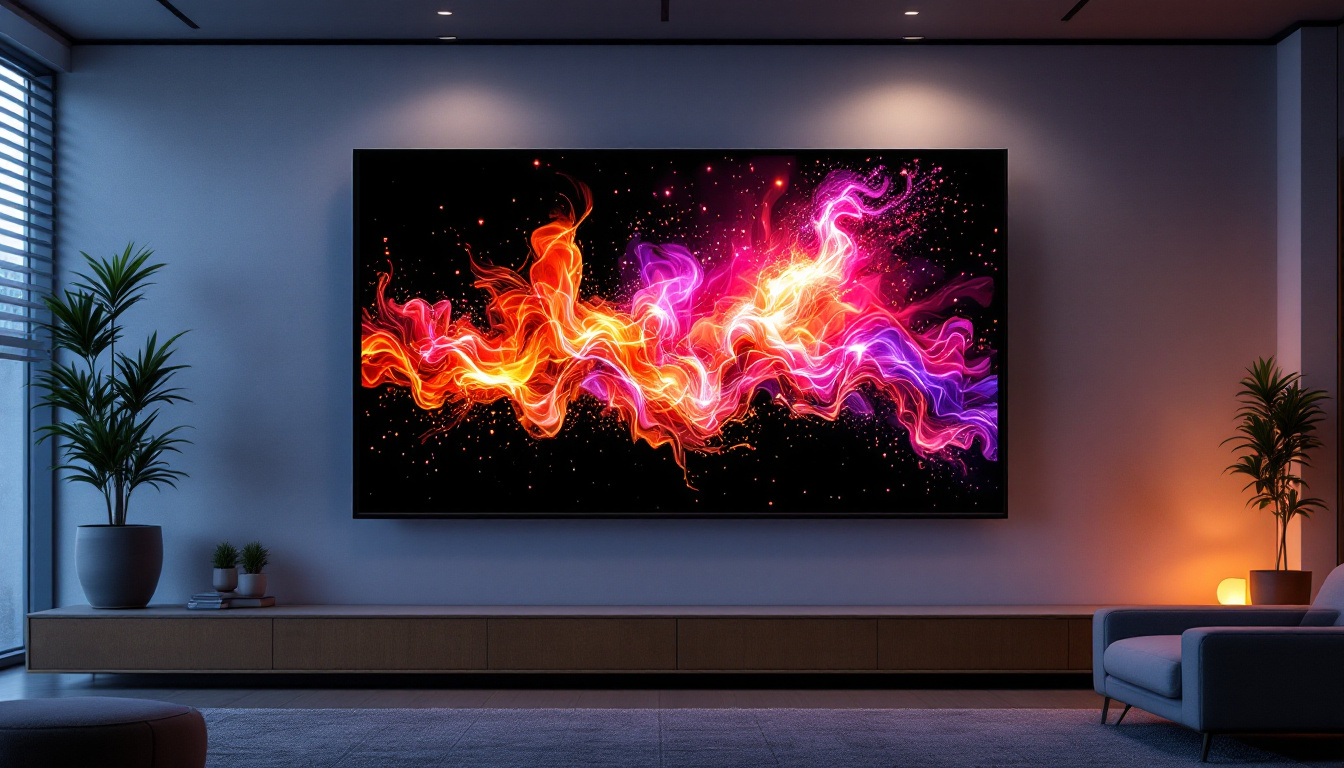
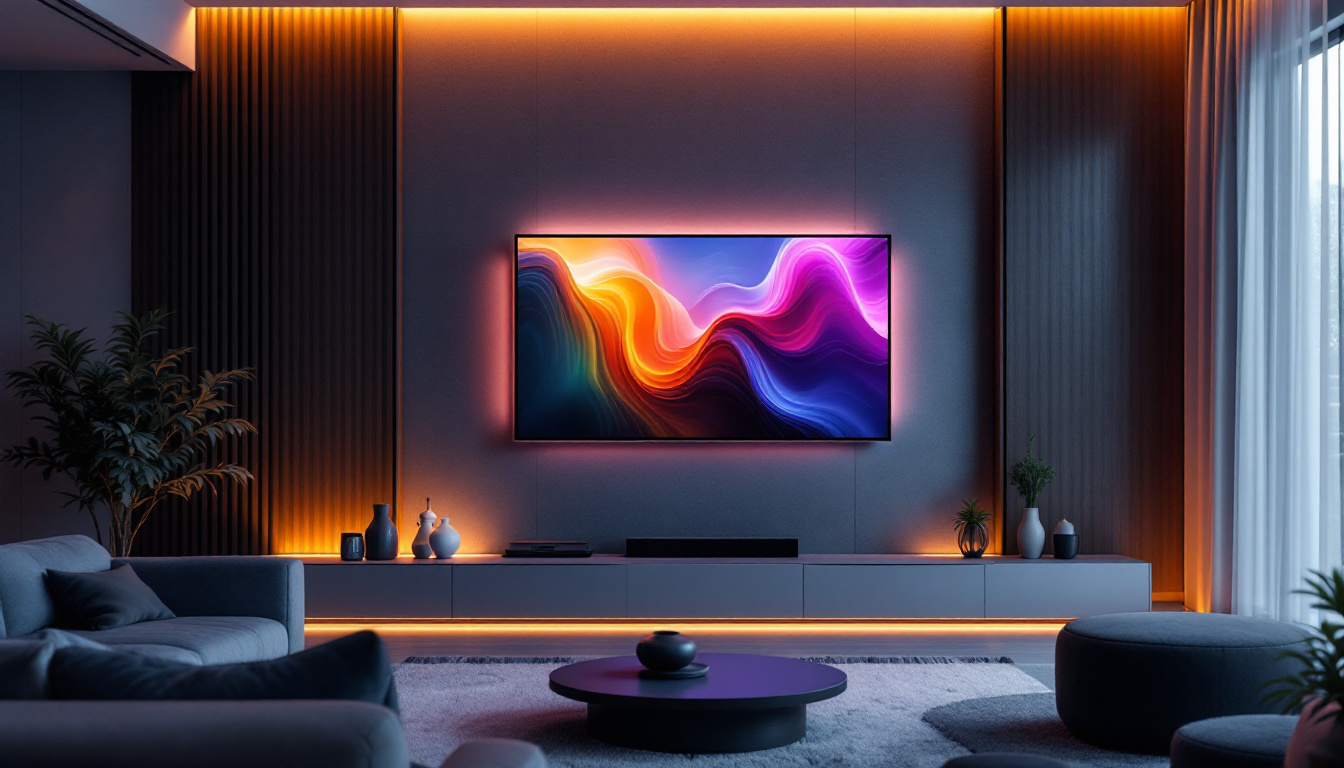
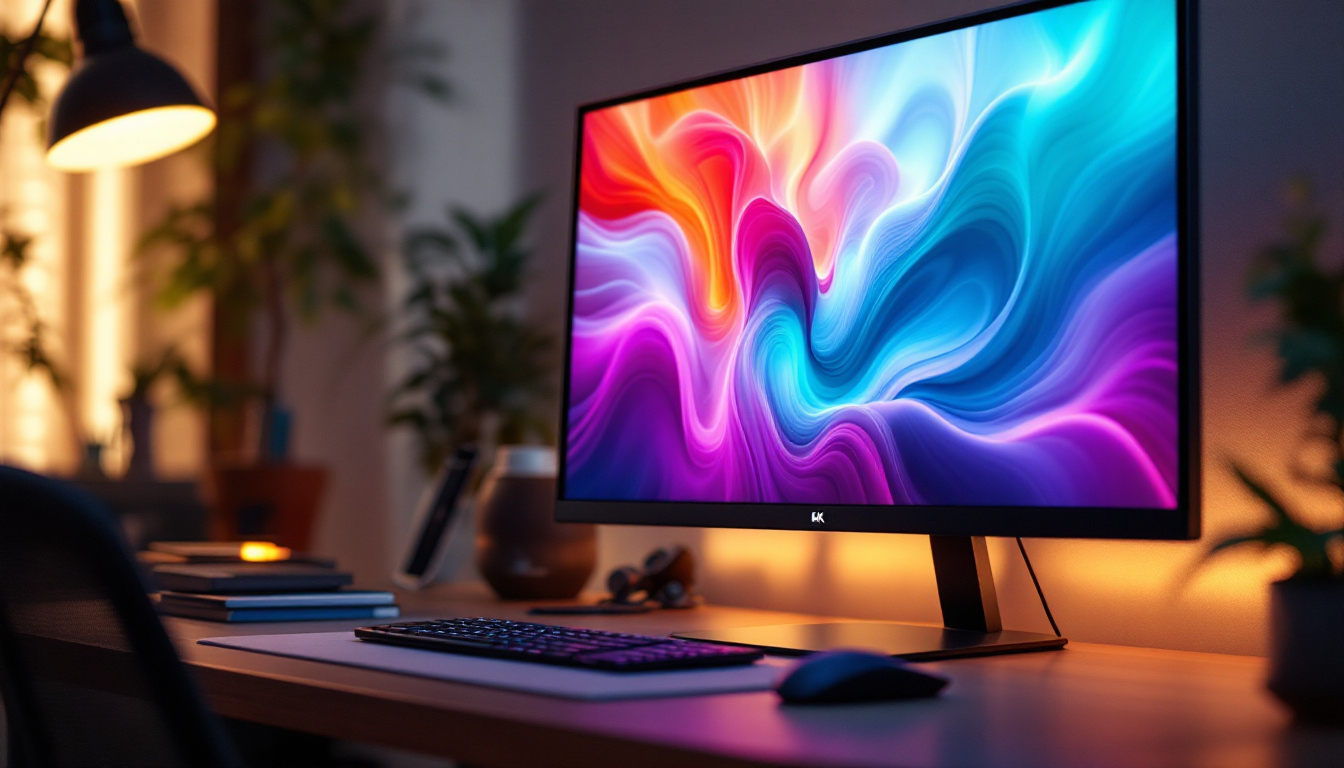
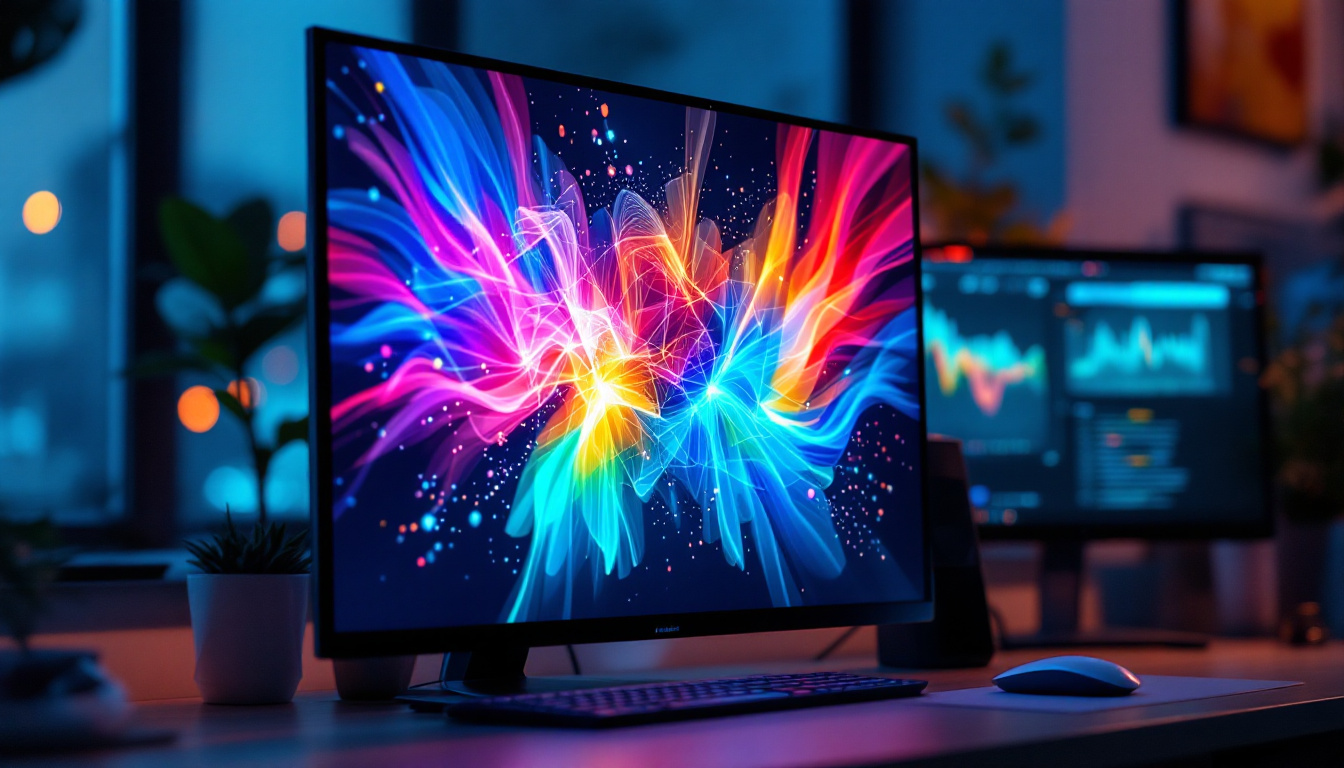
- Home Entertainment: Many consumers use space-themed 4K wallpapers and screensavers to create immersive atmospheres in living rooms or gaming setups.
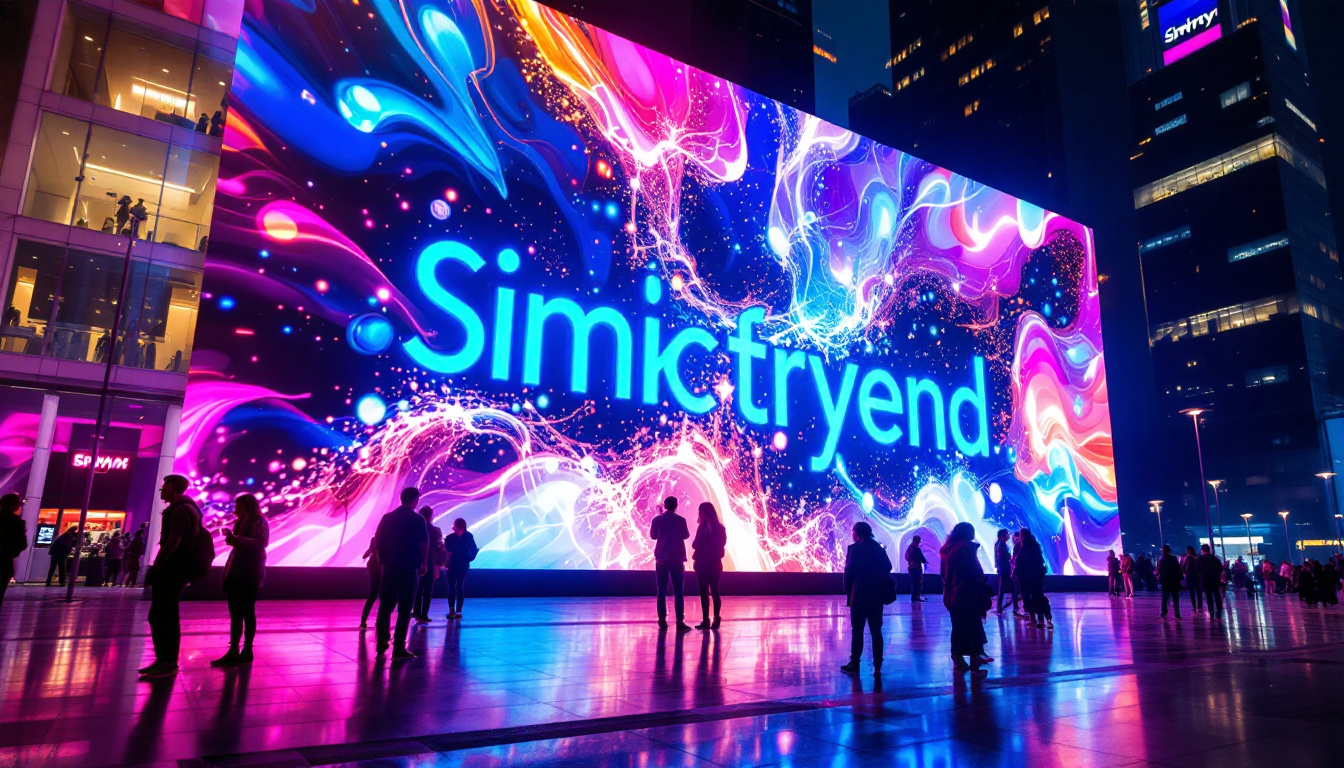
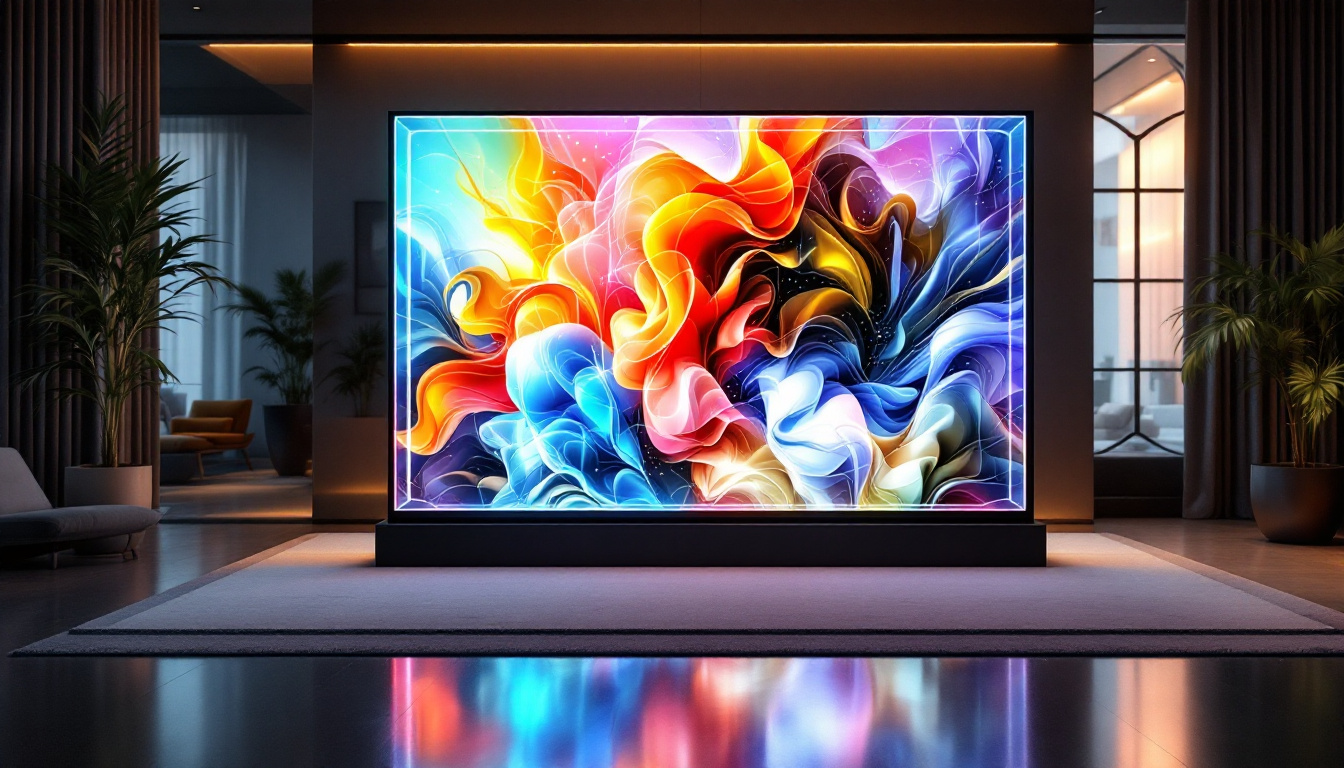
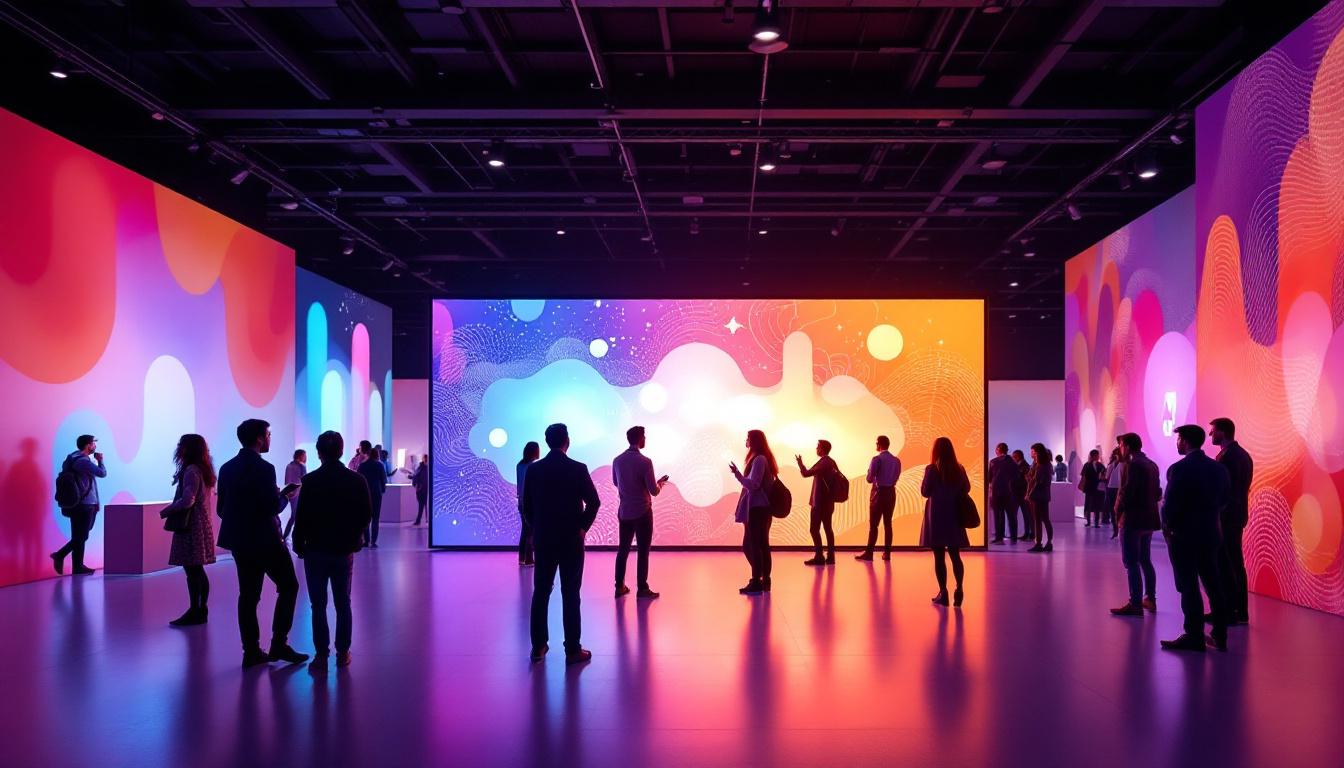
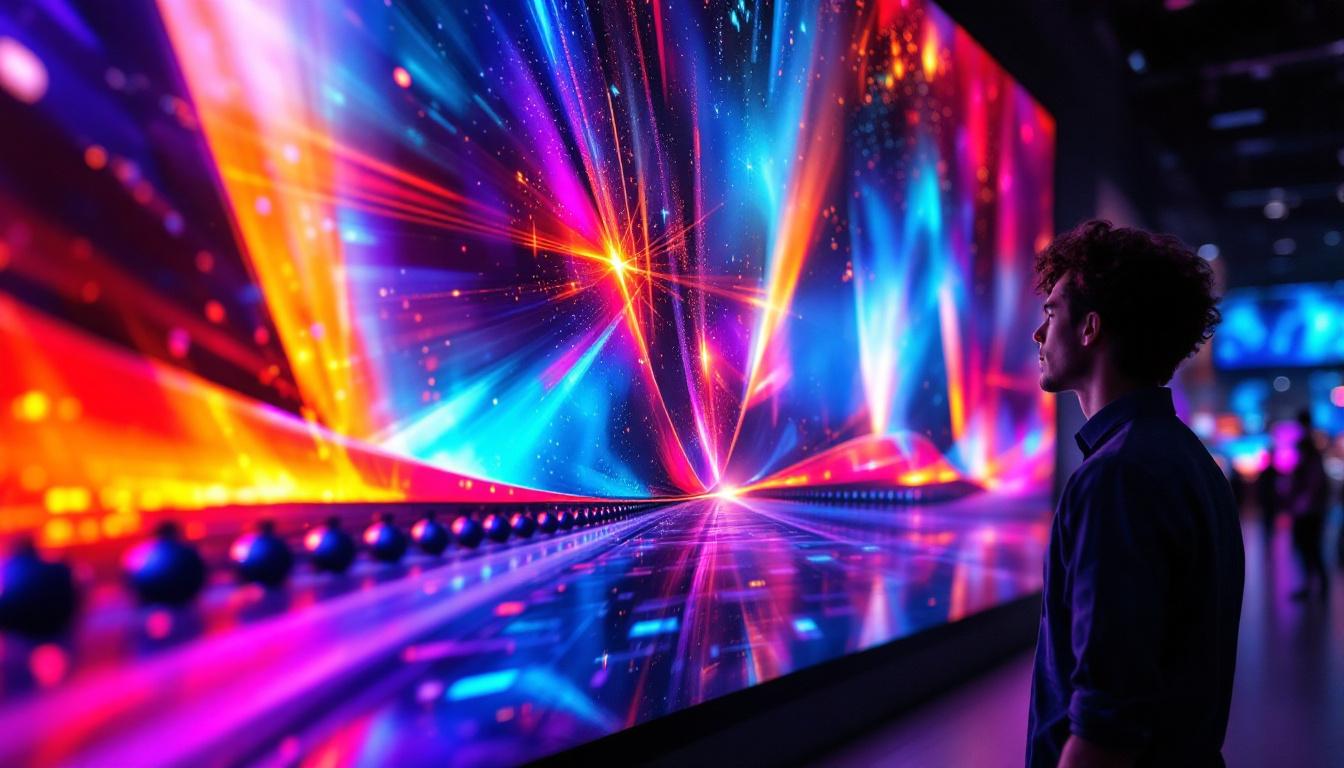
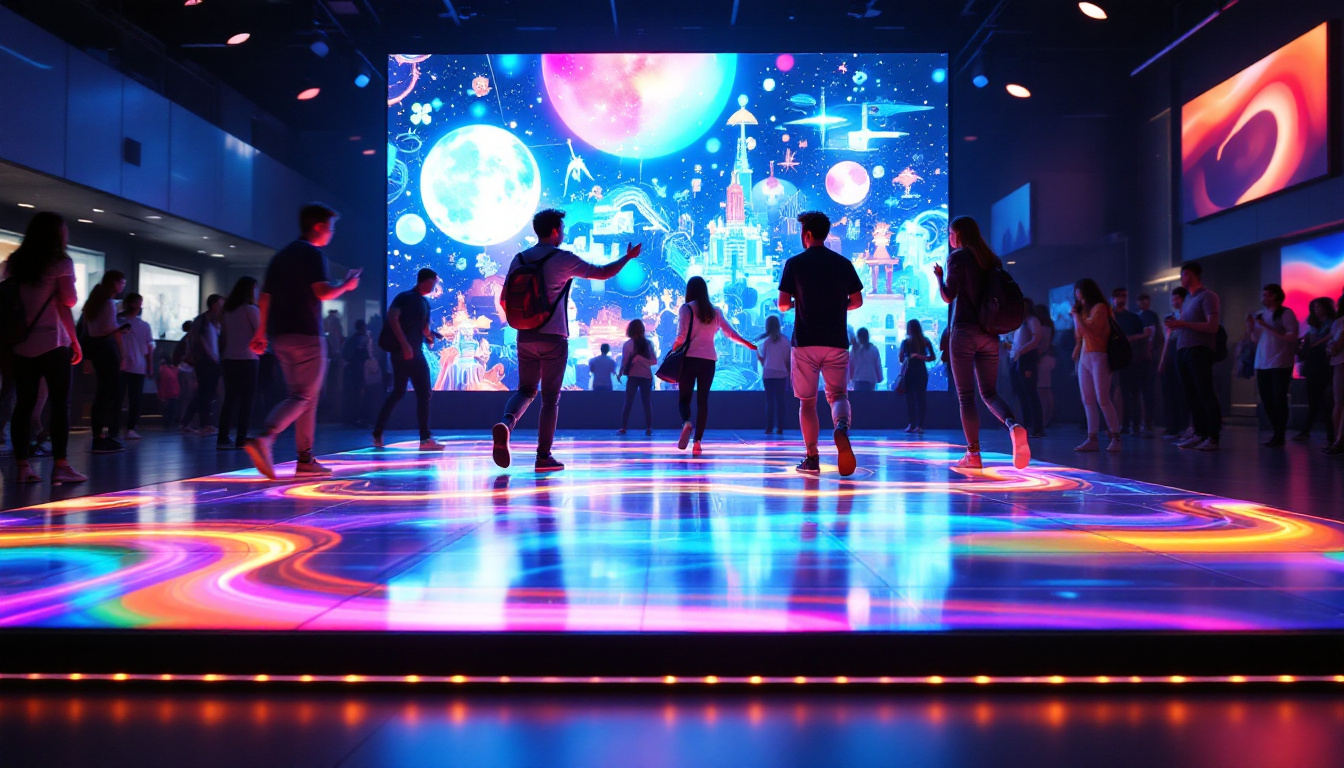
- Public Installations: Museums, planetariums, and science centers utilize large 4K LED walls to display dynamic space scenes, enhancing educational experiences.
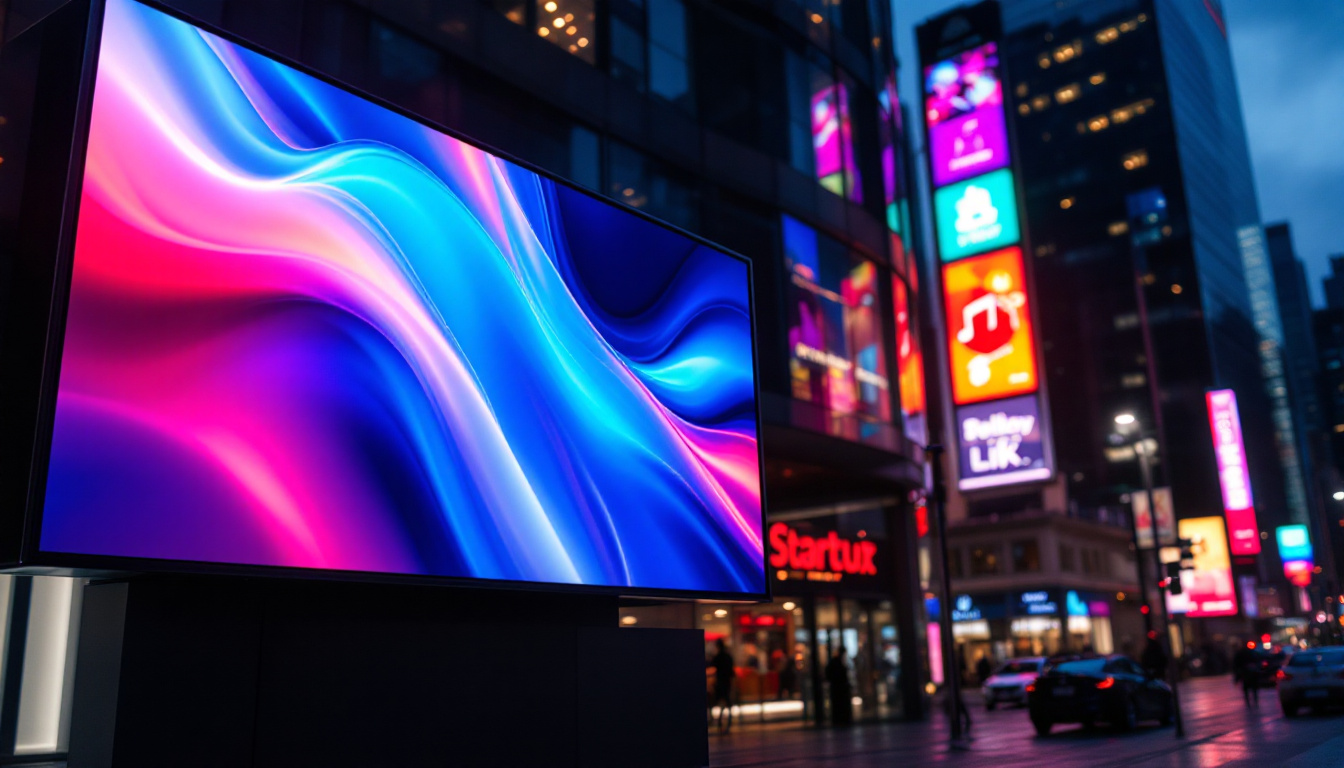
- Commercial Advertising: Brands sometimes incorporate space imagery in their digital signage to evoke themes of innovation, exploration, and futurism.
- Virtual Meetings and Events: Space backgrounds add a visually appealing and professional backdrop for virtual conferences and webinars.
Choosing the Right 4K LED Display for Space Backgrounds
Key Features to Consider
When selecting a 4K LED display specifically for showcasing space backgrounds, several factors should be taken into account to maximize visual impact:
- Resolution and Pixel Density: Ensure the display supports true 4K resolution with a high pixel density to maintain image sharpness at various viewing distances.
- Contrast Ratio: A high contrast ratio is essential for rendering the deep blacks and bright highlights typical of space imagery.
- Color Accuracy: Look for displays that offer wide color gamut coverage and support for HDR (High Dynamic Range) content to faithfully reproduce colors.
- Viewing Angles: Space backgrounds often serve as ambient or decorative visuals, so wide viewing angles ensure consistent image quality from different positions.
- Refresh Rate and Response Time: While less critical for static images, higher refresh rates and faster response times benefit dynamic space animations and videos.
Top Display Technologies for Space Backgrounds
Among the various LED display technologies, the following stand out for their suitability in displaying space backgrounds:
- Mini-LED: This technology uses thousands of tiny LEDs as backlights, offering improved contrast and brightness control compared to traditional LED-LCDs.
- Micro-LED: An emerging technology that promises even better brightness, contrast, and energy efficiency by using microscopic LEDs as individual pixels.
- OLED: Known for perfect blacks and vibrant colors, OLED displays are excellent for space imagery but can be more expensive and susceptible to burn-in.
Enhancing the Space Viewing Experience with 4K LED Displays
HDR and Dynamic Range
High Dynamic Range (HDR) technology significantly enhances the viewing experience by expanding the range of brightness and color that a display can produce. For space backgrounds, HDR allows the bright stars and glowing nebulae to stand out vividly against the deep blackness of space, creating a more lifelike and captivating image.
Popular HDR standards such as HDR10 and Dolby Vision are supported by many modern 4K LED displays, making it easier to enjoy space content in its full visual glory.
Immersive Viewing Setups
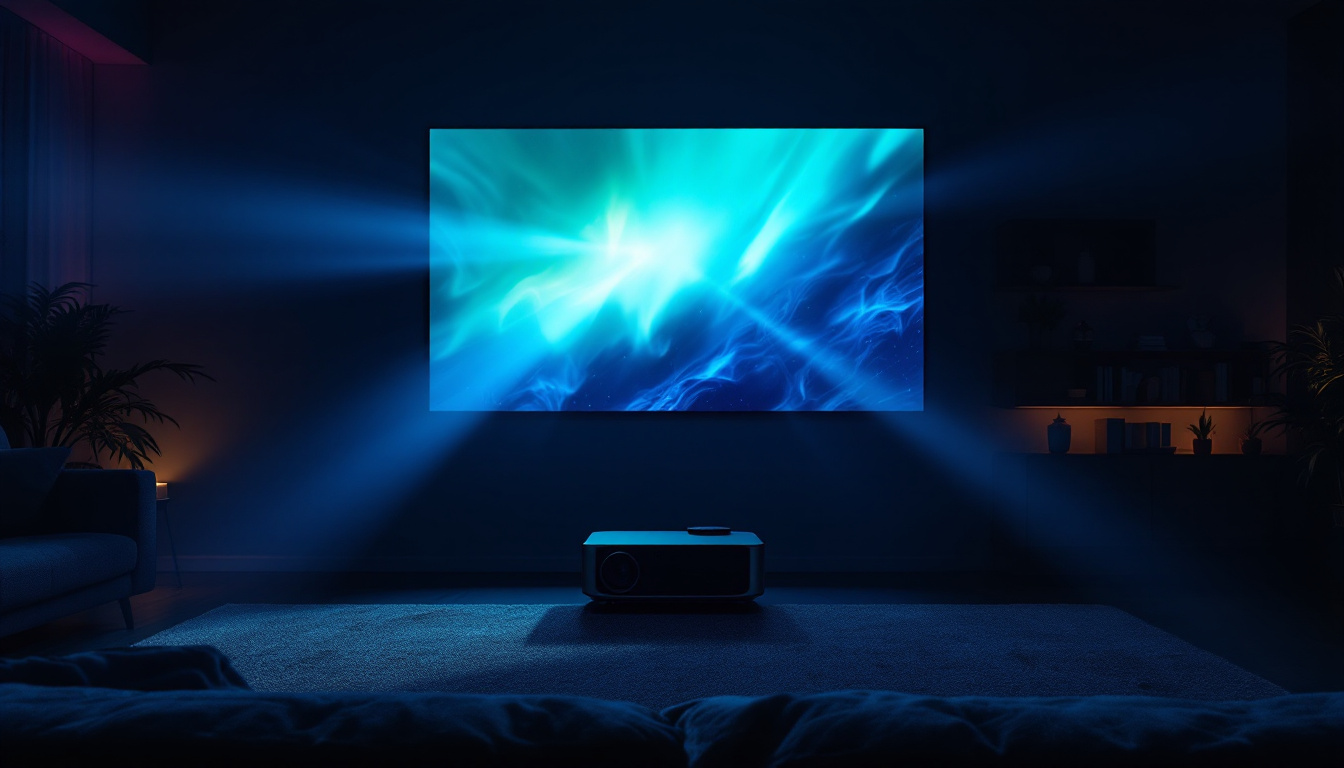
To fully appreciate the beauty of 4K space backgrounds, the viewing environment plays a crucial role. Darkened rooms with controlled ambient lighting enhance contrast perception, while large screen sizes increase immersion.
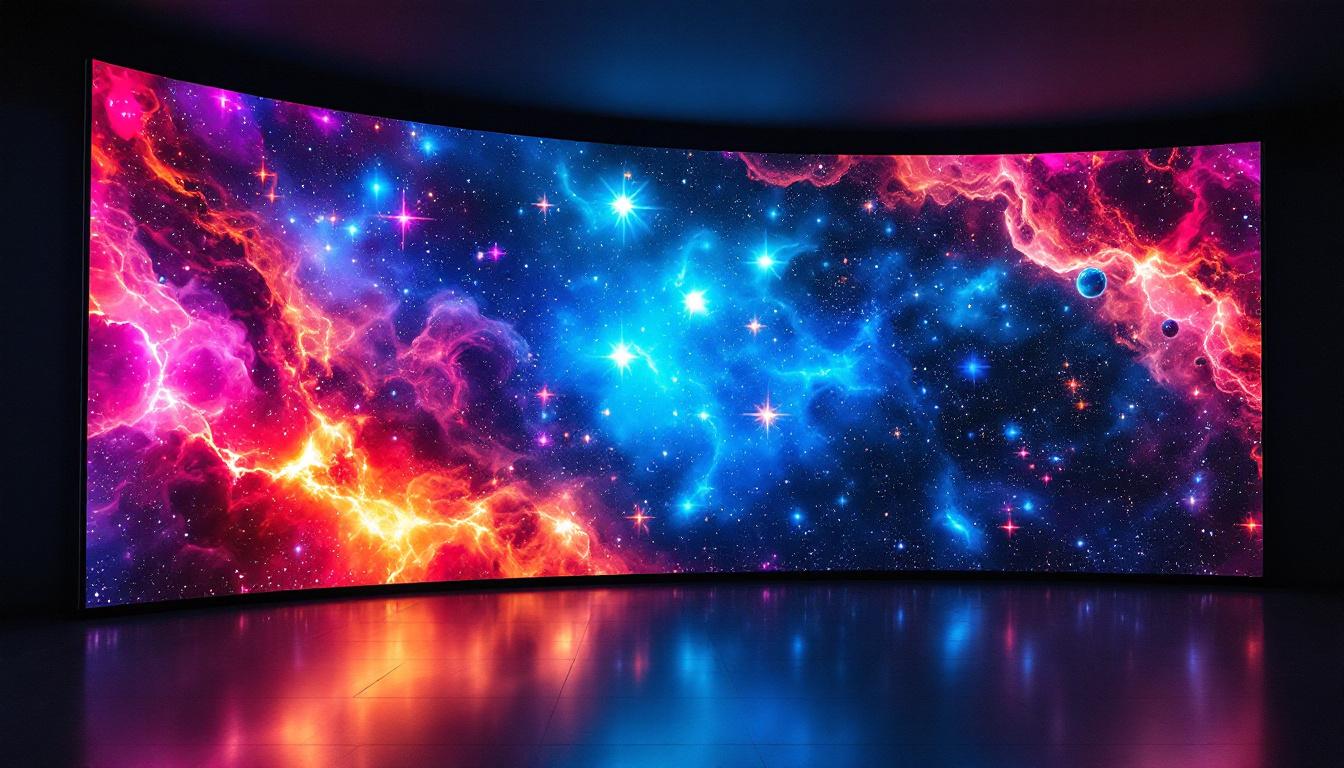
Additionally, multi-display setups or curved LED walls can create panoramic views of space scenes, enveloping the viewer and simulating a window into the cosmos. These setups are especially popular in planetariums and high-end home theaters.
Future Trends in 4K LED Displays and Space Imagery
Increasing Resolution and Display Size
While 4K remains the current standard for high-resolution displays, the industry is rapidly moving towards 8K and beyond. Higher resolutions will allow even more detailed space imagery to be displayed, revealing finer cosmic structures and phenomena.
Simultaneously, advancements in manufacturing are enabling larger LED panels with seamless integration, making it possible to create massive, ultra-high-definition space displays for public venues and immersive experiences.
Integration with Augmented and Virtual Reality
The combination of 4K LED displays with augmented reality (AR) and virtual reality (VR) technologies is poised to transform how space backgrounds are experienced. Users will be able to interact with space scenes in three dimensions, exploring celestial bodies and cosmic events in real-time.
This integration will be particularly impactful in educational settings, providing students and enthusiasts with hands-on experiences that deepen understanding and appreciation of the universe.
AI-Enhanced Space Visualization
Artificial intelligence is increasingly being used to enhance space imagery by filling in gaps, improving resolution, and generating realistic visualizations from raw data. When paired with 4K LED displays, AI-enhanced images can offer unprecedented clarity and detail, bringing the wonders of space closer than ever before.
Conclusion
The fusion of 4K resolution and LED display technology has unlocked new possibilities for experiencing space backgrounds with stunning realism and depth. Whether for personal enjoyment, educational purposes, or commercial applications, 4K LED displays provide the clarity, contrast, and color fidelity necessary to bring the cosmos to life.
As display technology continues to evolve, the future promises even more immersive and detailed space visualizations, inviting viewers to explore the universe from the comfort of their homes or public venues. For anyone captivated by the mysteries of space, investing in a high-quality 4K LED display is a step toward unlocking the full grandeur of the cosmos.
Discover the Universe with LumenMatrix
Ready to transform your space with the awe-inspiring beauty of the cosmos? LumenMatrix invites you to experience the universe like never before with our advanced 4K LED display solutions. From the comfort of your home to the expansiveness of public venues, our range of Indoor and Outdoor LED Wall Displays, Custom LED Displays, and more, are designed to bring the grandeur of space right to your fingertips. Embrace the future of visual storytelling and check out LumenMatrix LED Display Solutions today to elevate your visual experience to celestial heights.