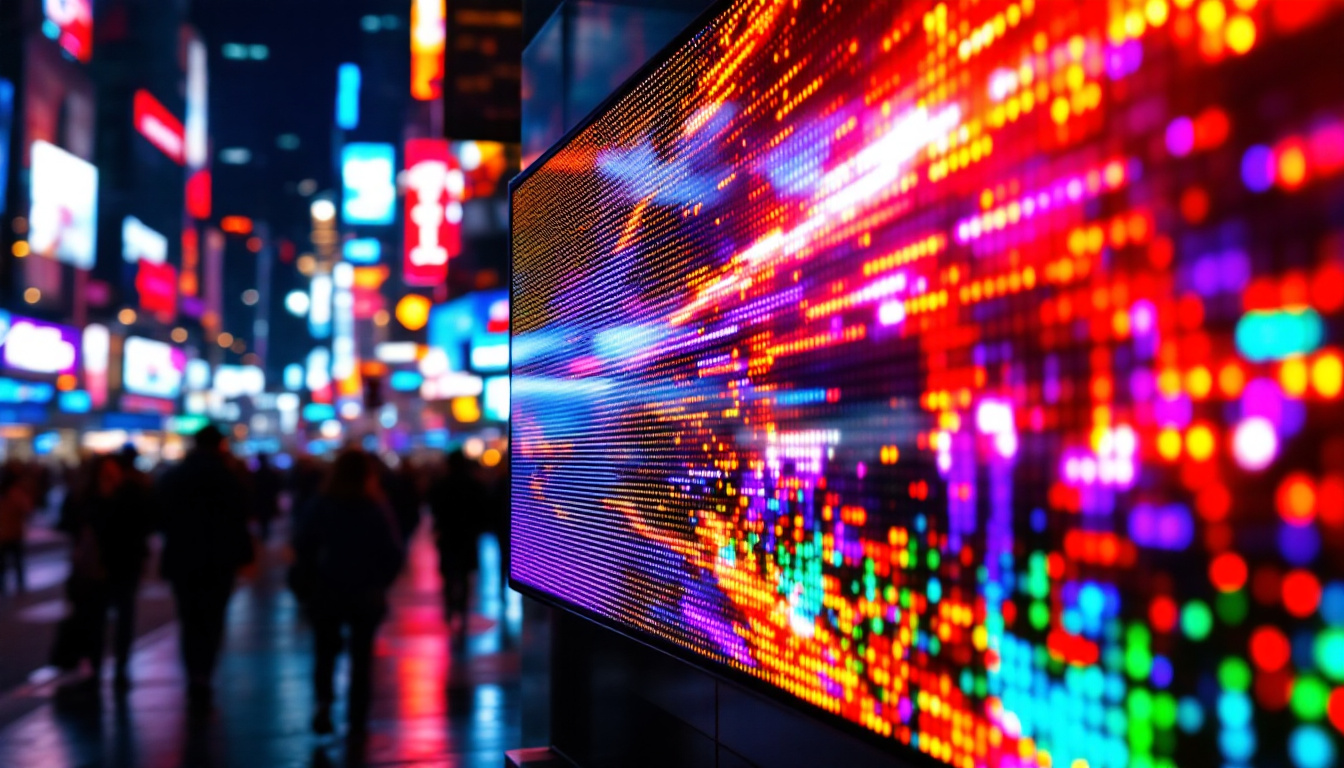
In today’s fast-paced digital world, interactive touch screen displays have become an integral part of communication, collaboration, and entertainment. Among the various technologies powering these displays, LED (Light Emitting Diode) technology stands out for its vibrant colors, energy efficiency, and versatility. This article delves into the fundamentals of LED displays, explores their application in interactive touch screen technology, and highlights why they are revolutionizing industries from education to retail.
Understanding LED Display Technology
What is an LED Display?
An LED display is a flat panel display that uses light-emitting diodes as pixels to create an image. Unlike traditional LCD screens that rely on backlighting, LED displays generate light directly from each pixel, resulting in brighter images and deeper contrast. The technology has evolved significantly since its inception, with modern LED displays offering high resolution, wide viewing angles, and excellent color accuracy. The advancements in LED technology have also led to the development of flexible displays, which can be curved or bent to fit various applications, expanding their usability in creative installations.
LED displays can be categorized into two main types: direct-view LED and LED-backlit LCD. Direct-view LED displays consist of individual LEDs that form the image, commonly used in large outdoor screens and video walls. These displays are often seen at concerts, sporting events, and public gatherings, where their ability to deliver stunning visuals at a distance is unmatched. LED-backlit LCDs, on the other hand, use LEDs as a backlight source behind an LCD panel, which is typical in consumer televisions and computer monitors. This configuration allows for thinner designs and improved energy efficiency, making them a popular choice for home entertainment systems.
Key Advantages of LED Displays
LED technology offers several compelling benefits that make it ideal for interactive touch screen applications:
- Brightness and Visibility: LEDs can produce extremely bright images, making displays visible even in direct sunlight. This is crucial for outdoor kiosks and signage, where clear visibility can significantly impact user engagement and information dissemination.
- Energy Efficiency: LEDs consume less power compared to traditional display technologies, reducing operating costs and environmental impact. This energy efficiency not only benefits businesses by lowering electricity bills but also contributes to sustainability efforts by minimizing carbon footprints.
- Longevity and Durability: LED displays have a longer lifespan and are more resistant to shock and vibration, which is essential for public and commercial environments. Their robust construction makes them suitable for various settings, from bustling retail spaces to rugged outdoor installations.
- Color Accuracy and Contrast: The ability to emit pure colors enhances image quality, providing vivid visuals that engage users effectively. This feature is particularly important in applications such as advertising and broadcasting, where color fidelity can influence consumer perception and brand identity.
Moreover, the versatility of LED displays extends beyond just visual appeal. They can be integrated with advanced technologies such as sensors and interactive interfaces, allowing for dynamic content that responds to user interactions. This capability opens up new avenues for marketing and customer engagement, transforming static advertisements into immersive experiences that captivate audiences. As industries continue to explore innovative ways to leverage LED technology, the potential for interactive displays in education, entertainment, and retail environments is boundless, paving the way for a more engaging and visually stimulating future.
The Role of LED Displays in Interactive Touch Screen Technology
How LED Displays Enhance Interactivity
Interactive touch screen displays combine visual output with user input, enabling direct manipulation of content through touch gestures. Integrating LED technology into these displays enhances the overall user experience by delivering crisp, bright images that respond instantly to touch commands.
The responsiveness of touch screens depends heavily on the underlying display technology. LED displays, especially those using OLED (Organic LED) or microLED variants, offer faster refresh rates and lower latency, which translates into smoother interactions. This is particularly important in applications such as digital whiteboards, interactive kiosks, and gaming terminals where real-time feedback is critical.
Types of Touch Technologies Compatible with LED Displays
LED displays can be paired with various touch sensing technologies, each with unique strengths:
- Capacitive Touch: The most common technology in smartphones and tablets, capacitive touch uses the electrical properties of the human body to detect touch. It supports multi-touch gestures and offers high sensitivity.
- Infrared (IR) Touch: IR touch screens use an array of infrared LEDs and photodetectors around the screen edges to detect touch by interruption of the IR beams. This technology works well with gloves or styluses and can be scaled to very large displays.
- Surface Acoustic Wave (SAW): SAW touch screens use ultrasonic waves that are absorbed when touched. They provide excellent image clarity since there is no additional layer on the screen but are less common in rugged or outdoor environments.
Choosing the right touch technology depends on the intended use, environment, and budget. LED displays’ adaptability makes them compatible with all these touch methods, providing flexibility for manufacturers and end-users.
Applications of Interactive LED Touch Screen Displays
Education and Training
Interactive LED touch screen displays have transformed classrooms and training centers worldwide. Their large, bright screens facilitate group learning, enabling teachers and students to interact with digital content dynamically. According to a 2023 report by Futuresource Consulting, the global market for interactive displays in education is expected to grow by over 12% annually through 2027, driven by increasing adoption of digital learning tools.
These displays support multimedia presentations, real-time annotations, and collaborative exercises, making lessons more engaging and effective. The durability and energy efficiency of LED technology also make them a cost-effective choice for institutions.
Retail and Advertising
Retailers leverage interactive LED touch screen displays to enhance customer engagement and improve sales. Digital signage with touch capabilities allows shoppers to browse catalogs, customize products, and access promotions instantly. The high brightness and vivid colors of LED displays ensure visibility even in brightly lit store environments.
Moreover, interactive LED displays enable personalized marketing experiences. For example, fashion brands use touch screens to showcase virtual try-ons and style recommendations, increasing customer satisfaction and reducing return rates. A study by Nielsen in 2022 found that interactive digital displays can increase customer dwell time by up to 30%, directly impacting purchase decisions.
Corporate and Collaborative Environments
In corporate settings, interactive LED touch screen displays facilitate meetings, brainstorming sessions, and remote collaboration. Video conferencing combined with touch-enabled digital whiteboards allows teams to share ideas seamlessly, regardless of location.
The clarity and responsiveness of LED displays enhance the effectiveness of presentations and data visualization. Companies investing in these technologies report improved productivity and communication, with a 2023 survey by Deloitte highlighting that 68% of respondents saw measurable benefits after integrating interactive displays into their workflows.
Healthcare and Public Services
Healthcare providers utilize interactive LED touch screens for patient check-ins, information kiosks, and diagnostic displays. The hygiene benefits of touchless or stylus-compatible touch technologies paired with LED’s durability make these displays suitable for clinical environments.
Public services, including transportation hubs and government offices, also deploy interactive LED displays for wayfinding, ticketing, and information dissemination. Their reliability and visibility under various lighting conditions ensure accessibility for diverse populations.
Future Trends in LED Interactive Touch Screen Displays
MicroLED and OLED Innovations
Emerging display technologies such as microLED and OLED promise to push the boundaries of interactive touch screens further. MicroLED displays offer even higher brightness, contrast, and energy efficiency than traditional LEDs, with the added benefit of being scalable to various sizes without loss of quality.
OLED displays, known for their deep blacks and flexible form factors, are increasingly being integrated into curved and foldable interactive screens. These innovations will enable new use cases in wearable devices, automotive interfaces, and immersive environments.
Integration with Artificial Intelligence and IoT
The convergence of interactive LED displays with artificial intelligence (AI) and the Internet of Things (IoT) is shaping smarter, more intuitive user experiences. AI-powered touch screens can adapt content based on user behavior, preferences, and environmental conditions, creating personalized interactions.
IoT connectivity allows these displays to communicate with other smart devices, enabling seamless workflows and enhanced automation. For example, in smart buildings, interactive LED panels can control lighting, climate, and security systems through touch or voice commands.
Advancements in Touch Sensitivity and Haptics
Future interactive LED displays will feature improved touch sensitivity and haptic feedback, making digital interactions feel more natural and tactile. Technologies such as ultrasonic haptics and electrostatic feedback can simulate textures and resistance, enriching user engagement in gaming, design, and virtual reality applications.
Choosing the Right Interactive LED Touch Screen Display
Factors to Consider
When selecting an interactive LED touch screen display, several factors should guide the decision-making process:
- Display Size and Resolution: Larger displays with higher resolution provide better visibility and detail, essential for collaborative and public environments.
- Touch Technology: Consider the environment and usage patterns to choose between capacitive, infrared, or other touch sensing methods.
- Brightness and Contrast: Ensure the display can perform well under the expected lighting conditions, especially for outdoor or brightly lit indoor spaces.
- Durability and Maintenance: Look for features like ruggedized screens, anti-glare coatings, and easy maintenance options to maximize lifespan and reliability.
- Connectivity and Integration: Compatibility with existing software, networks, and peripheral devices is crucial for smooth operation.
Cost vs. Value
While LED interactive displays can represent a significant investment, their long-term benefits often justify the cost. Energy savings, reduced maintenance, enhanced user engagement, and increased productivity contribute to a strong return on investment. It is advisable to evaluate total cost of ownership rather than just the initial purchase price.
Conclusion
Interactive touch screen displays powered by LED technology are reshaping how people interact with digital content across various sectors. Their superior brightness, energy efficiency, and adaptability make them a preferred choice for applications ranging from education and retail to corporate collaboration and public services.
As LED technology continues to evolve alongside advances in touch sensitivity, AI integration, and display innovation, the future holds exciting possibilities for more immersive and intelligent interactive experiences. Understanding the fundamentals of LED displays and their role in touch screen technology equips businesses and institutions to make informed decisions that enhance engagement and operational efficiency.
Discover LumenMatrix’s Innovative LED Solutions
Ready to elevate your interactive touch screen experience? LumenMatrix is at the forefront of LED display technology, offering a wide array of solutions tailored to your needs. From vibrant Indoor LED Wall Displays to dynamic Outdoor LED Wall Displays, and from sleek LED Poster Displays to immersive Floor LED Displays, our products are designed to captivate and engage. Embrace the future of visual communication with LumenMatrix’s cutting-edge digital signage and LED display solutions. Check out LumenMatrix LED Display Solutions today and transform your space into a hub of digital innovation.