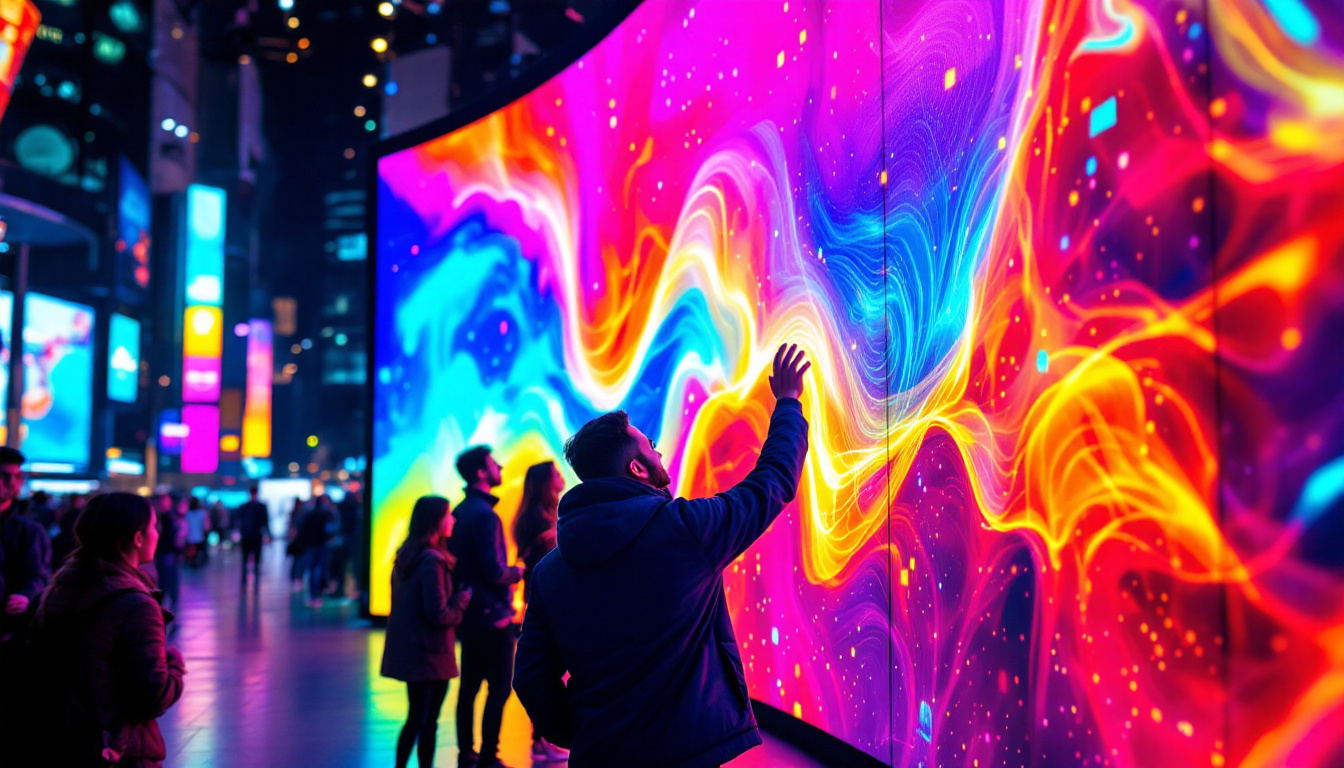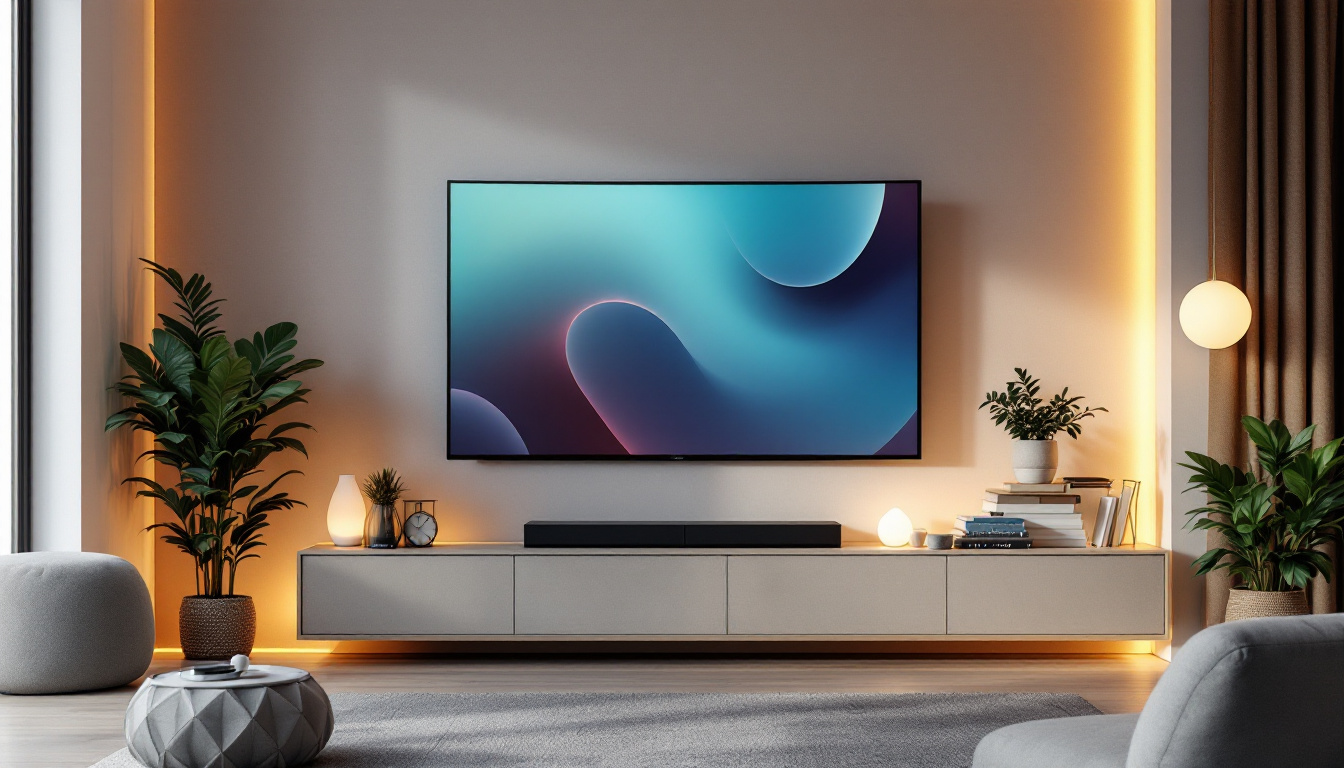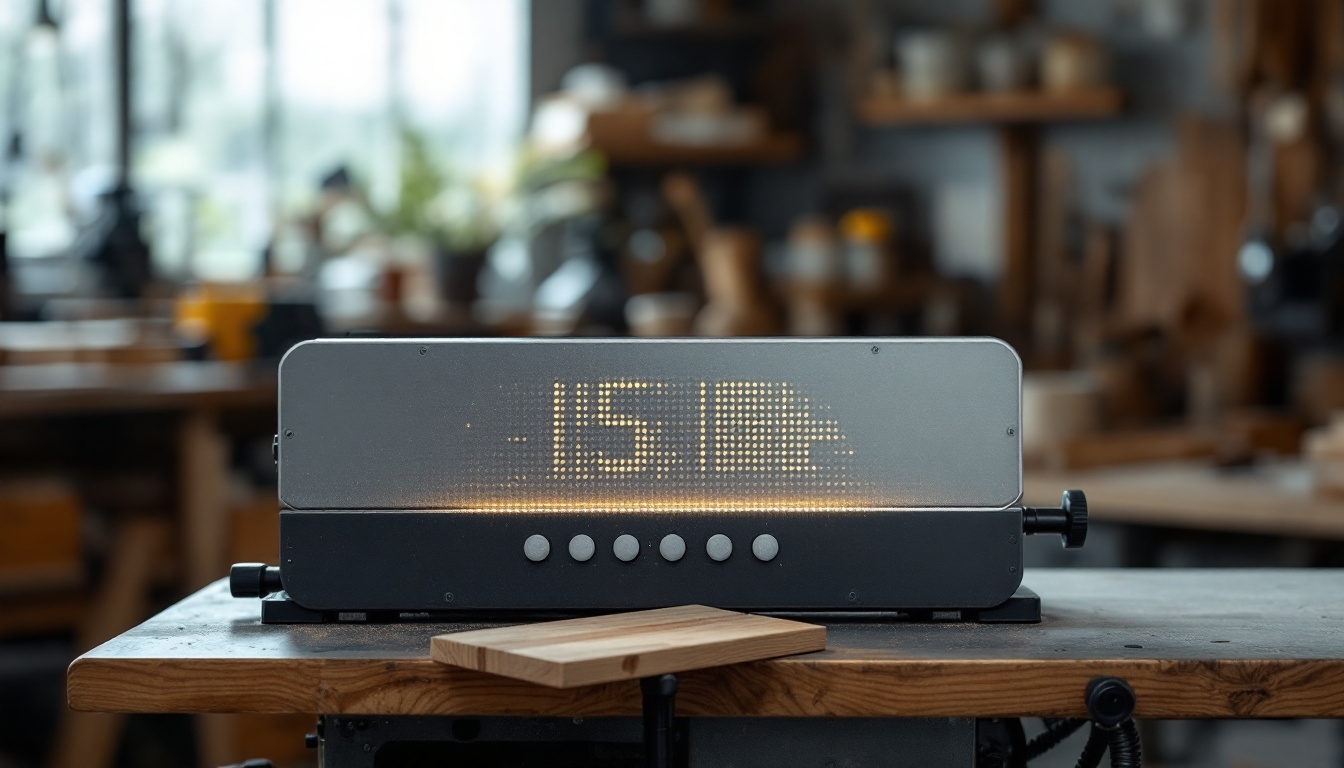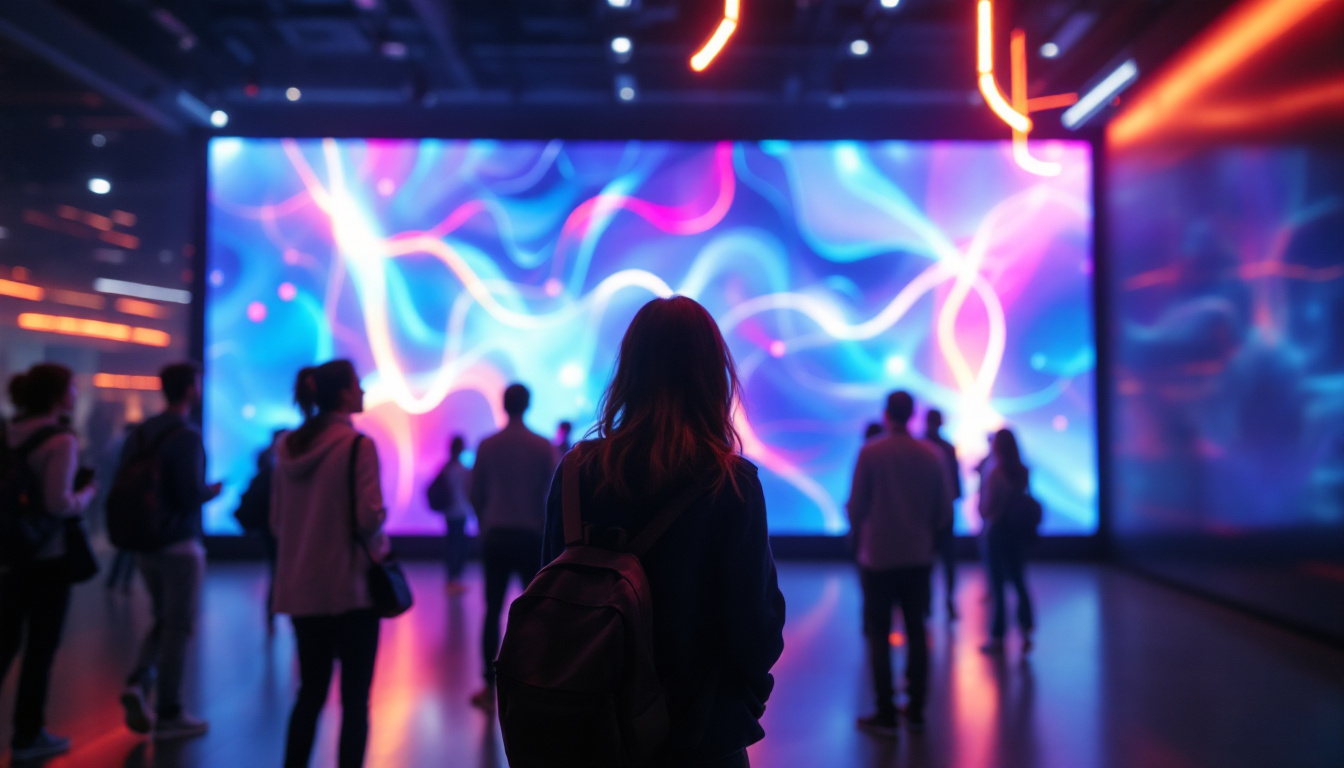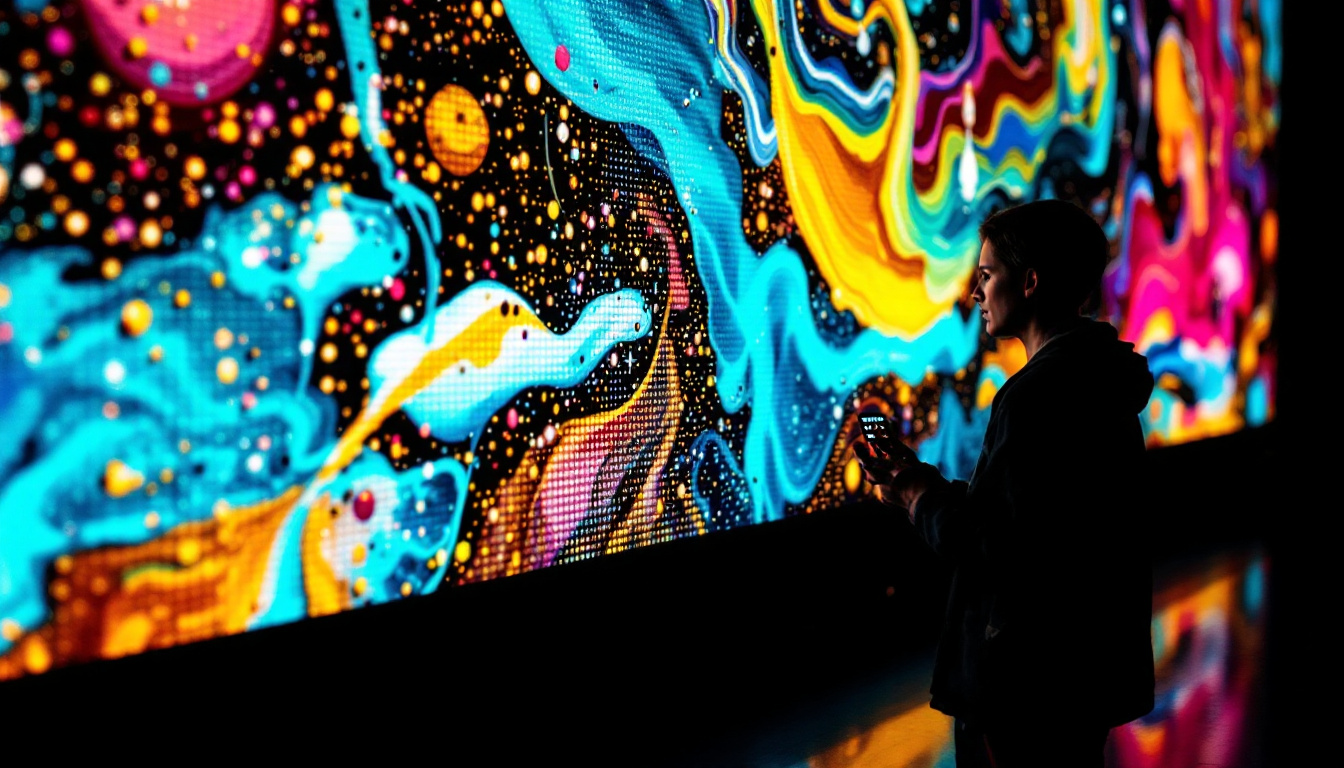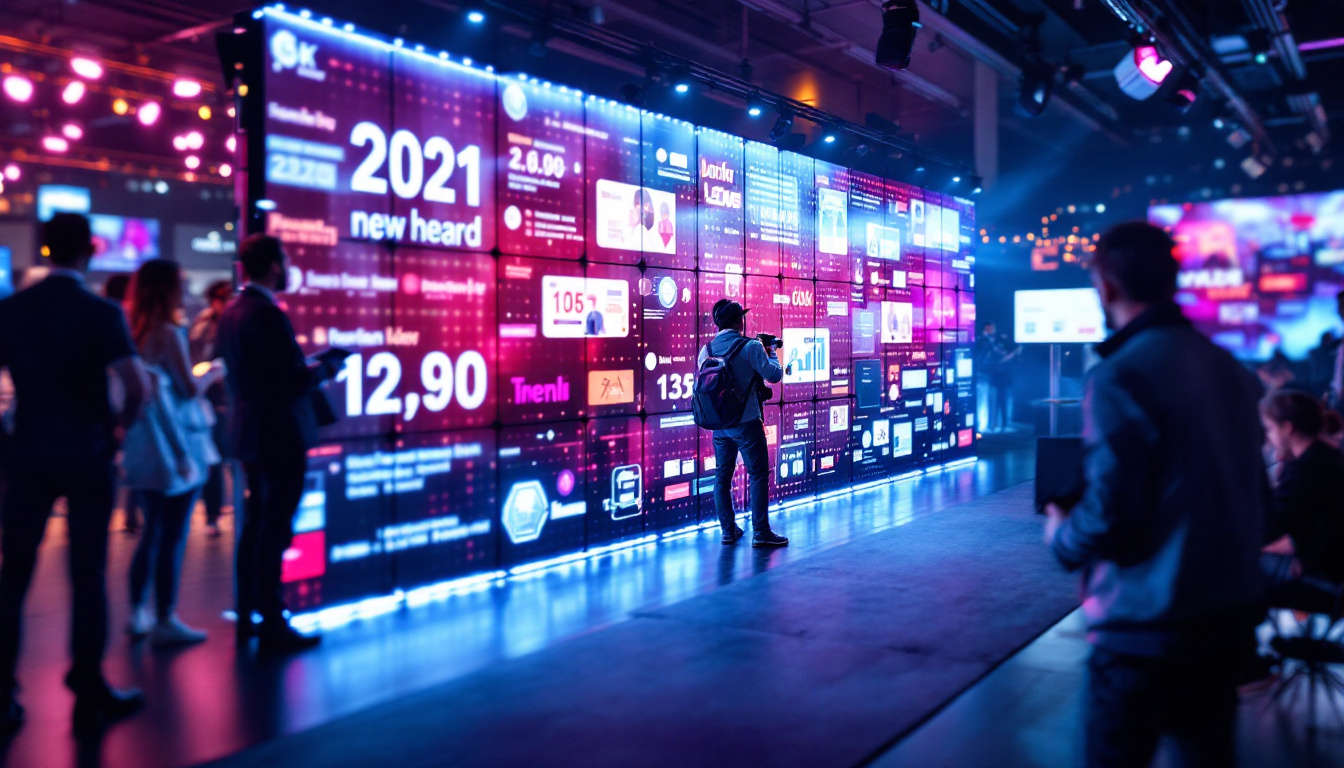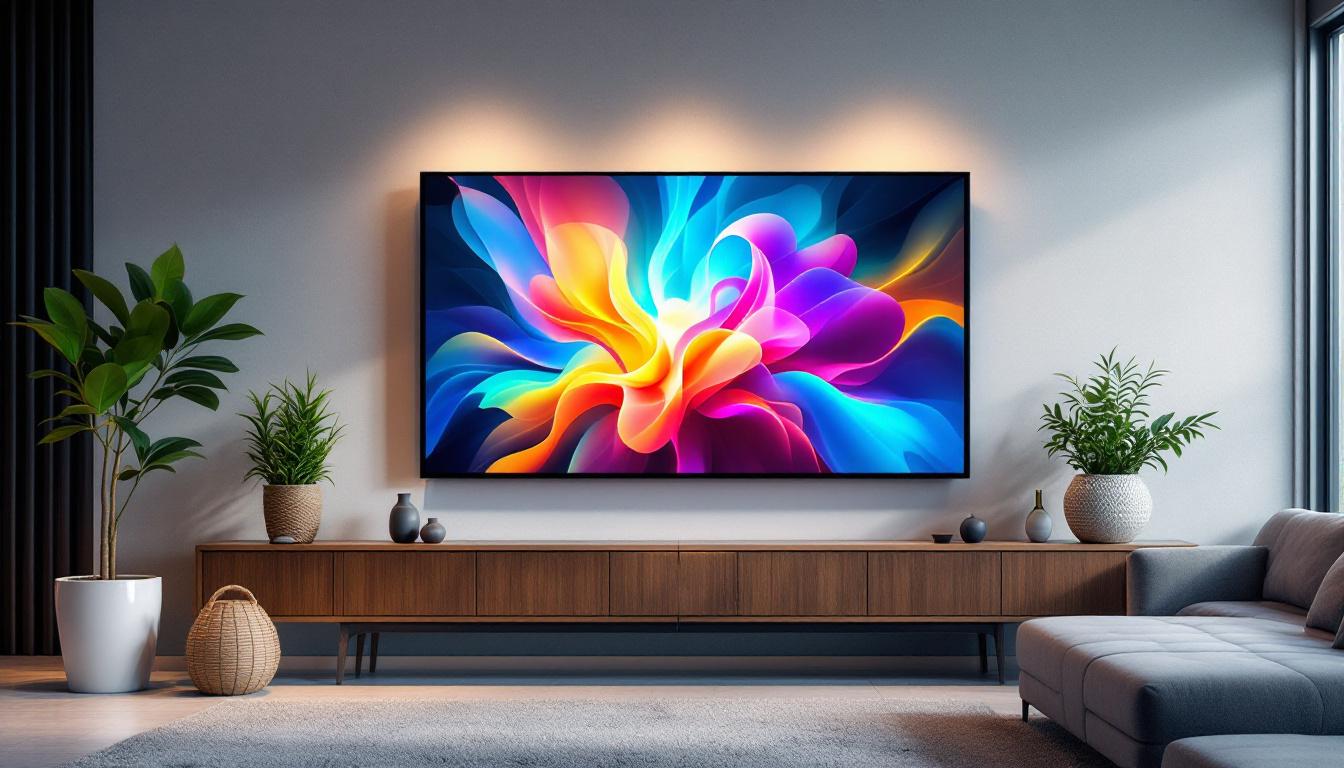
In today’s digital age, visual communication has become a cornerstone of effective messaging, whether in retail, corporate environments, public spaces, or entertainment venues. Wall mounted LED video displays have emerged as a powerful medium, combining vibrant visuals with flexible installation options. This article delves into the technology behind wall mounted LED displays, their benefits, applications, and how to choose the right solution for your needs.
Understanding Wall Mounted LED Video Displays
What Is a Wall Mounted LED Display?
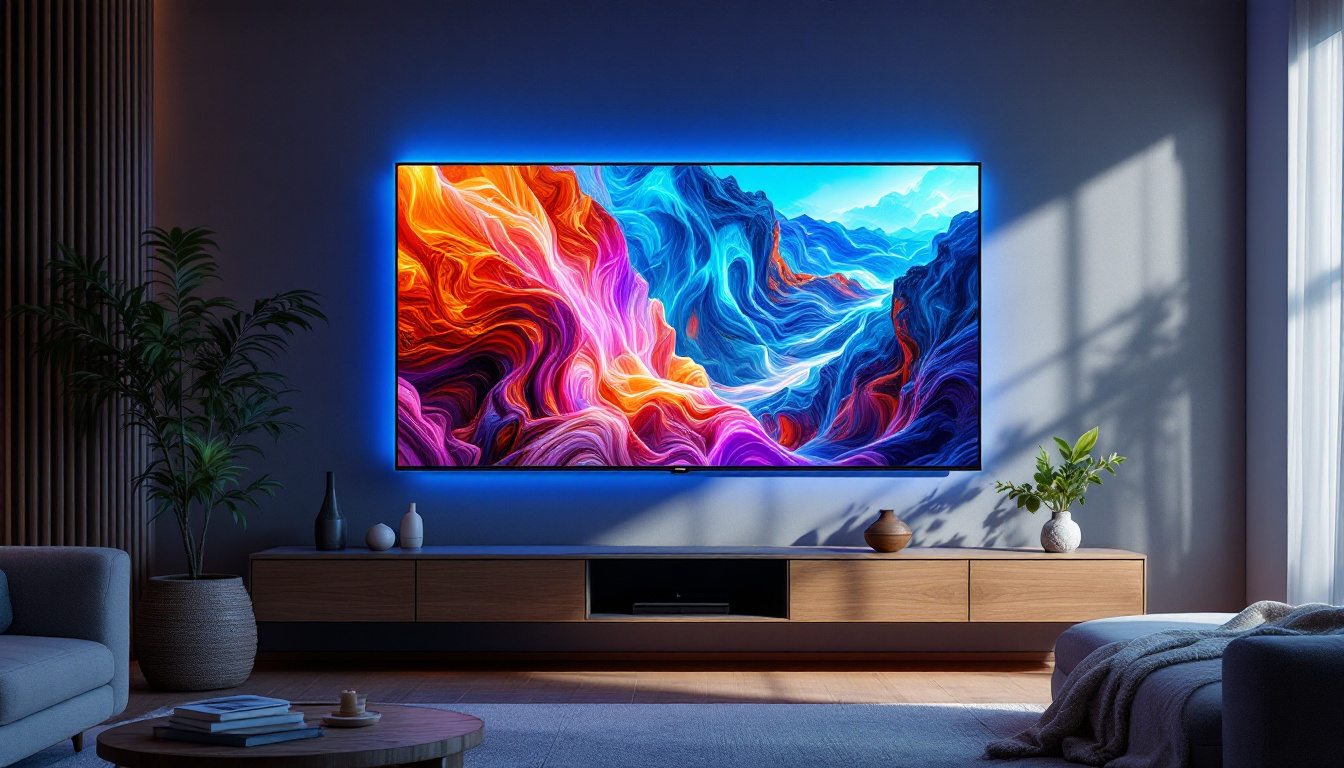
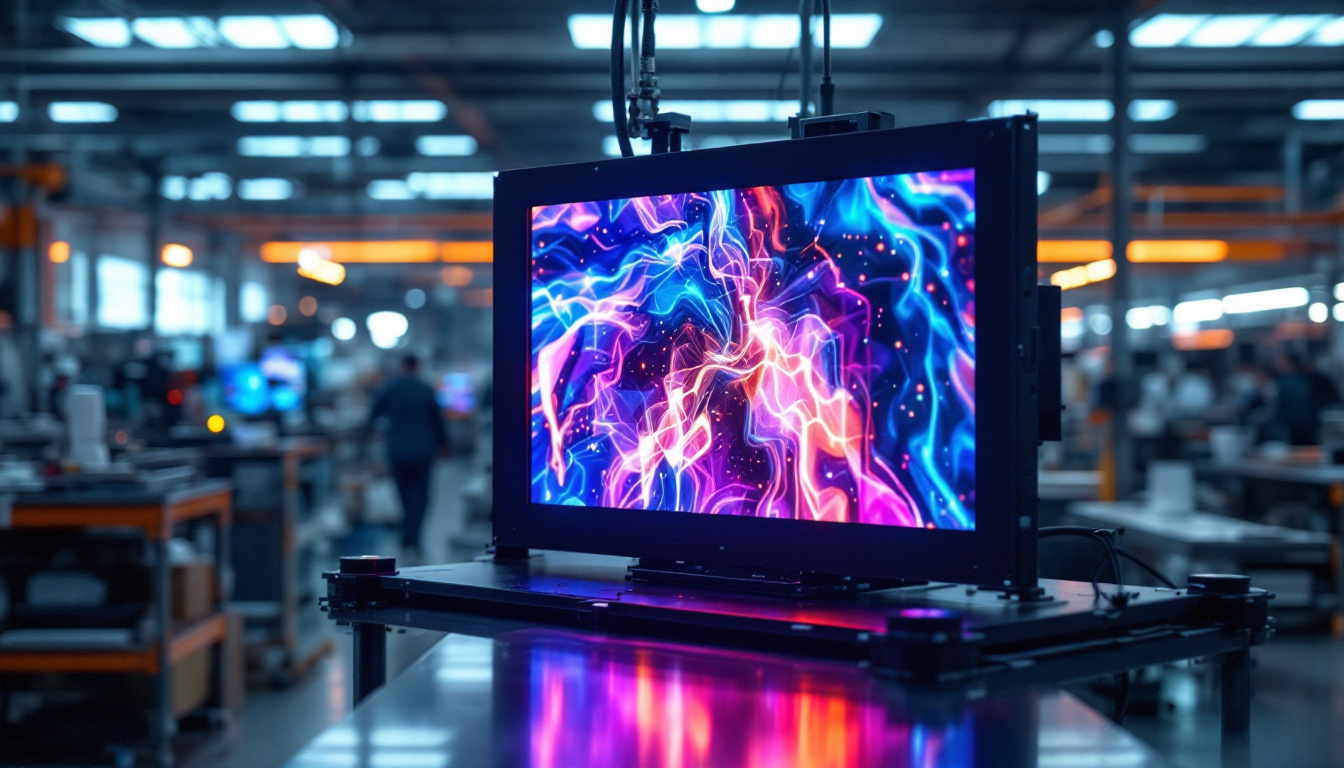
A wall mounted LED display is a flat panel screen composed of numerous light-emitting diodes (LEDs) arranged in a matrix. These LEDs emit bright, colorful light that forms images or videos, which can be viewed from various distances. Unlike traditional LCD or plasma screens, LED displays use individual diodes as pixels, offering superior brightness and color accuracy.
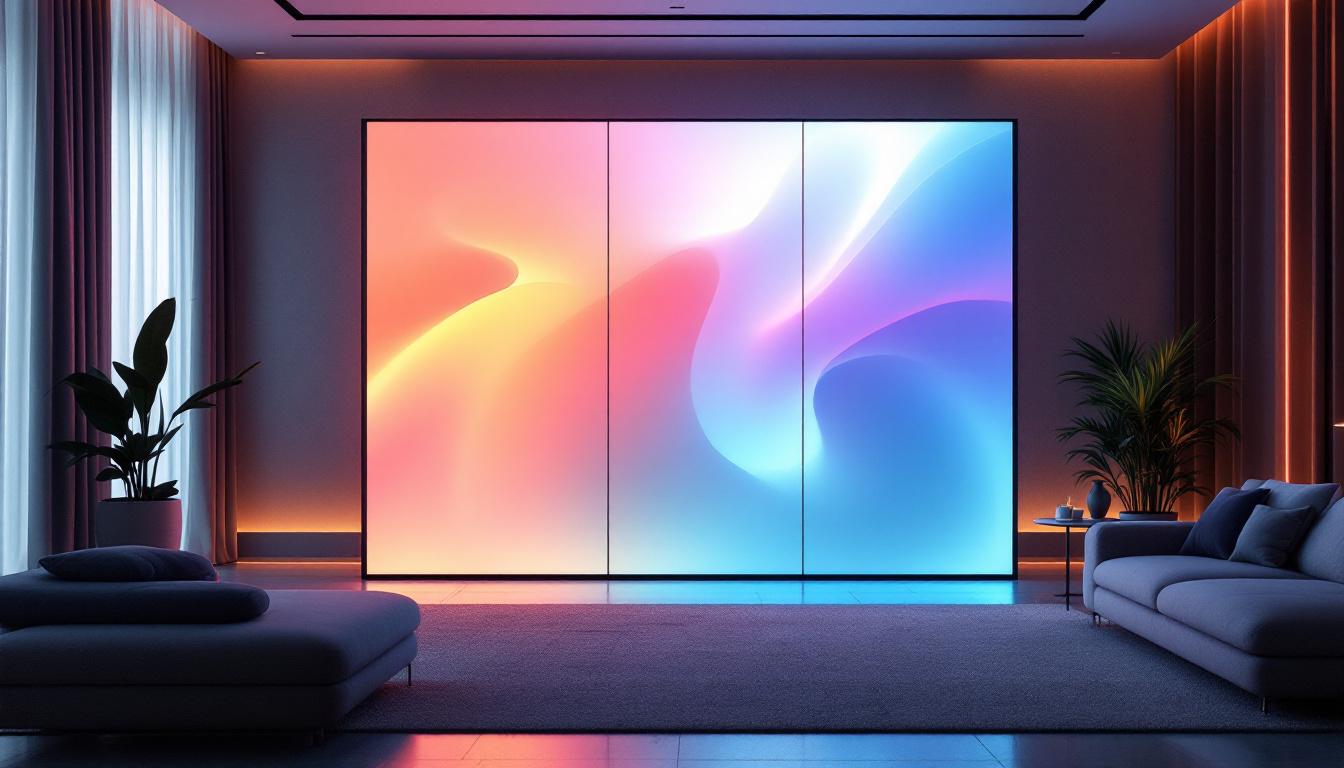
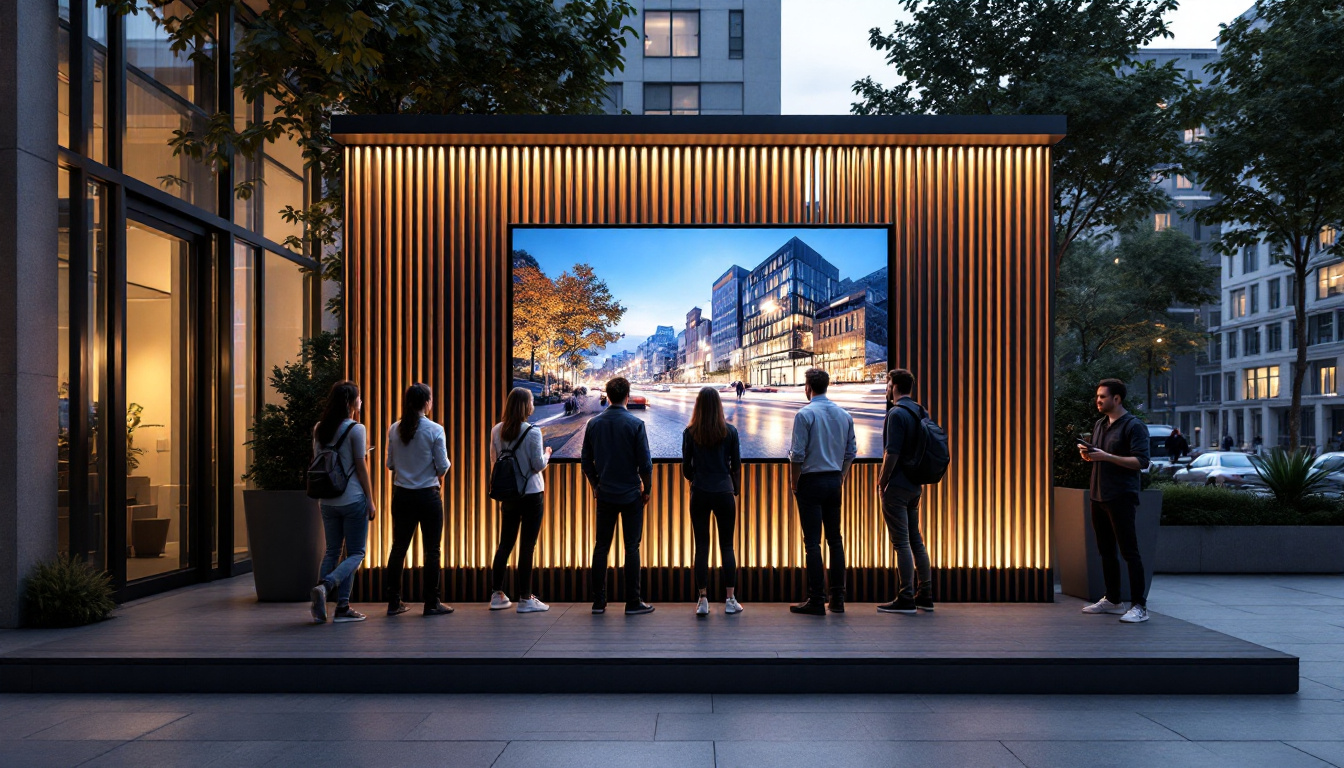
These displays are designed to be mounted directly onto walls, making them ideal for environments where space is limited or where a sleek, integrated look is desired. The modular nature of LED panels allows for customized sizes and aspect ratios, accommodating everything from small informational screens to massive video walls. This versatility makes them popular in various settings, including retail spaces, corporate environments, and public venues, where impactful visual communication is essential.
Moreover, wall mounted LED displays can be utilized for a variety of purposes, such as advertising, wayfinding, or entertainment. Their ability to display dynamic content means that businesses can easily update their messaging in real-time, ensuring that they remain relevant and engaging to their audience. This adaptability is particularly beneficial in fast-paced environments where information needs to be frequently refreshed.
How LED Technology Works in Video Displays
LED displays function by controlling the intensity and color of each diode to create images. Modern LED displays use either surface-mounted device (SMD) technology or direct view LED modules. SMD LEDs combine red, green, and blue diodes into a single package, enabling high pixel density and fine image detail, which is especially important for indoor displays viewed at close range.
Direct view LED panels consist of separate red, green, and blue LEDs arranged closely together. This technology is often used for larger, outdoor displays due to its high brightness and durability. The brightness levels of LED displays can reach up to 5,000 nits or more, making them visible even in direct sunlight — a significant advantage over LCD screens. Additionally, the energy efficiency of LED technology contributes to lower operational costs, as they consume less power compared to traditional display technologies.
Furthermore, advancements in LED technology have led to improved color rendering and contrast ratios, enhancing the overall viewing experience. Many modern LED displays also incorporate features such as HDR (High Dynamic Range) capabilities, which allow for a wider range of colors and greater detail in both bright and dark scenes. This makes them particularly suitable for applications in entertainment and broadcasting, where visual fidelity is paramount. As the technology continues to evolve, we can expect even more innovative applications and enhancements in the field of wall mounted LED displays.
Key Benefits of Wall Mounted LED Video Displays
Exceptional Brightness and Visibility
One of the primary advantages of LED displays is their outstanding brightness. Typical LCD screens max out at around 500 nits, whereas LED displays can exceed 3,000 to 5,000 nits. This means content remains clear and vibrant regardless of ambient lighting conditions, including outdoor environments or brightly lit indoor spaces.
This high brightness ensures that messages, advertisements, or informational content are seen clearly by audiences, increasing engagement and effectiveness. For retailers, this can translate into higher foot traffic and sales; for public venues, it means improved communication and safety.
Energy Efficiency and Longevity
LED technology is renowned for its energy efficiency. Compared to traditional lighting and display technologies, LEDs consume significantly less power while delivering brighter images. This efficiency reduces operational costs, especially for large-scale or 24/7 installations.
Additionally, LED displays have a long lifespan, often rated between 50,000 to 100,000 hours of operation. This durability minimizes maintenance and replacement costs, making them a cost-effective solution over time.
Customizable Sizes and Shapes
Wall mounted LED displays are highly modular. Individual LED panels can be combined seamlessly to create virtually any size or shape. This flexibility allows businesses and venues to design displays that fit their unique spaces and branding requirements.
From narrow portrait-oriented screens to expansive panoramic video walls, the adaptability of LED technology supports creative and impactful visual installations that traditional displays cannot match.
Superior Color Accuracy and Contrast
LED displays offer excellent color reproduction and contrast ratios. The ability to control each diode independently allows for deep blacks and vivid colors, enhancing image quality and viewer experience.
This feature is especially important for applications requiring precise color fidelity, such as digital art exhibitions, corporate presentations, or advertising campaigns where brand colors must be accurately represented.
Applications of Wall Mounted LED Video Displays
Retail and Advertising
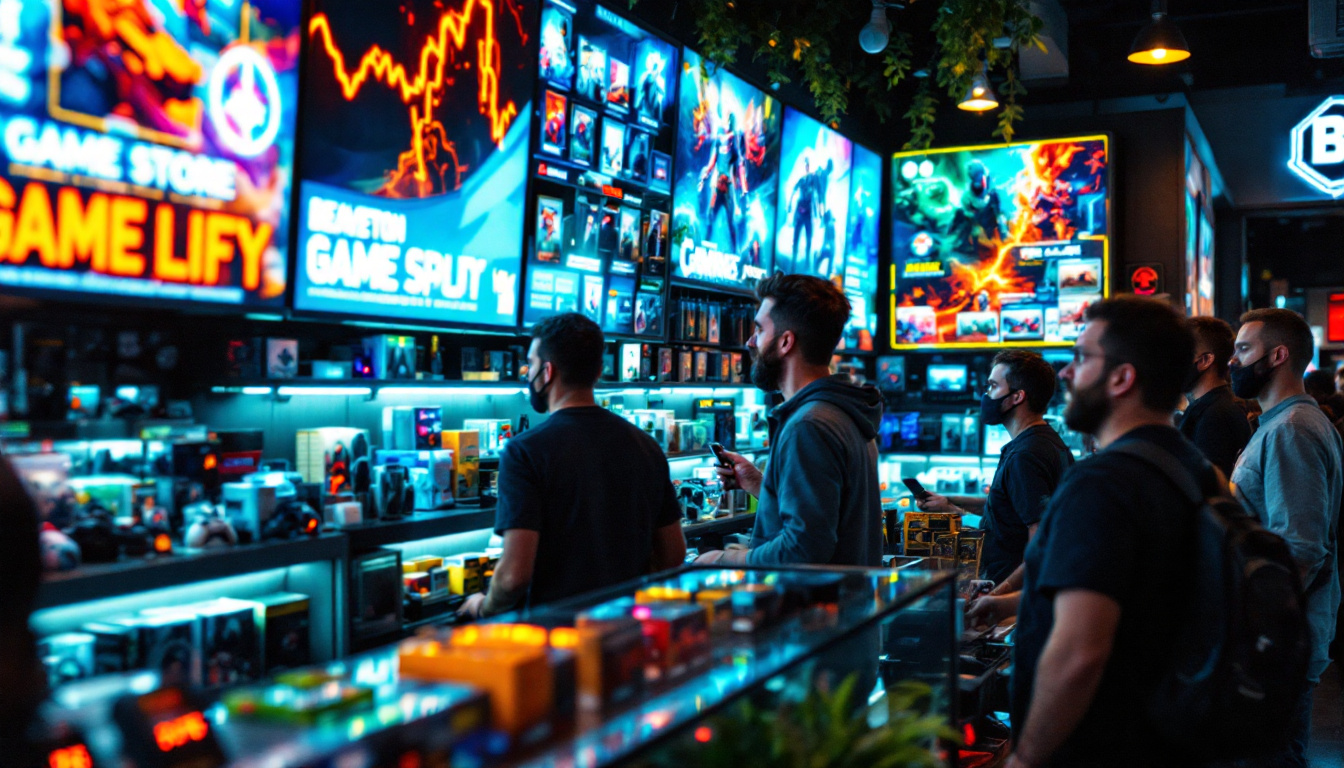
Retailers leverage wall mounted LED displays to captivate customers with dynamic advertisements, promotions, and interactive content. High brightness and vibrant colors attract attention, while the ability to update content remotely ensures messaging stays fresh and relevant.
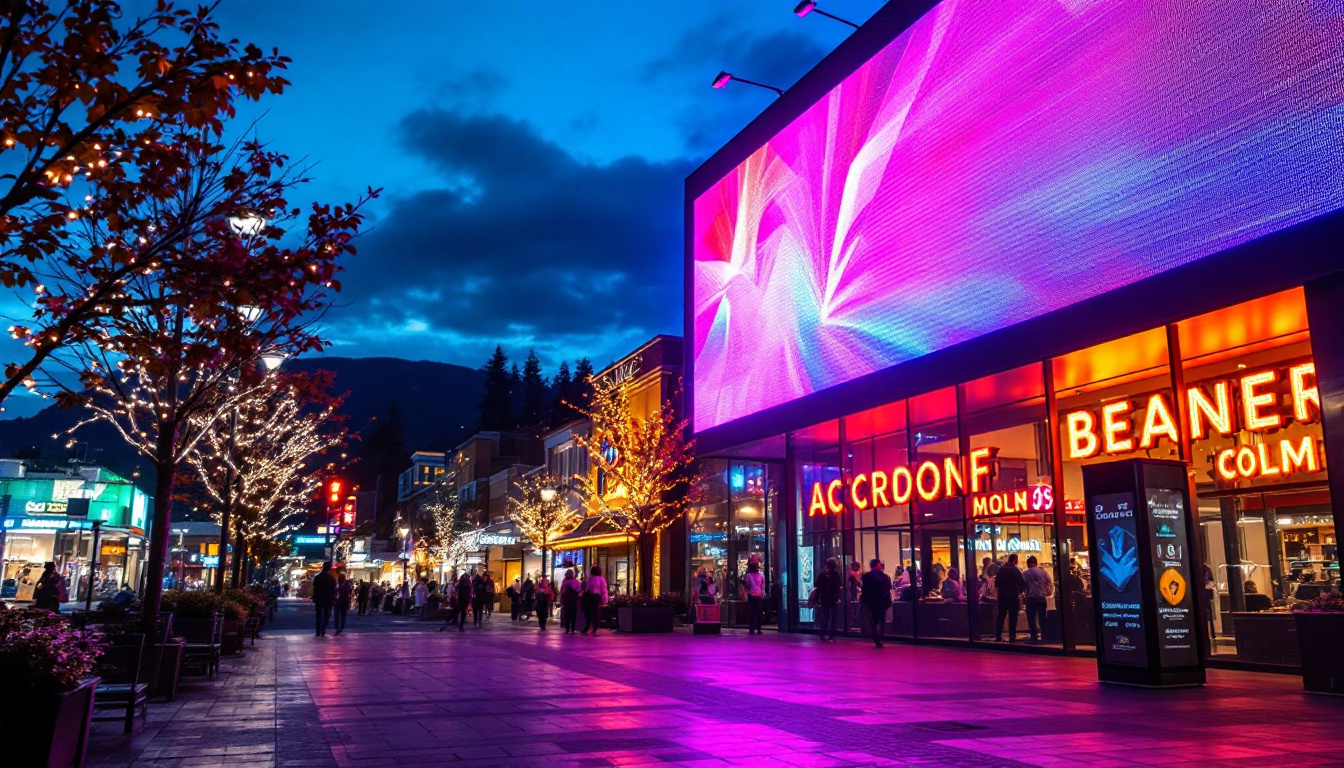
For example, large LED video walls in shopping malls or storefronts can showcase product launches or seasonal offers, driving customer engagement and boosting sales. Interactive LED displays also enable personalized shopping experiences, increasing customer satisfaction.
Corporate and Conference Environments
In corporate settings, LED displays are used for presentations, video conferencing, and digital signage. Their large size and clarity make them ideal for boardrooms, auditoriums, and lobbies.
Wall mounted LED displays can enhance communication by providing real-time data visualization, company news, or event information. Their sleek design integrates seamlessly with modern office aesthetics, supporting a professional image.
Public Spaces and Transportation Hubs
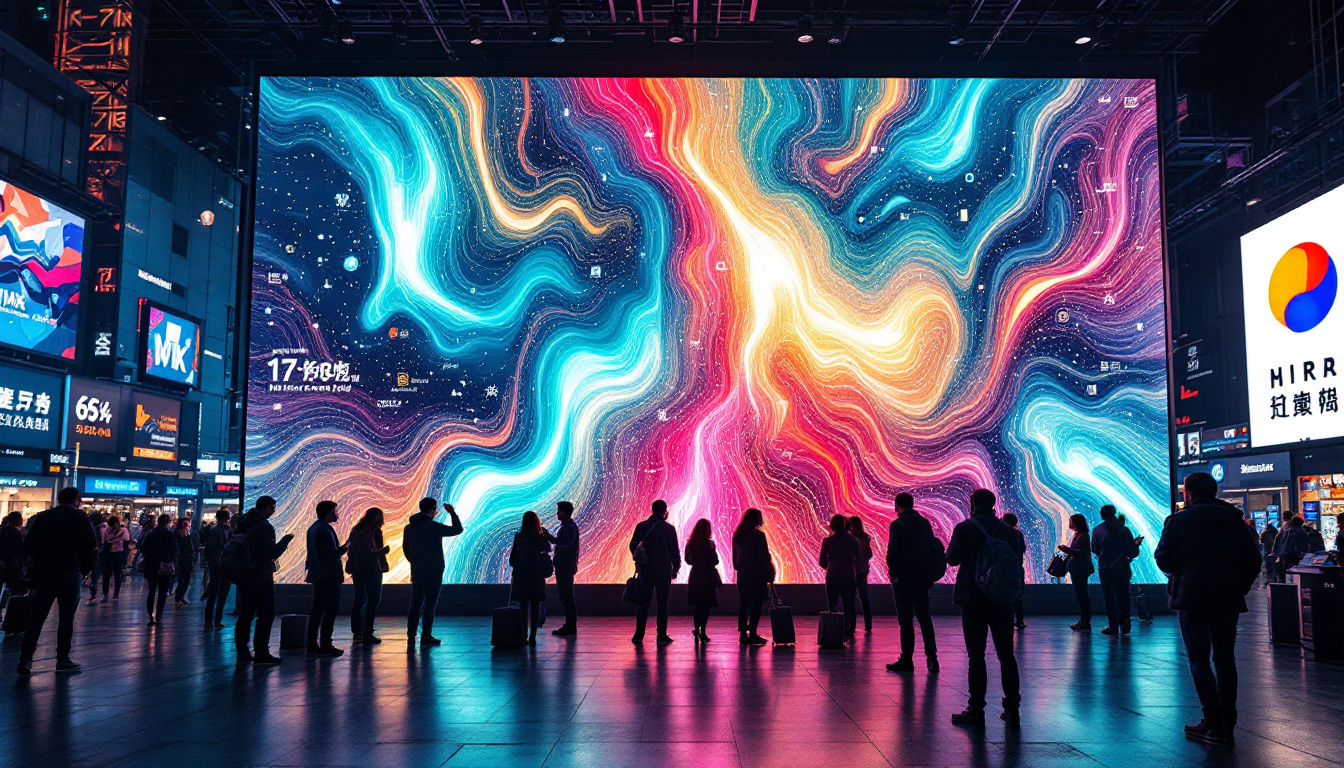
Airports, train stations, and city centers utilize LED displays for wayfinding, schedule updates, and public announcements. The high visibility and reliability of LED technology ensure critical information reaches large crowds effectively.
Moreover, LED video walls can be used for emergency alerts or community messaging, contributing to public safety and awareness.
Entertainment and Events
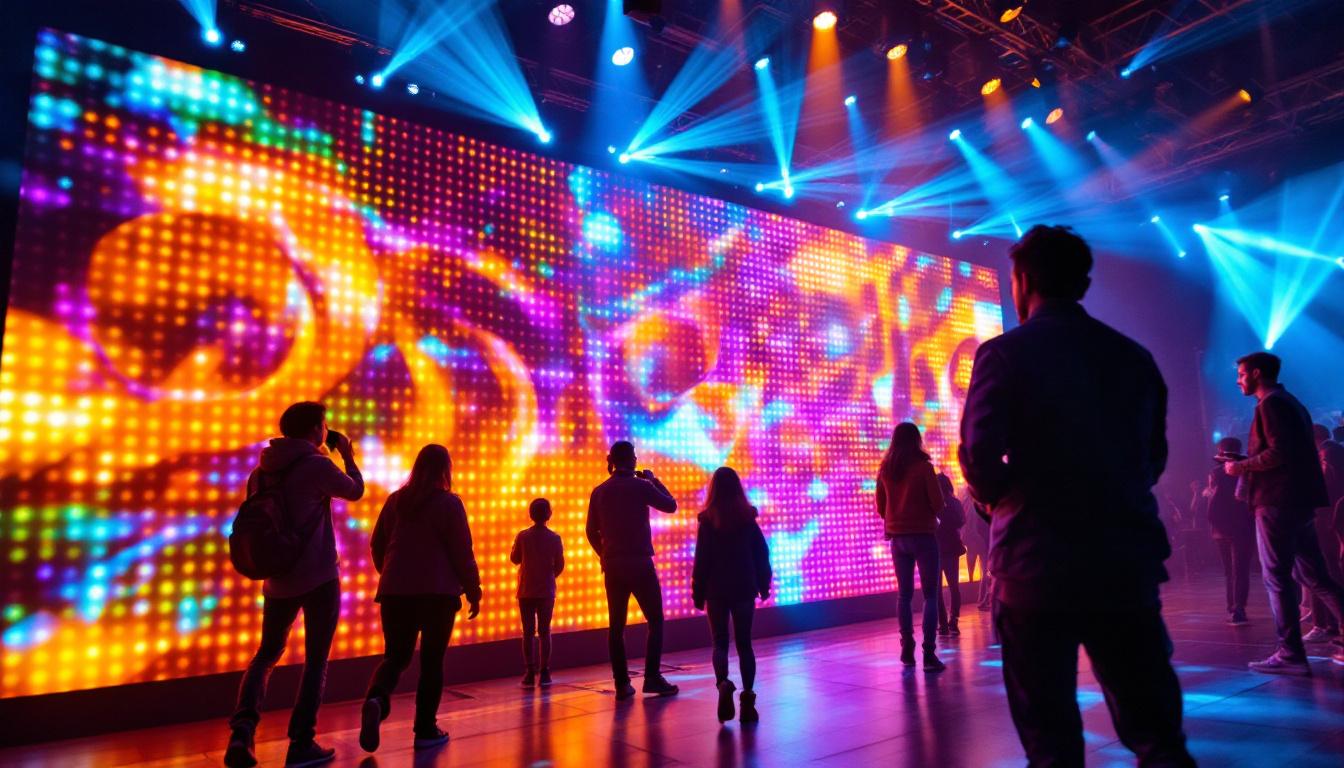
Concerts, sports arenas, and theaters often employ wall mounted LED displays to enhance the audience experience. These displays provide live video feeds, replays, and immersive visual effects that engage spectators.
Due to their modularity, LED video walls can be configured for temporary or permanent installations, supporting a wide range of event sizes and types.
Choosing the Right Wall Mounted LED Display
Pixel Pitch and Resolution
Pixel pitch refers to the distance between individual LEDs on a display and significantly impacts image resolution and viewing distance. Smaller pixel pitches (e.g., 1.2mm to 2.5mm) provide higher resolution and are ideal for close viewing distances, such as indoor corporate or retail environments.
Larger pixel pitches (e.g., 4mm to 10mm) are suited for outdoor or large venue displays where viewers are farther away. Selecting the appropriate pixel pitch ensures optimal image clarity and cost efficiency.
Brightness and Environmental Considerations
Assessing the installation environment is crucial. Indoor displays typically require brightness levels between 800 and 1,500 nits, while outdoor displays need much higher brightness to combat sunlight glare.
Additionally, outdoor LED displays must be weatherproof and resistant to dust and moisture, often rated with IP65 or higher certifications.
Installation and Maintenance
Wall mounted LED displays vary in weight and mounting requirements. It is important to ensure that the wall structure can support the display’s weight and that installation complies with safety standards.
Modular designs facilitate easier maintenance, allowing individual panels to be serviced or replaced without dismantling the entire display. Considering maintenance accessibility during installation planning can reduce downtime and service costs.
Content Management Systems (CMS)
A robust CMS is essential for managing and scheduling content on LED displays. Modern systems offer remote control, real-time updates, and integration with various media formats, enabling dynamic and targeted messaging.
Choosing a CMS compatible with your display hardware and tailored to your content needs will maximize the effectiveness of your LED video wall.
Future Trends in Wall Mounted LED Video Displays
Advancements in Mini-LED and Micro-LED Technologies
Emerging technologies like mini-LED and micro-LED promise even higher resolution, better contrast, and improved energy efficiency. These advances will further enhance image quality and enable thinner, lighter displays.
Micro-LED, in particular, offers self-emissive pixels similar to OLED but with greater brightness and longevity, potentially revolutionizing wall mounted video displays.
Integration with Interactive and Smart Technologies
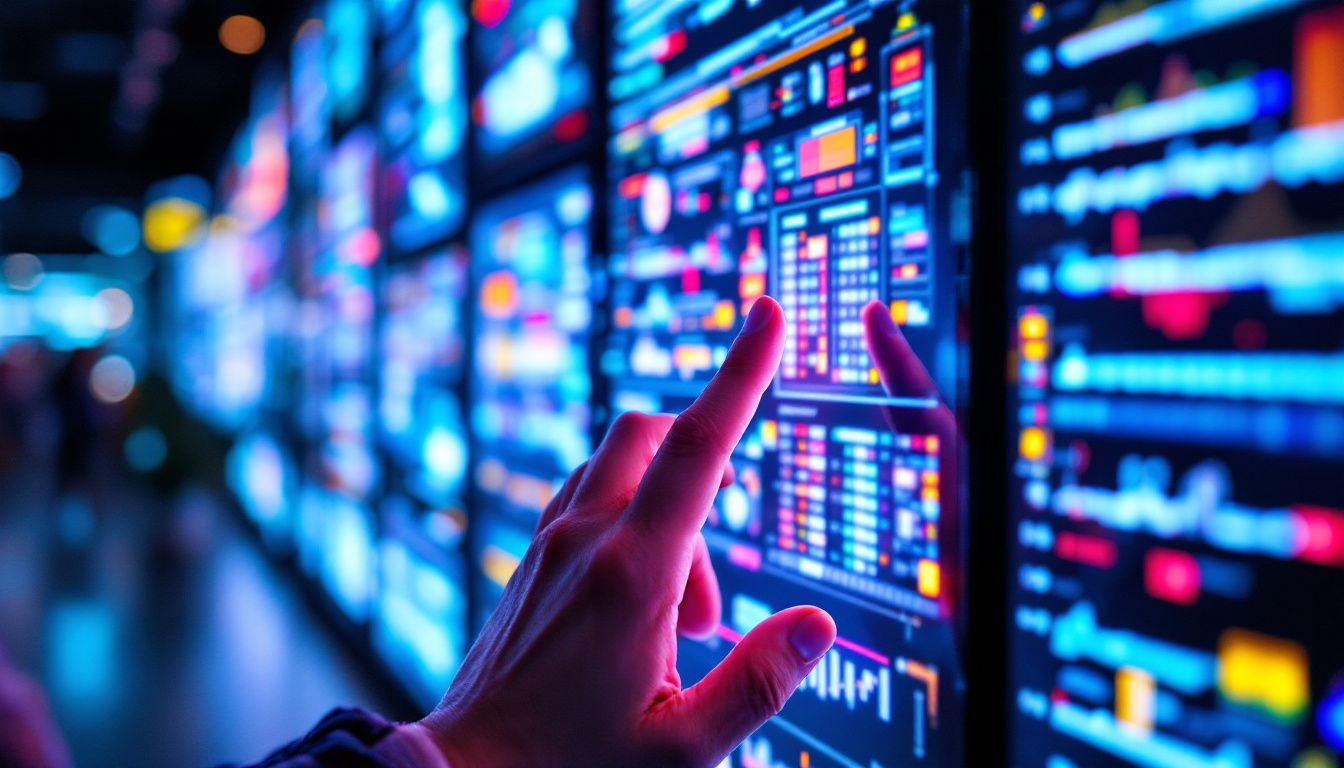
Interactive LED displays with touch capabilities and integration with IoT devices are becoming more prevalent. These smart displays can adapt content based on audience behavior, environmental conditions, or real-time data inputs.
Such interactivity opens new possibilities for engagement in retail, education, and public information systems.
Environmental Sustainability
As sustainability becomes a priority, manufacturers are focusing on eco-friendly materials, lower power consumption, and recyclability. LED displays inherently consume less energy than older technologies, and ongoing innovations aim to reduce their environmental footprint further.
Conclusion
Wall mounted LED video displays represent a versatile and powerful solution for delivering high-impact visual content across a wide range of environments. Their superior brightness, energy efficiency, and modularity make them suitable for everything from retail advertising to large-scale public information systems.
Understanding the technical aspects such as pixel pitch, brightness, and installation requirements is essential for selecting the right display to meet specific needs. As LED technology continues to evolve, these displays will offer even greater capabilities, interactivity, and sustainability, solidifying their role as a key medium in modern visual communication.
Investing in a wall mounted LED video display is not only about adopting cutting-edge technology but also about enhancing the way organizations communicate, engage audiences, and create memorable experiences.
Discover LumenMatrix’s Innovative LED Display Solutions
Ready to elevate your visual communication with the latest in LED technology? Look no further than LumenMatrix, where innovation meets impact. Our comprehensive range of LED display modules, from Indoor and Outdoor LED Walls to specialized solutions like Vehicle Displays and Transparent LED Displays, are designed to captivate and engage your audience. Embrace the future of digital signage with LumenMatrix and transform your space into a dynamic visual experience. Check out LumenMatrix LED Display Solutions today and bring your brand’s message to life with unparalleled clarity and vibrancy.