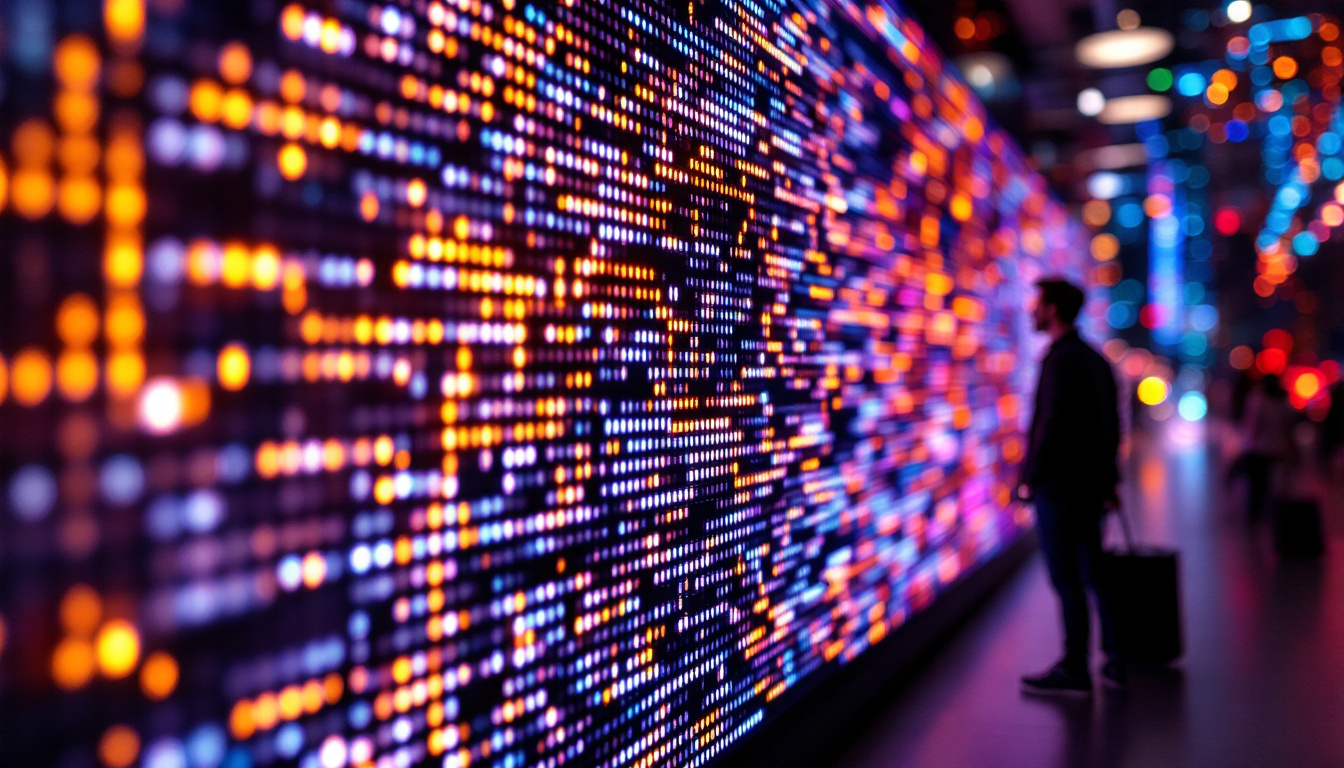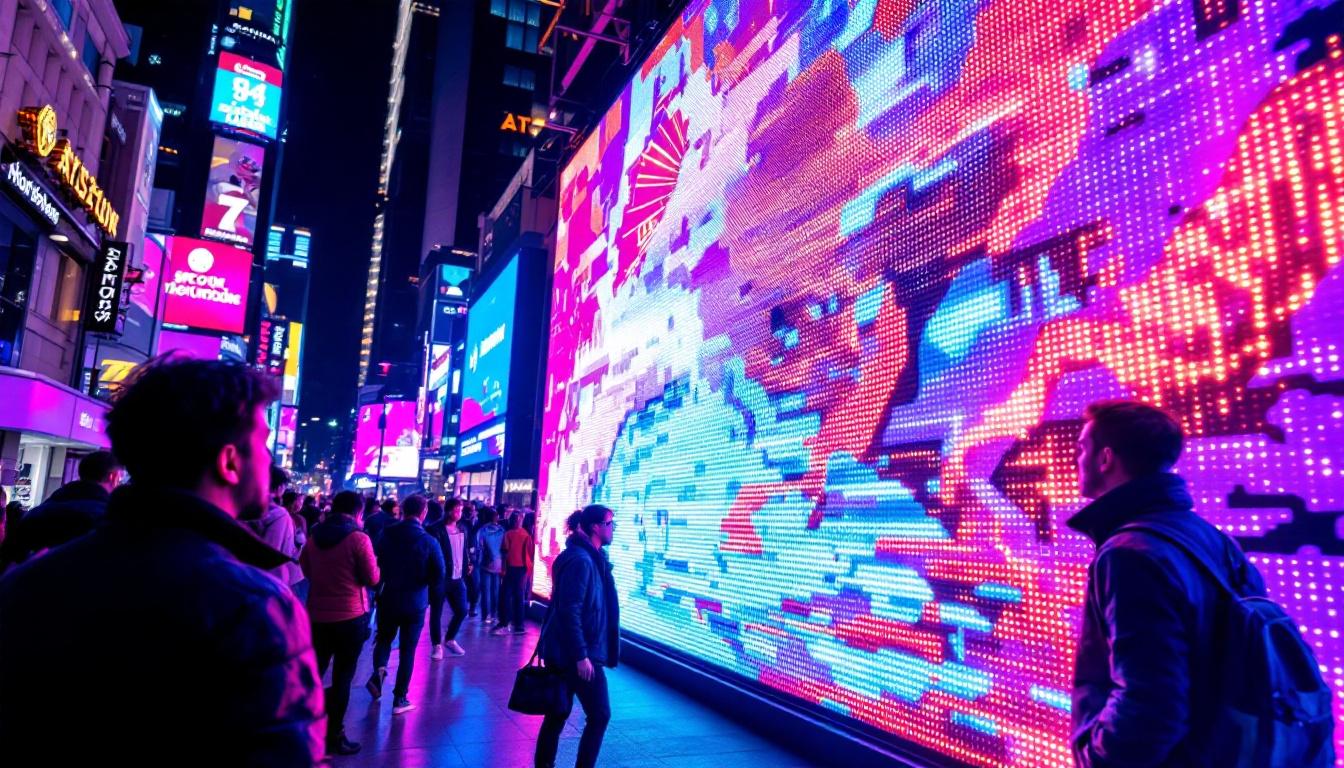
In today’s fast-paced world, capturing attention quickly and effectively is paramount for businesses, event organizers, and public communicators. Among the most dynamic tools available for this purpose is the LED display. These vibrant, versatile screens have transformed how information is presented and consumed, from bustling city centers to corporate boardrooms. This article delves into the technology behind LED displays, their applications, benefits, and what makes them a stalwart organizer in visual communication.
Understanding LED Display Technology
At its core, an LED display is a flat panel that uses light-emitting diodes (LEDs) as pixels to create images and videos. Unlike traditional LCD or plasma screens, LED displays offer superior brightness, contrast, and energy efficiency, making them ideal for both indoor and outdoor environments.
How LED Displays Work
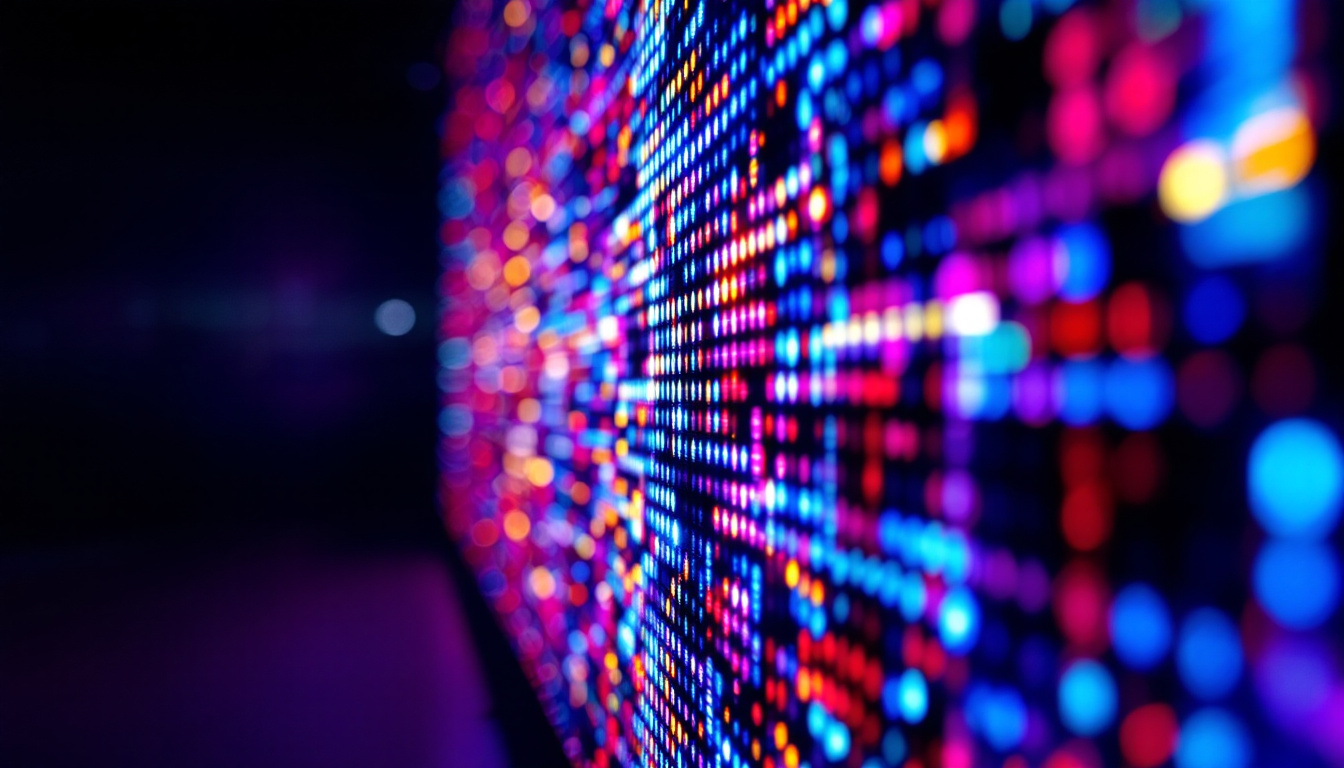
LED displays consist of thousands to millions of tiny LEDs arranged in a grid. Each LED emits light when an electric current passes through it, and by varying the intensity of these LEDs, the display can produce a full spectrum of colors and intricate images. The LEDs are typically grouped into red, green, and blue diodes, which combine to form the colors visible to the human eye.
The technology can be divided into two main types: direct-view LED and LED-backlit LCD. Direct-view LED displays use LEDs as the actual pixels, providing bright, vivid images with excellent viewing angles. In contrast, LED-backlit LCDs use LEDs as a backlight behind an LCD panel, improving brightness and energy efficiency but not matching the contrast and color saturation of direct-view LEDs.
Key Technical Specifications
When evaluating LED displays, several technical factors are crucial:
- Pixel Pitch: The distance between the centers of two adjacent pixels. Smaller pixel pitch means higher resolution and sharper images, especially important for close viewing distances.
- Brightness: Measured in nits, brightness determines visibility in various lighting conditions. Outdoor LED displays often exceed 5,000 nits to remain clear under direct sunlight.
- Refresh Rate: The number of times per second the image is updated. Higher refresh rates reduce flicker and improve image smoothness, critical for video content.
- Viewing Angle: The maximum angle at which the display can be viewed without significant loss of image quality, often up to 160 degrees or more.
Moreover, LED displays are increasingly being integrated with smart technology, allowing for advanced features such as remote management and real-time content updates. This capability is particularly beneficial for advertising and informational displays in public spaces, where messages can be tailored to specific audiences or events. With the rise of IoT (Internet of Things), these displays can also interact with other devices, creating a more dynamic and engaging user experience.
Another aspect worth noting is the environmental impact of LED technology. LED displays are known for their energy efficiency, consuming significantly less power compared to traditional display technologies. This not only reduces operational costs but also contributes to lower carbon emissions, making them a more sustainable choice for businesses and organizations looking to minimize their environmental footprint. As the demand for greener technologies continues to grow, LED displays stand out as a leading option in the quest for eco-friendly solutions in the digital signage market.
Applications of LED Displays Across Industries
LED displays have become indispensable in numerous sectors due to their adaptability and impact. Their ability to deliver vivid, dynamic content makes them a preferred choice for communication and advertising.
Advertising and Digital Signage
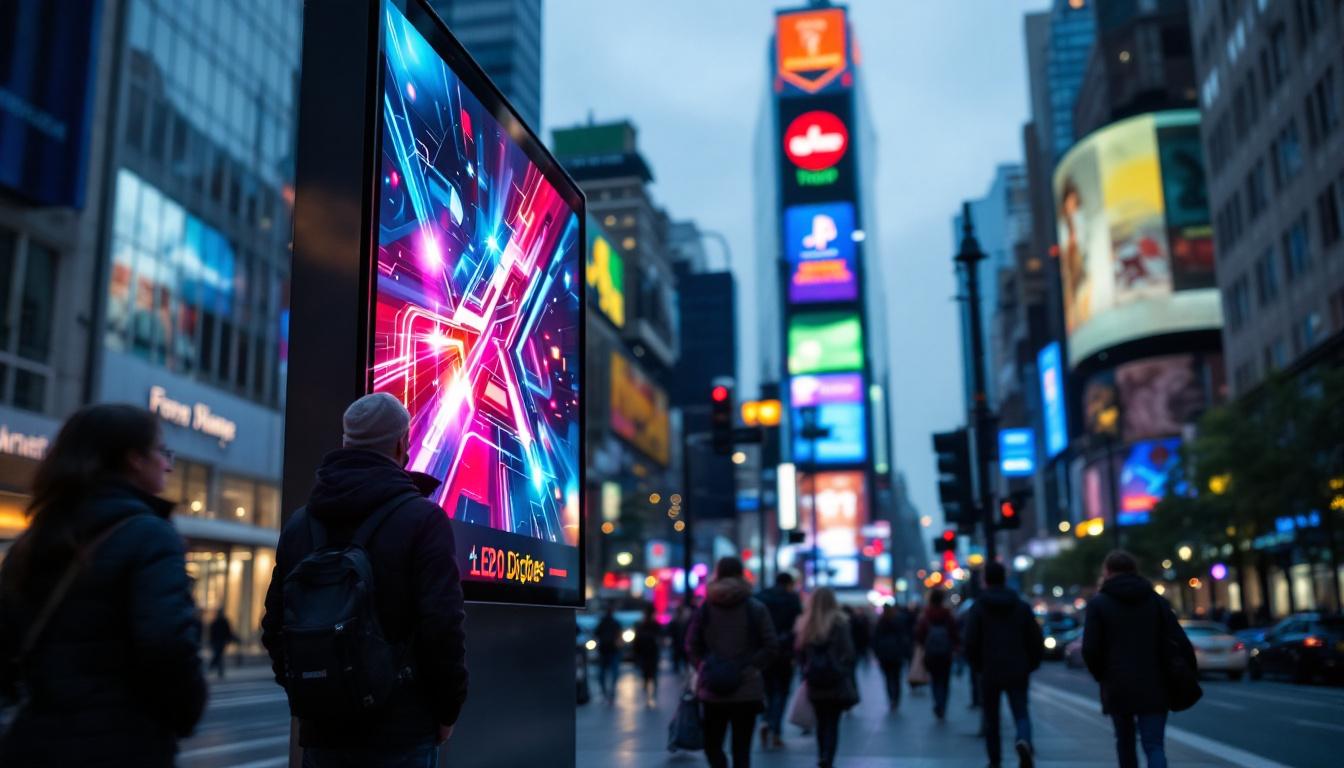
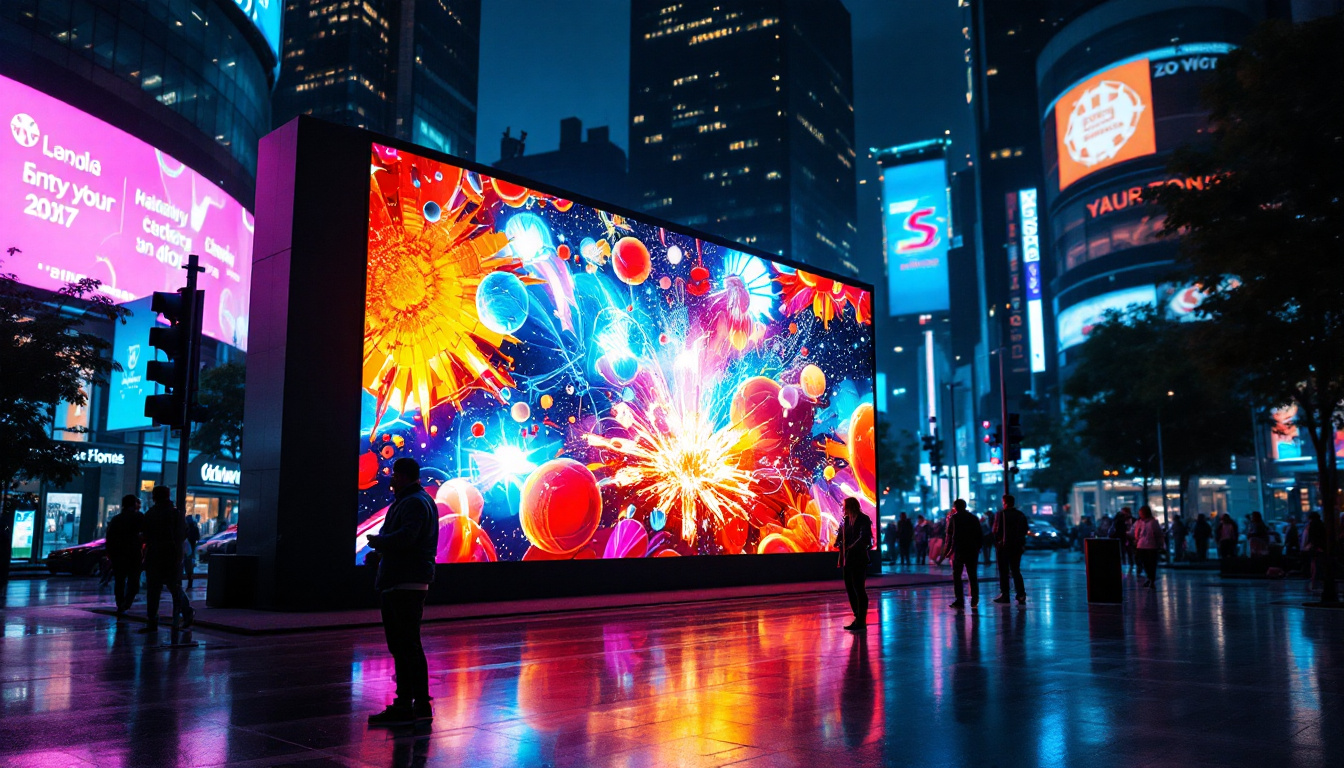
One of the most visible uses of LED displays is in outdoor advertising, often referred to as digital billboards. According to recent market research, the global digital signage market is expected to reach $31 billion by 2027, with LED technology driving much of this growth.
LED billboards offer advertisers the flexibility to change messages instantly, display high-definition video, and attract attention with bright, colorful visuals. This adaptability allows for targeted advertising campaigns that can be updated in real-time based on audience demographics, weather, or events. Furthermore, the integration of analytics tools enables advertisers to measure engagement and optimize their content strategies effectively, ensuring that their messages resonate with viewers and drive conversions.
Event Management and Entertainment
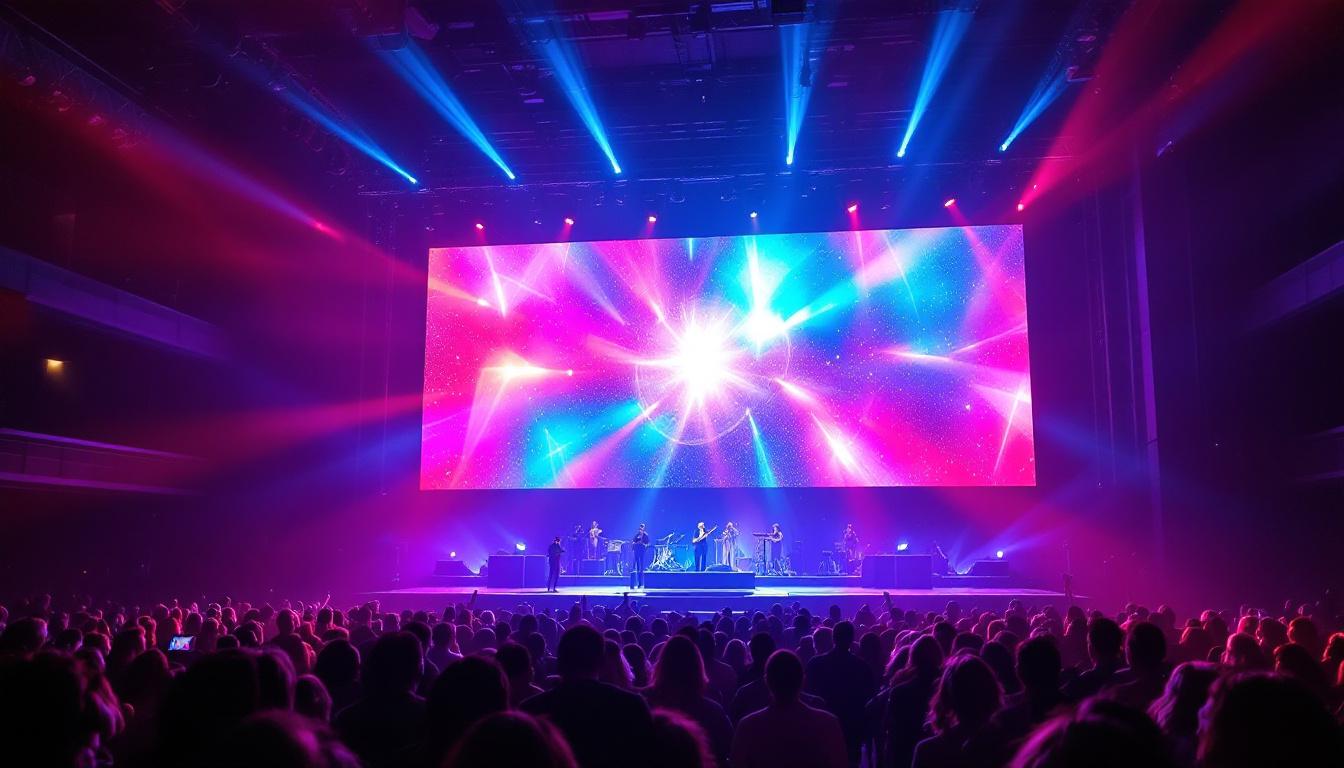
Concerts, sports arenas, and festivals rely heavily on LED displays to enhance the audience experience. Large-scale LED walls provide clear visuals to thousands of attendees, ensuring everyone can see the action regardless of their seat location.
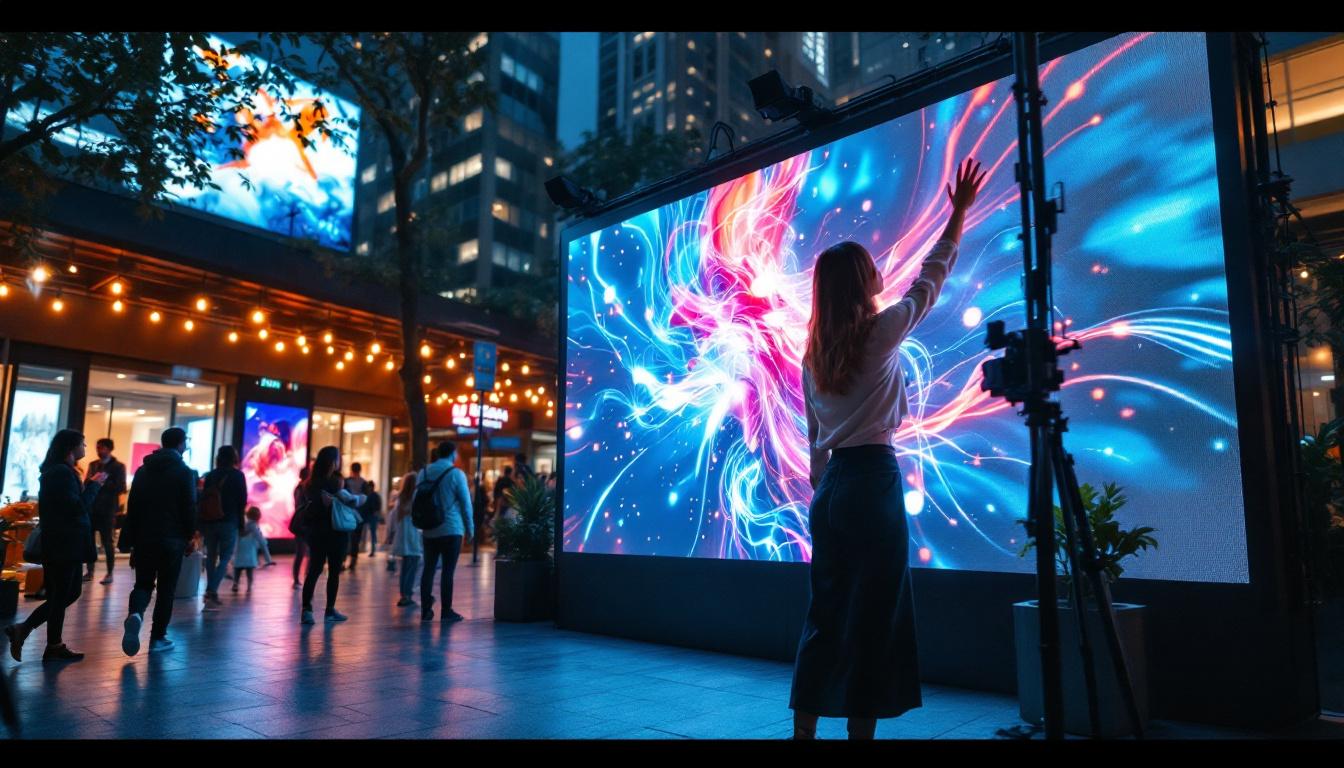
Moreover, LED displays are used for interactive installations, stage backdrops, and live video feeds, offering creative possibilities that were previously unattainable. Their lightweight and modular design allow for quick setup and customization, essential for the dynamic nature of live events. In addition, advancements in LED technology, such as flexible and transparent displays, are paving the way for innovative applications, allowing event organizers to create stunning visual effects that blend seamlessly with the environment, further captivating audiences.
Corporate and Retail Environments
In corporate settings, LED displays serve as powerful tools for presentations, video conferencing, and digital notice boards. Retailers use them to showcase promotions, product information, and branding in-store, enhancing customer engagement.
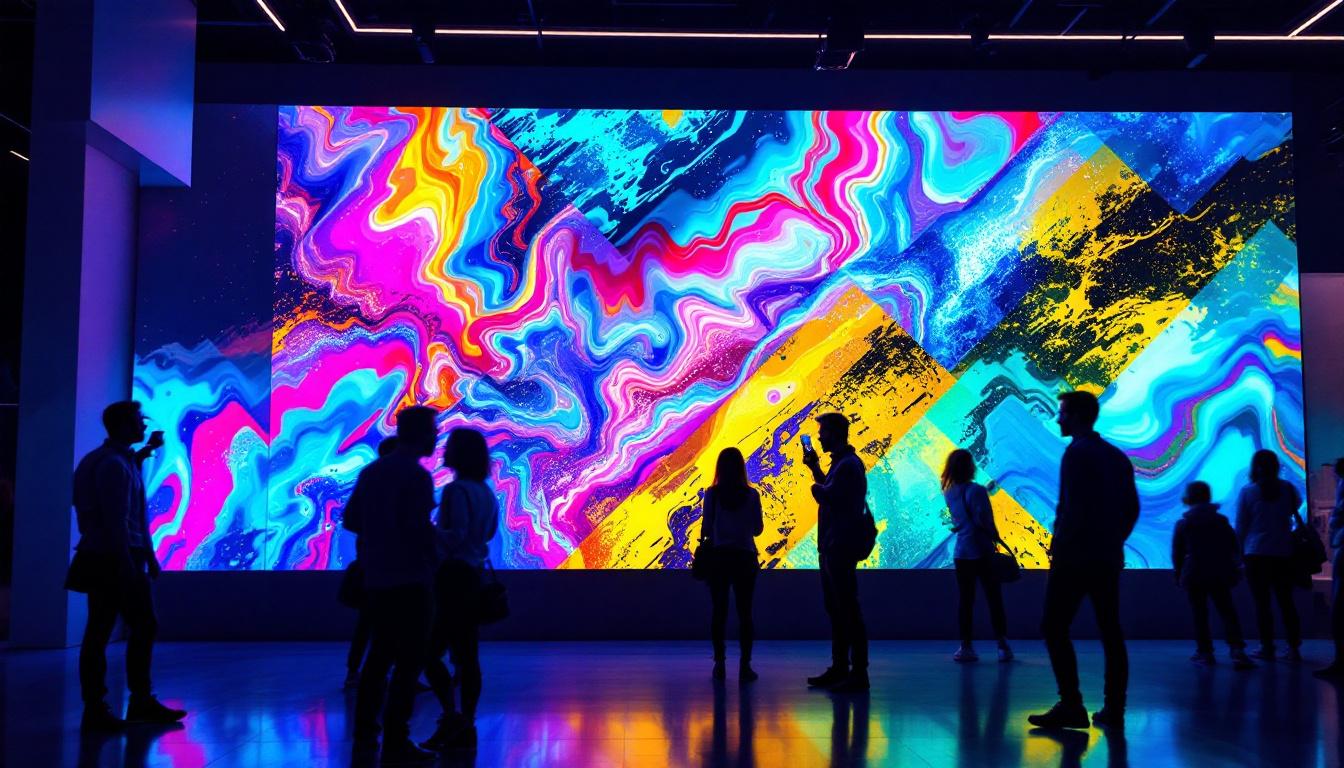
For example, flagship stores often employ LED walls to create immersive brand experiences that differentiate them from competitors. The ability to update content remotely also reduces operational costs and improves marketing agility. Additionally, the integration of augmented reality (AR) with LED displays is becoming increasingly popular, allowing customers to interact with products in a virtual space. This not only enhances the shopping experience but also provides valuable data on customer preferences and behaviors, enabling retailers to tailor their offerings more effectively.
Transportation and Public Information
Transportation hubs such as airports, train stations, and bus terminals utilize LED displays to provide real-time schedules, alerts, and wayfinding information. Their high visibility and reliability help manage passenger flow and improve overall service quality.
Public safety messages and emergency alerts are also commonly displayed on LED screens in urban areas, ensuring critical information reaches a wide audience quickly. Furthermore, the use of LED displays in smart city initiatives is on the rise, as they can be integrated with IoT devices to provide dynamic updates on traffic conditions, public transport availability, and even environmental data. This synergy not only enhances the efficiency of urban infrastructure but also fosters a more informed and engaged citizenry, ultimately contributing to improved quality of life in metropolitan areas.
Benefits of LED Displays: Why They Stand Out
LED displays offer several advantages over traditional display technologies, making them the stalwart organizers of visual communication.
Exceptional Visibility and Brightness
LED displays can achieve brightness levels that far exceed those of LCD or plasma screens, making them readable in direct sunlight and other challenging lighting conditions. This capability is vital for outdoor advertising and public information systems where visibility is non-negotiable.
Energy Efficiency and Longevity
Compared to older technologies, LEDs consume less power and generate less heat, contributing to lower operating costs and environmental impact. Advances in LED manufacturing have also extended the lifespan of these displays, with many rated for 50,000 to 100,000 hours of operation.
Flexibility and Scalability
LED displays are highly modular, allowing for custom sizes and shapes tailored to specific needs. Whether it’s a massive stadium screen or a small retail display, LEDs can be configured to fit the space perfectly. This scalability supports a wide range of applications without compromising image quality.
Dynamic Content and Real-Time Updates
The ability to change content instantly is a game-changer in marketing and communication. LED displays support video, animations, and live feeds, enabling engaging storytelling and timely messaging. This dynamic capability enhances audience interaction and keeps content fresh and relevant.
Choosing the Right LED Display: Key Considerations
Selecting the appropriate LED display requires careful evaluation of several factors to ensure it meets the specific demands of the intended application.
Indoor vs. Outdoor Use
Outdoor LED displays must withstand weather conditions such as rain, wind, and temperature fluctuations, necessitating robust enclosures and higher brightness levels. Indoor displays prioritize resolution and color accuracy since ambient lighting is controlled.
Resolution and Viewing Distance
The pixel pitch should be chosen based on how close viewers will be to the screen. For example, a retail store with customers standing a few feet away may require a pixel pitch as low as 1.5 mm, while a highway billboard viewed from hundreds of feet can function well with a 10 mm pitch.
Installation and Maintenance
Ease of installation and access for maintenance are practical considerations that affect long-term performance. Modular LED panels that allow for quick replacement of individual sections reduce downtime and service costs.
Budget and Total Cost of Ownership
While LED displays can require significant upfront investment, their durability, energy savings, and advertising effectiveness often justify the cost. It’s important to consider not only the purchase price but also installation, maintenance, and operational expenses over the display’s lifetime.
Future Trends in LED Display Technology
The LED display industry continues to evolve rapidly, driven by technological innovation and changing user demands.
MicroLED and MiniLED Advances
Emerging technologies like MicroLED and MiniLED promise even higher resolution, better color accuracy, and improved energy efficiency. MicroLEDs, in particular, offer the potential for ultra-thin, flexible displays with exceptional brightness and contrast, opening new possibilities for design and application.
Integration with Smart Technologies
Smart LED displays equipped with sensors and AI capabilities can adapt content based on audience demographics, weather, or time of day. This level of personalization enhances engagement and maximizes the impact of displayed messages.
Sustainability and Eco-Friendly Designs
Manufacturers are increasingly focusing on sustainable materials and energy-saving designs to reduce the environmental footprint of LED displays. Innovations include recyclable components, lower power consumption, and longer-lasting LEDs.
Conclusion
LED displays have firmly established themselves as stalwart organizers in the realm of visual communication. Their technological sophistication, combined with unmatched versatility and impact, makes them indispensable across industries. Whether illuminating a city skyline, enhancing a corporate presentation, or delivering critical public information, LED displays continue to evolve, offering brighter, smarter, and more sustainable solutions for the future.
For businesses and organizations seeking to captivate audiences and convey messages effectively, understanding the nuances of LED display technology is essential. With thoughtful selection and strategic implementation, LED displays can transform communication into a powerful, engaging experience.
Illuminate Your Message with LumenMatrix
Ready to elevate your visual communication and make a lasting impression? Discover the innovative world of LumenMatrix LED display solutions. From the vibrant Indoor LED Wall Display to the dynamic Outdoor LED Wall Display, and from the mobile flexibility of Vehicle LED Displays to the interactive allure of Floor LED Displays, LumenMatrix is at the forefront of transforming spaces with captivating visual experiences. Embrace the future of digital signage with our Custom, All-in-One, and LED Transparent Displays, designed to engage and captivate your audience. Don’t just share your message—make it resonate with clarity and impact. Check out LumenMatrix LED Display Solutions today and revolutionize the way you communicate.