In the rapidly evolving world of digital technology, LED displays have become an integral part of how information is communicated visually. From vibrant advertising billboards to intricate control room panels, LED displays offer a versatile and efficient solution for a wide range of applications. This article delves deep into the technology behind LED displays, exploring their types, benefits, applications, and future trends. Whether you’re a business owner considering digital signage or a technology enthusiast curious about display innovations, this comprehensive guide will shed light on everything you need to know about LED displays.
Understanding LED Display Technology
What is an LED Display?
LED stands for Light Emitting Diode, a semiconductor device that emits light when an electric current passes through it. An LED display is a flat panel display that uses an array of light-emitting diodes as pixels to create images, videos, or text. Unlike traditional LCD or plasma screens, LED displays rely on these tiny diodes to produce bright and vivid visuals, often with superior energy efficiency and durability.
LED displays come in various forms, including indoor and outdoor screens, flexible panels, and transparent displays. The fundamental principle remains the same: a grid of LEDs controlled electronically to form patterns of light that represent visual content.
How Do LED Displays Work?
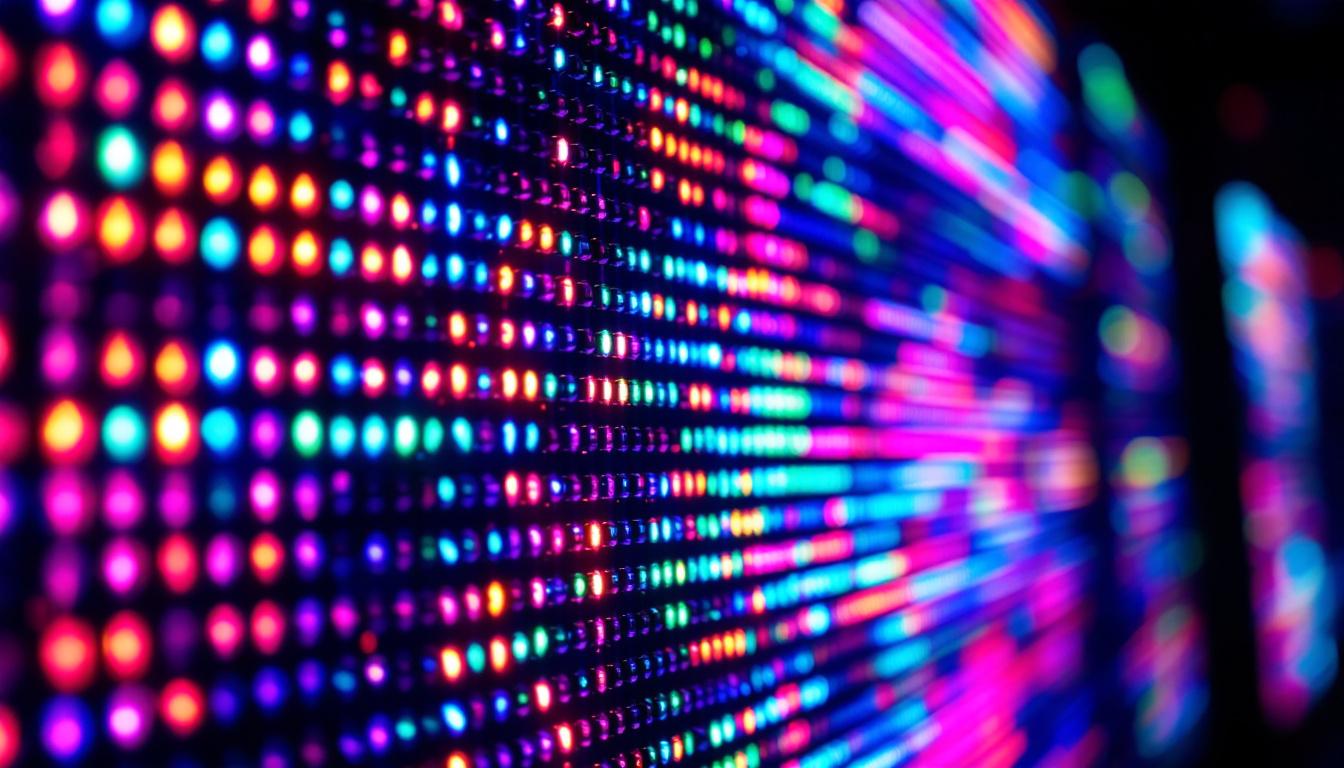
Each LED in a display acts as a pixel or a sub-pixel. By varying the intensity of red, green, and blue LEDs, the display can produce a full spectrum of colors. This is typically achieved through Pulse Width Modulation (PWM), which controls the brightness of each diode by adjusting the duration of electrical pulses.
The LEDs are arranged in modules, which are then assembled into larger screens. A control system processes the input signal—whether from a computer, video player, or broadcast source—and translates it into commands that determine which LEDs light up and at what intensity. This process happens rapidly, allowing for smooth video playback and dynamic content changes.
Types of LED Displays
Indoor vs. Outdoor LED Displays
One of the primary distinctions in LED displays is between indoor and outdoor models. Indoor LED displays are designed for controlled environments, with higher pixel density to provide sharp images at close viewing distances. They typically have lower brightness levels, around 800 to 1,500 nits, since ambient lighting indoors is less intense.
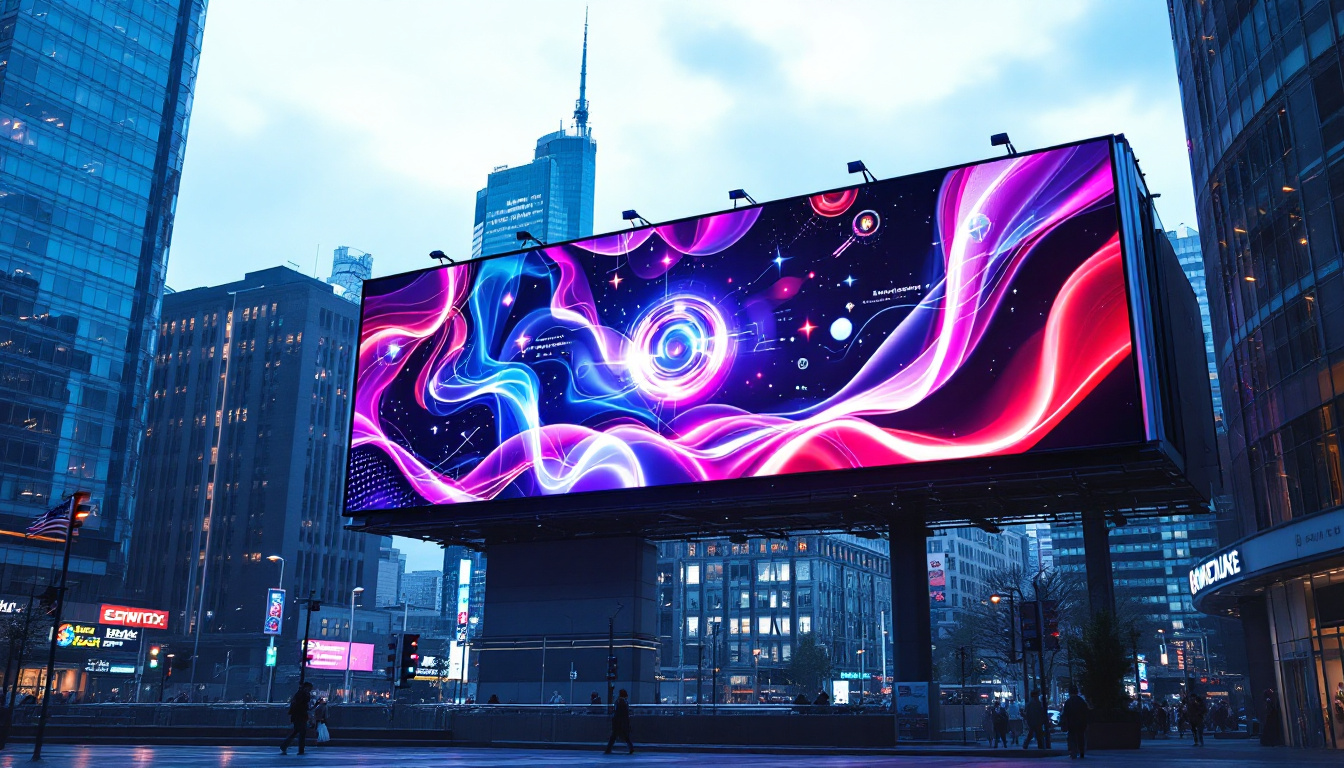
Outdoor LED displays, on the other hand, are built to withstand harsh weather conditions and intense sunlight. They feature higher brightness levels, often exceeding 5,000 nits, to ensure visibility even in direct sunlight. These displays also have robust protective coatings against moisture, dust, and temperature fluctuations.
Direct View LED vs. LED-Backlit LCD
Direct View LED (DVLED) displays use LEDs as the actual pixels that emit light, whereas LED-backlit LCD screens use LEDs only as a backlight behind liquid crystal panels. DVLED displays generally offer better contrast ratios, wider viewing angles, and more vibrant colors. This makes them ideal for large-scale digital signage and video walls.
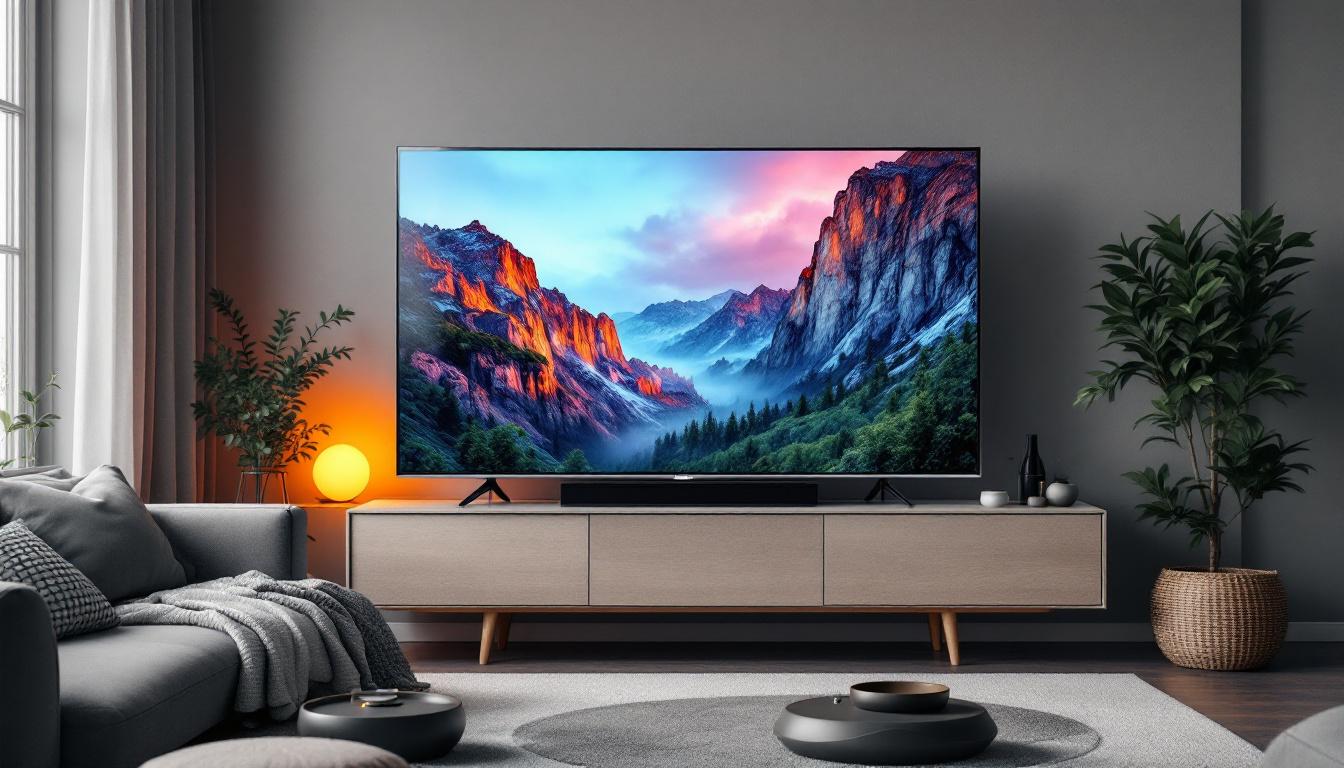
LED-backlit LCDs, while still popular for monitors and televisions, do not match the brightness and color uniformity of direct view LED displays. Understanding this difference is crucial when selecting a display for specific applications.
MicroLED and MiniLED Technologies
Recent advancements have introduced MicroLED and MiniLED displays. MicroLED technology features microscopic LEDs that serve as individual pixels, enabling ultra-high resolution and exceptional brightness with low power consumption. This technology is poised to revolutionize premium displays, including TVs and wearable devices.
MiniLED, meanwhile, uses thousands of tiny LEDs as backlighting for LCD panels, improving contrast and brightness significantly compared to traditional LED-backlit LCDs. Both technologies represent the cutting edge of LED display innovation, promising enhanced visual experiences.
Key Advantages of LED Displays
Brightness and Visibility
One of the standout benefits of LED displays is their superior brightness. With peak brightness levels far exceeding those of LCD or plasma screens, LED displays remain clearly visible in bright environments, including direct sunlight. This makes them ideal for outdoor advertising, stadium screens, and transportation hubs.
High brightness also contributes to better color vibrancy and contrast, resulting in more engaging and eye-catching visuals that capture audience attention effectively.
Energy Efficiency and Longevity
LED technology is renowned for its energy efficiency. LEDs consume significantly less power than traditional lighting and display technologies, reducing operational costs over time. This efficiency is particularly important for large-scale installations that operate continuously, such as digital billboards or retail signage.
Additionally, LEDs have a long lifespan, often rated between 50,000 to 100,000 hours of operation. This durability minimizes maintenance needs and replacement costs, making LED displays a cost-effective investment in the long run.
Flexibility and Customization
LED displays offer remarkable design flexibility. They can be manufactured in various shapes and sizes, including curved and flexible panels, allowing for creative installations that integrate seamlessly into architectural environments.
Modular construction enables easy scaling of display size, from small indoor screens to massive outdoor video walls. Furthermore, LED displays support dynamic content updates, enabling real-time messaging, interactive features, and multimedia presentations tailored to specific audiences.
Common Applications of LED Displays
Advertising and Digital Signage
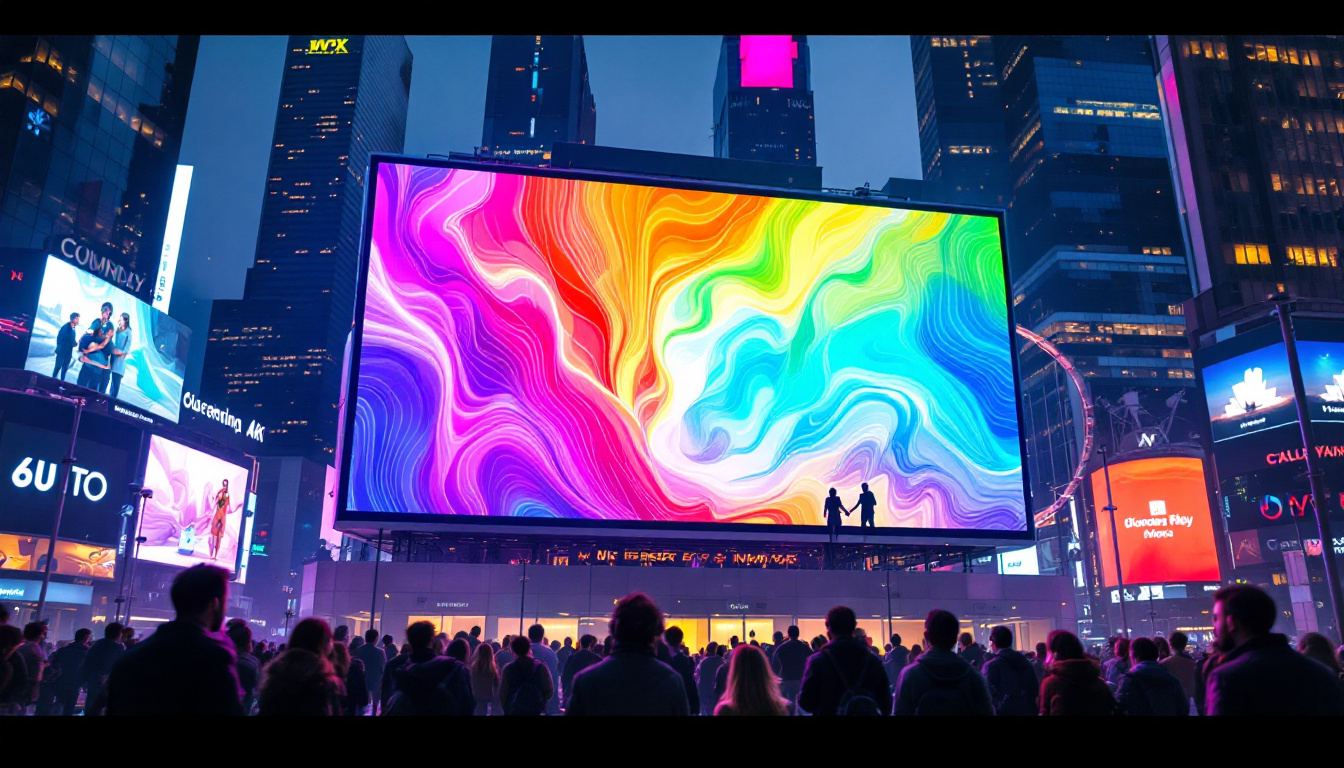
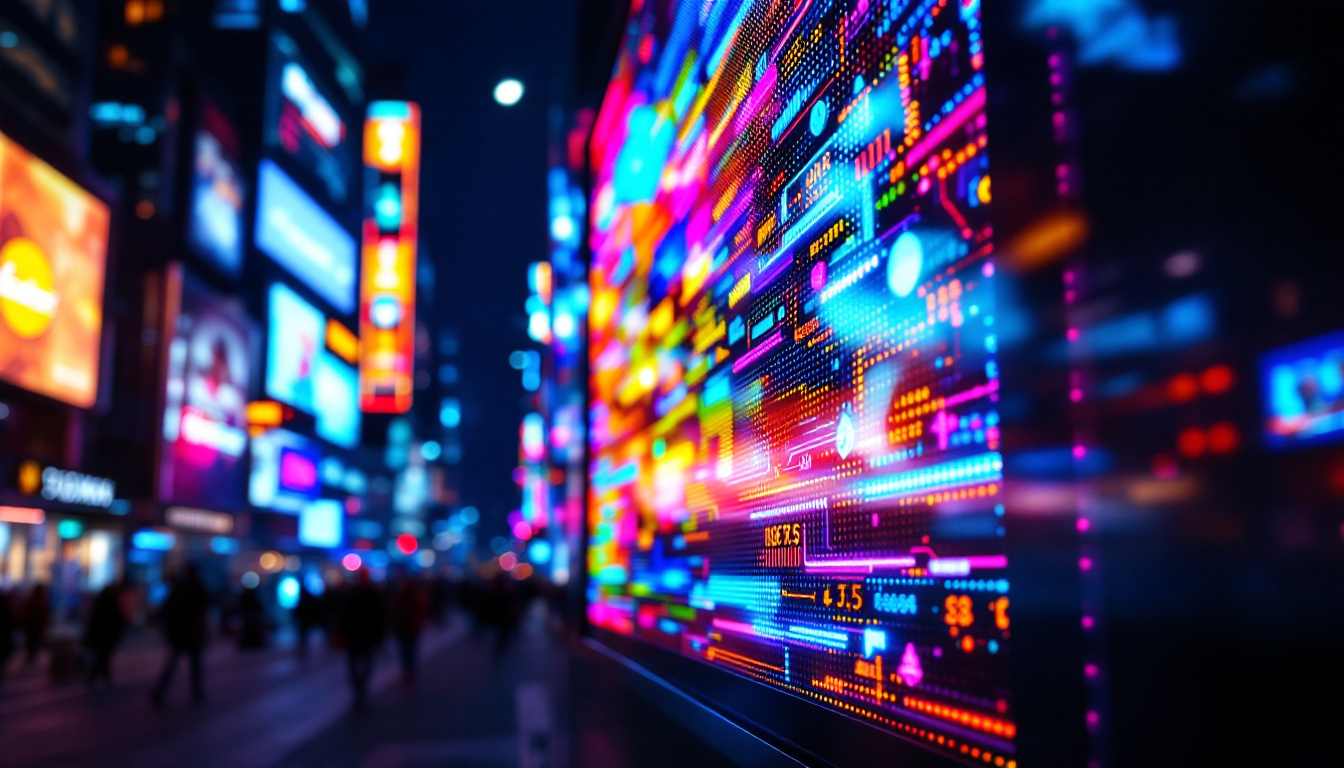
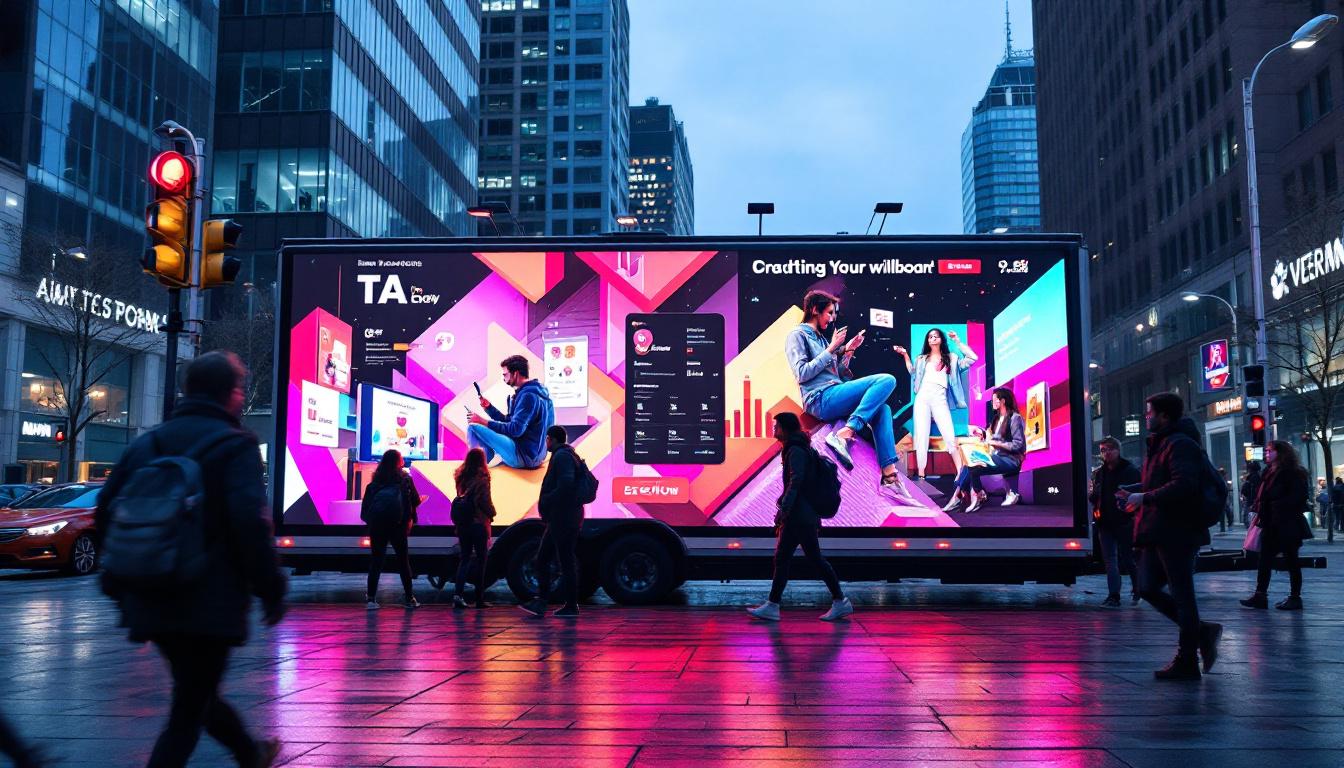
Advertising is perhaps the most visible application of LED displays. Digital billboards and signage leverage the brightness, color richness, and dynamic capabilities of LED technology to deliver compelling marketing messages. According to recent market research, the global digital signage market is projected to grow at a CAGR of over 8% through 2027, driven largely by the adoption of LED displays.
Retail stores, shopping malls, and public spaces use LED displays to attract customers, promote products, and enhance brand visibility. The ability to update content remotely and instantly is a significant advantage over traditional static signage.
Sports and Entertainment Venues
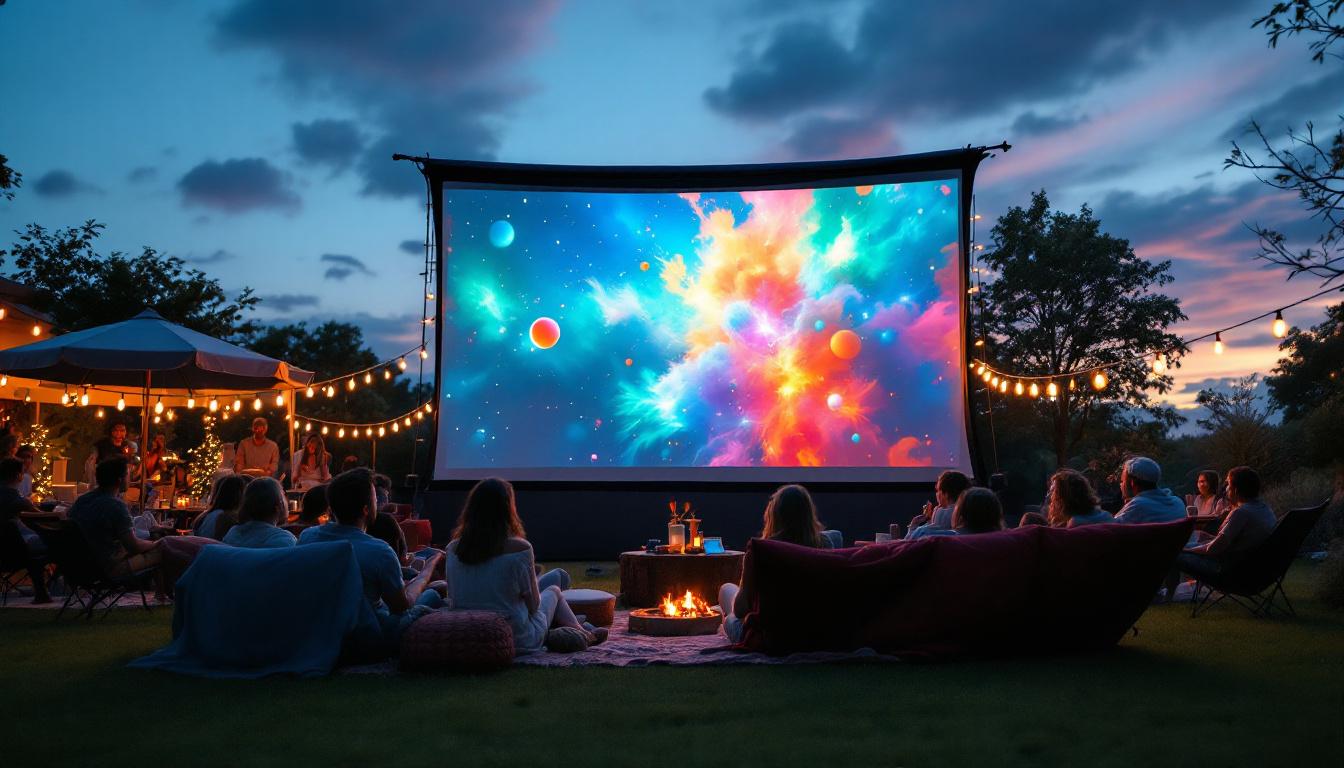
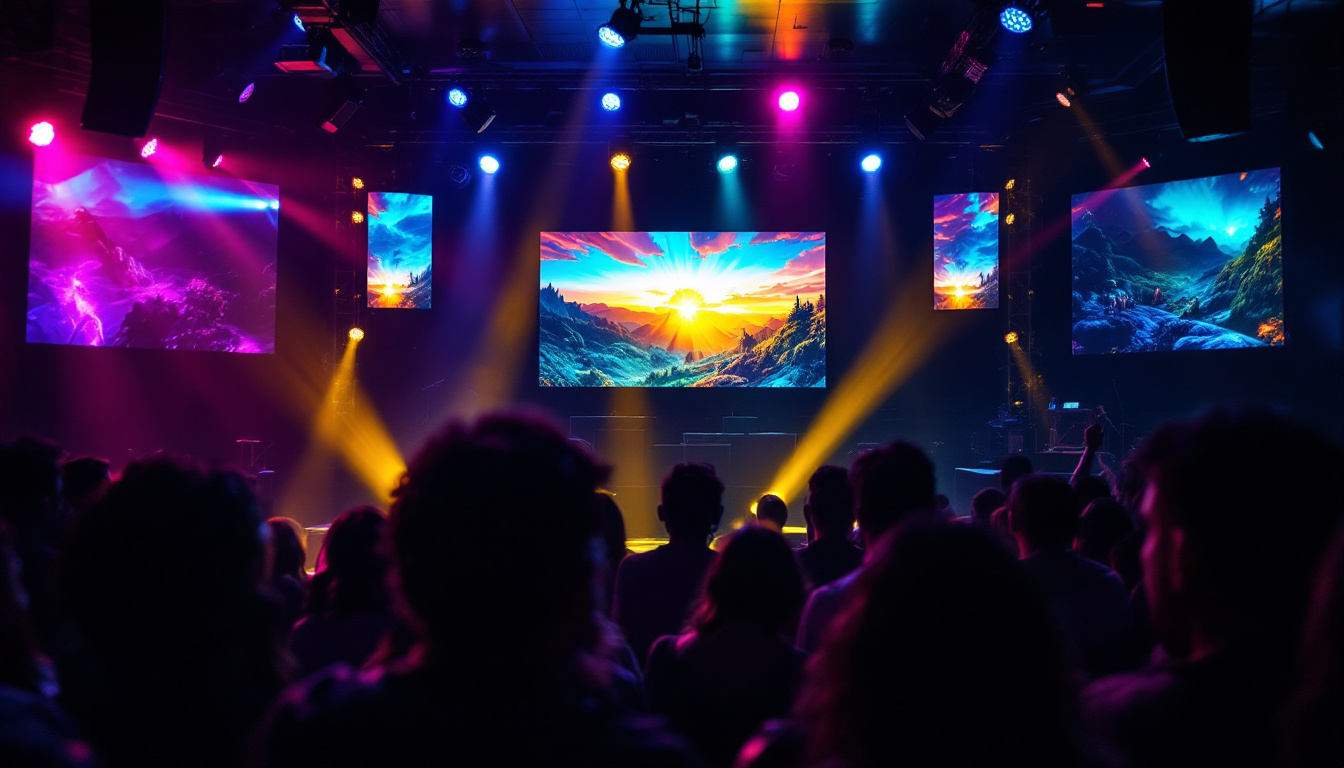
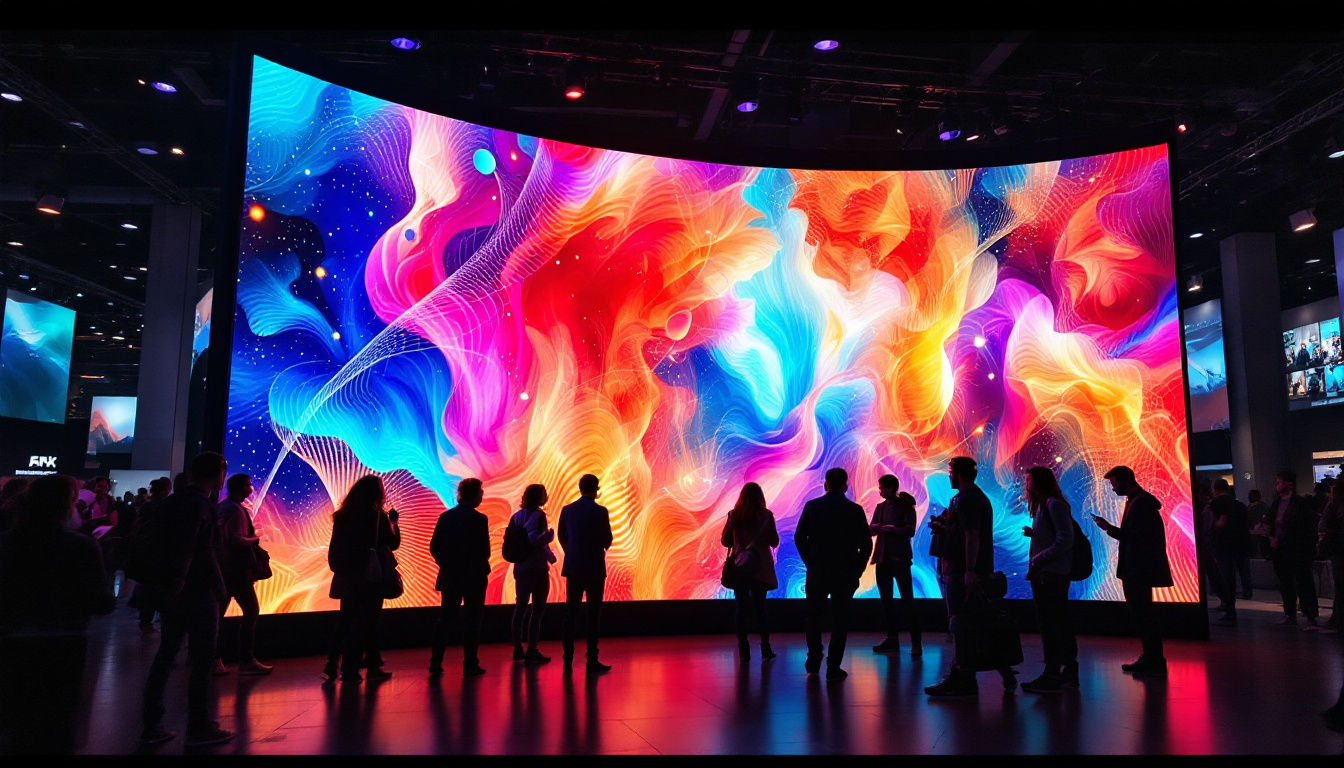
LED displays are ubiquitous in sports arenas and entertainment venues. Large-scale video walls provide live game footage, replays, and interactive content, enhancing the spectator experience. The high brightness and wide viewing angles ensure that every seat in the venue has a clear view of the action.
Concerts and events also utilize LED screens for immersive visual effects, stage backdrops, and audience engagement, demonstrating the versatility of LED technology in live entertainment.
Transportation and Public Information
Transportation hubs such as airports, train stations, and bus terminals rely on LED displays for real-time information dissemination. Flight schedules, arrival and departure times, and emergency notifications are displayed clearly and reliably on LED screens, helping passengers navigate complex environments efficiently.
Similarly, LED displays are used in traffic management systems, including variable message signs on highways, to provide drivers with timely updates and safety alerts.
Control Rooms and Corporate Environments
In control rooms for utilities, security, and network operations, LED video walls enable operators to monitor multiple data streams simultaneously. The clarity and scalability of LED displays facilitate quick decision-making and situational awareness.
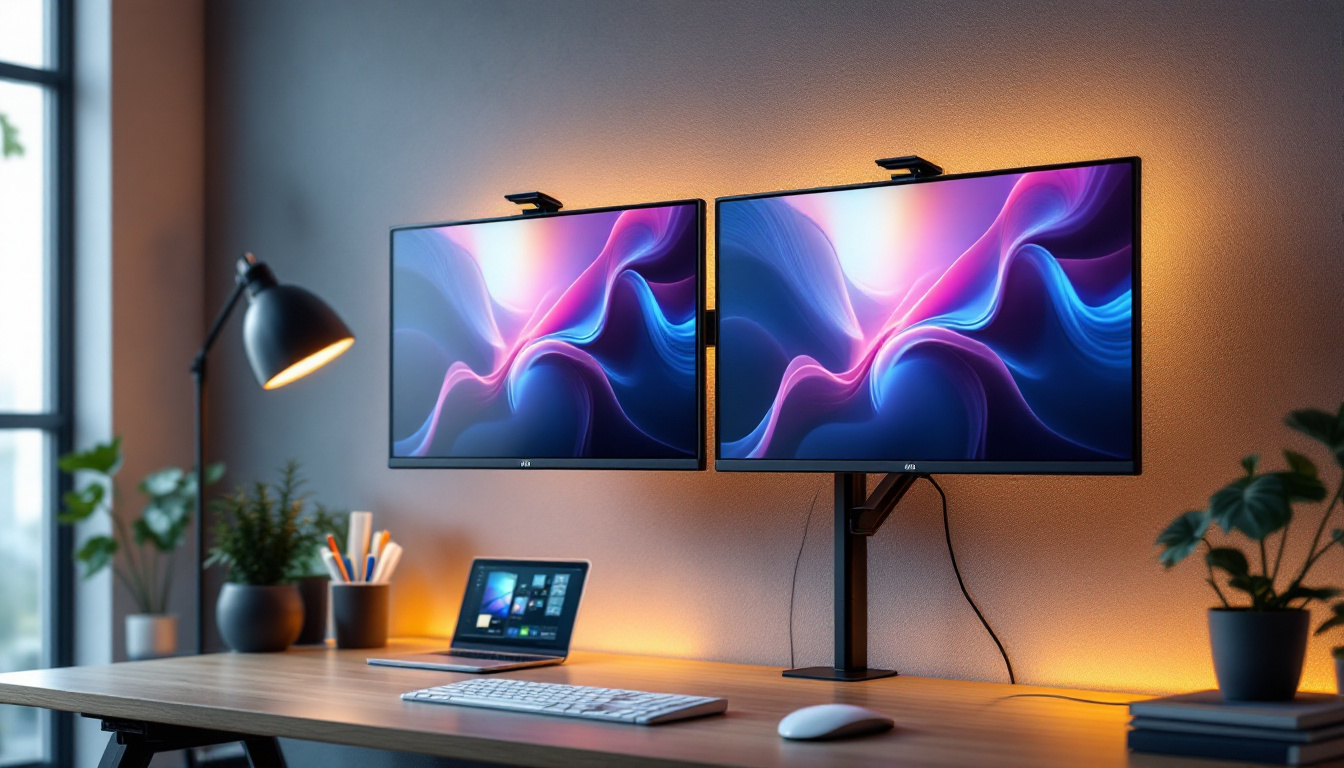
Corporate offices utilize LED panels for presentations, video conferencing, and digital communication, enhancing collaboration and information sharing.
Choosing the Right LED Display
Consider Viewing Distance and Pixel Pitch
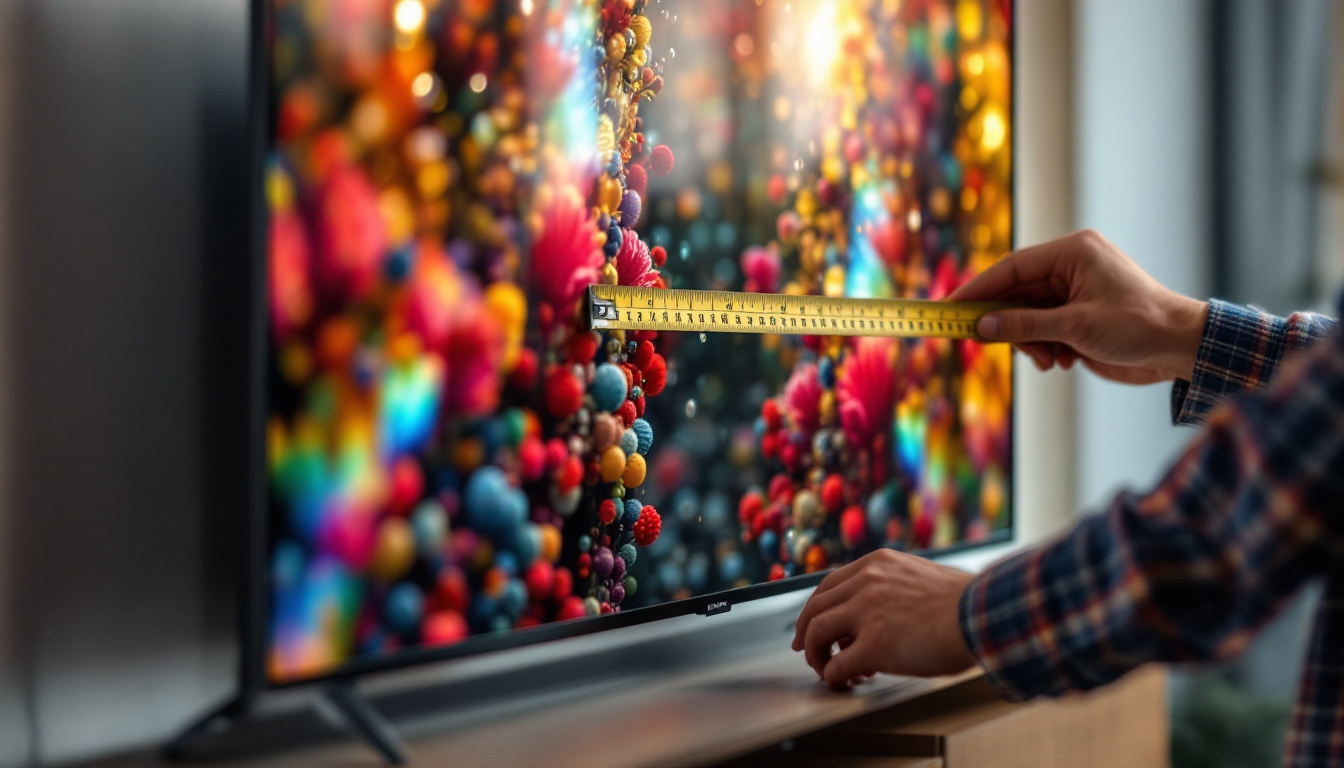
Pixel pitch—the distance between the centers of adjacent LEDs—is a critical factor in display selection. Smaller pixel pitches yield higher resolution and finer image detail, suitable for close viewing distances typical of indoor displays. Larger pixel pitches are acceptable for outdoor screens viewed from afar.
For example, an indoor retail display might have a pixel pitch of 1.5mm to 2.5mm, while an outdoor billboard could use a pitch of 10mm or more. Understanding the relationship between pixel pitch and viewing distance ensures optimal image quality and cost efficiency.
Assess Environmental Conditions
Environmental factors such as ambient light, weather exposure, and temperature variations influence the choice between indoor and outdoor LED displays. Outdoor units require weatherproofing, higher brightness, and robust materials to withstand rain, wind, and UV radiation.
Indoor environments allow for more delicate and high-resolution displays without the need for extreme durability features.
Evaluate Content and Usage Requirements
The type of content to be displayed—static images, video, text, or interactive media—affects the choice of LED technology and control systems. High-motion video demands high refresh rates and color accuracy, while static signage may prioritize brightness and cost-effectiveness.
Additionally, consider how frequently content will change and whether remote management capabilities are needed for efficient operation.
Future Trends in LED Display Technology
Integration with Smart Technologies
LED displays are increasingly integrated with IoT (Internet of Things) and AI (Artificial Intelligence) technologies. Smart displays can adapt content based on audience demographics, environmental conditions, or real-time analytics, enhancing engagement and effectiveness.
For example, retail LED signage might adjust promotions based on foot traffic data or weather conditions, delivering personalized experiences to consumers.
Advancements in Flexible and Transparent Displays
Flexible LED panels enable innovative applications such as wearable displays, curved architectural installations, and foldable screens. Transparent LED displays, which allow light to pass through while showing images, are gaining traction in retail windows and automotive heads-up displays.
These advancements open new possibilities for creative and functional display solutions beyond traditional flat screens.
Sustainability and Energy Efficiency
As environmental concerns grow, LED display manufacturers are focusing on sustainability by developing more energy-efficient components and recyclable materials. Innovations in power management and heat dissipation contribute to greener digital signage solutions.
Energy-efficient LED displays not only reduce operational costs but also align with corporate social responsibility goals, appealing to eco-conscious consumers and stakeholders.
Conclusion
LED displays have transformed the way visual information is presented across industries, offering unmatched brightness, flexibility, and durability. Understanding the technology behind LED displays, their types, advantages, and applications empowers businesses and individuals to make informed decisions when selecting digital signage solutions.
With ongoing innovations such as MicroLED, smart integration, and flexible designs, LED display technology continues to evolve, promising even more immersive and efficient visual communication in the years ahead. Whether for advertising, entertainment, public information, or corporate use, LED displays remain a powerful tool for capturing attention and delivering impactful messages.
Discover Cutting-Edge LED Displays with LumenMatrix
Ready to elevate your visual communication with the latest in LED display technology? Look no further than LumenMatrix, where innovation meets excellence. Our comprehensive range of LED display solutions, from Indoor and Outdoor LED Walls to Custom and Transparent Displays, is designed to captivate your audience and amplify your message. Experience the future of digital signage with LumenMatrix and transform your space into a dynamic visual experience. Check out LumenMatrix LED Display Solutions today and see the difference for yourself.