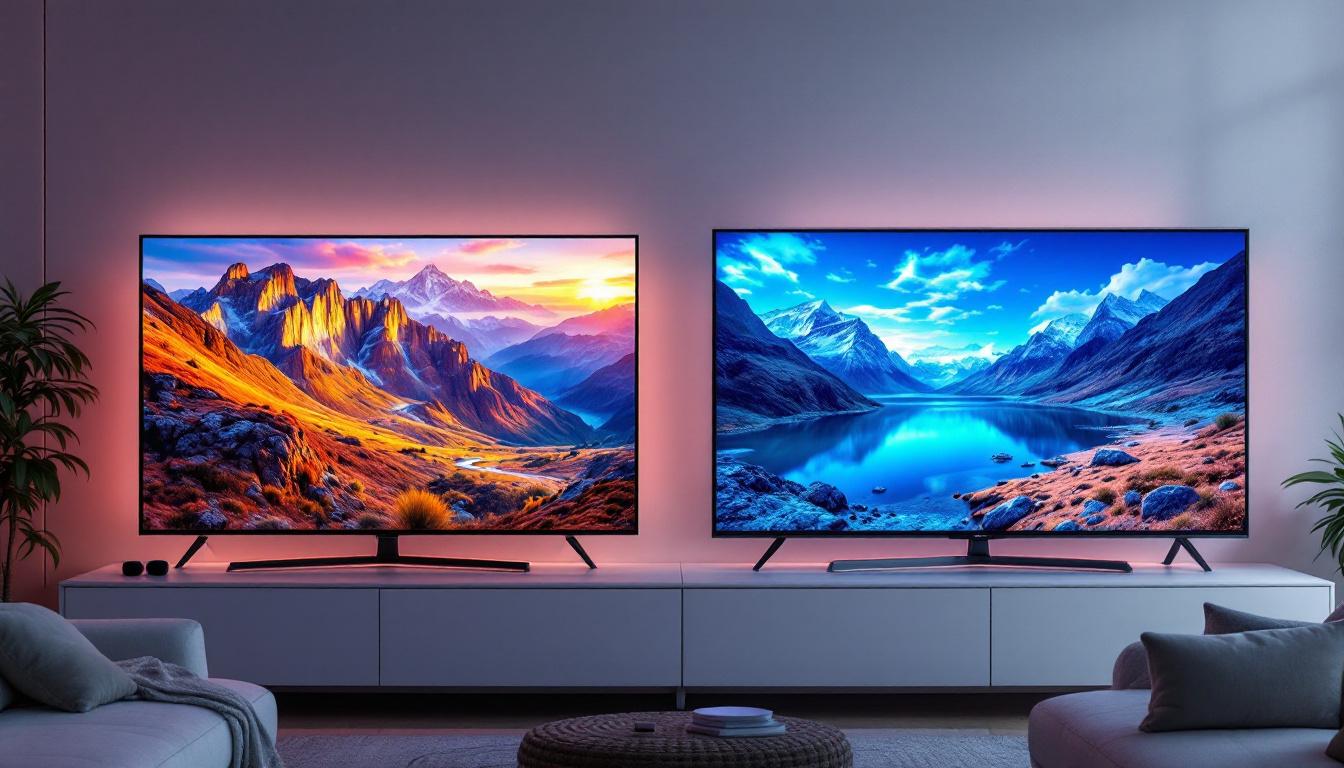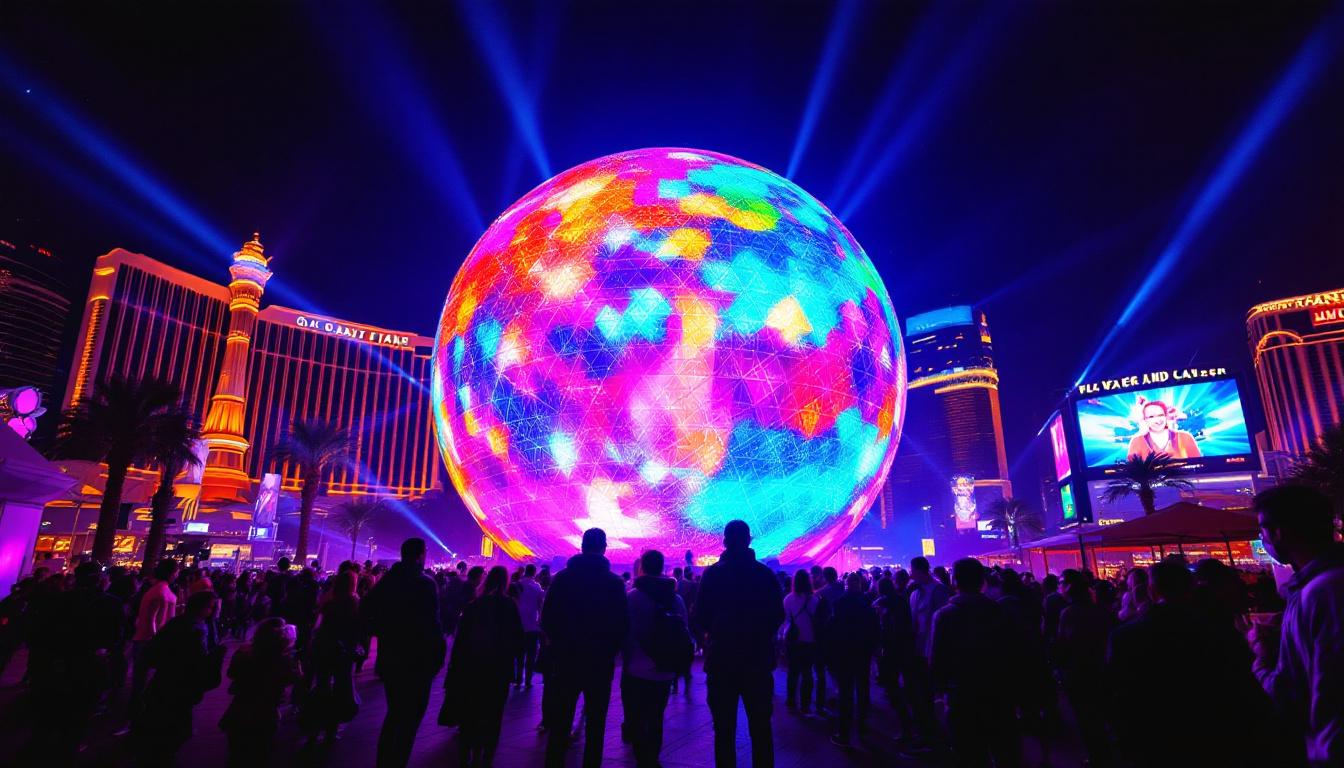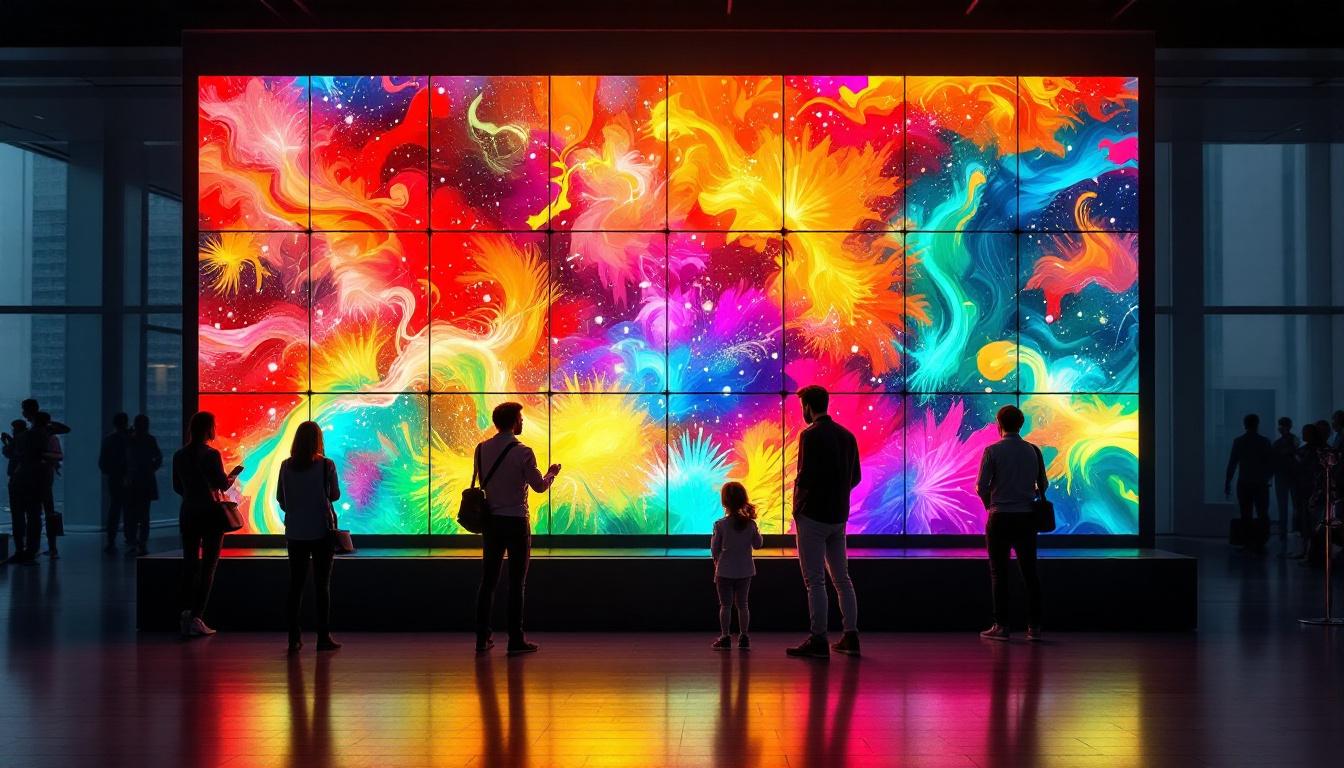
In the rapidly evolving world of digital signage and display technology, wall screen panels featuring LED displays have become a cornerstone for businesses, event organizers, and public spaces seeking vibrant, dynamic visual communication. From sprawling outdoor billboards to sleek indoor video walls, LED display panels offer unparalleled brightness, flexibility, and energy efficiency. This comprehensive article explores the technology behind LED wall screen panels, their applications, advantages, and considerations for selecting the right display solution.
Understanding LED Wall Screen Panels
What Are LED Wall Screen Panels?
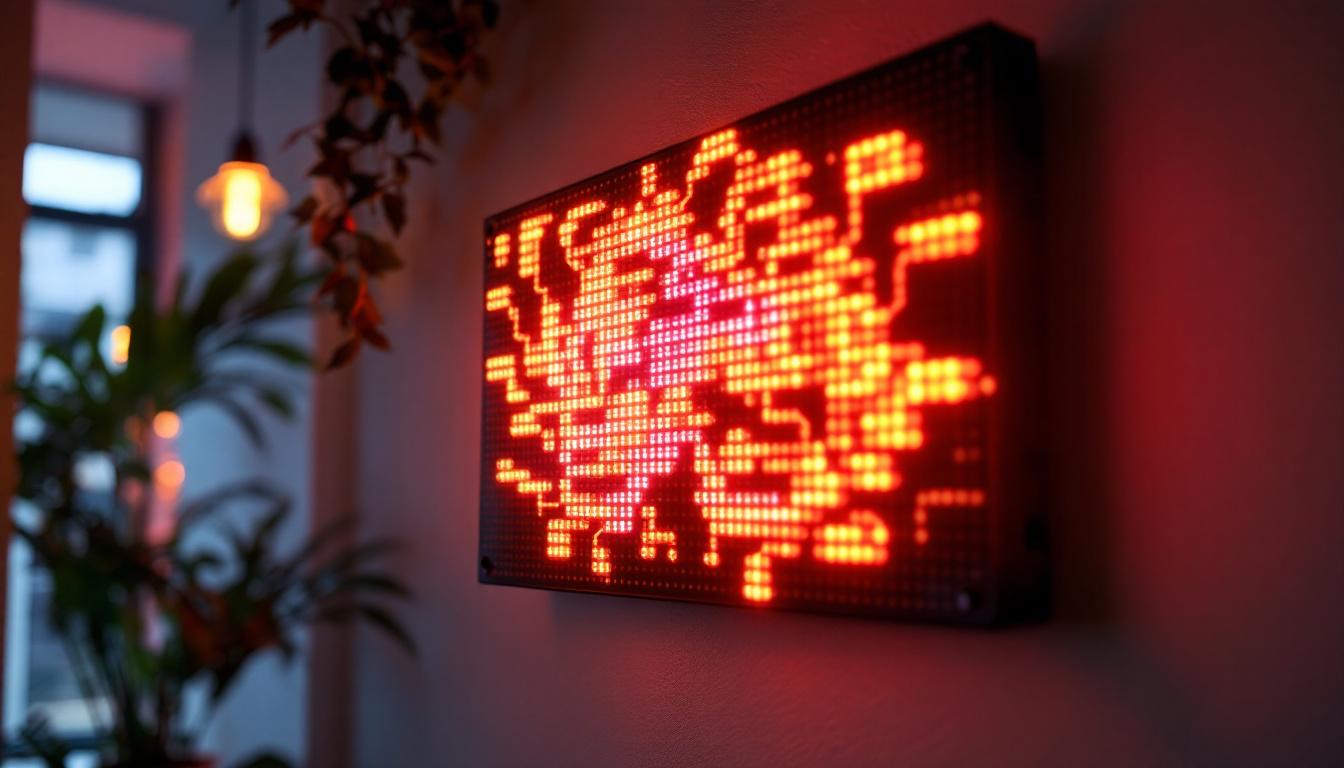
LED wall screen panels are modular display units composed of numerous light-emitting diodes (LEDs) arranged in a grid. Each LED acts as a pixel, illuminating in various colors and intensities to create vivid images and videos. These panels can be connected seamlessly to form large-scale video walls of virtually any size, delivering high-resolution content with exceptional brightness and contrast.
Unlike traditional LCD or projection displays, LED panels emit light directly, which allows them to maintain visibility even under direct sunlight. This makes them especially popular for outdoor advertising, sports arenas, and public information displays. The versatility of LED wall screen panels extends beyond mere visibility; they can also be programmed to display dynamic content, including real-time data feeds, social media updates, and interactive elements, thereby enhancing audience engagement and interaction.
How Do LED Displays Work?
At the core of LED display technology is the LED itself—a semiconductor light source that emits light when an electric current passes through it. Modern LED displays use three primary colors: red, green, and blue (RGB). By varying the intensity of each color, the display can reproduce a wide color gamut, creating vibrant and accurate images.
Each pixel on an LED panel consists of these RGB LEDs grouped together. The display’s controller manages the power sent to each LED, controlling brightness and color. This process happens thousands of times per second, enabling smooth video playback and dynamic content presentation. Furthermore, advancements in technology have led to the development of smart LED displays that incorporate sensors and connectivity features, allowing for adaptive brightness adjustments based on ambient light and enabling remote content management through cloud-based platforms.
Types of LED Panels
LED wall panels come in different types, primarily categorized by pixel pitch—the distance between the centers of two adjacent pixels. Pixel pitch directly influences image clarity and viewing distance. Smaller pixel pitches (e.g., 1.2mm to 2.5mm) are ideal for indoor use where viewers are close to the screen, delivering crisp, detailed images. Larger pixel pitches (e.g., 4mm to 10mm or more) are suited for outdoor applications where viewers are farther away.
Additionally, LED panels are available in:
- Indoor LED Panels: Designed for controlled lighting environments, these panels prioritize high resolution and color accuracy.
- Outdoor LED Panels: Built to withstand weather conditions, these feature higher brightness levels and robust protective casings.
- Transparent LED Panels: Innovative panels that allow light to pass through, ideal for glass walls or storefronts.
Another exciting type of LED panel is the flexible LED panel, which can be bent and shaped to fit unconventional spaces or artistic installations. This adaptability opens up new possibilities for creative displays in museums, galleries, and themed environments. Furthermore, advancements in LED technology have led to the emergence of microLED and miniLED panels, which promise even finer pixel pitches and improved energy efficiency, making them suitable for high-end applications such as virtual reality and augmented reality experiences.
Applications of LED Wall Screen Panels
Advertising and Digital Billboards
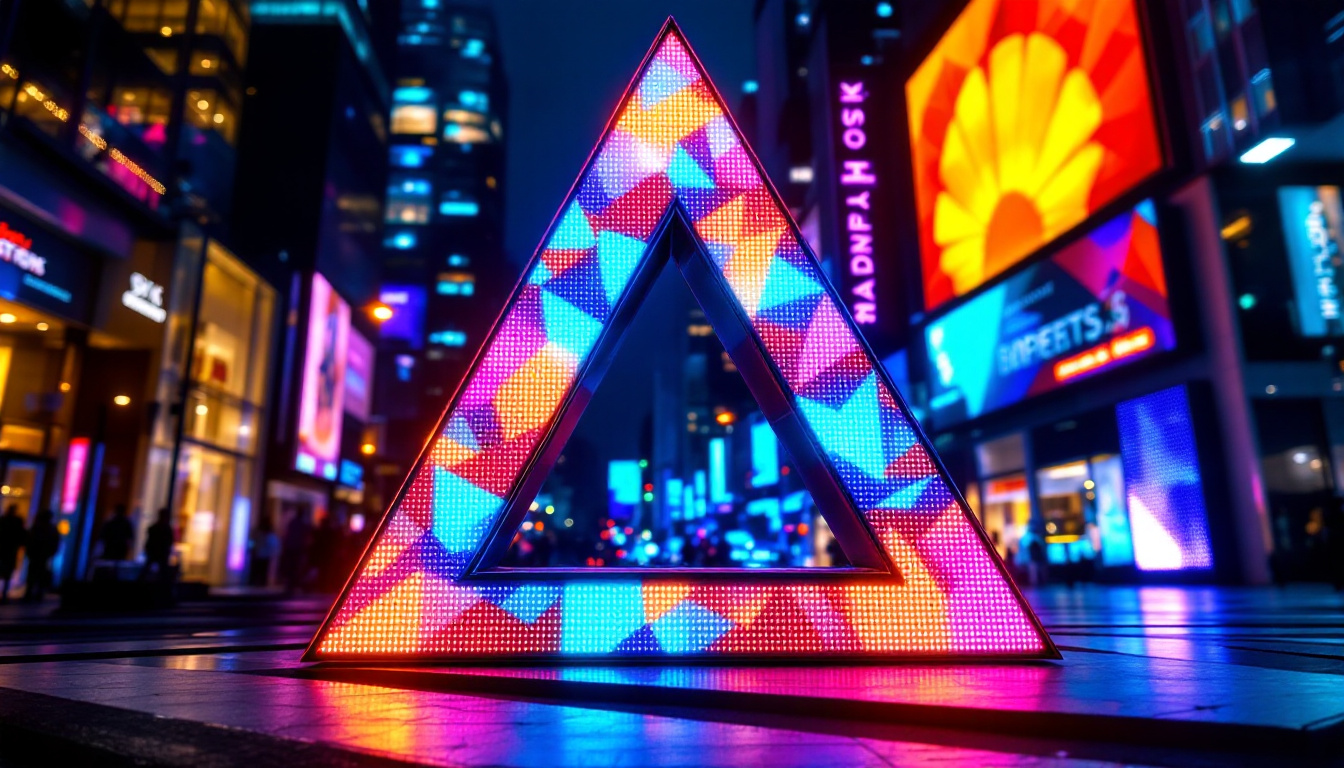
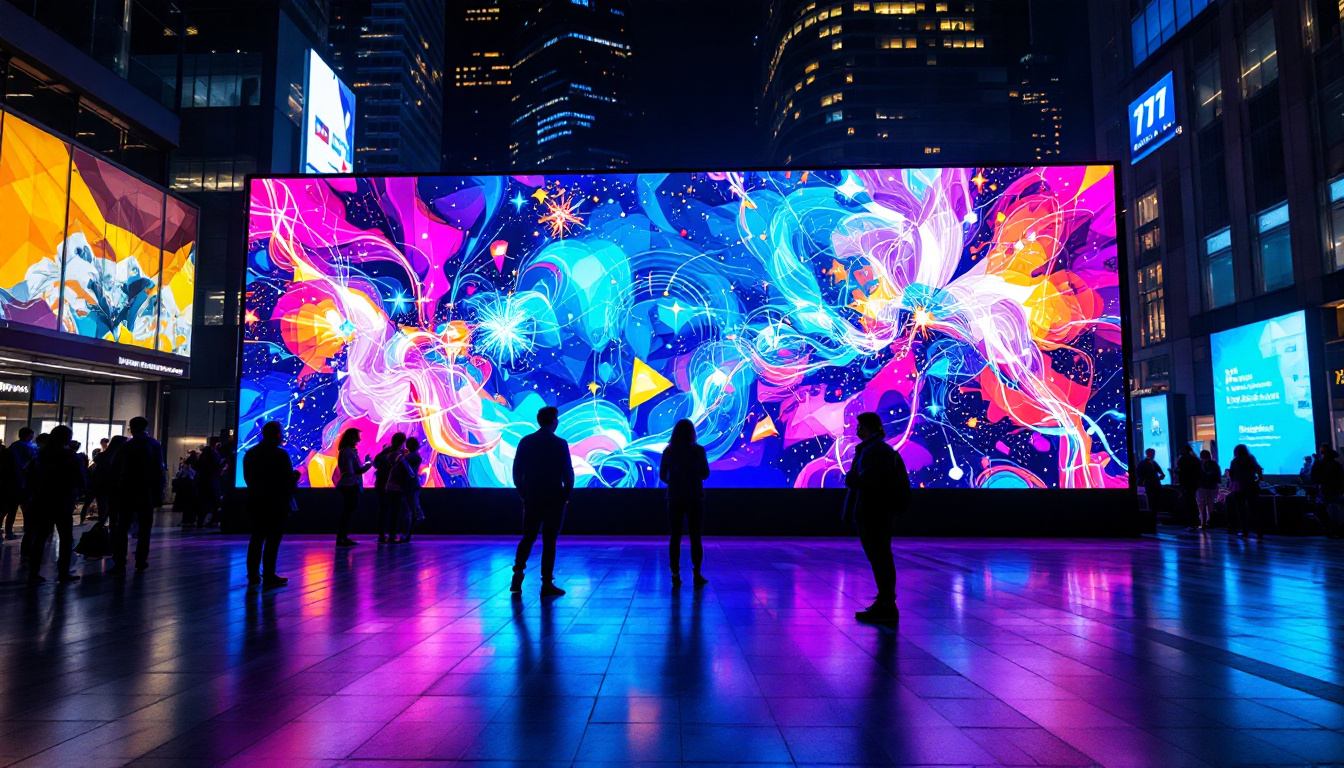
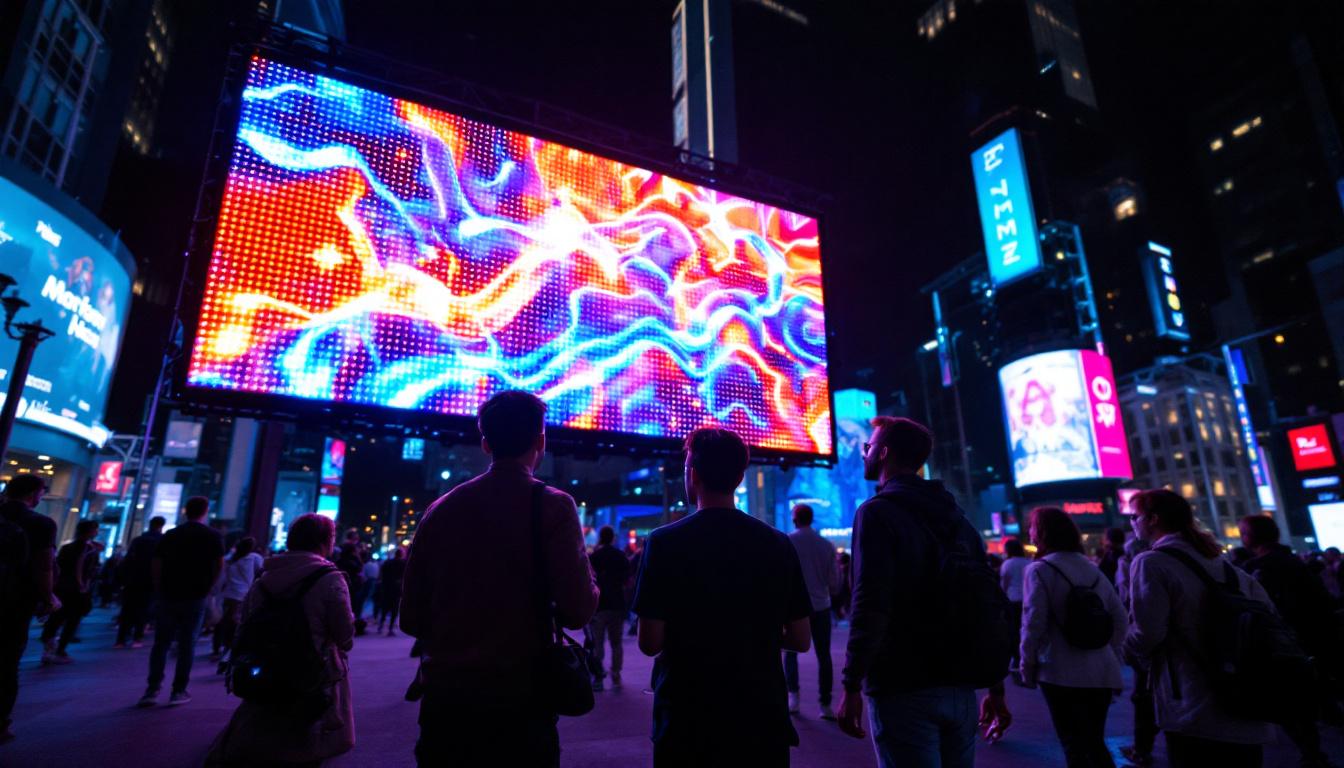
One of the most visible uses of LED wall screen panels is in outdoor advertising. Digital billboards leverage the brightness and dynamic capabilities of LED displays to capture attention in busy urban environments. According to recent market research, the global digital out-of-home (DOOH) advertising market is expected to grow at a CAGR of over 10% between 2023 and 2028, driven largely by LED display adoption.
LED billboards can display multiple ads in rotation, incorporate real-time data feeds, and even interact with mobile devices, offering advertisers unprecedented flexibility and engagement opportunities. Moreover, the ability to use motion graphics and vibrant colors makes these displays not just informative but also visually captivating, leading to higher viewer retention rates. Advertisers can also utilize advanced targeting techniques, displaying specific ads based on the time of day or the demographic profile of the audience, thus maximizing the effectiveness of their campaigns.
Sports Arenas and Entertainment Venues
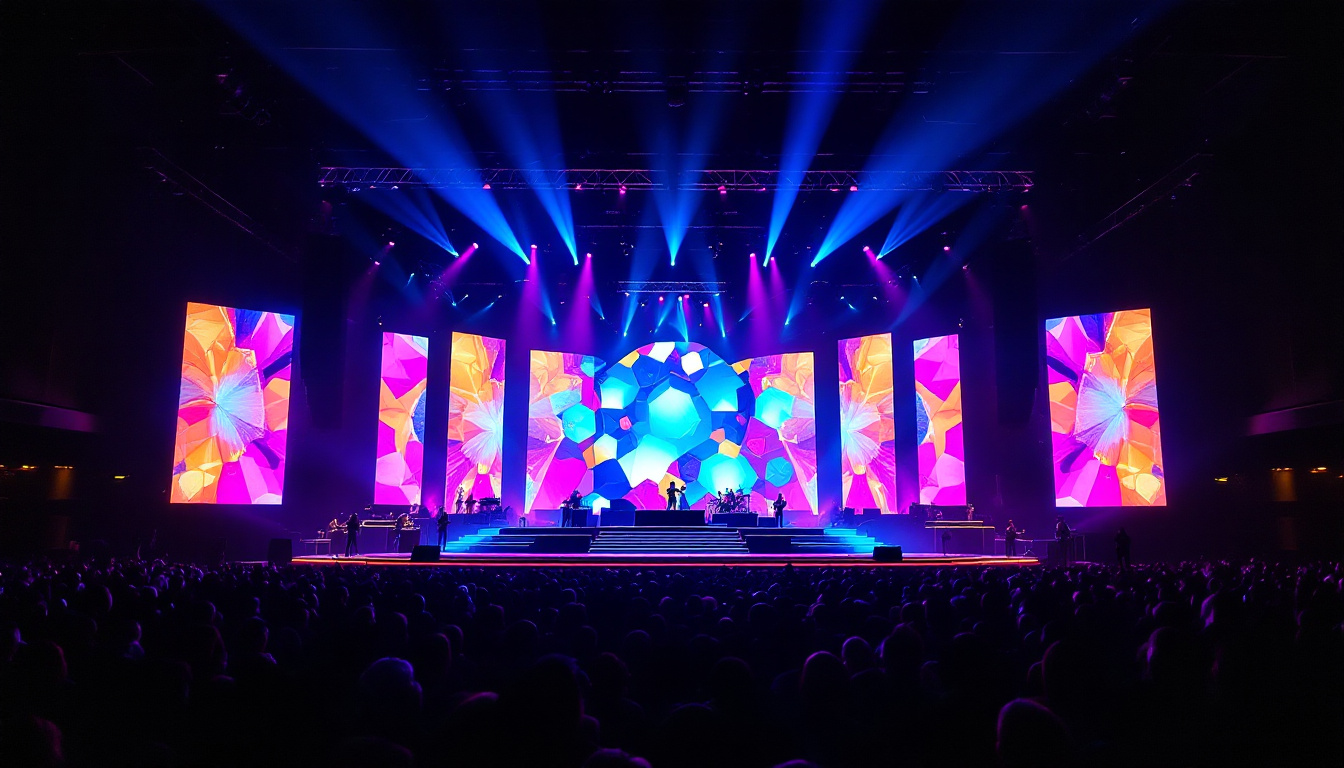
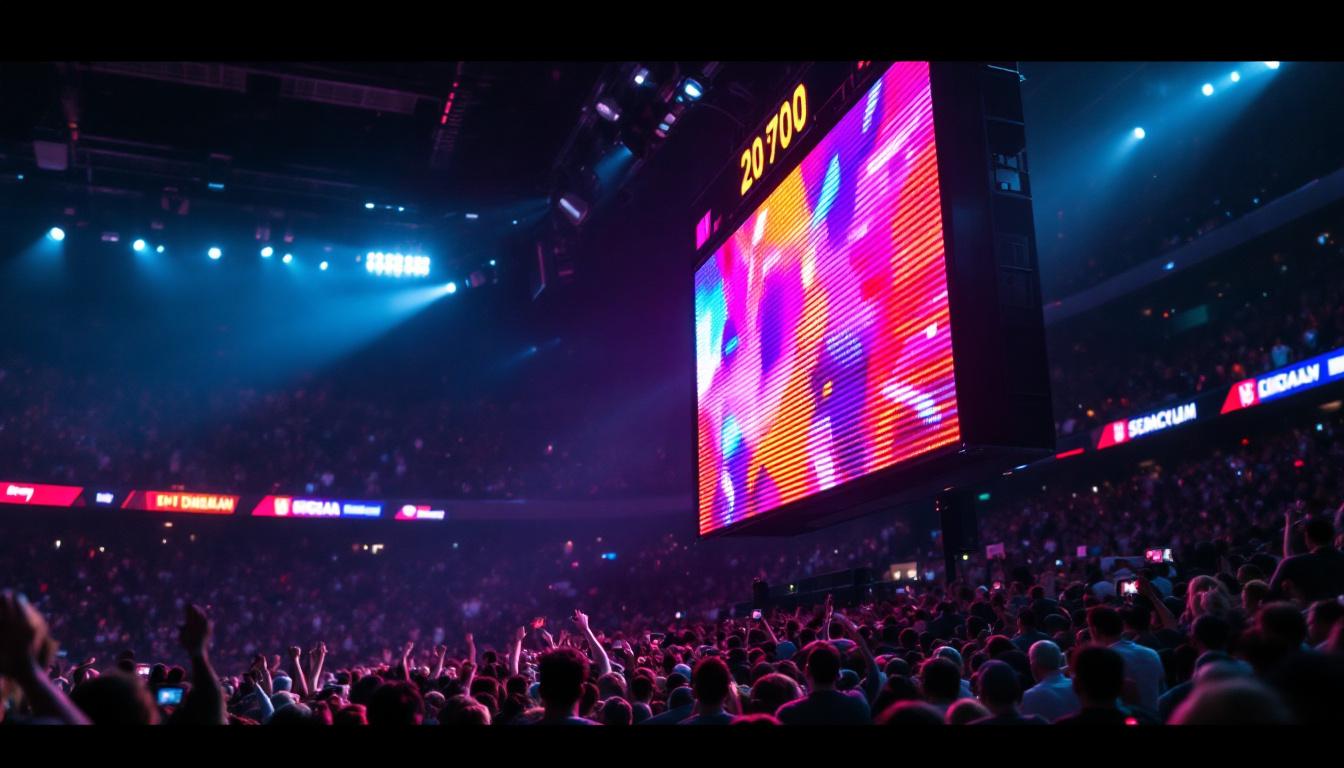
Sports stadiums and concert venues rely heavily on LED wall screen panels to provide spectators with instant replays, live scores, and immersive visual effects. The ability to produce bright, large-scale images ensures visibility from any seat, enhancing the overall experience. This technology not only keeps fans engaged but also plays a crucial role in the atmosphere of the event, as synchronized light displays and animations can elevate the excitement during critical moments.
For example, the AT&T Stadium in Texas features one of the largest high-definition LED displays in the world—a 160-foot-wide center-hung scoreboard that offers crystal-clear visuals to over 100,000 attendees. Beyond just sports, these displays are also used for concerts and other entertainment events, where they can showcase artist visuals, interactive elements, and even fan-generated content, creating a more immersive and participatory experience for the audience.
Corporate and Retail Environments
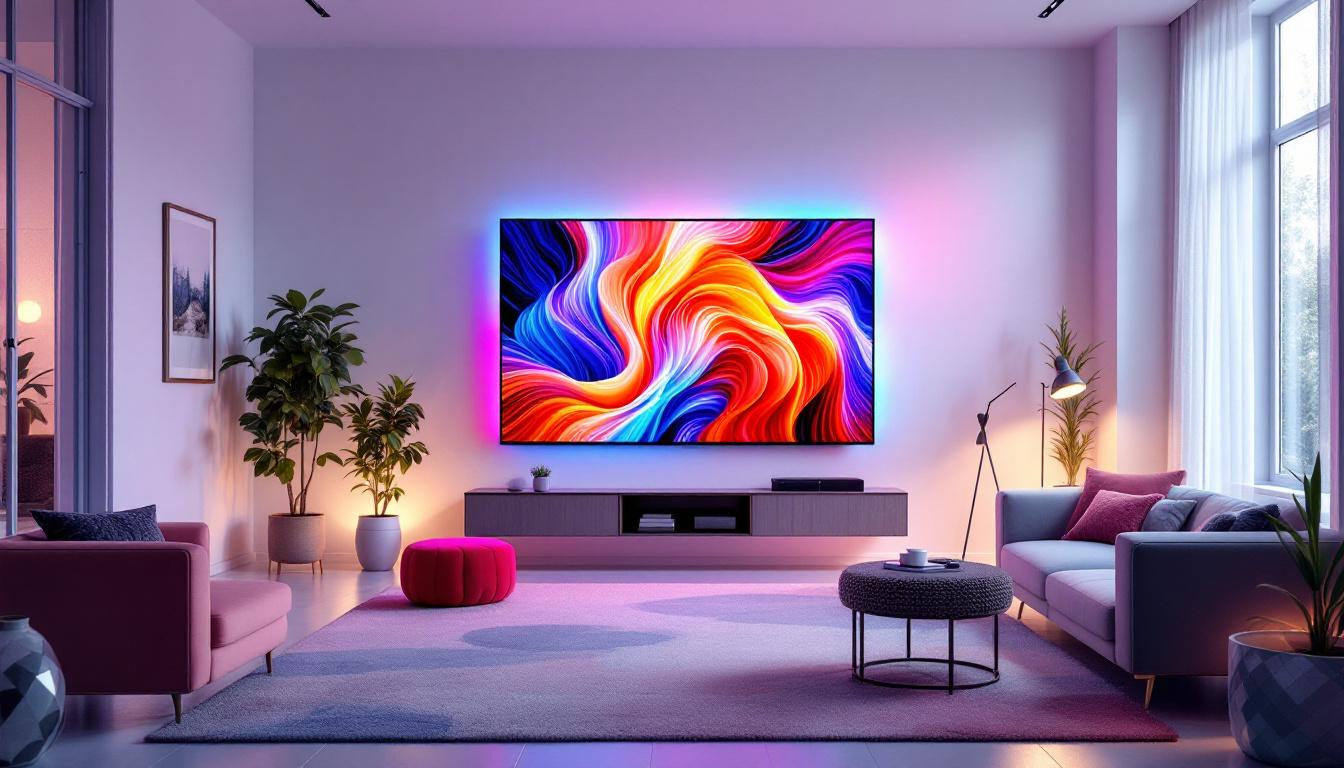
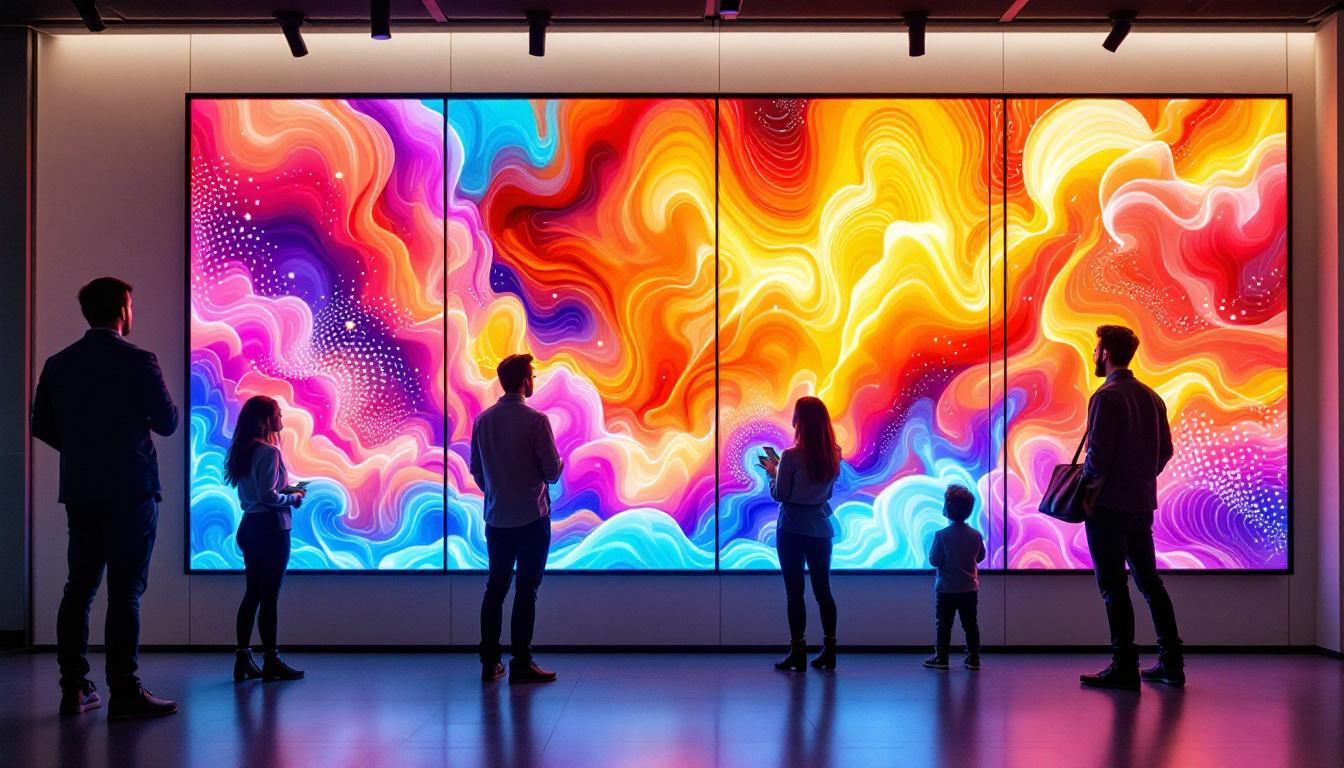
Indoor LED video walls are increasingly popular in corporate lobbies, conference rooms, and retail stores. These displays serve multiple purposes: branding, information dissemination, product promotion, and interactive customer engagement. In corporate settings, they can be used for displaying key performance indicators, company news, or even live social media feeds, fostering a sense of community and transparency among employees.
Retailers use LED walls to showcase dynamic product visuals and promotions that adapt throughout the day, while corporations utilize them for presentations, video conferencing, and digital art installations. The flexibility of LED technology allows for seamless integration with other digital tools, enabling interactive experiences such as touch screens or augmented reality features that can further engage customers and enhance their shopping experience.
Public Information and Transportation Hubs
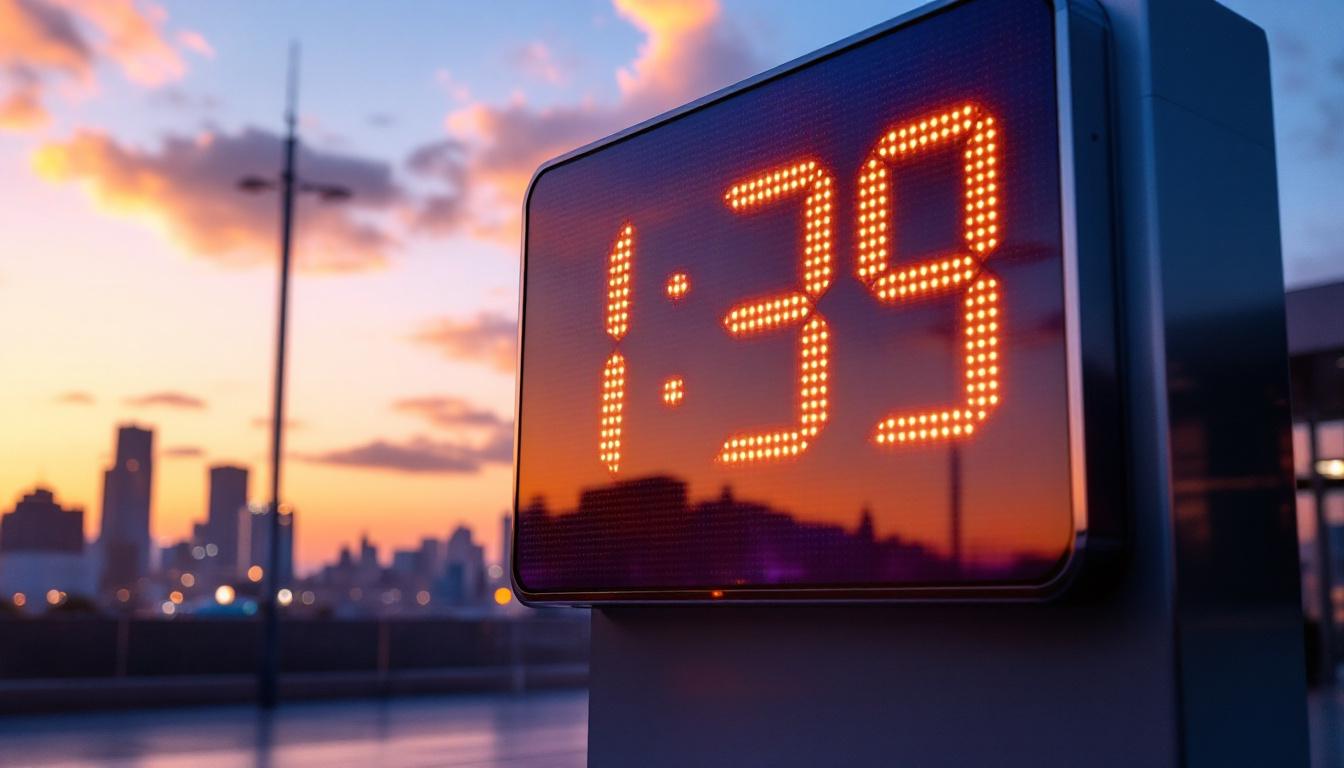
Airports, train stations, and bus terminals employ LED wall screen panels to provide real-time travel information, alerts, and wayfinding assistance. The high brightness and reliability of LED displays ensure messages remain clear and legible, even in large, crowded spaces. These displays can also be programmed to show multilingual information, catering to diverse populations and improving the overall travel experience for international passengers.
Additionally, LED wall screens can serve as platforms for advertising and promotional content, allowing transportation hubs to generate revenue while providing valuable information. They can also be integrated with emergency alert systems, ensuring that critical information reaches travelers promptly during unforeseen events. As technology continues to evolve, the potential applications of LED wall screen panels in public spaces will likely expand, further enhancing communication and engagement in our daily lives.
Advantages of LED Wall Screen Panels
Superior Brightness and Visibility
One of the most significant advantages of LED displays is their brightness. Capable of producing up to 5,000 nits or more, LED panels outperform LCD and projection systems, especially in outdoor or brightly lit environments. This brightness ensures content remains visible and impactful regardless of ambient lighting conditions.
Energy Efficiency and Longevity
LED technology is inherently energy-efficient compared to other display types. LEDs consume less power while delivering higher brightness, which translates to lower operating costs. Furthermore, LED panels typically have a lifespan of 50,000 to 100,000 hours, reducing maintenance and replacement expenses.
Flexibility and Scalability
The modular nature of LED wall panels allows for flexible configurations. Panels can be combined to create custom sizes and shapes, tailored to specific spaces and design requirements. This scalability makes LED walls suitable for both small indoor installations and massive outdoor displays.
High Refresh Rates and Color Accuracy
Modern LED panels support refresh rates of 3,840 Hz or higher, minimizing flicker and ensuring smooth motion rendering. This is crucial for broadcasting live video and fast-moving content. Additionally, advanced calibration techniques enable precise color reproduction, enhancing viewer experience.
Key Considerations When Choosing LED Wall Screen Panels
Pixel Pitch and Resolution
Determining the appropriate pixel pitch is critical to achieving the desired image quality. For indoor applications where viewers are close, a pixel pitch of 1.2mm to 2.5mm is recommended to avoid visible pixelation. For outdoor or large venue installations, a larger pixel pitch can be used without compromising perceived image quality due to increased viewing distances.
Brightness and Environmental Durability
Outdoor LED panels must deliver high brightness levels (typically above 5,000 nits) to remain visible in direct sunlight. Additionally, they require weatherproof enclosures rated at least IP65 to protect against dust and water ingress. Indoor panels generally have lower brightness requirements and less stringent environmental protections.
Installation and Maintenance
Consider the ease of installation and access for maintenance. Front-serviceable LED panels allow technicians to perform repairs without disassembling the entire display, reducing downtime. Lightweight panels with robust mounting systems simplify installation, particularly for large video walls.
Control Systems and Content Management
Effective content management software is essential for maximizing the potential of LED wall screens. Look for systems that support multiple input sources, real-time content updates, and remote management. Integration with analytics tools can also provide insights into viewer engagement.
The Future of LED Wall Screen Panels
Emerging Technologies and Trends
Innovations in LED technology continue to push the boundaries of display capabilities. MicroLED, for example, promises even higher resolution and energy efficiency by using microscopic LEDs as individual pixels. Transparent and flexible LED panels are opening new design possibilities, enabling installations on curved surfaces or glass facades.
Artificial intelligence and augmented reality integration are also shaping the future of LED displays, allowing for personalized content delivery and interactive experiences that respond to viewer behavior.
Sustainability and Environmental Impact
As sustainability becomes a priority, manufacturers are focusing on reducing the environmental footprint of LED displays. Advances in recyclable materials, lower power consumption, and longer product lifecycles contribute to greener digital signage solutions.
Conclusion
LED wall screen panels represent a transformative technology in the realm of digital displays, offering unmatched brightness, flexibility, and durability. Their applications span advertising, entertainment, corporate communications, and public information, making them indispensable tools for effective visual engagement.
Understanding the technical aspects—such as pixel pitch, brightness, and environmental suitability—along with practical considerations like installation and content management, is essential for selecting the right LED display solution. With ongoing innovations and growing market demand, LED wall screen panels will continue to illuminate spaces and captivate audiences worldwide.
Discover LumenMatrix’s Innovative LED Display Solutions
Ready to elevate your visual communication with the latest in LED technology? LumenMatrix offers a comprehensive range of LED display solutions tailored to meet your needs. Whether you’re looking for Indoor or Outdoor LED Wall Displays, dynamic Vehicle LED Displays, sleek LED Poster Displays, engaging LED Sports Displays, interactive Floor LED Displays, or Custom LED Display configurations, LumenMatrix has you covered. Embrace the future of digital signage with our All-in-One and LED Transparent Displays, designed to captivate your audience and amplify your message. Check out LumenMatrix LED Display Solutions today and transform your space into a hub of engagement and visual storytelling.