In today’s fast-paced digital world, LED displays have become ubiquitous—from advertising billboards and stadium screens to indoor signage and consumer electronics. Among the various types of LED display technologies, Eled panels stand out for their unique design and performance characteristics. This article delves into what Eled panels are, how they work, their advantages, and their applications across different industries.
Understanding LED Display Technology
Before exploring Eled panels specifically, it’s essential to grasp the fundamentals of LED display technology. LED stands for Light Emitting Diode, a semiconductor device that emits light when an electric current passes through it. LED displays use arrays of these tiny diodes to create images and videos by controlling the light output of each pixel.
LED displays are favored for their brightness, energy efficiency, long lifespan, and ability to produce vibrant colors. They come in various forms, including:
- Direct View LED Displays: Large-scale displays where viewers see the light emitted directly from the LEDs.
- LED-backlit LCD Displays: LCD panels illuminated by LEDs from behind or the edges.
Direct view LED displays are commonly used in outdoor and large indoor settings due to their superior brightness and visibility under various lighting conditions. These displays are particularly effective for advertising and public information, as they can easily capture attention even in bright sunlight. Moreover, advancements in technology have led to the development of high-resolution LED displays, which allow for clearer and more detailed images, making them ideal for applications ranging from concerts to sports events.
Another significant advantage of LED technology is its adaptability. LED displays can be configured in various shapes and sizes, allowing for creative installations that fit the specific needs of a venue. For instance, curved LED displays are becoming increasingly popular in retail environments, providing an immersive experience that draws customers in. Additionally, the modular nature of LED panels means that they can be easily repaired or upgraded, extending the overall lifespan of the display and making them a cost-effective solution in the long run. This flexibility, combined with their energy efficiency, makes LED displays a preferred choice for many businesses looking to enhance their visual communication strategies.
What Is an Eled Panel?
The term “Eled panel” refers to a specific type of LED display panel that integrates enhanced LED technology to improve image quality, durability, and energy efficiency. While the exact specifications can vary depending on manufacturers, Eled panels typically feature refined LED arrangements and advanced driving electronics.
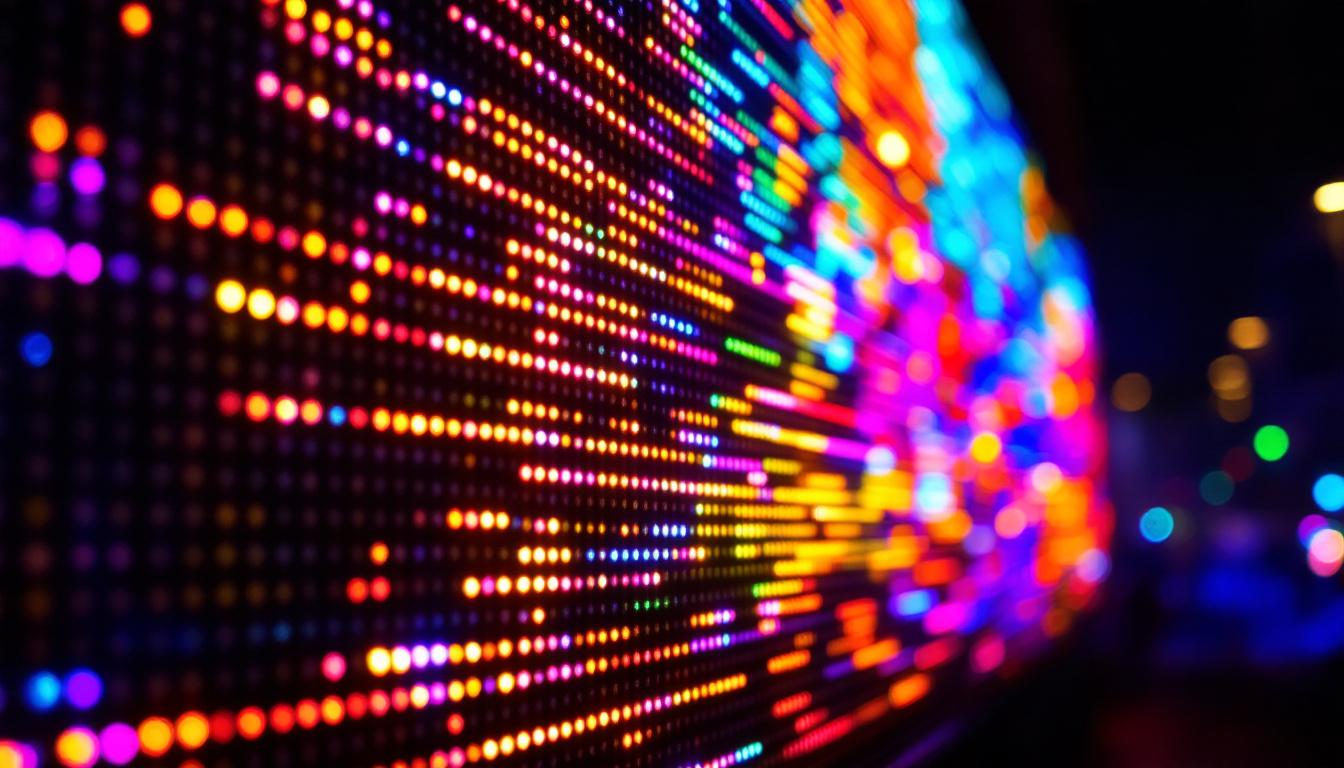
One of the defining characteristics of Eled panels is their use of high-density LED arrays, which allow for higher resolution and finer pixel pitch. This means the distance between individual LEDs is reduced, resulting in sharper images and smoother video playback.
In addition to their impressive visual capabilities, Eled panels are designed with longevity in mind. Manufacturers often use superior materials that resist wear and tear, making these panels suitable for a variety of environments, from bustling retail spaces to high-end corporate settings. Their robust construction helps minimize maintenance costs and downtime, which is a significant advantage for businesses that rely on consistent, high-quality displays.
How Eled Panels Differ from Traditional LED Panels
Traditional LED panels often have larger pixel pitches, which can make images appear less crisp when viewed up close. Eled panels, by contrast, utilize smaller pixel pitches—sometimes as low as 0.9mm—making them suitable for indoor applications where viewers are close to the display.
Moreover, Eled panels incorporate advanced calibration techniques to ensure uniform brightness and color accuracy across the entire display surface. This reduces issues like color shifting and brightness inconsistencies that can plague conventional LED panels. In addition, the ability to adjust color temperatures and gamma settings allows for a more tailored viewing experience, catering to specific lighting conditions or audience preferences. This adaptability is particularly beneficial in environments such as art galleries or museums, where the display of artwork requires precise color representation.
Technical Composition of Eled Panels
At the core of an Eled panel is the LED module, composed of red, green, and blue LEDs arranged in a precise matrix. These LEDs are mounted on a printed circuit board (PCB) that includes integrated circuits responsible for controlling the current and voltage supplied to each diode.
Additionally, Eled panels often employ sophisticated driver ICs (Integrated Circuits) that support high refresh rates—typically 1920 Hz or higher—ensuring flicker-free video playback even during slow-motion or high-speed scenes. This is particularly important for applications like broadcasting and live events. Furthermore, many Eled panels are equipped with features such as HDR (High Dynamic Range) support, which enhances the contrast and color range of the displayed content, providing viewers with a more immersive experience. This capability makes Eled panels a popular choice for venues that host dynamic presentations, concerts, or sports events, where visual impact is paramount.
Advantages of Eled Panels
Eled panels offer several benefits that make them an attractive choice for various display needs. These advantages stem from their advanced design and technology integration.
Superior Image Quality
With a smaller pixel pitch and high-density LED arrays, Eled panels deliver exceptional image clarity and color fidelity. This makes them ideal for environments where detail and visual impact are critical, such as retail displays, control rooms, and corporate lobbies.
Energy Efficiency and Longevity
Energy consumption is a significant consideration for large-scale displays. Eled panels are engineered to consume less power without compromising brightness or image quality. Their LEDs also have a longer operational lifespan—often exceeding 100,000 hours—reducing maintenance and replacement costs over time.
Enhanced Durability and Reliability
Many Eled panels are designed with robust materials and protective coatings that make them resistant to environmental factors like moisture, dust, and temperature fluctuations. This durability is crucial for outdoor installations or venues with challenging conditions.
Flexible Installation Options
Eled panels are often modular, allowing for scalable and customizable display sizes. They can be configured as flat screens, curved surfaces, or even irregular shapes, providing creative freedom for architects and designers.
Common Applications of Eled Panels
The versatility of Eled panels has led to their adoption across a wide range of industries and use cases.
Advertising and Digital Signage
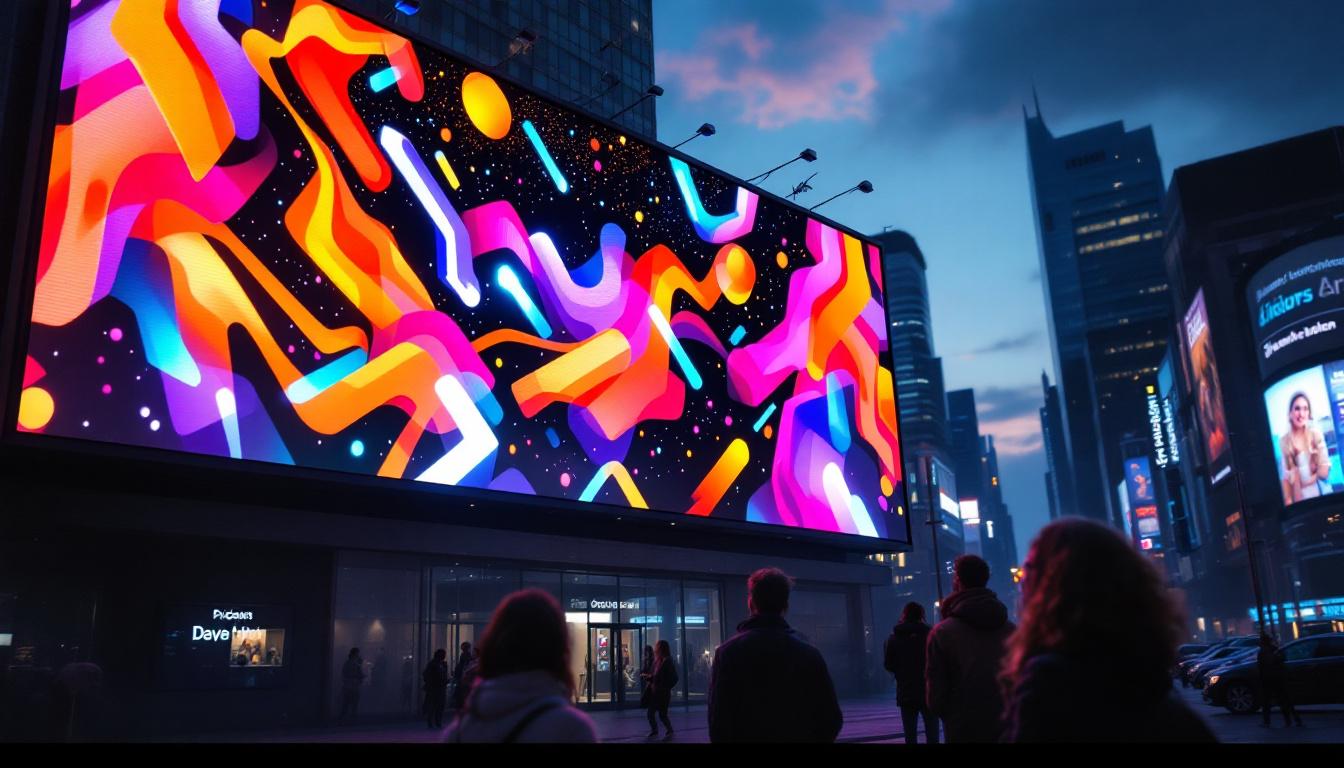
Outdoor billboards and indoor digital signage benefit greatly from Eled panels’ brightness and clarity. Their ability to display dynamic content attracts customer attention and enhances brand visibility. For example, retail stores use Eled panels to showcase promotions and product information in high resolution.
Sports Arenas and Entertainment Venues
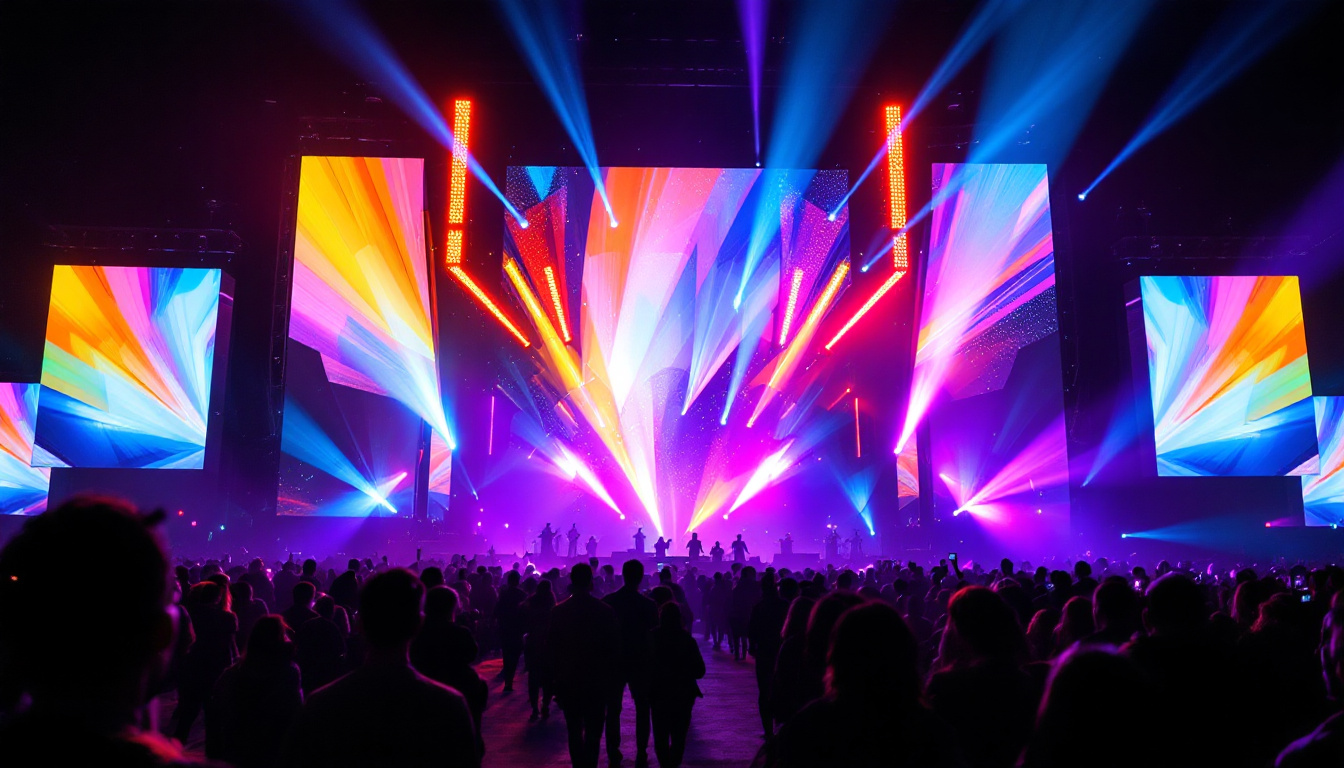
Large-scale Eled displays are prevalent in stadiums and concert halls, where they provide live video feeds, replays, and interactive content. Their high refresh rates and vivid colors contribute to an immersive spectator experience.
Corporate and Control Room Displays
In corporate environments, Eled panels serve as video walls for presentations, data visualization, and collaboration. Control rooms rely on these displays for real-time monitoring of critical systems, where clarity and reliability are paramount.
Broadcast and Media Production
Broadcast studios use Eled panels as virtual backgrounds and display surfaces due to their flicker-free performance and accurate color reproduction. This enhances the visual quality of live broadcasts and recorded content.
Key Considerations When Choosing an Eled Panel
Selecting the right Eled panel involves evaluating several factors to ensure it meets the specific needs of the application.
Pixel Pitch and Resolution
The pixel pitch determines the viewing distance and image sharpness. Smaller pitches are better for close viewing but come at a higher cost. Understanding the typical viewing distance helps in choosing an appropriate pixel pitch for optimal visual impact.
Brightness and Contrast Ratio
Brightness is measured in nits and affects visibility in different lighting conditions. Outdoor displays require higher brightness levels (often over 5,000 nits), while indoor displays typically operate at lower levels. Contrast ratio impacts the depth and vibrancy of images.
Refresh Rate and Color Depth
Higher refresh rates reduce flicker and motion blur, which is crucial for video content. Color depth influences the range of colors the panel can display, affecting overall image quality.
Durability and Environmental Ratings
For outdoor installations, panels should have appropriate IP (Ingress Protection) ratings to withstand weather elements. Resistance to dust, water, and temperature extremes ensures longevity and consistent performance.
Installation and Maintenance
Modular designs simplify installation and future upgrades. Easy access to components facilitates maintenance, reducing downtime and operational costs.
Future Trends in Eled Panel Technology
The LED display industry is continuously evolving, with Eled panels at the forefront of innovation. Several emerging trends are shaping the future of this technology.
Micro-LED and Mini-LED Integration
Micro-LED and mini-LED technologies offer even smaller pixel pitches and improved brightness control. Integrating these advancements into Eled panels could lead to unprecedented image quality and energy efficiency.
Flexible and Transparent Displays
Research into flexible Eled panels enables curved and foldable displays, expanding design possibilities. Transparent LED panels are also gaining traction, allowing displays to blend seamlessly with architectural elements.
Artificial Intelligence and Smart Displays
AI-powered content management and adaptive brightness control are becoming standard features. These smart capabilities optimize display performance based on environmental conditions and viewer engagement.
Conclusion
Eled panels represent a significant advancement in LED display technology, combining high resolution, energy efficiency, and durability to meet the demands of modern digital signage and large-scale video applications. Their versatility across industries—from advertising and entertainment to corporate and broadcast settings—demonstrates their broad appeal and utility.
As the technology continues to evolve, Eled panels are poised to deliver even greater performance and creative possibilities, making them a smart investment for businesses and organizations seeking impactful visual communication solutions.
Discover LumenMatrix’s Advanced LED Solutions
Ready to elevate your visual communication with the latest in LED technology? LumenMatrix is at the forefront of creating immersive and dynamic visual experiences. From Indoor and Outdoor LED Wall Displays to innovative solutions like Vehicle LED Displays, LED Posters, and Custom LED Displays, we have the technology to transform your space. Experience the future of digital signage with our All-in-One and Transparent LED Displays, designed to captivate and engage your audience. Check out LumenMatrix LED Display Solutions today and see how we can help you make a lasting impression.