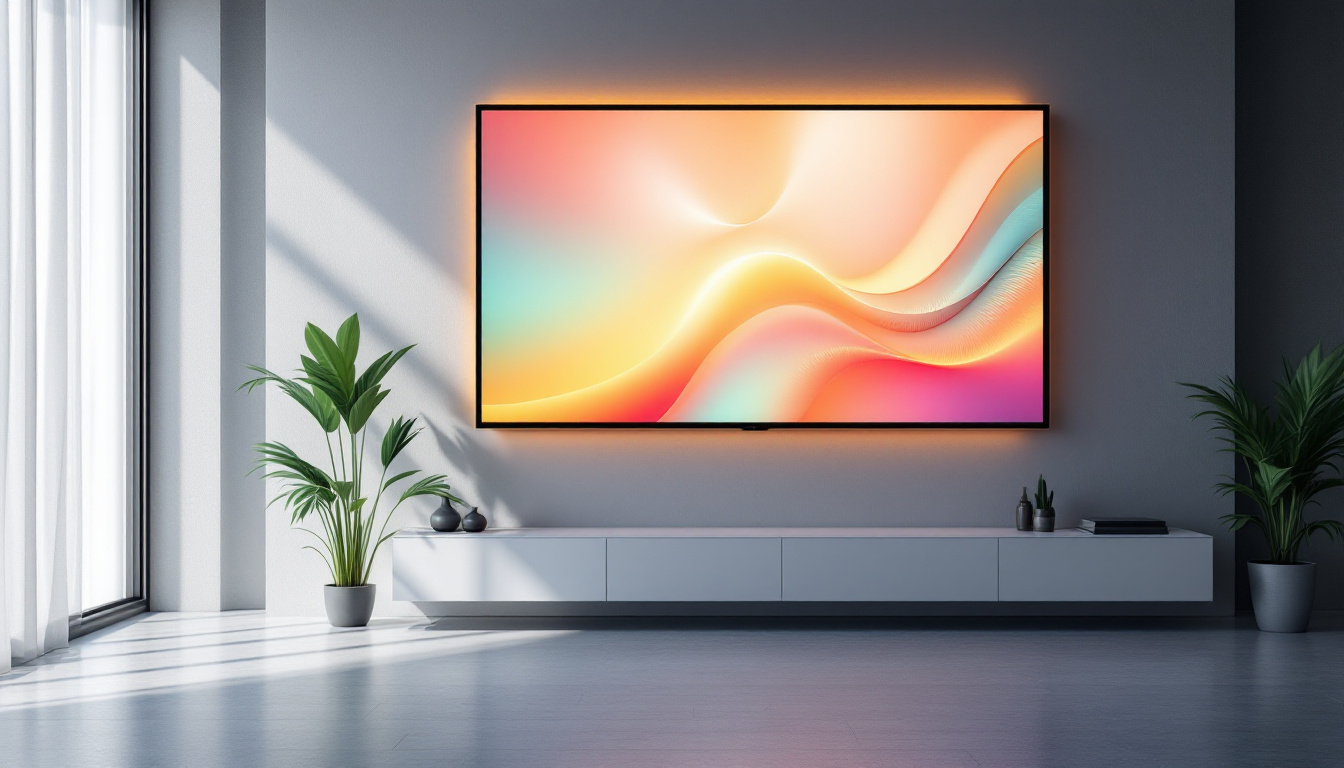
In the fast-evolving world of digital signage, LED displays have become a cornerstone technology, transforming how businesses, advertisers, and public spaces communicate visually. Among the various forms of LED displays, poster LED displays stand out for their versatility, brightness, and ability to capture attention effectively. This article delves into what poster LED displays are, how they work, their benefits, and their applications across different industries.
Understanding Poster LED Displays
What Is a Poster LED Display?
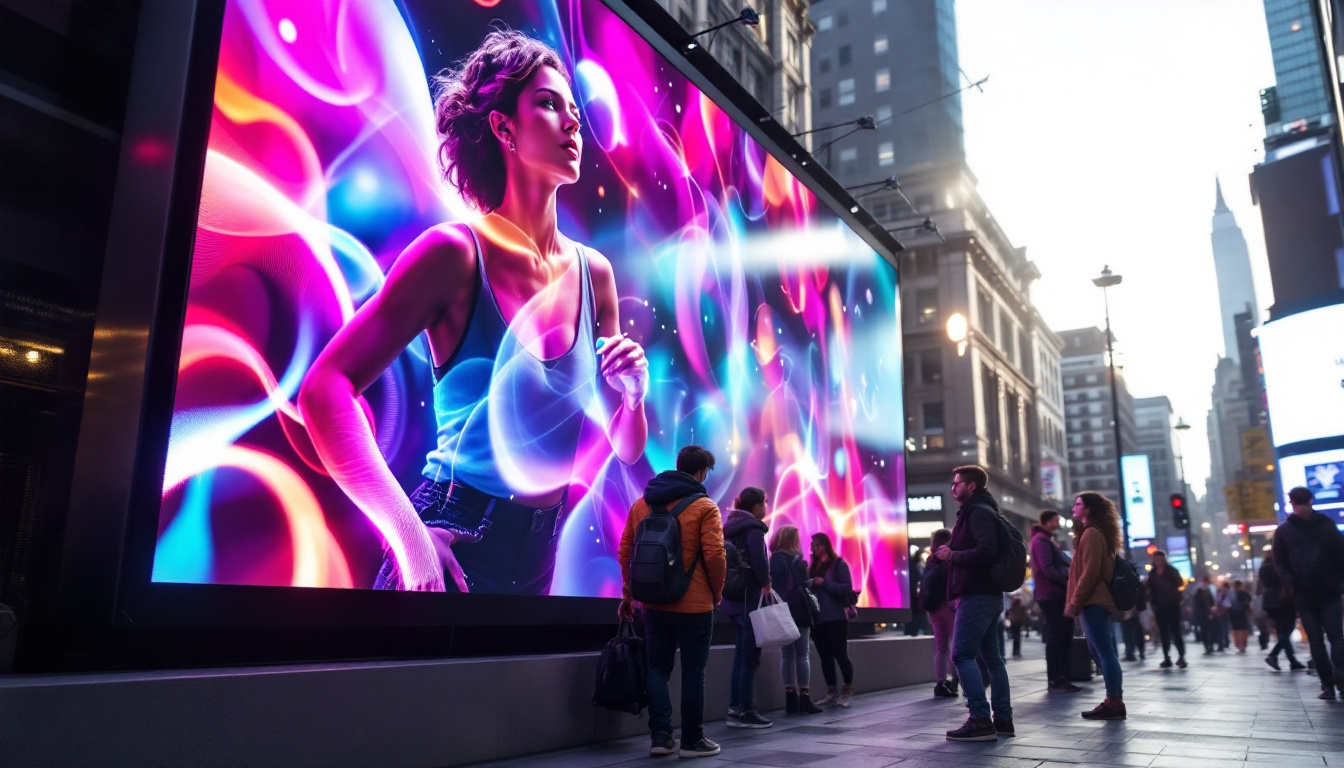
A poster LED display is a type of digital signage that uses light-emitting diodes (LEDs) to create vivid, high-resolution images and videos. Unlike traditional printed posters, these displays are dynamic, allowing content to be updated in real time. They are typically slim, lightweight, and designed to resemble the size and shape of conventional posters, making them ideal for indoor and outdoor advertising.
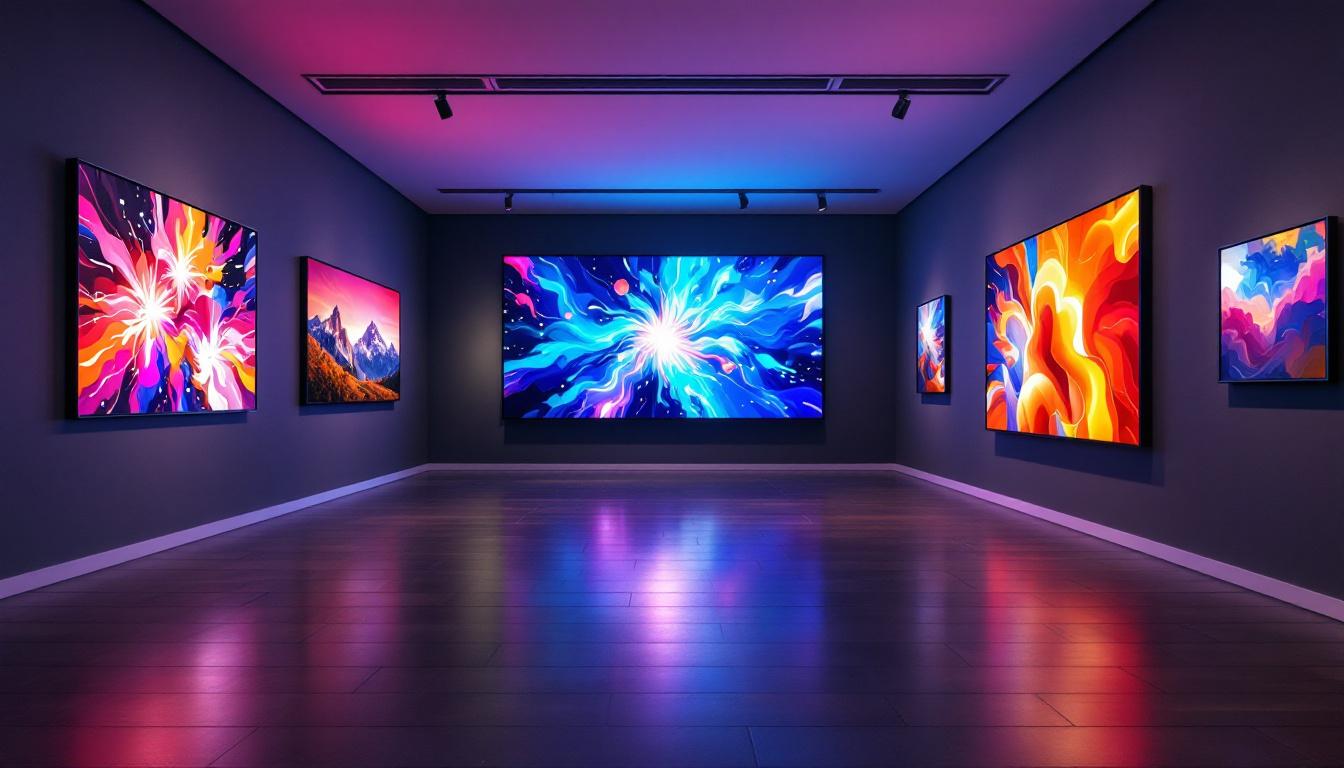
These displays come in various sizes, but their hallmark is the ability to present bright, colorful visuals that remain clear and legible even under direct sunlight. Poster LED displays often feature modular panels that can be customized to fit specific dimensions and locations, such as retail windows, bus stops, or event venues. Their versatility allows businesses to showcase promotions, announcements, or artistic displays, enhancing customer engagement and drawing attention in crowded spaces.
Moreover, the integration of smart technology into poster LED displays has revolutionized how content is managed. With features like remote content management, businesses can easily schedule and change their advertisements from anywhere, ensuring that the displayed information is always relevant and timely. This adaptability not only maximizes marketing effectiveness but also minimizes the need for physical updates, reducing waste and operational costs.
How Do Poster LED Displays Work?
At the core of a poster LED display are thousands of tiny LEDs arranged in a grid. Each LED acts as a pixel that can emit red, green, and blue light, combining to produce a full spectrum of colors. The display is controlled by a computer or media player that sends signals to the LEDs, telling them when and how brightly to light up.
The resolution of the display depends on the pixel pitch—the distance between the centers of two adjacent LEDs. A smaller pixel pitch means higher resolution and sharper images, which is crucial for close-up viewing environments like retail stores. Modern poster LED displays often use advanced technologies such as surface-mounted devices (SMD) LEDs, which offer better color uniformity and wider viewing angles. This technology not only enhances the visual experience but also improves energy efficiency, allowing displays to operate at lower power levels without compromising brightness or clarity.
Additionally, many poster LED displays are equipped with sensors that can adjust brightness based on ambient light conditions. This feature ensures optimal visibility at all times, whether in a brightly lit shopping mall or a dimly lit event space. Some models even incorporate interactive elements, such as touch screens or QR code scanning capabilities, which can further engage viewers and provide them with additional information or promotional offers. As a result, poster LED displays are not just a tool for advertising; they are becoming an integral part of the customer experience, bridging the gap between digital and physical interactions.
Advantages of Using Poster LED Displays
High Brightness and Visibility
One of the most significant advantages of poster LED displays is their exceptional brightness. Unlike LCD or printed posters, LED displays can reach brightness levels of up to 5,000 nits or more, ensuring clear visibility even in direct sunlight. This makes them particularly effective for outdoor advertising and locations with high ambient light. The high brightness not only enhances visibility but also allows for vibrant colors and sharp images that can capture the attention of passersby, making it easier for brands to stand out in crowded environments. As a result, businesses can expect increased foot traffic and engagement, translating to higher conversion rates.
Dynamic and Flexible Content
Poster LED displays allow for dynamic content that can be changed instantly. Advertisers can display videos, animations, live feeds, or rotating messages, providing a richer and more engaging experience compared to static posters. This flexibility enables businesses to tailor their messaging to different times of day, special events, or target audiences without the need for physical replacements. Moreover, the ability to incorporate real-time data, such as weather updates or social media feeds, can create a more interactive experience for viewers, fostering a connection between the brand and its audience. This adaptability not only enhances marketing strategies but also allows for timely promotions that can respond to current trends or events.
Energy Efficiency and Longevity
LED technology is known for its energy efficiency. Poster LED displays consume less power compared to traditional lighting and display technologies, reducing operational costs. Additionally, LEDs have a long lifespan, often exceeding 100,000 hours of usage, which translates to years of reliable performance with minimal maintenance. This energy efficiency not only benefits the environment by reducing carbon footprints but also aligns with the growing consumer preference for sustainable practices. Businesses that utilize LED displays can enhance their brand image as eco-conscious entities, appealing to a demographic that values sustainability in their purchasing decisions.
Cost-Effectiveness Over Time
Although the initial investment in poster LED displays can be higher than traditional signage, the long-term benefits often outweigh the costs. The ability to update content digitally eliminates printing and installation expenses. Furthermore, the durability and low maintenance requirements reduce ongoing costs, making LED displays a cost-effective advertising solution for many businesses. Over time, the savings on printing, labor, and materials can significantly contribute to a company’s bottom line. Additionally, the potential for increased customer engagement and sales can further justify the initial expenditure, making poster LED displays not just a marketing tool but a strategic investment in the future of a brand’s visibility and growth.
Applications of Poster LED Displays
Retail and Shopping Centers
Retailers use poster LED displays to attract customers, promote sales, and enhance the shopping experience. These displays can be placed in storefront windows, inside stores, or in food courts to showcase product launches, special offers, or brand messages. The high resolution and brightness help catch the eye of passersby, increasing foot traffic and sales conversions.
Transportation and Public Spaces
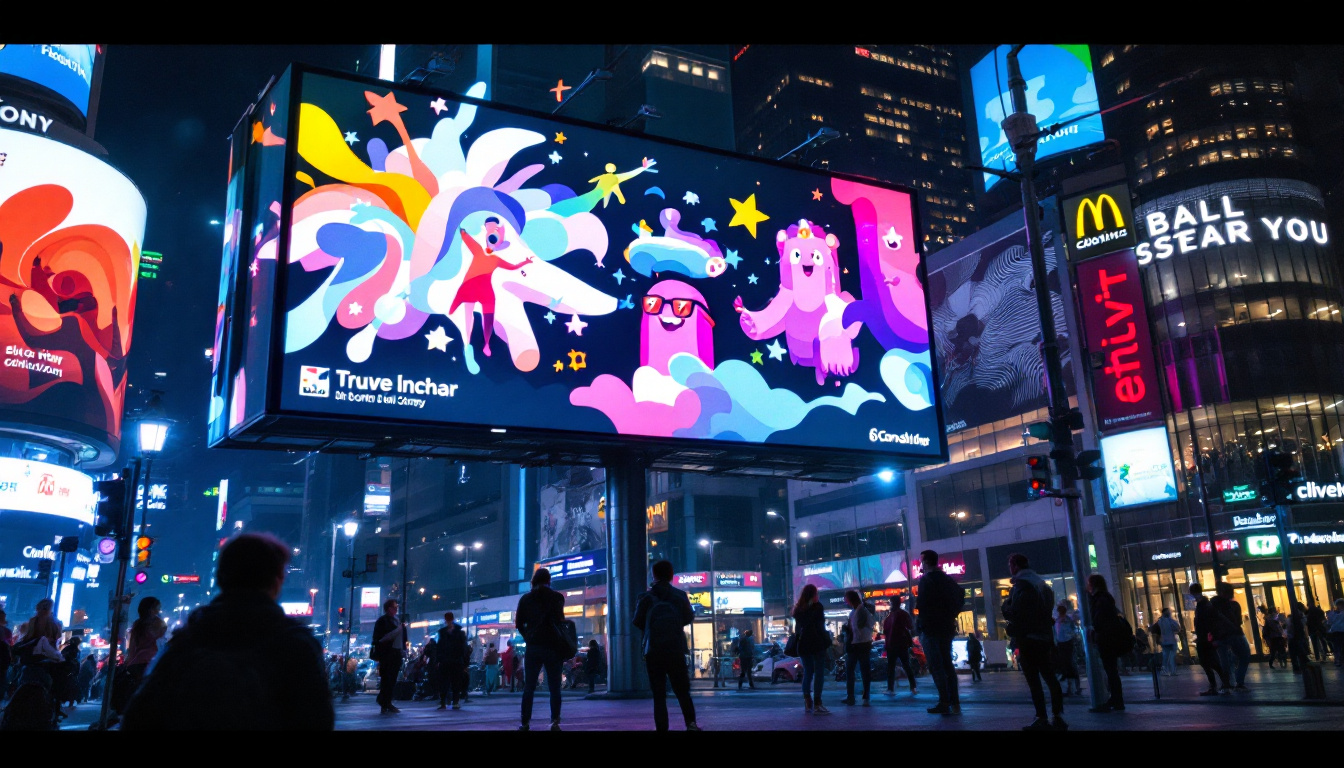
In transportation hubs such as airports, train stations, and bus stops, poster LED displays provide real-time information, advertisements, and wayfinding assistance. Their durability and visibility in various lighting conditions make them ideal for these high-traffic environments. For example, dynamic schedules and emergency alerts can be displayed instantly, improving passenger experience and safety.
Events and Exhibitions
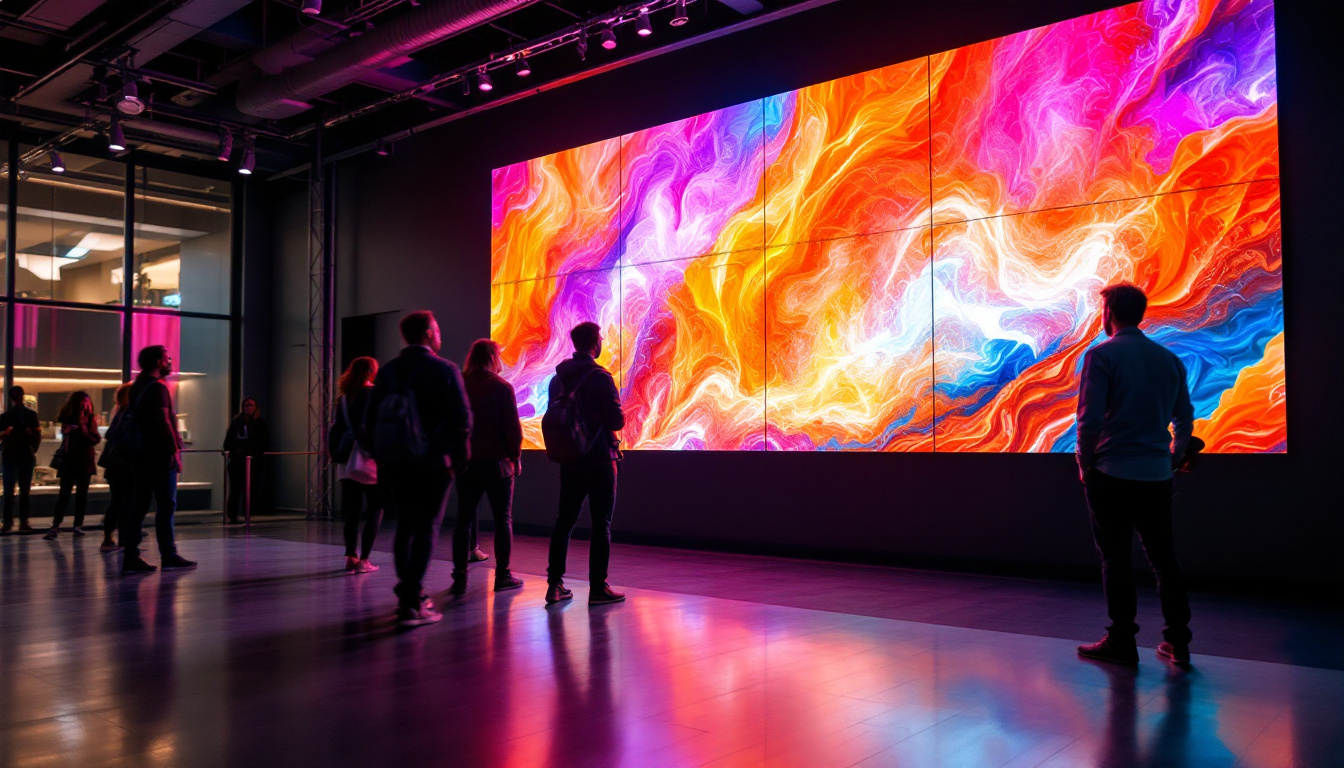
Event organizers and exhibitors use poster LED displays to create immersive and interactive environments. These displays can showcase event schedules, speaker information, or promotional content, enhancing attendee engagement. Their portability and ease of installation also make them suitable for temporary setups at trade shows, concerts, and festivals.
Corporate and Educational Settings
Corporate offices and educational institutions leverage poster LED displays for internal communications, announcements, and branding. In conference rooms or lobbies, these displays can present company news, motivational messages, or educational content, fostering a connected and informed community.
Key Considerations When Choosing a Poster LED Display
Resolution and Pixel Pitch
Choosing the right resolution is critical to ensuring the content looks sharp and professional. For indoor environments where viewers are close to the display, a smaller pixel pitch (e.g., 1.5mm to 2.5mm) is preferable. Outdoor displays can have a larger pixel pitch (e.g., 4mm to 10mm) since viewers are typically farther away.
Brightness and Contrast Ratio
Brightness should be matched to the display environment. Outdoor poster LED displays require higher brightness levels to combat sunlight, while indoor displays can operate at lower brightness to reduce eye strain. A high contrast ratio enhances image depth and clarity, making content more visually appealing.
Durability and Weather Resistance
For outdoor applications, it’s essential to select poster LED displays that are weatherproof and have an appropriate Ingress Protection (IP) rating. This ensures the display can withstand rain, dust, and temperature fluctuations without compromising performance.
Content Management System (CMS)
A user-friendly CMS is vital for managing and scheduling content on poster LED displays. The system should support various media formats, allow remote updates, and offer scheduling capabilities to maximize the display’s effectiveness and ease of use.
Installation and Maintenance
Consider the installation requirements, including mounting options, power supply, and connectivity. Additionally, evaluate the ease of maintenance and availability of technical support to ensure minimal downtime and sustained performance.
Future Trends in Poster LED Displays
Integration with Artificial Intelligence and IoT
Emerging technologies like artificial intelligence (AI) and the Internet of Things (IoT) are set to revolutionize poster LED displays. AI can analyze viewer demographics and behavior to deliver personalized content, while IoT connectivity enables real-time data integration and remote management, enhancing interactivity and efficiency.
Advancements in Mini-LED and Micro-LED Technology
New LED technologies such as mini-LED and micro-LED promise even higher resolution, better color accuracy, and improved energy efficiency. These advancements will enable poster LED displays to deliver cinema-quality visuals in increasingly compact and versatile formats.
Eco-Friendly and Sustainable Solutions
With growing environmental awareness, manufacturers are focusing on sustainable materials and energy-saving designs. Future poster LED displays are expected to incorporate recyclable components and smart power management systems to reduce their ecological footprint.
Conclusion
Poster LED displays represent a powerful and flexible medium for visual communication, combining the impact of traditional posters with the dynamic capabilities of digital technology. Their brightness, versatility, and cost-effectiveness make them an attractive choice for a wide range of applications, from retail and transportation to corporate and event settings.
As technology continues to advance, poster LED displays will become even more sophisticated, offering enhanced interactivity, personalization, and sustainability. For businesses and organizations looking to engage audiences with compelling visual content, investing in poster LED displays is a forward-thinking strategy that delivers measurable results.
Discover the Future of Visual Engagement with LumenMatrix
Ready to elevate your visual communication strategy and captivate your audience like never before? Explore LumenMatrix’s comprehensive range of LED display solutions, from vibrant Indoor and Outdoor LED Wall Displays to innovative Vehicle and Sports LED Displays. Our mission is to revolutionize your brand’s presence with LED Poster Displays, Floor LED Displays, Custom configurations, All-in-One solutions, and Transparent Displays that promise to leave a lasting impression. Check out LumenMatrix LED Display Solutions today and experience the future of dynamic and engaging visual storytelling.