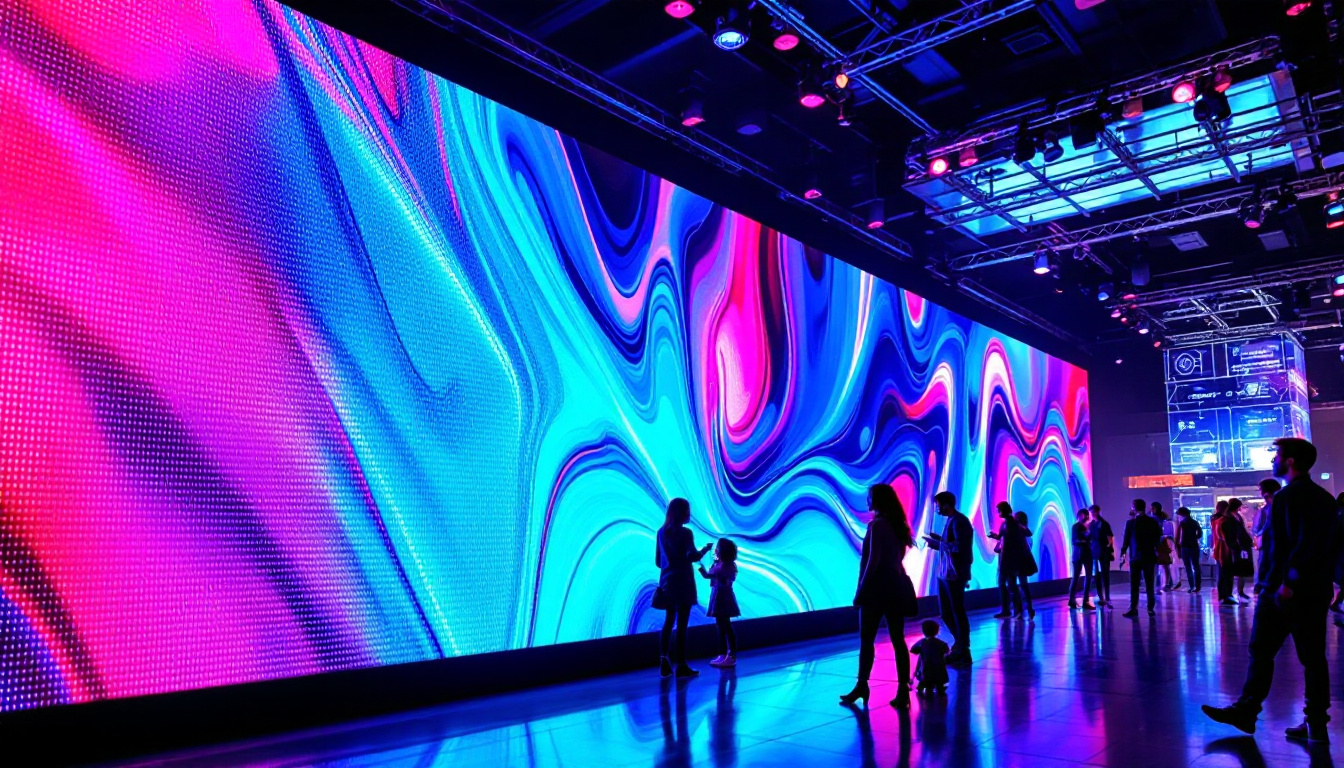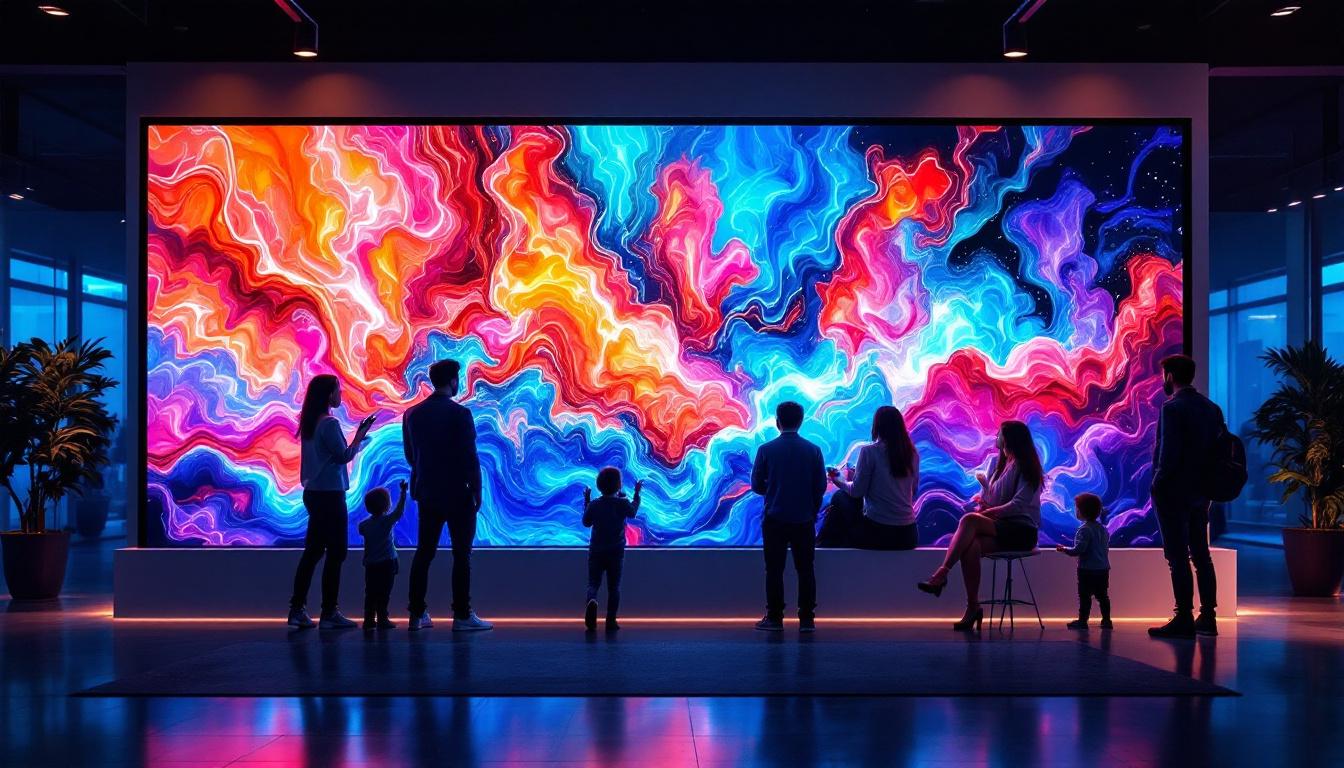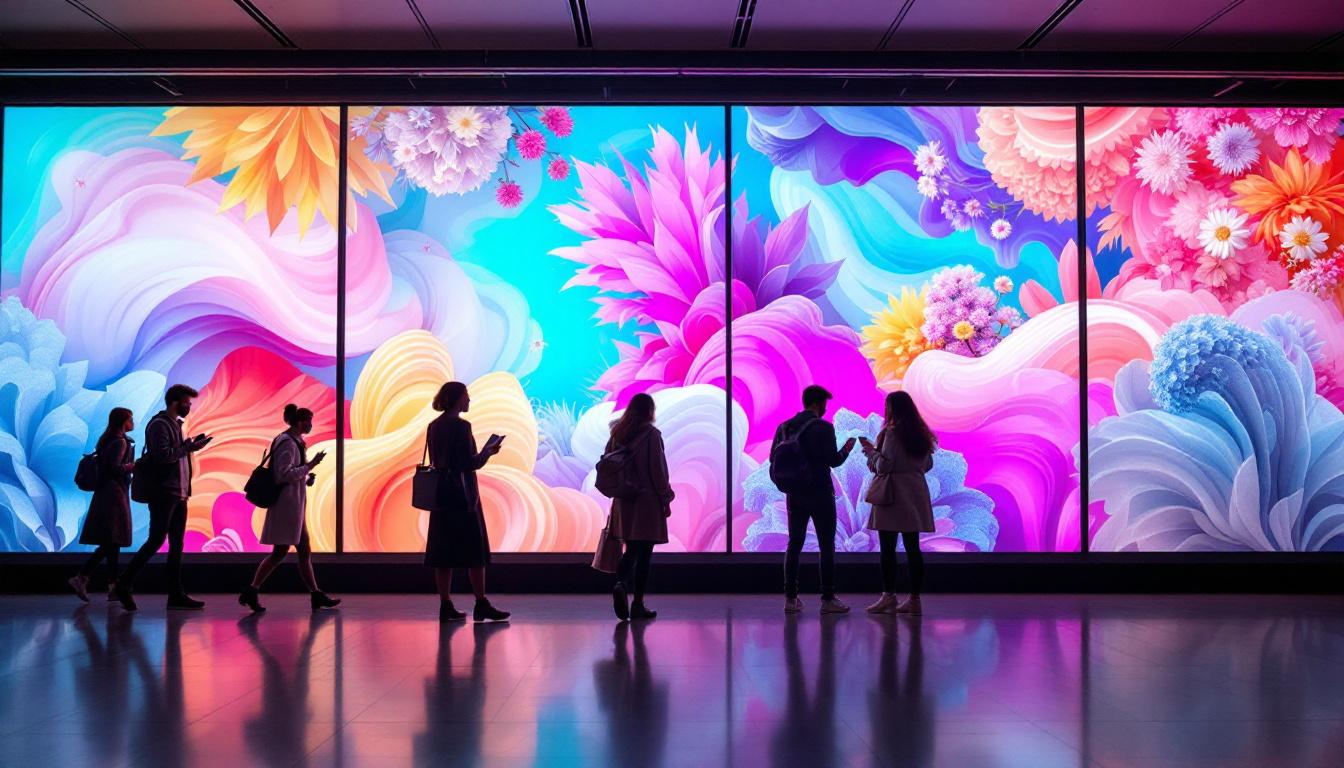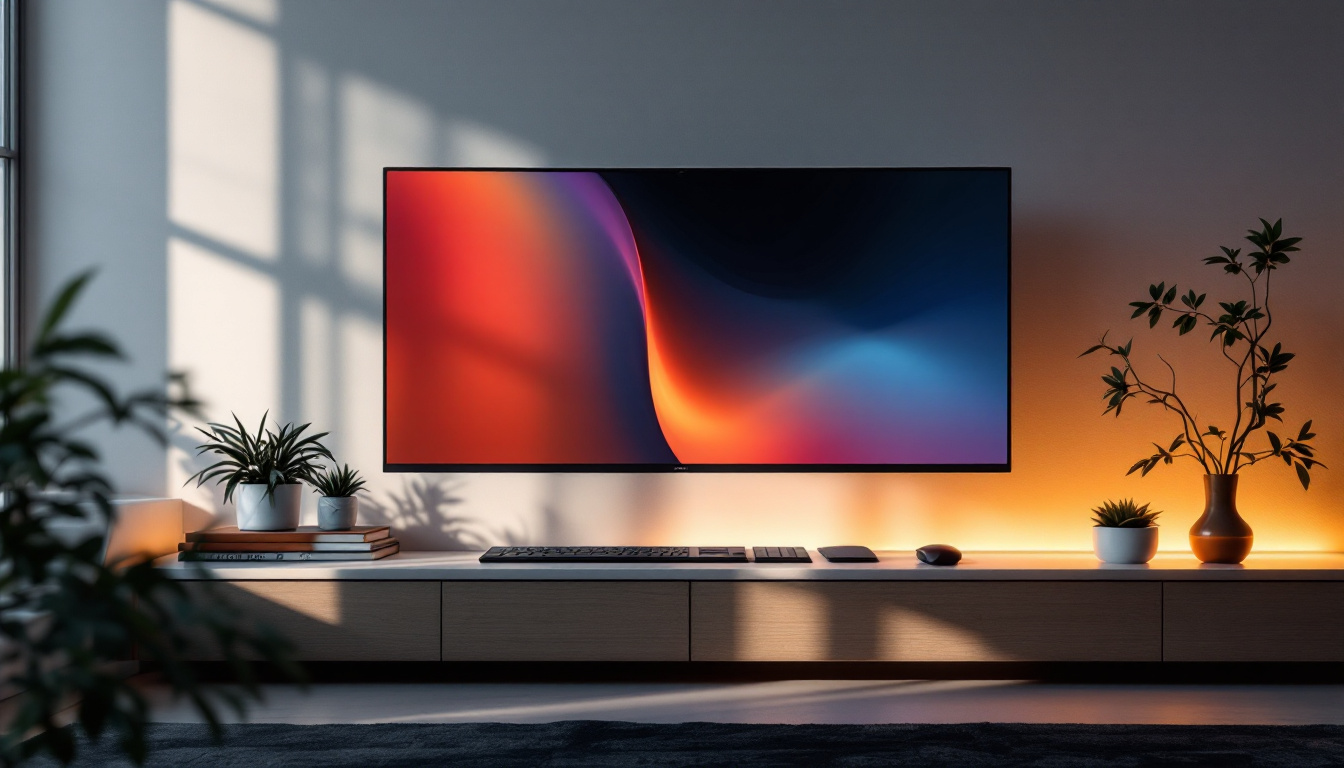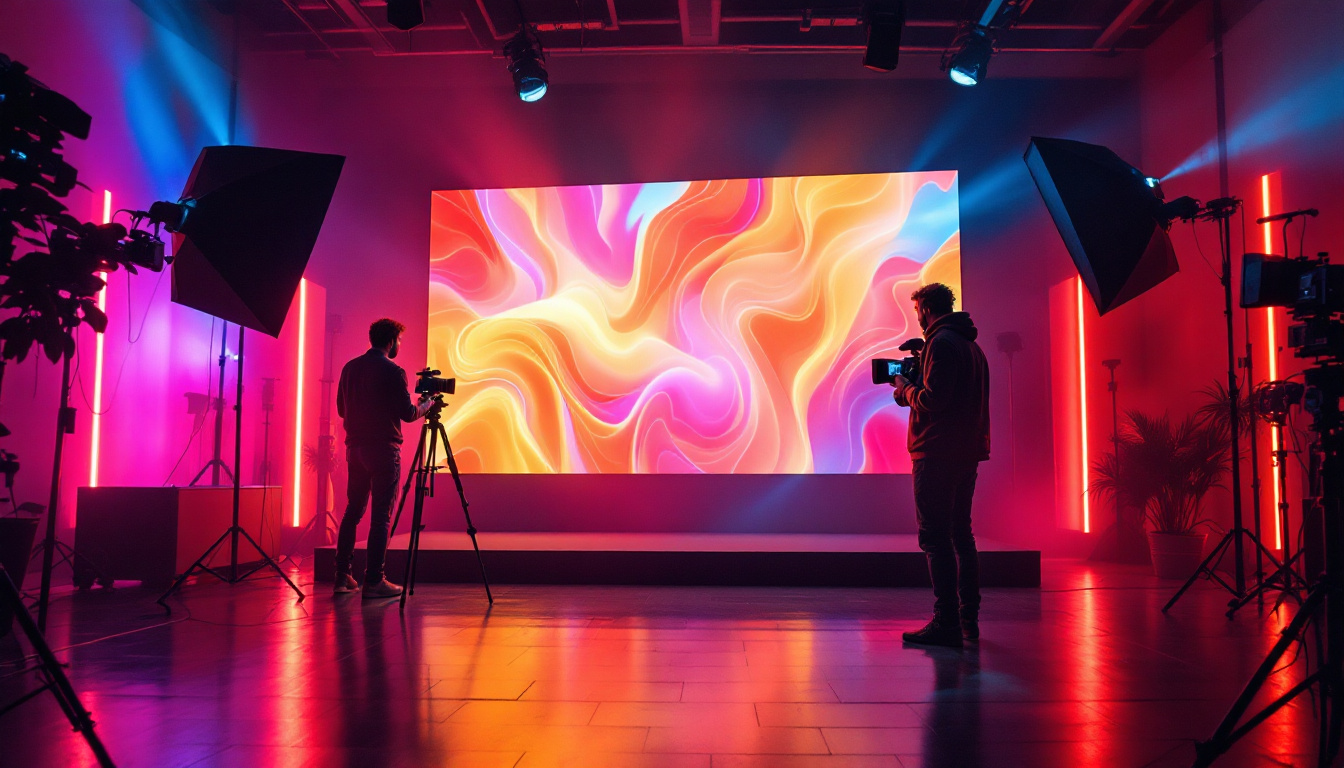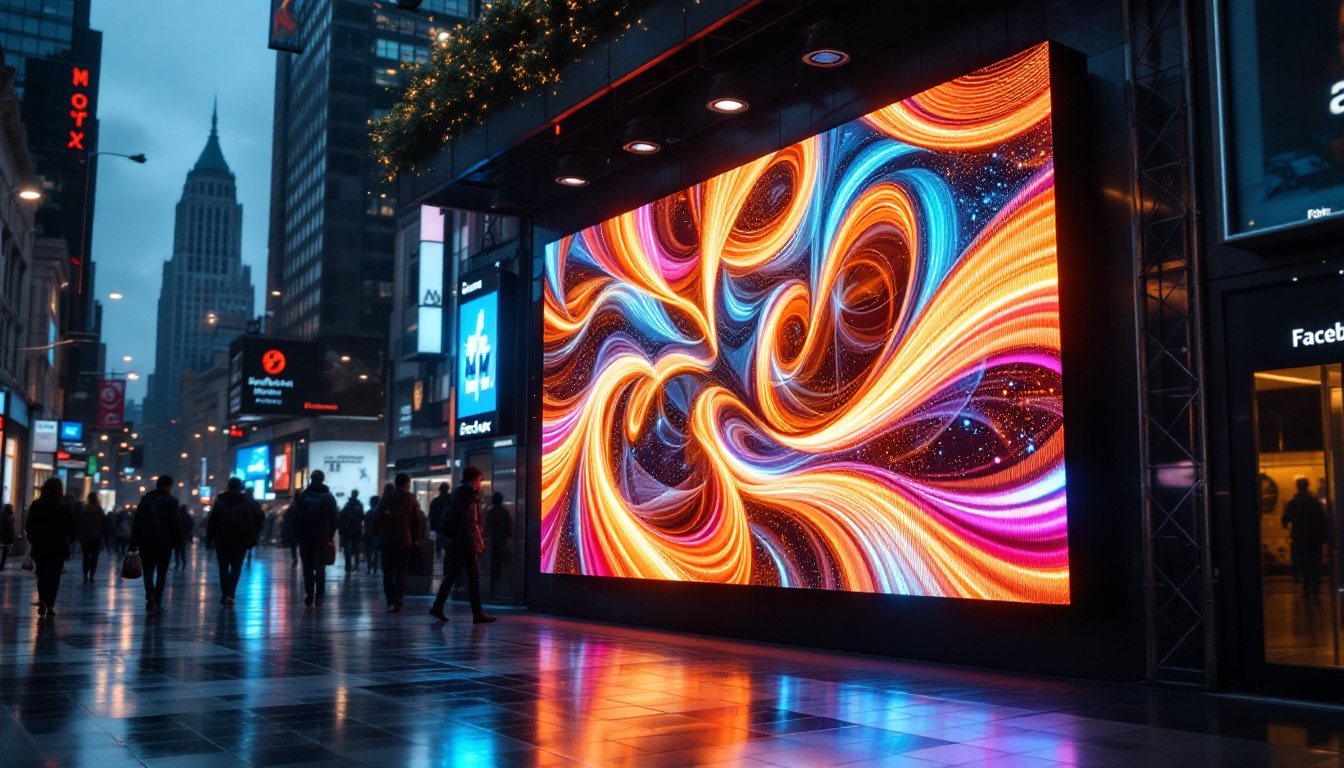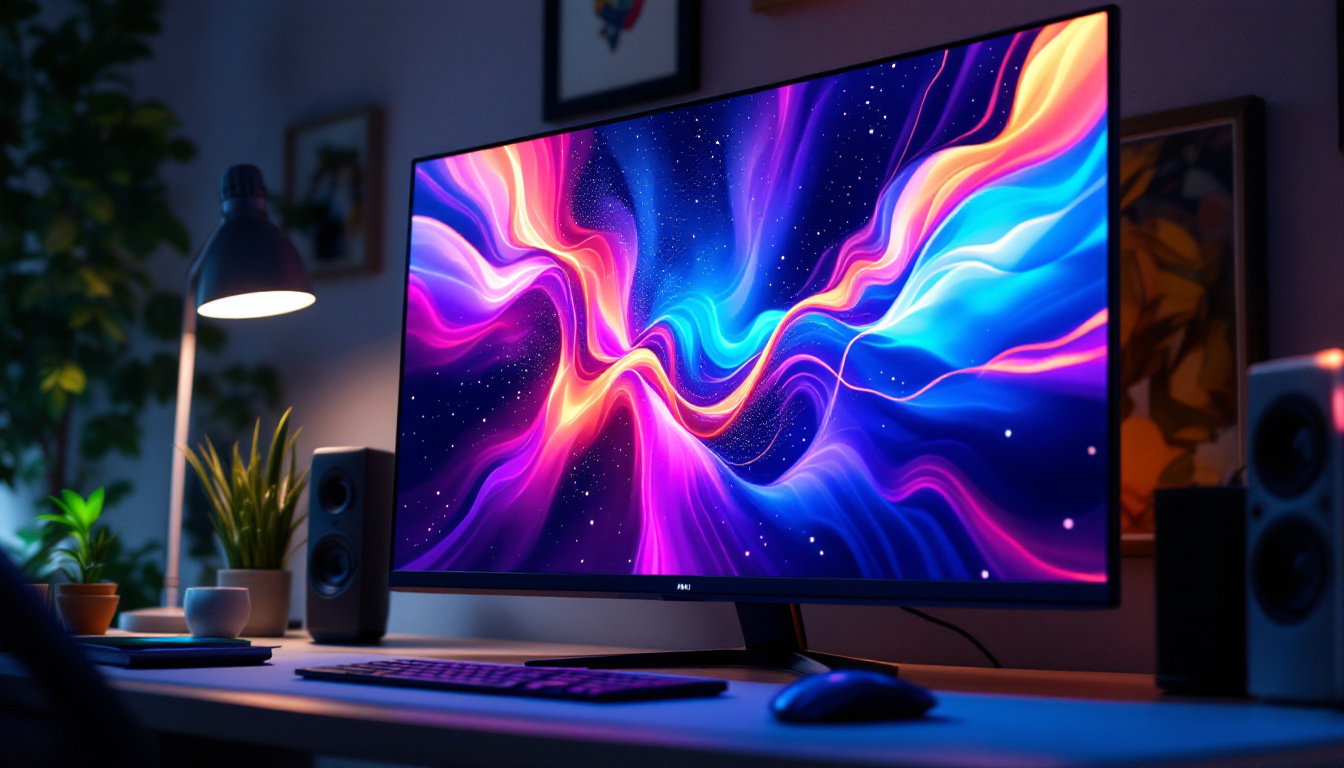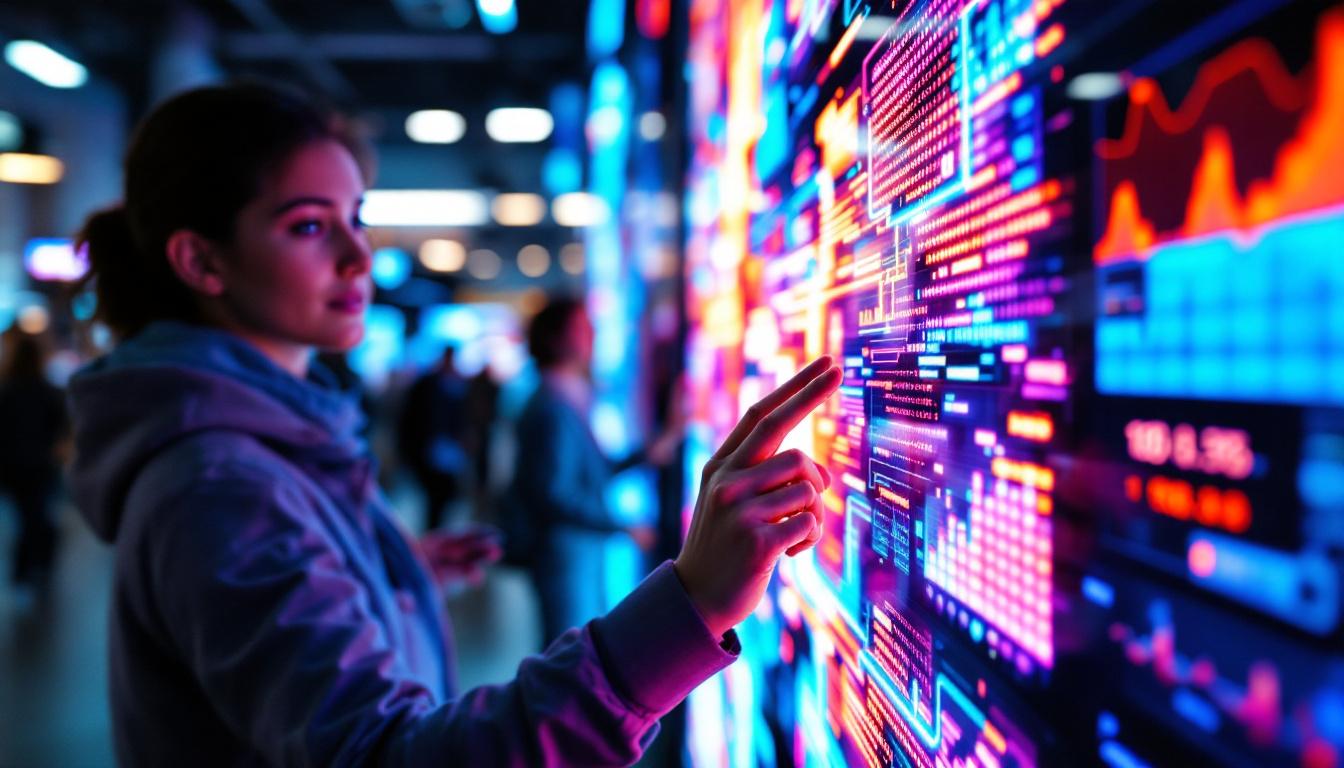
In the rapidly evolving world of digital signage and display technology, LED displays have emerged as a dominant force, revolutionizing how information and visuals are presented across various industries. Among the numerous players and technologies in this space, the term “4Ip” has gained attention for its role in enhancing LED display performance and integration. This article delves deep into the concept of 4Ip in LED displays, explaining what it means, its significance, and how it shapes the future of visual communication.
Understanding LED Display Technology
Before exploring 4Ip, it is essential to understand the fundamentals of LED displays. LED, or Light Emitting Diode, displays use tiny semiconductor devices that emit light when an electric current passes through them. These diodes can be arranged in various configurations to create vibrant, high-resolution screens used in advertising, sports arenas, retail, and even public information systems. The technology has evolved significantly since its inception, leading to the development of various types of LED displays, including OLED and MicroLED, each offering unique benefits and applications.
LED displays offer several advantages over traditional display technologies such as LCD or projection. These include higher brightness, better contrast ratios, wider viewing angles, and superior durability in outdoor environments. According to a 2023 market report by Grand View Research, the global LED display market is expected to grow at a compound annual growth rate (CAGR) of 12.4% from 2023 to 2030, driven by increasing demand for digital signage and smart city initiatives. This growth is also fueled by advancements in technology, such as the integration of artificial intelligence and machine learning, which enhance the functionality and interactivity of LED displays, making them more appealing to advertisers and consumers alike.
The Role of Pixel Pitch in LED Displays
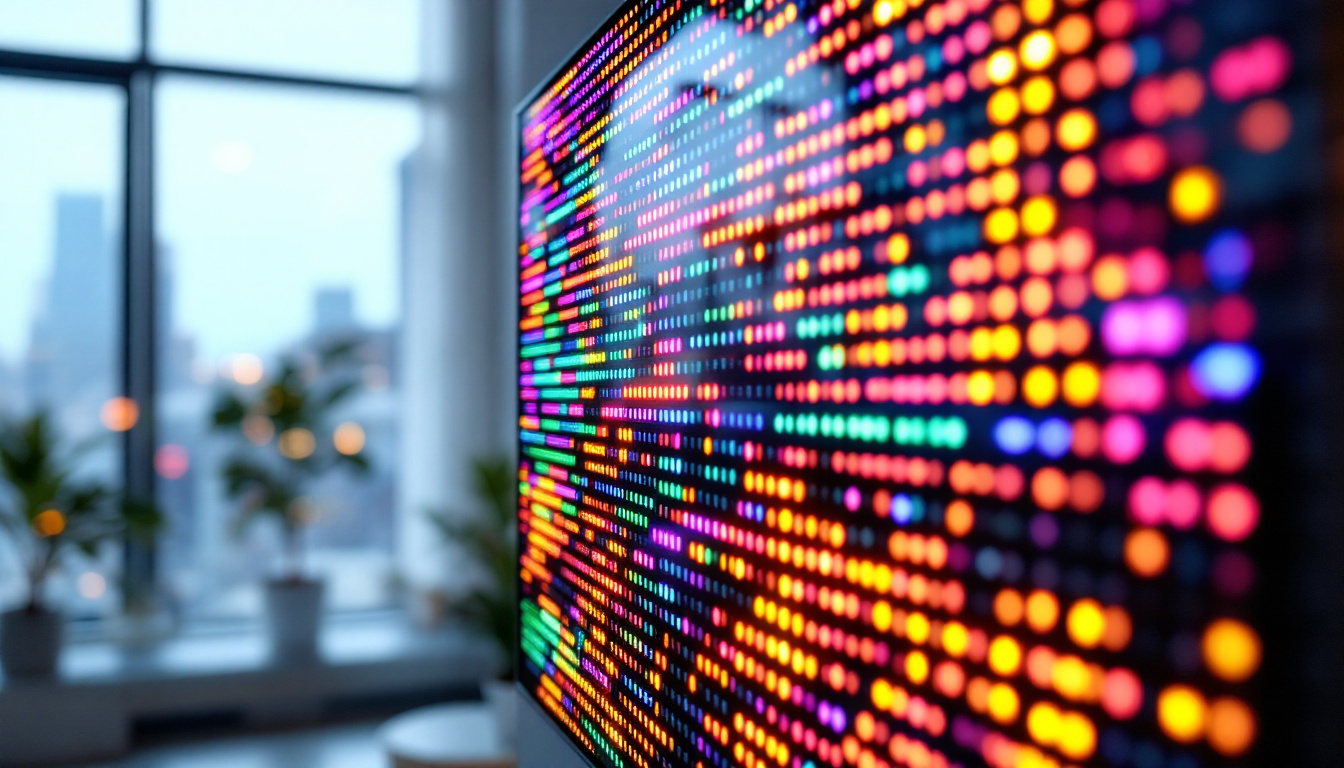
One of the critical parameters in LED display technology is pixel pitch, which refers to the distance between the centers of two adjacent pixels. Pixel pitch directly influences the resolution and viewing distance of the display. Smaller pixel pitches yield higher resolutions, making them ideal for close-up viewing, while larger pixel pitches are suitable for large-scale outdoor displays viewed from a distance. This characteristic is particularly important in environments where clarity and detail are paramount, such as in concert venues or high-end retail spaces.
For example, a pixel pitch of 1.5 mm is commonly used for indoor displays where viewers are close to the screen, whereas outdoor billboards may use pixel pitches of 10 mm or more. Understanding pixel pitch is crucial for selecting the right LED display for a specific application. Moreover, advancements in technology have led to the development of variable pixel pitch displays, which can adjust their pixel density based on the viewer’s distance, providing optimal image quality regardless of the viewing scenario. This flexibility not only enhances the user experience but also allows for more creative and dynamic advertising solutions, making LED displays an increasingly popular choice across various industries.
What is 4Ip in LED Displays?
The term “4Ip” in the context of LED displays often refers to a proprietary or specialized technology or system designed to improve the integration, control, and performance of LED panels. While the exact definition can vary depending on the manufacturer or technology provider, 4Ip generally encompasses four integral components or innovations that enhance LED display functionality.
In many cases, 4Ip stands for a combination of four key elements: Intelligent Processing, Integrated Power Management, Improved Pixel Control, and Interactive Protocols. These components work synergistically to deliver superior image quality, energy efficiency, and seamless user interaction.
Intelligent Processing
Intelligent processing involves advanced algorithms and hardware that optimize the image rendering on LED displays. This includes real-time color correction, brightness adjustment, and dynamic contrast enhancement. By leveraging AI and machine learning, intelligent processing can adapt the display output based on ambient lighting conditions and content type, ensuring optimal viewing experiences.
For instance, some LED display systems use intelligent processing to reduce motion blur in fast-moving video content, which is particularly beneficial for sports broadcasts and live events.
Integrated Power Management
Energy consumption is a significant consideration for large-scale LED installations. Integrated power management systems within 4Ip technology monitor and regulate power usage across the display panels, reducing wastage and extending the lifespan of components. This is achieved through smart dimming, selective pixel activation, and efficient voltage regulation.
Such power optimization not only lowers operational costs but also supports sustainability goals, a growing priority for many organizations deploying digital signage.
Improved Pixel Control
Improved pixel control refers to the enhanced precision in managing individual LED pixels. This includes better calibration techniques, error correction, and uniformity adjustments that ensure consistent brightness and color accuracy across the entire display. Advanced pixel control also facilitates higher refresh rates and reduces flicker, which is critical for both viewer comfort and display longevity.
Interactive Protocols
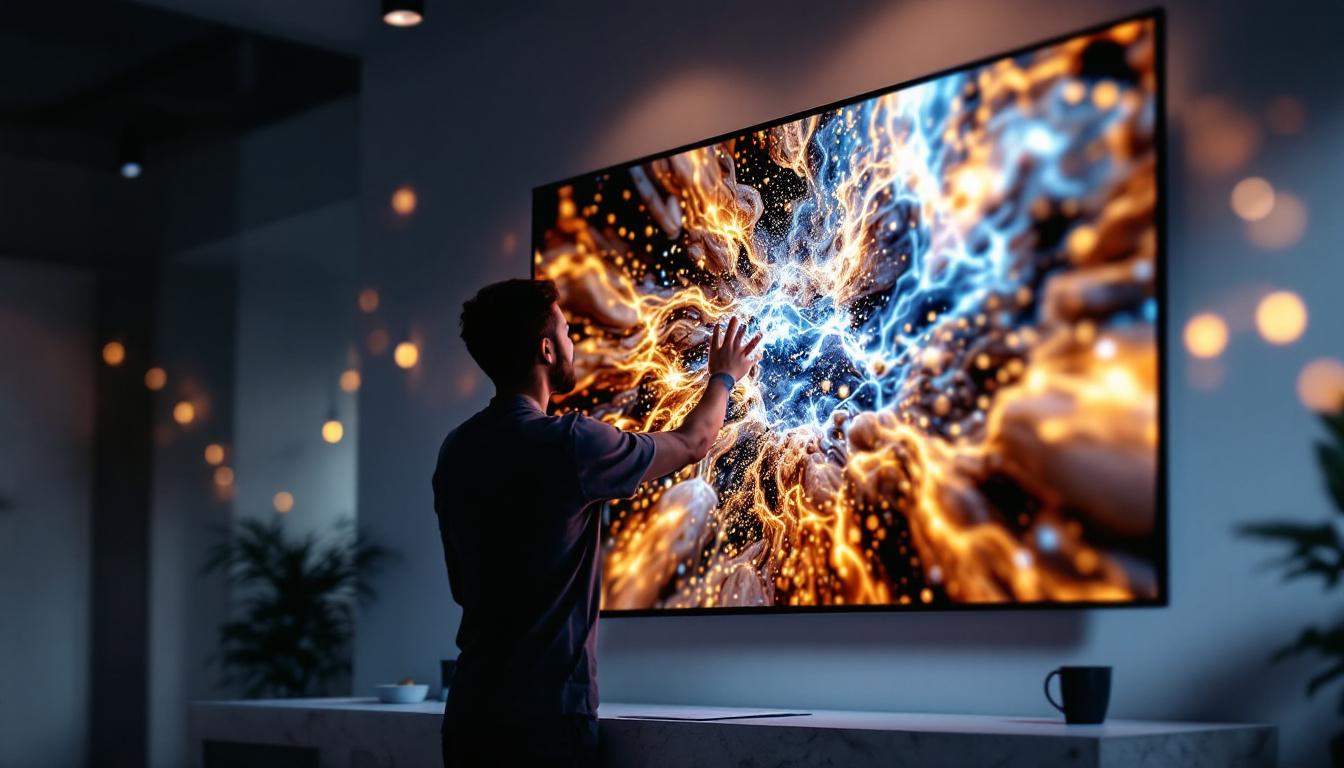
Interactivity is becoming a cornerstone of modern LED displays, especially in retail, entertainment, and public information sectors. Interactive protocols embedded within 4Ip technology enable seamless communication between the display and external devices such as smartphones, sensors, and control systems. This allows for dynamic content updates, gesture controls, and personalized viewer experiences.
For example, an LED display in a shopping mall might use interactive protocols to change advertisements based on the demographic data collected from nearby shoppers’ mobile devices.
Applications and Benefits of 4Ip LED Displays
The integration of 4Ip technology into LED displays unlocks numerous applications and benefits across various sectors. Its ability to combine intelligent processing, power management, pixel control, and interactivity makes it a versatile solution for modern visual communication needs.
Advertising and Digital Signage
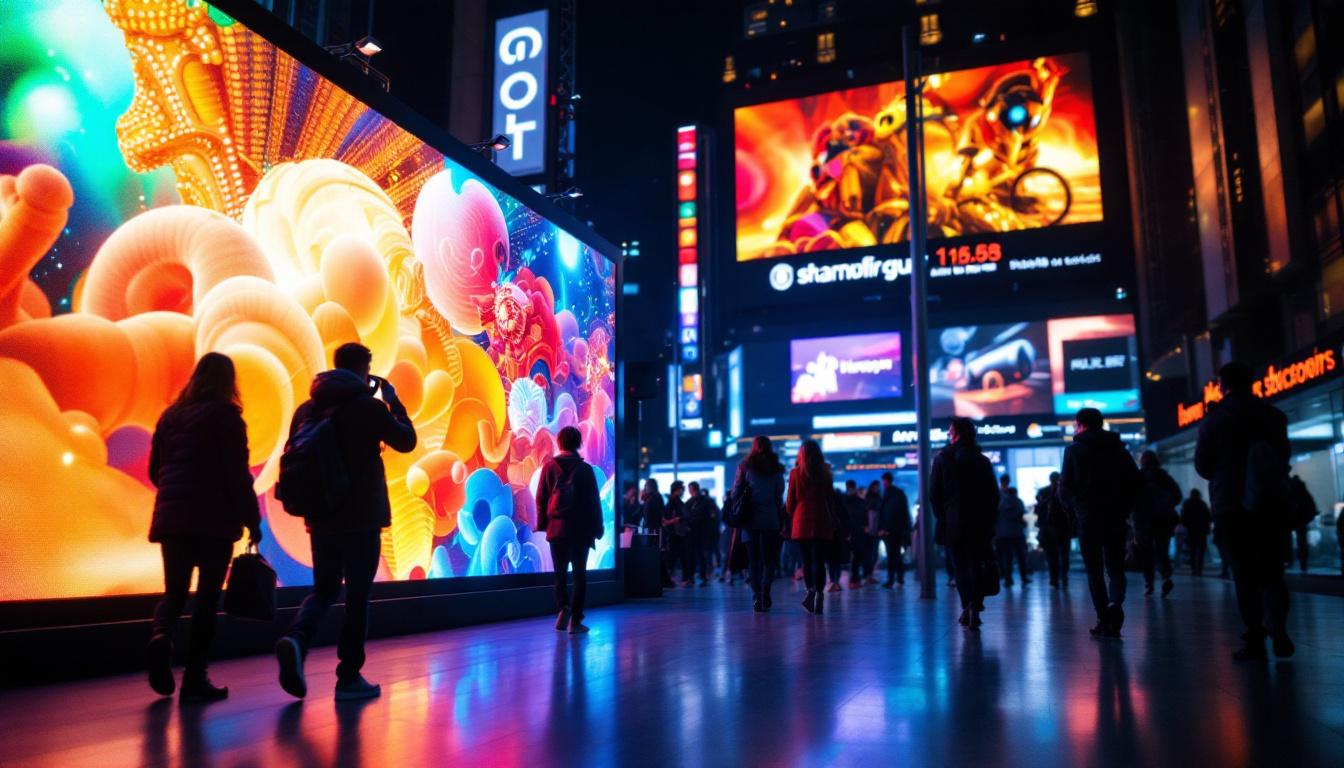
In advertising, the clarity and vibrancy of LED displays are paramount. 4Ip technology ensures that advertisements are rendered with stunning detail and color accuracy, capturing audience attention effectively. Additionally, the interactive capabilities allow marketers to deliver personalized content, increasing engagement and conversion rates.
According to a 2022 Nielsen study, digital signage with interactive features can boost consumer engagement by up to 47%, highlighting the importance of technologies like 4Ip in this space.
Sports and Entertainment Venues
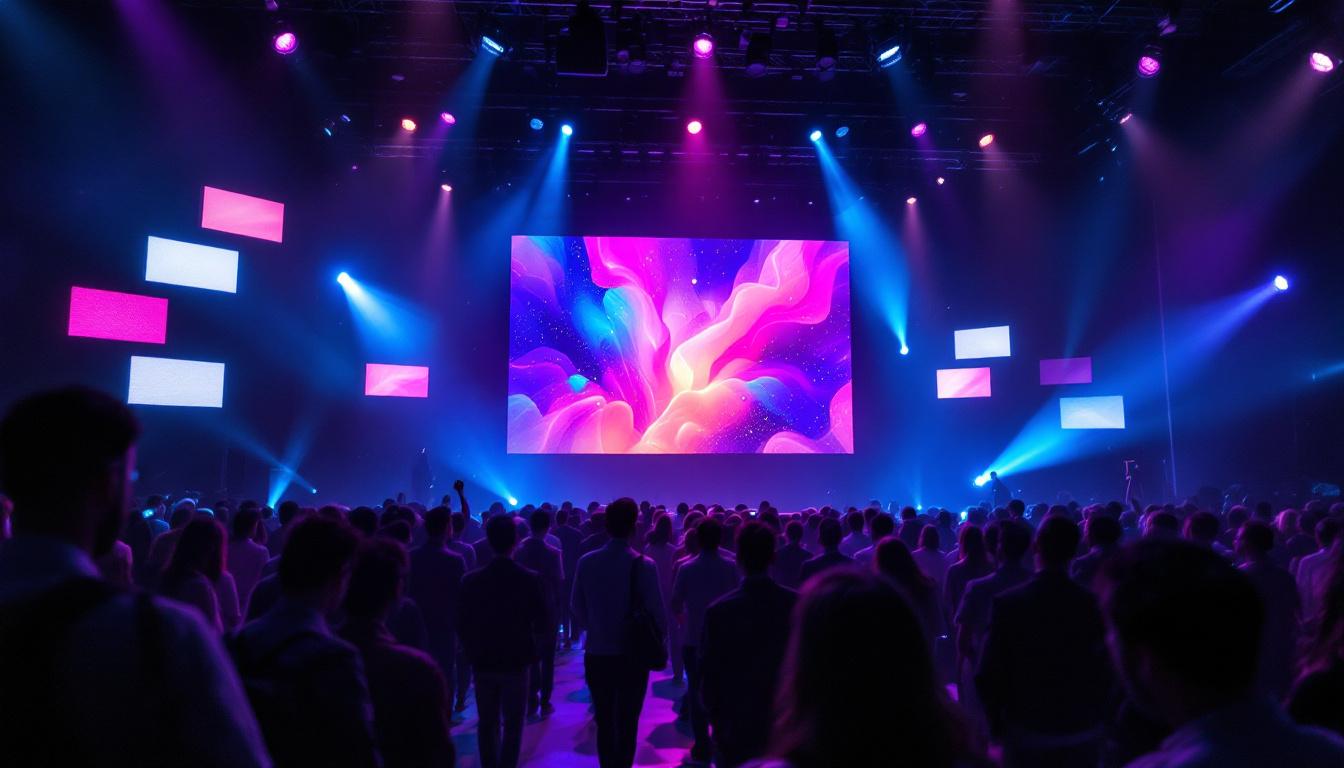
Large-scale LED displays in stadiums and arenas benefit significantly from 4Ip’s improved pixel control and intelligent processing. These features provide clear visuals regardless of ambient lighting or viewing angles, enhancing the spectator experience. Moreover, integrated power management helps venues reduce energy costs during events.
Smart Cities and Public Information Systems
Smart city initiatives increasingly rely on LED displays for real-time information dissemination, traffic management, and emergency alerts. The interactive protocols within 4Ip systems enable these displays to communicate with other smart infrastructure components, providing dynamic and context-aware information to citizens.
Retail and Hospitality
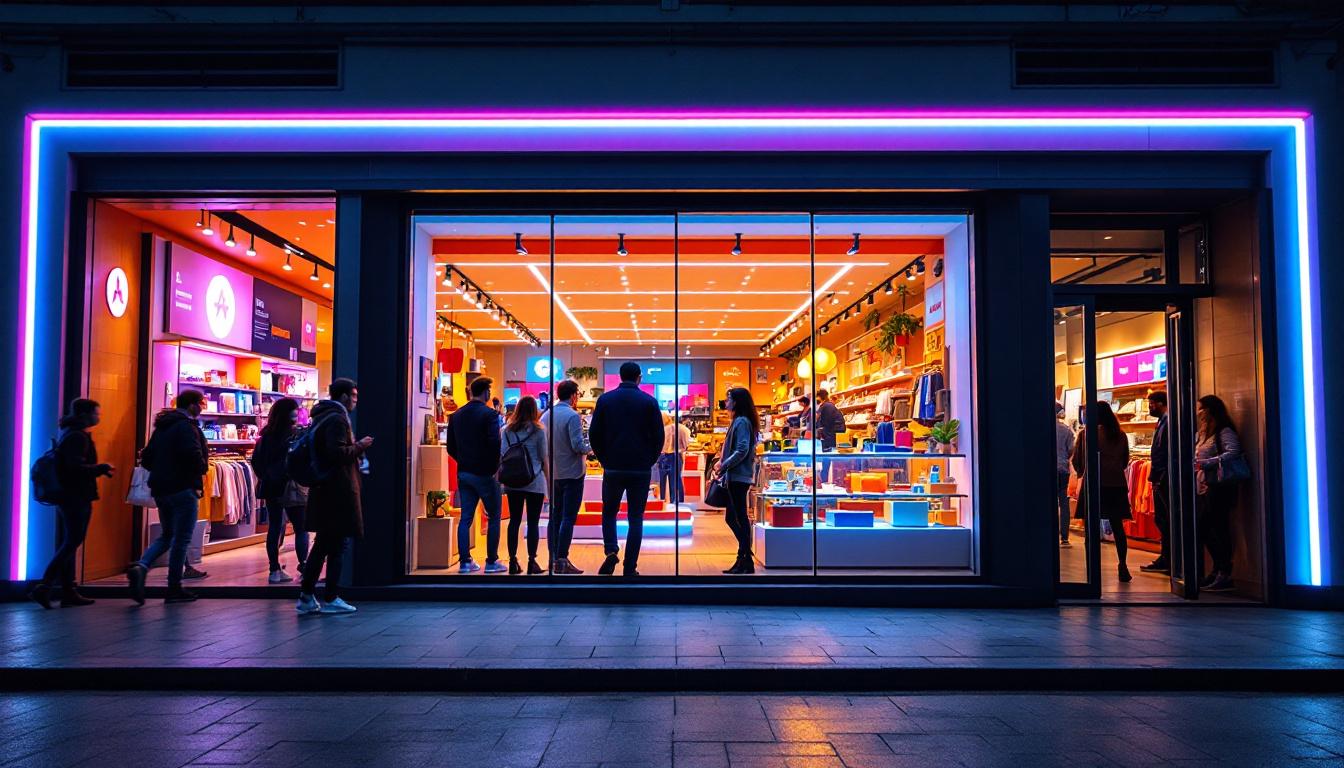
Retailers and hospitality providers use LED displays to create immersive environments and communicate promotions. The ability to adapt content dynamically through intelligent processing and interactivity allows businesses to tailor messages to their audience in real time, improving customer satisfaction and sales.
Choosing the Right 4Ip LED Display
Selecting an appropriate LED display equipped with 4Ip technology requires careful consideration of several factors. These include the intended application, viewing environment, budget, and technical specifications.
Assessing Viewing Distance and Resolution Needs
As discussed earlier, pixel pitch plays a crucial role in determining the suitable LED display. For indoor environments where viewers are close, a smaller pixel pitch with higher resolution is necessary. Conversely, outdoor or large venue displays can utilize larger pixel pitches without compromising visibility.
Evaluating Brightness and Weather Resistance
Outdoor LED displays must withstand varying weather conditions and maintain visibility under direct sunlight. Look for displays with high brightness levels (often exceeding 5,000 nits) and robust IP ratings (such as IP65 or higher) to ensure durability and performance.
Integration and Control Features
Ensure that the 4Ip LED display integrates smoothly with existing control systems and supports the interactive protocols required for your application. Compatibility with content management software and remote monitoring tools can also enhance operational efficiency.
Energy Efficiency and Maintenance
Consider the energy consumption of the display and the availability of integrated power management features. Additionally, inquire about maintenance requirements and support services to minimize downtime and extend the display’s lifespan.
The Future of 4Ip and LED Display Technology
The LED display industry continues to innovate, with 4Ip technology representing a significant step toward smarter, more efficient, and interactive displays. Future developments are likely to focus on further integration of AI-driven content optimization, enhanced interactivity through augmented reality (AR), and even greater energy efficiency.
Emerging trends such as microLED technology promise even higher resolutions and brightness levels with lower power consumption, potentially complementing or evolving the current 4Ip framework. Additionally, as 5G networks expand, real-time data exchange and remote control of LED displays will become more seamless, enabling more dynamic and personalized visual experiences.
Impact on Industries and Consumers
For businesses and organizations, these advancements mean more effective communication tools that can adapt to changing needs and environments. Consumers will benefit from more engaging, informative, and immersive visual content in public spaces, retail environments, and entertainment venues.
Challenges and Considerations
Despite the promising outlook, challenges remain, including the initial investment costs, the need for skilled installation and maintenance personnel, and concerns around data privacy in interactive displays. Addressing these issues will be critical to the widespread adoption and success of 4Ip-enabled LED displays.
Conclusion
4Ip technology represents a comprehensive approach to enhancing LED display performance through intelligent processing, integrated power management, improved pixel control, and interactive protocols. By understanding these components and their benefits, businesses and organizations can make informed decisions when investing in LED displays for advertising, entertainment, public information, and beyond.
As LED technology continues to evolve, the integration of systems like 4Ip will play a pivotal role in shaping the future of digital visual communication, offering brighter, smarter, and more engaging displays that meet the demands of a connected world.
Discover the Future of Visual Communication with LumenMatrix
Ready to elevate your visual messaging with the latest in LED technology? LumenMatrix is at the forefront of the 4Ip revolution, offering a comprehensive range of LED display solutions tailored to your unique needs. From captivating Indoor LED Walls to dynamic Outdoor Displays, and from versatile Vehicle LED Displays to innovative Transparent LED solutions, our mission is to transform your brand’s visibility. Experience the power of enhanced engagement and crystal-clear communication with LumenMatrix. Check out LumenMatrix LED Display Solutions today and join the visual revolution.