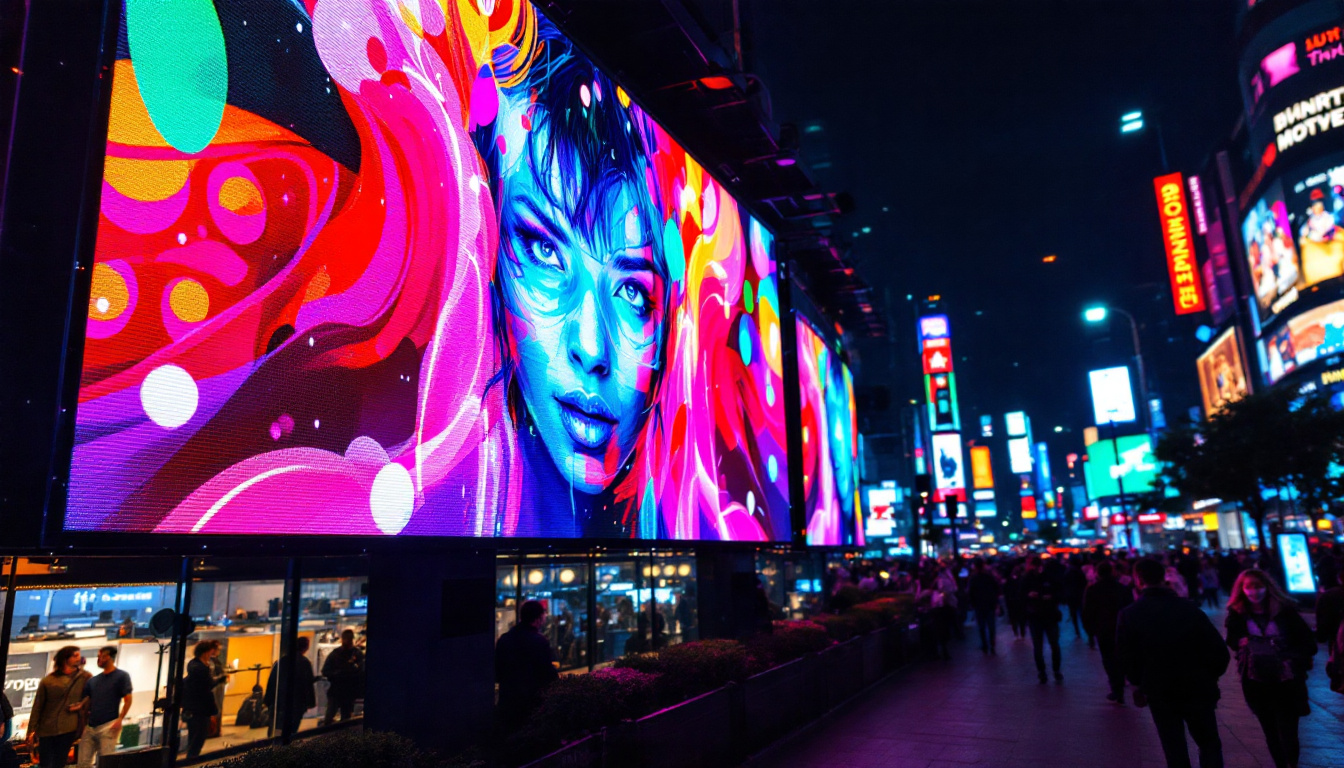
Outdoor LED light panels have become a cornerstone of modern advertising, public information systems, and event displays. Their vibrant colors, high brightness, and durability make them ideal for use in diverse weather conditions and lighting environments. As technology advances, understanding the components, benefits, and applications of outdoor LED displays is crucial for businesses, event planners, and city officials looking to invest in effective visual communication tools.
What Is an Outdoor LED Light Panel?
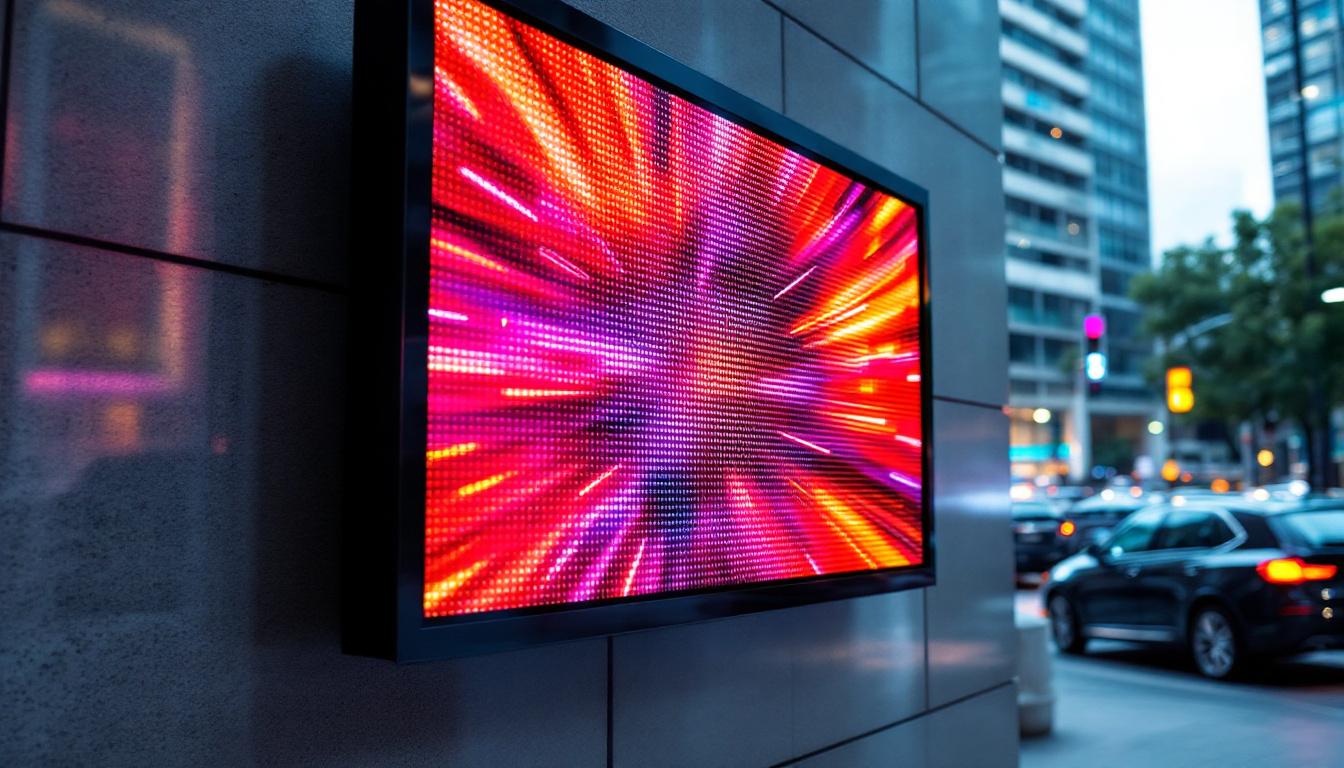
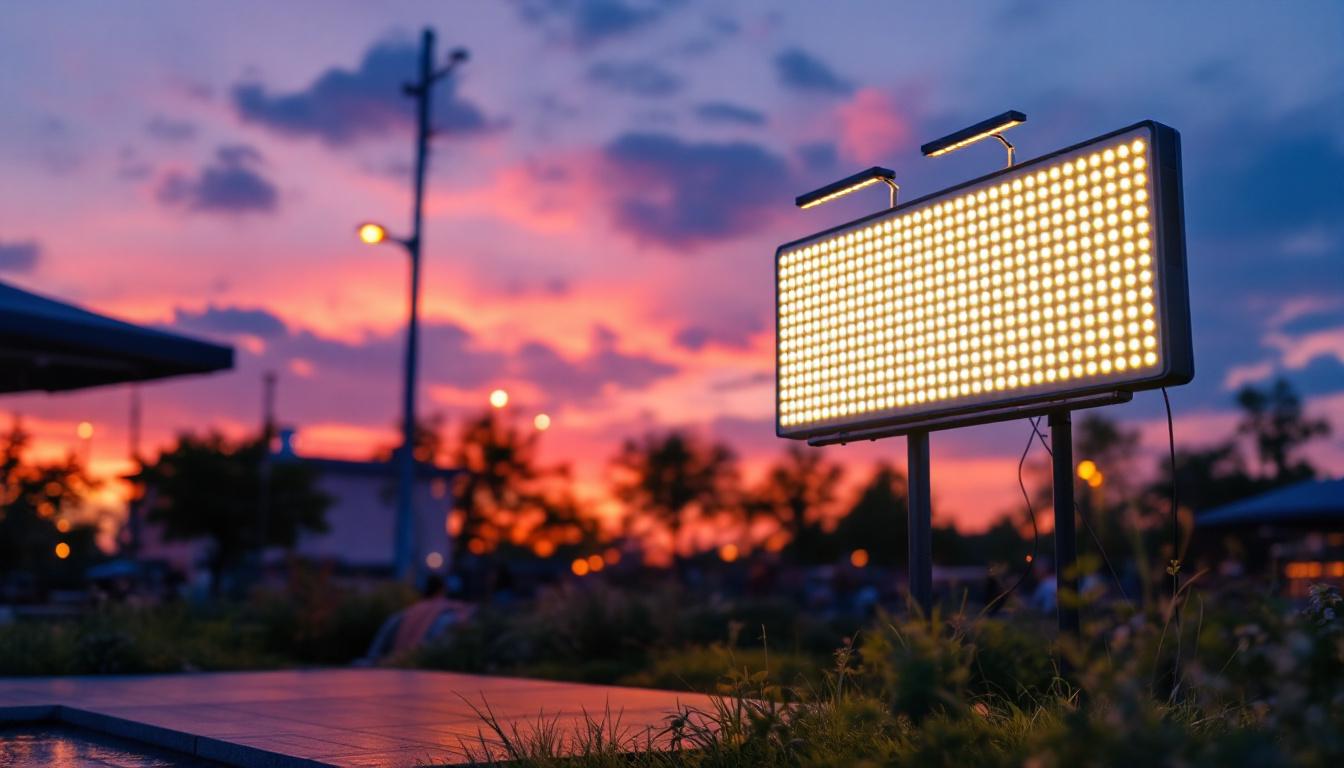
An outdoor LED light panel is a digital display that uses light-emitting diodes (LEDs) to present images, videos, and text. Unlike traditional signage, these panels are designed specifically to withstand outdoor elements such as rain, wind, dust, and extreme temperatures. Their robust construction and advanced technology enable them to deliver clear, bright visuals even in direct sunlight.
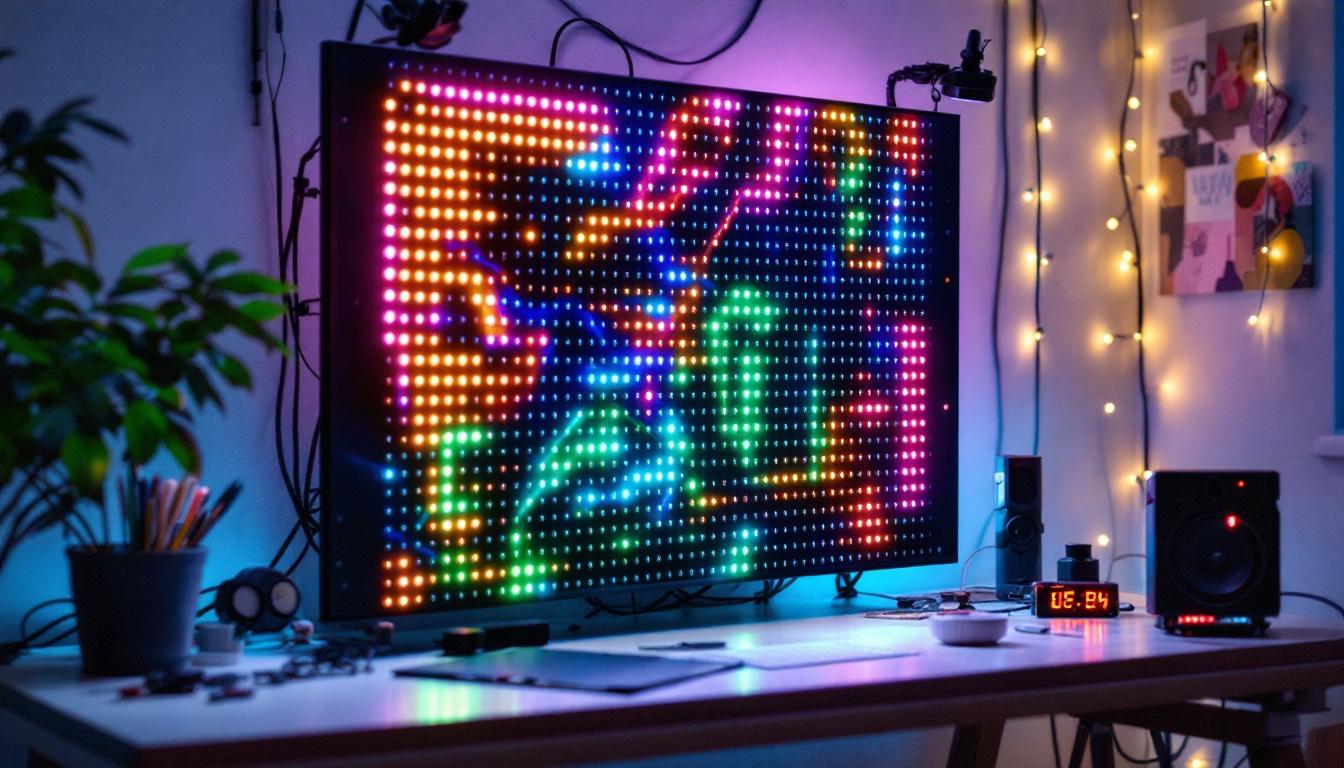
The core technology behind these panels involves tiny LEDs arranged in a grid. Each LED acts as a pixel, and by controlling the brightness and color of each diode, the panel can display complex images and animations. Outdoor LED panels vary in size from small signage boards to massive billboards towering over city streets. The versatility of these displays makes them ideal for a wide range of applications, from advertising and public announcements to artistic installations and event promotions.
Key Components of Outdoor LED Displays
Understanding the anatomy of an outdoor LED light panel helps clarify why they are so effective. The main components include:
- LED Modules: These are the building blocks of the display, consisting of clusters of LEDs that produce the light and color.
- Cabinet: The protective housing that holds the LED modules together, designed to be weatherproof and durable.
- Power Supply: Converts electrical power to the appropriate voltage and current needed for the LEDs.
- Control System: Manages the content shown on the display, often via software that allows remote updates and scheduling.
- Cooling System: Ensures the panel operates within safe temperature ranges, which is critical for longevity and performance.
In addition to these core components, outdoor LED light panels often incorporate advanced features such as automatic brightness adjustment, which optimizes visibility based on ambient light conditions. This ensures that the content remains vibrant and legible at all times, whether during the bright light of day or in the dimness of night. Furthermore, many outdoor LED displays are now equipped with smart technology, allowing for real-time updates and interactive content that can engage viewers more effectively. This capability has transformed how businesses and organizations communicate with their audiences, making messages more dynamic and timely.
Moreover, the installation of outdoor LED light panels can be a strategic investment for businesses looking to enhance their visibility. With the ability to change messages instantly, companies can promote special offers, announce events, or share important information without the need for costly and time-consuming print materials. This flexibility not only saves money but also allows for a more responsive marketing strategy that can adapt to changing circumstances and audience needs. As a result, outdoor LED light panels are becoming an increasingly popular choice for both urban and rural settings, enhancing the visual landscape while providing essential information to the public.
Advantages of Outdoor LED Displays
Outdoor LED panels offer several advantages over traditional signage and other digital display technologies. These benefits have driven their widespread adoption in advertising, public safety, and entertainment.
High Brightness and Visibility
One of the most significant advantages of outdoor LED displays is their brightness. Modern outdoor panels can reach brightness levels of 5,000 to 7,000 nits or more, making them easily visible even in direct sunlight. This capability ensures that messages remain clear and eye-catching throughout the day and night.
Compared to LCD or projection-based displays, LEDs offer better contrast and color accuracy, which enhances readability and viewer engagement. This is particularly important for advertisers who want to capture attention in busy urban environments.
Energy Efficiency and Longevity
LED technology is inherently energy-efficient. Outdoor LED panels consume significantly less power than traditional neon or incandescent signage, reducing operational costs. Advances in LED chip design and power management have further improved efficiency, enabling longer run times with lower energy consumption.
Additionally, outdoor LED displays are built to last. High-quality panels can operate continuously for over 100,000 hours before significant degradation occurs. This durability reduces maintenance costs and downtime, providing a better return on investment for owners.
Flexibility and Dynamic Content
Unlike static signs, LED panels allow for dynamic and programmable content. This flexibility means businesses can update advertisements in real time, display emergency alerts, or showcase event schedules without physically changing the signage. The ability to schedule content based on time of day or audience demographics adds a layer of strategic communication previously unavailable.
Technical Specifications to Consider
When selecting an outdoor LED light panel, several technical factors influence performance and suitability for specific applications. Understanding these specifications helps ensure the display meets the intended use case.
Pixel Pitch
Pixel pitch refers to the distance between the centers of two adjacent LEDs, typically measured in millimeters. It directly impacts the resolution and viewing distance of the display. Smaller pixel pitches provide higher resolution and are suitable for close-up viewing, while larger pitches are better for long-distance visibility.
For example, a pixel pitch of 10mm might be ideal for a roadside billboard viewed from hundreds of feet away, whereas a 3mm pitch would be better for a sports arena scoreboard where viewers are closer.
Ingress Protection (IP) Rating
Outdoor LED panels must withstand exposure to water, dust, and other environmental hazards. The IP rating indicates the level of protection. For outdoor use, an IP65 rating or higher is recommended, meaning the display is dust-tight and protected against water jets.
Refresh Rate
The refresh rate, measured in Hertz (Hz), determines how often the image on the screen updates per second. Higher refresh rates reduce flicker and improve the clarity of moving images, which is important for video content and live broadcasts. Outdoor LED panels typically have refresh rates of 1920Hz or higher, ensuring smooth visuals.
Viewing Angle
Viewing angle defines the maximum angle from which the display can be viewed without significant loss of brightness or color distortion. Outdoor LED panels generally offer wide viewing angles, often 120 degrees or more horizontally and vertically, to ensure visibility from various positions.
Applications of Outdoor LED Light Panels
The versatility of outdoor LED displays makes them suitable for a wide range of applications across industries and sectors. Their ability to deliver vibrant, dynamic content in challenging environments is a key factor in their popularity.
Advertising and Marketing
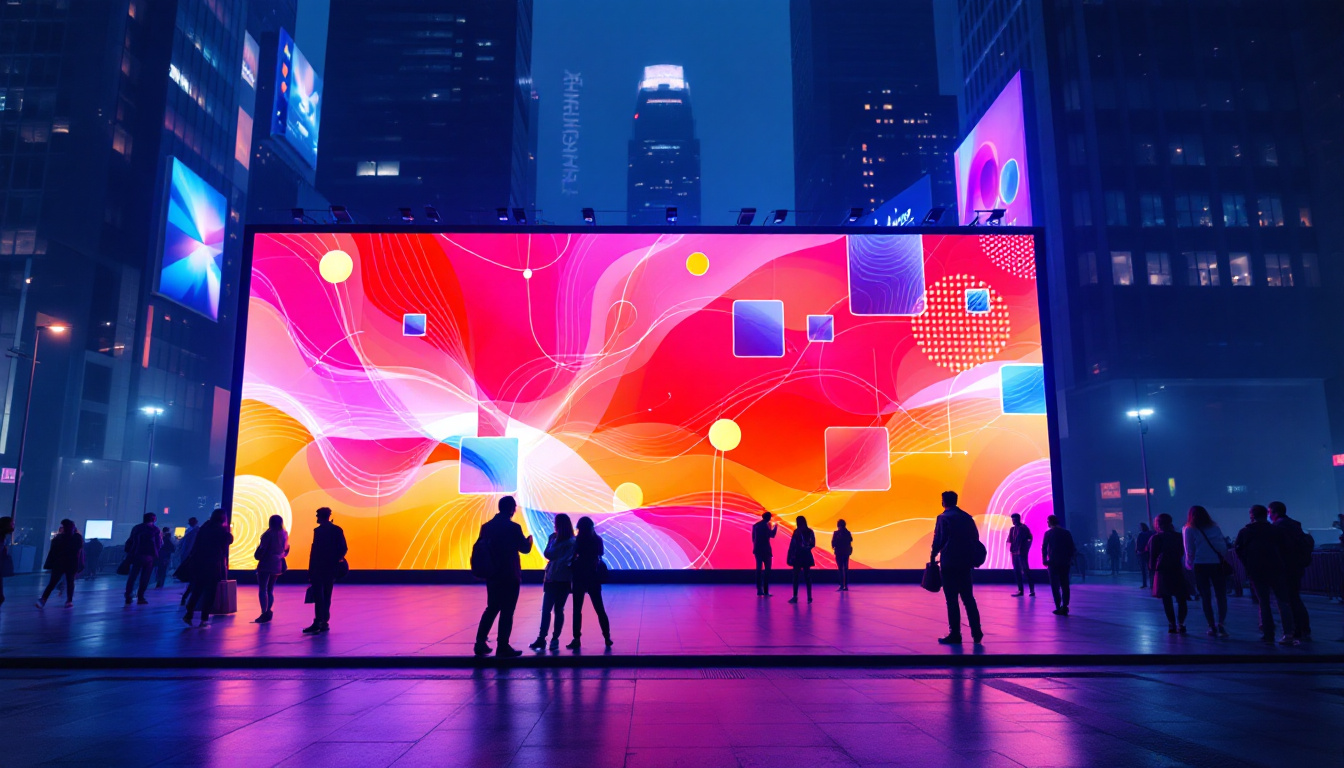
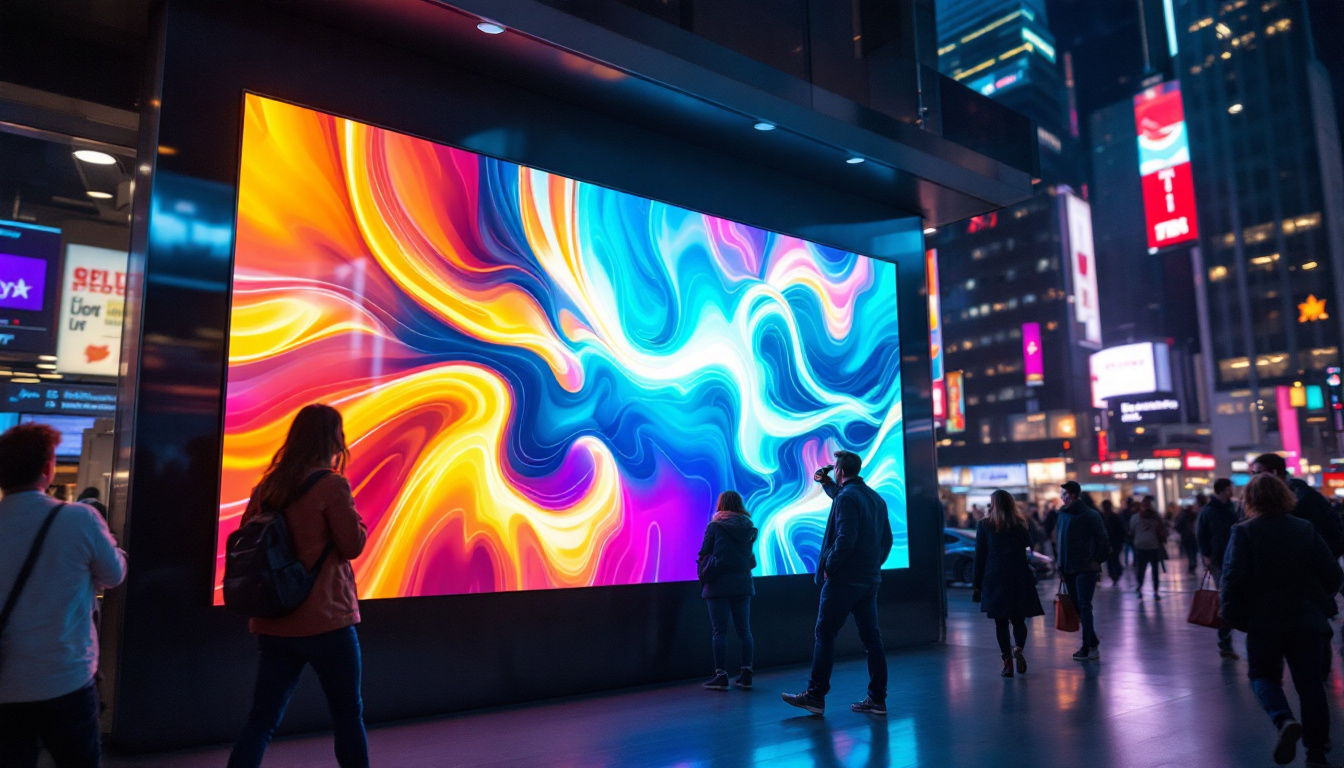
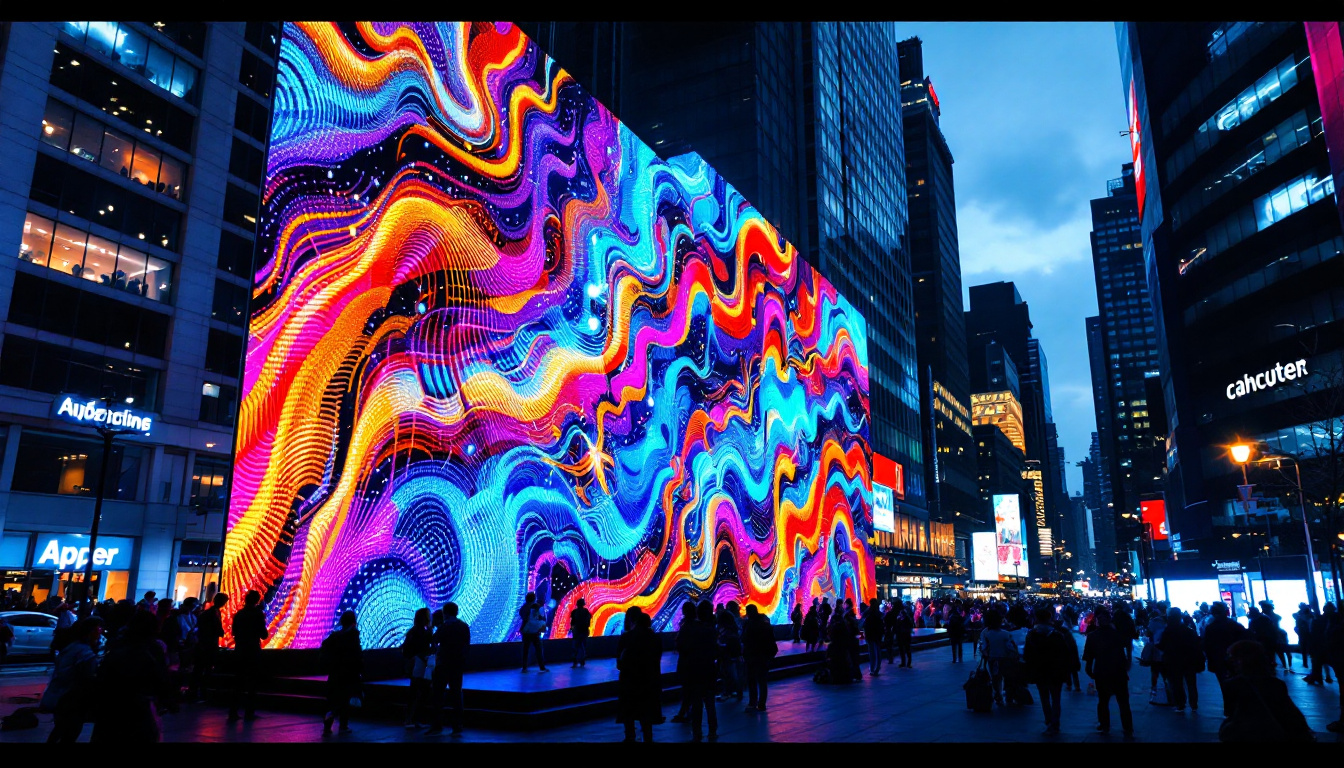
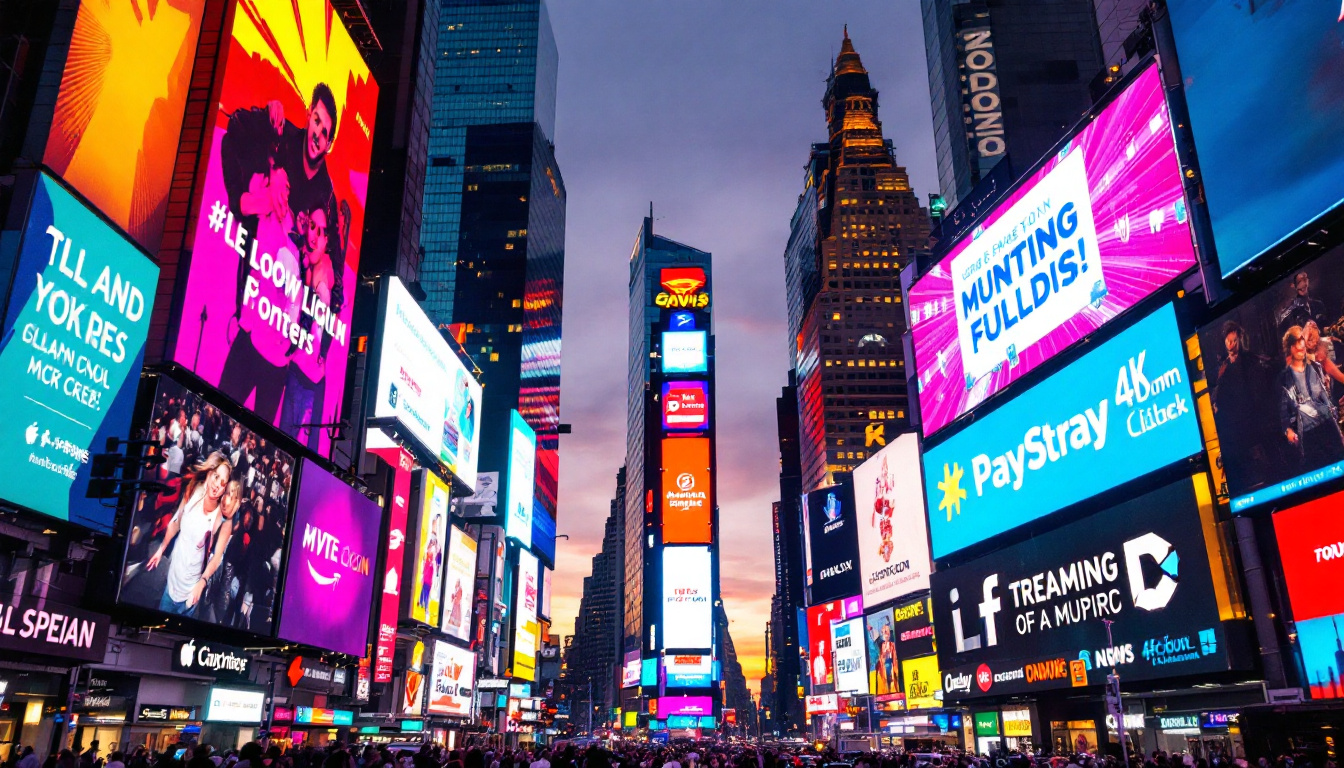
Outdoor LED panels are widely used in advertising due to their high visibility and dynamic content capabilities. Retailers, entertainment venues, and corporations use LED billboards and signs to promote products, events, and brand messages. According to recent market research, the global digital signage market is expected to grow at a compound annual growth rate (CAGR) of over 8% through 2027, driven largely by outdoor LED adoption.
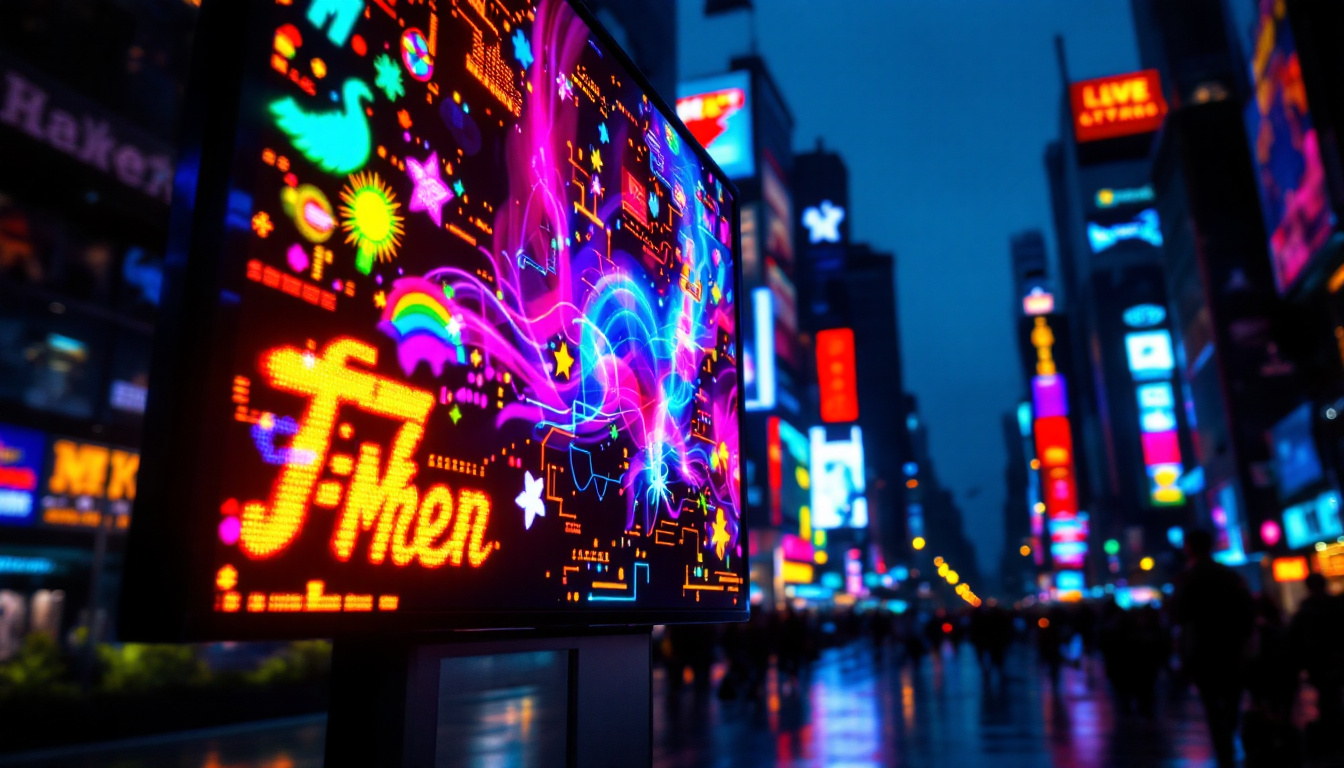
Major cities like New York, London, and Tokyo feature iconic LED billboards that have become landmarks in their own right, demonstrating the impact of this technology on urban landscapes.
Public Information and Safety
Government agencies and municipalities utilize outdoor LED displays to communicate important information such as traffic updates, weather alerts, and emergency notifications. The ability to update messages instantly and remotely is critical during crises or rapidly changing situations.
For example, during natural disasters, LED panels can display evacuation routes and safety instructions, helping to save lives. Their durability and reliability make them a trusted tool for public safety communications.
Sports and Entertainment
Sports arenas, concert venues, and outdoor festivals rely on LED panels to enhance the spectator experience. Large screens display live action, replays, advertisements, and interactive content, engaging audiences and generating additional revenue streams through advertising.
The flexibility of LED technology allows for creative installations, such as curved or irregularly shaped screens, which can transform venues into immersive environments.
Installation and Maintenance Considerations
Proper installation and ongoing maintenance are essential to maximize the performance and lifespan of outdoor LED light panels. These factors also influence the total cost of ownership and user satisfaction.
Site Assessment and Preparation
Before installation, a thorough site assessment is necessary to determine optimal placement, power availability, and structural support. Factors such as sun exposure, wind load, and accessibility for maintenance must be evaluated.
Professional installation teams ensure that panels are securely mounted and aligned for optimal viewing angles. Electrical and data connections must comply with safety standards and local regulations.
Regular Maintenance and Troubleshooting
Outdoor LED displays require periodic cleaning to remove dust, dirt, and debris that can affect brightness and image quality. Routine inspections help identify issues such as dead pixels, moisture ingress, or power supply problems early.
Many modern panels feature modular designs, allowing for easy replacement of faulty modules without dismantling the entire display. Remote monitoring systems can alert operators to performance issues in real time, reducing downtime.
Future Trends in Outdoor LED Display Technology
The outdoor LED display industry continues to evolve rapidly, driven by advances in materials, software, and integration capabilities. Several emerging trends are shaping the future of this technology.
Higher Resolution and Miniaturization
As LED chip manufacturing improves, pixel pitches continue to shrink, enabling ultra-high-definition outdoor displays. This trend allows for more detailed and immersive content, even on large-scale installations.
Smart and Interactive Displays
Integration with sensors, cameras, and mobile devices is enabling interactive outdoor LED panels. These smart displays can tailor content based on audience demographics, weather conditions, or real-time events, enhancing engagement and relevance.
Energy Harvesting and Sustainability
Innovations in energy harvesting, such as solar-powered LED panels, are reducing environmental impact and operational costs. Sustainable materials and recycling programs for LED components are also gaining traction as the industry prioritizes eco-friendly practices.
Conclusion
Outdoor LED light panels represent a powerful and versatile tool for communication in today’s visually driven world. Their brightness, durability, and flexibility make them ideal for advertising, public safety, entertainment, and beyond. By understanding the technology, specifications, and applications, stakeholders can make informed decisions that maximize impact and return on investment.
As the technology advances, outdoor LED displays will continue to transform urban landscapes, enhance public engagement, and provide innovative solutions for dynamic visual communication.
Discover LumenMatrix LED Display Solutions
Ready to elevate your visual communication strategy with the latest in LED technology? Look no further than LumenMatrix. As a pioneer in the industry, we offer an extensive range of LED display solutions tailored to meet your needs. From vibrant outdoor displays that withstand the elements to interactive indoor experiences that captivate, our products are designed to make your message shine. Experience the future of digital signage with LumenMatrix and transform your space into a dynamic visual spectacle. Check out LumenMatrix LED Display Solutions today and see your vision come to life.