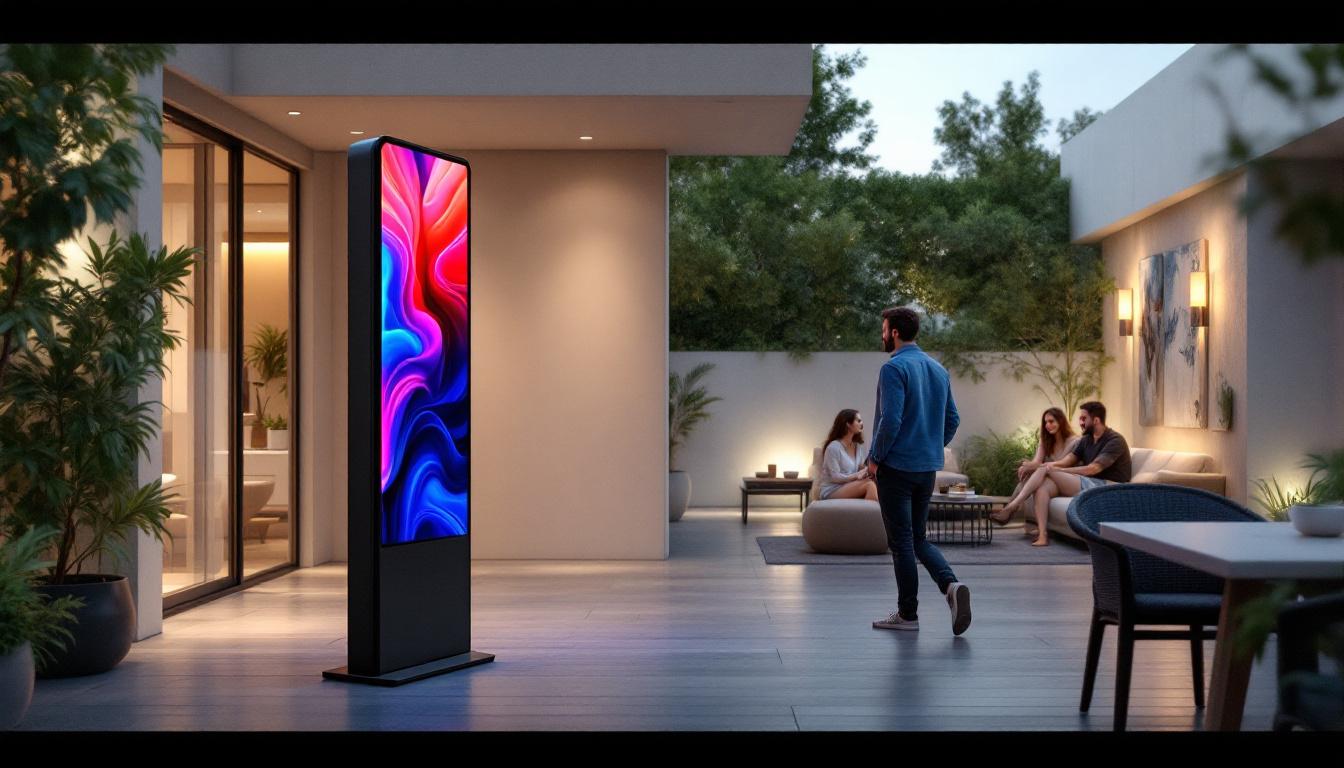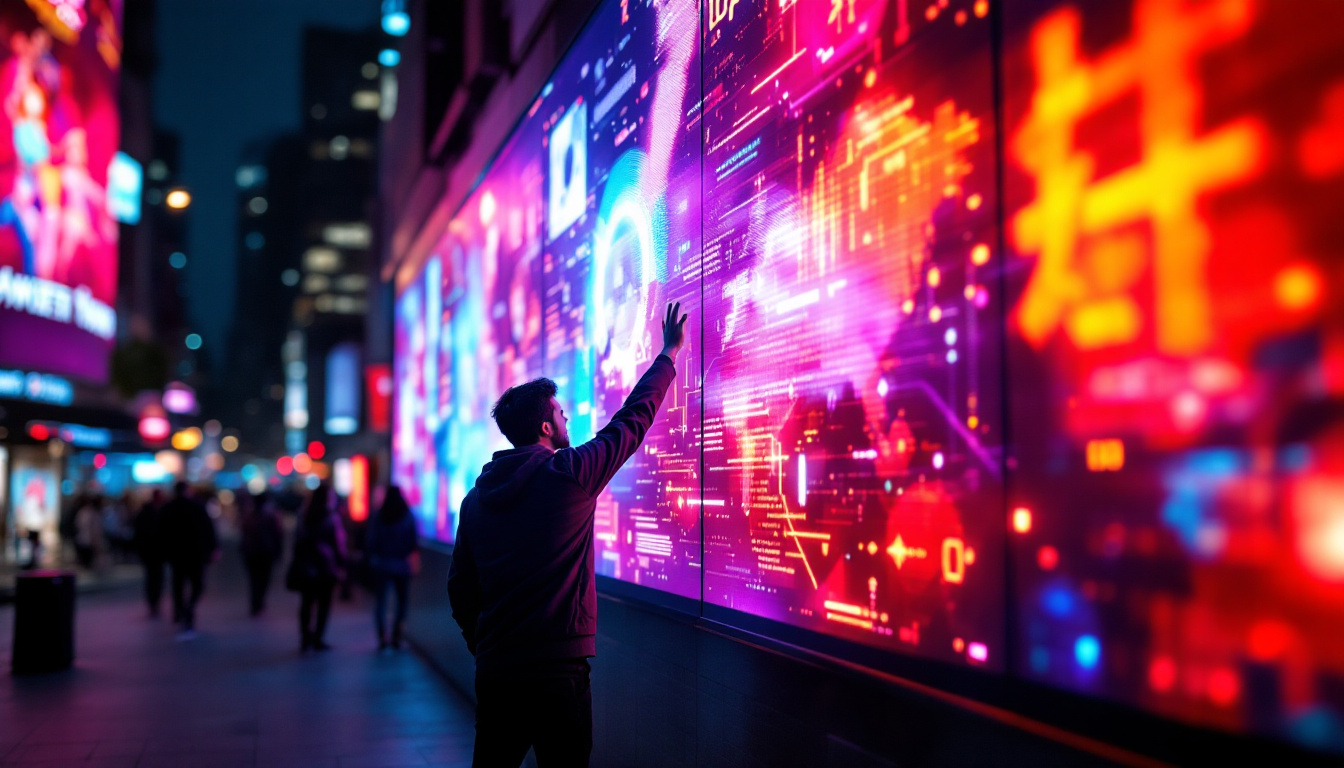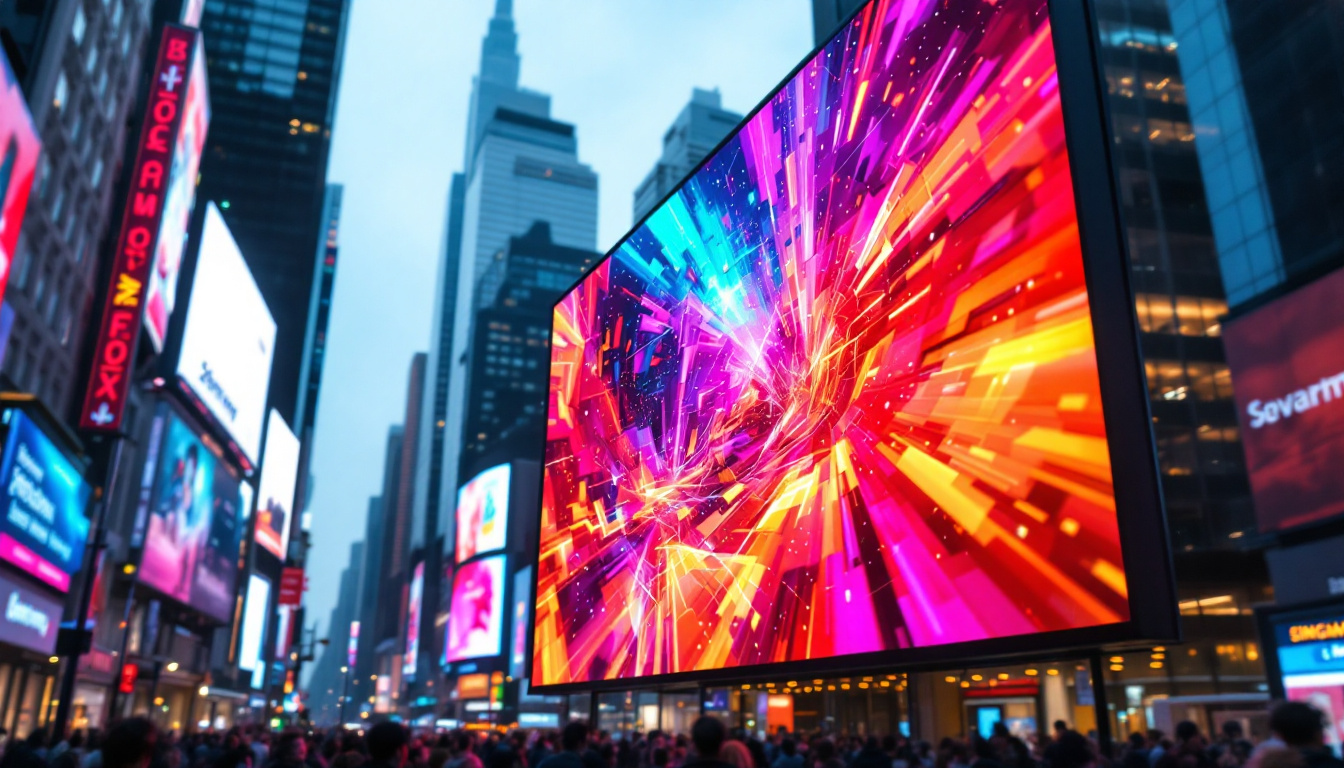
In today’s fast-paced world, capturing attention in outdoor environments is more challenging than ever. Whether it’s advertising, public information, or entertainment, outdoor video displays have become a vital tool for communication. Among the various technologies available, LED displays stand out for their brightness, durability, and versatility. This article delves into the world of outdoor LED video displays, explaining how they work, their advantages, applications, and key considerations for selecting the right solution.
Understanding Outdoor LED Displays
What Is an LED Display?
LED stands for Light Emitting Diode, a semiconductor device that emits light when an electric current passes through it. LED displays are composed of thousands, sometimes millions, of these tiny diodes arranged in a grid to form images and videos. Unlike traditional LCD or projection screens, LEDs produce their own light, which makes them exceptionally bright and visible even in direct sunlight.
Outdoor LED displays are specifically designed to withstand environmental factors such as rain, dust, and extreme temperatures. Their robust construction ensures consistent performance in diverse weather conditions, making them ideal for public spaces, stadiums, billboards, and transportation hubs. These displays often feature protective coatings and rugged casings that enhance their durability, allowing them to function seamlessly in both urban and rural settings. Furthermore, many outdoor LED displays are equipped with advanced cooling systems to prevent overheating, ensuring longevity and reliability even during prolonged use.
How Do Outdoor LED Displays Work?
Each pixel on an LED display consists of red, green, and blue diodes. By varying the intensity of these three colors, the display can produce a full spectrum of colors. The control system sends signals to each diode, determining how brightly it should shine to create the desired image or video. This intricate system allows for dynamic content, enabling advertisers and event organizers to change messages in real-time, capturing the attention of passersby effectively.
Outdoor LED displays use high-brightness diodes, often exceeding 5,000 nits (a measure of brightness), to ensure visibility under bright daylight. The pixel pitch—the distance between the centers of two adjacent pixels—affects the resolution and viewing distance. Smaller pixel pitches offer higher resolution but are more expensive and typically used for close-up viewing, while larger pitches suit long-distance viewing such as roadside billboards. Additionally, advancements in technology have led to the development of flexible LED displays that can be shaped to fit various surfaces, opening up new possibilities for creative advertising and artistic installations. These innovations not only enhance visual appeal but also allow for more interactive experiences, such as touch-sensitive displays that engage audiences in unique ways.
Advantages of Outdoor LED Video Displays
Exceptional Brightness and Visibility
One of the most significant advantages of outdoor LED displays is their superior brightness. With brightness levels often ranging between 5,000 and 10,000 nits, these screens remain clear and vibrant even under direct sunlight. This makes them far more effective than LCD or projection-based displays for outdoor use.
Moreover, LED displays have a wide viewing angle, often up to 160 degrees horizontally and vertically, ensuring that the content is visible from multiple vantage points. This is essential in busy outdoor environments where viewers may be approaching from different directions. The ability to maintain clarity and color accuracy from various angles enhances the overall viewer experience, making these displays ideal for events, advertising, and public announcements.
In addition to their brightness, outdoor LED displays can also be programmed to adjust their luminosity based on ambient light conditions. This adaptive brightness feature not only improves visibility but also contributes to energy savings, as the display can dim during the evening or in shaded areas. This level of sophistication allows for a more dynamic presentation of content, ensuring that it captures attention effectively, regardless of the time of day.
Durability and Weather Resistance
Outdoor LED displays are engineered to endure harsh weather conditions. They typically come with an IP65 or higher rating, meaning they are dust-tight and protected against water jets. This ensures that rain, dust, and even snow do not damage the display or affect its performance.
The robust casing and protective coatings also help resist physical impacts and UV radiation, extending the lifespan of the display. Many manufacturers offer LED displays with operating temperature ranges from -40°C to +60°C (-40°F to +140°F), making them suitable for almost any climate. This resilience is particularly valuable for installations in extreme environments, such as coastal areas where saltwater exposure can be a concern, or in regions with heavy snowfall where structural integrity is tested.
Furthermore, the modular design of many outdoor LED displays allows for easy repairs and upgrades. If a section of the display becomes damaged, it can often be replaced without the need to dismantle the entire unit. This not only reduces downtime but also minimizes costs associated with maintenance, making outdoor LED displays a practical choice for long-term installations.
Energy Efficiency and Longevity
Compared to other display technologies, LEDs are highly energy-efficient. They consume less power while providing brighter images, which reduces operational costs over time. Additionally, LEDs have a long lifespan, often rated between 50,000 to 100,000 hours of continuous use.
This longevity means fewer replacements and maintenance interventions, which is particularly important for outdoor installations where access can be challenging and costly. The reduced need for frequent replacements not only lowers the total cost of ownership but also contributes to a more sustainable approach to advertising and information dissemination.
Moreover, the energy efficiency of LED displays aligns well with growing environmental concerns. Many businesses and organizations are now prioritizing eco-friendly solutions, and utilizing LED technology can significantly reduce their carbon footprint. As a result, outdoor LED displays not only serve as a powerful communication tool but also reflect a commitment to sustainability, appealing to environmentally conscious consumers and stakeholders alike.
Applications of Outdoor LED Video Displays
Advertising and Digital Billboards
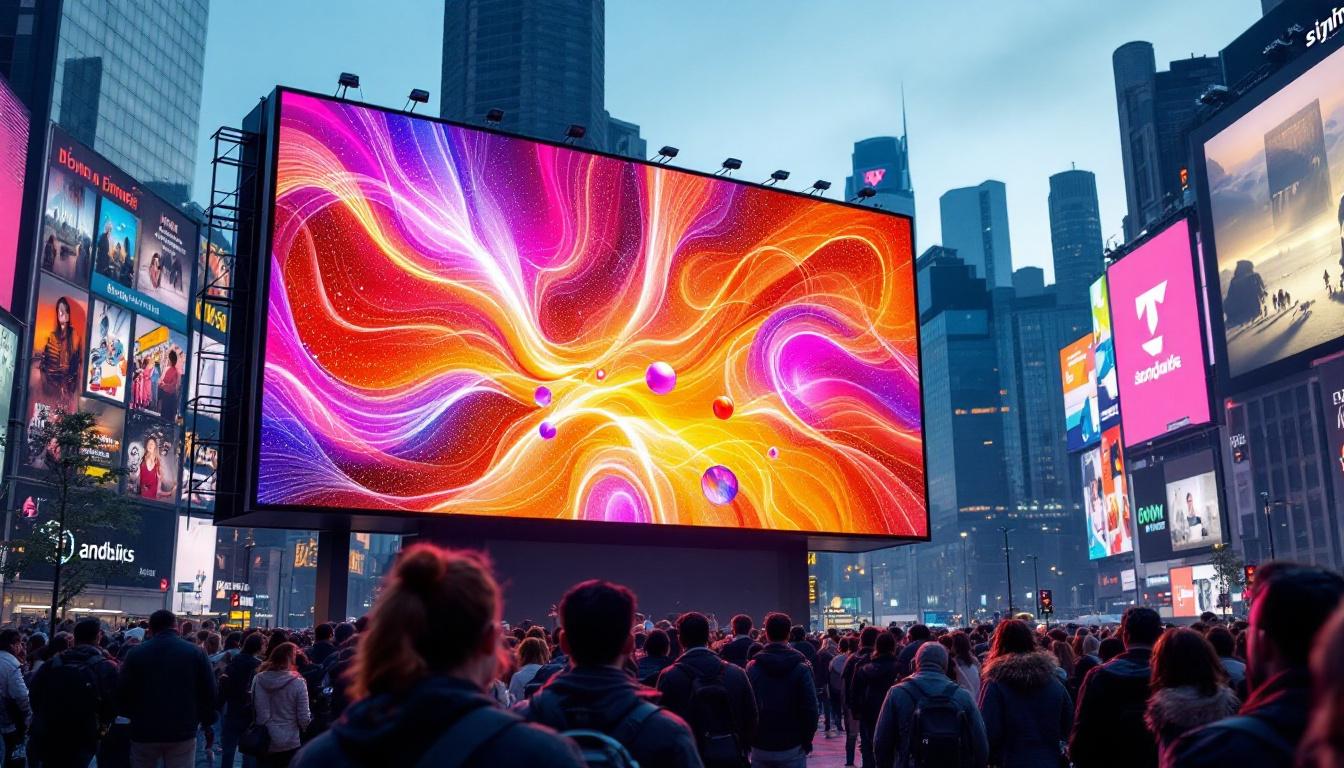
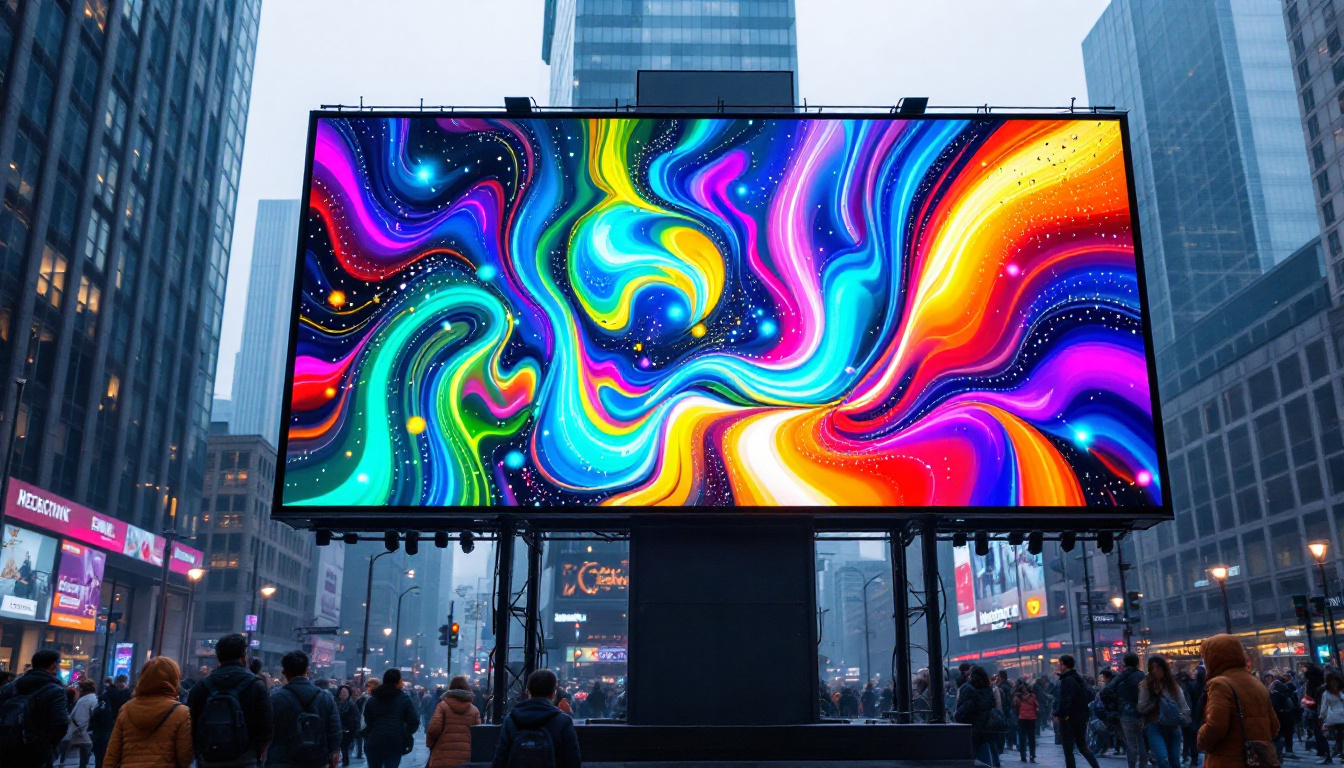
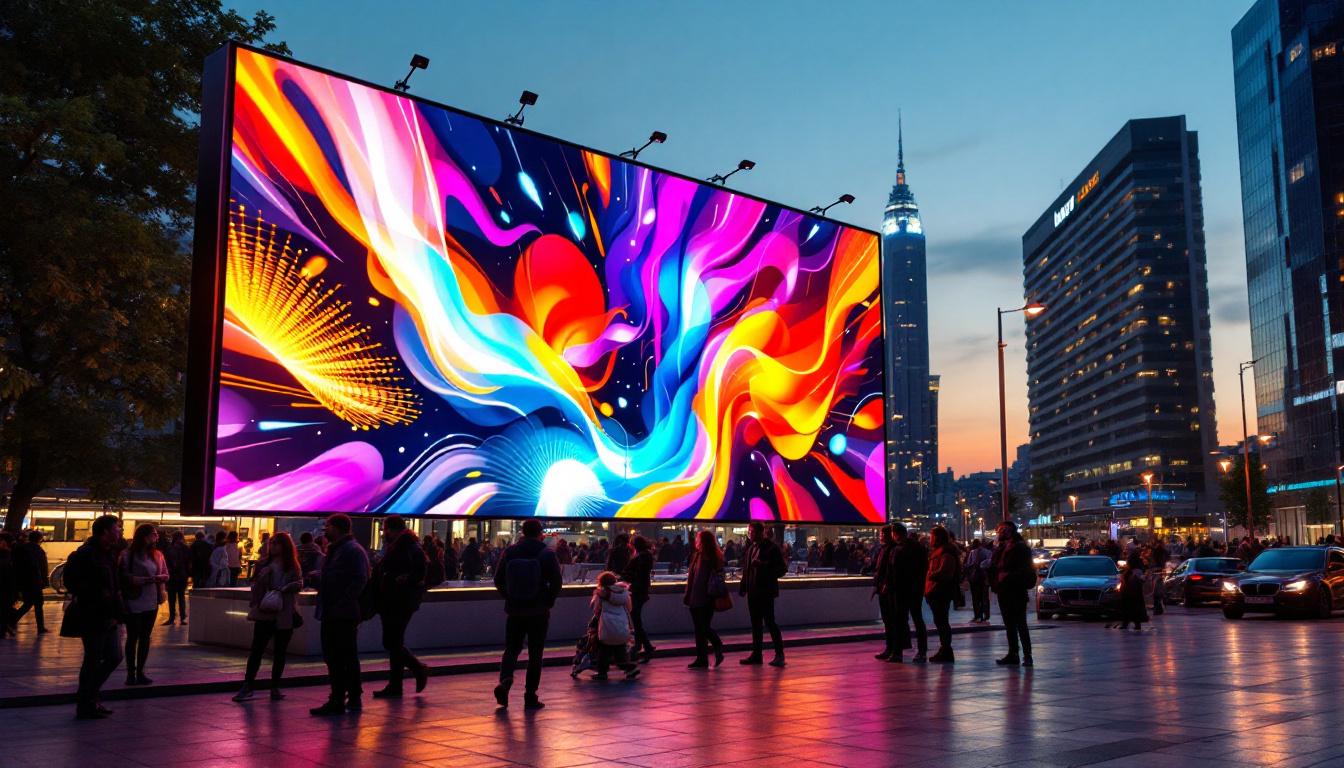
Outdoor LED displays have revolutionized advertising by enabling dynamic, eye-catching content that can be updated in real-time. Digital billboards equipped with LED technology allow advertisers to display multiple campaigns throughout the day, target specific audiences based on time or events, and incorporate interactive elements.
According to the Outdoor Advertising Association of America (OAAA), digital out-of-home advertising, including LED billboards, has seen a growth rate of over 15% annually in recent years, reflecting its increasing effectiveness and popularity.
Public Information and Transportation Hubs
LED displays are widely used in airports, train stations, and bus terminals to provide travelers with real-time information such as arrivals, departures, delays, and safety announcements. Their high visibility ensures that important messages reach large crowds quickly and clearly.
For example, major airports like Heathrow and JFK have integrated large-scale LED displays into their terminals and outdoor areas, enhancing passenger experience and operational communication.
Sports and Entertainment Venues
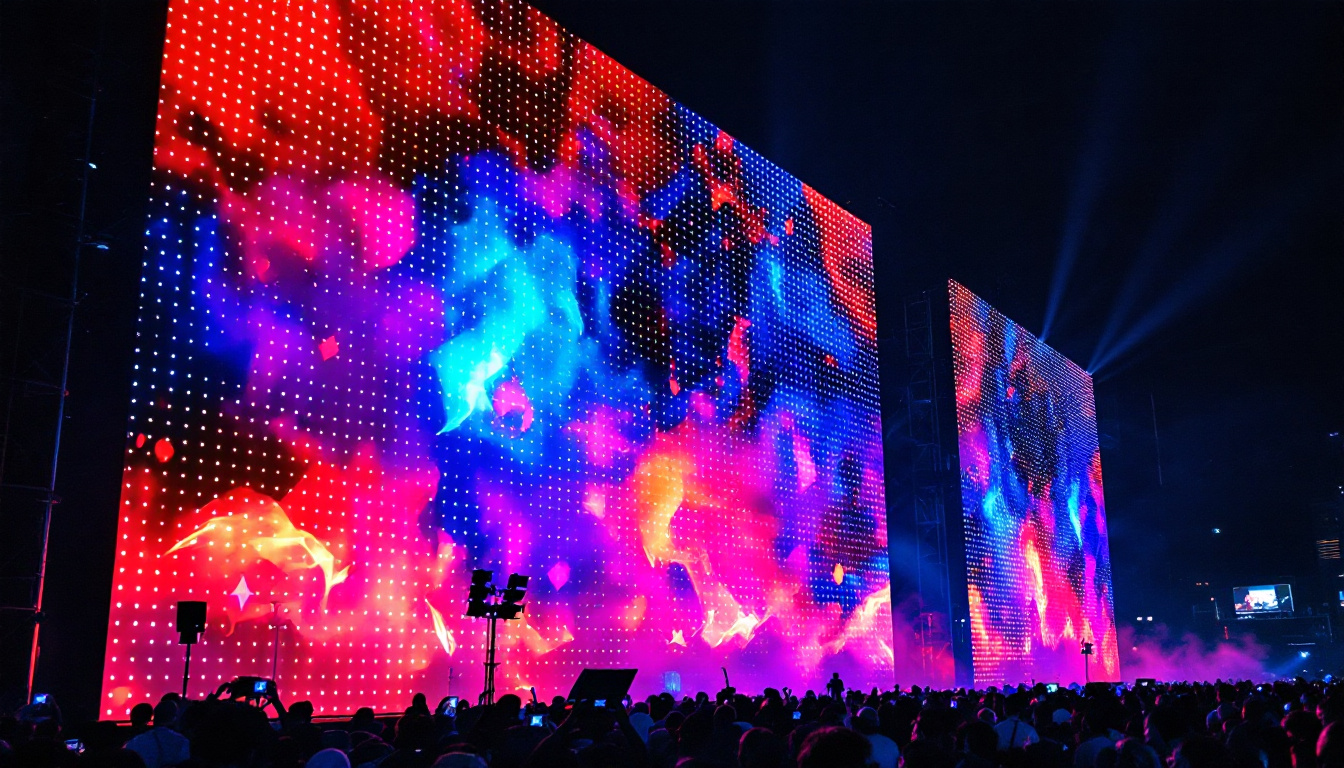
Stadiums and concert venues utilize massive outdoor LED screens to broadcast live events, replays, advertisements, and interactive content. These displays enhance fan engagement by providing close-up views and immersive experiences even for spectators seated far from the action.
The 2022 FIFA World Cup in Qatar featured some of the most advanced outdoor LED displays, showcasing how cutting-edge technology can elevate global sporting events.
Urban and Architectural Installations
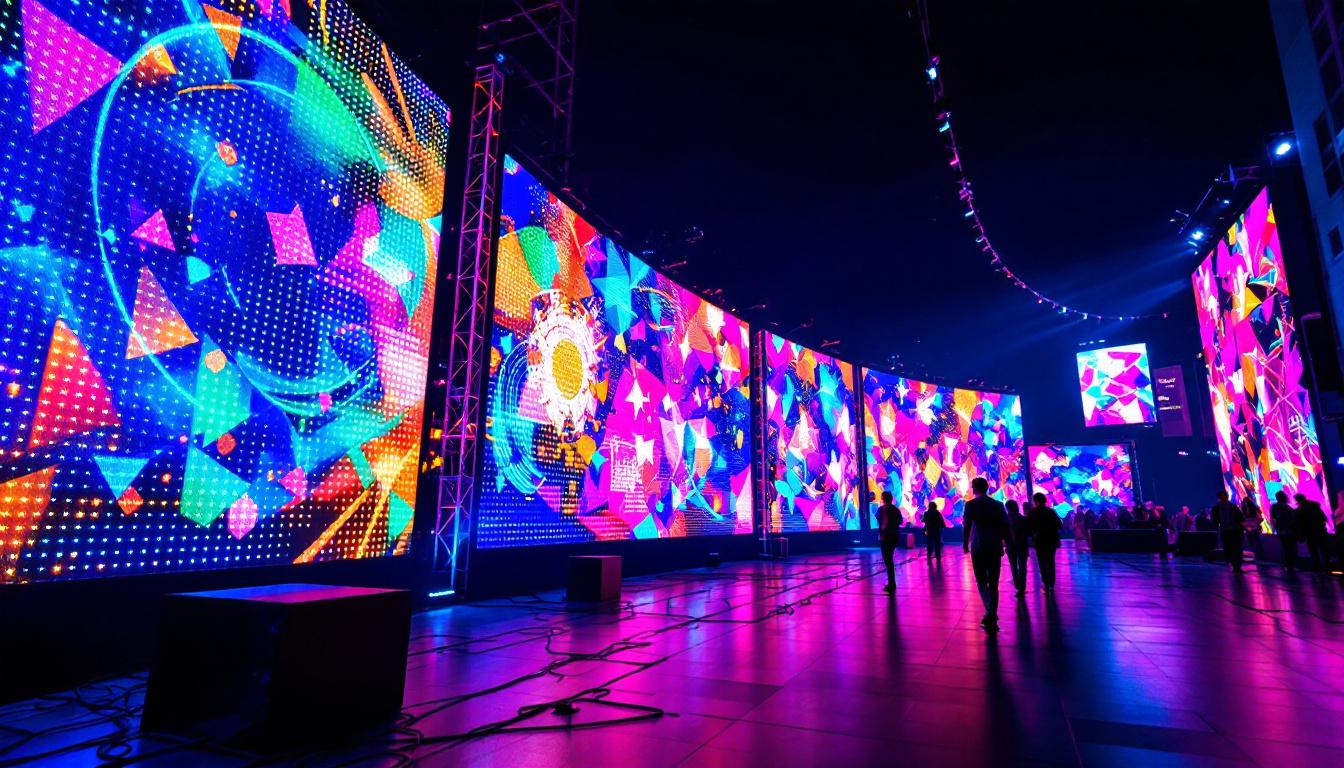
Beyond commercial uses, outdoor LED displays are increasingly incorporated into urban landscapes and architectural designs. Cities use them for public art installations, countdown clocks, environmental awareness campaigns, and cultural events.
For instance, Times Square in New York City is famous for its vibrant LED billboards that contribute to the area’s iconic atmosphere and economic vitality.
Key Considerations When Choosing an Outdoor LED Display
Pixel Pitch and Resolution
Choosing the right pixel pitch is crucial for balancing image quality and cost. For displays viewed from a distance of 10 meters or more, a pixel pitch of 10mm to 20mm is typically sufficient. For closer viewing, such as interactive kiosks or retail facades, pitches as low as 2mm to 5mm may be necessary.
Higher resolution displays provide sharper images but come at a higher price and increased power consumption. Understanding the typical viewing distance and content type helps determine the optimal pixel pitch.
Brightness and Ambient Light Conditions
Brightness requirements vary depending on the installation environment. For locations with intense sunlight exposure, displays with brightness levels above 7,000 nits are recommended. In shaded or nighttime environments, lower brightness may suffice, which can also reduce power consumption and extend LED lifespan.
Durability and IP Rating
Ensuring the display has an appropriate Ingress Protection (IP) rating is vital for outdoor use. An IP65 rating or higher is generally recommended to protect against dust and water ingress. Additionally, consider the display’s resistance to wind loads, vibration, and potential vandalism, especially in high-traffic or exposed areas.
Maintenance and Serviceability
Outdoor LED displays require periodic maintenance to ensure optimal performance. Modular designs that allow easy access to individual panels or components simplify repairs and reduce downtime. Some displays offer front-service capabilities, enabling maintenance without dismantling the entire structure, which is particularly beneficial for large or hard-to-reach installations.
Control Systems and Content Management
Modern LED displays come with sophisticated control systems that support remote content management, scheduling, and diagnostics. Cloud-based platforms enable operators to update content instantly from anywhere, monitor display health, and optimize performance.
Choosing a display with a user-friendly software interface and reliable connectivity options (such as 4G/5G, Wi-Fi, or Ethernet) is essential for efficient operation.
Future Trends in Outdoor LED Video Displays
Higher Resolution and Mini-LED Technology
Advancements in LED manufacturing are driving pixel pitches even lower, enabling ultra-high-definition outdoor displays. Mini-LED technology, which uses smaller diodes and more precise control, is enhancing brightness uniformity and color accuracy, pushing the boundaries of visual quality.
Integration with Smart City Infrastructure
Outdoor LED displays are becoming integral components of smart city ecosystems. They can be linked with sensors, cameras, and IoT devices to provide dynamic, context-aware information such as traffic updates, emergency alerts, and environmental data.
This integration not only improves public safety and convenience but also opens new avenues for targeted advertising and community engagement.
Energy Efficiency and Sustainability
With growing emphasis on sustainability, manufacturers are developing LED displays with lower power consumption, recyclable materials, and eco-friendly manufacturing processes. Solar-powered LED displays and energy harvesting technologies are also emerging to reduce environmental impact further.
Conclusion
Outdoor LED video displays have transformed the way information and advertising are delivered in public spaces. Their unmatched brightness, durability, and flexibility make them the preferred choice for a wide range of applications, from commercial advertising to public safety and entertainment. Understanding the technical aspects and practical considerations of these displays is essential for businesses and municipalities looking to invest in effective outdoor communication solutions.
As technology continues to evolve, outdoor LED displays will become even more sophisticated, interactive, and integrated with digital ecosystems, offering exciting opportunities for innovation and engagement in the years ahead.
Discover LumenMatrix LED Display Solutions
Ready to elevate your outdoor communication with unparalleled brightness, durability, and flexibility? LumenMatrix is at the forefront of LED display innovation, offering a diverse range of solutions tailored to your needs. From captivating Outdoor LED Wall Displays to dynamic Vehicle LED Displays and beyond, our technology is designed to revolutionize visual engagement. Embrace the future of digital signage with LumenMatrix and create visual experiences that leave a lasting impression. Check out LumenMatrix LED Display Solutions today and transform your space into a vibrant canvas of communication.