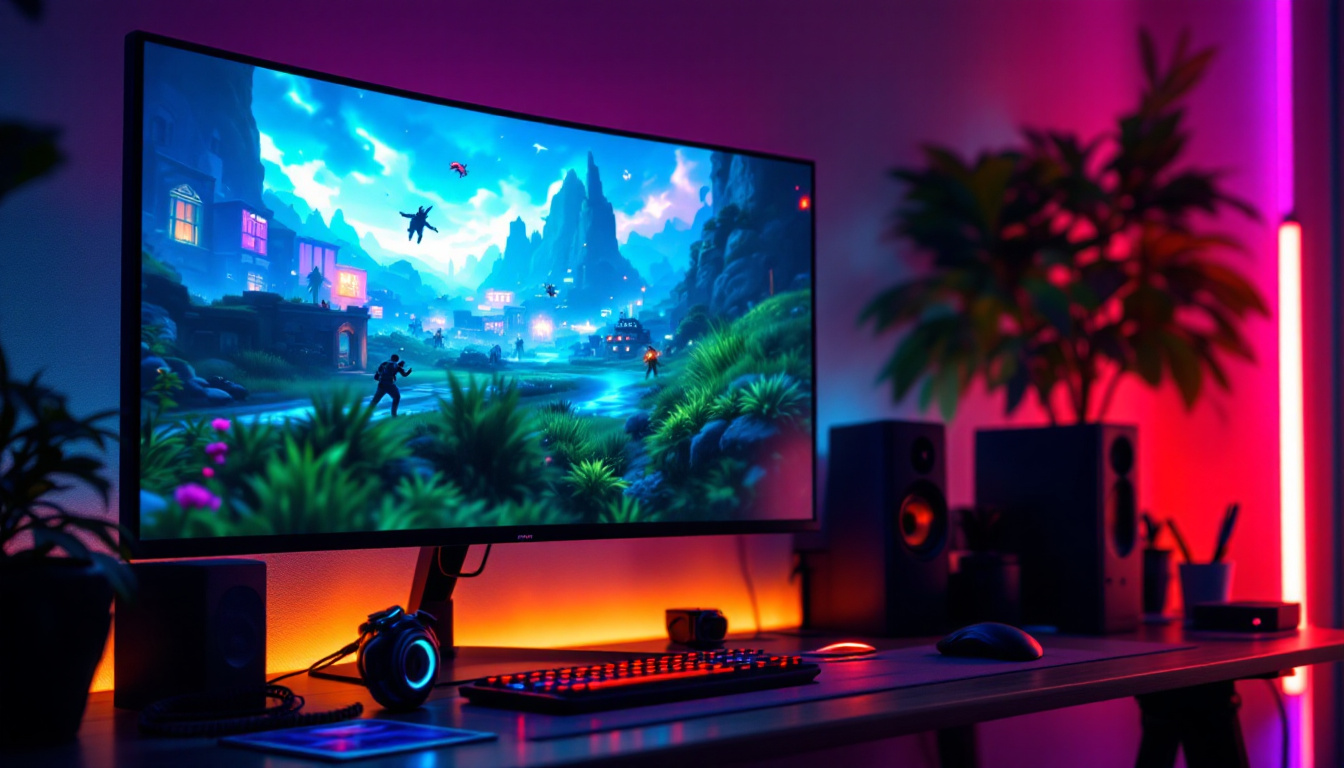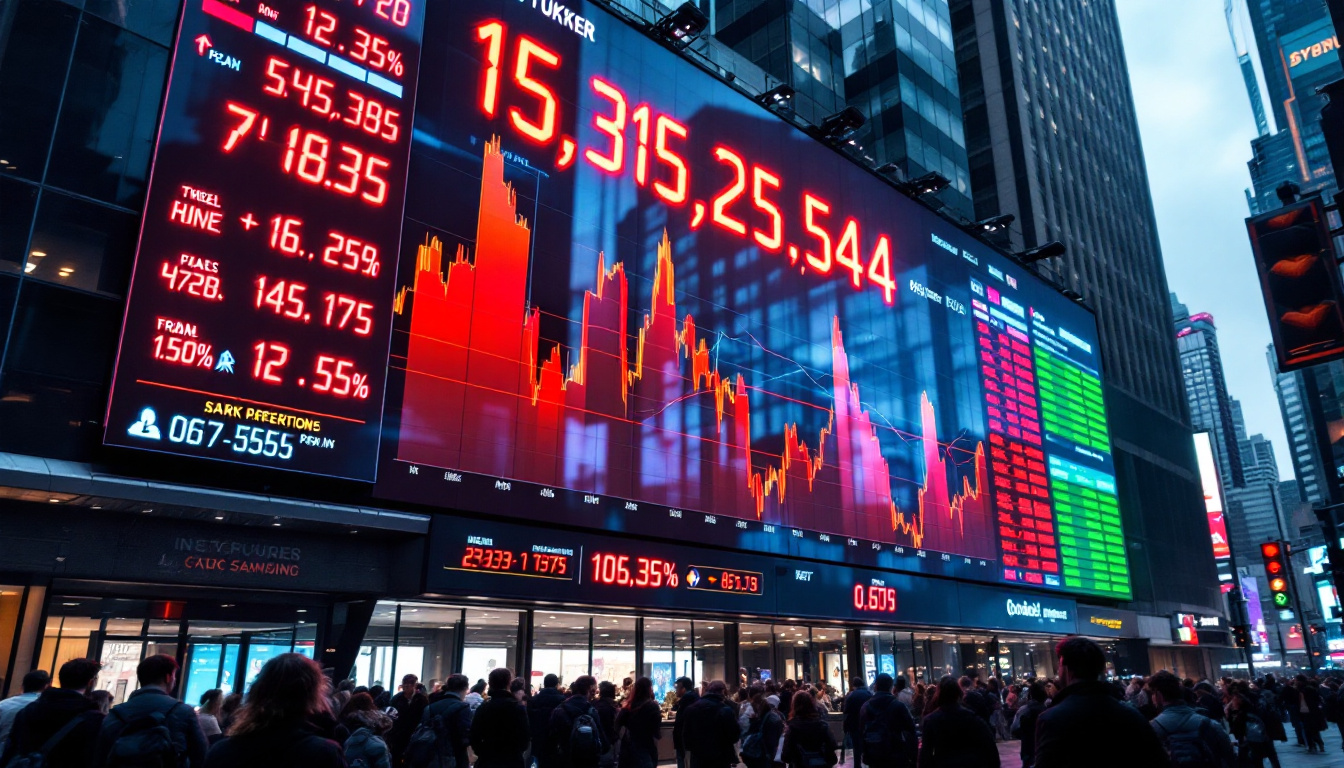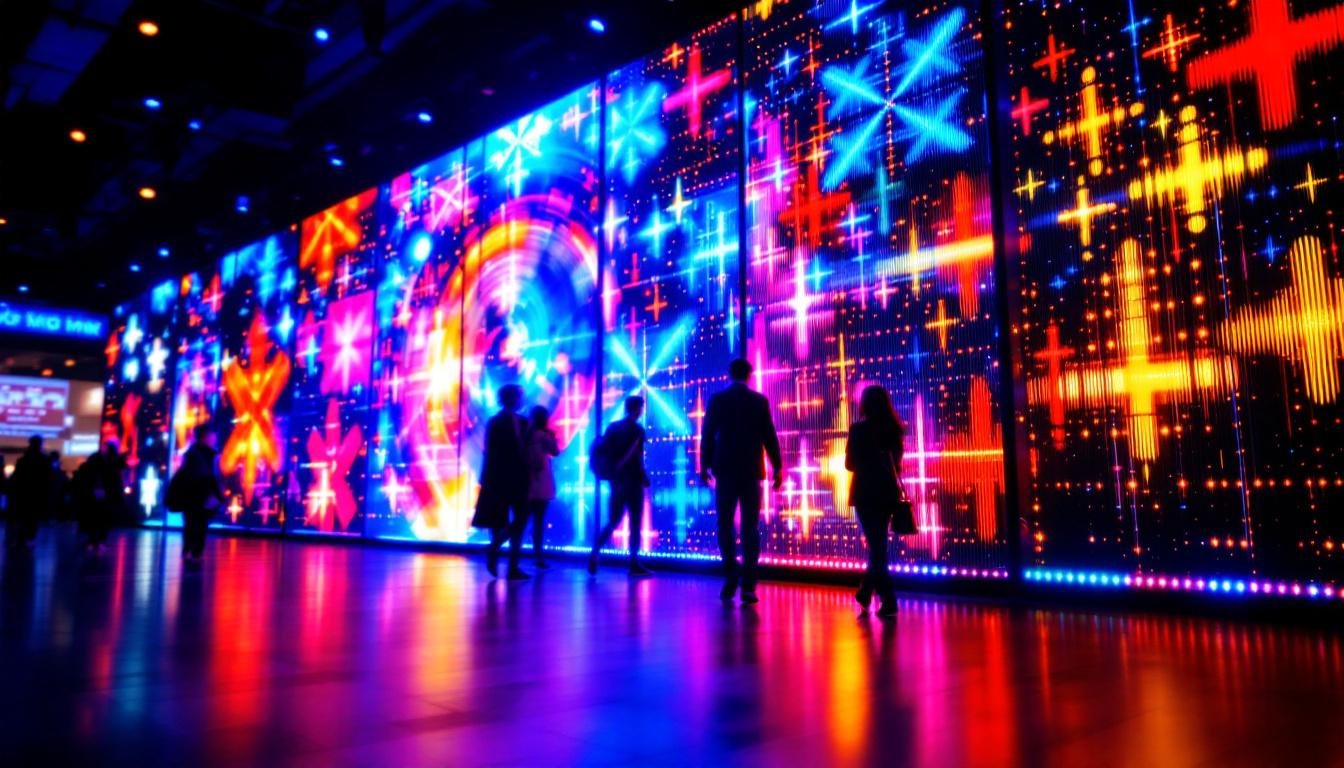
In the rapidly evolving world of digital content creation and live event production, the integration of LED display technology has become a game-changer. Virual Studio, a cutting-edge platform designed for virtual production and real-time visualization, leverages LED displays to create immersive environments that blend physical and digital worlds seamlessly. This article delves into the fundamentals of LED displays within the context of Virual Studio, exploring their technology, applications, advantages, and future potential.
Understanding LED Display Technology
LED, or Light Emitting Diode, displays have revolutionized visual media by offering vibrant, high-contrast images with exceptional brightness and energy efficiency. Unlike traditional LCD screens, LED displays use an array of tiny diodes that emit light directly, which results in superior color accuracy and viewing angles. This technology not only enhances the visual experience but also contributes to lower energy consumption, making it an environmentally friendly choice for both commercial and residential applications.
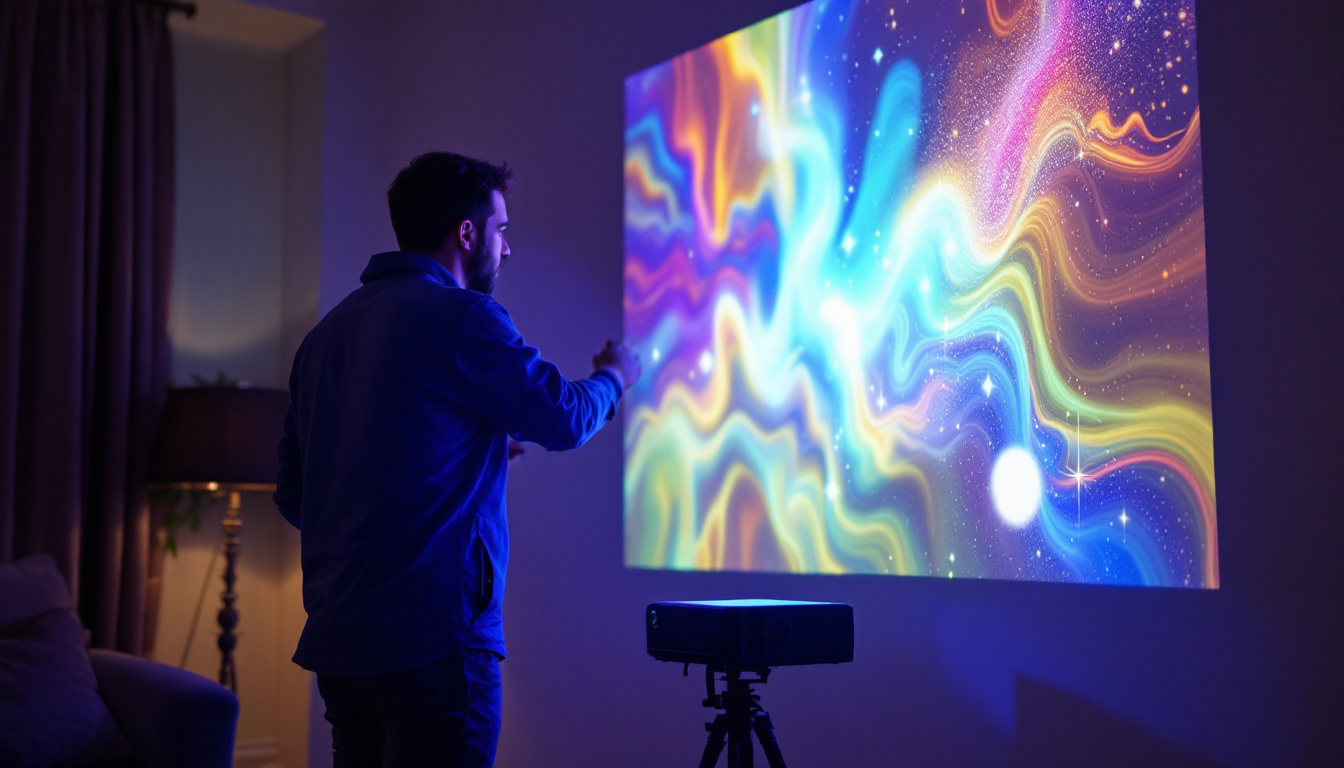
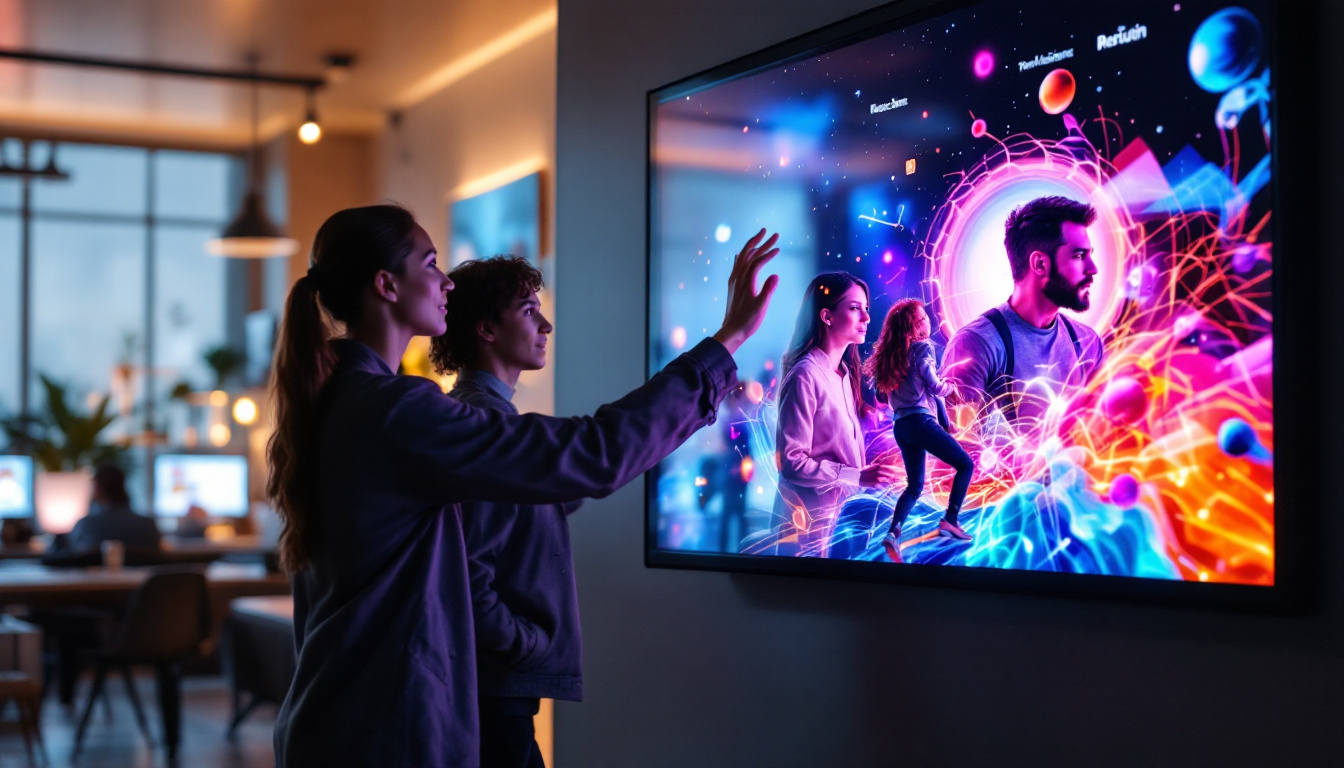
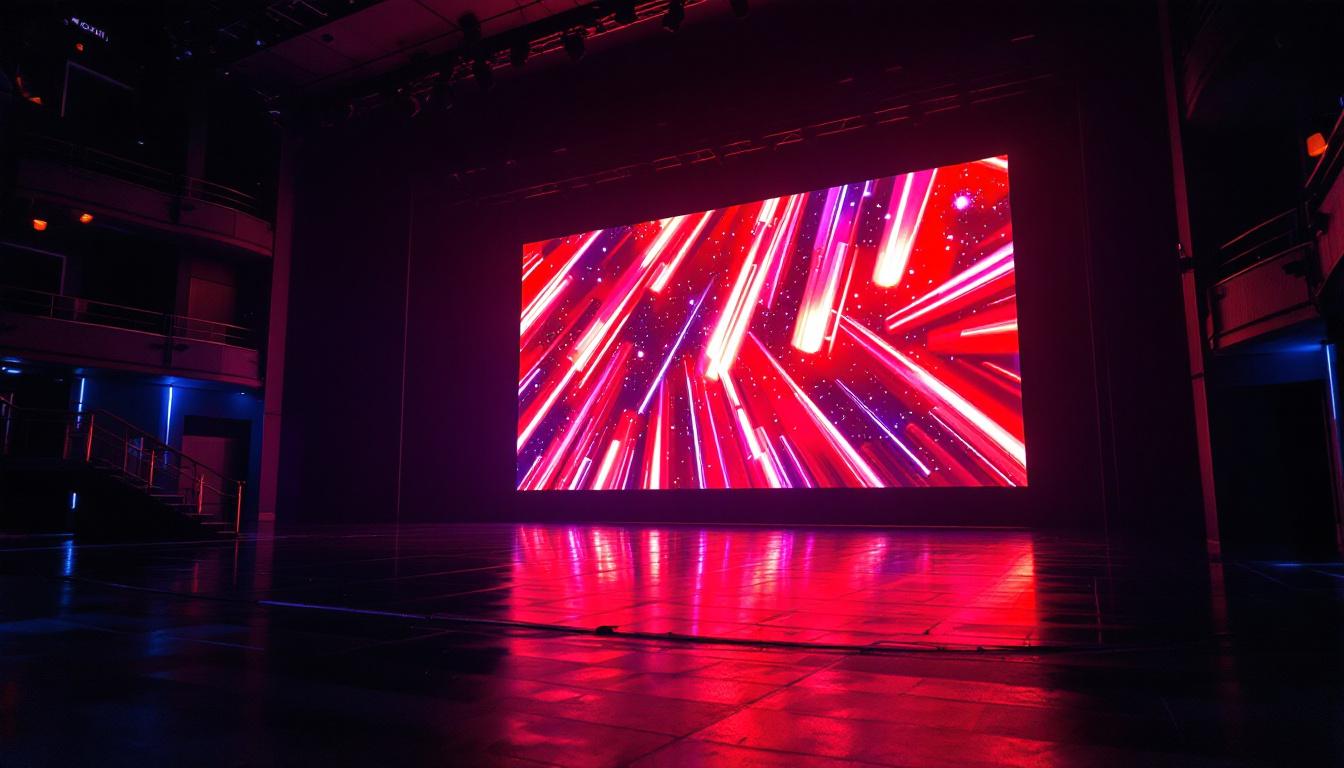
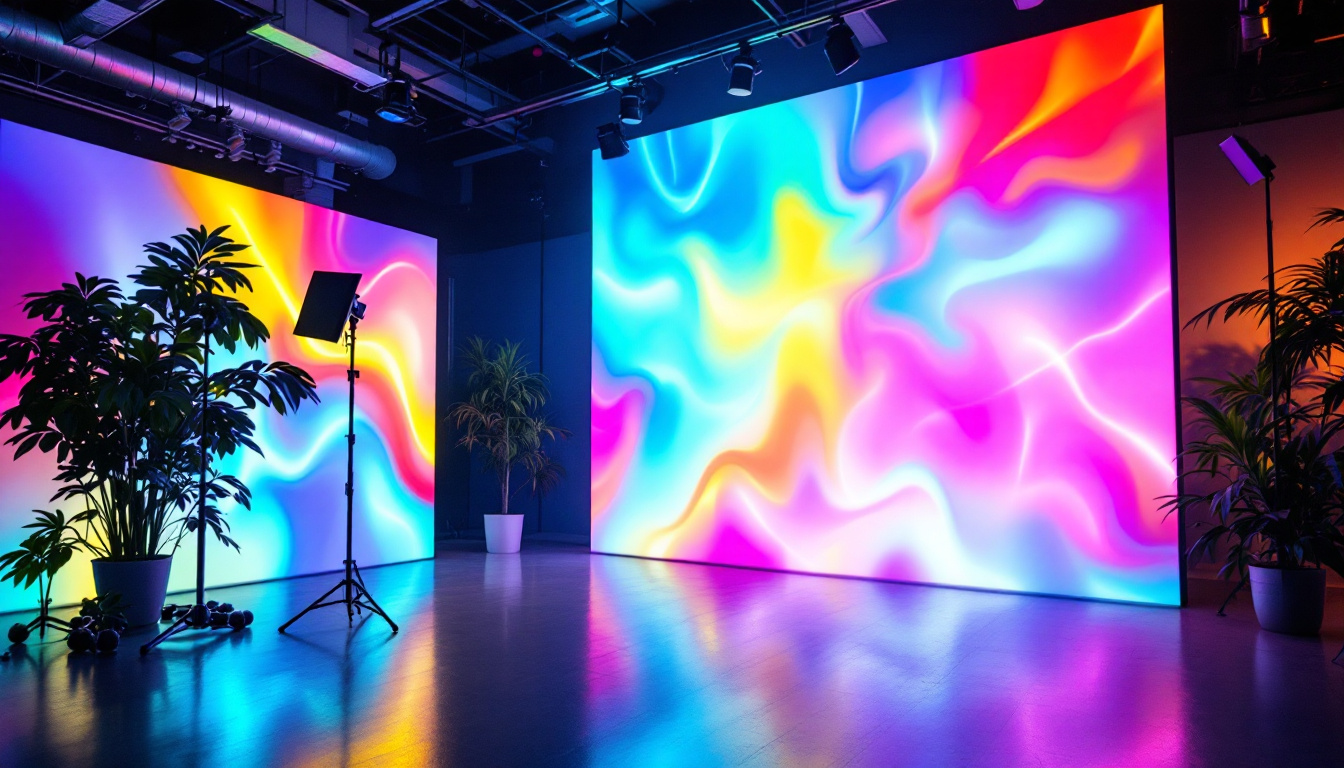
In the context of Virtual Studio, LED displays serve as dynamic backdrops or interactive surfaces that can project complex digital environments in real-time. This capability is essential for virtual production, where actors perform in front of LED walls that display photorealistic backgrounds, eliminating the need for green screens and post-production compositing. The immersive nature of LED displays allows for a more engaging experience for both the performers and the audience, as it creates a seamless integration of live action and digital elements.
Key Components of LED Displays
The core components of an LED display include the LED modules, control system, power supply, and the pixel pitch. The pixel pitch, which is the distance between the centers of two adjacent pixels, determines the display’s resolution and viewing distance suitability. For virtual production, fine pixel pitches (as low as 1.2mm) are preferred to ensure crisp visuals at close range. This level of detail is crucial in maintaining the illusion of reality, especially when the camera captures close-up shots of actors against the LED backdrop.
Additionally, the control system synchronizes the LED modules to display seamless images or videos, often integrating with real-time rendering engines like Unreal Engine, which Virtual Studio supports. This integration allows for dynamic content updates that respond to camera movements and lighting changes, enhancing the realism of the virtual environment. Furthermore, advancements in LED technology have led to features such as HDR (High Dynamic Range) support, which expands the color gamut and contrast ratio, making scenes appear more lifelike. As filmmakers and content creators continue to explore the potential of LED displays, the possibilities for storytelling and visual effects are becoming increasingly limitless, paving the way for innovative cinematic experiences.
Applications of LED Displays in Virtual Studio
LED displays have found a diverse range of applications within Virtual Studio environments, transforming how content creators, filmmakers, and event producers approach storytelling and visualization.
Virtual Production and Filmmaking
One of the most prominent uses of LED displays in Virtual Studio is in virtual production for film and television. By projecting realistic digital environments on LED walls, filmmakers can shoot scenes in a controlled studio setting while maintaining the illusion of being on location. This technique not only reduces costs associated with travel and set construction but also allows for greater creative flexibility.
For example, productions like “The Mandalorian” have popularized the use of LED volumes—large, curved LED screens that surround the actors—to create immersive worlds that respond dynamically to camera angles. This approach enhances actor performances by providing real-time visual context and improves lighting consistency by reflecting the LED imagery onto the subjects. Additionally, the use of real-time rendering engines, such as Unreal Engine, allows for instantaneous adjustments to the digital environment, enabling directors to experiment with different settings and moods without the need for extensive reshoots.
Live Events and Concerts
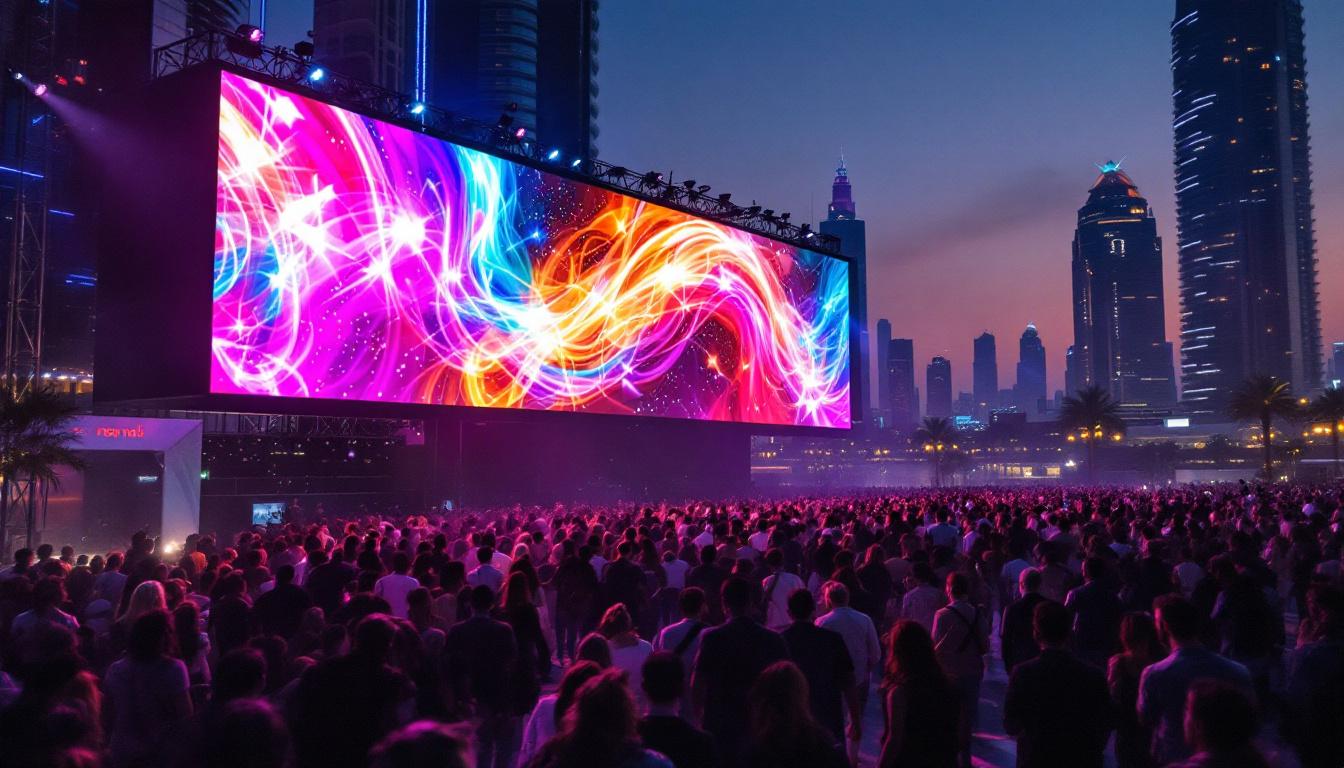
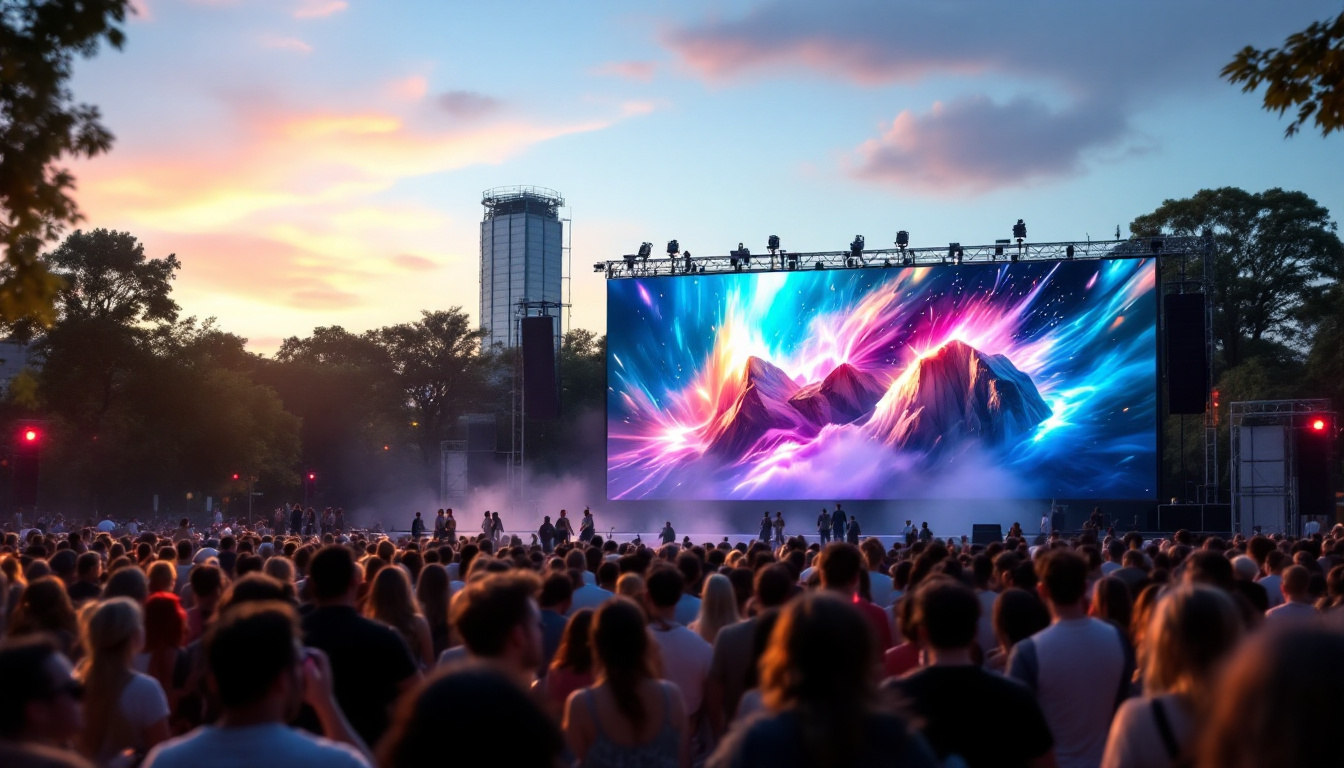
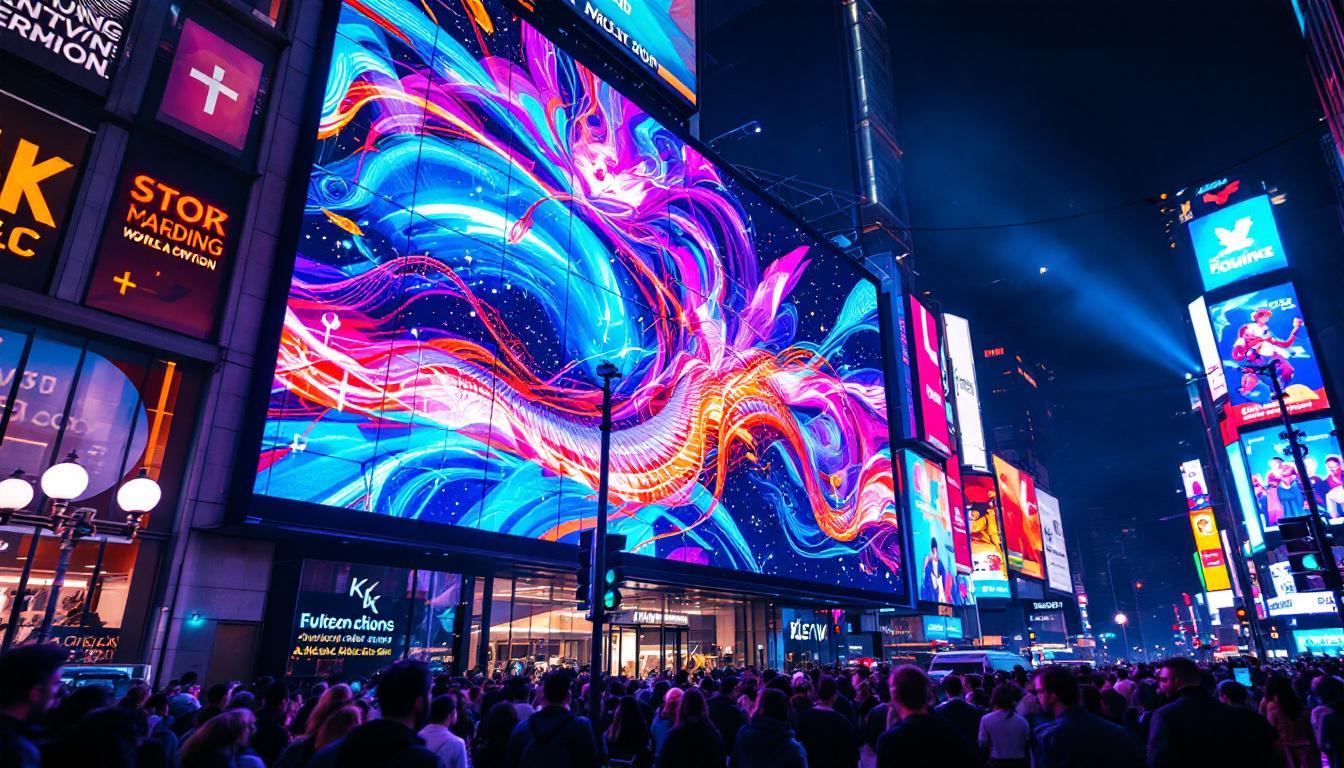
In live events, LED displays integrated with Virtual Studio technology enable spectacular visual effects that elevate audience engagement. Concerts, conferences, and product launches utilize massive LED walls to create interactive backgrounds, display live feeds, or simulate virtual environments that complement the event’s theme.
The ability to update content in real-time allows event producers to adapt visuals on the fly, responding to audience reactions or speaker cues. This flexibility is crucial for maintaining a dynamic and immersive atmosphere throughout the event. Moreover, the incorporation of augmented reality (AR) elements into these displays can further enhance the experience, allowing attendees to interact with the visuals through their smartphones or AR glasses, creating a more personalized and memorable experience.
Corporate and Educational Use
Beyond entertainment, LED displays in Virtual Studio settings are increasingly used for corporate presentations, training, and educational purposes. Virtual studios equipped with LED walls can simulate various scenarios for training or demonstration, providing a more engaging and effective learning experience.
For instance, medical training programs can use LED displays to create realistic anatomical models or surgical environments, while corporate teams can visualize complex data or prototypes in three-dimensional virtual spaces. These applications highlight the versatility of LED technology in enhancing communication and understanding. Furthermore, educational institutions are beginning to adopt these technologies to facilitate remote learning, allowing students to participate in immersive, interactive lessons that transcend traditional classroom boundaries. This innovative approach not only fosters collaboration among students but also prepares them for a future where digital literacy and virtual engagement are paramount in various professional fields.
Advantages of Using LED Displays in Virtual Studio
The integration of LED displays into Virtual Studio environments offers several significant benefits that improve production quality, efficiency, and creative possibilities.
Enhanced Visual Realism
LED displays provide high brightness and contrast ratios, producing vivid images that closely mimic real-world lighting and textures. This realism is critical in virtual production, where the seamless blending of physical and digital elements is essential to audience immersion.
Moreover, the ability to synchronize LED content with camera tracking systems ensures that perspective and parallax effects are accurately rendered, maintaining the illusion of depth and space. This technology allows for a more cohesive visual narrative, as the actors can interact with their surroundings in a way that feels genuine, enhancing the overall storytelling experience. Furthermore, the color accuracy of LED displays ensures that the hues and tones seen on screen are true to life, which is particularly important for projects that rely heavily on visual aesthetics, such as fashion shows or art exhibitions.
Improved Production Efficiency
By using LED displays as live backgrounds, filmmakers and content creators can significantly reduce post-production time and costs. Traditional green screen workflows require extensive compositing and color correction, whereas LED volumes deliver in-camera visual effects that are ready for final output.
This efficiency extends to live events, where real-time content updates reduce the need for complex stage setups and allow for rapid changes in visual themes or messaging. The ability to pre-program various scenes and switch them on-the-fly means that directors can maintain a dynamic pace during shoots or performances, keeping the audience engaged. Additionally, the reduction in physical set construction not only saves time but also minimizes the environmental impact of productions, aligning with the growing trend towards sustainable filmmaking practices.
Creative Flexibility and Interactivity
LED displays enable dynamic content that can be modified instantly, allowing directors and producers to experiment with different environments, lighting conditions, and visual effects during production. This flexibility fosters creativity and innovation, opening new storytelling possibilities.
Additionally, interactive LED surfaces can respond to performers’ movements or audience input, creating engaging experiences that blur the line between viewer and participant. This interactivity can be particularly beneficial in immersive theater or gaming environments, where audience engagement is paramount. By incorporating real-time data feeds or audience reactions into the display content, creators can craft unique experiences that evolve with each performance, ensuring that no two shows are ever the same. This level of engagement not only captivates audiences but also invites them to become part of the narrative, enriching their overall experience and connection to the material being presented.
Technical Considerations for Implementing LED Displays in Virual Studio
While LED displays offer numerous advantages, successful implementation within Virual Studio requires careful attention to technical details to maximize performance and visual quality.
Resolution and Pixel Pitch Selection
Choosing the appropriate resolution and pixel pitch is critical based on the intended viewing distance and content detail. For close-up shots common in virtual production, a pixel pitch of 1.2mm to 2.5mm is recommended to avoid visible pixelation.
Higher resolution displays also demand more processing power and bandwidth, so balancing quality with system capabilities is essential.
Color Calibration and Brightness Control
Accurate color calibration ensures that the LED display reproduces colors faithfully, matching the virtual environment’s design and the physical lighting on set. Brightness levels must be adjustable to prevent overexposure or washout, especially when combined with studio lighting.
Advanced calibration tools and software can automate this process, maintaining consistency throughout production.
Synchronization with Real-Time Engines and Camera Tracking
Integrating LED displays with real-time rendering engines like Unreal Engine and camera tracking systems is fundamental for achieving perspective-correct visuals. This synchronization allows the displayed content to shift dynamically in response to camera movements, preserving spatial coherence.
Latency minimization is crucial here; any delay between camera motion and LED content update can break the illusion and distract viewers.
The Future of LED Displays in Virtual Production
As LED technology continues to advance, its role in virtual production and platforms like Virual Studio is poised to expand dramatically.
Higher Resolution and Flexible Form Factors
Emerging LED panels with even finer pixel pitches and flexible, curved designs will enable more immersive and adaptable virtual environments. These innovations will support ultra-high-definition content and complex geometries, enhancing realism and creative freedom.
Integration with Augmented Reality (AR) and Artificial Intelligence (AI)
Future developments may see LED displays integrated with AR systems and AI-driven content generation, allowing for personalized and context-aware visual experiences. This synergy could transform live events, education, and entertainment by delivering tailored, interactive content in real-time.
Sustainability and Energy Efficiency
Advancements in LED materials and power management will improve energy efficiency, reducing the environmental impact of large-scale LED installations. Sustainable practices will become increasingly important as virtual production scales up globally.
Conclusion
LED displays have become indispensable in the realm of virtual production, particularly within platforms like Virual Studio. Their ability to deliver high-quality, dynamic visuals in real-time enables creators to push the boundaries of storytelling and audience engagement. By understanding the technology, applications, and technical considerations, professionals can harness the full potential of LED displays to create compelling, immersive experiences that define the future of digital media.
Explore Cutting-Edge LED Solutions with LumenMatrix
Ready to elevate your virtual production capabilities and create experiences that resonate with your audience? Discover LumenMatrix’s innovative LED display technology, designed to bring your creative vision to life. From Indoor and Outdoor LED Wall Displays to specialized solutions like Vehicle, Sports, and Floor LED Displays, LumenMatrix offers a wide array of products to meet your needs. Embrace the future of visual communication with our Custom, All-in-One, and Transparent LED Displays. Check out LumenMatrix LED Display Solutions today and transform your storytelling with unparalleled clarity and impact.