In today’s fast-paced world, churches are continually seeking innovative ways to engage their congregations and enhance worship experiences. One of the most effective tools gaining widespread adoption is the LED display. From displaying song lyrics and sermon notes to broadcasting live video feeds, LED displays have transformed how churches communicate and connect. This article delves into the essentials of LED displays, their benefits for churches, and practical considerations for selecting and using them effectively.
Understanding LED Displays: What They Are and How They Work
What is an LED Display?
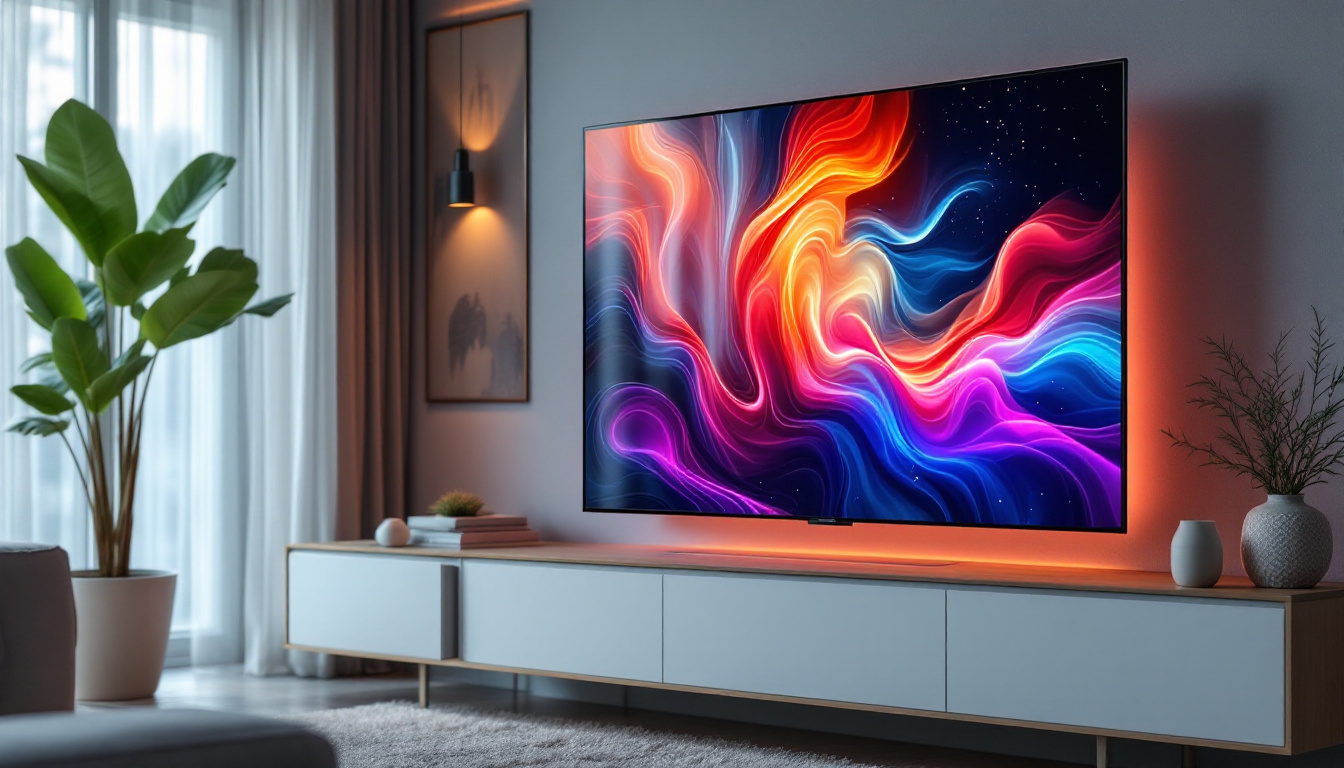
LED stands for Light Emitting Diode, a semiconductor device that emits light when an electric current passes through it. An LED display is a flat panel or screen that uses an array of these tiny LEDs to produce images, text, and video. Unlike traditional LCD or projection screens, LED displays generate their own light, resulting in brighter, clearer visuals that are visible even in well-lit environments.
LED displays come in various forms, including indoor and outdoor panels, flexible screens, and video walls. For churches, indoor LED panels are most common, offering high resolution and vibrant colors that enhance the worship environment. These displays can be configured to fit any space, allowing for creative arrangements that can transform a sanctuary or gathering area into an immersive experience. The ability to incorporate dynamic visuals can significantly elevate the overall atmosphere, making services more engaging and memorable for congregants.
How Do LED Displays Work?
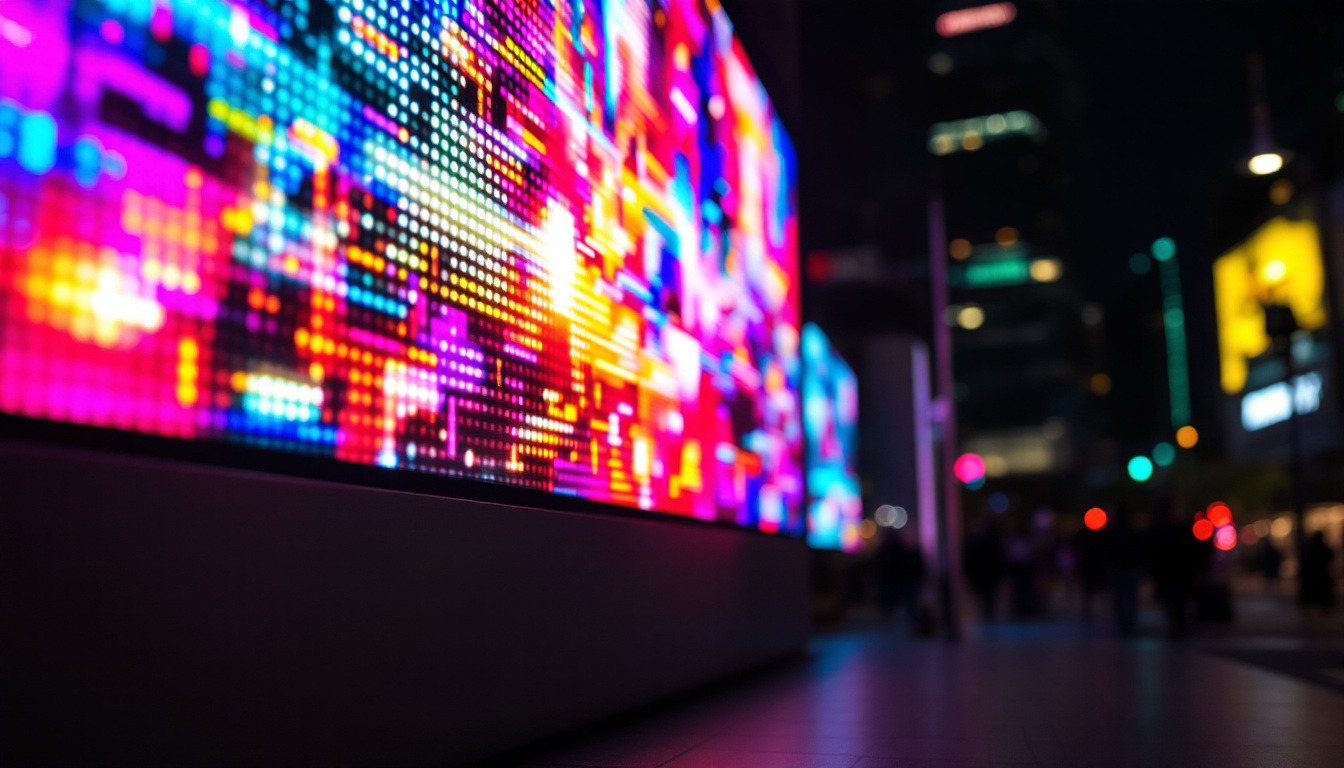
Each LED in the display acts as a pixel or part of a pixel. By controlling the brightness and color of each LED, the display creates images and videos. Modern LED displays use RGB (red, green, blue) LEDs, which combine these three colors in varying intensities to produce a full spectrum of colors. This technology allows for stunning visual effects, including smooth gradients and rich color saturation, which can be particularly impactful during worship services or special events.
These displays are controlled by software that manages the content shown, enabling churches to switch between song lyrics, sermon slides, announcements, and live video feeds seamlessly. The modular nature of LED panels also allows for scalable screen sizes, from small stage backdrops to massive video walls. Additionally, advancements in LED technology have led to the development of high-definition and ultra-high-definition displays, providing even greater clarity and detail. This is especially beneficial for large venues where every seat should have a clear view of the content being presented, ensuring that all attendees feel included and engaged in the service.
Moreover, LED displays are energy-efficient, consuming less power than traditional lighting solutions, which is an essential consideration for organizations looking to reduce their carbon footprint. The longevity of LED technology also means lower maintenance costs over time, as these displays can last for tens of thousands of hours without significant degradation in performance. This reliability makes LED displays an attractive investment for churches and other institutions that rely on visual communication to connect with their audiences.
Why LED Displays Are a Game-Changer for Churches
Enhanced Visibility and Engagement
One of the primary advantages of LED displays is their superior brightness and clarity. Unlike projectors, which can struggle in ambient light, LED displays remain vivid and easy to read regardless of lighting conditions. This ensures that everyone in the congregation, whether seated in the front row or the back, can clearly see the content.
Clear visuals help maintain focus and engagement during services. For example, displaying song lyrics on an LED screen encourages congregational participation, while sermon notes and scripture references can be highlighted to reinforce key messages.
Versatility in Content Presentation
LED displays offer unparalleled flexibility in content delivery. Churches can easily switch between different types of media, including:
- Song lyrics and worship videos
- Live video feeds of the pastor or worship team
- Announcements and event promotions
- Scripture verses and sermon outlines
This versatility allows for a dynamic worship experience that can be tailored to the needs of different services and events.
Durability and Longevity
LED displays are known for their durability and long lifespan. Many high-quality LED panels can last upwards of 100,000 hours before needing replacement, making them a cost-effective investment over time. Additionally, LED technology is energy-efficient, consuming less power compared to traditional lighting and projection systems.
Key Features to Consider When Choosing an LED Display for Your Church
Resolution and Pixel Pitch
Resolution refers to the number of pixels on the display, while pixel pitch is the distance between the centers of adjacent pixels, measured in millimeters. A smaller pixel pitch means higher pixel density, resulting in sharper images and text.
For indoor church environments, a pixel pitch between 1.5 mm and 3 mm is typically ideal. This range provides clear visuals at typical viewing distances without the high costs associated with ultra-fine pixel pitches.
Screen Size and Viewing Distance
The size of the LED display should be proportional to the size of the worship space and the distance of the farthest viewer. A general guideline is that the screen height should be at least 1/6th to 1/8th of the viewing distance to ensure readability.
For example, if the farthest seat is 60 feet away, the screen height should be between 7.5 and 10 feet. Many churches opt for wide, panoramic screens that span the stage width, creating an immersive visual environment.
Brightness and Contrast Ratio
Brightness, measured in nits (cd/m²), determines how well the screen performs in various lighting conditions. Indoor LED displays typically range from 800 to 1,500 nits, which is sufficient for most church settings with controlled lighting.
Contrast ratio—the difference between the darkest black and the brightest white—also impacts image quality. Higher contrast ratios produce more vivid images, making text and visuals pop on the screen.
Control System and Software Compatibility
Choosing an LED display with a user-friendly control system is crucial for smooth operation. Many LED displays come with proprietary software or are compatible with popular church presentation platforms like ProPresenter or EasyWorship.
Integration with existing systems ensures that worship leaders and technical teams can easily manage content without extensive training. Additionally, remote control capabilities allow for quick adjustments during live services.
Installation and Maintenance: Best Practices for Churches
Professional Installation
Installing an LED display requires careful planning and expertise. Factors such as mounting structure, electrical requirements, and ventilation must be considered to ensure safety and optimal performance.
Engaging professional installers who specialize in AV systems for houses of worship can prevent common pitfalls and reduce downtime. They can also advise on the best placement to maximize visibility and aesthetics.
Routine Maintenance and Troubleshooting
While LED displays are relatively low-maintenance, regular cleaning and inspections help prolong their lifespan. Dust and debris can accumulate on panels, affecting image quality and heat dissipation.
Technical teams should establish a maintenance schedule that includes checking connections, updating software, and monitoring for dead pixels or color inconsistencies. Many manufacturers offer warranties and support plans that cover repairs and replacements.
Real-World Examples: Churches Benefiting from LED Displays
Large Urban Churches
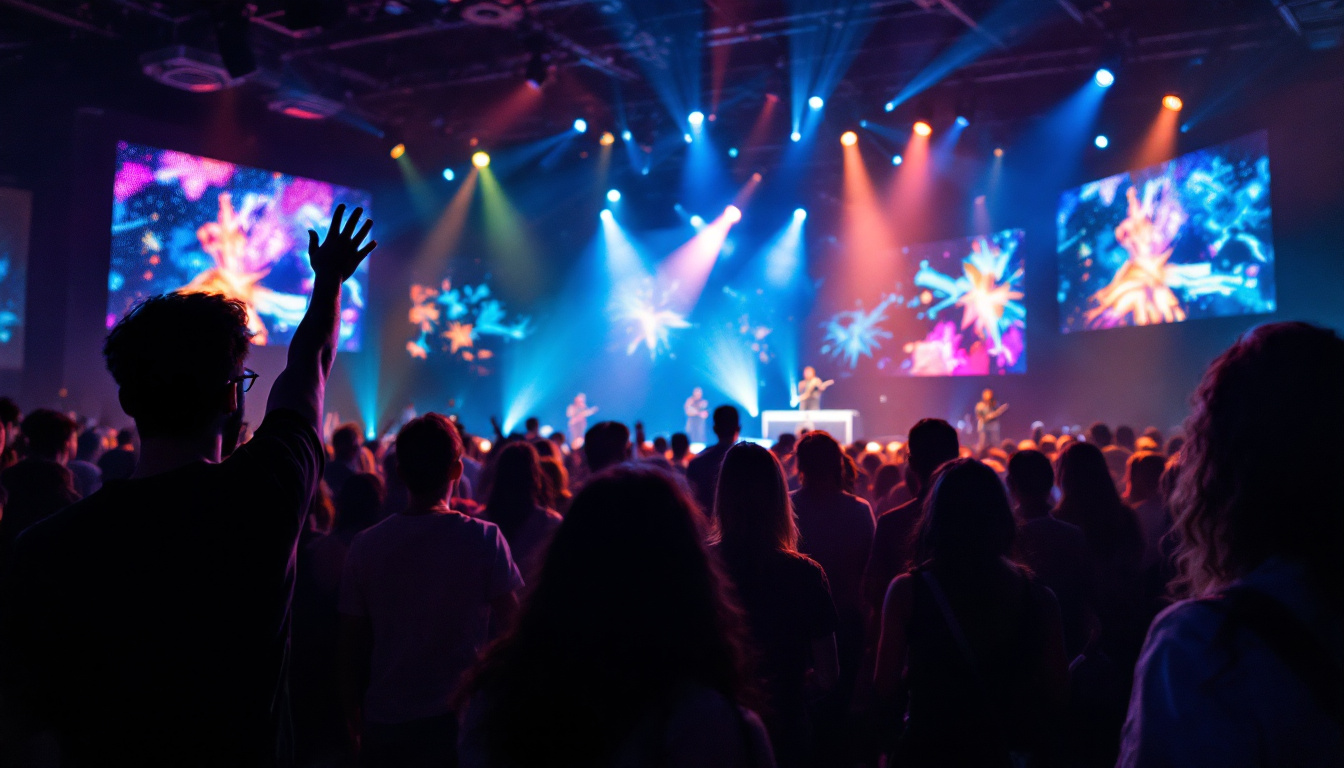
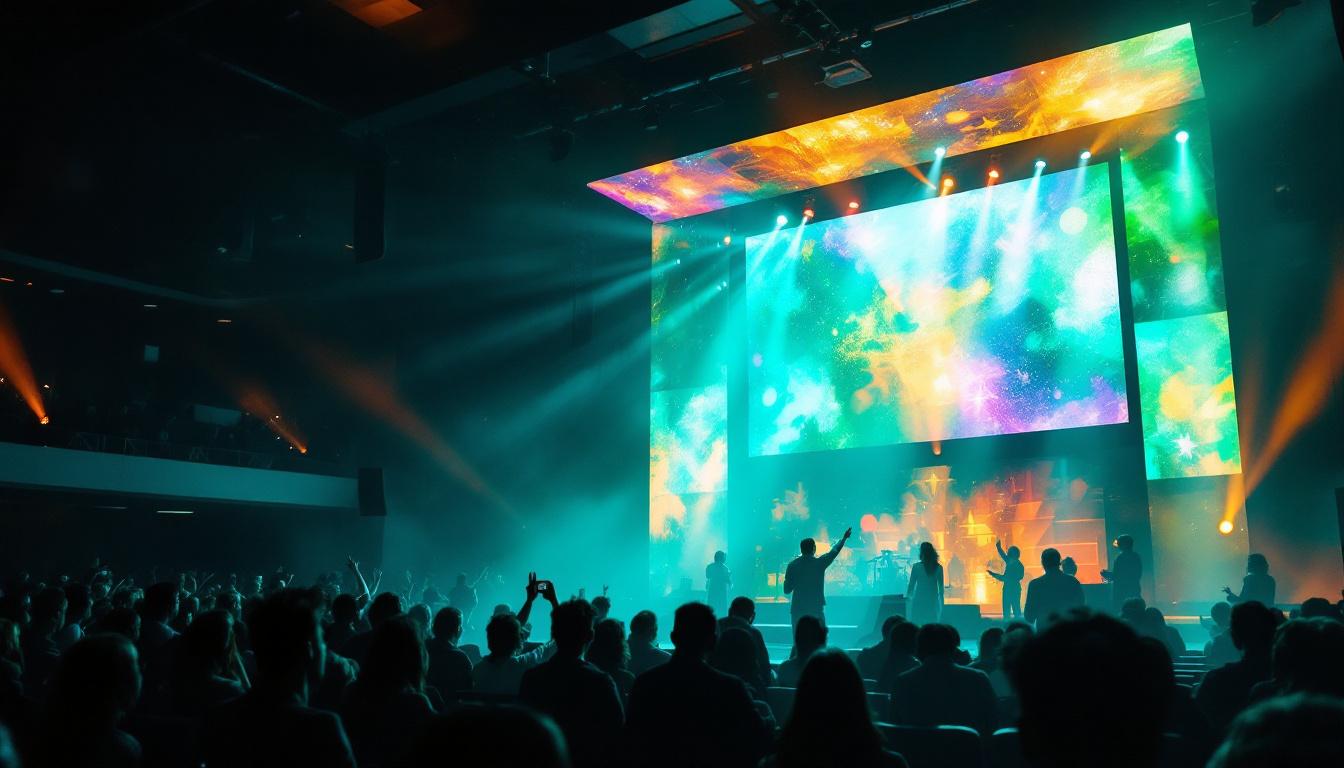
Megachurches in metropolitan areas often utilize massive LED video walls to create immersive worship environments. For instance, some churches use LED displays spanning over 30 feet wide to broadcast live sermon feeds, worship band performances, and multimedia presentations simultaneously.
This scale of visual engagement helps manage large congregations and enhances the overall atmosphere, making services more memorable and impactful.
Mid-Sized and Small Churches
Smaller churches are also embracing LED technology. Compact LED panels can be installed behind the altar or on side walls to display song lyrics and sermon slides. This approach is particularly valuable in multi-use spaces where traditional projection is impractical due to ambient light or room layout.
LED displays in these settings improve accessibility, allowing all attendees to participate fully regardless of seating position.
Cost Considerations and Budgeting for LED Displays
Initial Investment vs. Long-Term Value
LED displays can represent a significant upfront cost, ranging from several thousand to tens of thousands of dollars depending on size and features. However, when compared to the recurring expenses of projector bulbs, screen replacements, and maintenance, LED technology often proves more economical over time.
Additionally, the enhanced engagement and professionalism LED displays bring can contribute to increased attendance and community involvement, indirectly benefiting church growth.
Financing and Grants
Many churches explore financing options or grants to fund LED display installations. Some denominations and faith-based organizations offer technology grants aimed at improving worship environments. Additionally, crowdfunding campaigns and donor sponsorships can help offset costs.
Careful budgeting should also account for installation, training, and ongoing maintenance expenses to avoid surprises.
Future Trends: The Evolution of LED Displays in Worship Spaces
Integration with Interactive Technologies
Emerging trends include integrating LED displays with interactive elements such as touchscreens and augmented reality. These innovations promise to make worship services more engaging and participatory, especially for younger congregants accustomed to digital interactivity.
Energy Efficiency and Sustainability
As churches prioritize environmental stewardship, LED technology continues to advance in energy efficiency. Newer panels consume less power and incorporate sustainable materials, aligning with green initiatives and reducing operational costs.
Remote and Hybrid Worship Enhancements
The rise of hybrid worship models, combining in-person and online attendance, has increased demand for LED displays capable of supporting live streaming and multi-camera setups. High-quality LED screens improve the visual experience for both onsite attendees and remote viewers, bridging the gap between physical and virtual worship.
Conclusion
LED displays have become an indispensable tool for modern churches seeking to enhance communication, engagement, and worship experiences. Their brightness, versatility, and durability make them ideal for a wide range of church sizes and settings. By understanding key features such as resolution, brightness, and control systems, churches can make informed decisions that align with their unique needs and budgets.
Investing in LED display technology not only elevates the aesthetic and functional quality of services but also supports the broader mission of fostering community and spiritual growth. As technology evolves, LED displays will continue to play a vital role in shaping the future of worship environments.
Discover LumenMatrix LED Display Solutions for Your Church
Ready to transform your worship space with vibrant, energy-efficient LED displays? LumenMatrix is at the forefront of LED display innovation, offering a wide array of solutions tailored to meet the needs of churches of all sizes. From Indoor LED Wall Displays that bring sermons to life to Outdoor LED Wall Displays that welcome your congregation, our products are designed to enhance engagement and communication. Explore our cutting-edge LED Sports Displays, Floor LED Displays, and even Custom LED Displays to create a truly unique worship experience. Embrace the future of visual communication with LumenMatrix and check out our LED Display Solutions today.